

Go back

NTKNTG: Exhibits highlighting Indigenous communities

By: Izzy Cheung, Arts & Culture Editor
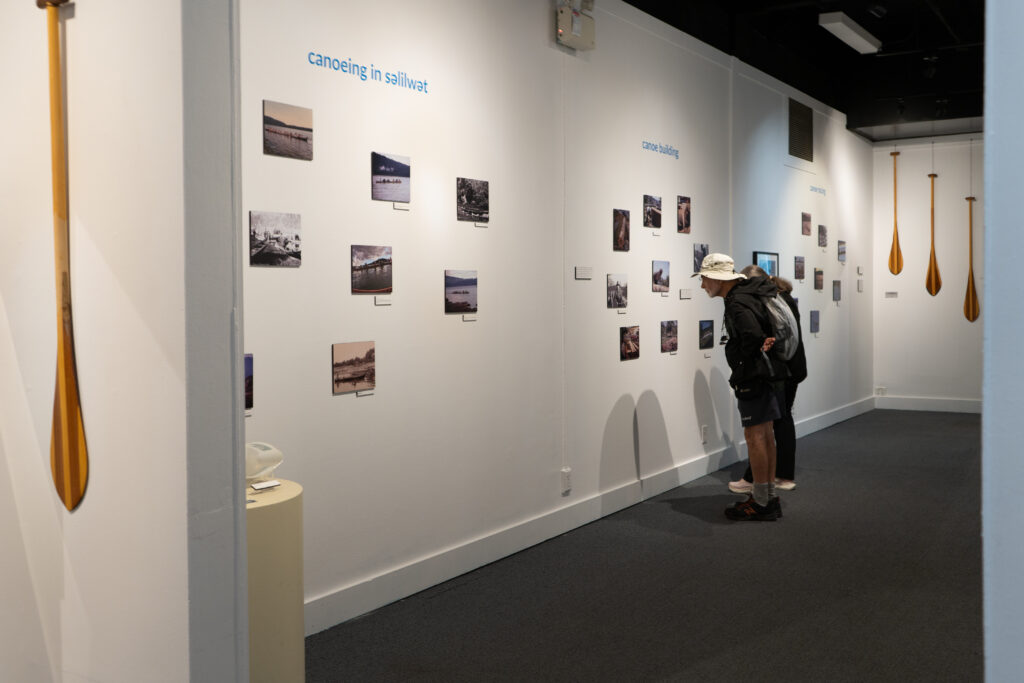
PHOTO: Elyana Moradi / The Peak

snəxʷəł: an art exhibit by Mekwalya (Zoe George) 

Vancouver Maritime Museum, 1905 Ogden Ave., Vancouver 
Runs until November 2024 
Every day 10:00 a.m.–5:00 p.m. 

The title of this exhibit, snəxʷəł, means “canoe” in hən̓q̓əmin̓əm̓ (traditional Musqueam language). It uses photographs, videos, and traditional canoes and paddles to highlight the significance of canoe culture for the səlil ̕wətaʔɬ (Tsleil-Waututh) people. Zoe George, whose Sḵwx̱wú7mesh (Squamish) ancestral name is Mekwalya, grew up in Squamish and on North Vancouver’s Tsleil-Waututh reserve. “I have been a war canoe paddler my whole life,” she said in her biography, with her typical paddling location being səl̓ilw̓ət (Burrard Inlet).  She hopes this exhibit allows all who attend to “understand the importance and presence canoe culture has in First Nations communities across the Lower Mainland.”  
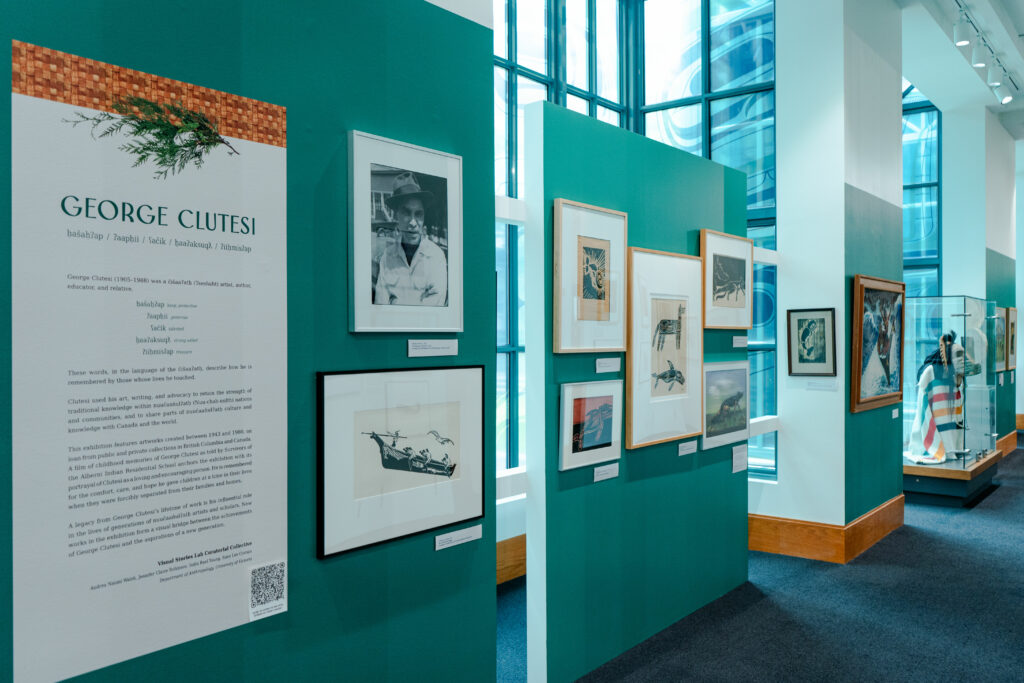
PHOTO: Elyana Moradi / The Peak

GEORGE CLUTESI: ḥašaḥʔap / ʔaapḥii / ʕac̓ik  / ḥaaʔaksuqƛ / ʔiiḥmisʔap 

Bill Reid Gallery of Northwest Coast Art, 639 Hornby St., Vancouver 
Runs until January 19, 2025 
Friday–Wednesday 10:00 a.m.–5:00 p.m. 

GEORGE CLUTESI: ḥašaḥʔap / ʔaapḥii / ʕc̓ik  / ḥaaʔaksuqƛ / ʔiiḥmisʔap delves into the legacy of the titular artist, George Clutesi (19051988). Put together, the exhibit’s title means “to be protective,” “generous,” “talented,” “strong-willed,” and “treasure.” Clutesi, a Tseshat teacher of song and dance, was a multi-faceted artist who also contributed to the Native Voice, which was the first Indigenous-centred newspaper in Canada. The exhibit, located just a few blocks from SFU’s Harbour Centre, “is an exploration of the life and legacy of Clutesi, whose actions have left an indelible mark on the preservation and celebration of the Nuu-chah-nulth community’s cultural traditions and customs.” 
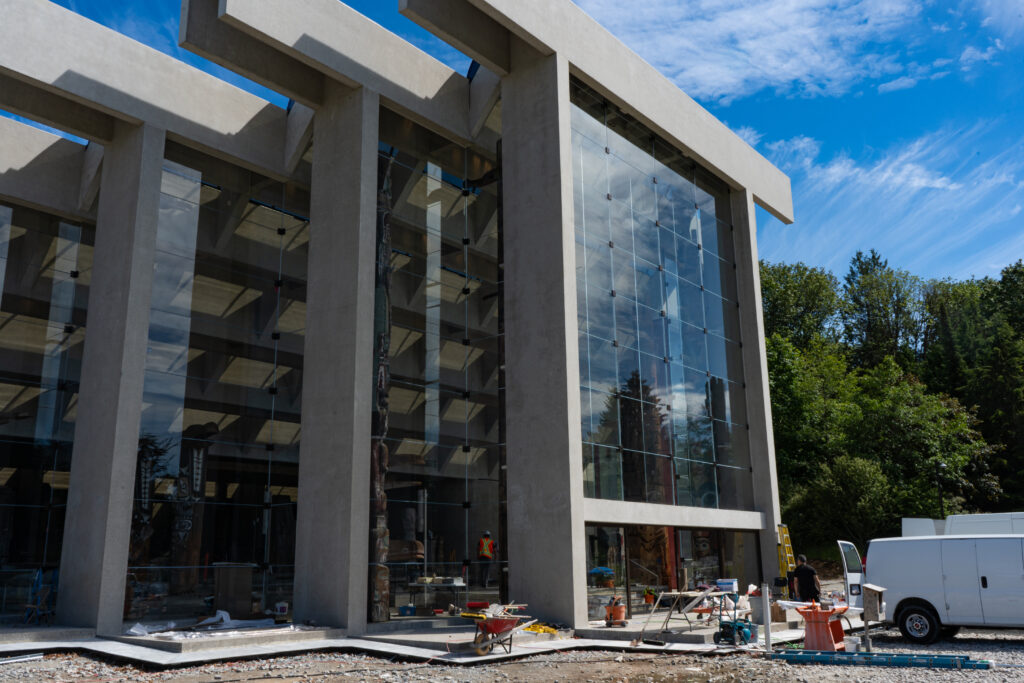
PHOTO: Elyana Moradi / The Peak

To Be Seen, To Be Heard: First Nations in Public Spaces, 1900–1965

Museum of Anthropology, 6369 NW Marine Dr., Vancouver 
Runs until March 30, 2025 
Open Monday–Wednesday and Friday–Sunday 10:00 a.m.–5:00 p.m., and Thursdays 10:00 a.m.–9:00 p.m. 

After 18 months of renovations, the Museum of Anthropology will be reopening on June 13. To celebrate, they will be featuring To Be Seen, To Be Heard until March 30, 2025. The multimedia exhibit touches on Indigenous peoples’ representation of themselves in public spaces, like “parades, protests, royal visits, tourist markets, civic jubilees, and intertribal gatherings.” It will consist of archival materials, such as old photographs, and voice-overs from members of various Indigenous communities that will play throughout the display. 

Was this article helpful?
0
0

Leave a Reply

Block title

SFU professor highlights the danger BC faces from natural disasters

By: Niveja Assalaarachchi, News Writer 2025 was one of the most destructive years on record for natural disasters. Though much of the damage to infrastructure and human lives was seen in the Global South, much of the economic cost was seen in Global North countries like Canada. The Peak interviewed Tim Takaro, a professor emeritus at SFU’s faculty of health sciences, to learn more about how the growing destruction of natural disasters specifically applies locally.  In 2025, BC faced disasters like the flooding of the Fraser Valley and forest fires. Takaro explained that these disasters as a whole had afflicted large segments of the population, especially marginalized communities. For one, he pointed to those with chronic illnesses, as chronic conditions can increase the chances of sickness...

Read Next

Block title

SFU professor highlights the danger BC faces from natural disasters

By: Niveja Assalaarachchi, News Writer 2025 was one of the most destructive years on record for natural disasters. Though much of the damage to infrastructure and human lives was seen in the Global South, much of the economic cost was seen in Global North countries like Canada. The Peak interviewed Tim Takaro, a professor emeritus at SFU’s faculty of health sciences, to learn more about how the growing destruction of natural disasters specifically applies locally.  In 2025, BC faced disasters like the flooding of the Fraser Valley and forest fires. Takaro explained that these disasters as a whole had afflicted large segments of the population, especially marginalized communities. For one, he pointed to those with chronic illnesses, as chronic conditions can increase the chances of sickness...

Block title

SFU professor highlights the danger BC faces from natural disasters

By: Niveja Assalaarachchi, News Writer 2025 was one of the most destructive years on record for natural disasters. Though much of the damage to infrastructure and human lives was seen in the Global South, much of the economic cost was seen in Global North countries like Canada. The Peak interviewed Tim Takaro, a professor emeritus at SFU’s faculty of health sciences, to learn more about how the growing destruction of natural disasters specifically applies locally.  In 2025, BC faced disasters like the flooding of the Fraser Valley and forest fires. Takaro explained that these disasters as a whole had afflicted large segments of the population, especially marginalized communities. For one, he pointed to those with chronic illnesses, as chronic conditions can increase the chances of sickness...

