Home Blog Page 152

Inside The Cherry Pit

0
A black and silver microphone with a stand
PHOTO: Jukka Aalho / Unsplash

By: Saije Rusimovici

Editor’s note: Saije Rusimovici is the acting vice president of Creative Design for CMNSU.

The Cherry Pit podcast was born from the ambitions of members of SFU’s Communication Student Union (CMNSU) to combine their production skills with their passion for media studies and create a new form of online community. The podcast, hosted by CMNSU’s communications team, covers a variety of lighthearted and humorous topics. Wanting to break out from the traditional role of a student union, CMNSU aims to reach beyond the confines of the faculty and inspire everyone, not just communication majors, by producing content that has a high entertainment value. 

This isn’t the first podcast hosted by CMNSU members. Prior to the creation of The Cherry Pit, CMNSU produced a successful string of episodes of the podcast The Medium, The Message by CMNSU. Despite having an established podcast, the content was primarily focused on educational, communication-related topics. In early 2023, the podcast began to shift from communication to content that anyone, regardless of their major, could enjoy. From this shift came the eventual rebranding into The Cherry Pit in October 2023. 

This podcast revamp is looking to be an exciting feat taken on by CMNSU. In addition to the podcast, The Cherry Pit is also the title of an online blog written by the CMNSU communications team. Each post is different, following no specific theme or outline. Writers on the team are free to choose which topics they would like to write about, such as anti-bucket lists, travel tips, and self-care guides. Like the podcast, The Cherry Pit blog is a space for writers to freely express ideas with a hope of inspiring and humouring readers. 

Alan Röpke, President of CMNSU, is hopeful about the future of The Cherry Pit. Röpke wants CMNSU to stand out as more than just a student union. “Cherry Pit kind of signifies what we want that growth to look like,” he said. “Simran and her team represent this new wave of individuals who go into the world with a wide range of diverse multimedia skills. CMNSU will advance to be that space where people know of a student union for the content they produce, it’s a way of adapting to both students academic and entertainment needs.”

Simran Mann, vice president of communications for CMNSU and lead podcast host, provided The Peak with a behind-the-scenes look at how the vision for The Cherry Pit became a reality. 

The Peak: How did the idea for The Cherry Pit come about? 

Simran: In past years, CMNSU’s podcast has mainly catered to communication students, but we really wanted to reach a wider audience this year by moving beyond just academic and career-related topics. So we gave the podcast a full blown makeover! We started with the name, which was actually inspired by me accidentally swallowing a cherry pit during our first brainstorming session. It kind of started as a joke but it stuck. 

The Peak: What do you enjoy most about being a podcast host?

Simran: Honestly, I just love being able to sit down with my team [Jane Thompson, Chance Wasnuk, Melody Azimi, and Nercya Kalino] and have conversations about whatever random topic we have picked out for the week. Cherry Pit doesn’t really have a specific focus, which makes recording so fun because we just run with whatever’s on our mind that day. 

The Peak: What makes The Cherry Pit unique?

Simran: We’re a student-run podcast, but we don’t really make that our main focus. Since our content is pretty broad, you never know what you’re going to get. Sometimes we don’t even know until we start, but it comes together in the end!

The Peak: What is one of your favourite episodes so far? 

Simran: Definitely our second episode, “Things we should collectively leave behind in 2023.” We don’t hold back for this episode, especially on the topic of fashion trends.

The Peak: Why should people listen to The Cherry Pit, and where can they listen/interact with the podcast? 

Simran: I feel like The Cherry Pit [is an] easygoing and comfy listen that can appeal to just about anyone. It’s kind of like sitting down and listening to your best friends talk about whatever’s on their mind. 

CMNSU members are excited to continue building a community around the podcast and hope to attract listeners from all faculties across the university. In the future, they hope that CMNSU will be known not only for being a student union, but for the entertaining content they produce. The Cherry Pit is intended to be an integral part of CMNSU’s legacy.

Follow, rate, and listen to support The Cherry Pit on Spotify or Apple Podcasts. Follow @cmnsu on Instagram to be notified when a new episode releases and for general updates on other CMNSU initiatives and events. 

Canada is too hasty to expand MAiD

0
Some medications and a stethoscope on a table
PHOTO: Julia Zyablova / Unsplash

By: Hailey Miller, Staff Writer

Content warning: mentions of ableism, death, Medical Assistance in Dying, substance use.

In June 2016, Canada introduced Medical Assistance in Dying (MAiD). It provides medically-assisted death for those with chronic, terminal health conditions and patients who cannot benefit from other treatment options. As of March 17, 2024, access will be expanded to those with mental illnesses, and includes those who have a history of substance use disorders. Expanding MAiD instead of investing in other treatment options sends the message that it’s not worth the government’s effort to support these individuals, or that their struggle has no other means of treatment. This is not true in most instances. There are other support options available that should be invested in before expanding MAiD. 

MAiD should only be available to patients in extreme circumstances. However, some individuals are offered MAiD when they don’t need or want it. In 2022, someone was trying to get a “wheelchair ramp installed at her home for the past five years” and was instead offered MAiD. Patients need to have complete autonomy over MAiD, and not be offered it unprompted. From 2019 to 2022, there were at least four confirmed cases of veterans being offered MAiD through Veterans Affairs Canada. An investigation took place as offering MAiD is completely unacceptable in these cases, and is not allowable through a non-medical circumstance. MAiD should not be used to devalue a disabled person’s worth or quality of living. 

MAiD includes a patient being told about the process, giving informed consent, being assessed by at least two practitioners, and exhausting all treatment options where applicable. To be eligible, the individual must be mentally competent, defined as “being capable of making health care decisions for yourself.” This is to ensure informed consent — typically throughout the assessment process, as well as immediately prior to administration. In the event that someone can’t give consent immediately before administration, they must sign a form ahead of time stating and allowing such consent. This is part of the issue. 

Since informed consent must be granted, it may be more difficult for some individuals with mental illnesses and substance use disorders to give their consent if they are not mentally competent, and are influenced by illicit substances or prescribed drugs. Though there are certain instances for which MAiD is appropriate for individuals with mental illness, this should only be considered in extreme circumstances where one’s mental illness is completely debilitating for the individual, or they have other severe, terminal diseases or health issues on top of the matter. 

Canadians face compounding issues of housing instability, on top of a lack of support services, medications, overdose prevention, and employment opportunities. When it comes to mental health and the cost and quality of living, better access to resources must be implemented to grant people the help they need. The same goes for people with physical disabilities and chronic health conditions where they also need access to health care resources to help with treatment, prevention, and overall accessibility. Why does the government cover the cost of death, but not the “cost of medications needed to live?”

In October 2022, an Ontario man, Amir Farsoud, applied for MAiD due the risk of becoming houseless and qualifying for medically-assisted death. He isn’t the only one. Others turn to MAiD out of desperation as a last resort. When patients say poverty is the number one reason for MAiD —  there’s an obvious issue. This is completely unethical, and the lack of support is unacceptable. Although Farsoud has physical health conditions alongside depression and anxiety, his conditions are not severe or life-threatening. Farsoud stated he didn’t want to die, but feared he had no other choice aside from houselessness. Luckily, people fundraised over $60,000 for him. Farsoud later posted an announcement thanking everyone for their contributions and stating that he had reconsidered his decision. However, this isn’t always the case. The fact he was even able to access MAiD in the first place, more easily than affordable housing, is completely appalling.

Rather than expanding access to MAiD for individuals with mental illness, there are many other, more appropriate resources that should be implemented. Mental health services often fail Canadians because there is lack of access — patients may not be able financially afford services or face barriers like racism and ableism while seeking support. Access to supports such as mental health care, counselling services, and medications — including prescribed drugs specific to certain disorders, and agonists such as Methadone (a “medication-assisted treatment” for opioid addiction) should be increased. Safe injection alongside overdose prevention sites, and better access to subsidized and affordable housing are resources that must be expanded to aid in mental health support and help alleviate associated challenges. These systemic issues must be addressed before expanding MAiD, and it’s been shown that the lack of access to resources directly correlates to mental health and substance use. 

MAiD should not be used as a way to mask or eliminate certain conditions that can otherwise be treated — whether this be through pain management, medications, therapies, medical appointments, or other supports. There is a certain time and place for MAiD, and offering it as a “solution” for people before addressing systemic issues is not the right thing to do.

Opinions in Dialogue: Content warnings, online activism, and taking a rest

0
A person holding their phone, logging into Instagram
PHOTO: Claudio Schwarz / Unsplash

By: Izzy Cheung, Staff Writer and Olivia Visser, Copy Editor

Content warning: mentions of gore, war, and torture.

Some argue we should add a content warning to graphic material on social media. Others say those in the west shouldn’t have the right to look away as we are removed from war, compared to those suffering violent attacks in Palestine. However, what happens when graphic material traumatizes viewers? What if seeing this content triggers people with PTSD? Does taking space away from social media mean we don’t care? 

Olivia: There are plenty of ways to be an activist on or offline, but social media has become one of the best ways to connect people around the globe. Without it, the general public would have to rely solely on news organizations and word-of-mouth to get their information. For this reason, mediums like Instagram and TikTok can be a great way to share resources — but should merely using social media count as consent to view graphic content? Most platforms have guidelines surrounding graphic media, and will generally blur out these posts unless you intentionally press a button to view them. However, in times of heightened conflict and injustice, there are simply too many posts for even an automated moderation system to account for. 

I’ve had more than a few experiences scrolling through Twitter and coming across graphic images or videos of death. This is a long-standing issue, but recent attacks in Gaza have spurred more of these posts. As someone who lives in Canada, it’s easy to say I don’t want to see these images — nobody wants to, but it’s still the reality for the millions of people who live through war and injustice. I understand the desire to document reality, and I can’t reasonably tell people to censor their own suffering. At the same time, I don’t think you need to see visible evidence of cruelty to know it exists and to empathize. There are plenty of people with all kinds of trauma that simply can’t look at images of death, not to mention the fact that content moderators often develop PTSD as a result of frequently viewing such material. Are you less of an activist because you opt to scroll past disturbing content? Not necessarily. 

Izzy: I can see why people wouldn’t want to see violent depictions of torture, death, or overwhelming amounts of gore unpromptedly. However, there is a certain level of ignorance that comes with content warnings. Content warnings on social media give you the option to look past whatever might be blurred and completely ignore the issue altogether, which is something I’ll admit I’ve been guilty of. While some of us may be able to empathize with others in certain situations, it’s hard to know the severity of an issue if we just skip over it. This is especially true if we’re not overly knowledgeable about a situation.

Some content creators and journalists have even accused various social media platforms of muting content about Palestine even if all it does is discuss what’s going on. In this context, it feels important to spread what we can to raise awareness about the scale of violence in Palestine. Many journalists who have covered the ongoing attacks in Gaza have been silenced, leaving the duty of dispersing this news to social media. Suppressing this kind of content, even without specific trigger warnings, creates a society that’s ignorant about issues that don’t directly concern us. Being exposed to information that might make us uncomfortable allows us to engage with struggles occurring around the world that we might not initially be aware of. It demands we pay attention. 

Olivia: I agree people need to be uncomfortable sometimes — reality is uncomfortable, and we generally need to feel some level of discomfort if we want to meaningfully engage in activism. However, I don’t think people should be expected to view disturbing photos or videos in order to be educated. Graphic content can go beyond mere education and genuinely traumatize people. Many have cautioned against sharing such videos to avoid traumatizing yourself or others. Psychologist Monnica Williams told NPR that footage of violence and death can be highly traumatizing, “especially if you’re part of a stigmatized or minoritized group that’s often dealing with trauma like this.” While there is absolutely an argument to be made for sharing injustices that happen in the world, I also wonder if the loved ones of victims are always comfortable with these videos being shared. I can’t really tell people what they can and cannot rightfully share — especially if they’re the ones in front of or behind the camera — but I do think visually graphic content should come with a warning whenever possible. However, if someone is disturbed by violent footage, that also doesn’t mean they should avoid engaging with troubling issues altogether. There are ways to draw attention to injustice without potentially triggering people. Ultimately, it’s important to stay informed, in whichever way works for you. 

Izzy: In an ideal world, I don’t think it should take seeing disturbing content to be able to empathize with others, but unfortunately that often ends up being the case. It’s not fair for the families and loved ones of those who may be the subject of this content to have to witness this over and over again, nor is it fair to any of the victims. Graphic content can only accomplish so much in terms of activism, but doing something about it is up to the person viewing it. Seeing injustice, rather than just hearing about it, could prompt more action from those of us who are on the other side of the world. Visual manifestations may demonstrate the severity of attacks in Palestine to those not directly involved, in turn commanding us to take action. Opening eyes to the hospital situations in Gaza will rightfully force these narratives into our online conversations.  

While advocating on social media can be helpful to introduce us to issues we aren’t familiar with, we should also seek to make lasting change through other opportunities. Keeping difficult conversations going within your own social circles can potentially educate those around you more than an Instagram post could. Attending protests or walkouts can help raise awareness. While it’s true that we have the privilege of resting from home, taking breaks from exposure to difficult content is important so you have the energy to take action. Online activism is important for generating conversations — but we need to do more than that to keep them going. 

SFU paleoecologist discusses the past, present and future of Earth’s climate

0
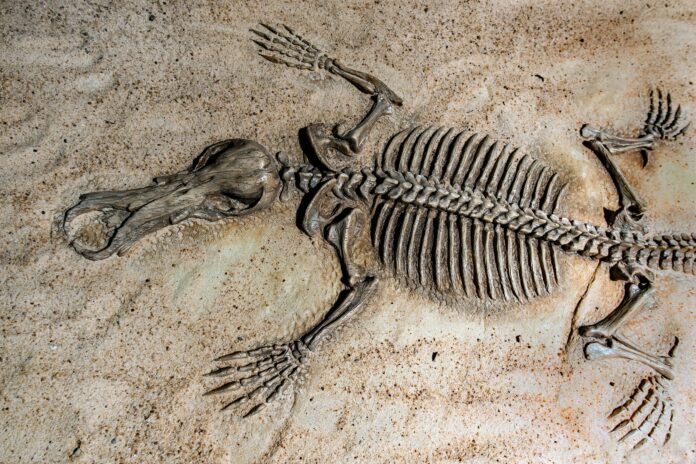
This is a photo of a fossilized animal in the ground. Its bones are lying in perfect formation. The animal appears to be prehistoric.
PHOTO: David Clode / Unsplash

By: Olivia Sherman

Dr. Rolf Mathewes is a professor of paleoecology, the study of ancient ecosystems, and is SFU’s longest serving faculty member in the department of biology. He has been a member of SFU since his undergraduate studies began in 1967. Mathewes has also served as a forensic botanist, interpreting plant remains that are evidence in homicide cases. One of his recent discoveries from the Eocene Epoch, spanning 5633 million years ago, is from Lhuḵw’lhuḵw’áyten (Burnaby Mountain). His data proves that during this time period, Lhuḵw’lhuḵw’áyten was a tropical environment. 

The name Eocene comes from the Greek word eos, meaning “dawn.” Eos was the godly personification of the dawn in the Greaco-Roman religion. This name is in reference to the appearence of many of the modern life forms we know today such as mammals. Our current epoch, Holocene, is named after two Greek words: ὄλος, holos, and καινή, kai-ne. These mean “whole” and “recent.”

His seminar on October 30, “Time Travels of a Paleoecologist,” explained fire history and climate change from a paleoecological lens. Mathewes covered the Eocene Epoch to the Holocene Epoch, which spans about 10,000 years to the present day. In the late 1960s, Mathewes and his supervisor, Dr. Robert Brooke, discovered fossil samples where many campus buildings are today. These Eocene fossils include samples such as leaves, pollen, and other flora. “But neither of us was a paleobotanist at the time, so they all got stored in cabinets. Nothing was done with them until I started work on them.” 

The findings from these particular samples show they are fossils of plants no longer growing here because they require more tropical environments, like the craigia oregonensis, only found in temperate areas of modern-day China. Mathewes said the best comparison for what Lhuḵw’lhuḵw’áyten would look like in the Eocene Epoch would be Wilmington, North Carolina, due to both environments’ abundance of tropical plants, like gum trees and palms

Mathewes then moved the discussion to the Pleistocene Epoch, which lasted from 2.6 million years ago to about 12,000 years ago. This period saw a span of ice ages. Scientists struck more than gold when they excavated Klondike, in the Yukon Territory, where they found fossilized organisms like mammoths, steppe-bison, and short-faced bears. Other animals included grazing animals, such as horses and yaks. This discovery led scientists to consider what these animals were consuming because the territory was previously thought to be a desolate tundra. Mathewes explained this has been dubbed the “productivity paradox,” named after the unproductive, harsh, and unnurturing tundra. The fossil evidence of these animals is paradoxical to this idea. Studying vegetation, Mathewes argued, is the key to understanding how these ancient animals both lived and died. 

Mathewes used the fossilized body of a ground squirrel in its nest as an example of how animals related to their environments. The nest, preserved underground, is embedded with plant material the squirrel collected, such as conifer needles, fruits, and seeds. Mathewes and his research team noted one plant in particular, Artemisia frigida, or prairie sagewort, which isn’t known to grow in the north where the squirrel body is preserved. Therefore, the Klondike must have seen prairie-like conditions at some point in time. Once the environment changed from prairie to the tundra it is today, the extinctions began, Mathewes explained. The changing climate, loss of grasslands, and overhunting endangered some of the large, grazing animal populations like horses and bison, who relied on these environments. 

Mathewes then jumped forward to the Anthropocene, or, the age defined by human activity and environmental impact. The past few years have seen increasing wildfires across BC, a worldwide trend that is being exacerbated annually. 

Using layers of accumulated sediment in lake beds and bogs, Mathewes said we can determine the state of the climate at the time sediment from pollen and other materials was deposited. Mathewes dubbed pollen as “nature’s fingerprints,” as experts can read the history of the environment in the sediment just through this material, and predict future trends. Using this data, Mathewes predicted many more alder trees would grow in BC’s coastal rainforest. This is a species of tree that always grows after fires. 

“We’re at a global tipping point, where lots of systems are on the edge of long-term stability. ‘Stability’ is a big question mark these days,” Mathewes noted. “Paleoecology can tell us something about how we got to the present, understand how we got here, and is maybe a heads-up on the Anthropocene future.

“This is my future prediction: fire frequency and severity is going to increase from where it is today. Drought frequency and severity is going to increase from where it is today. Storm frequency and severity is going to increase from where it is today. And the political and societal responses to food shortages and natural disasters are not positive.” 

How SFU presented that tentative agreement

0
Four business people sitting around a conference table. Two of them are shaking hands.

By: Kelly Chia, Editor-in-Chief

Burnaby, BC — to many, this foggy evening at SFU would be a regular night. But to the SFU bargaining team, who told us in secret that SFU actually stood for, “Sufficient, Fair, Understanding,” prior to a certain bargaining meeting, this meeting represented much more. It was a chance to redeem the underdogs, at least, according to the SFU bargaining members we spoke to at The Peak

Bargaining team member, Casual Dismissio, explained how recent events impacted their strategy, “We had to take a look at ourselves and really consider our moral compass after the big hubbub of hiring Lions Gate private investigators,” they shrugged. “Well, like, maybe being cancelled online is just a way for us to engage with our young students!” Dismissio exclaimed they did not expect to receive so much criticism, apparently forgetting the university’s long history of student strikes. Dismissio added that, at the very least, they have more reputation now than when they were a “commuting campus.”

“Now we’re a community campus because everyone is mad at us! We’re so good at unity,” Dismissio said proudly. “We’ve never seen our students so enthusiastic about rallying for their instructors’ working conditions. Who knew they cared so much? We didn’t—” After this comment, Dismissio was promptly pulled away from our interview and assigned to create the perfect vague apology mass update email to share with the student body of SFU. 

“Those emails are so important for how we connect with our students,” another bargaining member, Talks Biggame, chirped in. “You see, the in thing is to be publicly shamed into action. That’s just what’s trending these days!” She then brought us to get a first look at their bargaining conditions, nodding at the “bargaining members” they had put into trench coats. “This right here is our secret weapon: now, no one can say that we’re not trying and not showing up! We’re all here,” she gestured to the small, moving gray masses with twitching noses. “SFU has always been known for outstanding outreach efforts, and we thought, ‘Why not bring in a key member of the community for their thoughts?’” 

“Are we going to be in attendance? Well, maybe in spirit,” Biggame said cryptically.

The apparent “key members” poked out of the large trench coats, gray masks revealing their beady, raccoon eyes. One raccoon even studiously brought a small slab of bark and a branch as though ready to take notes. It was a sight to see the raccoon bargainers. But even more surprisingly to us, they seemed more prepared to make a decision. Let us give them a cheer for luck and see if the agreement they present is what TSSU deserves, and not just raccoon table scraps.

Your ultimate guide to posing with your favourite harvest vegetables

0
Someone standing in the produce aisle at the grocery store taking pictures with carrots.

By: Saije Rusimovici, Staff Writer

Taking a stroll through muddy and slightly smelly pumpkin fields may seem like an intimidating feat. I know, the pumpkins are scary. Choosing a shape, size, or colour is just about impossible. The same thought is running through everyone’s heads. We’ve collectively agreed that it’s socially acceptable to visit a farm and pose with a bunch of vegetables every year. I’ve done it, you’ve done it, we’ve all done it. 

We’ve also succumbed to the pressures of ordering the $6 pumpkin spice latte and topping it off with the most premium of premium oat milk for an extra $1.50. We’ve deemed pumpkins as simultaneously the cutest and creepiest of the harvest vegetables. But what about the other gourds?! Let’s give squash some credit, please! And what about dear old zucchini! Did you know that you can carve a cucumber? Let’s put faces on some cantaloupes this year! 

Let’s give all the gourds some credit and capture them on camera this year. The best part is you can find these gourd-geous veggies in your local supermarket (anyone who makes fun of you is just jealous they didn’t think of the idea before driving an hour into Langley).

This is your ultimate guide to taking pictures with your favourite gourds that will surely get more likes than the hundreds of pumpkin pictures on your Instagram feeds (don’t worry pumpkins, we still love you). 

The Super Squash: 

Balance each squash in either hand like you’re the host showcasing prizes on a game show. Keep your facial expressions super animated and glance at the gourds like they’re the coolest thing you’ve ever seen. This is a pose for those who love comedy and being the centre of attention (just remember the squash need to be the real stars of the show). 

The Cool Cucumber:

Cucumber is one of the most underrated of the gourds. So, you may be wondering how on earth to pose with the awkward cylindrical vegetable. Hold the cucumber so it rests subtly on your shoulder like you’re wielding a baseball bat or, even better, a fresh French baguette. If it’s cool in France, it’s cool at the local Safeway, too. 

The Peeking Pumpkin:

Soft-launch your relationship with your new significant other by hiding your faces behind a massive pumpkin. Just make sure you don’t accidentally drop it. Because, like most things at the grocery store, you break it, you buy it. While we prefer a classic orange pumpkin (yeah, maybe because it’s the cheapest), you can opt for a white or yellow pumpkin to be less basic.


Top Ten: Things I love about SFU

0
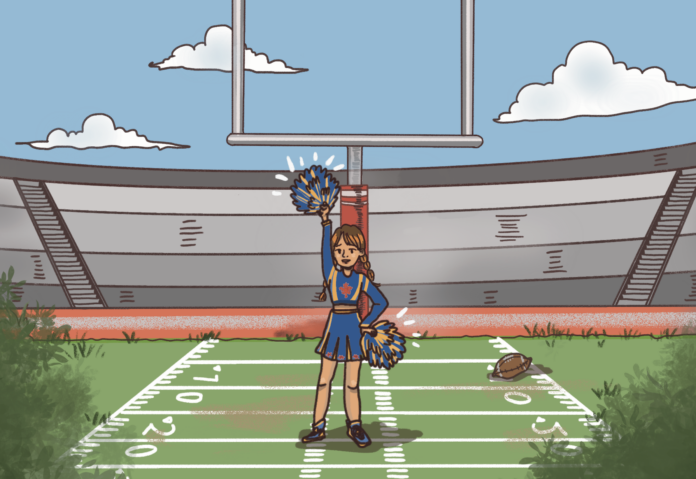
Cheerleader holding pom poms standing in the middle of an empty football field.

By: Izzy Cheung, Staff Writer

I don’t know about you, but when I was rejected from UVic, CapU, and the ever-famous UBC, I was ecstatic. I knew that this meant I’d be attending SFU. This prestigious, research-based university prides itself on all facets of post-secondary institutions. Here are some of my favourite things about this distinguished university. 

1. Accessibility is an Asset  

Burnaby campus, in particular, is stellar at this — the campus is amazing at being accessible. Right off the bat, you can obviously tell the campus is made for everyone — just look at all those stairs! I find it so considerate of the university to provide stairs for everyone, specifically those who may need extra aid to get around campus. Ramps, who? Yay! 

2. Maple Leafs = Red Leafs?  

I love how our athletics club decided to pay homage to that sparkling NHL franchise based out of Toronto. Although, our Leafs are red, so that makes a huge difference. It’s always fun to negate grammar to make a name sound fun and funky fresh! It’s in times like these when I wonder why I’m doing a minor in English. Yay! 

3. Course offerings  

SFU offers so many courses. They are courses. Courses that teach things. What exactly is Global Asia, and why is it called that? Does anyone remember the Latin American Studies Minor? Yeah, me neither. I wonder where it went. Yay! 

4. Treatment of workers 

Look at all those cleaning staff contracts — so little job security! Wow, when you think about how most people working in these positions are women of colour, it really makes you think about the power dynamics within the systems that employ these workers. Who has control over who? Anyways — yay! 

5. The football team 

SFU is known for being the only Canadian school in the National Collegiate Athletic Association. Because of this, you’d assume they’d treat their athletes with respect and inform them about any big decisions regarding their club at least a little bit in advance, right? Anyways, does anyone remember the Red Leafs football team? Yeah, me neither. I wonder where they went. Yay! 

6. Top-tier spy game 

Have someone you need to dig up dirt on or simply want more information on? Never fear — SFU is the university for you. In a study conducted by myself, after doing a Google search, it was found that SFU had hired the most private investigators out of all BC-based universities. Conclusion: if you need some digging done, you know who to call. Yay!   

7. Fifth-floor AQ bathroom 

Did you know that some of the bathrooms on the fifth floor of the AQ let you take a sneak peek into another person’s private pooping time? No, I’m not joking. It’s a fun experience for everyone involved and so typical of this fantastic institution. Yay! 

8. Transit!!!!

Sure, I’ve shackled myself to a life that will forever be spent taking transit, but that’s not a bad thing! Taking the bus up to the Burnaby campus is always a fun experience — it really makes you grow closer to your fellow bus-takers. Literally. Just think of all that fresh air you’re breathing in while being crammed into one little bus that comes every 10 minutes. Yay! 

9. Allocation of expenses 

Oh, here comes another tuition increase and they want to chat! Hello, tuition increase! What are you doing here? Do you know where you’re going? No? Do the students know where you’re going? No? That doesn’t make much sense. Didn’t you come from the students, Mr. Dollar? Won’t your previous owners miss you? Oh, you left for the university before anyone could realize that their university has messed up priorities? Well, that makes sense. Yay! 

10. They make me feel like I have my life put together (and that’s saying something!) 

For context, I’m graduating (?) next semester, and, as it stands, don’t have any post-graduation plans. My life is chaotic right now, and somehow, it still pales in comparison to . . . other organization and planning skills that have been seen around Burnaby Mountain recently. Yay!


Why I support the BC rat takeover

0
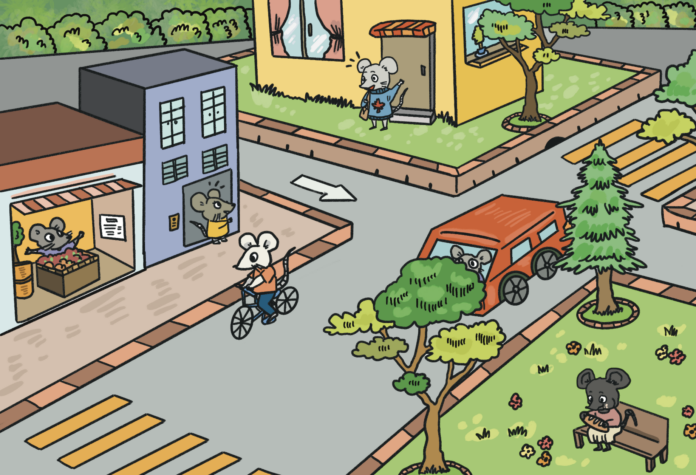
Intersection of a cute little rat neighbourhood.
ILLUSTRATION: Andrea Choi / The Peak

By: C Icart, Humour Editor

As you know, cities in beautiful British Columbia (not my words; I just read it off a license plate) are constantly at the top of all sorts of lists. For example, Vancouver and Victoria are in the top five most expensive cities in so-called Canada. Isn’t this such a magical and fantastical accolade? However, I am here to shed light on the province’s most recent win: five BC cities made it into the top ten rattiest cities in Canada.

Yeah, that’s right. We’ve got the astronomically high rent, we’ve got the pipelines, and baby we 👏 have 👏 got 👏 the 👏  rats! I do not think y’all understand the implications of this. We could petition for Ratatouille II to be set in Vancouver, Canada’s second rattiest city, only outdone by our enemy, Toronto. We’ve got MICHELIN stars, we’ve got rats, it just makes sense. 

Alsooooo, remember that Riverdale episode where Jughead fell into a sinkhole and met the Rat King (no, not the gross kind), a man living in the sewer? Do you think Burnaby, Canada’s third rattiest city, has a secret Rat King (again, not the gross kind)? I hope not. #AbolishThe Monarchy

Anyway, do you ever think about how boring SkyTrain commutes are? We’re not NYC. We don’t have men dressed up as giant rats holding even huger slices of pizza. But we could! Our rat game will put Metro Vancouver on the map . . . or not. #LandBack

The main benefit to BC’s super ratty status is that it compensates for attention-seeking Alberta’s rat-free status. Like, what is that about? ‘Berta may think they’re too cool for rats but out here on the coast, we know what’s best. That’s precisely why Kelowna comes in at number four, and Richmond and Victoria are Canada’s sixth and seventh rattiest cities. 

But among all this rodent excitement, I do want to clarify that, similar to how studies have shown that rats were not to blame for the Black Death, we cannot blame our rat comrades for this increase in COVID-19 cases this season. #MaskUp #GetBoosted 

In conclusion, (yes, I’m in my essay era) girl, don’t even worry about your ex. There are plenty more rats in the streets. 

SFU Student Bulletin Nov 13

0
Graphic that reads “Student updates.”
ILLUSTRATION: Courtesy of The Peak

By: Hana Hoffman, Peak Associate

NEWS AND UPDATES

NEW ELECTIVE COURSE – AVAILABLE FROM SPRING 2024
SFU is excited to announce the completion of their new and highly anticipated course, Taking Transit 110. This course is made to help you develop strategies to avoid missing the bus to and from school. It is also an excellent opportunity to study the nature of taking transit. Some of the covered chapters are Google Maps: Trust It or Bust It, Navigating The Bus’ Motion Sickness Spots, Guaranteeing Yourself a Good Seat, and Transitioning to Riding a Different Bus Than What You’re Used To. This course is not required; however, it is open to students of any discipline and is very beneficial to everyday life as a commuter.

MEET THE LEADERS – NOVEMBER 24
Are you new to SFU’s Burnaby Campus? Or do you want to reunite with your fellow civilians on the mountain? On November 24 at 3:00 p.m., join us in the Burnaby Mountain Conservation Area to meet the leaders and members of all the animal kingdoms we share the campus with. The main animal groups here are deer, raccoons, bears, squirrels, and rats. This is a great opportunity to converse with those who’ve been around for decades and receive useful advice on living at SFU, whether as a human or animal. RSVP today!

ACTIVITIES AND EVENTS

ART CONTEST – SUBMIT BY NOVEMBER 20
The theme for this month is “catching up.” Express your struggles of being three weeks behind on readings and assignments through any art medium. For inspiration, check out last month’s winner, who submitted a sculpture from all the pages in their notebook with random doodles. Good luck!

OPPORTUNITIES FOR YOU

WE WANT YOU! URGENTLY HIRING ELVES AND REINDEER
Are you looking for a working environment full of cookies, toys and Christmas cheer? Mail your resume to the North Pole today! Santa Claus, the operations manager and director of the holiday season, would not like to take a paws on reindeer flying prep and toy-making progress as we are getting very close to the most important day of the year. Applications from SFU residents will be the top priority because of their ability to live through cold winters and their success rate at making it into the nice list. Deadline: November 17.

APPLICATIONS OPEN FOR 2024 CLEAN SHOES BURSARY
We value all members of the SFU community who work hard to maintain their shoes, and we want to show our appreciation to the shoe respecters who consistently come to school in their cleanest and shiniest footwear. Submit your references, an essay about your shoe story, and three to five pictures of your best shoe maintenance work by November 30 to be considered for this bursary worth $300.

RESOURCES 
Feeling like a melting icicle in the cold season is snow fun. Click on any of these links to help you stay solid in the long run!

Life in general: Advice from Peakie
Finding happiness: The best tips for Vancouverites
Winter advice: The ultimate checklist for preparation

Peakie is here to help you navigate injustice

0
Woman wearing a gown and a crown sitting in an ornately decorated room
PHOTO: Alice Alinari / Unsplash

By: Cam Darting and C Icart, Humour Editor

Dear Peakie, 

How do I get Vancouverites to up their fashion game? It is so exhausting to have everyone stare at me when I’m walking down Commercial Drive wearing a basic dress. Have none of them seen a jewel-encrusted bodice with a long silk train before?

Sincerely, 
Still Getting Used To The Princess Protection Program 

Dear Still Getting Used To The Princess Protection Program,

I completely understand how you feel. Once, I was on the SkyTrain wearing an exact replica of Cardi B’s 2019 Met Gala Gown. Instead of feeling the weight of the fabric, all I felt were the eyes of strangers staring at my bedazzled nipples. Some people really don’t know how to mind their own business. My best advice to you, my fashion-forward feline, is to remember Vancouver is big. If you strategically choose where you go, you’ll blend right in. 

Xoxo,
Peakie

Dear Peakie, 

Everyone keeps raving about Renaissance Cafe, and don’t get me wrong, I love their chana masala as much as the next guy. BUT I need advice on how to move forward after the terrible customer service I received the other day. Listen to this: I was in the AQ at 9:00 p.m. craving an Italian soda and veggie panini and THEY WERE NOT OPEN!? How could they do this to me? 

Hungrily, 
Make Renaissance 24/7

Dear Make Renaissance 24/7,

I am sincerely sorry that you had to go through this. I can’t even imagine the pain you must have gone through. My initial thought was to sue, but let’s face it: you’re a student, so I have you in my thoughts and prayers since you can’t afford a lawyer. Go on strike for the tragedy that Renaissance Cafe caused you. I, as well as other SFU students, will picket with you to make sure Renaissance Cafe stays open 24/7 for your Italian soda and veggie panini needs. #FightForYourRightsQueen

From your fav humanitarian activist,
Peakie

Dear Peakie,

Please tell my girlfriend that spending $140 on the Holo Taco website makes 100% financial sense because then, I get free shipping. There are also extra benefits because I won’t have to pay my therapist to tell me how to connect with my inner child. I’ll simply wear the Cracked Taco Shell and it’ll be like I’m in 2012 all over again! 

Sincerely, 
Nothing Comes Between Me and My Taco

Dear Nothing Comes Between Me and My Taco,

I’m excited to hear that you’re newly single! Got a type? I might have an aunt that would be perfect for you. If your girlfriend doesn’t understand adulting, and that free shipping is helping your wallet, you need to break up with her. You deserve better. As a gift for being newly single now, buy yourself the Naughty List nail polish shade. That might be the only naughty action you’ll be receiving for a while.

Relationship fixer,
Peakie