Home Blog Page 207

Communication student union relaunches podcast

0
This is a photo of a podcast studio. There is recording equipment, microphones, and laptops set up around a table in a small room.
PHOTO: Austin Distel / Unsplash

By: Andreea Barbu, SFU Student

SFU’s communication student union has recently revamped their podcast, The Medium, The Message. It is hosted by vice-president of the communication student union, Talha Butt, and communications coordinators Simran Mann and Arianne Cervantes. The first episode was released on November 1. 

Their new podcast series aims to reach all communication students, as well as any SFU students navigating their university experience. Through an interview with The Peak, Butt, Mann, and Cervantes were able to express more about what this new undertaking will entail.

Prior to the November 1 relaunch, The Medium, The Message was a platform that offered academic-related advice such as applying to co-op or grad school. When expanding on the nature of the revamped series, Mann explained how their goals changed from the original release. “I wanted us to shift from talking about just school and career opportunities and then also mix in some fun, random topics,” said Mann. “I feel like that would keep our listeners a little more engaged.” 

Keeping true to this goal, their first episode informed listeners of the hosts’ first year experiences at SFU, along with advice they have for students undergoing their first year. “We wanted something lighthearted, where [ . . . ] students from the faculty could come together and speak about their experience about being communication students and geek out about their major,” said Butt.

When asked about who their intended audience was, Butt admits The Medium, The Message “is definitely tailored for communication students but it’s open to everyone throughout the university [ . . . ] similar to all of the events that we post as well, we try our best to tailor it to communication students but at the end of the day, anyone and everyone is welcome to join.”

Cervantes added, “We want it to be more fun! [ . . . ] We want it to be really authentic. We want our viewers to get to know not only us, but the communication members as well.” 

“How many clubs do you know at SFU that have their own podcast?” said Butt. “We really take pride in being one of those few clubs that actually offers something other than just your typical social media promotion, whereas we have a podcast as a means for students to feel relaxed but still get a little bit of information and something out of it.” 

In the long-term, Butt, Mann, and Cervantes’ plans for The Medium, The Message include bringing in external speakers, such as other executive members in the student union, industry professionals, and graduate students. Additionally, any SFU student is able to suggest topics for discussion by submitting requests through the student union’s website. Episodes are expected to be released twice a month.

To listen to the communication student union’s podcast, visit Spotify, Apple Podcasts, or Google Podcasts.

Running on empty

0
Top-down view of a group of people runnning in a running track

By C Icart, Staff Writer

Content warning: descriptions of disordered eating

On January 7, 2022, I did not go on a run. I did not push through the pain and exhaustion. I did not value being “disciplined” over listening to my body. This was the first time I did this since March 25, 2020 — the first day of my running streak. Yes, I ran every day for 653 days. At the time, I was not thinking about that accomplishment. I was consumed with the feeling of failure. After all, so many people have running streaks that are way longer. I was following so many other streakers (people who run at least a mile every day) online who had been doing it for years, if not decades. The longest-running streak was done by Ron Hill, who did it for over 52 years.

When I started my running streak at the beginning of the pandemic, it was to see if I could go longer than my previous streak, which ended a few years prior after over 150 days (at some point, I stopped counting and lost track). The whole world was shutting down, and it felt like a great time to get back into it.

You need to be a little obsessive to do something like this: or at least, I was. I quickly increased my mileage, going on hour-long runs several days in a row. It hurt; everything hurt, but I kept running. When I would struggle in the middle of a workout, I would repeat to myself that running is difficult, but I can do difficult things. It’s really that easy to blur the line between pushing yourself and self-destruction.

I was lying to myself, and honestly, I think at times I was fooling other people too. I would post mirror selfies on my Instagram story almost daily, mentioning which day of the running streak I was on. They typically included me in a sports bra and leggings, even though I never left the house without putting a shirt on. Online, you can twist and turn and get the angle just right. In real life, people could see what I viewed as imperfections. I included the world in my daily practice of body checking and regularly got compliments for it.

People think they know what healthy looks like, but they’re wrong; being healthy isn’t something you can simply see. Not all weight loss is good, and not all fitness is healthy. On paper, at that time, I was probably one of the healthiest sounding people: I was vegan, ran every day, did yoga, and went to the gym regularly. But I was so weak. I was going on runs more often than eating meals, and it was catching up with me. My anemia got so bad, I always felt like I was on the verge of fainting.

Yet, I was devastated when I ended my streak. I felt like I was so close to hitting two years. But I couldn’t run anymore. Everything hurt; I was exhausted. I felt like my body had failed me. But I knew deep down that I had failed it. I felt like a driver cursing on the side of the road as their car stopped, knowing damn well they had been ignoring the low-fuel signal. I cried.

I’ve always been a runner. I’ve never been one to face problems head-on. But there are some things you can’t run away from. Years of standing in stores reading the weight-loss tips in magazines I wasn’t going to buy, binging weight-loss reality TV shows, and fantasizing about purging built up the messy foundation of this unhealthy lifestyle. They say, “You can’t outrun a bad diet.” They forgot to mention you also can’t outrun body dysmorphia or all the hatred for your body you’ve been socialized to feel. Sure, many people wish they exercised more, but some of us should exercise less.

It hadn’t always been like this. I actually started running out of spite after a particularly horrendous finish in a 5k my school was doing in grade 9. I never wanted to feel weak and powerless like that again. I knew I was the “fat kid,” and people didn’t think I could do it. I ended up joining my high school’s cross-country team. I wasn’t the fastest, but I was lapping everyone on the couch. That was a time when running made me feel strong, free, and badass. I would live for Sunday mornings, where I’d blast my favourite music and do my long run in the rain — waving at my neighbours, racing squirrels, and discovering new trails and hidden gems in my city. I miss that.

On October 12, 2022, I went on a run for the first time in nine months. I guess it was time to see if I could be reborn. I was lacing back up because I had unfinished business. I never achieved my running goals because I was running on empty, and I wasn’t listening to my body. But I have paces I want to hit, races I’d love to enter, and trails I’d love to explore. I started with a short and easy 10 minutes to see how my body would feel. It was surprisingly normal. I immediately got into a comfortable rhythm, passing people on the seawall. I had forgotten how much running felt like home. A man directing traffic cheered me on, and I knew at that moment that I was so glad to be back.

I am not skinny; I will never look like the fitness influencers online sucking in their tummies in Gymshark outfits, trying to sell me abs in 14 days. I am giving up on the perpetual project of shrinking myself until I disappear. I am an athlete. I fuel, and I train. I don’t diet and punish myself with workouts. I’m sure my return to the sport will not be without hiccups. My relationship with my body, running, and food has always been complicated, but I’m seeing growth. Here’s to more eating and less body checking, more self-loving and less self-loathing, more smiles and sometimes, fewer miles.

Twitter is beginning a new era and not everyone is in for it.

0
Photo of a golden iPhone 6 with a blue screen and the twitter bird in the middle
#RIPTwitter #Twittershutdown #GoodByeTwitter #TwitterOFF

Wait, what’s happening on Twitter? 

Elon finally finished the transaction to buy Twitter seemingly against his will and became its CEO. It’s only been a couple of weeks and it seems as though everything with the app and the company is in shambles already. His tweets are getting more problematic and self-absorbed by the day, and this whole story has been a nightmare to follow. But if you’re still willing to try to understand the nonsense, I’ll give you my best shot at explaining some of it.

Wait, he paid how much for Twitter?

Elon Musk is building a “super app,” and Tesla is paying for it. Musk may be the world’s richest man, but he isn’t made of money. Most of his money is in Tesla stock. So, even though he paid 44 billion dollars for Twitter, in the long term, if he doesn’t make Twitter profitable, it will compromise his position at Tesla. Also, he has been funding his Twitter venture by selling Tesla stock even after he told Tesla shareholders he was “almost done with Tesla stock sales” back in December 2021.

Wait, who still works at Twitter?

Bestie, I don’t know . . . In all seriousness, we know Elon Musk, the world’s richest man, is still there. But he’s fired a large portion of the staff, including “the former CEO Parag Agrawal, the former Chief Financial Officer Ned Segal, and the former legal affairs and policy chief Vijaya Gadde.” The second Musk took over, employees started bracing for the worst despite a lack of internal communications. Roughly 3,700 people from the 7,500 person-staff were promptly laid off. There are also about a dozen employees that have been fired because they have openly criticized Musk. In addition, key folks he hasn’t fired are resigning. It seems the workforce at Twitter is now just a shell of what it used to be. And apparently, that isn’t working because Musk has already tried to hire some people back.

Wait, so what’s happening with free speech? 

Elon Musk is a loud and proud advocate of free speech, whatever that may look like to him. It seems as though, for many, it means the license to say anything, including hateful stuff. As a result, the use of racist and queerphobic slurs has increased significantly on Twitter after Musk took over. This is despite Musk tweeting, “We have actually seen hateful speech at times this week decline below our prior norms, contrary to what you may read in the press.”

Wait, if anyone can get verified, does the verification really mean anything?

No. And that’s the central issue Musk is running up against during the Twitter Blue roll-out. Anyone having the option to be verified for a monthly fee of $8 seems like an egalitarian solution, but it also means it only costs $8 to impersonate someone on the app. More on that later. So, suddenly, another set of “official” check marks people couldn’t buy was rolled out, and we were back at square one.

Wait, is anyone actually paying for Twitter Blue?

Yes, Elon Musk said, “The bird is free,” but Twitter Blue isn’t. Hopefully, this isn’t his only business plan because basic logic shows that a badly thought subscription model, that’s actually chasing away paid advertisers, will not be enough to get Twitter out of a deficit.

Wait, what are you allowed to do with your name?

Well, verification rules stopped verified accounts from being able to change their name without losing their checkmark, probably to stop impersonation. Doja Cat found this out the hard way when she changed her name to “Christmas” and realized she could no longer change it back — which prompted her to tweet, “how do I change it also fuck you elon.” I’m glad to report the issue seems to have been resolved because, at the time of writing, Doja Cat’s name on Twitter is “fart.”

Wait, who’s impersonating who?

Some users use Twitter Blue to impersonate famous people like athlete LeBron James. Others, like Kathy Griffin, used it to impersonate Elon Musk. The point of the practice was to expose the flaws in the subscription model. Users trolled Musk by tweeting things like “I am a freedom of speech absolutist and I eat doody for breakfast every day.” They also retweeted posts supporting Democrat candidates ahead of the US midterms. Given that the real Elon Musk has tweeted in support of a Republican Congress, holy moly, he did not like that. As a result, accounts that do not clearly list “parody” in their name while impersonating a celebrity are immediately suspended from the app.

Wait, whose stock is down?

The impersonation fiasco had some very real consequences for some companies. Someone used Twitter Blue to create a fake Eli Lilly account and promise free insulin. This caused the pharmaceutical company’s stock to drop by 4.5%. A Twitter user has pointed out: “it cost some hero $8 to evaporate billions in Eli Lilly stock value. Elon accidentally created one of the most cost-effective anti-capitalist tools in history.”

Wait, is Elon killing Twitter?

Only time will tell. To be fair, Twitter was already dying before he bought it. The last time it had a profitable year was in 2019. Also, “it’s smaller than all its other big competitors like Facebook or TikTok, and [. . .] there’s evidence that it’s losing some of its most prolific users internally.” One of the reasons Musk cited when he was initially trying to back out of the deal was “that based on his analysis, ‘false or spam accounts’ comprised 33% of visible accounts on the platform during the first week of July, and about 10% of its monetizable daily active users during the period.”

Wait, what’s a Mastodon?

It’s a metal band and an extinct mammal. It’s also a microblogging platform that people use as an alternative to Twitter. However, the platform is said to be complicated to use, resulting in many hilarious memes about the learning curve. Don’t worry though; there’s a YouTube video breaking it down.

Wait, does Elon Musk know what he’s doing?

Doesn’t seem like it. Although he runs multiple successful companies, this is his first time dealing with social media, which comes with “a lot of really thorny political, social, diplomatic problems.” He can’t just throw money at it and engineer his way to a successful platform. In a punchy article called “Welcome to hell, Elon,” Nilay Patel touches on just that. Musk may be a free speech absolutist, but advertisers and most users aren’t. Twitter needs advertisers and users to stay on the app to make money. Content moderation is not a question of preference; if Musk wants a profitable app, he will likely need to moderate more, not less. Advertisers will always prioritize brand safety, and that means not being associated with polarizing content and hate speech. In fact, GroupM, the “world’s leading media investment agency,” has said that buying ads on Twitter right now is “high-risk.”

Wait, what now?

I guess we wait and see. In the meantime, here are my thoughts @elonmusk:

  1. It’s not a “digital town square” if the wealthiest man in the world owns it and bans anyone who makes a joke about him.
  2. You can only turn Twitter into a “super app” if you can convince people to use it first.
  3. If you want this to work out, you will have to stop tweeting and start hiring and strategizing. Maybe one of us should show up to your house with a basin to help THAT sink in.


So You Want a Career in Science

0
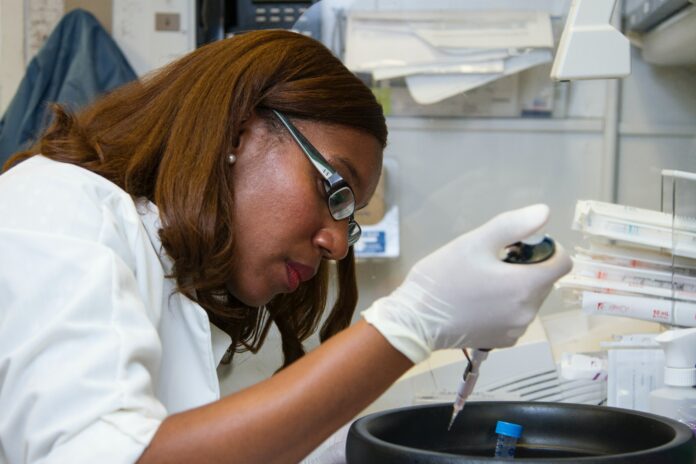
Photo of a woman performing an unidentified task in a laboratory
Okay, to be honest, working in a lab is a lot of fun.

by Daniel Salcedo Rubio

Hello everyone, here’s your resident grad student rambling once again about the wonders of the scientific community.

You are probably asking, and if not, you probably should be: Are there any other careers apart from a principal investigator (PI) or a faculty position? Should I resign myself to a life in the lab? Are my best friends going to be insects or mice now? What are my options if I want to pursue a career in science? Yes, no, maybe, and tons of options. There are many misconceptions about a career in science. These can range from the typical “it’s super boring,” and “there’s no creativity in scientific careers,” to the more recent and outlandish, “you’re an evil genius.” While there’s some merit and truth to all of these questions and misconceptions (especially the evil genius one), there are varied options when pursuing a career in science that are both thrilling and exciting.

Principal Investigator 

Let’s begin with the obvious one, the “crème de la crème,” or the PI of a research institution. First things first, becoming a PI shouldn’t be your only and ultimate goal, nor should you take my “crème de la crème” description to heart; I was being sarcastic. Being a PI is not for everyone and that’s perfectly fine. This is an extremely competitive position and the path to becoming a PI is a long and hard one. You’ll probably have to complete a master’s degree or jump directly into a PhD and then begin work as a postdoc before you can take the leap to become a PI. Start taking some scientific writing courses ‘cause you’ll need to publish, publish, write a ton of grant applications, and then publish some more. I used to be a clinical trial coordinator before my master’s and I had to review the CVs of hundreds of PIs — I swear there are some PIs out there with over 50 pages full of publications. That being said, at the end of all this preliminary work, maybe this is a career that might be well suited for you. The job of a PI is one of possibility and creativity: a life of questioning dogmas and revealing the unknown. They change the world. Take Manu Prakash, whose lab made a paper microscope that could detect malaria for only 50 cents or Cori Bargmann, who studies how neurons and genes affect behaviour. Yes, the life of a PI comes with many hardships, but also offers endless possibilities.

Teaching

A career in teaching is actually very satisfying and ever-changing. Unfortunately, it’s also a very hard one. An infographic from Jessica Polka for The American Society for Cell Biology shows that less than “10% of entering PhD students will become tenure-track faculty. Yet 53% rank research professorships as their most desired career.” I know, groundbreaking, another extremely competitive position. Fortunately, there are different tracks for a career in teaching, from being a nontenured-track faculty member to science education for non-scientists in outreach programs. I used to be a private tutor back in Mexico, mainly teaching basic sciences like Biology, Chemistry, and Math. I had this one student that struggled with basic math. She had a 65-point average on a 100 scale when she came to me, she ended high school with a 98-point average, and now she’s studying Environmental Engineering in a top-ranking university. If you have a passion for teaching, seeing one of your students surpass their own expectations makes you feel a unique sense of accomplishment. Yes, teaching might not be the most glamorous job out there, but it’s also one of the most rewarding.

Alternative paths

Neither of those options is for you? Don’t panic, I still have a lot of options for you. Let’s start with some of the less conventional. I come from a family of physicians, most of whom grew to kinda hate being physicians. Many of them decided to take different career paths, such as more marketing-oriented jobs in the field. My brother, for example, became a Medical Science Liaison (MSL) for a German pharmaceutical company in their respiratory diseases line of products. MSLs are still very connected to the scientific community. They ensure devices and pharmaceutical products are used effectively, they educate healthcare professionals, gather insights, and even promote the products they manage.

You could potentially become an entrepreneur, take that great idea or scientific finding and build a business out of it. Entrepreneurship might sound scary, creating an entire business from scratch is a very risky decision, but it might come with the greatest reward.

You don’t even need to become an entrepreneur to get into the business side of science. You can build a career in business development as an intelligence analyst or a consultant in a big firm like PwC or Delloitte. 

While there are still many more options, I want to finish with my personal favourite: scientific writing. Scientific writing is a huge field on its own — you can work on publishing and editing, go into scientific journalism, or even take a more technical path as a medical writer. You could work alongside researchers, consultants, and politicians in policy writing. You can start your own business as a freelance writer. I like to believe that not only are your options limitless, but they’re also all extremely important and needed in the scientific community.

A career in science doesn’t have to be limited to research or teaching — there are so many options to pursue. If you want to build a career in science but are feeling lost as to which path to follow, I suggest you take an online assessment, or check out websites like myIDP Science Careers which offers many resources to narrow down your options. Science is full of opportunities that cater to many different skill sets. I would advise you to talk to supervisors, grad students, or career councillors. Explore the many alternatives there are and find one that fits your life and career expectations.

Hidden Gems: Second-hand clothing stores

0
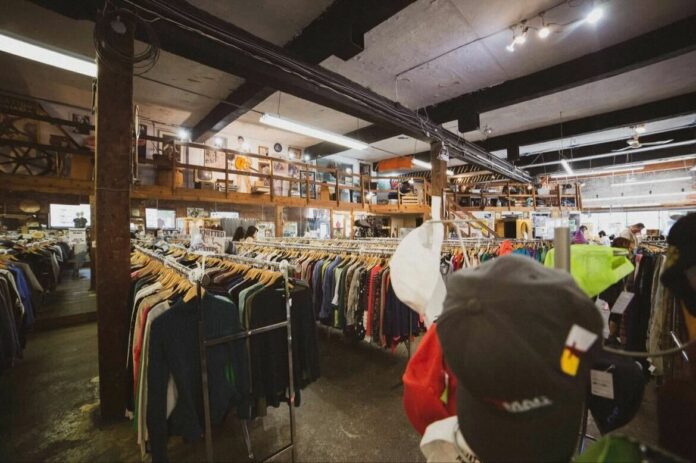
The interior of a store with a large selection of clothing.
PHOTO: wildlifethrift.com

By: Nercya Kalino, Staff Writer

There’s something about thrift stores that takes you out of your own mind and into an enthralling experience of hunting down unique gems. Thrifting is like rummaging through someone’s old wardrobe to put together your eclectic style. With winter in full swing, here are some great spots for building a unique wardrobe and stumbling upon perfect holiday gifts, all the while supporting important causes and fast fashion alternatives. 

Front & Company 
Location: 3772 Main St., Vancouver
Hours: MondayWednesday 11a.m.6:00p.m., ThursdaySunday 11a.m.6:30p.m. 

Front & Company is a contemporary consignment store. With this store’s modern, minimalist design, it doesn’t feel like being in a second-hand store, especially if you are used to vintage thrift stores like I am. The store does a great job at upscaling second-hand, mostly brand-name items, ranging from pants, sweaters, shoes, bags, and jackets. The prices of winter items are similar in price to buying new items, but in terms of style and reducing demand for fast fashion, it’s a great alternative shopping experience.

My Sister’s Closet
Location: 1830 Commercial Dr and 3958 Main St, Vancouver
Hours: MondaySunday 11:00 a.m.6:00 p.m.

One of the things I love about this store is that it’s a social enterprise created by the Battered Women’s Support Services. This means their profits help “fund violence prevention and intervention services.” It also “stands behind zero waste, eco fashion, and the thrift movement,” which makes it a great choice. Their items range from artisan, vintage, and designer, including pants, dresses, and tops. This is a great store to support, especially when you are looking to make a big purchase like a winter item.

Wildlife Thrift Store 
Location: 1295 Granville St, Vancouver
Hours: MondaySunday 10:00 a.m.8:00p.m. 

This store works with charities that advocate for mental health, such as Coast Mental Health and The Gathering Place. You’ll be sure to find yourself excited over the large, colorful space and eclectic selection. There are so many clothes to look through that it’s hard not to find something that suits your taste.

What type of soup are you?

0
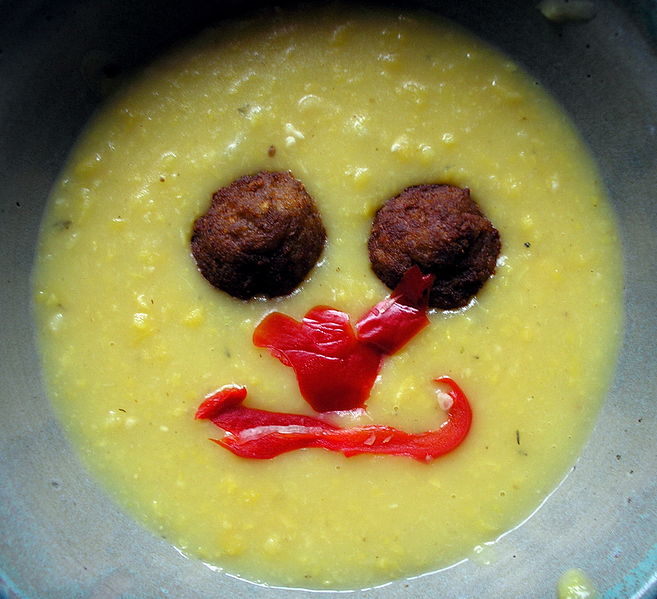
A stock photo of soup. Meatballs and radishes are arranged on its surface to look like a smiley face.

By: Olivia Visser, Opinions Editor

Fall is upon us. We’re reminded of the changing seasons every time we step into the crisp autumn air on Burnaby Mountain. Nothing goes better with the season than warmth — warm jackets, warm drinks, warm food. I’m talking about soup

Have you ever noticed that soup is such a perfect representation of humankind? The sheer variety of flavour and texture is astounding. Savoury or sweet, noodle or stew — there are endless ways to be soup. Trust me, you could stand to be more soup-erb. And, being the soup connoisseur I clearly am, I’ve compiled a groundbreaking six-question quiz that will uncover your secret “soup style.”

Question 1

What’s your favourite thing about soup?

  1. It’s so low maintenance! You can whip a soup together with little care, and use it to meal prep for the upcoming week.
  2. It’s delicious. There are so many creative and innovative ways to make a delectable soup.
  3. It’s nostalgic. Always reminds me of childhood lunches.
  4. It’s okay.

Question 2

Pick a non-soup dish (I know, I’m sorry).

  1. Spaghetti. Nostalgic and easy to make, I respect it!
  2. Filet mignon. Ooooooh, how fancy. 
  3. Homemade mac n’ cheese. Ah, so comforting, what a classic!
  4. Clams. You sinner.

Question 3

What’s your favourite thing about university?

  1. It’s a lot easier than I expected, course-wise! Lots of room to procrastinate.
  2. There’s so many prestigious awards to win and clubs to join.
  3. I just like meeting awesome new people.
  4. Nothing.

Question 4

If you were to give yourself from five years ago advice — what would you say?

  1. Learn to slow down and enjoy things!
  2. There’s always room for improvement, and always new things to learn.
  3. Don’t forget about your past and the people who made you who you are today.
  4. I don’t know you. 

Question 5 

How would your friends describe you, in 3 words or less?

  1. Easygoing.
  2. Showy.  
  3. Wholesome.
  4. Terrible.

Question 6

What do you picture your future looking like? 

  1. Honestly, I’m not too concerned as long as I’m happy.
  2. I hope to excel at something important.
  3. I want to be close with my loved ones.
  4. I don’t know. 

If you got mostly A’s

Congrats! You’re tomato soup. Nothing special, but well-loved nonetheless. You enjoy routine and simplicity, and you’ll be happiest in life sticking to your gut. 

If you got mostly B’s

You’re French onion soup! Everyone loves you as well, but you can be a bit pretentious at times. Such is the life of a classy soup like yourself. 

If you got mostly C’s

You didn’t think I’d leave chicken noodle soup out, did you? Pat yourself on the back and take pride in knowing you’re everyone’s favourite comfort soup. Your gentle demeanor makes you a go-to in times of trouble. 

If you got mostly D’s

…You’re clam chowder. Not many people’s first choice. Few people enjoy the thought of seafood soup (and I’m sure fewer people like the thought of being it). BUT there’s certainly people out there for you — those with a distinguished palette.

Social media platforms need censorship

0
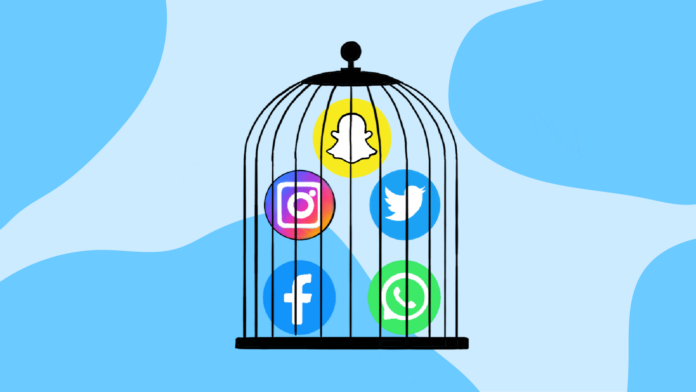
Illustration of multiple social media app icons in a cage
ILLUSTRATION: Raissa Sourabh / The Peak

By: Olivia Visser, Opinions Editor

Social media companies don’t owe you unmoderated speech. While Elon Musk galvanizes his fanbase into believing content moderation is tyranny, most tech companies have caught onto the fact that no one really wants a platform free from censorship. I’m not really talking about political censorship — I believe people have a right to speech that doesn’t incite violence. But hate speech and harassment makes websites unusable for consumers, and undesirable for advertisers. Platforms that have tried their hand at looser content moderation styles have failed repeatedly, and it seems like Elon Musk is set on bringing Twitter down with them.

We’ve likely all seen Twitter descend into chaos over the past few weeks. After Musk followed through with his deal to purchase the social media platform, there was an “immediate, visible, and measurable spike” in hate speech, according to CBS News. Researchers found that hateful speech targeting people for their identity, like the use of slurs, increased by 4.7 times the day after he became CEO. Nevermind the fact that he bans parody accounts criticizing him, and fires employees who express concerns, Musk has been a vocal proponent of free speech for some time now. Disguising himself as a “free speech absolutist,” he lures bored internet users into an echo chamber of right-wing talking points, one of which being the idea that social media platforms should favour free speech over user satisfaction.

The Verge’s Editor-in-Chief wrote an article titled “Welcome to hell, Elon” that argued most users don’t want to “participate in horrible unmoderated internet spaces full of shitty racists.” Hard to disagree. Nevertheless, free speech absolutists often believe that their words, however depraved, should be free from consequences. Offline, someone would face repercussions if they walked around harassing people for their identities — outcomes ranging from losing friends to job opportunities. These are real-life consequences stemming from actions any rational person would view as unsavoury — not the result of some shadowy “woke mob.” Most companies understandably don’t want to platform this type of behaviour. 

As users flee Twitter in search of a less hostile platform, Elon Musk will either realize censorship is necessary, or go down with his ship. Right-wing media platforms that have attempted to be censorship-free have either failed, or become safe-havens for hate and conspiracies. Social media sites like Gab, Parler, and Truth Social, which branded themselves as conservative safe spaces, were financial failures because they didn’t appeal to anyone besides extremists. These apps were used to coordinate the Capitol riot in the US, before being banned by app stores for refusing to moderate their content. Alex Shephard at The New Republic argued “right-wing shitposters don’t actually need or want a safe space to play together,” and instead “they want to be a part of a battlefield.” 

It seems like Elon Musk is content with Twitter becoming a battlefield. And all for what — some awful hate tweets made from anonymous accounts? Advertisers are quickly cutting their ties to the site for its failure to moderate parody accounts spreading hate and misinformation. Private companies don’t have an obligation to host your hateful conduct. The “terms of service” function of social media platforms is what keeps these sites afloat for users and advertisers alike — if you loosen it too much, it’ll lose its meaning. We’ll see if Musk figures that out.

Elon Musk does not need your defense

0
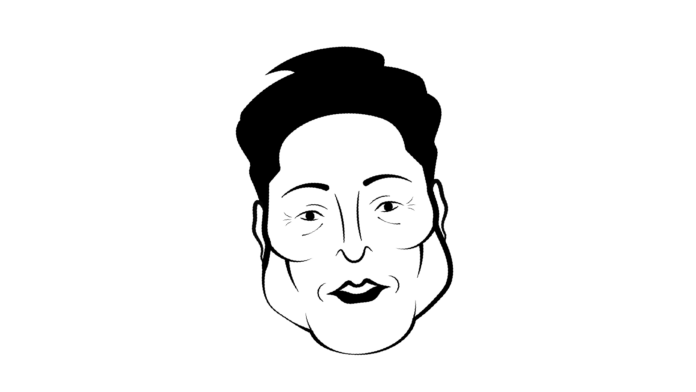
exaggerated linework illustration of Elon Musk’s face
ILLUSTRATION: Alyssa Umbal / The Peak

By: Kelly Chia, Humour Editor

If you’ve been on Twitter the last two weeks, you bore witness to Elon Musk reducing the platform to his tantrum sandbox in the name of “free speech,” even protesting that activism is what’s driving people away from the site. No, Musk: it’s your rampant moves to fire or ban anyone who questions you, while making it difficult for officials to verify themselves with an $8 fee that’s rushing people out like a landslide. 

Musk was never a good guy. Evidently, he’s not the invincible genius that his fans believe he is. He’s a man who has made empty claims time and time again. Like the time he said he would build a “hyperloop” tunnel linking New York and Washington, then later took the project off the company website. His fans rush to comment sections to defend every mistake he makes. But, Musk is not a hero, nor your friend.

Musk is, in fact, a billionaire permanently stuck in 2014 meme humour, yucking it up for the Redditors and fanboys who worship his intelligence. I promise he will be okay if you don’t idolize him. This man has undeniable power and wealth and chooses to use it for spreading mass disinformation about vaccines and COVID-19, while decrying the loss of free speech. In fact, Musk doesn’t care about free speech. He cares about being adored. 

In the last week alone, this man has moved more swiftly against his impersonators and critics through bans and blocks, instead of providing solutions for the loss of user privacy after 50% of his workforce was illegally laid off. So protect your private information and delete any personal details — the Tony Stark wannabe is intent on barging down a road of poor decisions, and you should not go with him. 

Rain is that girl

0
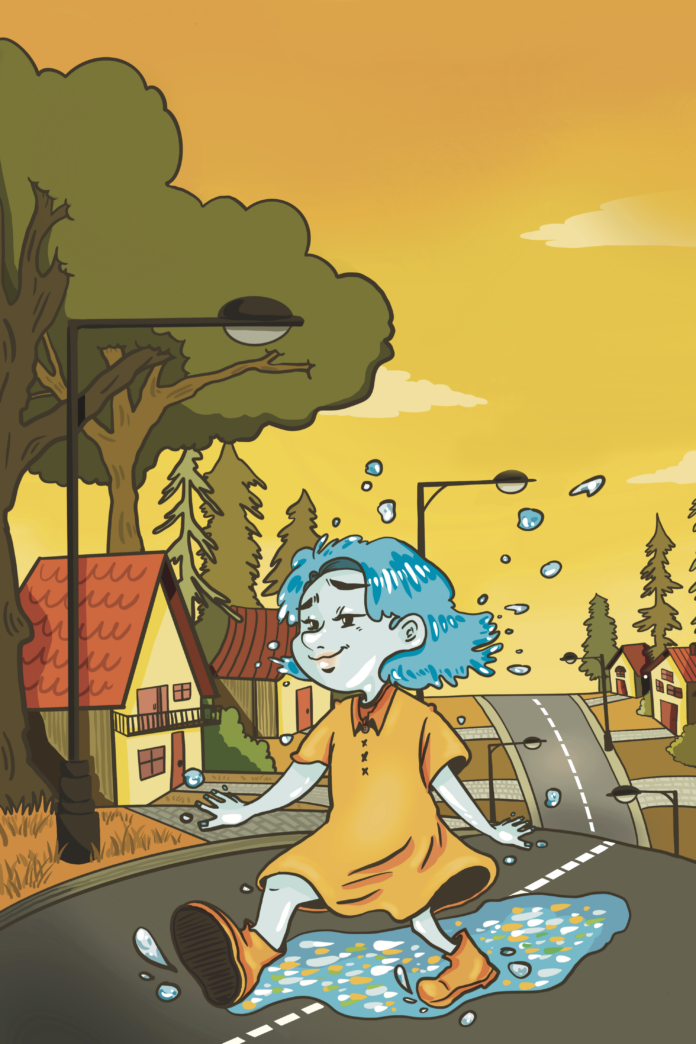
Illustration of the rain, personified as a snooty character.
ILLUSTRATION: Andrea Choi / The Peak

By: Maya Beninteso, Peak Associate

Hello my repentant subjects,

Sorry to rain on your parade, but it’s me, Rain! I know you’ve missed me. I thought I’d arrive fashionably late this season seeing as everyone loves to hate me. Lucky for you, I love the infamy (and the infamy loves me). Tell me, did you enjoy the sweltering sun in your concrete building you call a university? Did you enjoy shedding layers, in addition to tears, in your lecture halls? Did the tears that streamed down your blood-rushed cheeks make you think about . . . me? 

You know what I enjoyed during my absence? How you all begged . . . so much for “rain, rain [to] go away.” Oh, how the times — and climate — have changed. It’s about time you thank me for saving you from the unseasonably hot October. Nooo, climate action can totally wait, that’s why you were wearing shorts and the air quality was just peachy. Oh, you know you love me, so why pretend otherwise?

And, if you fail to repay me properly, that is to say, voting in candidates that prioritize climate protections, maybe next year I’ll wait until November to make my appearance! Or maybe I simply won’t come back to teach you a lesson. I wonder how much you’ll miss me then. After all, you never know what you have until it’s gone. I’ll give you something to miss other than your once intact mental health and reasonable climate. Appreciate me, or learn to miss me, heathens.

If you enjoy the heat, oh my, am I going to bring it, especially now that I’m in the spotlight. Oh, you didn’t know? You didn’t know that the myth, the legend, Taylor Swift wrote a song for me called “Midnight Rain?” This proves one thing, my fellow subjects, I am the main character — written by a main character, herself. Don’t mind me, I’m just making my own name, chasing that fame or, rather, that infamy. It’s oh so lonely at the top. 

Regardless, my dear subjects, I am here to stay and I’ve come prepared. Revenge is a dish best served cold . . . I hope you bundle up this winter.

xoxo,

Rain

The Peak’s special curriculum

0
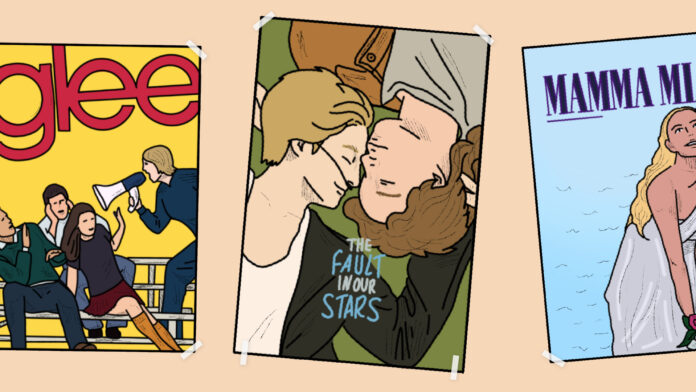
Illustrations of the covers of Glee, The Legend of Zelda: Animated Series, Mamma Mia, and The Fault in Our Stars
ILLUSTRATION: Hayeon Gil / The Peak

By: Petra Chase, Arts and Culture Editor, Kelly Chia, Humour Editor, Hannah Kazemi, Staff Writer, Olivia Visser, Opinions Editor

Professors,

You’ve kindly taken your time to study and deconstruct theory after theory, assigning us only the best — or most standardized — works academia can offer. Now, it’s our turn to return the favour. You see, these recommendations you will hear about today have shaped us irrevocably as human beings, and therefore, how we approach your subjects. Whether for worse or for better, The Peak assigns you this essential guide to understanding culture, and therefore, us. We’re so considerate!

PHIL 101: The Ingenuity of The Fault in Our Stars
By: Petra Chase, AKA Starry-Eyed Arts & Culture Editor

The Fault in Our Stars

Fellow readers on this ephemeral Canvas syllabus page!

The Fault in Our Stars was a beacon for a generation of teenagers struggling to find a semblance of meaning in the abyss. Hazel — the bluntly realistic, esoteric protagonist one could have never guessed was written by 40-year-old John Green — introduced me to nihilism (a philosophical outlook which is somewhat advanced for this first-year course, but I digress). Augustus, arguably the most thought-provoking (and dreamy) characters of our time, proved that even though love is a “shout in the void,” it matters. (So what if he spoke like a pretentious hipster? He read Hazel’s favourite book. What Tumblr girl wouldn’t be smitten?) If you see me with a soggy un-lit cigarette in my mouth in class, do not fear, for it’s clearly a metaphor that exposes the harrowing complexities of our agency over life’s greatest turmoil.

While many of you cite Infinite Jest or The Bell Jar as your philosophical inspiration, none of these encapsulate the complexities of life the way Hazel and Augustus did with their text exchange: “Okay?” “Okay.” One simple word and two punctuations contains an infinity that exists within the larger infinities of the universe. So to answer, “Why did you join Philosophy 101?,” I would be remiss not to mention the YA novel that changed my outlook on life.

CA 135: Introduction to (True) Cinema
By: Kelly Chia, AKA Loser Likes Glee Humour Editor

Glee, Seasons 1-6 (including the Muppets episode)

For a class on cinema, there is only one cinematic experience you need to have in my opinion. Six seasons of Matthew Morrison. Professor, you must understand Glee’s hypnotic impact on the top 40 hit songs from the 2010’s, or any Journey song. Simply hearing the “da-da-da” notes wrenches anyone into an acapella cover of “Don’t Stop Believin’” It’s truly a feat of mankind. Glee was a special TV show that teased enough progressive ideals to make a younger Kelly feel seen while simultaneously raking the same ideals through the mud. What this tells you about me is that if you so much as murmur a song that has been covered, I would be willing to write you a five to six page, MLA-cited essay on how much this show adored queerbaiting Faberry. That’s a term I use unironically. Be afraid of me.

ENGL 113: The Cultural Revolution of Amanda Seyfried and Meryl Streep, but in Musical
By: Hannah Kazemi, AKA wannabe Donna and the Dynam-ic Staff Writer

Mamma Mia

Dear English prof,

I learned the power of the “dot dot dot,” otherwise known as the ellipsis, from the most spectacular, flawless, groovy-dance-move-inducing film, otherwise known as Mamma Mia. Teach me grammar and the effect some good punctuation can have via theatrical performance instead of a boring lecture. Watching Sophie and her girlfriends prance around all over some random Greek island while singing about the mystery behind the “dot dot dot” really impacted me the first time I watched the film, and has the same punch to it every time. Teach me literary theory using song and dance! Break out into a musical theatre number during class! I promise it’s more entertaining, and it’ll blast us all to Kalokairi (even if the island doesn’t actually exist).

PSYC 101: Triforce Tales
By: Olivia Visser, AKA HYAAH-rule’s heroic Opinions Editor

The Legend of Zelda: Animated Series

Every so often, a children’s television show will have an impact so profound it attracts children and adult fans alike. The Legend of Zelda animated TV series will probably go down in history books as one of the most influential cartoon series of all time. 

What makes this TV adaptation of such a well loved video game so superior is its ability to make the protagonist, Link, an effective antihero. Yes, all the games portray him as a quiet and humble hero, but who does a little creativity hurt? In this series, he cares little for his peers, and it’s so dreamy

Fun fact: Link says some version of the phrase, “excuuuuse me, princess,” at least 29 times across all 13 episodes. Talk about iconic. I don’t know about you, but I’ve always wanted to see one of my favourite Nintendo characters depicted as a whiny, unlikeable, self-serving oaf. Incredible writing. Truly a masterpiece in depicting the psychology and fullness of mankind, except Link is a small elf.