Go back

Monday Music: Burn my blues

A special selection to gracefully embrace your loneliness

By: Vrinda Kapadia, SFU Student

I dedicate these songs to those who are internally screaming for a real connection. Whether you’re scorning the prevalence of online dating apps or dealing with friends who are incapable of truly understanding you, these songs aptly describe the wretched moments when you feel alienated, helpless, and miserable.

1. “Cigarette Daydreams” by Cage the Elephant
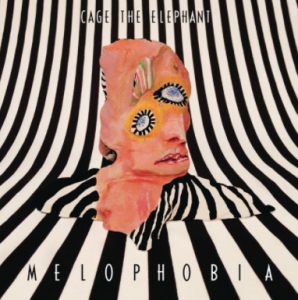
Image courtesy of RCA Records

The melody of this song is pieced together by beautiful instrumentals and the youthful voice of the singer. Lyrics such as “You were only 17 / Soft speak with a mean streak / Nearly brought me to my knees” suggest the speaker is reminiscing about his high school crush. This song is very relatable and dear to my heart. What can make you more miserable than the nostalgia of your high school days and young love?

2. “Apocalypse by Cigarettes After Sex

Image courtesy of Partisan Records

This song expresses a certain weariness. The monotonous, repetitive rhythm and terse verses are tediously drawn out. The lyrics suggest the speaker feels empty without his love and reflects he is “locked in there forever / And [he] just can’t say goodbye.” This song is like a hefty, miserable cloud that makes you feel devoid of emotion. Despite the gloomy atmosphere, this song provides me comfort in my dark moments.

3. “Can I Call You Tonight?” by Dayglow

Image courtesy of Dayglow

The essence of this song is the disorienting feeling you get when you’ve been in your head so much that the boundary between reality and imagination is blurred. The lyrics suggest the speaker’s state of mind is anxious and confused. In the chorus, he exclaims, “I hear your voice on the phone / Now I am no longer alone / Just how I feel.” This song conveys the hesitancy one faces when reaching out to friends after months of isolation during the COVID-19 pandemic.


Was this article helpful?
0
0

Leave a Reply

Block title

The AI gender gap should not be mischaracterized as a skill issue

By: Heidi Kwok, Staff Writer “Raise your hand if you use AI regularly in some capacity.” The atmosphere in the classroom instantly tensed — was this seemingly harmless question actually a trap set out by our professor to weed out the academic non-believers? After what felt like minutes, several hands reluctantly shot up. Alarmingly, most of them were from the students who identified as men. Thankfully, the impromptu questionnaire did not lead to a bunch of failing grades and the lecture went forward as usual.  However, it underscored a more pressing issue with artificial intelligence (AI) use: research shows that men are more likely to adopt generative AI tools such as ChatGPT in professional settings than women. This staggering imbalance contributes to the pre-existent workplace gender...

Read Next

Block title

The AI gender gap should not be mischaracterized as a skill issue

By: Heidi Kwok, Staff Writer “Raise your hand if you use AI regularly in some capacity.” The atmosphere in the classroom instantly tensed — was this seemingly harmless question actually a trap set out by our professor to weed out the academic non-believers? After what felt like minutes, several hands reluctantly shot up. Alarmingly, most of them were from the students who identified as men. Thankfully, the impromptu questionnaire did not lead to a bunch of failing grades and the lecture went forward as usual.  However, it underscored a more pressing issue with artificial intelligence (AI) use: research shows that men are more likely to adopt generative AI tools such as ChatGPT in professional settings than women. This staggering imbalance contributes to the pre-existent workplace gender...

Block title

The AI gender gap should not be mischaracterized as a skill issue

By: Heidi Kwok, Staff Writer “Raise your hand if you use AI regularly in some capacity.” The atmosphere in the classroom instantly tensed — was this seemingly harmless question actually a trap set out by our professor to weed out the academic non-believers? After what felt like minutes, several hands reluctantly shot up. Alarmingly, most of them were from the students who identified as men. Thankfully, the impromptu questionnaire did not lead to a bunch of failing grades and the lecture went forward as usual.  However, it underscored a more pressing issue with artificial intelligence (AI) use: research shows that men are more likely to adopt generative AI tools such as ChatGPT in professional settings than women. This staggering imbalance contributes to the pre-existent workplace gender...