Home Blog Page 586

SFU men’s soccer standout Mamadi Camara drafted into the MLS

1
Congratulations Mamadi! (Photo courtesy of SFU Athletics)

On January 11, recent graduate of SFU men’s soccer Mamadi Camara was drafted by the San Jose Earthquakes in the second round of the Major League Soccer (MLS) SuperDraft. Selected with the 46th overall pick, the 23-year-old forward will now prepare himself for the next step in his soccer career.

SFU career

People who have followed SFU men’s soccer in recent years know just how special a player Camara is. Born in Montreal, Camara played high school soccer for the prestigious Champlain Cavaliers team before being recruited by the Clan.  

Originally coming to Burnaby Mountain as more of a box-to-box midfielder, the 6’3”, 180-pound athlete found himself playing on the wing more often than not in head coach Clint Schneider’s squad during his first few seasons at SFU. He shone in this new position, consistently embarrassing defenders with his unique combination of speed, strength, and dribbling technique.

From the moment he played his first GNAC game for the Clan, he was one of the best players in the conference, making the GNAC first all-star team in all four seasons for SFU. Pretty soon, he was one of the best players in the West Region, making the All-West Region team in his sophomore, junior, and senior seasons. As he continued to mature as a player, he established himself as one of, if not the, best player in the entire NCAA DIV II.   

After playing winger for most of his games in his first three seasons, Camara adopted to a more central role in the 2018 season, playing striker for the conference-winning Clan. He flourished in the role, scoring nine goals and a team-leading 13 assists in 18 games. For his fantastic season, he was awarded the GNAC Player of the Year and named a first-team All-American.

Camara leaves the Clan with career totals of 29 goals and 21 assists in 71 games. To go with the individual awards he’s received throughout the years, he also has won three GNAC championships with SFU. It was a pleasure watching such a skilled and exciting athlete during his time with the Clan.

“Playing for the clan has been a really good preparation for me. It is one of the most professional environments in all of college soccer,” said Camara to The Peak. “I feel more confident as a player going into pre-season with San Jose, knowing that I have been training like a professional for the past four years already, under a coaching staff that values their players and put them in the best position to excel.”

mamadi camara.jpg
Camara was the only NCAA DIV II player invited to the MLS combine. Andrew Ringer / The Peak

San Jose Earthquake and MLS SuperDraft

Camara was the only NCAA DIV II player, and one of only six Canadian players, to be invited to the MLS Combine. He performed well at the combine, highlighted by a top-six finish in the 30-metre sprint.

Despite this, Camara didn’t expect a non-Canadian team other than FC Cincinnati, now coached by previous SFU coach Alan Koch, to be interested in him. The most likely destinations seemed to be the Vancouver Whitecaps, who have selected SFU players before and had plenty of opportunity to scout him, or his hometown’s Montreal Impact. In fact, after the Vancouver Whitecaps selected Georgetown centre-back Brendan McDonough with their second round selection, Camara stopped watching the draft.

Shortly after, his sister called him.

“She said, ‘Hey, you actually got drafted!’ But it honestly took me about five minutes to believe it,” Camara told the Vancouver Sun’s J.J. Adams. “I wanted to see it on TV first. And then, I saw it was official … and I broke down a little bit. There were too many emotions going on at the same time.”

Obviously, Camara is very excited. After getting draft, Camara told The Peak:

“[Getting drafted] means the world to me. I have worked really hard since I was a kid to make my dream of becoming a professional soccer player a reality and I feel like I now have the chance to make it happen. I’m beyond grateful to the San Jose organization for believing in me and giving me this opportunity.”

There is still a long way to go, but San Jose is a good place for Camara to grow as a player. While fewer and fewer players are making the MLS from the SuperDraft and are ending up in the United Soccer League (USL), San Jose is different. The team has a very strong relationship with their USL affiliate, Reno 1868 FC, which has developed multiple first-team MLS players over the years.

Camara will also have the chance to learn from MLS legend Chris Wondolowski, San Jose forward and one of the all-time leaders in goals in the league.

“Anyone that knows MLS knows about him,” said Camara to Adams. “He’s had a wonderful career — and he’s still going. Just looking forward to meeting him and seeing what I can grasp of his experience and knowledge.”

Joining Camara in San Jose are Siad Haji (first round, number two overall) and Sergio Rivas (second round, 26th overall).

A tough road awaits all three on their quest to play in North America’s top soccer league, but Camara is ready for the challenge.

“I’m hoping to come in and earn myself a spot on the roster through my good performances in training and games. I know I can bring a lot of physicality and dynamic momentum to the game and I will use those qualities as I am heading into pre-season.”


University: there’s an app for that

0
Image courtesy of Libreshot

By: Gabrielle McLaren, Features Editor

Despite debates in the world of education about whether electronics are actually detrimental to a student’s learning (a notion which my baby-boomer profs cannot get enough of), the technology we have today was created to act as a useful tool. Used badly or used well, the Internet and your electronic devices are there for you and will be with you throughout university. Here are some free apps that can help you start the spring semester off on the right foot.

Zotero

I had a prof who swore by Zotero, saying that some of her doctoral candidates had used the tool to complete their dissertations. Zotero essentially builds you a bibliography as you scroll and browse.

Download the app to your Mac or PC and add the Zotero extension to your browser. Once you do, any time you have a web page, article, or essay on your screen that you need to cite, just click the Zotero icon to save the page to your Zotero library. You can even create different libraries to separate and organize your HIST101 TERM PAPER and PHIL105 KILL ME NOW sources.

Every now and then, you might have to correct or rename a source, but Zotero is a great way to generate a bibliography (it even lets you pick a citation style!) and track your sources in case you have to go back and review something in your research. It’s a lot easier and cleaner than copy-pasting a bunch of links to an empty word document and trying to make sense of them at 2 a.m. the next morning.  

Forest

With Forest, you pick a timeframe and during it an adorable digital tree grows to join your adorable digital forest. The trouble is that the tree dies if you leave the app. If Forest is open on your phone, simply leaving the app will kill your tree. Using Forest on your computer gives you more flexibility to flip between open PDFs or programs like Word, but the tree will die as soon as you start bumping around the Internet.  

As silly as it sounds now, when you’re torn between finishing a lab report or goofing off on Facebook, killing that adorable tree will feel like a big deal. Trying to avoid such a tragedy might actually increase your productivity, and there’s something perplexingly rewarding about seeing your digital forest grow. Plus, the app is easy to use and versatile given the flexibility you have in setting your timer. Forest is available for Apple, Android, and even as a Safari extension.

Pacemaker

The premise is that you pick the type of project you’re working on, the amount of work that needs to get done, and your plan of attack. How long do you have to finish this project? Do you want to write equally every day, or start by big commitments and then finish off easy? Do you want to do more on weekends, less on Wednesdays..? With this information, Pacemaker will create a custom work schedule for you.

It’s fairly customizable, and if you make an account, you can also have multiple projects on the go at once. Pacemaker will help you plan and stay on top of essay writing, and make your progress feel more tangible by generating graphs. A word of warning on Pacemaker: you can buy advanced features and it will ask you to create an account — but you can go without and use the site regardless!

Daily Budget

As the name indicates, Daily Budget is a budgeting app, but it’s so user-friendly that my family put it on my 13-year-old brother’s phone. The first time you use the app, Daily Budget will ask you for your income, your recurring expenses (rent, hydro, phone, subscriptions to this and that…), and how much you would like to save per month. It then spits out your daily budget, showing you how much you can spend every day as well as how much you’ll be able to spend in the next two days once your daily budget accumulates.

If you come into any extra money, you get to add it in, and you also keep a log of what you’re spending on and how much. Every month, the app resets for you. It’s straightforward, and it doesn’t require you to plug in your name, email, or any other personal information — though to make it work accurately, you do need some self-discipline.

Kindle

Buckle up, literature majors: this will save you money — especially if you’re studying older texts. You don’t need to physically own a Kindle to have a Kindle account; you can just download the Kindle app to your devices, which will make your bag a lot lighter.

Amazon will still sell you books through your regular Amazon account. A lot of books whose copyright have expired have been digitized and are available for free, including all the works of Shakespeare. As an extra plus, you can highlight passages within the Kindle app and even add notes as you read, which makes it that much easier to compile quotes and evidence for essays.

If you can get over the fact that there is no nice old Kindle smell, you should try ebooks.

WriteAway

WriteAway is managed by the British Columbia Electronic Learning Network and recommended by the folks at the Student Learning Commons, so you know it’s good. This totally-free site sets you up with a writing tutor somewhere in B.C, and you can send them your essays and get feedback.
You can submit your essay anytime, but the tutors will take up to 48 hours to get back to you, so you shouldn’t rely on using the service last-minute. A cool bonus, however, is that you can resubmit the same paper up to three times and work with the same tutor, so they can help you keep track of its progress and growth.

Summer Livin’: You can’t do NYC in a weekend, but you can try

0

By: Winona Young, Staff Writer 

“You know, my boyfriend says you can tell someone’s a tourist when all they do is look up.”

I look at my cousin in the driver’s seat and try to laugh off the shade. They’ve been living in the Big Apple for a while now. I turn my gaze to outside my window, shrug and say, “Well, they’re not wrong.”

Here’s how being a total tourist in New York City worked out for me, and what I recommend from that experience.

Note: the budget ranking system ($, $$, and $$$) is based on the scale of what I spent: my least expensive activities versus my most expensive ones, as opposed to fixed dollar amounts per symbol.

NYC’s three major food groups: Carbs are a New Yorker’s Best Friend

Any New Yorker will tell you that either Gotham Pizza or Joe’s Pizza is the best in town. For me, Joe’s won easy. The plain cheese slice had the perfect sauce-to-cheese ratio, had hand-tossed dough with air bubbles on it, and oil dripping on it. God, was it good. Don’t miss out on this inexpensive and classic NYC experience.

While my friend Stephannie would disagree and say Bagel Bob’s is the best place for price and bagels overall, Tompkins by far was my favourite. Inside the store is a busy atmosphere with warm staff and a list of bagel options so long it could make your head spin. I got the smoked salmon bagel, toasted and scooped, with tomatoes and scallion cream cheese, making for a wonderfully dense and savoury sandwich. I ended my meal on a high note with a sweet French toast bagel topped with a mix of peanut butter, Nutella, and cream cheese, which was indulgent, but not overly sweet.

Xi’an was a small shop tucked away along the L train line that had traditional handmade noodles: I tried the Pork “Zha Jiang” Hand-Ripped Noodles. Even as someone with a low spice tolerance, the spiciness of the peppers and saltiness of the beef mixed with the noodles made for a flavourful lunch.

Arts and Culture in NYC (Pt. 1) Aesthetics Are Everything

Even though I had already gone to the MoMA before, it was easily one of my favourite afternoons. Entry was $14 for students, and once we got in Steph and I worked our way from the top floor down. Even though it was packed (as it usually is), it’s so easy to get lost looking into the frames of the many, many famous pieces the MoMA owns. That, and it’s a great place to score some pics.

  • Vintage Thrifting at Tokio7 ($$$)

For hypebeasts, hypebaes, and anyone who likes a good luxury brand, Tokio7 is the place for you. The store was chock full of pre-owned and/or vintage luxury pieces, with brands ranging from Ralph Lauren to Y-3 to collabs you didn’t even know happened (Adidas x Brooks Brothers anyone?). All around, it was great for finding cool, sometimes bizarre, overall unique, and very, very pricey pieces.

Arts and Culture in NYC (Pt. 2) All the City’s a Stage

  • Drag Shows ($)

Walking into the Hardware bar at 10ish p.m. on a Sunday, I could tell straight away that I was one of the very few heterosexual people in this bar. I watched the drag act “Turn It On!” featuring two replacement queens who ended up being one of the highlights of my entire NYC trip. Izzy Uncut was more of a dancing queen, doing death drops, splits, and tripping (purposefully) all over that tiny bar room — making us gag and laugh all the same. Miss Sogyny was a charismatic, creative and comedic queen who could lip sync her ass off. She was, by far, my favourite act. While tipping was optional, I felt it was necessary to tip these fierce performers.

The hottest ticket on Broadway as of now (aside from Hamilton, of course) is Spongebob the Musical. I paid $155, and after the first act, I left the theatre. The actors were energetic, the set was bright and just a tad disorienting, and in theory, the show should’ve been great. It had a team of over twenty pop artists writing the songs, and Spongebob is arguably the most hilarious show from all our childhoods, and yet. The songs weren’t catchy, were disjointed, and acted more as transition sequences rather than music I’d belt out in my room like the musical theatre kid I am. I spent the rest of my last night in NYC wandering around Times Square, looking at all the other award-winning shows I could have spent my money on . . .

Would’ve, could’ve, should’ve: Places I didn’t get to and other regrets

It’s TED talks but for storytelling. Each week or so, The Moth has a storytelling theme. This week’s theme was Betrayal, and since Broadway was a bust, I wish I could have gone. From the videos available on their Youtube channel, stories told range from poignant, inspirational, tragic, hilarious, and more, all in under 15 minutes.

Babycastles is a small art gallery famous for its interactive video game exhibits. It’s tucked away in the basement of a NYC apartment building. Even though my friend and I had gone there, we were met with two interns on their computers with the news that they had no current exhibits, and barely had a permanent collection.

It was closed. Oops.

(They do give out tours twice a day, six days a week, though).

Lessons Learned

New York City is the city that never sleeps. It’s bright, rowdy, smells vaguely of burning trash at times, which when combined with the hordes of people can be very overwhelming. If you’re attempting to do New York City in one weekend or one week, I’ll tell you right now that you won’t be able to do it. Or rather, you’ll have seen as many tourist traps as possible, but with not as much fun. At times, I forgot to savour the wildly artistic atmosphere that New York had because I was too busy finding a Great Place To Eat/Experience.

My advice is: don’t try to do it all, and pick your experience. I came into this trip knowing that you can’t do NYC in a day/a weekend/a week, etc., And even though I couldn’t see every sight, I knew I had an authentic New Yorker experience — full of yelling, tourist traps, the city’s best-kept secrets and all. To be in a historic place, either with your friends or by yourself, is such a gift. There’s no better time than summer to take it easy and revel in the life teeming in this city that is NYC.

LeBron’s G.O.A.T statement is not offensive

0
Cleveland's comeback against Golden State in the 2016 NBA finals is one of the greatest feats in NBA history. (Photo courtesy of Keith Allison via Flickr)

By: Youeal Abera

When you’re the best player in the league, everything you say or do gets extra attention. However, the more attention a player is given, the more criticism they face as well.

If any NBA player knows a thing or two about criticism, it would be LeBron James.

Recently, on ESPN’s More Than A Player, LeBron James rattled many NBA fans. No, LeBron didn’t say anything derogatory, and much to the dismay of his biggest skeptics, he didn’t have anything to say about the absurd conspiracy theories claiming he’s used “Primal Growth Testosterone” to enhance his game on the court.  

Rather, when speaking about the 3–1 comeback LeBron and the Cavaliers made against the Golden State Warriors in the 2016 final series, LeBron stated, “That one right there made me the greatest player of all time.”

When I first watched the clip of LeBron saying he was “the greatest player of all time,” I didn’t think too much of the statement. Nevertheless, many fans took to Twitter to express their utter dismay with LeBron’s statement. One Twitter user wrote, “You’re out of your mind if you think LeBron James is the greatest of all time.”

However, the most ardent argument against LeBron’s comments didn’t even concern the message he was trying to articulate. Rather, many held a similar opinion as what Hall of Fame player Kevin McHale thought of LeBron’s words, “You don’t need to say that about yourself. Let other people say that for you.”

Not only is this a stupid critique, but it’s also simply wrong.

The sports world is quite familiar with legendary athletes proclaiming their own greatness. We’ve seen Mohammed Ali claim that he’s the greatest fighter of all time on a number of occasions. When Kobe Bryant was asked if he or LeBron would win in a one-on-one match, the basketball titan coolly said, “Me. No question. As far as one-on-one, I’m the best to ever do it.”

The truth is, athletes have always been communicating how great they are. If they’re genuinely skillful, and if they persistently provide evidence of their excellence, then they shouldn’t have to refrain from admitting that they believe they are the greatest!

Yes, the statement was bold. But it wasn’t just any player who spoke these words — it was LeBron James.

LeBron isn’t a player who’s accentuated by multiple other “superstars” on his team. In fact, he leads his teams. I don’t have the time to write down every monumental achievement LeBron has made in his 15-year career, but his unparalleled statistics, four MVP awards, three MVP finals awards, two Olympic gold medals, and three championship rings are evidence enough that LeBron is an undeniable basketball legend.

Additionally, what many angered NBA fans seem to forget is that LeBron didn’t air this claim simply because he was feeling himself on a Thursday afternoon. Rather, LeBron made the statement solely because of his performance during the final series of 2016, when the Cleveland Cavaliers came back against the Golden State Warriors.

In the summer of 2016, LeBron James and the Cavaliers came back against Golden State (who broke the regular season record with 73 wins in the 2015–16 season) by fighting through one of the most daunting deficits (3–1). Ali Thanawalla, in their article for NBC Sports, recounts the electrifying performance LeBron gave during the 2016 final series deficit.

“LeBron averaged 29.7 points, 11.3 rebounds and 8.9 assists during that seven-game series,” Thanawalla wrote. “He also had one huge block on Andre Iguodala.”

Although Kyrie Irving’s sharpshooting definitely helped propel the Cavaliers to their win, the skill and momentum in which LeBron, specifically, displayed during this turnaround is still talked about today.

Remembering that he helped Cleveland win their first NBA championship since 1962, what LeBron said shouldn’t be so shocking. He’s certainly not the only one thinking it.

You have every right to disagree with and argue against LeBron’s comments. However, he doesn’t need to “wait” for other people to praise him, either. Given his accomplishments, seminal skill, and untouchable legacy, LeBron has every right to believe and claim that he is the greatest basketball player of all time.

Most unnecessary things SFU will force you to buy

0
Photo from Peak Archives (Azat Bayandin/The Peak)

Written by Jennifer Low, Peak Associate

Winter break is over, there’s no denying it anymore. It’s time to once again shell out that hard-earned cash for those absolutely useless essential school supplies that profs will be asking students to purchase.

“Required” Textbooks: Why go to the gym when you can lift these.

Cue the collective groan. We all know the struggle of paying $500 or more for books that we will never open and the prof will only refer to once (likely just in the syllabus where they tell us it’s a required reading). Sometimes, you can get away with buying it cheaper online or used. But other times, when the prof assigns a textbook they wrote that’s used by no other class on the planet, you’re forced to accept your fate. You will never know how unnecessary this book is until your course finally ends, and it collects a layer of dust so large that you start confusing it for a second book.

I-clicker: When raising your hand isn’t enough participation.

You’ll use this quiz device for one course and never see it again. This device is a useless piece of plastic students have to desperately try to sell back to someone or other at the end of the semester. After all, who needs clear and detailed lecture notes when the prof can force you to use awkward technology for unsubstantial quizzes? Besides, most of the class is copying the person beside you, being copied off of, or generally just missing the question because they’re finishing a Netflix series on their laptop.

Dictionary / Thesaurus: Have you seriously not heard of Google?

Profs keep referring to these two ancient texts as if we actually carry the physical copies of these books around in our backpacks, ready to pull them out in the case of any misspelling or unusual word in the middle of the lecture. Professors, allow me to give you a piece of advice: That’s what Google is for.

Notebooks for Tutorial: Remember that time you actually thought you needed this?

Once upon a time, I used to have a separate notebook for each tutorial and lecture. But then, I made a paper-saving discovery that my TAs only ever asked me write things down on the first day of class. After that, my notebook became a forgotten, scrunched-up mess at the bottom of my bag that only resurfaced when I was in need of doodling paper or to write an exit slip.  

SFU men’s basketball goes 0–2 on GNAC road trip

0
The Clan have now lost four straight games. (Photo courtesy of SFU Athletics)

The Clan’s struggles continued as they traveled to Washington and Idaho this past week to take on the Central Washington University Wildcats and Northwest Nazarene University Nighthawks. While they certainly played well enough to win the first game of the road trip, they ended up going 0–2, extending their losing streak to four games after a hot start to the season. With the two losses, the Clan are now 1–5 in the GNAC this season.

Game 1 against Central Washington University:

One of the most exciting games of the season, the Clan just fell short. The teams were neck-and-neck for the duration of the game, but unfortunately for SFU, it would not end in their favour.

The first half was dominated by SFU’s Julian Roche and Wilfried Balata, who combined to score 24 of the team’s 37 first half points. Roche was dominant in the paint, shooting 6–8 from the field for 13 points, four rebounds (three offensive), and a steal and block on the defensive end. Great guard play from Balata also helped the Clan gain their first-half lead, as he had 11 points on 4–6 shooting (two threes), five rebounds, and three assists. Their efforts combined to give the Clan a 37–34 lead heading into the break.

In the second half, Central Washington was able to gain the lead in the final few minutes of play. After two free throws from the Wildcats’ Gamaun Boykin gave the home team a 75–72 lead with 35 seconds left, Balata stepped up to hit a huge game-tying three to force overtime.

Overtime was just as close as regulation, and went down to the last second of play. After a lay-up from Jasdeep Singh gave the Clan a one-point lead with 17 seconds left, Zellie Hudson drew a foul for Central Washington with six seconds to go. He would hit the ensuing two free throws to give his side the one-point advantage. Michael Provenzano would then miss the potential game winner, unfortunately.

“We played a very good road game where we could not pull away. They couldn’t stop our inside presence, but we had a few breakdowns in a tight game and in overtime. It’s a hard loss, but we have some real positives to build on,” said head coach Steve Hanson to SFU Athletics.

Game two against Northwest Nazarene University:

The Clan had a tough time bouncing back from a disappointing loss on Saturday night, and the Nighthawks made them pay.

Despite having a slight lead for the first 10 or so minutes of the game, SFU would go into halftime down big. A 25–9 run from Northwest Nazarene to end the half gave the home team a 39–25 lead heading into the break.

The Clan would have little luck getting back into the game, eventually falling by a score of 88–72.

Obi Megwa and James Nelson led the way for the Nighthawks with 24 and 22 points each, respectively. For the Clan, Othniel Spence led the way with 15 points, with Jasdeep Singh being the only other player in double figures, with 14.

“We had a decent start and did a good job drawing fouls, but NNU ramped up the pressure and we did a terrible job of taking care of the ball and attacking their pressure. In the second half, NNU crushed us on the boards and we gave up too many second chance points during our comeback. We need to be tougher and learn from this,” said Hanson to SFU Athletics.

What’s next:

The team has one more road game before they play on their home court, as they face off against Western Washington University on Tuesday evening in Bellingham. The Vikings are 3–3 in conference play so far this season.

What grinds our gears: Snot snifflers during exams

0
Photo by Maxwell Gawlick / The Peak

Written by Kitty Cheung, Staff Writer

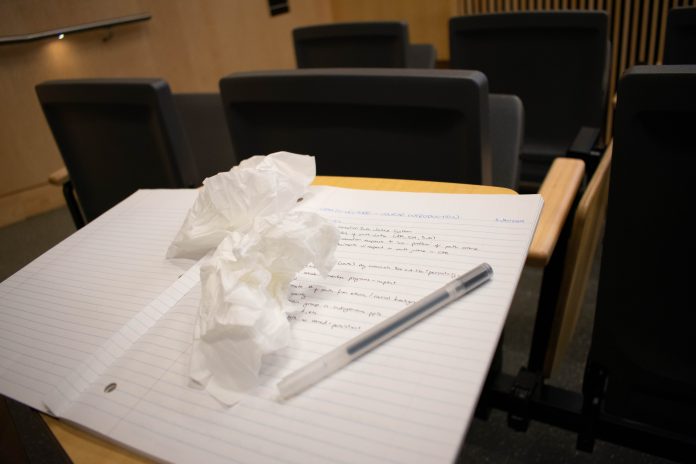
Imagine this: you’re sitting in a lecture hall writing your first midterm of the semester when – SFGGHHHSPHHHPHFFF. Your lecture neighbour snorts their mucus with the violent force of an elephant parade. Your focus shifts slightly from your Scantron as you shudder in disgust, concerned for your own health. You’re right in the line of fire for his sneeze spray, but you have no choice but to keep working on your exam until he snorts again — every minute for the entire duration of the midterm.

Look, I understand if you feel the need to come to class sick to avoid missing an exam. School is important, but so is your health — and more importantly, my health. Know that you’re putting others around you at risk of whatever contagion is spurting from your nose at a thousand kilometers per minute, and you shouldn’t be putting us in your quarantine zone.
The next time you’re ill during exam season, either talk to your prof and stay home, come to class prepared by downing some cold syrup or nasal spray, or at the very least, bring some damn tissues to cover up your horking. It’s not that hard to grab some toilet paper from the washroom and stuff it in your pocket.

Be the Gordon Ramsay you wish to see in your Dining Hall

1
Chris Ho / The Peak

By: Kitty Cheung, Staff writer

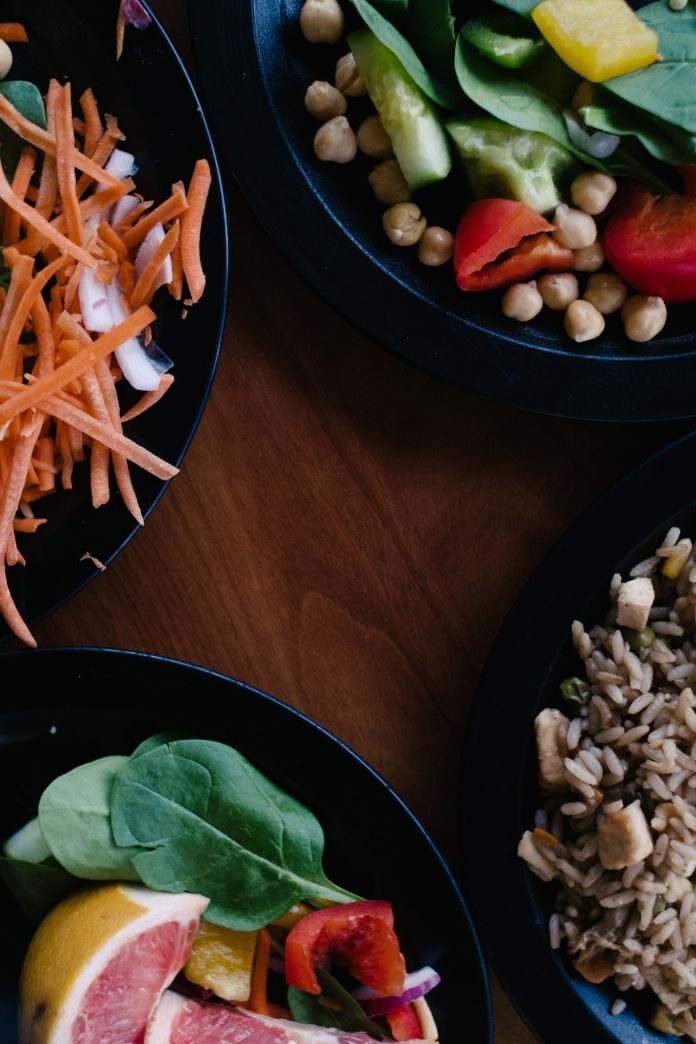
Living off of a Dining Hall meal plan and tired of eating pizza for every meal? Seeking gastronomic inspiration? “My Pantry” is a wonderful section within the Dining Hall, where a kitchen with fully stocked fridge and cooking equipment await your culinary creativity. This article will help you revive your taste buds with recipes and tips on making the most out of your Dining Hall experience.

Miscellaneous tips and tricks

  • Appreciate the Dining Hall staff. They are helpful and hardworking human beings; feel free to ask them any questions about My Pantry, like where to find certain ingredients, where to put away dirty dishes, etc…
  • If you come to the Dining Hall for breakfast between 7:30–9:30 a.m. on weekdays, a chef will be cooking fresh omelettes upon request. His name is Javid and he is very friendly.
  • If you’re getting soup, go ahead and add shredded cheese!
  • Sauces from the sandwich station are also great for dipping your fries. I recommend chipotle mayo and honey mustard.

Things to know regarding dietary restrictions

  • The right side of the My Pantry fridge offers gluten-free breads and desserts.
  • Non-dairy milks are also in the fridge, including soy and flavoured almond milks, such as chocolate and unsweetened vanilla.
  • Halal chicken is available upon request from the grill cooks.
  • Vegetarian options often accompany the main dishes on the menu. Examples of plant-based proteins in the salad bar include black beans, kidney beans, and chickpeas.

Recipes

Note: All measurements for the following recipes can be eyeballed and doled out according to taste. Ingredients may also vary depending on what the Dining Hall has on hand. For example, the salad bar may feature different veggies.

Mains

Fried Rice

Any vegetables and meat of choice can be added to this wonderfully versatile dish. Feel free to experiment with ingredients. You can vary this recipe according to taste, and how many people you’re cooking for.

Ingredients

  • 1 cup cooked rice (there will usually be plain white rice offered in the “Global Connections” area)
  • 1 egg
  • 2 tbsp chopped onions
  • Veggies from the salad bar: bell peppers, broccoli, mushrooms, spinach, shredded carrots….
  • Your choice of protein (cold cuts in the sandwich area include turkey, ham and roast beef, and tofu is also available in the salad bar area)
  • Sauces, to taste. I use:
    • Soy sauce
    • Hoisin sauce
    • Honey garlic sauce
    • Sriracha sauce

Directions

  1. In a large pan, heat up some oil and add in the onions.
  2. Once the onions are fragrant, add the bell peppers and broccoli. Cook until tender, and crisp by adding in some water and covering the pan with a lid for a few minutes.
  3. Add the other veggies: mushrooms, carrots, spinach. Cook until the mushrooms are tender and spinach wilted.
  4. Stir in the rice. Crack your egg and scramble with the rice.
  5. Add whichever sauces you prefer. Honey garlic is a favourite of mine, which can be found in the fridge in a large, labelled squeeze bottle. Soy sauce and hoisin sauce are classics, while sriracha adds a spicy kick.

Mushroom Spinach Quesadilla

Ingredients

  • 1 large tortilla
  • Shredded cheese (the Dining Hall offers a variety of cheeses such as sliced swiss and marble in the sandwich-making station, or shredded cheddar and blue cheese —if you’re feeling experimental— in the salad bar)
  • Onions
  • Spinach
  • Mushrooms
  • Salsa and sour cream (optional, can be found in the right side of the fridge)

Directions

  1. Warm up the panini press located in “My Pantry” by turning the dial on the front (the light should turn on). Add some parchment paper to the press for easy clean-up.
  2. In a large tortilla, place your cheese, veggies, and protein, laying them on one half of the tortilla. Fold the tortilla into a half-moon shape.
  3. Once the panini press is hot, carefully place the quesadilla inside. Heat until the tortilla is crispy and cheese melted. Transfer to plate and compost the soiled parchment paper.
  4. Cut your quesadilla and serve with salsa and sour cream.

Bonus: This recipe can also easily be converted into a burrito. In a pan, fry up some beans, veggies and rice with taco seasoning and stir in the cheese. Microwave your tortilla for 15–30 seconds before wrapping your burrito up snugly.

Taco Salad

Ingredients

  • 1 handful tortilla chips, crushed
  • Shredded lettuce
  • Chopped tomatoes
  • Black beans
  • Corn
  • Chopped onion
  • Ground meat (beef, pork, or chicken can usually be found in the Pastabilities section)
  • Taco seasoning (can be found with the spices in the My Pantry area)
  • Shredded cheese
  • Sour cream
  • Salsa

Directions

  1. Fire up a skillet in My Pantry. Oil your pan and sauté the chopped onions. Limited time? Skip to step 3 and omit the meat and onions for a quicker taco salad.
  2. Once the onions are fragrant and slightly translucent, add your ground meat and stir in the taco seasoning. Since the meat is already cooked, your intention should be to just heat it up and infuse the flavours of the taco seasoning.
  3. On a plate, combine your shredded lettuce, tortilla chips, tomatoes, black beans, corn and ground meat. Garnish with salsa, sour cream and cheese.

Denver Sandwich

Ingredients

  • 2 slices of bread
  • 2 eggs
  • Chopped onion
  • Chopped bell pepper
  • Ham (can be found in the sandwich area)
  • Cheese
  • Any other veggies/meat of choice
  • Milk (optional; can be dairy, almond, soy)
  • Salt and pepper, to taste

Directions

  1. Begin by heating up a frying pan with oil.
  2. Beat your eggs, adding the milk, salt, and pepper according to your preference.
  3. Sauté your onions, bell pepper, ham, and whatever else your heart contents.
  4. Place the sautéed veggies and meat on a plate.
  5. Re-oil the pan and add the egg mixture. Spread the egg mixture by tilting the pan around.
  6. While the omelette is cooking, toast and butter your bread.
  7. When the egg becomes more solid, add the vegetables and meat. Cut the Denver omelette in half and flip each side.
  8. Top with cheese. Once melted, place one half of the omelette over top of the other.
  9. Sandwich your omelette with the toasted bread and enjoy!

Important note to avoid being an asshole: soak your egg/cheese-encrusted pan in the dish sink so that it’s easier for staff to wash.

Desserts

The Dining Hall has many sweet treats that can be combined to indulge your sweet-tooth desires.

Decadent Chocolate Banana Waffle

Ingredients

  • Waffle batter (can be found in My Pantry, where you’ll also find a waffle iron)
  • 1 banana
  • Small (or huge) handful chocolate chips
  • Chocolate syrup (can be found near the ice cream bar)

Directions

  1. Mix the chocolate chips into your waffle batter.
  2. Grease the waffle iron with cooking spray and add the batter. Once you flip the iron, a timer should begin on the machine for 3 minutes.
  3. Slice your banana.
  4. Once the waffle is ready, garnish with sliced banana and chocolate syrup.

Note: Many variations of this decadent waffle are possible with other Dining Hall resources. I suggest adding cocoa powder and cinnamon to the batter before cooking. Other toppings available in the Dining Hall include ice cream, peanut butter, Nutella, honey, caramel, or strawberry syrup from the ice cream section, dried cranberries or nuts from the oatmeal/toast area, crumbled up brownies or cookies from the dessert section, and assorted fruits, so feel free to get creative with your waffles!

Alternatively: skip the waffle entirely and simply dump all of these ingredients on top of an ice cream bowl.

Nutella Cinnamon Toast Crunch Bar

This dessert is inspired by two of my favourite Dining Hall desserts: the Cinnamon-Toast-Crunch Bar and Nutella-Cheerio-Oat Bar.

Ingredients

  • 1 hefty scoop of Nutella
  • 1 handful Cinnamon Toast Crunch cereal
  • 1 handful oats

Directions

  1. In a small bowl, mix all ingredients together.
  2. Form into a bar or eat directly from the bowl with a spoon.

Deluxe Ice Cream Cone

Directions

  1. Fill a cone with ice cream. The machine is located in the desserts sections, beside the coffee area.
  2. Add toppings. Similar to the waffles, this is an opportunity to get creative with Dining Hall resources. Chocolate, caramel and strawberry-flavoured syrups are available on top of the case containing ice cream cones. Chocolate chips, dried cranberries and chopped nuts can be found near the oatmeal/toast area. The dessert section also has many goodies that can be added to your cone, i.e. crumble up some brownies or cookies (or both), stick in a berry tart if that’s what you’re feeling, and make a simple ice cream cone truly deluxe.

Drinks

This section will be a quick guide on becoming a soda fountain wizard to quench any kind of thirst. As a general guideline, the following drinks can be mixed according to a 1:1 ratio, but please do adjust for your taste.

Mocha: Hot chocolate + coffee

Sparkling Cranberry Juice: Cranberry juice + soda water

Shirley Temple (variant): Orange juice + 7UP + ginger ale  

This drink is just the bomb: Strawberry kiwi juice + 7UP

Green Smoothie : Combine your choice of frozen fruit (mango, pineapple, blueberries, strawberries, and peaches are available in the fridge!), spinach, almond milk, and yogurt. Blend it altogether for a quick, healthy smoothie (colour may actually vary from green to poop-brown depending on the fruits you use, yum!)

Note: The Dining Hall also has several smoothie recipes posted on the wall near its blenders, including a “Green Tea, Blueberry, and Banana Smoothie,” as well as a “Soy Good Smoothie”.

Another important note to avoid being an asshole: rinse your blender after each use!

BC’s vow to have zero-emission vehicles by the year 2040 is absolutely doable

0
Photo courtesy of Tesla Motors

Written by Elise Burgert, Peak Associate

In a big move towards climate action, the B.C. provincial government declared a mandate on November 20 to have all light-duty cars and trucks sold in B.C. be zero-emission vehicles by 2040. Sales targets to achieve this will start in 2025 and increase progressively until 2040. To meet these targets, Horgan says it will be critical that clean-energy vehicles become accessible and feasible for B.C. residents to own and operate.

Ambitious as this goal is, I’m confident B.C. can achieve it. In talking with The Tyee about this, SFU professor and climate policy expert Dr. Mark Jaccard calls it a ”fundamental shift”  in moving away from oil dependence to a sustainable transportation system. Throughout this piece, Jaccard also addresses our provincial contribution to the Paris Agreement’s global climate change goal — keeping the world’s climate below two degrees Celsius.

What makes all this so important is the focus on making zero-emission vehicles (ZEVs) more affordable, particularly for the middle class. While currently 5% of BC’s new car sales are for ZEVs, they are not reasonably priced for everyone. Until the middle and lower-middle class can afford ZEVs, B.C. cannot make a genuine and large-scale shift toward sustainability.

According to Jaccard, the best way to meet this target is “to bring the price of the electric cars down to what middle-class people will buy.” One strategy to achieve this is to subsidize the cost of electric car ownership. BC already discounts up to $5000 from the pre-tax sticker price for electric vehicle ownership, but this policy is not typically well understood or enough to offset the cost of buying an electric vehicle.

As another way to make electric vehicles more affordable, Jaccard also suggests policies such as increasing the price of expensive non-electric vehicles. This would discourage people from purchasing non-electric vehicles, while the surplus could be used to subsidize the cost of less expensive vehicles.

Another strategy is to establish more charging stations for electric cars, so that owning a single electric vehicle is feasible for middle-class families. If more charging stations are available throughout B.C, then electric cars can be charged more easily and families can use them for longer excursions. This might dissuade consumers from owning both gasoline and electric vehicles for different types of trips.

With a network of public charging stations across the province, electric cars could become viable for everyone as primary vehicles. The provincial government has recognized this, with plans to more than double the number of electric vehicle charging stations in the province from 71 to 151, according to a press release by the B.C. government.

There’s importance for this beyond just preventing climate change. The push to make ZEVs the norm can lead to some innovation in the technology in ways that benefit consumers. ZEVs don’t have to just be a speciality item for the wealthy, and can easily be something British Columbians can adopt as the norm over the coming decades.

SFU students utilize Indigenous basketry patterns to teach mathematical concepts

3
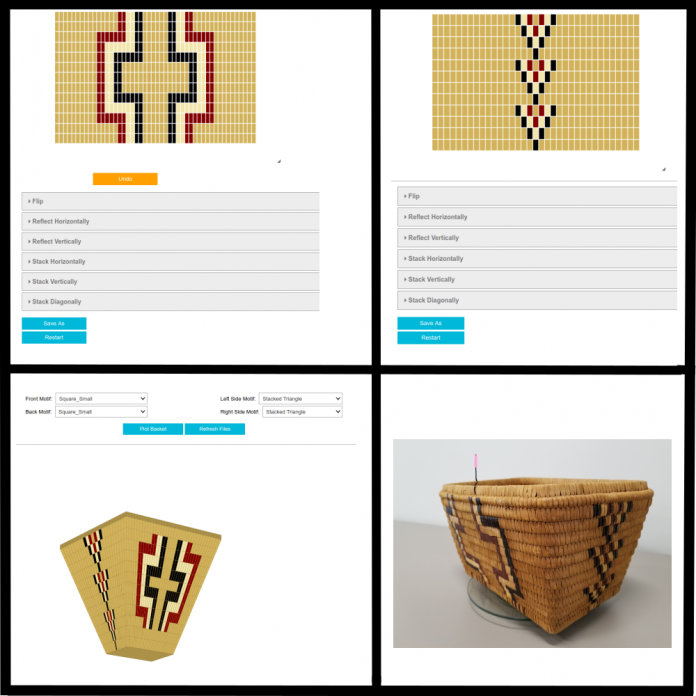
Photo courtesy of Laura Gutierrez Funderbunk on behalf of the developers

In December, students and alumni from Simon Fraser University’s mathematics department created a new application that can teach math using Indigenous basketry-weaving patterns.

Designed for students from grades 5–12, this as-yet-unnamed new app is free-of-charge and it can be used on various web browsers, such as Google Chrome and Firefox.

This novel application was developed by Howell Tan, Jenifer Pham, and Laura Gutierrez Funderburk under the supervision of Drs. Cedric Chauve and Veselin Jungic.

“The purpose of this application is two-fold: on one hand we wish to increase awareness of traditional Coast Salish basket weaving practices and on the other we want to encourage students to learn more about mathematics,” the app developers shared in a collective email interview with The Peak.

The team incorporated the basketry patterns of the Tla’amin Nation residing on the Sunshine Coast of B.C. into their prototype. They explained that the Tla’amin Nation’s basketry patterns possess discrete properties that make them ideal for teaching mathematical concepts.

According to the team, the new application teaches mathematical skills such as two-dimensional geometric figures and transformations, including graphical reflection and translation. It also introduces the implicit basics of algorithmic thinking. What this means is that the application allows the “design of a sequence of instructions that can be used by a computer to perform a task (here to create a basket pattern),” they explained.

“The final outcome is a three-dimensional representation of a basket with patterns generated by the user.”

The project was kickstarted in spring 2018 when Chauve and Jungic visited the Tla’amin Nation. Back then, Chauve had just established the SFU branch of the Callysto project, which is a free online platform that teaches students from grades 5–12 research and computer skills such as “coding, digital math functions, and multimedia,” according to its website. Callysto is a two-year joint project funded by Cybera and the Pacific Institute for Mathematical Sciences (PIMS).

Jungic, on the other hand, was looking for ways to further broaden the Math Catcher Program’s collaboration with the Tla’amin Nation. The Math Catcher Program is an initiative that teaches mathematics through Aboriginal storytelling, according to its website.

During their trip, Jungic and Chauve realized that their research initiatives aligned with one another, and they decided to create a new application that would be based on the mathematical patterns in the traditional Tla’amin basketry.

The app developers explained that they first built this application via Python programming language on the Jupyter platform — and they created their first prototype in April 2018. As outlined on its website, Jupyter is a digital platform that lets users perform functions like “numerical simulation, statistical modeling, and data visualization.”

Some of the challenges the team faced in developing their product were: overcoming computational constraints to make the application as realistic as possible, and finding a way to produce shape patterns that users can easily manipulate via “interacting with buttons and clicking.”

In terms of the team’s future, they expressed that they want to share their product with mathematics educators across Canada with the purpose of raising awareness of traditional First Nations Peoples’ cultures and motivating students to explore mathematics.

“We hope others can learn more about traditional Coast Salish weaving practices and that we can motivate students to learn and maintain this tradition,” they concluded.