Home Blog Page 174

The extended timeline of the SFU football team’s cancellation

0
Photo of an SFU football helmet in the rain.
PHOTO: Garrett James / SFU Athletics

By: Isabella Urbani, Sports Editor

Nearly four months after SFU unexpectedly announced it was without a conference to play in for the 2023 season, Theresa Hanson, SFU’s athletic director since 2015, agreed to depart from her role at the university. During her time with the school, Hanson oversaw the construction of the SFU stadium at Terry Fox Field, the university’s Nike partnership, as well as the renaming of the athletic program to the Red Leafs, after student activists fought to have the name “Clan” removed due to its racial connotations. 

When SFU first announced its football team would not be returning to the Lone Star Conference, which they previously played in the year prior, there was no indication the announcement also marked the end of the 57-year-old varsity program. Instead, just a month later, SFU promoted two SFU football staff members to the offence and special teams coordinators. The latter role would be responsible for, among other positions, the kickers who kick field goals, punters who kick the ball to the opposition, and receivers who retrieve the punter’s kicks.

When SFU finally announced the termination of the football program in April, they were met with an outcry from players, alongside alumni and local media, who took the school to court to prolong their decision to axe the program. Although unsuccessful, SFU decided to appoint an independent special advisor, Bob Copeland, to decide whether or not football, at any level, was feasible at SFU. In his interim recommendation, Copeland said due to “safety and logistical concerns,” SFU could not play “competitive exhibition games in 2023,” completely eliminating any chances of football being played at SFU this fall. A final report will be issued by Copeland later this month. 

The extended timeline

February 1, 2023: SFU announces the Lone Star Conference has not renewed its contract with the school’s football program, leaving them without a conference to play in. In the announcement, SFU says they will “continue to review the situation and explore options,” but don’t explicitly mention the termination of the program. 

February 12, 2023: SFU announces it will be hosting the Lift-A-Thon from February 12–18. The event will raise money for the football program by having athletes participate in a series of lifting events. SFU includes a link to donate to this fund on their website. The Peak was unable to confirm how much money was raised.

March 10, 2023: SFU promotes Eric Taylor to offensive coordinator and Samuel Richard to special teams coordinator. 

April 4, 2023: SFU president Joy Johnson announces the end of the football program. Johnson cites the inability to find a conference to play in as the reason behind the decision. Throughout the process, SFU says this decision is not motivated by finances and is instead “very complex.” The owner of the BC Lions, Amar Doman, steps up and says he is willing to cover expenses if this is the reason behind the program’s closure. However, he says it has been tricky to “get a response from SFU that is anything other than political.” 

April 13, 2023: Five SFU football players file an injunction to try and prohibit the school from cancelling the program. The injunction is filed on the basis that SFU “breached its contract” by failing to ensure that athletes can “play football and get a great education.” 

April 21, 2023: SFU plans to appoint a special advisor to see if there is any capacity for football to be played at SFU.

April 26, 2023: Football alumni inducted into the SFU Hall of Fame request their honour be revoked to stand in solidarity with the impacted football athletes. 

May 11, 2023: The BC Supreme Court denies the April 13 injunction. SFU announces Bob Copeland as special advisor. TSN sports broadcaster and SFU alum, Farhan Lalji, says part of the reason the players filed the injunction was to pressure SFU to follow through on their promise of appointing a special advisor. At the same time, SFU releases a video of Joy Johnson discussing the verdict and referring to SFU as having “no place to play in NCAA football,” when she had previously stated that SFU had no place to play at all. The video has since been deleted. President of the SFU Football Alumni Society, Mark Bailey, says alumni have crafted a schedule they believe is achievable for the fall season. 

June 13, 2023: Copeland’s interim report dubs the competitive exhibition games proposed by the Football Alumni Society as unsuitable due to travel costs as well as academic, and health demands for staff and students. 

June 28, 2023: A freedom of information request reveals that SFU believed the football program was going to be cancelled since January. However, in court, Hanson said the decision to cancel the program didn’t come until late March. 

This is an ongoing story. The Peak will continue to cover as more updates become available. 

Your SFU fall semester bucket list

0
ILLUSTRATION: Angela Shen / The Peak

By: Izzy Cheung, Staff Writer

Welcome back to school, friends! The fall semester is here, so it’s time for rain, spending a ridiculous amount on textbooks, and bringing eight different jackets up to Burnaby Mountain with you, only to wear two. With the changes in weather, it’ll be tough to figure out what fall gear is right for you, so FALL-ow along as I go through the ultimate fall semester bucket list for SFU students. 

Metal Buckets 

With all the rain that Vancouver gets, your safest choice is to go with a durable metal bucket. A metal bucket will help you shield your textbooks from the torrential downpours we’re bound to get. Moreover, you’ll be sure to stand out to your professors for using a metal bucket instead of others — the sound of your empty bucket tumbling down the stairs of a lecture hall is going to catch the attention of everyone around you. Unlike plastic, this material will hold up for longer durations — as long as you don’t leave it outside. Remember to keep your metal bucket inside to prevent rust. Yay! 

Wood Buckets

While wooden buckets are likely the least safe of these options, storing your things in a wood bucket will provide an unbeaten aesthetic. Imagine filling up your wooden bucket at the well and carrying it back to your small cottage in the middle of a field — Snow White vibes, am I right? While a wood bucket WOOD-n’t be as water-resistant as your other options, ruining your textbooks is all worth the aesthetic you’ll get. Put some apples in your wooden bucket and call it a day because you’ve achieved the highest level of cottagecore. Yay! 

Ice Buckets 

Cold plunging is all the all the rage these days, so why not be a trendsetter all over the brisk SFU campus? With the winter weather about to make its return, an ice bucket is the best object to suit your chilly needs. Store your homemade lunch (because inflation makes buying lunch that much harder) in an ice bucket and bring it up to campus. Once it gets warmer out, let the ice in the bucket melt — and now you’ve got a hassle-free source of hydration. Yay! 

Commercial Mop Bucket 

If you plan on bringing a mop to class, I’ve got just the solution for you. Store your mop in a commercial mop bucket! With this, you can mop away any wet footprints you may track into the buildings from your two-minute sprint from the bus loop. Yay! 

Sand Buckets 

Face it — many of us had plans to go to the beach almost every day during the summer but didn’t. That’s okay! While many people bought things specifically for beach use, that doesn’t mean these objects can only be used in the summer. Bring your sand bucket up to school and fill it with Red Leafs — soccer, hockey, basketball, golf, wrestling, swimming, track and field, cross country, volleyball, softball . . . am I missing one? Oh well, hopefully, no one notices. Yay!

Plastic Buckets 

The final bucket on this extensive list. Be sure to carry around a plastic bucket for the perfect mix of style, water resistance, and a fun pop of colour. As all the icons say, “Life in plastic — it’s fantastic!” Yay!

Not another back-to-school article

0
ILLUSTRATION: Jill Baccay / The Peak

By: Hailey Miller, Staff Writer

Another back-to-school article you didn’t ask for, you say? I know; no one wants a reminder of school starting up again after it literally just ended two seconds ago. Grades from the previous semester have barely been released, and we’ve hardly had time to process our academic outcomes from the summer. We’re already overthinking our course schedules for the fall semester, and now we’re expected to dive head-first into the chaos that is the first week back? Ridiculous. Welcome to your worst nightmare: the return to university!

Fall is the most stereotypical kickstart to a new school year. The glory of being inundated by countless back-to-school commercials and ads for the gradeschool kiddos says it all; everything from outrageous department store sales (do kids really grow that much over the summer?) to “screaming hot” deals on the latest and greatest tech. How dare we pass up a buy one, get one sale on backpacks and binders! Let’s be real: back-to-school sales are just as useful for scholars as they are for kindergarteners. Nothing says “broke university student” like taking out a loan for one textbook that costs as much as our entire school supplies back in elementary.

Alas, nothing’s more entertaining than witnessing crammed hallways of newcomers with confused looks on their faces, obviously lost but desperately trying to hide it. They turn on their heels and screech to a halt while pulling a freshman-180 every time they realize they’re headed in the wrong direction — which, as we all know, is more often than not. Their panicked faces search for someone who’s been riding this university bandwagon a little too long. A seemingly sophisticated scholar of sorts. Oh, wait, those don’t exist. This isn’t Ivy League. We don’t go to the top-rated university in the country. We’re just trying to make it through our degrees — and, frankly, the dreaded syllabus week.

Newcomers approach us so-called well-seasoned students with wavering voices, asking if we know where a certain room is, anxiously hoping they’ll make it to class on time. Trust me, we have no clue. Those of us who spend more time on campus than at home are just as lost as you. We have no idea if you’re even in the right building or if you’ll have to walk to the other end of campus. Just kidding, the building code will give it away, but do we pay attention to that? No way. Once you figure it out yourself, though, please do let us know. On that note, do we actually care about being on time for class? Nope. Do the profs care? Not in the slightest. We could show up halfway through, looking like a raccoon, making a ruckus as we enter the lecture hall, and no one would bat an eye.

You can spot the new students miles away, always trying so hard in their first few weeks. They show up right on time with seemingly flawless appearances as if they actually brushed their hair and put some effort into their outfits, dressed to the nines, repping the university apparel from head to toe. They organize their school supplies clad with colourful pens, highlighters, and a fresh notebook that has yet to be opened and scribbled on with random doodles and illegible writing. Meanwhile, the rest of us look like trash. Our hair is a constant mess, we’re still sleep-deprived from finals week, and we’ve been using the same notebook throughout our entire degree.

So, happy first week back! Squeezing your way through the crowds will give you enough anxiety to consider dropping out, but I promise it’s really not that bad.

MONOVA is the little gem of North Vancouver

0
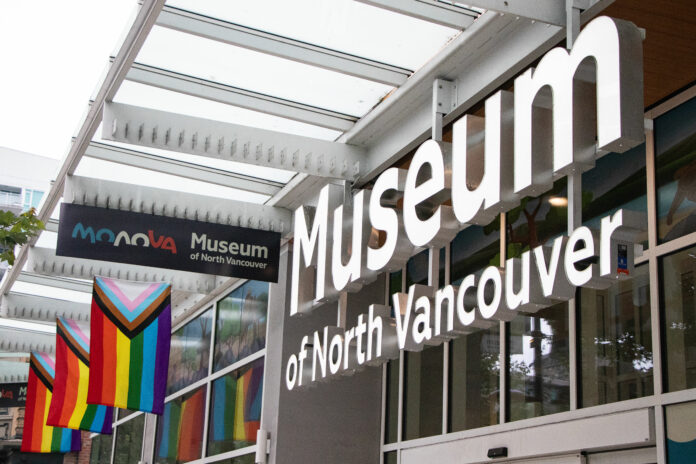
Exterior of building with a closeup of the words “Museum of North Vancouver” in bold white block letters in front a window. There are trans flags and pride flags hanging from the canopy.
PHOTO: Aria Amirmoini / The Peak

By: Maia Lomelino (She/They), SFU Student

Content warning: mentions of residential schools and internment camps.

It’s not new that the Shipyards region in North Vancouver is becoming a hotspot for entertainment on the North Shore. With easy access from the Seabus, it features entertainment for all ages and tastes, and this is exactly where you’ll find the Museum of North Vancouver (MONOVA).

MONOVA opened to the public in December 2021, but was only finalized with a brand-new climatized (temperature and humidity-controlled) area for special exhibits in 2022. Located on Esplanade street right by the Lonsdale Quay and Seabus terminal, the small but mighty museum is home to a permanent exhibit about the city and neighbourhood histories. It’s also a hub for events and community building. 

Right at the entrance, between the products in the gift shop, is one of the coolest items in Monova’s collection: a bright red streetcar that used to roam Lonsdale Avenue from 1912–1946. The piece on display was restored after spending years serving as a chicken coop. The best part about the museum’s lounge is that it’s free to look around; while ticket prices to the main exhibit vary, students with ID pay only $10. 

Passing the magnificent Twin Sisters panel, carved in red cedar to mark the museum’s commitment to Truth and Reconciliation, is the main community space. Here, visitors can find interactive tables run by volunteers and a space for kids to have fun with the museum’s themes, building paper streetcars, or colouring. Walk the short corridor that simulates a BC forest to find the main gallery, where a circular structure representing a cedar tree harbours Indigenous objects and celebrates the Sḵwx̱wú7mesh (Squamish) and Səl̓ílwətaɬ (Tsleil-Waututh) Nations

The main exhibit covers the history of North Vancouver, highlighting its Indigenous origins. Pass through historical eras, like the immigrant neighbourhood development, the Moodville timber production era, the Lions Gate Bridge and Shipyards constructions, and World War II efforts. There are even archaeological findings from a Nikkei settlement that got abandoned around the same time Canada created Japanese internment camps, remnants of the tragic events these communities went through.

Take time to honour residential school survivors by hearing their names and listening to Elders give advice to Indigenous youth in the touching installation that reflects on the horrors of residential schools and and their lasting consequences. Then, learn about Indigenous plants and wildlife from the region in the vivid natural history installation.

You can also learn about the history of North Shore Rescue, the old Grouse Mountain Chalet, and Phil Nuytten. Nuytten was an entrepreneur and inventor who created a deep sea exploration suit, helped study the Titanic, and trained astronauts. Nuytten’s company also develops submersibles — a small submarine that needs an overwater support vessel (real deal ones, not tin cans for billionaires). 

Currently, the special exhibit room (on until late December) presents the history of the Shipyards neighbourhood with items from the old North Vancouver Hotel. This includes a very interesting pharmacy cabinet with medicine that would make any doctor today run to the hills, like laudanum, cocaine, and opium. According to museum staff, the place where Lift Bakery is today used to be a pharmacy!

The coolest part about the MONOVA exhibits is that most of them are interactive, so the visit becomes even more fun for kids and adults alike. Visitors can also participate in a scavenger hunt to locate specific items in the gallery. Visiting MONOVA is a delightful albeit short experience that’s definitely worth it for those interested in local history and everyone hoping to learn more about the North Shore. 

September will be a month full of Truth and Reconciliation events, like a scrapbooking workshop with Tsawaysia Spukwus (Sept 7), Reconciliation through Storytelling with Chief Dr. Robert Joseph (Sept 14), Cultural Knowledge Sharing with Sheryl Rivers (Sept 16), and the Connection Speakers Series with Leigh Joseph (Sept 23).

Seven ways to stay safe and cool during extreme heat

0
A photo of an orange sky with a bright sun
PHOTO: Pixabay / Unsplash

By: Saije Rusimovici, Staff Writer

Summer is one of my favourite seasons, but it’s important to remember that while it feels great to spend time outdoors soaking up the sun, it’s necessary to keep yourself cool. It can be a struggle to sleep, work, study, exercise, or even just relax when you feel exhausted from the heat. In certain circumstances, exposure to extreme heat for an extended period of time can lead to health complications such as heat exhaustion, or, in more serious cases, heatstroke. UV rays also pose risks to our health, as prolonged exposure to the sun without protection may cause sunburns, or in more severe circumstances, permanent damage to the skin. It’s also important to consider at-risk populations who may be more susceptible to the negative impacts of overexposure to the sun. People who have chronic diseases or mental illness have a higher risk of being affected by heat-related illnesses. 

Due to climate change, summers are getting longer and hotter. Now more than ever, it’s important to take proactive steps to keep yourself safe when  temperatures inevitably spike. 

  1. Find an air-conditioned space to spend hot afternoons 

It’s incredibly difficult to stay productive and alert when it’s hot out. According to the   CDC, air conditioning is the number one way to protect oneself against heat related illness and death. If you’re like me and your home lacks air conditioning, try finding a public space like a coffee shop or library that has good air circulation. Malls are an excellent option, as they are often well air-conditioned. It’s also worth keeping an eye out for portable air conditioner sales or used options through Craigslist or Facebook Marketplace. The best deals often pop up in fall and through the spring!

2. Stay hydrated 

Drinking lots of water plays a key role in the way your body functions under extreme heat — you may not notice it, but dehydration can significantly affect your focus and performance. When doing outdoor activities or activities in direct sunlight, it’s recommended to drink plenty of water, about eight ounces every 15–20 minutes. With that being said, you should also be careful with your intake of highly caffeinated beverages, such as energy drinks, as they can actually contribute to dehydration. Caffeine has diuretic properties that increase the production of urine, which can impact your hydration levels, and energy drinks might have far more caffeine than a regular cup of coffee. In the same way, it’s recommended to avoid drinking alcohol at least 24 hours before working in extreme heat. 

3. Avoid mid-day outdoor activity when that sun is at its hottest 

Even though it feels great to go outside and soak up the sunshine, there are specific times during the day in which UV rays are particularly harmful. Make sure you are always wearing sunscreen with a high SPF, even if you are not in direct sunlight. Use a local weather app to see when the sun is at its hottest, and avoid scheduling outdoor activities during that time. You can also download a UV index app like SunSmart Global UV. If you are a part of a sports team, schedule practices and games in the morning or late evening when the temperature is cooler. If you must go outside during this window, wear loose-fitting clothing layers that cover your skin, and bring a water bottle with you. 

4. Cool down before bed 

After a long hot day, it’s a good idea to cool down before you go to sleep. If you don’t have air conditioning, this could mean taking a cold shower. If where you sleep is particularly humid, consider sleeping with a cold washcloth on your neck. To limit discomfort from the heat before bed, I like to use my ice roller on my whole body to reduce inflammation and bring down my body temperature. 

5. Find out where your local cooling centres are 

Like air-conditioned spaces, cooling centres are a great way to find temporary relief from the heat. Cooling centres are open to the public and often located at community centres or city libraries. Some of them even allow people to bring their pets! The City of Vancouver has put together a comprehensive list of cooling centres, misting stations, spray parks, and weather-protected plazas. For more information, visit CTV News Vancouver for even more cool zone locations across Metro Vancouver. 

Both SFU’s Vancouver and Surrey campuses are built with air conditioning. Though this isn’t true for much of the Burnaby campus, there are still several places where you can go to cool down. The Student Union Building, Blusson Hall, and West Mall Centre all have air conditioned spaces where you can have a cool study session. For a list of specific locations on campus, visit Safety and Risk Services under Extreme Weather on SFU’s website

6. Eat fresh foods with a high water content 

Instead of warming up your home by turning on the stove or oven, try preparing meals with fresh fruits and vegetables. This not only prevents your kitchen from becoming unnecessarily warm, but will also boost your hydration. Foods that have high water contents such as strawberries, melon, cucumbers, and lettuce are a yummy and healthy way to increase your water intake throughout a hot day. You can even try freezing your fruit to indulge in as a snack.

7. Stay informed 

During periods of extreme heat, one of the most important things you can do is keep updated on how heat is impacting your area. Stay updated regarding wildfires and air quality advisories in your surrounding area — follow government guidelines to stay safe. Since Canada’s new Bill C-18 has blocked some news outlets, make sure you actively seek out updates on weather and wildfires in your area. Be sure to keep an eye out for advice from healthcare professionals and pay attention to trusted news sources for updates. If you are looking for more resources, visit some of these organizations below: 

CDC | Tips for Preventing Heat-Related Illness 
PreparedBC | Extreme Heat Preparedness Guide
Canadian Red Cross | Heat Related Emergencies: Staying Cool and Hydrated in Canadian Summers
The Humane Society of the United States | Keep pets safe in the heat
Cal OES News | Extreme Heat Safety Considerations for People with Access and Functional Needs
SFU | Extreme heat — Work & research safety

Consider following SFU on Twitter or download the SFU Snap app to get updates on severe weather conditions across SFU campuses. 

School of Sustainable Energy Engineering students lead the way for a sustainable future

0
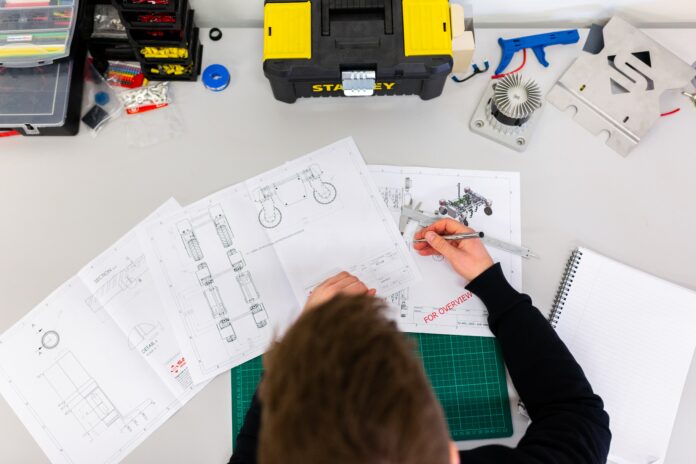
This is a photo taken over the shoulder of an engineering student. They are writing on blueprint papers in front of them.
PHOTO: ThisisEngineering / Unsplash

By: Eden Chipperfield, News Writer

In the fall of 2019, the SFU School of Sustainable Energy Engineering (SEE) established its first cohort of students. In June 2023, the program celebrated its first group of graduates who walked across the stage. The SEE program is the first in Western Canada, and is offered at SFU’s Surrey campus. 

SEE mainly focuses on researching sustainable engineering practices that are ecologically, socially, and economically responsible. The school prioritizes vital issues, including gender equity within research, teaching, and community for a cleaner and greener future. 

The Peak connected with newly graduated SEE students, Emma Hannaford and Danielle Arciaga, and asked about their experience with SEE and their advice to students considering joining the cohort. 

“When I first applied to the SEE program, I was drawn to its interdisciplinary nature. I knew it was important for me to gain exposure to innovation and entrepreneurship with the rapid developments in the clean tech sector,” said Hannaford. “Sustainable energy refers to energy from a source that can provide for generations to come and is generated in an equitable way. The introduction of the SEE program brings awareness to the global challenges our world currently faces and helps develop the skills necessary to tackle these issues.” 

The Peak asked the graduates what the word sustainable means for them after their graduation. For Arciaga, sustainable energy is the ability to supply the population now, and future generations, with the energy they need. “The program recognizes areas that need improvements and gives us the knowledge to approach these problems and develop innovative solutions.” 

The Peak asked how sustainable engineering works with other engineering fields to produce a sustainable future. “We need to work collaboratively with other fields of engineering and disciplines to achieve this common goal. For example, if we look at a building, numerous fields of engineering are required to make a building,” explained Arciaga. “If the goal is to ensure the building emits less emissions than its counterpart, coordination is required from the mechanical and electrical engineers to use efficient equipment, the architects and structural engineers to select local, low emission materials [ . . . ] We need everyone to play a part in shaping a more sustainable future.” 

Regarding the program’s cohort experience, there were many positive outcomes for the small class. “Something I did not foresee during my time in SEE is how close our cohort would become, said Hannaford. “With only 20 students making up the first intake of students back in Fall 2019, it is rewarding to look back and see how we’ve all grown together and supported each other over the past four years.” Hannaford also prided SEE’s commitment to gender diversity. Their student cohort comprised over 40% women which helped foster an inclusive environment and further a commitment to gender representation in academia.

The SEE program addresses gender inequality with classes such as SEE 110 Energy, Environment and Society, where the social impacts of climate change are discussed. This course also conducts a privilege walk, where students become aware of their privileges and biases. This helped deepen students’ understanding of the importance of diversity in engineering and in sustainability while addressing challenges and solutions. 

The Peak asked the two graduates what advice or insight they would give to oncoming SEE majors and prospective interested students: “For first-year students considering SEE as a major, my advice is to reach out to the SEE student ambassadors or members of the Sustainable Energy Engineering Student Society if you have any questions regarding the program,” said Hannaford. “SEE is unique as it is a new, tight-knit program. As the program grows, it adapts to the needs of the students. If you are unsure what to focus on, SEE is good at showcasing different aspects of sustainability and allows you to try various fields of engineering,” added Arciaga. 

For those interested in learning more about the SEE program, visit www.sfu.ca/see.html for more information and stories regarding the cohort. 

SOCA wellness retreat funding rejected by the SFSS

0
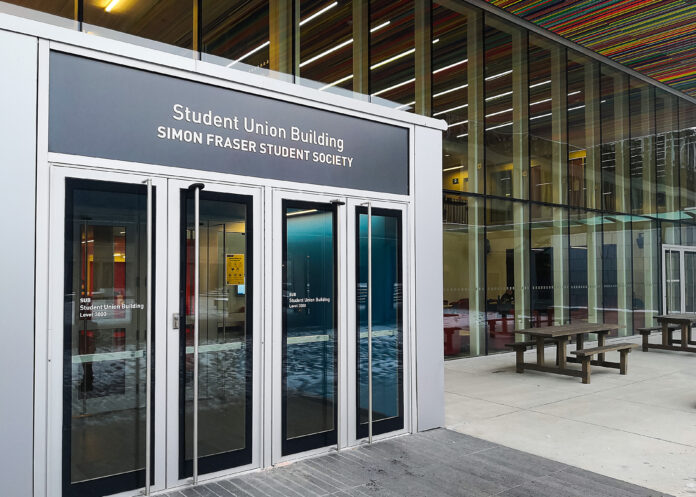
This is a photo of the outside of the Student Union Building at the SFSS Burnaby campus. The photo is a close up of the doors. Above the doors the sign reads “Student Union Building, Simon Fraser University”
PHOTO: Afsaneh Keivanshekouh / The Peak

By: Olivia Sherman, News Writer

Editor’s Note: This article was updated on September 8, 2023, to note that the black wellness retreat was not cancelled.

At the Simon Fraser Student Society (SFSS) meeting on June 21, the SFU Students of Caribbean and African Ancestry (SOCA) presented an amended proposal for their wellness retreat. This event was aimed at healing the physical, mental, and emotional health of Black students. While the original proposal from May 24 requested $10,000 of funding from SFSS, the June 21 proposal halved this initial request to $5,000. This new request was almost unanimously rejected by SFSS.

The Peak sat down with SOCA president, Lauretta Umukoro, to discuss the significance of what the retreat represented, and the events leading up to the funding rejection.

“The idea behind it was to create an experience for Black students that had not been done before,” Umukoro explained. “I wanted to create a space where they could sort of get away” from the hecticness of school. 

At the May 24 SFSS meeting, SOCA representatives, Yaye Seydi Balde and Amina Hassan, presented an outline for the required costs. This included the expenses for the 28 confirmed attendees, who would not pay for the trip. The estimated total for the roundtrip bus to Chilliwack, the cost of food, and facilitators was $9,304.12. Hassan said the initial request of $10,000 was a loose estimate of the necessary funding, and there was no expectation of using it all. The representatives also stated that, prior to the presentation, they had not applied for grants to aid in the cost. Councillors expressed this was the general procedure when requesting funding. 

Many SFSS councillors voiced concerns with their budget. Vice president of equity and sustainability, Priyanka Kaur Dhesa, noted that SOCA had already received $5,000 from the BIPOC committee, and questioned whether SOCA was requesting an additional $5,000, or a total of $15,000 for the retreat. SOCA representatives confirmed the $5,000 was received and was used for a down payment for the campsite. The representative then said SOCA was requesting a total of $15,000 for the four-day retreat.

 “The $5,000 was used towards the down payment of the property which was non-refundable, which meant in order for all that money not to go to waste, the retreat had to happen,” Umukoro later clarified. “SOCA was fully committed to having the retreat with or without the support of the SFSS because of the excitement and engagement we had gotten from our membership.” 

SOCA pulled funds from other sources, including their CORE account within the SFSS, their trust account, the Black Student Support Levy, and the external SOCA bank account. SOCA was able to fund the trip without support from the SFSS.

Vice president of university and academic affairs, Thomas Leuth, said the requested amount was “concerning” considering SOCA already receives $100,000 from the SFSS annually. However, SOCA’s budget from the SFSS is only $65,000. Umukoro said she is unsure where the other monetary figure came from, but states the miscommunication was “due to lack of information.” The debate was later tabled until June 21. 

Leading up to the June 21 meeting, Umukoro said SOCA was referred to apply for grant funding in order to raise money for the wellness retreat. Through exact budgeting and applying for grants, SOCA went back to SFSS with the new budget of $5,875. However, despite cutting their budget in half, SOCA’s request was denied. “You ended up in Council, and the fact is you are here, and therefore, this grant directly concerns SFSS, directly concerns the money that comes from students’ pockets,” said SFSS president Liam Feng.   

“I’m going to make this clear, on the record. I do not support this, and here’s my justification as to why,” Feng stated, citing the original budget from May 24 and its drastic change on June 21. “This is an indication that the cost breakdown was not going to be accurate [ . . . ] they overestimated by two-fold. I want to make this clear, though, that if we had agreed to this grant before, in the first Council meeting, we would have given a whopping 10k [ . . . ] which is humongous. And these kinds of things have consequences that are not small.” 

Umukoro said the staff from SFSS who were tasked with helping SOCA reallocate funds and request grants had stated SOCA would be guaranteed the grants. In the June 21 meeting, president Liam Feng reiterated that “going through the proper grant process does not guarantee that the grant will go through.” Of this rejection, Umukoro felt SOCA was led astray, saying it wasn’t fair to make SOCA “go through a grant process, knowing fully well you are not going to approve the funding in the first place.

“So you had made us do extra work from the work we’re already doing in regards to the retreat, and only for you to say you don’t think the event is needed [ . . . ]  And also they didn’t see that it was going to cater to a lot of students and it was accessible to a lot of students.”

Umukoro said she aims to plan out an exact budget for similar retreats or events in the future, including “reaching out to external organizations to come on board and sponsor and maybe also provide funding.”

She also said SOCA will continue to “create a safe space for [their] community members and allies to come together [ . . . ] through various events and workshops such as the Black Healing Space, Community events and collaboration within and outside SFU.” 

However, she is less optimistic about reaching out to SFSS for aid again. “As for going back to the SFSS to actual funding: I don’t know. I can’t speak to that as of now, just because of the level of harm that was caused through the whole process of asking for grants, and just how excruciating the process is.” 

Umukoro said that while the next steps for SOCA are uncertain, she is hopeful: I feel like we started something that is really going to stand the test of time, especially with the Black community.”

Horoscopes September 4 – 10

0
An illustration of a girl with long flowing hair. Astrological signs and stars shine around her.
ILLUSTRATION: Marissa Ouyang / The Peak

By: Gurneet Lohcham, SFU Student

Aries

We know you’ve already created your Halloween playlist, and I can bet you anything that the Ghostbusters (1984) soundtrack is definitely on it. But do you really need to be listening to that in early September? I’m sure the ghosts are turning in their graves because you aren’t letting them sleep. You should wait until we at least hit fall before blasting that playlist, or it won’t be only Casper, the friendly ghost visiting you this Halloween

Gemini

Hey, prankster! Hold your horses for one more month. I know you have a ton of pranks planned for this Halloween. Steer clear from the usual sheet ghost one. It’s getting old. I can tell you this much: You will have a very successful October this year with all your tricks. Keep your friends close and your enemies closer this year, though. I sense that you won’t be the only one playing the pranks this year. Here’s some friendly advice: If you see a red-eyed wolf, turn the other way . . . It could just be a prank . . . or we may lose our number-one prankster. Beware . . .

Capricorn

I know every year, your family turns down your ideas for them dressing up for Halloween. But it’s your lucky year! They’ll be more excited to dress up than you this year. I know how obsessed you are with Percy Jackson, and it’s time to enter your demigod era. You’ve been waiting way too long for this moment, and it’s finally here. So, make sure you go all out. Bring out the bead necklaces, the Camp Half-Blood shirts, and the ballpoint pen (IYKYK).

Sagittarius

You’ve been working so hard all summer, Sag. It’s time to take a break before the fall semester begins. Put on those fuzzy socks and grab a pumpkin spice latte from Starbucks. No more staying up late, or you’ll have no energy left by October 31. With Halloween coming up, all the ghosts and ghouls are roaming around. And their favourite time to come outside is during the night . . . Better not stay up too late; they wouldn’t mind visiting those who don’t sleep. It’s best to avoid such members of our society, especially when you have fall courses to pass. Goodnight, don’t let the mice bite. 🙂

Leo

Leo, you deserve a break after all that hard work you’ve been doing. What better way than pre-buying and munching on Halloween candy while snuggling in bed? I know you’ve been having a hectic few weeks, but Halloween is coming up. Scream all you want, and maybe watch the new Scream (2022) while you’re at it. 🙂 A lot is happening during Spooky Season; I doubt anyone will hear you, so scream all you want.

Scorpio

Hey Scorpio, did your cat suddenly learn to flush the toilet? Did that light bulb just start floating behind you? Or, did your grandpa’s laugh get a little creepier than it used to be? Your cat might’ve unlocked a lot more brain capacity. But that doesn’t explain the light bulb or the laugh. It could all be a coincidence, but you and I both know coincidences aren’t your thing. You could ignore everything and go about your day, but with Halloween approaching, I’d say be alert and be on the lookout. You never know when your cat might try to eat your grandpa or vice versa . . .

Aquarius

I know you have a lot on your plate, and on top of that, in a month, you’ll have pumpkin pie and Halloween candy, too. I’m just kidding, but I know you haven’t been feeling so hot lately. With Halloween coming up, I suggest you remember that good and bad ghosts are roaming around. Why don’t you have a séance or light a few candles and pretend for the feels of it? You and your friends will have a spooky blast, and you never know; perhaps you’ll hear from beyond the grave.

Taurus

Haven’t you been nervous? You know, with your condition and Halloween fast approaching. Who keeps you cool, calm, and collected? Don’t you ever feel like letting go and biting their heads off? I mean, since you have that ability, being a vampire and all. I am proud of you for making it this far. But you must be excited, too — no more hiding in the house, all the rain and the cold . . . ooooh, it’s all so exciting. But be careful, Taurus, people get weird around this time of year, the garlic on the doors, the hunts for peculiar creatures and all.

Pisces

Pisces, have you completed your latest book? What was it called? Oh yeah, “The Lady in the Dark Forest Who Ate Her Rabbit.” Where do you come up with these? You know what’s funny about your last bestseller? I heard a story on the news the other day, very similar to yours, but you wrote that over a year ago . . . Don’t worry, your secret is safe with me. It must be scary though, seeing the future. I should warn you there aren’t very many people who understand your gift. If I were you, I’d take a break. There’s a certain big fish in the publishing business looking for you.

Libra

I know how much you love mysteries, my dear friend. And I have a surprise for you. This Halloween, you’ve been asked to be the lead investigator for the series of murders happening around the city. This one is going to be difficult, Libra. I would suggest getting all the help you can get to crack this mystery. I heard your favourite book went missing the other day. Here’s a secret: find the book and find the next clue. You’re in for a heck of an adventure, Libra. Quick tip: start with your friends.

Cancer

Don’t even think about it. You know you hate scary movies, so why do you always put yourself through a horror movie marathon around Halloween? You scream, spill the popcorn, and don’t let your roommates sleep. Why do you do it? Especially this Halloween, don’t do it. I’ve heard stories of people just like you watching horror movies. It just so happens that there’s one particular movie that, when a Cancer watches it, it becomes their reality. I won’t tell you which one it is, though. It’ll be fun to have you find it. I guess this may be your last horror movie marathon, after all.

Virgo

You love Halloween and adventure. Virgo, I suggest you opt out of Halloween this year. It doesn’t seem to be a great time for you. We know you love treats on Halloween, but it looks like someone is out to play a trick on you this time. Why don’t you stay home and watch a Halloween movie this year? I would even steer clear of that graveyard you always visit. I know it’s important to you, but cemeteries have eyes and ears too. They’ve been listening, and this is the year they take you. Just sit back and bake some Halloween cookies, okay. 🙂

Create & Enter: Nature photography contests

0
An illustration of a person in a red long sleeve SFU shirt holding a canon camera.
ILLUSTRATION: Ananya Singh / The Peak

By: Hailey Miller, Staff Writer

What’s better than snapping a few nature shots and trying your hand at winning some snazzy prizes? The following is a list of free-entry photography contests across BC and Canada, with a variety of wildlife, outdoors, and ecological categories, alongside hefty prizes up for grabs. Happy snapping, and may the best photos win!

2023 Hiking Photo Contest
Presented by: Vancouver Trails
Submission deadline: September 25, 2023

Also known as the 2023 Vancouver Trails Photo Contest, this contest is accepting entries of any hiking trails around Vancouver and the Lower Mainland area throughout Southwestern BC. Images may include mountain views, forests, scenic hiking routes, and family and friends within photos. The contest offers a GoPro grand prize, a second place prize package of outdoor gear, and four $50 Canadian Tire gift cards as runner-up prizes.

2023 Global Photo Contest
Presented by: Nature United
Submission deadline: September 29, 2023

This nature photography contest is open internationally, though the organization works locally and across Canada to help preserve and protect precious environments. There are twelve categories, including oceans, aerials, birds, and plants and fungi. There’s a grand prize winner, as well as three runner-ups in each category, with monetary prizes for everyone. Submit your photos for a chance to win and vote on your favourites. That’s all there is to it! 

Ocean Exposures Photo Contest 2023
Presented by: Living Oceans
Submission deadline: September 30, 2023

This contest includes three ocean photography categories: Below the Surface, Work and Play on the Ocean, and Coastal Wildlife, and is open across Canada, excluding Québec. There is a maximum of five photo entries per person. Following the submission period, voting and judging will take place throughout October. Winners will be announced in early November. 

2023 Amateur Photographer Contest 
Presented by: West Coast Traveller
Submission deadline: October 20, 2023

This Amateur Photographer Contest includes six distinct categories related to nature and wildlife, west coast travel, portraits, scenic views, local gems, and Instagram favourites. The contest is open to amateur photographers in Canada only. There must be no duplicate entries and images must be submitted in their original format. Voting on the top 100 images takes place throughout November and December. The contest is offering a travel package grand prize, as well as first, second, and third place prizes.

Before They Cut Down Our Tree ponders growing out of friendship

0
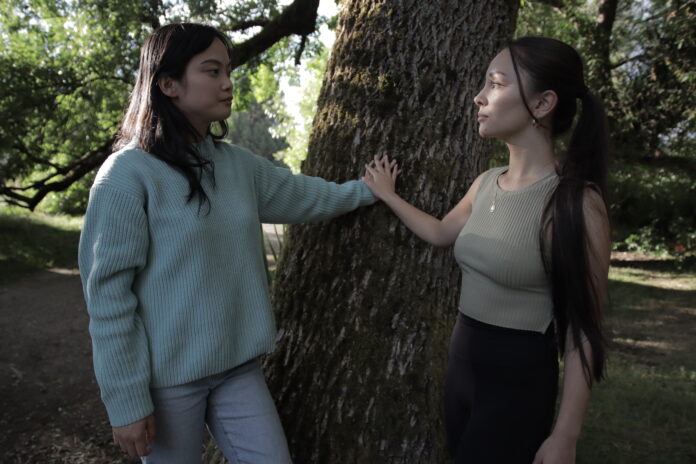
Two Asian women look at each other with their hands touching on a tree branch between them. They’re both wearing neutral colored shirts and they’re in a forest surrounded by trees.
PHOTO: Courtesy of Danny Guay

By: Petra Chase, Arts & Culture Editor

An almost universal experience of adulthood is learning to accept that friendships change over time. For playwright Karter Masuhara, this unspoken realization occurred at an old friend’s bridal shower. “When I went, it was awkward and I realized I didn’t know this person anymore and we probably wouldn’t be friends if we met in the present,” they told The Peak. Following this experience, their cathartic first play, premiering on stage at the Vancouver Fringe Festival on September 7, “flowed out” of them. Before They Cut Down Our Tree features a team of eight SFU alumni, including Masuhara.

The script was written in 2020–21, when they took part in the Vancouver Canadian Asian Theatre’s MSG Lab’s playwriting program. It “follows two ex-friends as they reunite after the death of a loved one and are forced to reconcile why they broke apart.” The play moves through a decade of time, flashing back to the event that ended their relationship, the secrets they’ve kept, and what’s changed since then.

Standing in the middle of this emotional storyline, and a central design element in the play, is a magical tree. This is the tree where the two friends, Sam and Cal (Jessica Wong and Emily Ma) “met up to hang out, do their homework, and have fun” during childhood. It’s also where they have their incalculable reunion.

Masuhara emphasized what it means to put on a stage-based story featuring their intersecting identities: As a “queer Asian non-binary person,” Masuhara shared, “I have not often seen [my identities] on stage, so I wanted to create a story that filled in that gap.

“It’s important to be able to have authentic representation as it helps people feel seen and also understood.”

After two public readings of the script and grant funding, Masuhara set out to assemble a team to bring the play to life, hosting a design workshop and auditions. The response was overwhelmingly positive — auditioners shared how excited they were to audition for a half-Japanese character, an identity not often represented on stage.

“What I have found from feedback from readings is that most people have been able to find something that they can relate to in this play,” Masuhara said. “Storywise, I think people who like character-driven emotional stories that feel authentic but have a touch of wonder/magical realism will enjoy this play.”

“I think people who like character-driven emotional stories that feel authentic but have a touch of wonder/magical realism will enjoy this play.”

The tree itself is “a character in its own right,” they continued. “It allows the characters to see past versions of themselves, so it changes a bit throughout the play.” Visual and sound design are a huge part of this play, mirroring the passage of time and emotions that occur within the characters. The childhood tree, which is afflicted with “heart rot,” clues audiences to the state of the relationship with the growing and shrinking of this rot, and adds a tinge of mysticism to a strikingly real situation.

As you can tell, the tree is a metaphor to Sam and Cal’s relationship with one another and we will see how the present versions of themselves have to confront the broken mess that became their friendship and if they can fix it before the tree gets cut down for good,” they said.

Masuhara assures there is also “joy and hope” to this story, pointing out how “each ending is the start of something new.”

Watch Before They Cut Down Our Tree at Performance Works at a show from September 7–17. Purchase a $16 ticket and find more information about show times on the Vancouver Fringe Festival website. Content warning: descriptions of “non-consensual acts and teen dating abuse.

Vancouver Fringe Festival is an alternative theatre festival that’s been running since 1985. This year’s festival features over 85 emerging acts. According to their website, “this year will see more theatre, comedy, dance, drag, spoken word and music descend on our doorstep than ever before!”