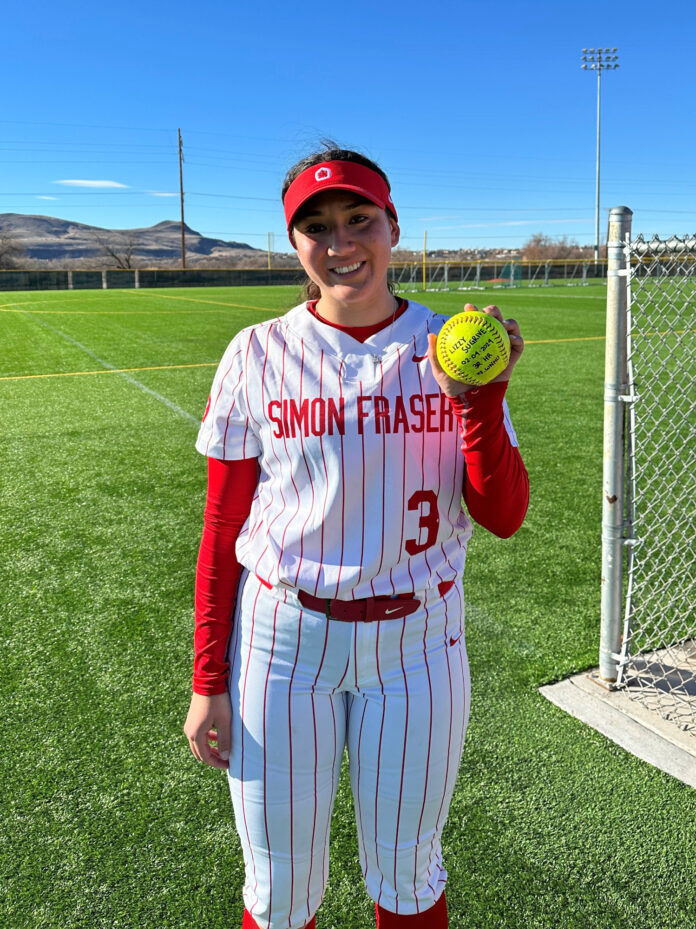
Friday, March 22–Sunday 24: softballat the Stanislaus State Tournament of Champions in Turlock, California
Opponents include: Cal Poly Humboldt (Friday at 2:00 p.m.), Sonoma State (California) (Friday at 7:00 p.m.), Chico State (California) (Saturday at 11:30 a.m.), California State East Bay (Saturday at 4:30 p.m.), and California State, Dominguez Hills (Sunday at 9:30 a.m.)
PHOTO: Courtesy of SFU Recreational and Athletics Club
By: Hailey Miller, Staff Writer
Editor’s note: answers have been edited for clarity and accessibility.
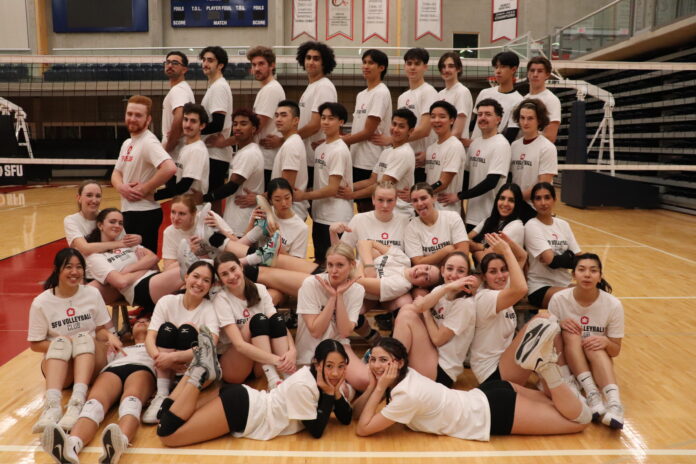
The Peak spoke with SFU volleyball club members Chloe and Laeticia Tees, alongside Jenna VanRoekel and Malcolm Sondrup, about the ins-and-outs of their club, what practice looks like, and camaraderie among players. As SFU’s competitive volleyball team outside of the varsity program and intramurals, the women’s team came first in the silver division and the men’s team came third in the gold division of their latest tournament.
When does your season run?
Chloe Tees (CT): Officially, it starts October after we host tryouts in fall. During the fall semester, we mainly just practice and have scrimmages, and then in the spring semester, we compete. In summer, we just take it easy.
What events and tournaments is the club involved in?
Laeticia Tees (LT): We scrimmage a lot of other club teams, like UVic, UBC, and TWU. We play in Pacific Intercollegiate Volleyball Association tournaments in the US against other big universities. We play in provincials for Volleyball BC, which is next weekend.
CT: We have social activities.
LT: We have team parties, team bonding, and themed practices.
Jenna VanRoekel (JV): In the summer, we’ll do a big tournament with all the teams. It’s girls and guys together, and it’s a fun thing because we don’t really play our normal positions — it’s really just a full day of summer fun.
How can people join the club?
CT: We host tryouts. This year we had two tryouts for each team [men’s and women’s]. There was a lot of interest this year. I think we had 100 guys and 100 girls come out. We would love to take everyone, but it’s a competitive team.
What’s practice like?
Malcolm Sondrup (MS): Usually for our practices, we’ll start off with warm-ups. Then we’ll play a bit, do a couple drills. We do game-play and skill improvement stuff, and focus on conditioning. I feel like the skill level has really increased throughout the years. We take our practices pretty seriously and try to make it as competitive as possible, especially in preparation for tournaments.
What’s the camaraderie like among teammates?
LT: It’s been a place to meet my best friends; it’s been really fun. We have a really big age range, but it’s still a way for me to meet people in and outside my program. Even the sixth-year’s and the first-year’s get along. Our club is pretty unique in the fact that the guys’ and girls’ teams are really close, as far as being friendly and supporting each other in all our tournaments.
MS: It’s wild to think about how close a lot of the players have gotten. All of my best friends are on the team and I think volleyball’s such a good way to bond and connect, and meet people with a similar interest as you.
What are some facts about volleyball that most people don’t know?
MS: It’s very physically demanding, especially when you play a position where you pass a lot. And you get a lot of burns. And you get hit in the face sometimes, and you hit people in the face, too.
JV: People’s preferences in the shoes they wear and the ball they like lead to an hour-long debate. No one on our team agrees on anything. This is a little more unique to volleyball, but also in sports, there’s pretty much a regulation ball for everything.
CT: I think it’s so cool that there’s no personality type for a volleyball player. We’re all from different programs, we’re all from different backgrounds, and we all got into volleyball at different ages. I feel like it’s a very eclectic group of people that end up playing volleyball, but then it makes such a good group. You get so many cool perspectives and different people.
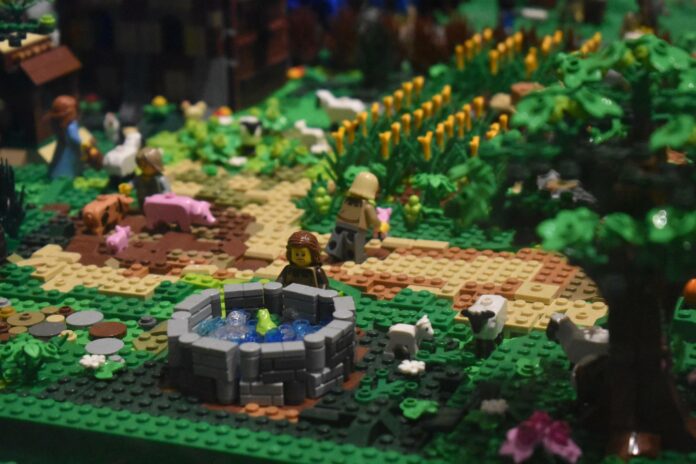
Looking to travel back to the good old days of childhood play? Look no further than the Museum of Surrey’s exhibit for fellow LEGO fans. The Cloverdale museum presents Everything is Still Awesome as a tribute to the 20-year anniversary of the Vancouver LEGO Club, a community for adult fans of LEGO. The nostalgic exhibit is like a trip down memory lane, with recreations and photos from previous exhibits. As someone who spent their childhood building and combining every LEGO set, it was fascinating to dissect each individual scene. Each of the three themes, which take gallery-goers from past, to present, to future, feature many smaller sets that interlock so well that you don’t want to look away for a second. These scenes show snapshots of the lives of familiar characters in detail.
The medieval theme tells tales of pre-modern societies. In this setting, I saw LEGO peasants tending to their crops, as knights cross bridges toward the king. From highly detailed bricks in the castles, to tiny specks of crushed-up pumpkin in the patch, this exhibit went above and beyond. The mystical theme features many references to classic childhood fairy tales, such as the apple-solutely iconic “Snow White” scene where she’s presented with the shiny red fruit. There are also cracks below the exhibit where mythical figures loom, like famous Lord of the Rings character Gollum, who can be seen hiding his precious ring behind illuminating bricks.
The modern-day ocean theme stood out to me the most, with an underground tunnel you can crawl through to get a closer look at all the stories that make up this LEGOland. This one showed how creative you can be with LEGO, reminding me of what children see when they play pirates. North, south, east, or west — each corner had its own set of chaos happening in the water. A sea monster can be seen destroying a sinking pirate ship, as pirates flee to their rescue boats. Right across from them, Tinkerbell and Peter Pan band together in a heroic battle against Captain Hook. The detailing in making these LEGO characters appear as if they’re floating or drowning is absolutely magical.
Tiny astronauts in space are featured in the final theme: a futuristic LEGO replica of the Museum of Surrey with windows all around allows you to peek in at them. The space theme features many childhood favourite characters in hidden areas, with visitors having the chance to find them in a scavenger hunt. The creativity in mixing all these characters from different franchises reminds me of how as kids we used to combine all our toy sets together, like Andy in Toy Story. One of the best hidden characters is Bugs Bunny in his Space Carrot rocket ship, greeting Stitch on his way home. My favourite part of this theme was how scenarios and characters from different cinematic universes cross over in such a fitting, natural way. Come by and see if you can find them all!
The Museum of Surrey is located at 17710 56A Avenue, Cloverdale, and will run until March 31. Hours are 9:00 a.m.–5:00 p.m. Tickets are free! A virtual tour of the LEGO exhibit is available on the Museum of Surrey website. To find out more, visit surrey.ca/museum.
Movies and music go hand-in-hand like peanut butter and jelly. Whether it’s a multi-layered uplifting score, a scary synth track, or a rhythmic pop song, music can add value to film by reflecting the feelings of what’s seen on screen. These four songs coming from four classic films are fantastic standing alone or standing in the framework of their respective films.
“Tajabone” was featured in All About My Mother, a Spanish film about Manuela, a mother returning to Barcelona after the death of her son, Eduardo, to find his biological father. The song plays throughout Manuela’s arrival to the city and immediately strikes a chord with viewers. The use of calmer instruments like the guitar and harmonica creates a pensive atmosphere for both Manuela and the audience to think about the past and feel a sense of nostalgia buried within us. Lô’s soulful voice complements the emotional instrumentals, taking you away to a calm and introspective state of mind.
Also an introspective piece, “Avril 14th” is featured in Sofia Coppola’s highly stylized period drama, Marie Antoinette. The song is heard while Marie Antoinette pensively peruses her garden alongside the sounds of birds chirping and the rustling of tall weeds. In this romantic scene, the tender soundtrack allows Marie to look inward through the healing powers of nature and shows her growth from a rebellious rock star of a queen to a responsible and mature figure. This song is somewhat different from the more eclectic and technical songs Aphex Twin creates but remains unorthodox in its composition with a computerized piano, making the piece sound “human but not quite,”according to a review by critic Scott Wilson.
Another Coppola entry on this list is The Bling Ring, a film based on the true story of a group of young adults robbing A-list celebrities’ homes. The opening track is by noise pop duo Sleigh Bells, a sub-genre derived from indie rock that features elements like feedback and distortion in a more pop-like setting. The choice of this song for the movie’s overture is clever, with the crew quietly sneaking around a home contrasted with the loud alarm-like sound the song contains once they trespass. Through a thunderous opening guitar riff and distorted vocal elements, the song alerts the audience and primes them for the wild ride they are about to experience.
When I think of the iconic film The Fifth Elementfrom Luc Besson, I immediately think of the gorgeous Jean Paul Gaultier costumes, memorable characters, and its dazzling soundtrack. “Alech Taadi” is a genre-bending song by Algerian singer Khaled featured in the film. The song is upbeat, incorporating ‘90s pop elements as well as some Latin flair on a raï base. Raï is an Algerian music style that mixes traditional and western elements, with anti-establishment lyrics as a response to socio-political issues in Algerian societies. The track is heard in the background of a high-octane flying car chase in the busy sky of a futuristic New York City. The song compliments the scene with its vibrant and exciting mood, while also highlighting how diverse the future can become, like with fashion and architecture.
Content warning: mentions of genocide and police brutality, descriptions of racism, Islamophobia, and antisemitism.
On January 7, people packed SFU’s David Mowafaghian Cinema to watch a crucial film. Israelism documents how two American Jews raised to “unconditionally love Israel” flipped its façade to lay bare the horrors of the occupation. This was one of five sold-out Vancouver screenings in a premiere and panel series across 40 cities. The interest was undeniable — there was an additional live audience in a nearly full overspill room at Harbour Centre — evidence of rising waves of Jews critical of Israel.
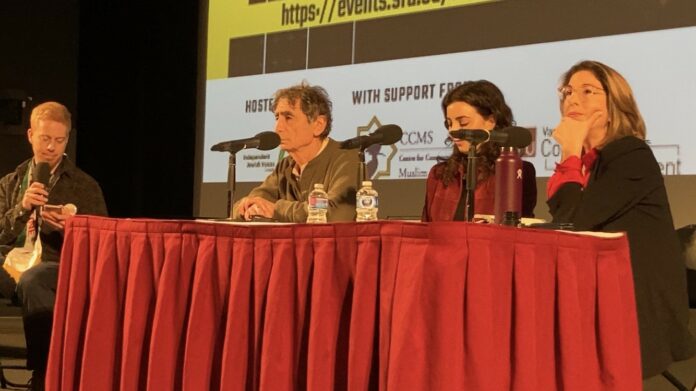
Simone Zimmerman, who became a vocal critic of Israel and organizer for Palestinian liberation, says the story she shared on screen isn’t special, but reflects what “hundreds of thousands of Jews around the world” have gone through. On the panel, she was joined by two leading Jewish speakers who underwent the unlearning process ahead of the curve: award-winning journalist and bestselling author Naomi Klein, and physician, bestselling author, and SFU honorary alum Dr. Gabor Maté.
Klein began her remarks with gratitude for the “unshaking moral leadership” of everyone involved. This included Independent Jewish Voices (IJV) and SFU’s Centre for Comparative Muslim Studies, who collaborated on hosting the event. The night was a testament to the value of institution building, and the legacy of Jewish, Palestinian, and Arab intellectuals throughout history.
After 109 days into Israel’s escalated genocide of Palestine, watching the opening sequence of the film was disturbing. Footage from a gala in Jerusalem showed tens of thousands on birthright, a free trip to Israel guaranteed to Jews worldwide. This zealous celebration, occurring 70 kilometres away from where the state military confines Palestinians to the world’s largest open-air prison, is almost as disturbing as the fact that things have gotten even more horrific since.
For Zimmerman and Eitan, who narrate their experiences on screen, birthright was a culmination of years of vigorous indoctrination beginning in childhood, from Israel-centred preschool activities in Jewish day school to youth camps led by Israeli soldiers.
Photo courtesy of Israelism film
In the documentary, Eitan shares he joined the military after high school — Israel felt like a place where he belonged. Contrary to the heroic image he’d been fed of Israeli soldiers defending citizens against “threatening” Palestinians, his duties were to limit Palestinian movement at checkpoints, patrol villages, and enter housing to “make their presence felt.” We see heartbreaking footage of how children are routinely terrorized when walking outside, and even in their own homes.
Maté spoke on how Palestinian dehumanization is a tool to justify their suffering. He brought up how Palestinian boys between 12–17 years old are systemically incarcerated for things like painting anti-occupation graffiti or throwing stones at tanks. The global community’s reaction to the October 7 Hamas attacks revealed how thousands of innocent Palestinians “tortured in Israeli jails” wouldn’t spark the same scale of outrage and condemnation as an attack on Israel. Israel’s sadistic war crimes like bombing hospitals and preventing life-sustaining aid from entering Gaza reveal the sheer level of destruction that continues to be treated as permissible when inflicted by a western-backed entity. “Palestinian children are having to have amputations without anesthetic on kitchen tables,” Maté said. “That’s the reality!”
Scenes and testimonies of the horrors of the occupation are juxtaposed with interviews with a Hillel group, a university organization dedicated to Israeli advocacy, which they describe as a core tenet of being a Jew. As a member at the time, Zimmerman was encouraged to defend Israel from so-called attacks at her university, when a motion to divest from Israel’s military was brought forth. After exhausting the talking points she was given, like calling the motion antisemitic — an attack on her Jewish identity — she found herself questioning why her limited script only led her to dead-ends, none of them addressing the suffering of Palestinians.
“[So-called leaders] do not represent us. We refuse to be led through mechanisms of terror.” — Naomi Klein, Author of Doppelganger
We follow Zimmerman to the West Bank where she sees the reality for herself: Palestinians just trying to live their lives under a terrifying apartheid and occupation. Like many in her community, the history she was taught erased the fact that Palestinians had lived there peacefully for generations, and the unfathomable violence, ethnic cleansing, and displacement Israel has inflicted on them since it besieged the land in 1948.
In the documentary, Sami Awad shared his experiences growing up under occupation, including early memories of American soldiers invading their homes. “Palestinians don’t have a day of freedom under the occupation,” he said. While walking the streets with Zimmerman, he acknowledged how Jews have inherited unspeakable trauma from the Holocaust, and how they created this “suppressive security mechanism” as if it’s the way to prevent such an unfathomable atrocity from occurring again. Maté, a trauma expert and Holocaust survivor, described this as “re-traumatization, not remembering, there’s a difference.” He explained, “We’ve never healed the trauma.”
According to Awad, recognizing and denouncing the injustice of the occupation is “where the healing work begins to happen.”
The beauty of the film, according to Klein, is that it models what it’s like to “change your mind” and the process of “learning, unlearning, and uncertainty.”
“A lot of people are looking for a good offramp from this ideology that is so treacherous and violent.”
“The same media that brought us the Vietnam war and lied about it for years [ . . . ] now bring us Israel’s right to defend itself.” —Gabor Maté, author of The myth of normal
Claims of antisemitism are increasingly misused by powerful institutions like the government, media, and academia, to shut down conversations that demand accountability for their complicity in Israel’s crimes. At SFU, students and faculty continue to demand divestment from Israeli weapon suppliers.
According to Maté, criticism of Israel should not be mistaken with hatred toward Jews — conflating Israel with all Jews is antisemitism. Leaders are “supporting [Israel] in the name of the Jewish people. How does that look to non-Jews of goodwill?” Maté asked. His question shows how harmful it is to attribute a group of people to a fascist force.
The unfortunate irony the film points out is that antisemitism has been on the rise with the proliferation of neo-Nazis and white supremacist groups, like those who participated in the January 6 attack on the US Capitol. However, pro-Israel leaders who claim to be concerned about antisemitism sweep these dangers under the rug.
“[So-called leaders] do not represent us,” Klein affirmed. “We refuse to be led through mechanisms of terror.”
Maté quoted the thesis of Klein’s latest book, Doppelganger, to describe how there is an “open warfare against objective reality.” He related this to the role the media plays in dangerously misrepresenting and justifying violence against oppressed groups, saying, “The same media that brought us the Vietnam war and lied about it for years [ . . . ] now bring us Israel’s right to defend itself.”
While Canada accepts an unlimited number of Ukrainian refugees fleeing, the number of Palestinian refugees were capped at 1,000. The bias is blatant.
The good news is people are waking up to it. “A lot of people are so uncomfortable with the heaviness in peoples’ hearts, and from the narrative they’ve been fed,” Maté said, to which Klein added, “There are examples of tremendous horror producing change” — as discussed in her book, The Shock Doctrine.
The evening concluded in no-time, and while there was almost an hour of well-articulated insight, the most salient were the calls to action:
Zimmerman: “Allow yourself to be transformed by heartbreak and by grief at witnessing such unspeakable oppression and violence.”
Maté: “We’re up against a system that is much larger than this particular issue. So in challenging this narrative, we also have to challenge the narrative and colonization of our own minds.”
Klein: “This is deadly serious, we need to liberate ourselves from this death machine. It’s time.”
Rent Israelism through Kinema for $5 to stream at home by visiting their website, israelismfilm.com.
With the spring season virtually here and summer on its way, it’s time for everyone to start planning their activities for the upcoming semester break and summer term. Whether you’re taking the summer off or loading up with a full semester’s worth of courses, be sure to set aside some time to step outside. Getting outside on a regular basis can help improve your sleep, benefit your mental health, and give you more motivation to exercise. Here’s a list of some outdoor activities to partake in this spring and summer.
Beginner-Friendly Hikes
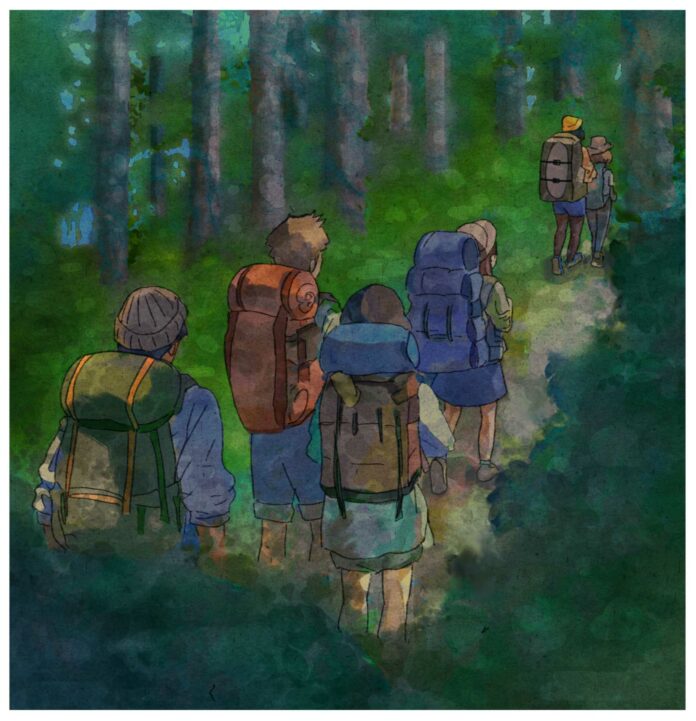
These hikes should take no more than a few hours while providing you with a short, exhilarating jaunt without the high-stakes heights. All of these trails will take you around bodies of water of various sizes, ranging from lakes to waterfalls. Enjoy these sights and sounds on a crisp spring morning or a hot summer afternoon — just remember to brush up on your hiking safety before you head out.
Admiralty Point, təmtəmíxʷtən (Belcarra Regional Park), Port Moody Length: 5.5 km roundtrip Elevation gain: 83 m Average time: 1–2 hrs What you’ll see: Little coves steps away from the trailhead where you can perch on a rock while enjoying the soft sounds of water splashing onto the shore. Make sure to go when it’s dry out, as the trail itself is a little rocky.
South Shore Trail, Burnaby Lake Regional Park, Burnaby Length: 7.6 km roundtrip Elevation gain: 21 m Average time: 1–2 hrs What you’ll see: Mirror-like lake reflections, wooden bridge walkways, and different types of birds. On clear days, you might even be able to see the silhouettes of tall buildings in the distance.
Serpentine Fen Trail, Serpentine Wildlife Management Area, Surrey Length: 3.5 km loop Elevation gain: 6 m Average time: 1 hr What you’ll see: Gravel paths carved alongside shiny riverways with a slight view of the mountains in the background. For the best experience, walk this trail close to sunset and watch the orange hues of the sky tint the river beside you.
Lynn Canyon Loop, Lynn Canyon Park, North Vancouver Length: 2.3 km Elevation gain: 109 m Average time: 1 hr What you’ll see: Glassy-green waters and an infamous suspension bridge that takes visitors over rushing waterfalls. Also along this trail is the 30-foot pool, a natural swimming pool that’s a great cool-down option for a hot summer’s day (just make sure to abide by the posted signs and don’t jump from the cliffs).
Out on the Water
From stand-up paddleboards to Sea-Doos (jet skis), there are many activities that will get you out on the water this year. While these are more suited for summer weather, definitely don’t shy away from indulging in these once the warm weather hits. These activities are perfect for enjoying with family, friends, or any other groups that you may want to hit the water with.
Deer Lake Park, Burnaby Available activities: Walk around the park, fish, or rent a boat. What can you rent?: Kayaks, canoes, rowboats, and pedalboats — price list can be found on their website. What to do: Rent a boat with a group of friends or head out on the water with a partner. Not only will you be surrounded by lush trees as you paddle through the lake, but you’ll also get a bit of an arm workout in. If rowing isn’t your style, rent a pedalboat and exercise those lower body muscles!
Light The Night Stand-Up Paddleboard Tour, Vancouver Available activities: Glow-in-the-dark stand-up paddleboard tours. What can you rent?: A glow-in-the-dark stand-up paddleboard. What to do: Embark on a glow-in-the-dark paddleboard tour at sunset. While a fair bit pricey, this activity is ideal for those who want to experience the beauty of BC from a different perspective. Tours cap off at 12 people per group and last for around 1.5 hours.
Harrison Lake, Harrison Hot Springs Available activities: An inflatable water park as well as bumper boat and Sea-Doo rentals. What can you rent?: Sea-Doos and bumper boats. What to do: Bring out your inner child and spend a day out at Harrison Lake’s inflatable water park. Remember Wipeout? While this course doesn’t have the same big and inflatable red balls, you’re sure to have your share of slips and slides.
Picture-Perfect Photography
Wintry Instagram feeds are over (for the time being). Ditch your snow boots for a pair of Converse and start scoping out the places to go to take your perfect photos. If you need a charming outdoor background for your VSCO or LinkedIn profile, you’re bound to find something to snap a picture of at these spots.
Cherry blossom trees Where: Honestly, there are lots of options once they start blooming. Some examples are the VanDusen Botanical Garden in Vancouver, Queens Park in New Westminster, and Garry Point Park in Richmond. Find an extensive list on the Vancouver Cherry Blossom Tracker. When: Around March 29–April 25. Why:Nothing says “spring” more than a photo of some fresh, blooming flowers.
Sunsets Where: Ideally near the water so you can see the pretty colours both on the water and in the sky. Some suggestions include Cypress Lookout in West Vancouver, Terra Nova Rural Park in Richmond, Burnaby Mountain Conservation Area(hello!) and Barnet Marine Park in Burnaby, təmtəmíxʷtən (Belcarra Regional Park) in Port Moody, and Pitt River Regional Greenway in Pitt Meadows. When: The sun is projected to set around 7:30 p.m. from March–mid-April, and at around 8:00 p.m. fromApril–May. After that, expect the sun to set past 9:00 p.m. I’d recommend getting to your preferred spot 15–30 minutes before the sun sets so you can take in the views without worrying too much about your pictures. Why: Who doesn’t love a good sunset photo?
Forested paths Where:Immense parks with lots of trees. Pacific Spirit Regional Park near UBC, Central Park in Burnaby, Minnekhada Regional Park in Coquitlam, and Tynehead Regional Park in Surrey come to mind. When: Daytime, so you’re not stumbling around at night trying to find your way out of the forest. An early-morning woodland jaunt is never a bad idea. Why: Some neat photos might encourage others to explore the outdoors as well. While you’re out at these parks, it doesn’t hurt to go on a bit of a walk, too!
There is a certain etiquette to sharing a laundry room or going to a coin laundry. Don’t overfill the machine, don’t let your clothes sit there, don’t be nasty. I do my part. I don’t overfill, I set the timer to make sure I’m not taking up machines after my clothes have finished their cycle, and I have 100% cotton bath mats to make sure I’m not a fire hazard. I also make sure to clean the lint traps! It is not that hard.
So why, then, are some people so damn irrational in shared laundry rooms? Why do I arrive perfectly timed — within the minute — to pick up my fresh laundry, and see it dumped onto the countertop? Why has my precious clean laundry been soiled by some stranger’s grimey hands, who couldn’t wait five fucking minutes before prematurely taking out my laundry? I am literally right here. But you justhadto stop the dryer to put in your own clothes because you are panicking that your entire wardrobe is filthy, you have work tomorrow morning, and now you need to take up three machines at once?! What the fuck.
Do you know how dirty shared laundry rooms can be? They are a transportation centre for bed bugs, and that is notsomething I want to deal with. I have a routine to ensure I am not carrying back your creepy crawlies from your last vacation, and that includes not touching the filthy counter that likely hasn’t been wiped down for months. Now, why are you overfilling the soap compartment to create a sticky, mouldy, mess?
Content warning: mentions of racism, enslavement, and sexual assault.
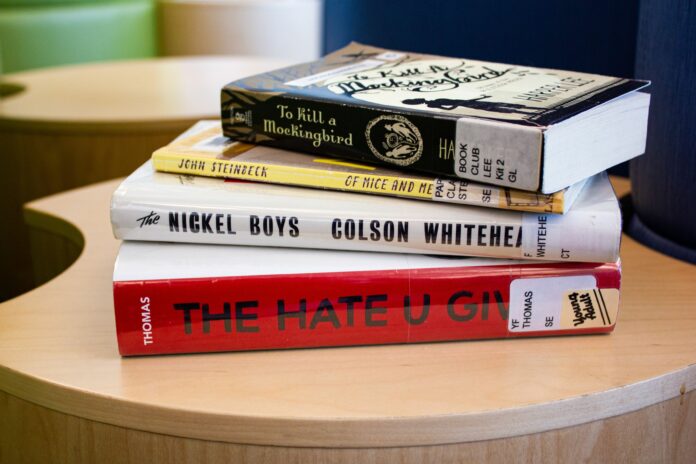
Last November, the Surrey School District pulled four books discussing racial issues from the reading curriculum for Grade 10–12 students. The reason? Students felt unsafe in their classrooms after reading through the normalized use of derogatory language in some of the books. These titles wereTo Kill a Mockingbird by Harper Lee, Of Mice and Men by John Steinbeck, The Absolutely True Diary of a Part-Time Indian by Sherman Alexie, and In the Heart of the Night by John Ball. These books no longer provide a contemporary representation of diverse racialized experiences. With the exception of Alexie, these titles are written by white authors. Students deserve better and more modern representations of racism, and this should have come earlier. Educating children about racial issues without any Black authors undermines children’s understanding of them. We now have literature that resonates with Black children and helps contribute to conversations surrounding racial inequality.
In replacement of these books, the District has proposed other books such as Beloved by Toni Morrison, The Nickel Boys by Colson Whitehead, The Hate U Give by Angie Thomas, Homegoing by Yaa Gyasi, and Brother by David Chariandy, an English professor at SFU. Unlike the majority of the authors being pulled from the curriculum, these are all Black authors. Last semester, I read Beloved and The Nickel Boys, and both authors presented particularly poignant and authentic perspectives on “past” racial issues continuing into the present. More specifically, the authors illustrated the debilitating aftermath of being enslaved, in addition to reform schools where young Black boys were sent, even if they did not commit any crimes. Only now are these books being suggested for the BC curriculum.
Reading books like To Kill a Mockingbird did not even give me half as much insight into Black experiences as books like The Nickel Boys and Beloved did, which helped me gain a better understanding of how racism persists today. The district doesn’t cite a clear reason for the removal of Alexie’s book, other than “controversial themes.” However, it is notable that Alexie has already been deplatformed by multiple organizations due to allegations of sexual assault.
BC Premier David Eby called the removal of the older books from the curriculum a “wrong,” despite these books still being available to read in the library. Unlike others, Eby did not commend the remarkable efforts of the Surrey School District to better represent the history of anti-Black racism. Instead, Eby urgently tried to point out that larger issues are at hand, like children being able to easily access offensive or explicit content through their phones. He fails to recognize how these contemporary Black authors pull from their personal experiences and centre Black characters in their narratives, serving as powerful role models for Black children. Eby also overlooks how the scarcity of Black representation in the BC reading curriculum should have been changed much earlier.
I am not shocked to learn that our Premier does not agree with the decision to pull the older books, as governments often want to conceal authentic perspectives as much as possible. Though there is an important history behind the pulled books to learn about, that history is incomplete without any authentic Black perspectives.
Eby and others against the changes should be happy books like To Kill a Mockingbird were pulled from the curriculum. Why hold onto the same, old, and most notably, offensive books if there are more empowering, representative options? Contrary to Eby’s strong beliefs, the older four books are not the only books that could teach children about racism.
It is not the fact that the older four books do not tell us anything valuable about racism, but that we could use much more insightful pieces of literature to teach children. Pushing for these recommended books to be taught in more classrooms is crucial to actively deal with ongoing racial issues, create more empathetic citizens, and break down any barriers to creating the representation Black children need growing up.
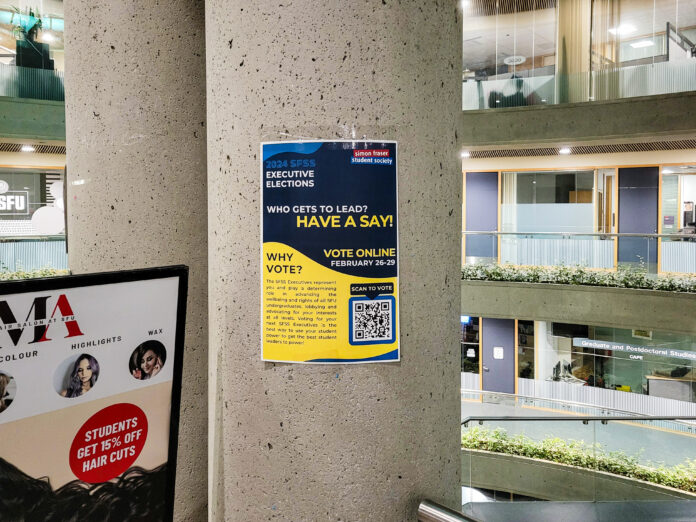
The 2024 Simon Fraser Student Society (SFSS) General Election results were announced on March 1. Seven students, out of the 27 in the running, were elected to executive positions to represent and advocate for undergraduate students at SFU. Students were also asked to vote on implementing a Palestinian Liberation Issues Policy.
The Peak connected with the elected representatives to hear their reactions and plans for the upcoming 2024/2025 Council term.
Elected president: Emmanuel Adegboyega Presidential elect Adegboyega is a fourth-year Faculty of Arts and Social Sciences (FASS) student majoring in political science, with a minor in international studies and social data analytics. He has served on the Society of Arts and Social Sciences (SASS) Board of First Year Representatives, as vice-president of the Students of African and Caribbean Ancestry (SOCA), and as president of the Residence Hall Association.
“I am profoundly grateful to each and every one of you for bestowing upon me the esteemed position of your next president. Your decision to elect me fills me with immense humility and gratitude. Student leadership and representation hold a special place in my heart, and I consider it a profound honour and privilege to advocate on behalf of all 25,000+ of you.”
The incoming president has various plans for his Council term, including increasing student engagement and advocacy, strengthening working relationships with departmental and faculty student unions, and prioritizing constituency groups and affiliated student groups in decision-making.
Elected vice president of internal and organizational development: Sam Killawee “I am thankful for the trust and responsibility placed in me, and am excited to join one of the most capable SFSS executive teams in years,” stated Killawee. “There are a number of challenges we face this year, and I am confident that the team and the SFSS, under the leadership of president Adegboyega, will rise to meet them.”
Killawee is a second-year molecular biology and biochemistry student, planning for increased cost-saving and developing internal connections with students. Killawee has previously chaired Council meetings in the absence of the president, during his term as molecular biology and biochemistry councillor in the 2023/24 term. He has also created a letter in support of TSSU on behalf of the SFSS and enforced the abandonment by-law that enforced the removal of councillors who missed a number of consecutive Council meetings.
Elected vice president of finances and services: Simar Sahota As a proud fourth-year Beedie student, Sahota understands the importance of communication and analytical skills in her role.
“As a qualified and experienced finance student, I am committed to leveraging my skills and passion to accomplish three major goals: increasing student power and transparency, advocating for affordable education, and increasing funds for student engagement. Together with my amazing team, I look forward to navigating challenges and seizing opportunities to promote financial wellness.”
Elected vice president of university and academic affairs: Rishu Bagga “I am overwhelmed by the support from the students of SFU throughout my campaign, and I am genuinely grateful for everyone’s confidence in my abilities. I want to ensure everyone’s voice is heard and everyone feels included at SFU.”
Bagga is a second-year kinesiology student passionate about advocating for students’ empowerment, engagement, and affordability. Bagga has set goals to strive toward, including pushing for accessible textbooks, and improved Canvas educational resources. He also aims to increase funding for scholarships and bursaries for students who need support.
Elected vice president external and community affairs: Joel Gilani Gilani is pursuing a major in business administration at the Beedie School of Business. He has shown his determination through his involvement as treasurer with the Diversity and Neurodiversity Alliance (DNA) group and a faith lead at the SFU Multifaith Centre.
“We have the power to be a force in discussions on housing, food security, health care, and so much more. These are not just abstract issues in our policies; they affect each and every one of us daily. I want the SFSS to champion the students dedicated to improving SFU and our communities.”
Elected vice president of equity and sustainability: Chloë Arneson “My immediate goals are to develop an action plan alongside our constituency groups to identify key areas within the SFSS to work on, and how we can best support their goals for the year. I also want to continue pushing the university to align with their agreed goals in the Scarborough Charter, Climate action plan, and Equity Compass.”
Arneson is prepared to enact change at SFU with her advocacy of food security, intersectional advocacy, accessibility, and tuition affordability. Arneson is an international studies major with a background as the International Studies Student Association associate vice-president internal.
Elected vice president of events and student affairs: Chitransh Motwani Fourth-year computer science major Motwani has experience as the co-president of the Indian Student Federation where they planned events for Diwali, Holi, and Navarrete. They also are a peer tutor at the Student Learning Commons. Motwani envisions many opportunities for events for the 2024/2025 Council year, including diversity and inclusivity, professional development, and increased engagement.
“During my term, I plan to collaborate closely with student clubs, organizations, and campus partners to organize various events that cater to our diverse student body. I’m particularly passionate about promoting cultural exchange, celebrating diversity, and supporting initiatives that prioritize student well-being and mental health.”
The 2024/2025 SFSS Council term will begin in May, when the above candidates will assume their positions as elected executives.
Palestinian liberation vote Students were also asked to vote on the SFSS Palestinian Liberation Issues Policy. The policy had 1,801 in favour and 442 against, receiving the threshold to pass. The Peak will cover the policy in a following issue.
Editor’s note: Karissa Ketter, a current editor who worked on the article, is an organizer of this event. Yasmin Simsek, a former employee, is also an organizer of this event. The Peak acknowledges this and has taken steps to prevent conflicts of interest or potential bias from influencing the article.
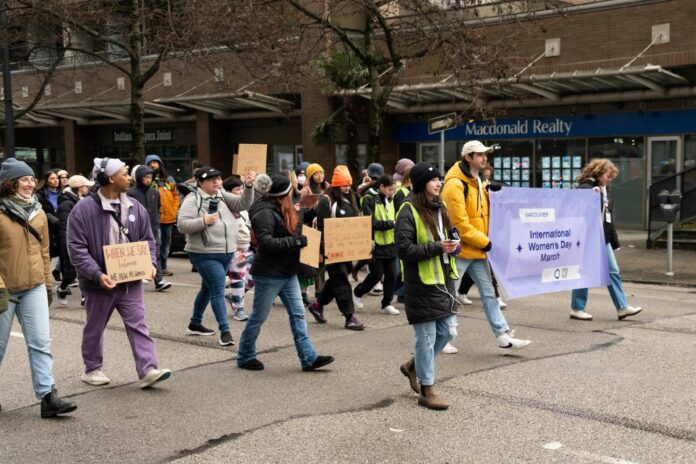
On March 3, the International Women’s Day (IWD) march and rally commenced at the šxʷƛ̓ənəq Xwtl’e7énḵ Square (Vancouver Art Gallery, North Plaza). The speakers and performances during the rally emphasized the need for intersectionality; many called for solidarity between different identities for issues that women and girls around the world face. “International Women’s Day is a collective effort to help create a world of gender equity,” said IWD Vancouver chair Yasmin Vejs Simsek in her opening speech. “Now more than ever, it’s important that we stand together in the name of equity for women everywhere.”
Simsek noted this year’s list of event speakers, though powerful, was far shorter than initially planned. “We have had to deal with more pushback than ever, from hackers [and] being bombarded with unending spam emails, to false narratives published in mission papers.” She explained that many speakers dropped out of the event lineup out of fear for their safety. However, Simsek was proud to host the IWD rally and was glad to see so many in attendance. “This year, I encourage you to celebrate the victories and commemorate those we’ve lost, and recognize the power that resides in each and every one of us.
Guests and speakers at the rally included Diana Day, the founder of Indigenous Women Rise, a group to uplift, support, and connect Indigenous women across Canada. Day is also the founder of the Indigenous Women Rise Drum Group, who performed at the IWD rally. “It’s so important to lift women up, and the Indigenous Women Rise Society is about cultivating safe spaces for First Nations, Métis, and Inuit women to gather, learn, heal, and celebrate,” Day said.
Dania, the president of Youth for Palestine Vancouver (YFP), explained the significance of this year’s rally in the midst of the occupation of Palestine. “Despite all the unimaginable hardship and challenges, Palestinian women and girls in Gaza have shown remarkable resilience and strength. They have become the backbone of their families and communities, providing support and care in the face of adversity, loss, and pain.
“We celebrate their achievements but also acknowledge the challenges that they face, and as we commemorate this day, we must also shine a light on the plight of Palestinian women and girls in Gaza, who are enduring unimaginable suffering in the midst of war, massacre, and genocide,” she continued. “Today we celebrate not just how far we’ve come, but the limitless possibilities that lie ahead when we stand together from all walks of life.”
The rally also included a performance from Solidarity Notes Labour Choir and Butterflies in Spirit, a group of Indigenous dancers who perform in honour of missing and murdered Indigenous women and girls.
Gunreet Sethi and Rabiah Dhaliwal, founders of the organization Voices for Hope, an organization fighting against the mental health stigmas affecting people of colour, queer, and women-led spaces, also spoke at the rally to discuss their advocacy work. “Racialized women in particular require both gender-based and culturally-sensitive care,” Sethi said. “As two women of colour in a country that prides itself on having an inclusive healthcare system, we have never experienced this.” Dhaliwal explained that women are “twice as likely to experience depression and anxiety” as their male counterparts.
“We are tired of empty promises and assurances that they are listening and learning. We demand action now. No woman should be left behind,” Sethi said.