



Like a lot transit riders who have kept up with the news these past few weeks, I’m disappointed, but I’m not surprised.
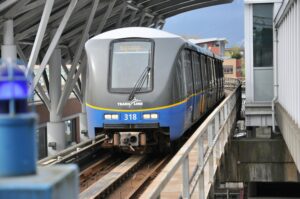
Metro Vancouver has voted “no” on a 0.5 per cent tax hike for increased transit services, including more bus service, a new Pattullo Bridge, 11 new B-lines, and better SkyTrain service. And it wasn’t even that close: 62 per cent of the area’s population voted against the proposed tax, versus 38 per cent in favour. Even Vancouver, where the effects of the planned tax would arguably have been the most pronounced, edged out a no vote, 51 per cent to 49.
We’re talking about a tax that would have costed the average Metro Vancouver household about $125 dollars per year — to put that in perspective, that’s about how much you probably spend on your annual Netflix subscription. In fact, most people reading this article would probably be paying even less, since the tax would have affected households based on annual income, which tends to be pretty low for starving college students.
Still, a “yes” win was always pretty unlikely. For starters, people are really unlikely to support raising taxes unless they’re given a convincing reason to do so, and the campaign run by the Mayor’s Council did little to focus voters’ attention away from the extra tax and towards the benefits they would reap from better transit service.
Furthermore, most similar referenda in the US, which the Mayor’s Council cited in their mission statement as successful examples, gave voters years to consider the questions they were answering, not months. Not to mention that distrust in both the spending practices and performance of TransLink — a system paradoxically admired nationally but despised locally — didn’t exactly get voters in the mood to give them more money.
BC students want better transit, and they’re willing to pay extra to make sure that they get it.
Given that the vote was a plebiscite and not actually a referendum, local governments and TransLink are essentially free to enact these changes anyway — they’re just likely to find the money elsewhere. Maybe from road tolls, or cutting wage, or reallocating government spending from other sectors? Those all seem like popular alternatives.
But let’s bring all of this back to SFU. I probably don’t need to tell you that this is a commuter school. With three main campuses and a diverse group of students from across the province and the world, almost 90 per cent of us take transit regularly, and those of us who do spend about twice as much time on buses as the average student in Canada does.
Given that most university students are low earners and fewer than ever are buying cars, we rely on transit a lot more than most Vancouverites — and, as anyone who has waited half an hour for a bus at Production Station or watched the third completely full 135 in a row drive by will tell you, there is definitely work to be done. But the results of this plebiscite mean that progress from here on out will be molasses slow, if there’s any progress at all.
And it’s only going to get worse. By 2041, roughly one million more people will live in Greater Vancouver, 700,000 more cars will be on our roads, and TransLink will contend with many, many more passengers on their already crowded buses and trains. You think the 135 is packed now? Just you wait.
In March of this year, The Peak polled almost 100 SFU students, 71 per cent of whom said that they intended to vote “yes” on the transit plebiscite. The reason? BC students want better transit, and they’re willing to pay extra to make sure that they get it.
By the same token, it’s students who will be hit hardest by the “no” vote, and it’s us who will be picking up the pieces in 2041.










hmmm.. think this article is exaggerating a bit for the 135. I’ve been taking the 135 for the past 4 years and have always gotten a seat at the main bus loop. Even if I don’t, they come every 7-10 minutes, which is not that bad. 2041 is pretty far away.. after a couple years, most students are probably going to own a car anyways. Seeing how the transit system been constantly changing for students for the past 10 years, (from permanent ID transit passes, to monthly dispensable passes and now compass card), I’m sure the currently suggested terms are going to change in the near future. The new compass pass system has been implemented for a couple years, and it’s still not functional with many flaws that have yet to be taken care of. Is this the kind of project we are forced to throw money at? Probably in a couple years, these fare machines will just be as obsolete as the 4-10 upass dispensing machines at all the campuses have in the lower mainland…just saying.