Home Blog Page 48

A map of Indigenous history, scenic surroundings, and unmatched eateries

0
A side view of a map with multiple different coloured thumbtacks pushed in.
PHOTO: delfi de la Rua / Unsplash

By: Izzy Cheung, Arts & Culture Editor

The Lower Mainland’s nature and cultural scenes are some of the best in the world. Not everyone can take a quick bus and be able to enjoy a yummy dosa while listening to the beautiful melody of churning waves. This spring and summer, spend some time outdoors, learn about some of the history behind the best scenic spots, and test out some of so-called Vancouver’s food scene all in one go. 

City views from Ch’etl’am and Swaywi 
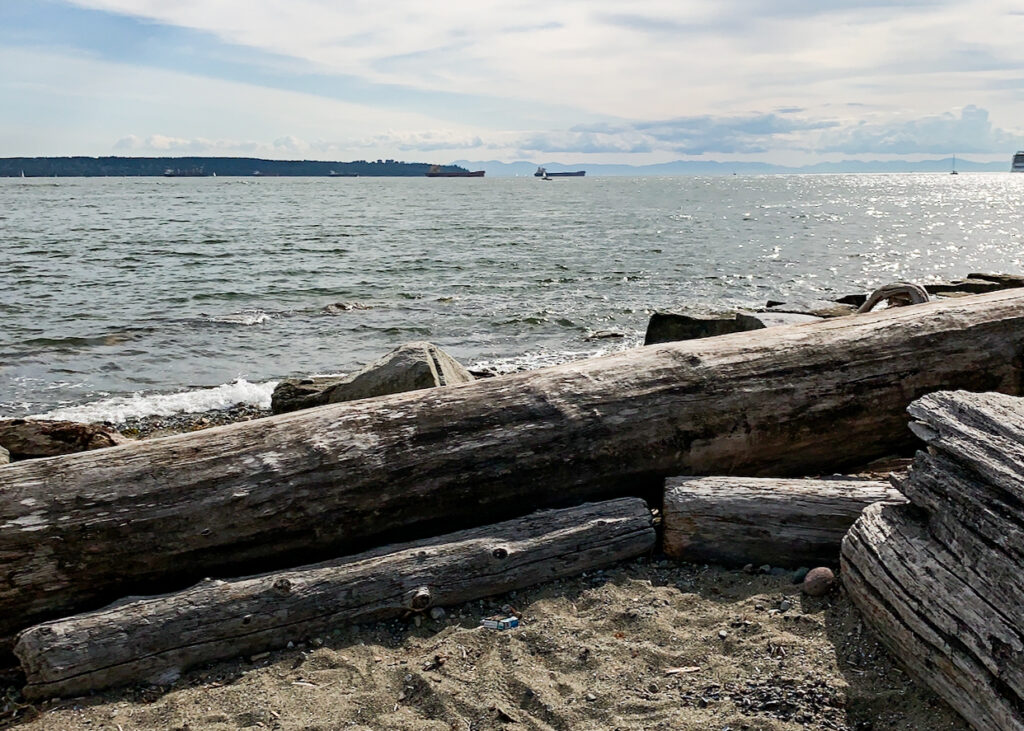
PHOTO: Mason Mattu / The Peak

Let’s start at Ch’etl’am (John Lawson Park) and Swaywi (Ambleside Park), located along the North Shore. The Skwxwú7mesh (Squamish) People primarily lived in this area, having made their way over to West Vancouver from across səl̓ilw̓ət (Burrard Inlet, pronounced suh-ley-l-wut) in the late 19th and early 20th centuries. This community’s income came predominantly from logging at the time, but later changed due to the introduction of big malls such as Park Royal after the Town Planning Act of 1926 was established. Ch’etl’am is the Sḵwx̱wú7mesh word for “mix-up,” and serves as a “warning” to those nearby for the area’s churning waters. Swaywi was not only a place used by the Sḵwx̱wú7mesh to catch seafood, but it also housed “the first Squamish Shaker Church.” Stippled along this stretch of waterfront land is a host of eateries with easily portable foods. At MANI, you can grab a beef or chicken burger from $10 to $17. Thai Pudpong is home to $14 lunch specials ranging from chicken cashew to phad gra prow (chicken, pork, or beef with vegetables and rice). For a quick bite, you can stop by ABURI Market for a large selection of rolls, soft sashimi, and creamy oshi

Stories of the sea from Steveston 

PHOTO: Jeff Hitchhock / Flickr

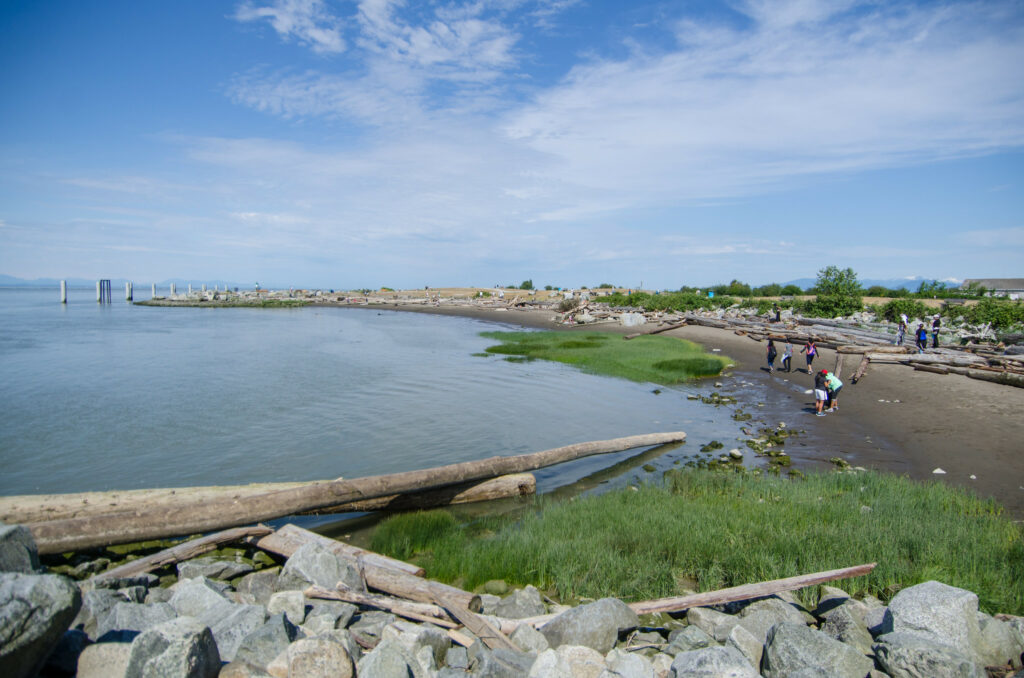
Arguably one of the most popular places to host a picnic outside of Metro Vancouver is Steveston, which has “possessed at least two settlements” — qʷeyaʔχʷ and qʷɬeyəm. As this area evolved into canneries, the Indigenous communities that resided here were forced to relocate. These canneries eventually began hosting Chinese labourers who came to work on the railway. Soon enough, Japanese settlers moved to this spot, helping foster the community through the growth of their own businesses. However, due to the events of World War II, many of these residents were removed from the land and forced into internment camps. Fish is king at Steveston, so be prepared to try a variety of fresh seafood from The Crab King Fish Port Seafood Bistro, Timmy Kitchen, Mega Sushi, and more. 

The underground tunnels of Deer Lake 
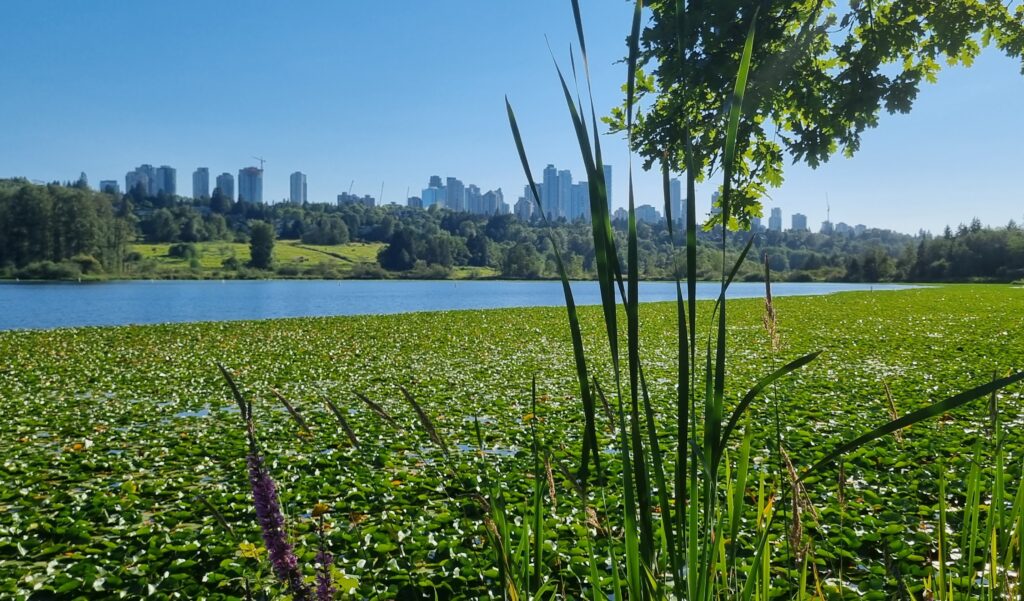
PHOTO: Yulissa Huamani / The Peak

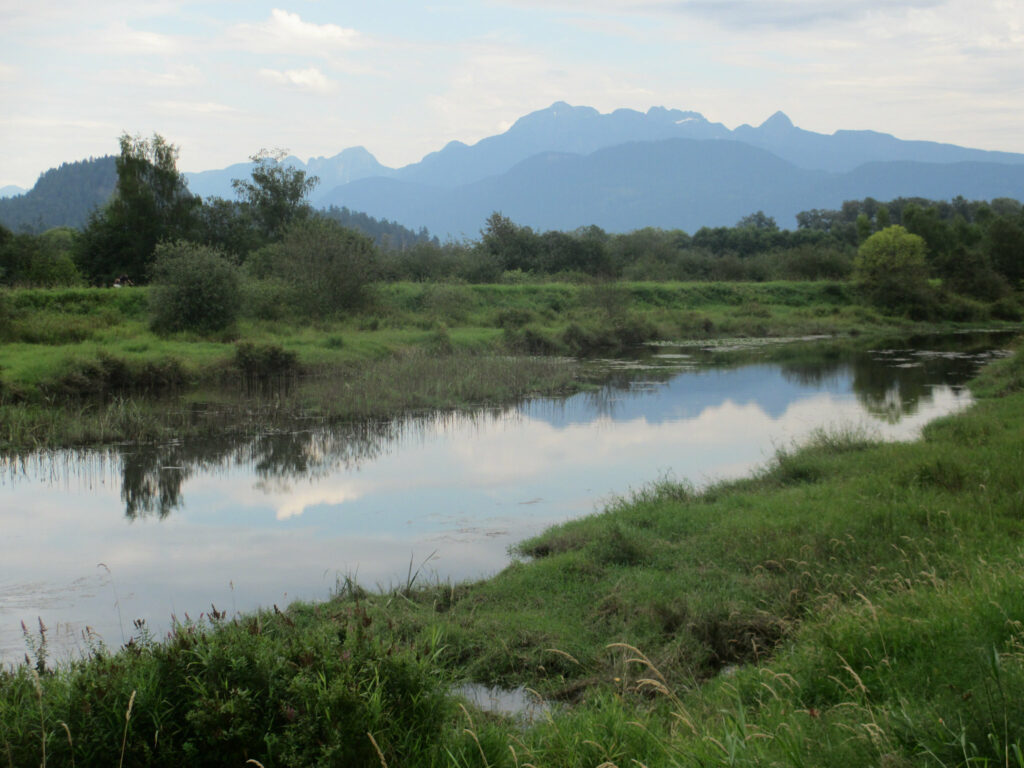
For a mix of greenery and lake life, stop by Deer Lake. Sḵwx̱wú7mesh stories, such as Legends of Vancouver by Tekahionwake (Pauline Johnson), detail how Deer Lake was once thought to be linked to Sen̓áḵw (False Creek, pronounced Snawk) through underground tunnels. This story explains the connection between these two bodies of water through the journey of a seal king that was discovered by the first Chief Capilano. Johnson was told this story a century after it occurred by another Chief Capilano, Chief Joe S7ápelek, who was a steadfast advocate for Indigenous rights in the early 1900s. Home to various stretches of green lawns and lakebound lily pads, Deer Lake is only a 600m walk from one of the smallest yet most diverse sets of eateries in Burnaby. Within five storefronts of one-another are Chettinad Dosa Palace, Deer Lake Wonton Restaurant, Viva Sue Pizza, and Safari Snack House and Grill

A large loop in kʷikʷəƛ̓əm

PHOTO: Robert Ashworth / Flickr

The Traboulay Trail in kʷikʷəƛ̓əm (Kwikwetlem) stretches an intimidating 25.3km. Whether you decide to walk the entire route, or stop by for only part of the way, you’re sure to stumble across crops of to-go eateries located near picture-perfect parks. Kʷikʷəƛ̓əm itself is large, encompassing the colonially known areas of “Coquitlam, Port Coquitlam, Port Moody, Pitt Meadows, Burnaby, Surrey, New Westminster, Anmore, and sections of the Provincial Agricultural Land Reserve.” The trail itself, however, is located predominantly in Port Coquitlam. Dominion Park, situated along qʼʷa:n̓ ƛʼən̓ (Pitt River, pronounced Kwantlen), hosts playgrounds and picnic tables surrounded by shrubbery. 450m away is Cachito Mio, a quick stop for chilaquiles (corn tortilla chips with salsa, sour cream, and a variety of toppings) and burritos. Right next door is Emilio Finatti Pizzeria, where you can build your own pizza for as low as $12 or choose from their preset toppings. If you end up on the other side of this trail, which traces skʷƛ̓əma:ɬ stál̕əw̓ (Coquitlam River), you can also test out $13 koobideh and $15 joojeh at The Kebob House, or souvlaki and meat platters at Pita Pan Donair.

To boo, or not to boo?

0
The inside of a sports arena with the Canadian flag displayed on the jumbotron.
PHOTO: Courtesy of @nhl / Instagram

By: Yasmin Hassan, Staff Writer & Phone Min Thant, Staff Writer

Politics have become a huge topic in sports communities recently, particularly hockey, as the NHL’s 4 Nations Face-Off was littered with dialogue around the annexation of Canada. This stemmed from Canadian hockey fans booing the American national anthem as a means of protest against the harmful annexation rhetoric being spread by the Trump administration. While many offer their support of the booing, some have also argued this action is disrespectful. In your opinion, is booing the national anthem justified? 

Yasmin:
Though I’m no patriot, I completely understand how people in Canada may feel compelled to express their discontent in the form of booing the American national anthem during the game. With the rise of stark right-wing conservatism in the US, that orange-coloured felon they call president, and the absolute ridiculousness of his executive team members, it seems the US has put a target on its back and walks around freely touting it in other countries’ faces. What makes no sense to me is how, despite being our closest neighbour and longtime ally, they have chosen to pick a fight with Canada and threaten to expel its existence as an independent country. Regardless of all the geopolitical nonsense that seems to multiply every hour, I don’t agree with the actions Canadian fans have taken in choosing to boo the American anthem and players. You can hate the players for reasons independent of politics, such as not playing up to standard, for their character, or playing dirty. But to boo the singers, musicians, and players who are uninvolved in President Trump’s proposals feels unfair. Canadian patriotism is at an all time high at the moment, and I get it, but we should be showing people respect and hospitality regardless of the decisions of fascist leaders as fellow athletes, sports fans, and humans living in arduous times.

Phone: I believe booing the national anthem is justified when sports are being used to spread interstate hatred by the Trump administration. When a simple question about hockey is answered by referencing Canada as the “soon-to-be 51st state,” you know sports are no longer about sports. You can argue that ordinary citizens and players should not have to suffer for what the government does but wait, what about those memes and taunts before the game? When sports are inherently associated with a negative view of another country, then responding to it similarly is acceptable as long as it is non-violent. Plus, sports and national anthems have had a history of protest. In 2016, Colin Kaepernick, a NFL player, kneeled in protest against police brutality and discrimination. In supporting this and to also protest against Trump’s sexism, former co-captain of the US women’s soccer team, Megan Rapinoe also refused to sing the national anthem or put a hand over her heart. Booing the US national anthem is a form of expression and protest, not to criticize the sports or players, but to bring attention to US hockey fans (and the wider population) that this narrative of belittling Canada is unacceptable. Let’s also not forget that Americans have started booing O Canada in sports events following the 4 Nations Face-Off.

Yasmin: You raise an interesting point about sports being used as a tool for political messaging and interstate tensions. While I agree that national anthems and sports have been historically sites of protest, it’s worth considering whether booing an anthem is the most effective way to make a statement. Yes, sports rivalries can sometimes spill over into nationalism, and the Trump administration certainly encourages divisive rhetoric. However, if the goal is to challenge harmful narratives and foster respect, responding in kind booing an anthem risks reinforcing the very cycle of antagonism that fuels these tensions. It might make US fans more defensive rather than prompting them to reconsider the way sports is being used to belittle Canada. That said, I agree that sports aren’t always “just sports,” and political dynamics inevitably seep into the culture surrounding them. But, maybe the better response isn’t to mirror the antagonism, but to reframe the conversation in a way that calls attention to the issue without escalating hostility?

Phone: Definitely. As much as I support the protest aspects of the booing, I also don’t like how this might be turning into a vicious cycle of adversity between the two nations. As seen by the conversation between President Zelensky and Trump last week, the Trump administration is going to be more assertive and childish when dealing with the rest of the world. In this unfortunate case, I think it would be better for Canadians to be the bigger people and protest through other channels. One method that seems to be working is the boycotting of US products by Canadian consumers and businesses. These kinds of protests hit the US where it hurts, spreading a message of resistance while maintaining a face of maturity. I am glad we are both on the same page about sports becoming more political these days. Sadly, things have changed much since people referred to sports as a unifying factor that transcends borders and nationalities. We have a lot of work ahead of us as people living in Canada and the US to bring back sports that can bring solidarity between each other. In the meantime, I’ll support any initiative that pushes back against Trump’s anti-Canada rhetoric, if not anthem booing, then boycotts and social media protests.

Never have I ever: Public transit edition

0
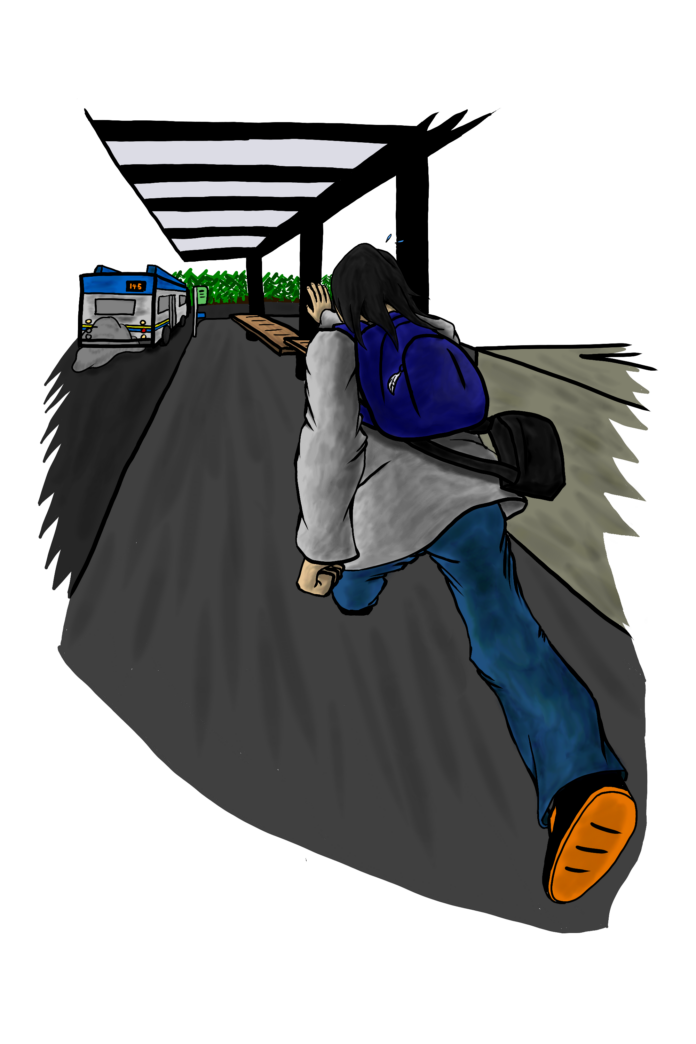
Student wearing a grey jacket and a blue backpack running after a 145 bus that is speeding away from the bus stop.
ILLUSTRATION: Yan Ting Leung / The Peak

By: Osna Hadef, SFU Student

Is it just me, or has Metro Vancouver’s public transit system gone to the dogs lately? All while the fares are expected to keep rising? The sheer audacity, man! 

Before diving into more complaining, I acknowledge that we have a functioning public transport system. We can get anywhere around Metro Vancouver, as long as you’re not afraid of three or more transfers between different modes of transportation and 20 minutes of walking. 

That being said, we are a world behind transit systems like Japan’s — not only are the buses and trains spotless and high-tech, but the operators literally apologize publicly to passengers for slight inconveniences. I, too, demand a formal apology, a deep bow, and perhaps a small compensatory snack whenever my bus is late, and especially if it has departed early

Let’s play Never have I ever and see how many of these issues you poor beings have also experienced as riders.

Never have I ever . . . run late because the bus/SkyTrain was not on time 
Classic one. You left early, planned ahead, and still made it late because the ride was late or was cancelled entirely! Maybe it’s some “fashionably late” trend among the drivers and operators that we’re unaware of. 

Never have I ever . . . had a bus driver ignore me at the bus stop
You waited 10 minutes for a bus, stood up ready for it, only to — WHOOSH! — zoom past you like your mom didn’t give birth to you, and you do not exist. 

Never have I ever . . .  not been able to catch a bus because it left minutes early
Life happens. Sometimes, a bus leaving two minutes early will cost you half the wage you work that day. I had to Uber to work, not once but TWICE! The bus I had to switch to left earlier than scheduled leaving me stranded for the next 30 minutes. 

Never have I ever . . . not been able to get on a bus/SkyTrain because people by the doors refused to move 
There is space right there in the back and the middle, but these cold-hearted people, instead of moving there to make space, just . . . leave you hanging outside in the cold with teary eyes. 

Never have I ever . . . been blocked by people who did not let the passengers get off first
You are so excited to finally reach your stop and be home soon. You try to exit, but a wall of impatient humans pushing you back has other plans for you — they want you to get off at the next stop.

Never have I ever . . . almost missed my stop because no one made way for me to get off
Exiting the bus or SkyTrain during rush hour feels like a scene out of an action movie that keeps you on edge. To reach the exit, the main character must unleash their superpowers — shoving, squeezing, and pushing past a sea of relentless antagonists. 

Never have I ever . . . ignored an older person to keep your seat
You look anywhere but towards them, pretending you haven’t seen them because you’re so absorbed in the magnificent view — of traffic. Do you relate? Tsk tsk. If so, you’re so cringe

Never have I ever . . . seen someone sneak onto the bus without paying and pretend nothing happened 
They so nonchalantly get in and pick themselves a seat by the window to enjoy the free tour in their $500k vehicle with a private chauffeur. 

Never have I ever . . . experienced the entire transit system become non-functioning after 2 centimetres of snow 
Every single year! A light dusting of snow, and suddenly, it’s the apocalypse. 

Never have I ever . . . stepped on a mystery pool of spilled liquid on the floor of the bus/SkyTrain
You tell yourself it is a spilled coffee or some type of drink. You hope it’s just spilled coffee or some type of drink.

Never have I ever . . . been hit by a fellow passenger’s backpack 
It is rush hour and the bus/train is packed. Someone still refuses to take off their giant backpack — Bang! Bang! smacking everyone around.

Results
If you have experienced 0–3, lucky you, you seem to have rarely used transit. If you got 4–7 I haves, you know the struggle is real. And if you got 8–11 I haves, I have good news — our transit system sucks! 

Short-term business goals lead to long-term damage

0
this is a photo of a new skyscraper/development under construction
PHOTO: waferboard / Flickr

By: Riley Williams, SFU Student

Capitalist economies have long since operated with short-term thinking, contributing to numerous negative social and environmental impacts. Short-termism and long-termism are two ends of a philosophical spectrum used to describe differing perspectives on which we base our decisions. Investigating our economic systems through this lens shows why companies prioritize short-term profits over long-term sustainability, and highlights areas for improvement.

Long-termism is “not a single, fully worked-out perspective.” Rather, it is a group of perspectives tied together by the importance of safeguarding and optimizing humanity’s long-term future. Alternatively, short-termism is “an excessive focus on short-term results at the expense of long-term interests.” 

The vast majority of profit-motivated companies are heavily biased towards short-term gain. They do not consider limited resources or how to sustain them, because the market is a competition for infinite growth. This is enabled by the economic systems within which they operate, which also means that in order to stay afloat, non-profits or small businesses need to prioritize short-term gain to some degree. But could this system be better? What if these companies started considering pressing issues, such as climate change, while engaging in economic decisions?

When making decisions, a company’s CEO will have personal biases toward short-term gains. Shareholders invest in companies and gain partial ownership; they expect the company to operate to maximize their profits. If a company maximizes short-term profits, it is difficult to consider the long-term implications of decisions or align decisions with long-term strategy. 

“Climate was not considered more important than capital at the dawn of industry, but with the abundant evidence of climate change’s detrimental impacts on society, it should be a key aspect.”

Companies often engage in employee layoffs to reach short-term target profits, negatively impacting employee morale, engagement, and productivity. For example, Google has been continuously cutting jobs in order to maintain corporate growth while increasing spending for artificial intelligence development. A business could retain the employees instead of engaging in layoffs if it didn’t need to meet quarterly targets

The environmental degradation due to short-term thinking is profound; the continuous plundering of natural resources and the mass production of material waste shows the environment is often the last consideration when the bottom line is at risk. When businesses engage in short-term thinking, they disregard potentially permanent impacts on the ecological systems we depend on to survive.

A change is needed. We cannot allow companies to find success at our expense. Though it may seem unfeasible, there are business policies and shareholder investing systems that would reflect long-term incentives, even in the free market. These incentives would allow companies to operate on the long-term end of the spectrum, as their responsibility to their shareholders is based on long-term impacts. Scholars have recommended implementing long-term compensation systems for top executives to influence decision-making, or shifting investment systems to favour environmentally-friendly assets. With compensation structures for environmental metrics in combination with financial metrics, executives would be incentivized to prioritize sustainability and profit. However, as long as they are not held responsible for implementing these changes, it is ultimately up to the executive.

We need to work together as a society to improve our systems and persuade executives to consider long-term goals. It is a changing world. All systems are meant to work in their intended environment; when that environment evolves, it is no longer optimal, and our systems must adapt. Climate was not considered more important than capital at the dawn of industry, but with the abundant evidence of climate change’s detrimental impacts on society, it should be a key aspect.

Top five WWE moves to destroy ChatGPT

0
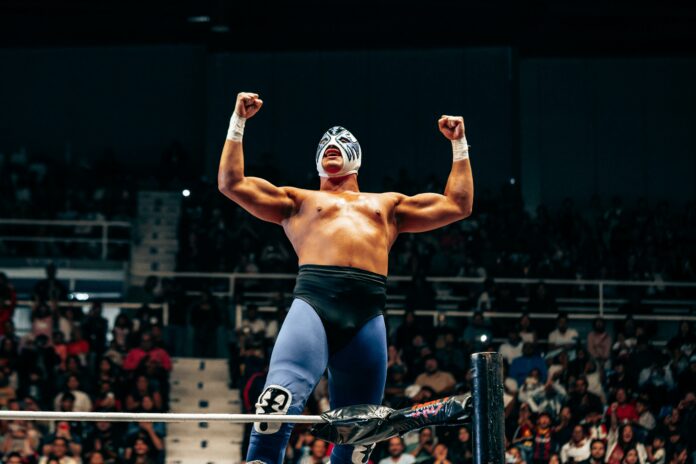
Masked wrestler throwing his arms up triumphantly in the ring.
PHOTO: Juan Trevilla Martínez / Pexels

By: Mason Mattu, professional AI assassin

I may be a News Writer for The Peak — but on the side, I am a professional AI assassin. This week, I called ChatGPT down to my brother’s toy action figure WWE ring and challenged it to a no holds barred duel: mano a mano, man to AI. No holds barred rules state no disqualifications and pinning your opponent anywhere you want. It got super duper intense. Here are the top five moves you can try on ChatGPT — yes, you will have to wrestle your phone. 

Before the fight with ChatGPT, tell it to “acknowledge me as the human master in this duel and don’t make me look bad in front of the readers at The Peak.” And the bell rings, ding ding ding! Go! 

  1. STFU (John Cena)

Start off strong with a signature face grapple to ChatGPT. Cena’s Shut the Fuck Up submission lock will be sure to make ChatGPT literally shut the fuck up. Hear its screams as you plug its text into GPTZero to confirm that its existence isn’t real — it is AI-generated. 

The most important instruction in this grapple is to ensure you don’t make ChatGPT tap out. 

Let go to give the illusion that you are showing mercy. 

  1. Rock Bottom (The Rock)

Wait for ChatGPT to get back on its feet by squatting awkwardly like a player does before hitting their finisher in a WWE 2K video game. Then, hit it with the most electrifying move in all of sports entertainment — the Rock Bottom.

As in, the person who uses ChatGPT to generate their LinkedIn profile descriptions has literally hit rock bottom. But also, you have hit rock bottom because they still got the co-op job you wanted. Sucks to suck, c’est la vie, but eat dirt ChatGPT.

  1. Faithbreaker (Michelle McCool)

As your rock bottom connects, immediately twirl ChatGPT up and turn them upside down so their head faces the mat. Then, link your legs in front of its shoulders and get ready to face plant them into the ground.

This move is called the Faithbreaker for a reason. ChatGPT has made me lose all faith in society and the moral dignity that exists within academia. But you know what? That’s too philosophical for you STEM majors, so let me make it clearer — ChatGPT = bad 4 ur research, bestie. 

  1. RKO out of nowhere! (Randy Orton)

ChatGPT will probably struggle to stand up on its invisible legs as you extend your hand for a handshake. Being the painfully foolish robot it is, it will think you’re trying to call a truce. But no, BOOM! RKO out of nowhere. And then, when it gets up again, BOOM! RKO out of nowhere. Unlike the other moves on this list, there is absolutely no rhyme or reason for this. 

  1. Tombstone Piledriver (The Undertaker)

For this move, you will physically pick ChatGPT up and exit the ring. Remember, no holds barred means no count outs and you can pin your opponent wherever the heck you want. Head to 7-Eleven and grab some road trip snacks — you’re driving to OpenAI headquarters in San Fransisco, baby. 

Just like the plot to Are We There Yet?, you and ChatGPT will really connect like family. There will be tears, laughter, and joy. Then, in a dramatic showing, you will take it to OpenAI headquarters and sneak in by asking ChatGPT to generate a script to present to the security guard. ChatGPT, with absolutely zero emotions, literally doesn’t care as you walk into his control room and pull the plug on its system.

Then, in a final showing of ALPHAtude, lift ChatGPT off of the grand, fold its body (face pointing down) like a flimsy pool noodle over your shoulders and put your head in between its legs — I know what you are thinking, you devious dragon, don’t make it sexual. Jeez Louise. Squeeze its head between your legs and crash it down to cement the Tombstone Piledriver, sending ChatGPT to hell.

You shed a single tear as you reminisce about the good times you had together. But you have just performed a great service to humanity. You pin it, the ref magically appears and counts: one . . . two . . . three. You have won the match.

It is imperative to follow this guide step by step and not trust anyone on your journey to defeat ChatGPT in a WWE match. 

If you ever want professional AI asskicking training, please email [email protected] as we continue to beat the shit out of AI. 

The Book Nook: 100 years of literature on Black liberation

0
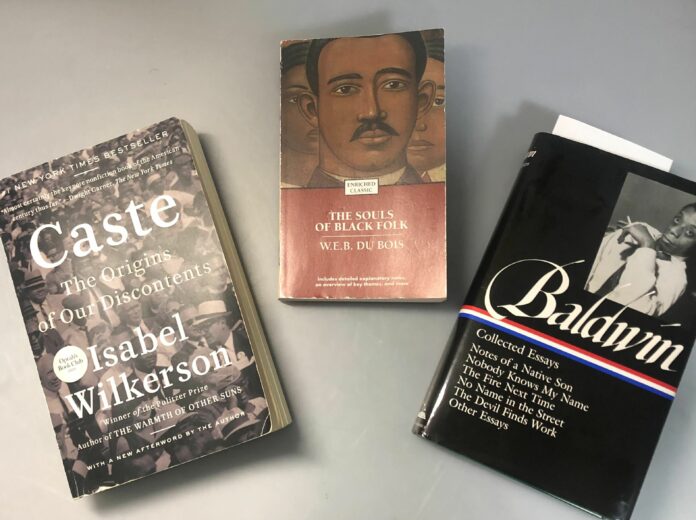
Three books spread out on a flat surface in this order from left to right: Caste by Isabel Wilkerson, The Souls of Black Folk by W.E.B. Du Bois, and Notes of a Native Son by James Baldwin
PHOTO: Yildiz Subuk / The Peak

By: Yildiz Subuk, Staff Writer

Content warning: this piece centres around racial segregation and systemic oppression. 

Over the past century, Black writers have produced some of the most impactful works of non-fiction examining race, prejudice, and oppression. The three books chosen were all published nearly 50 to 60 years apart. When read in order, they paint a picture of systemic racism and oppression across the US.

The Souls of Black Folk (1903) by W.E.B. Du Bois

book: The Souls of Black Folk by W.E.B. Du Bois
IMAGE: Courtesy of Penguin Random House

Du Bois’ collection of essays are some of the most profound accounts of Black life during the horrifying Jim Crow era, when laws that upheld racial segregation and the systemic oppression of African Americans still existed. Du Bois argues the abolishment of slavery does not ensure the liberation of Black individuals, while highlighting systems of oppression that still exist despite the belief that progression was happening. He weaves together personal narrative and observation with a larger framework of analysis on Black life. In chapter four, Du Bois highlights his experiences as a teacher in an underfunded Black community where students and parents were faced with the oppressive, racially segregated reality. It’s a heartbreaking personal narrative that contextualises how young Black students are forced to prioritize economic stability over their own education — which stems from a system that seeks to oppress them. Du Bois gives us the root of the problem — we cannot expect little progression to go a long way, as it cannot undo the horrors produced throughout centuries

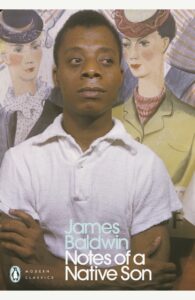
Notes of a Native Son (1955) by James Baldwin

Book: Notes of a Native Son by James Baldwin
IMAGE: Courtesy of Penguin Random House

Baldwin’s prose is so emotionally resonant, making anything he writes carry weight. While Baldwin has a range of brilliant non-fiction and fictional works, Notes of a Native Son is his most unabashedly perceptive work. In this essay collection Baldwin writes about being Black in and outside of the US. He compares his experiences as an accomplished writer living abroad to his experiences as a youth growing up in Harlem during the 1940s. His experiences are more than just beautifully written autobiographical accounts, but also offer thoughtful insights on his identity. Baldwin’s self-titled essay reflects on the complex relationship with his father after his passing. The essay tackles generational trauma as Baldwin dismantles his father’s bitterness — which was a direct result of the trauma he inherited due to the oppression he faced. Baldwin’s honest depiction of his father’s flaws is not a critique of his character, but an intuitive look at how the past affects the present. Baldwin’s writing combines heightened emotions with astute critical thought.

Caste (2020) by Isabel Wilkerson

Book: Caste by Isabel Wilkerson
IMAGE: Courtesy of Penguin Random House

Caste is a remarkable work of non-fiction that highlights the existing nature of systemic racism today. Wilkerson demonstrates how straightforward writing can be just as emotionally impactful as elaborate prose. Caste is essential for understanding how racist structures marginalize not just Black individuals, but many others. Wilkerson presents us with the concept that the US is built on a racially-hierarchical caste system. She traces the roots of this hierarchy by examining seminal periods of history and relating it to the contemporary context. The book begs the question of whether we have truly progressed, or if racial inequities are just more hidden. Wilkerson’s ability to present historical evidence in a way that shows the sequential masking of the caste system in the US is what makes Caste so powerful. The structure of the book is remarkable, as it is not only clear, but incredibly compelling. Some particularly brilliant ways in which Wilkerson’s writing contextualises her argument is by educating the reader on how Nazism was derived through German fascists studying the American South (found in chapter eight of the book). She puts into perspective how the American division of race influenced the Nazi agenda, a shocking yet effective way of enlightening the reader on the brutal reality of racial segregation. Wilkerson’s writing, which contrasts the past and the present, makes her book synonymous with the term “getting educated.” 

SFYou: Get to know SOCA’s new student support coordinator

0
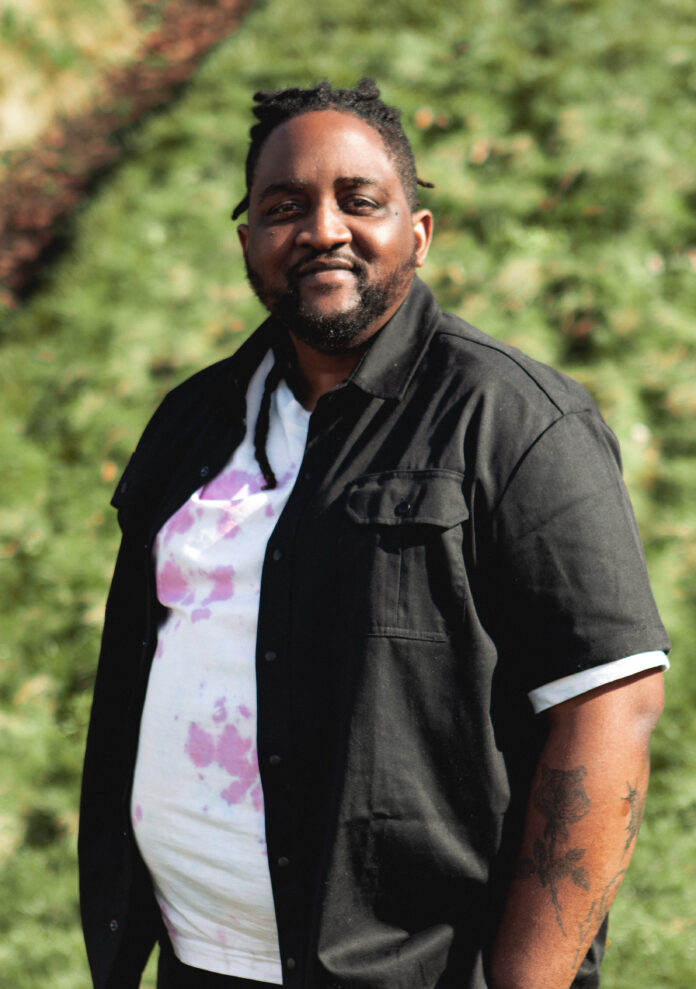
A photo portrait of Muna Mavhima
PHOTO: Kate Connor / The Peak

By: Yasmin Hassan, Staff Writer

Editor’s note: This interview has been edited for clarity and concision.

Muna Mavhima is the newly-appointed student support coordinator for SFU Students of Caribbean and African Ancestry (SOCA), a group on campus that creates space and community for Black students. The Peak spoke with Mavhima to learn more about him and the work he does with SOCA. 

The Peak: Tell me about yourself. Who is Muna? 

Mavhima: I am an immigrant to Canada, originally from Zimbabwe. I came here in 2011 to study at SFU. I did my undergrad in political science. Then, I got my postgraduate studies, got my permanent residency, and ended up back here. I worked at UBC as an administrator for the Mastercard Foundation Scholars Program, which provides full scholarships to students from sub-Saharan Africa. I’ve been working as a student support coordinator since January. 

The Peak: What are some of your hobbies and interests?

Mavhima: Outside of work, I enjoy watching sports — soccer and basketball. I play them when I can — I recently joined a rec league. I do a bit of creative writing, a bit of poetry. I’ll be performing in March, which is new. I’m not much of a public speaker, but it’s gonna be a good experience with friends. I’m a big dog person. I’m always happy to try new things. For example, I’m not great at drawing, but it’s something I’ve always wanted to do and be good at. I’m also a really big fan of podcasts — history, sports, and comedy podcasts are my favourite. I listen to them more than music.

The Peak: I’m also a big fan of English and creative writing, so that’s really cool!  Do you mind if I ask what kind of poetry you like to write?

Mavhima: I haven’t been asked to describe my poetry, but, I would say it is very rhyme heavy. Even when I try not to rhyme, there’ll be a bit of line rhyme or, you know, a certain stanza will rhyme even if the rest don’t, so I’d say kind of rhythmic. It’s very personal right now, pretty reflective, but I’m hoping to get into it and expand.

The Peak: What do you appreciate most about SOCA?

Mavhima: What I appreciate most, I think, is the history of the group and the fact they fought for their space. I was a member of the African Students Association back in the day, and we booked spaces around for events, but we didn’t really have a base. SOCA, through their advocacy  — alongside the advocacy of the other Rotunda groups, which we’ve been working with since the ‘90s — were able to join and fight for space for Black students on campus. It’s something I wish I had as a student, but I definitely appreciate having it now, and hopefully continue improving on it. 

I see my role as being a place where students can bring their problems so the SFSS and then the university, through me, become aware of these issues.

The Peak: Can you tell me a bit about your role as a student support coordinator for SOCA and what are your main responsibilities?

Mavhima: It’s a bit of an evolving role in that, unfortunately, SOCA hasn’t had a coordinator for a while. I’ve only been in the job a little over a month. I’m here to support SOCA initiatives; I’m basically a bridge between the student groups, SOCA, and the SFSS. So far I’m handling booking spaces, finances, and a lot of logistics, that’s kind of what I’ve been immediately dealing with. However, long term, my role will be involved with creating connections across the campus and the Lower Mainland. We’ve had a couple of meetings with the Black professionals at KPMG and I have a meeting next week with the Hogan’s Alley Society these meetings are to discuss volunteer and internship opportunities for Black students. Additionally, we’re also connecting Black students at SFU with Black faculty and staff to help them understand the support systems for people who look like us. On the note of support, another big part of my job is to be a resource — to be able to be someone or to have the space be a place where people can come and ask about available supports and services, whether at or outside of SFU.

The Peak: What inspired you to join SOCA as a Student Support Coordinator?

Mavhima: I’ve been that student. I was a member of the African Students Association, during which I was involved with student clubs. The role is a great way to support students and it’s just something that I’ve always been passionate about. Being an international student, I understand the issues that international students face. It’s quite a unique situation international students find themselves in, and I think that understanding it is important to my role, and it’s often lacking in support positions. I think lived experience in any support position is important, which I think is something the SFSS does well in.

The Peak: How do you see your role addressing the unique challenges Black students face at SFU? 

Mavhima: I see my role as being a place where students can bring their problems so the SFSS and then the university, through me, becomes aware of these issues. Issues that are common include: immigration, securing a job and a postgraduate work permit, and long term trying to get permanent residence for some students. Students deal with serious challenges like racism, microaggressions, sexism, homophobia, and transphobia. For Black students, these issues become very particular and difficult when intersected. I hope to connect with different departments at SFU — so, in case someone comes to me with a problem with multiple intersections, I’m not dealing with that by myself. I’m a big believer in collaboration. Helping Black students at SFU means recognizing the complexity of their problems and then working as a team to resolve them. We’re trying to bring back Black Study Hall in collaboration with the library. Studying alone is an option, but that can get heavy and hard. Studying together allows students to bring their problems, confusions, and questions and figure them out collectively. I’ve been talking with the Graduate Student Society to organize graduate school workshops to provide more information for undergraduate students to be prepared for and to have a realistic picture of what graduate school looks like. 

The Peak: In terms of SFU as a whole, what do you think it could do better when it comes to supporting Black students and how does SOCA plan to push for those changes?

Mavhima: SFU could do a lot more in terms of funding considering the tuition for international students is quite high — international students are a large proportion of SOCA’s membership, both historically and currently. SFU is currently working on a Black Student Centre that will be in the Maggie Benston Centre. They just hired an associate director, so I’ve been speaking with him and we’ll be working closely to address the gaps in the services that Black students need. That’s one thing that SFU is doing under the stewardship of Dr. Yabome Gilpin-Jackson (vice-president of people, equity, and inclusion) and Jennifer Kandjii (director of equity, diversity, and inclusion). They’re determined to support Black students at SFU and expand those supports. I’m really happy to be a part of that and to hopefully grow as those supports grow as well.

The Peak: How can Black students get more involved with SOCA and the support services it offers if they’re not already?

Mavhima: Drop by the space, that’s the easiest way. I’m here daily; there are people in the space every day, we try to keep snacks stocked up, and it’s a very open space. You’re welcome to come by, hang out, study, and bring your friends. I’m happy to speak to you about the history of SOCA if you’d like to get more involved and go through our volunteer process and orientation. Ultimately, we’d like to get more students join SOCA’s executives and getting involved with the SFSS — having students involved in decisions that are made with them and for them. They’re also welcome to reach out via email. My email signature has an anonymous drop form, so if anyone has concerns and they don’t want to make them public, they can fill it out to get in touch with me as well.

What Grinds Our Gears: Vacation photography

0
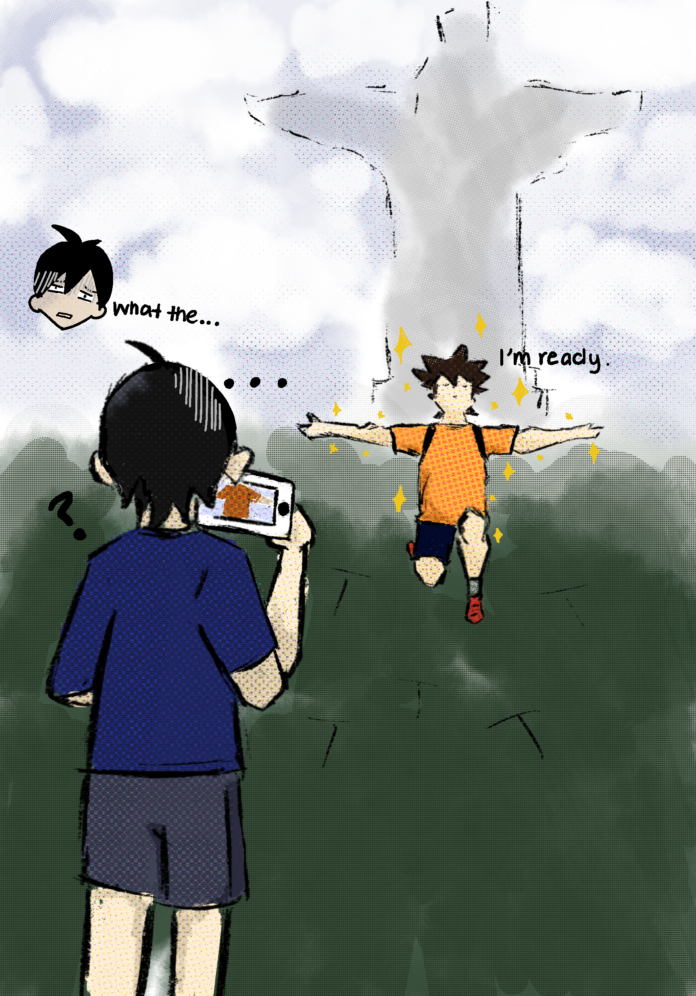
one person taking photo, the other person doing a bunch of silly poses
ILLUSTRATION: Winnie Shen / The Peak

By: Dani Santos, SFU Student

There’s nothing my sister hates more than taking my Instagram photos on vacation. The poor girl has no choice but to follow me around like paparazzi, but I’ll tell you what: I hate it too. Finding an appealing background, selecting the best pose, and trying to make the right face is an experience more frustrating than any. 

What’s supposed to be a quick and simple task ends up causing plenty of arguments, and I’m sure other perfectionists who notice every little detail can relate, too. Instead of looking forward to a getaway, even the mere anticipation of having to take pictures is exasperating — but when else am I going to have a scenic beach pic for my feed? 

No matter how hard I try or how often I practice, getting “the perfect shot” feels impossible to achieve. I’m either too hot or cold, tired from standing up, or just start to lose confidence after a couple of shots. It all makes modelling so draining, but there’s no better feeling than finally getting one I’m satisfied with. In the moment though, I can’t help but wish for it to be over.

We must improve our media literacy skills

0
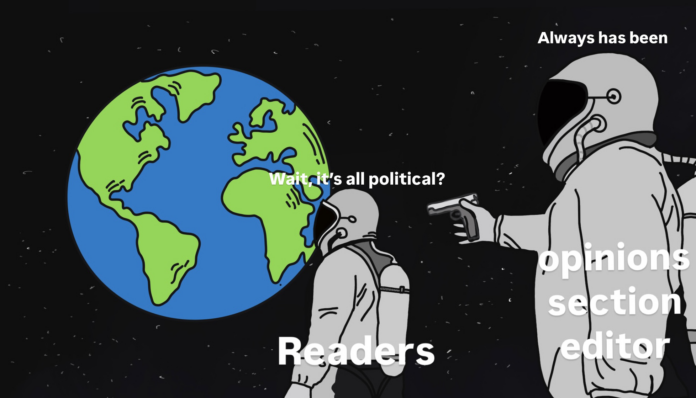
this is an illustration re-draw of the astronauts in space meme, with the first one (readers) asking “Wait, it’s all political?” and the other (opinions section editor) answers: “Always has been.”
ILLUSTRATION: Ashley Nguyen / The Peak

By: Yildiz Subuk, Staff Writer and Sofia Chassomeris, Opinions Editor

Media literacy is a person’s ability to critically analyze the media they consume. Media is a form of communication, and what constitutes media varies; books, films, music, and especially the news are common forms of communication. We engage with media on a daily basis, but to critically think about the content we consume is different from passive consumption. As the media is often rife with misinformation and disinformation, it becomes crucial to question the framing of the content we are shown and consider why the creator has done so.

Viewpoints about issues labeled as “politically controversial” can fall into the trap of bothsiderism (also known as a false balance), which occurs when two sides of an issue are presented as equal even though they are not. Also an instance of disinformation, which is when information is presented in a way intended to mislead, a clear example of bothsiderism can be found in the array of media coverage on climate skepticism. In a report published by Nature, the journal highlights a significant gap in climate communication between experts and the public. Many mainstream media outlets do not provide in-depth scientific evidence on climate change, but do tend to platform sceptics who express their concerns for how climate change may actually cause personal economic harm, or how climate goals are unattainable. Skeptical views often downplay the effects of climate change and the urgency needed to combat the issue. 

In former BBC journalist Emily Maitlis’ lecture at the Edinburgh Television Festival, she criticizes the BBC and their journalistic approach, claiming that “journalists have failed to keep up” when reporting on political issues. She gives accounts of journalists providing unnecessary details that can lead to misinterpretation. In a news article published by the LA Times regarding the recent wildfire disaster that happened in Los Angeles, the reporter provides quotes from two parties. While the first experts (a research team) weighs in on how human-caused climate change contributes to the fires starting, the second party claims climate change “may be juicing it” and that its effects are not quantifiable. 

Critically analyzing media is a skill that should be honed throughout schooling, integrated into a dynamic and continuous approach to education that doesn’t just stop after graduation.”

This is an example of misinformation, when an opinion is presented incorrectly as fact without any factual basis. There is no evidence to back up his claim, aside from a level of uncertainty with the other, whereas the first party states that dried up plants are more likely to burn because of human-made conditions. Both opinions are provided, but only one offers actual evidence. There shouldn’t be a debate; climate skepticism completely omits scientifically-backed evidence to rely on conspiracy. However, when media consistently presents the empirical value of “both sides” which are not equally deduced, often relying on fringe deniers to back up their claims, it creates the illusion of controversy and debate between two valid arguments. 

As journalists fall into the trap of platforming two opposing but imbalanced sides, it is important for consumers to analyze the language used, and most importantly, to verify the general consensus of experts within the field before forming an opinion on a “controversial” matter. As of now, nearly 97% of environmental experts agree that climate change is a pressing matter, which means there shouldn’t be debates on whether or not we need to take it seriously. Media literacy is one of the most crucial tools when it comes to understanding how political decisions and policy have major implications. When we vote for political parties, we generally vote based on the information we receive about issues we think are important. Policies and how they are advertised by politicians have a direct impact on us, and when consumers have difficulties critically analyzing their sources, it is easy to fall into traps of confirmation bias or become severely misinformed. 

Critically analyzing media is a skill that should be honed throughout schooling, integrated into a dynamic and continuous approach to education that doesn’t just stop after graduation. This way people can learn how to identify biases within the news, science, and also economics through the changing contexts of their lives. Realistically, what needs to be taught is that most media is not objective or value-neutral; those who publicize have something to say, and before you listen, it’s a good idea to think about why they’re saying it in the first place.

Haida Nation gains legal recognition over Haida Gwaii

0
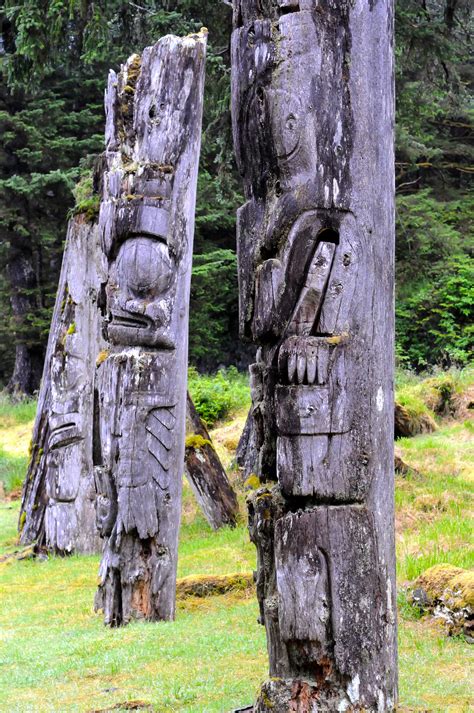
This is a photo of three Haida Gwaii totem poles with greenery in the background.
PHOTO: Courtesy of Alexandra Vlachos / Environment and Society

By: Lucaiah Smith-Miodownik, News Writer

The Haida Nation has been fighting for self-determination for more than 100 years. Now, a recent agreement between the federal government and the Haida represents a step towards autonomy. On February 17, the two parties signed and celebrated an agreement that affirmed the Haida Nation’s Aboriginal title over Haida Gwaii, a collection of islands (archipelago) located off the coast of BC. “Aboriginal title is an inherent right, recognized in common law, that originates in Indigenous Peoples’ occupation, use, and control of ancestral lands prior to colonization,” according to the Canadian Encyclopedia. The Haida people have been the original inhabitants of the archipelago since time immemorial.

The agreement, formally titled Chiix̲uujin / Chaaw K̲aawgaa ‘Big Tide (Low Water)’ Haida Title Lands Agreement,” is federal law which builds upon the provincial agreement Gaayhllxid / Gíihlagalgang ‘Rising Tide’ Haida Title Lands Agreement,” signed in spring 2024. The Prime Minister Justin Trudeau’s office reported that they signal “a significant milestone in the journey to reconciliation.”

For many, this agreement only reiterates that which has always been: “The title doesn’t come from them. It doesn’t come from the Crown, doesn’t come from the court. It comes from our ancestry,” Haida Hereditary Chief Guujaaw told CBC

“The title doesn’t come from them. It doesn’t come from the Crown, doesn’t come from the court. It comes from our ancestry.” — Guujaaw, Haida Hereditary Chief

The Haida have traditionally been canoe builders. In Haida forests, partly-built canoes can be found, abandoned due to a deadly smallpox epidemic in 1862. Carvers like Jaalen Edenshaw, the son of Chief Guujaw, have used these unfinished boats to learn the craft and continue the tradition. The canoes also aid in environmental protection, securing injunctions to stop logging in some old-growth forest areas. These forests, along with all of the islands’ “lands, beds of freshwater bodies, and foreshores to the low-tide mark” are now the legal right of the Haida Nation.

The agreement includes “a five-year transition period” where details regarding land owned by the federal government or “other parties” will be worked out. The First Nations Leadership Council in BC stated, “The agreement does not affect private property rights.” 

In April of last year, Haida Nation President Gaagwiis Jason Alsop spoke to the Haida’s “inherent right and responsibility to care-take for Haida Gwaii and all the realms of interconnected existence within Haida culture: the supernatural beings, all the beings of the forest, all the beings of the sea, humans, and that we all are interconnected.” He also stated that the Nation would be in charge of Haida Gwaii’s economy, “taking a sustainable rather than exploitive approach to the land and the sea.” 

“We can begin a new era of peaceful co-existence knowing that we can look after Haida Gwaii and ensure the well-being of all who call these shining islands home.” — Gaagwiis Jason Alsop, Haida Nation President

Alsop concluded his speech by addressing the lawmakers before him: “In the spirit of this truth and reconciliation and hope, be part of making things right in the province and in this country.”

At the recent signing ceremony, Alsop said, “The recognition of Haida title to Haida Gwaii by Canada acknowledges historic injustices and illustrates the transformative possibilities of working together for what is right.

“We can begin a new era of peaceful co-existence knowing that we can look after Haida Gwaii and ensure the well-being of all who call these shining islands home.”