Home Blog Page 357

Liberals vote against pharmacare

0
PHOTO: Christina Victoria Craft / Unsplash

Written by: Jaymee Salisi, News Writer

On February 24, 2021 Parliament voted against Bill C-213, the “Canada Pharmacare Act,” which aimed to provide Canadians with universal access to prescription drugs. The proposed legislation was blocked by the Liberals, Conservatives, and Bloc Quebecois at its second reading with a vote of 295 in opposition, and 32 in favour. 

Sponsored by New Democratic Party (NDP) MP Peter Julian, the Act was meant to establish a set of criteria and conditions aligned with the fundamental principles of the Canada Health Act: public administration, accessibility, comprehensiveness, universality, and portability. 

Provincial governments would have been required to create a public drug insurance plan with these standards in order to receive financial assistance from the federal government to support the legislation. 

“Canada is the only country that has universal healthcare [without] universal pharmacare,” MP Peter Julian said in an interview with The Peak. He explained this Act would be essential to supporting Canadians, as jobs and drug plans have been lost during the pandemic.

Over ten million Canadians are unable to access their medication due to the high cost of drugs, according to Julian. In this situation, he added, people must decide between purchasing medication or basic necessities. 

Universal pharmacare would cut the current system’s expenses by billions of dollars as it would give the government the ability to purchase medication in bulk, lowering the cost, Julian said. 

He added the legislation would also save money for small businesses — as they would no longer need to finance employee drug plans and they would supplement the economy by creating local jobs. 

Julian said, “There aren’t any consequences to passing the bill — there are huge consequences for not passing the bill. And those consequences are upwards of ten million Canadians not being able to access their medication.” 

If the legislation had been passed, a universal drug plan could have been set up by next fall. However, he said it would be “one of the first pieces of legislation that [the NDP] bring[s] moving forward” if they are next parliament’s leading party. 

Those who voted in opposition to the bill voiced concerns it lacks consultation and would impose federal rules onto provincial jurisdiction. 

At the House debate, Prime Minister Justin Trudeau said the NDP’s proposed legislation makes the possibility of pharmacare look easier than it seems. Instead of “imposing, in provincial jurisdiction, rules that are not worked out with them,” he said the federal government should consult premiers to align provinces with their respective health-care needs. 

In 2019, former Liberal MLA of Ontario, Dr. Eric Hoskins, proposed a phased approach to pharmacare projected to be implemented by 2027. 

This would include the creation of a Canadian drug agency “governed collaboratively by the federal, provincial, and territorial governments and would have strong patient representation on the board.” 

The agency would approve a list of drugs to be covered by national pharmacare and be responsible for providing guidance and monitoring drug effectiveness. The Liberal Party aims to follow this pharmacare plan rather than the NDP’s immediate implementation plan. 

Liberal MP Ron McKinnon said in a statement to The Peak, “Implementing universal Pharmacare requires careful work in willing partnership with the provinces and territories — as, ultimately, it is they who are the level of government responsible for delivering healthcare services. To succeed here, we must proceed in close partnership with those provinces and territories willing to do so.” 
Martin Scorsese is right about Marvel

0
The film industry was struggling way before the pandemic hit. PHOTO: Karen Zhao / Unsplash

by Genevieve Cheng, SFU Student

Director Martin Scorsese became the pinnacle of controversy on social media in November 2019 with his New York Times op-ed “I said Marvel Movies aren’t cinema: Let me explain.” He wrote the piece to explain his original comments about Marvel movies being “like theme parks” and “not cinema,” which provoked fiery backlash from the Marvel fanbase. Various quotes were being pulled from the piece, lacking the context of his definition of cinema and how he sees Marvel fitting into the movie industry.

Just over a year later, Scorsese doubled-down on his critique of cinema by penning an essay for Harper’s Magazine March 2021 issue to define what cinema means to him. His opinions are still being thrown around out of context, but considering the current state of the film industry, his critique is quite valid.

Cinema, in Scorsese’s view, includes the kinds of movies he saw growing up, including Scorpio Rising, The Steel Helmet, and Persona — all very different from Marvel movies. These kinds of films are not pulling big opening weekend numbers at movie theatres or making millions and ending up on everyone’s watch lists — like many franchise blockbusters today.

Scorsese’s original comments were understandably seen as a bit harsh; some even deemed them as gatekeeping, pretentious, and anti-Marvel. But it makes sense to say that the artform of moviemaking feels threatened by massive blockbusters. Many smaller movies struggle for funding and are never able to reach a larger audience — like some of his favourites. His frustration doesn’t rest on Marvel or their fanbase, but with the film industry as a whole. Even if it was solely about Marvel, it shouldn’t be controversial to call their movies theme parks, as they are both made to excite, provoke intense emotion, and suspend disbelief, unlike many franchise blockbusters.

Scorsese’s main gripe is that he sees the film industry quickly disappearing with the rise of blockbuster franchise films. This comes from the fact that movie theatres will only play what’s most profitable: blockbusters with established fan bases, not small independent films. Additionally, pandemic precautions mean that movie theatres have had to close their doors for months on end. This had led to increased discussions about the future of the film industry, particularly around how streaming services may drive movie theatres out of business — a major threat to the traditional movie-viewing experience.

Pandemic aside, small films are still left out of the limelight when it comes to popular culture and having theatre support. The highest grossing movies of all time are all byproducts of Disney or James Cameron — none of which debuted at a film festival, had to scrounge for funding, or search for a niche audience. Marvel movies and blockbuster hits are great, but there are also so many smaller films and movie makers that are so hard to come across because of this platform imbalance.

Other prominent directors have talked about how movies should be released and seen by audiences as well. Denis Villeneuve and Christopher Nolan have been fighting back against pro-streaming, anti-movie theatre discourse. Most of these directors also reference the importance of a big-screen experience for new releases. 

Scorsese has attempted to right these film-industry wrongs by creating The Film Foundation, which “supports the preservation and restoration of cinema.” In supporting this work since 1990, it becomes clear that his statements aren’t a demonstration of “all talk, no walk.” In fact, this shows the film industry has been heading down this path for a while now — the pandemic-encouraged streaming service boom is only threatening the traditional moviemaking and viewing experience more.

Any criticism of one of the largest and most passionate fan bases in the world was bound to strike controversy and backlash. But looking past the headlines and the out-of-context quotes, Scorsese does make very valid observations about the film industry and where it might end up if it continues to evolve unchecked.

Self-help books are valuable — if used properly

4
Don’t knock a self-help book if it doesn’t work. PHOTO: Delano Ramdas / Unsplash

by Victor Tran, SFU Student

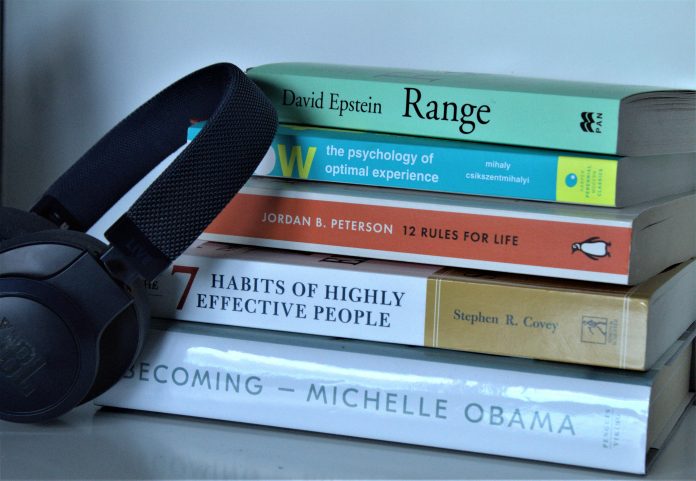
Self-help books are filled with words that can promise accomplishments like becoming a productivity superhero and gaining financial independence. This could be enticing for the struggling student, but these books often don’t mention how to adequately use the knowledge they bring. Most of the time, readers consume the knowledge, become happier for a while, and then do nothing. However, from a self-help enthusiast, using these books is one of the best ways to improve a lifestyle, and to do so these resources need to be used smarter, not harder.

We have to be careful of what self-help resources we choose to consume. Every year, an excessive amount of self-help reading fills bookshelves and new best-selling books arrive on a daily basis. Because of this, the industry is now market-driven rather than peer-reviewed, which has some questioning the true helpfulness of these resources.

To bypass this potential deceitfulness, we should buy a self-help book like we would carefully buy a piece of furniture. Choose something that has 10,000 reviews with 4.5 stars. Search for dedicated YouTube reviews, blogs, and more. In short, do the research; the right book won’t just miraculously appear. But sometimes, the furniture bought just doesn’t match the style of the house. What then? 

Let’s say there is a minimalistic house and a colourful, patterned 80s couch is bought for it. Should the whole house be changed to match that couch, or should the couch simply be removed? The couch could be used as a unique feature piece in a simple layout, or it could simply not match the style. The answer would not be known for sure unless the combination is tested first.

Self-help resources are the same. All tips will not resonate with all people, but regardless testing those tips is crucial for exploration. For example, a person may work better at night, but a self-help book may say that waking up at 5 a.m. will make them a millionaire. Before the person thinks the tip is trash, they should test it. They cannot truly know if having a morning routine will make them more productive or help them reach their goal faster unless it is tried. Just like they cannot know if a couch does not look good in their house without putting it in their living room.

Despite this, a self-help book may ultimately be incompatible — but it is never useless. An irrelevant book can still help bring someone one step closer to a book that does help them. Trial and error, though time-consuming, is the optimal method for consuming self-help books.

Additionally, after finishing a self-help book, some people might feel amazing and that tomorrow they will make moves to change their life forever. But for the next 30 tomorrows, they do the same things and end up feeling sad again. So, they might buy another book to feel that magic again. This is called mental masturbation, where a person continuously seeks mental stimulation either through daydreaming or buying a self-help book to make excuses for not taking constructive actions. To avoid this, self-help books should be read slowly, and tips should be practiced as much as possible. When they are, it is easier to successfully find a good, productive workflow. 

Reading self-help books may not always provide the best results, and using them might not be for everyone. However for people that do want to use them, in utilizing proper methods it is possible to make the most out of every single book and help to change your life for the better.

Your weekly SFU Horoscopes: March 15–21

0
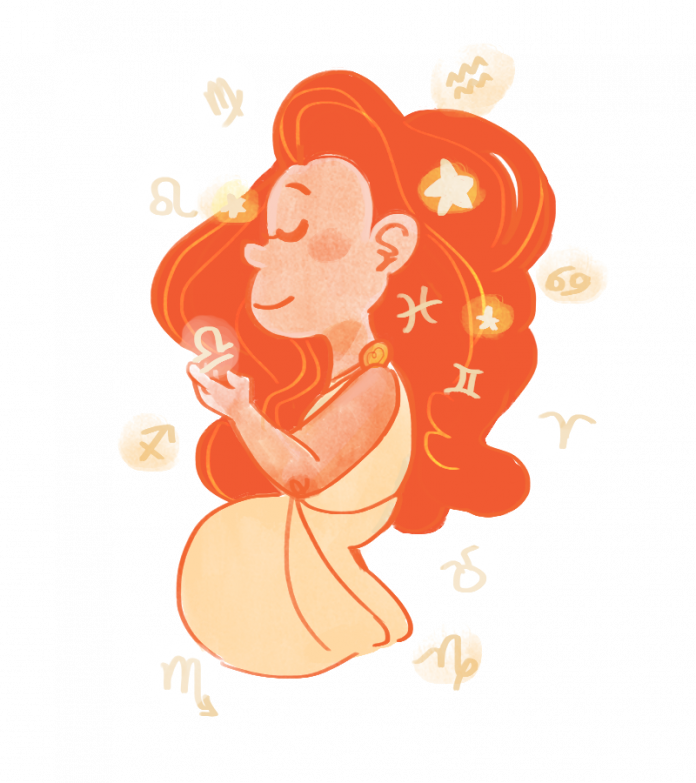
An illustration of a girl with long flowing hair. Astrological signs and stars shine around her.
ILLUSTRATION: Marissa Ouyang / The Peak

By: Kyla Dowling, Staff Writer

Aries: Wow. You’re so sexy, Aries. Like really hot. You know what else is sexy? Submitting your assignments on time and washing your sheets. You’re two missed discussion boards away from an F and two nights away from your sheets walking on their own.

Taurus: It’s time to stop taking things so personally, Taurus. The beleaguered student you passed on your walk yesterday wasn’t glaring at you. They were simply upset that the Dining Hall was out of macadamia nut cookies. Of course, it would have helped if you weren’t visibly smuggling 20 cookies in your arms.

Gemini: It’s time to beef up your resume! For example, you’re definitely an “out of the box thinker”— remember when you ran out of chase for your booze, so you just pre-gamed with ranch? Rip-’n-dip, right?

Cancer: Sometimes you feel you’ve got to . . . run away. You’ve got to get away from the pain I drive into the heart of you. The love we share seems to go nowhere, and you’ve lost your light. You toss and turn but you can’t sleep at night. Oh! Tainted love, tainted love.

Leo: You were definitely switched at birth. And if you weren’t, then you have a secret twin. If that’s not true, then you definitely considered dropping out in the fourth grade to run a mud pie business. I see you, girl boss.

Virgo: Stop being so hard on yourself, Virgo. So what if you accidentally unmuted yourself during lecture and everyone heard you ranting about the inconsistencies between the Pokémon games and anime? It’s not your fault that Pokémon can have more than four moves in the show. It makes no sense! The people deserve to know! 

Libra: A letter has come from your future self. It reads: “You are capable of anything. You can achieve such great things” — oh wait, sorry, that was actually Gemini’s letter. Yours says: “Invest in a plush shark from Ikea. Like you, it looks like it’s all bite, but it has foam teeth.” Is that true?!

Scorpio: You say that you wear black because you’re edgy and cool, but we all know it’s not that. It’s because your hands shake like that of a sickly Victorian orphan when you have to interact with the Starbucks barista and you’re prone to spilling your $10 matcha green tea all over your clothing.

Sagittarius: Would you rather wake up in the morning to grimy little raccoon hands snatching your collection of Funko-pops or become a servant to the raccoon king? This is not a hypothetical question.

Capricorn: I know you struggle with opening up, Capricorn, so, intuitively, it’s time to try healing through puppetry. Creating a sock puppet just won’t cut it. You’ll have to get supplies and do research — which means now you’ll have reason to rewatch Muppets Most Wanted without admitting that you’re attracted to Constantine.

Aquarius: Look at all those unopened Snapchat messages, Aquarius! You’re so cool for ignoring your friends. Oh, sorry, one’s from your “hip” aunt and the other four are from Snapchat itself. My bad.

Pisces: Did you know that Emily Dickinson was sapphic? Or that Queen Elizabeth is a trained mechanic? No? Well, now you have something to say when your TA asks you for a “fun fact” because let’s face it . . . you needed a new fact that wasn’t boring (i.e. ones about your life in quarantine).

Anyone can be a gamer, regardless of genre

1
Games other than Fortnite are fun, engaging, and educational. ILLUSTRATION: Siloam Yeung / The Peak

by Charlene Aviles, Peak Associate

When I hear the phrase “video games,” first and third person shooter games often come to mind — the Entertainment Software Association even says that 47% of gamers play them. Many of these types of games — including popular ones like Fortnite, Halo, and Call of Duty — are often seen as more legitimate because those with expertise in this genre have various opportunities for wealth, fame, and recognition.

Other video game genres are also underrated because they are perceived as predictable and offer delayed gratification. However, the gaming community should accept all gamers irrespective of their preferred genre, as no game genre is lesser than another.

The gaming industry can open up doors for people worldwide to earn a living and become famous. Fortnite streamer and entrepreneur Tyler “Ninja” Blevins is just one of these people, having won numerous tournaments, appeared on TIME’s 2019 list of 100 most influential people, and been a guest on The Tonight Show Starring Jimmy Fallon. In contrast, people who don’t play games that can lead to these opportunities often lack access to expand their platform and business through networking. To promote more opportunities for all gamers, they need to first be considered valid.

The video game industry offers a wide selection of games to choose from, such as role-playing, sports, party, and action. This diversity in content should be celebrated, not ridiculed. For example, some people can perceive puzzle games as repetitive and later lose interest — some puzzle game players even quit because they are too challenging and require greater patience. While suspenseful shooter games offer instant gratification and require skill, attentiveness, and strategy, other types like puzzle are equally capable of balancing challenge and fulfillment to entice players. 

For example, NBA 2K20 and FIFA 20 were two of 2019’s best-selling video games. Challenge is inherent to video games, and exposure to new types of challenges absent from shooter games allow gamers to gain more skills. These challenges teach gamers to think creatively in a variety of video game settings, beyond how to detect and avoid an opponent’s sneak attacks. By playing other types of genres, gamers could become well-rounded by developing other techniques that they would normally not use in shooter games.

Among the National Museum of Play’s World Video Game Hall of Fame inductees are well-known, non-shooter games such as Tetris, Pac-Man, and Pong. The World Video Game Hall of Fame’s inclusivity reflects that multiple games merit praise, irrespective of their genre or form. The diversity and history of video games also demonstrates that classic video games and consoles laid the video game industry’s foundation. In fact, the early technology used in the Magnavox Odyssey, an early video game console, served as a prototype and essentially promoted the development of modern technology used in shooter games.

Gamers should also celebrate other genres because their unique storylines present educational opportunities. Through a collaboration between the Iñupiat people and Upper One Games, Never Alone (Kisima Ingitchuna) was developed. It incorporates the Iñupiat culture into the main character Nuna’s attempts to survive in the Arctic. These collaborations show the potential for promoting cultural awareness, which is often lacking in shooter games. 

As the gaming industry grows, it requires a variety of games to be welcomed. All video game genres and types are equally valuable because their diversity facilitates technological innovation and promotes educational opportunities. The gaming community’s solidarity should outlive the latest gaming trend because what the gaming community needs is greater recognition, opportunities, and acceptance of gamers from all game genres.

A minimum voter threshold for SFSS elections should be required

1
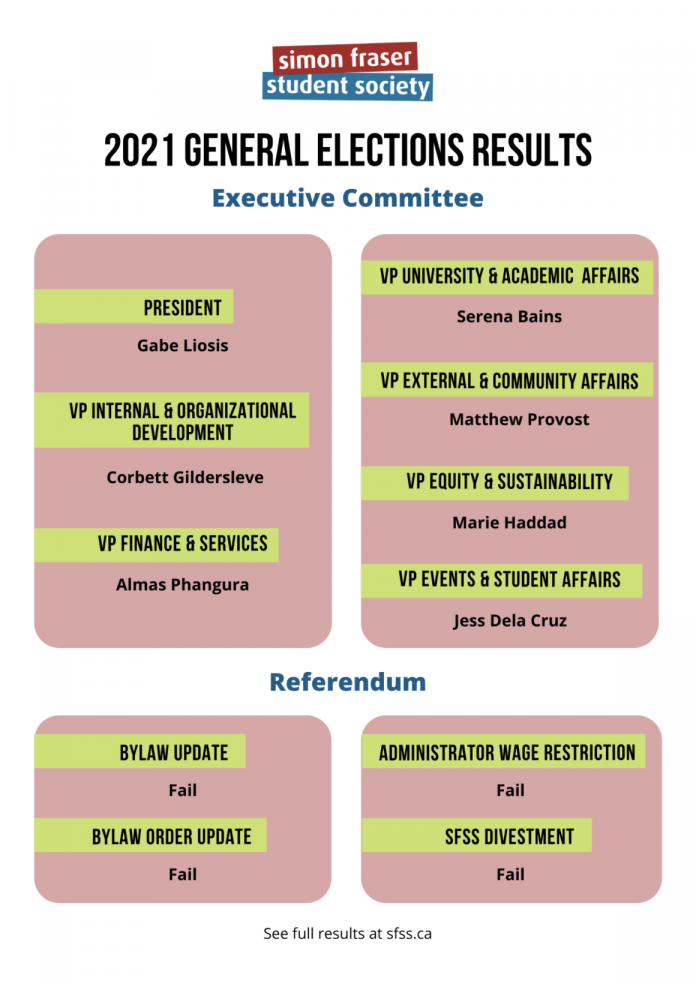
This year’s Board was elected with no more than 650 “yes” votes per position. Image courtesy of Simon Fraser Student Society via Facebook

by Gurleen Aujla, Peak Associate

Another round of SFSS elections is complete, and I congratulate all of the successful candidates, but something about the results isn’t right. 

The 2021 election results had an average of 891 total votes per position, with most candidates being elected with between 500 to 650 votes. With over 29,000 undergraduate students currently enrolled at SFU, it is astonishing that the highest total vote count of 953 for the president position represents a mere 3.29% of the population. The SFSS cannot advocate for and provide resources and services meant to represent the entire student body with such disproportionate percentages.

All SFSS executive positions should reach a minimum percentage of “yes” votes — 8% in proportion to the total student population — in order to be elected to the Board of Directors. A minimum voter threshold would prioritize member outreach activities to both ensure a larger voter turnout and that candidates properly connect with students, hear their concerns, and address the issues important to them. 8% would be a reasonable goal for the SFSS as it is a significant increase in engagement while still being cognizant of the reality of previous years’ voter turnout.

In the 2020 election, most VP positions were elected with 700 to 1,000 votes in favour. Even still, this is a staggeringly low proportion of the total student population. This goes to show the trend in weak voter turnout didn’t start this year, but has been a long-standing trend.

The SFSS is one of the most powerful representations of undergraduate students at SFU. They make decisions about students on a regular basis concerning academic, financial, social, and health-related matters. In fact, as of last spring, the SFSS was managing more than $4.3 million in their general fund alone. This fiscal responsibility must be rooted in oversight measures, student trust in the union, and transparency to the student body. This cannot effectively be achieved without a minimum percentage of students casting their votes for the representatives directly involved in this financial management.

The Independent Electoral Commission (IEC) is tasked with coordinating and running student election engagement initiatives to increase voter turnout — on top of running the election itself. However, the SFSS Elections and Referenda Policies state they are to plan classroom visits, student union meeting visits, club meeting visits, and other such activities “if possible.” This loophole is contradictory to its purpose. The IEC ensures that each candidate’s platform is broadcasted to the student body in a number of ways to make it easier for voters to make informed decisions. The phrase “if possible” negates this purpose, has no place in the written standards for how elections are conducted, and should be amended to aid in increasing the total percentage of voters.

Additionally, all four of the referendum questions on this year’s ballot required a quorum of a two-thirds majority for passing. If we can have a threshold for the referendum questions, why not for the executive team? While reaching an 8% minimum turnout may not be possible, and new rules would have to be created to deal with that possibility, there should still at least be an attempt to obtain greater engagement from the student body.

While the pandemic made facilitating this year’s election more challenging, the general trend of weak voter turnout still needs to be fixed. Our elections should be principled on the fair and accurate representation of student views and should be mirrored by the written election rules and procedures. It’s time for the SFSS elections to implement a minimum voter threshold of 8% of the student population to achieve this.

Monday Music: Songs to make you feel like an ethereal forest nymph

0
"Monday Music" in giant yellow block letters with a red background
Monday Music: your weekly themed playlist. Image courtesy of The Peak.

By: Kyla Dowling, Staff Writer and Bog Being

It’s that time of the semester. Assignments are piling up, due dates are getting closer, and discussion board posts are at the absolute bare minimum. The confetti Canvas gives you isn’t enough to keep you going. It’s time to turn to escapism. Maybe you imagine yourself on a fabulous beach vacation in a post-COVID world. Maybe you’re one of those reality shifting TikTokers whose fantasy is going to Hogwarts. Me? I simply pretend I live in a forest with no ties to society, spending my time dancing around fairy rings, and bathing in the river in the moonlight. If you’d like to join me in my escapist fantasy while pointedly avoiding the essay you have due tomorrow, here are the songs I use to pretend that I am simply not a student. 

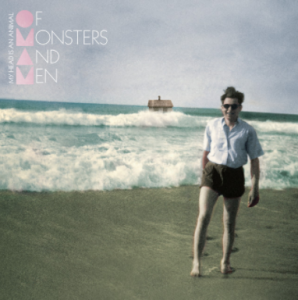
“Your Bones” by Of Monsters and Men

Image courtesy of SKRIMSL ehf

There’s something magical about this song and it’s evident from the first few seconds. Ragnar Þórhallsson’s voice is enchanting and promises to lull you to sleep as he croons about living a nomadic life. The marching band-esque drums that begin after the first verse add to the very notion he sings about — burning down your house and walking towards a new life. Nanna Bryndís Hilmarsdóttir joins him only for the chorus, her soprano adding a haunting harmony to the song. Of Monsters and Men have a tendency to write songs that make you feel renewed and powerful, and “Your Bones” is perhaps one of their best. The only issue is actually resisting the urge to pack your bags and wander into the wilderness to find a new life. 

“Babooshka” by Kate Bush

Image courtesy of Parlophone Records Ltd.

Yes, you probably know this song from TikTok. Yes, it tells an elaborate story about a woman testing her husband by sending him letters under a different name and watching as he falls in love with her false counterpart. Yes, the title sounds just like the Russian word for grandmother. Just trust me on this one. Put some noise-cancelling headphones in. Close your eyes. Imagine twirling through the woods, lit only by slivers of moonlight breaking through the canopy of trees. As the bass kicks in and the chorus hits, the lyrics explode out of Bush like she’s releasing all her worries — and with her, you release yours too. It’s you, the woods, and her resonant voice. There’s no agony here. 

“The Violet Hour” by Sea Wolf

Image courtesy of Atlantic Recording Corporation

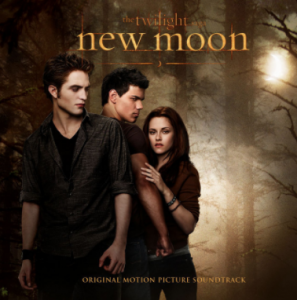
I know what you’re thinking — why on earth would you tell me to listen to something from the Twilight: New Moon soundtrack? Hear me out: when you divorce the song from the whole “You nicknamed my daughter after the Loch Ness Monster?!” thing, it’s actually gorgeous. The lyrics are evocative, describing a lover using conflicting nature imagery: “Your back’s a meadow covered in snow / Your thighs are thistles and hothouse grapes.” Just as those lines imply, this song is incredibly sexy. With frontman Alex Brown Church’s crooning voice juxtaposed with the chorus’ electric guitar that comes back again during the bridge, you’ll want nothing more than to lay down on the riverbank and fall in love with the moon. 

“In A Week” by Hozier (ft. Karen Crowley)

Image courtesy of Rubyworks

Hozier is the king of otherworldly indie folk, and his songs fit the “running away to the woods and never coming back” vibe to a tee. “In A Week” takes this concept to a darker degree. The music depends almost primarily on acoustic guitar, making the main attraction the stirring lyrics and gossamer-like voices of Hozier and Crowley. The song builds towards the end, bass and electric guitar thrumming, as both singers opt up and repeat with fervency: “I’d be home with you.” Though gloomy, it’s almost romantic. Does anyone want to ditch society and decompose in a bog with me?

Need to Know, Need to Go: March 15–21

0
Illustration of a blue calendar, with "Need to Know, Need to Go" written on top
Arts & Culture events to catch around the city. Image courtesy of Brianna Quan

By: Gurleen Aujla, SFU Student

Visual Art Forum: Ursula Johnson | March 16, 9:30 a.m.11:30 a.m. | FREE | Online

Audain Visual Artist in Residence and the SFU School for the Contemporary Arts present a free, virtual artist talk featuring Ursula Johnson. Johnson is a Mi’kmaq artist from the Eskasoni First Nation in Nova Scotia. Focusing much of her work on performance and installation art, she dives deep into issues such as identity, history, colonialism, and traditions. Johnson characterizes her art as “changing mediums based on who I am talking to and what conversation I am trying to have.” Registration is required through Eventbrite.

Lunch Poems: Meredith Quartermain & Steffi Tad-y | March 17, 12:00 p.m.1:00 p.m. | FREE | Online

Lunch Poems is a monthly opportunity to celebrate and engage with poetry in a relaxed environment. This month’s event will feature Vancouver-based poets Meredith Quartermain and Steffi Tad-y. Quartermain has recently released her fourth poetry book, Lullabies in the Real World, which focuses on the history of colonialism and literature. Tad-y, of Filipino descent, released her first poetry chapbook in 2019, titled I Didn’t Want to Be Read, I Wanted to Be Believed In. All students are welcome to attend. Registration is required through Eventbrite

Current Exhibitions at Place des Arts | Open until March 18 | FREE by appointment | Place des Arts 

Place des Arts’ three current exhibitions feature a range of artists and mediums. The Coquitlam Heritage Society’s exhibition Capturing Moments: Chronicling Our Lives showcases artists in our community documenting important moments in history, including the current pandemic; Rick Herdman’s Into the Woods: BC Nature in Woodcut presents a series of unique woodcuts inspired by the nature around us; and Laura Clark’s photography and sculptures in Remnants speak to “everyday moments that may go unnoticed by others.” Each exhibit explores the vulnerability, fragility, and mortality of the world we live in. Visits to Place des Arts must be pre-booked by calling 604-664-1636 ext. 0.

The Lyre: New Normal – Open Call for Submissions | Deadline is March 21

The Lyre magazine is a student-run literary periodical affiliated with the SFU’s department of world languages and literatures. The Lyre accepts creative works from all SFU students in a variety of mediums, including short stories, essays, and photography regardless of academic discipline. Their twelfth edition, titled New Normal, will reflect on the past year’s struggles and fears along with some of the bright spots. Artists are encouraged to delve into themes such as “isolation, community, reflection, perseverance, tenderness, and connection.” Final submissions are due March 21. Submission criteria and general information can be found on The Lyre’s website.

Four things I’m spending my student bursary on

0
PHOTO: visuals / Unsplash

By: Alex Masse, Staff Writer

Well, we got our bursaries, I guess. And if you’re anything like most of the student populace, your tuition was paid long ago, or you’re still in the process of selling your spleen and/or your soul, but you just can’t seem to find a buyer. Apparently they upped our tuition so they could increase financial aid this semester, because tuition freezes wouldn’t stop the problem before it became a bigger problem . . .

Well, have no fear: here are four excellent uses for the money they upped your tuition to provide after said tuition was way past due. Don’t think about it too much.

  1. Finally becoming a vinyl collector

Remember in 2012 when everyone started collecting vinyls and talking about how they just “sounded better” than digital streaming? Yeah, I do. And while hipsters are kind of extinct — seriously, has anyone seen a hipster in the past few years? (Except our Editor-in-Chief and the horde of glasses-endowed Wallows fans just like him found for the low price of one iced coffee at your local coffee shop.) You can finally embody the jackass at your local music shop. And no, you don’t even need a record player. As I’m sure you know, the secret to keeping vinyls in good condition is never using them.

2. A splurge on Amazon clothes you’ll literally never wear 

Ah Amazon. The online shopping icon that, yes, is still treating its workers like garbage. But you want to buy stuff anyway just to feel that thrill of purchasing something and waiting for it to arrive, huh? You just ordered it, bud. Stop looking out your window for the delivery guy. Look what you’ve done to this poor student: they’re buying a new air freshener just to feel something. Thanks a lot, capitalism.

3. Buying something from your family member’s “local business” so they’ll leave you alone 

Are you going to actually use your Aunt Marie’s janky homemade pottery? Will you ever wear your second cousin’s bizarre personalized wool sweaters with what could be a llama, or a dog, or even a self-portrait, stitched on for a design? Do you really have room in your house (or heart) for your cousin’s niece’s Harry Potter-themed resin plates? No, no you don’t. But if you buy their stuff, they’ll probably stop sending you their store link and prodding at you to “support local businesses,” so in that way it’s worth it. 

4. Invest in Squishmallows 

Squishmallows. Is it safe to say that they’re the modern Beanie Baby? I see them everywhere, except, ironically, in the stores that sell them, because they’re always sold out. And if people aren’t hoarding them like squeezable diamonds, then they’re reselling them for ridiculous prices. If you can get your hands on some of the Sanrio ones, you’re basically already nobility. They came out this year, and already, they’re the price of a new video game. You just know those costs are going to age like fine wine, so invest now.

SFU needs to take greater measures to protect our data

2
The school continues to let its community down with its inability to protect personal data. PHOTO: Penn State / Flickr

by Nancy La, SFU Student

SFU prides itself on keeping its community safe from harm, yet its cybersecurity (or the lack thereof) paints a different image. 

SFU’s servers were hacked on February 3, exposing the personally identifiable data of over 200,000 past and current students and staff. This wasn’t the first time something like this has happened either; SFU also had data exposures in 2016 and 2020. SFU’s lack of support for their IT department and options for those whose data was exposed reveal the school’s inability to keep up with modern cybersecurity demands. The school should reflect on the shortfalls that lead to this breach, and take concrete measures now to prevent another breach in the future.  

Email addresses, student numbers, and transcripts are among the long list of information that was exposed in the breach. Although more secure information like banking details and social insurance numbers were not exposed, the fact that data breaches like these can happen on a semi-regular basis is a serious cause for concern. At a time when classes are virtual and both staff and students rely on safe online support from SFU, this data breach is a major let down for the community. How are staff and students expected to be productive when the threat of their personal information being revealed hangs in the background? 

What makes the data exposure worse is that there is no way for the community to take back the personal data floating out on the Internet. It is now someone else’s free real estate, and there is no way to know what the consequences will be until it’s too late. This risk speaks volumes to the school’s outdated cybersecurity systems. Especially since modern online privacy methods prioritize user transparency and control over one’s own data — something that SFU should prioritize as well.

Investing more in the maintenance of the SFU data servers and in supporting their IT personnel would have helped to prevent an exposure in the first place. The maintenance of IT platforms was even amongst SFU’s top reasons for the annual tuition hike during the pandemic. If SFU had taken more appropriate preventative measures, it would have saved the community a lot of grief. Yet here we are, trying to cope with the fallout of a data breach even though we have already (literally) paid our dues.

Additionally, it’s odd that alumni information is kept on SFU’s servers. What would be the purpose of keeping the information from people who have moved on from SFU? While there may be a good reason for keeping their data, it is not worth bearing the higher risks associated with it. SFU deleting irrelevant or unused data after a certain period of time would be a small step towards ensuring a safer online presence for the whole community. 

IT Services recommends that the community set up multi-factor authentication (MFA) and to use SFU’s virtual private network to aid in data breach prevention — the latter of which is only available for staff and faculty. MFA will be mandatory for all staff and students by December 2021 and provide a safer log-in experience, but it does not address the core problems that started this whole mess. These suggestions also put the onus on the community to take action on preventative measures that should have been implemented on SFU’s end from the start. 

SFU’s recommendations are only temporary bandaids that do not solve the issue of the school’s vulnerability to data breaches. SFU needs to step up and be a leader in ensuring the online safety of its community, beginning with investing in its cybersecurity infrastructure and personnel, being more transparent with the data it collects, and giving more control to those who own said data. Students and staff deserve more than an email that offers no solid solutions for future exposures.