Home Blog Page 183

Opinions in Dialogue: Living with chronic mental illnesses

0
A woman lying in bed
PHOTO: Yuris Alhummaydy

By: Saije Rusimovici and Isabella Urbani, Staff Writers

Mental illness can tear you down. There’s moments when you wonder where the vision of you who wasn’t so impacted by your mind is. At first, mental illness feels manageable. Like it was just a minor character who needed to make an appearance every once and a while to remind people they’re still here. Eventually, it becomes bigger. Mental illness can make you start feeling like the guest. Not every person with a mental illness feels this way. But oftentimes, it’s characterized as such or as being make-believe. This is a no-holds back conversation about living with mental illness from two perspectives.

Saije: It’s one of those days where I just don’t want to think about the fact that I have a mental illness. To be quite honest, sitting down to write this piece makes me feel like I’m going backwards, reliving all the terrible experiences I’ve had because of obsessive-compulsive disorder (OCD). Talking about it over and over again makes me feel like I’m not past it, even though I’ve come so far since receiving my diagnosis. But then I remind myself I’m not writing this for me. I share my experiences because I want to educate others about the stigma and show that no matter what your mental health looks like right now, you’re not alone.

Isabella: Therapists tell you to talk or write what you’re feeling, but it’s not that simple. To do that would be to let my thoughts live outside of my mind. And when I do that, I realize how they sound: bizarre and strange

I thought my mental illnesses were going to be fixed right away. I would get diagnosed, take pills, and that was that. It’s not that simple. When you have a mental illness, it never really goes away, even on good days. I’m just trying to suppress it. People don’t get that part. They think you’re fine, because some days you feel better. The problem is, even on those good days, I’m still going through my symptoms. It’s not like they completely disappear. When I first started taking my pills for depression and anxiety, I thought I had finally found the cure. Two years later, and now not only do I have depression and anxiety, I’m seeking a psychiatrist to find a diagnosis for what could be bipolar disorder, OCD, and attention deficit hyperactivity disorder. Plus, I’m starting a whole new medication altogether. I live with these conditions. They grow and change just like I grow and change. 

Saije: There is no beginning or end to a mental health journey. The phrase, “I have good days and bad days” has never been more true. Sometimes certain life circumstances make living with a mental illness particularly worse than other times. Stressful environments, big life changes, and emotionally-charged encounters are some of the things that over the years I’ve begun to phrase as “flare ups.” I used to be so hard on myself when I had a particularly good week only to end up crying in my bed on a Saturday night. I need to remind myself this doesn’t mean I’m taking a step backwards, but simply navigating the highs and lows of life with a mental illness. 

Isabella: For the longest time, I struggled in silence because that felt easier than letting people into my mind. I didn’t know how to articulate what was going on. I just wished someone could hook me up to a machine and see what was happening and stop it. I’d be more than halfway into a confession to a loved one, and I just couldn’t get the words out. While it’s an illness, because it’s not visible at all times, people don’t really know the true extent of what I’m going through. So, they imagine it. 

Although I had my suspicions, I refused to believe I had ADHD for the last several years because what I saw on social media was not what I was experiencing. I was racing, mentally and physically, throughout my house for the large half of summer two years ago. I couldn’t sleep. I just had to pace the house. Go room to room. Checking the doors. Do it again for extra measure. And then pacing. Even now, I could be ready to go to bed, but my mind isn’t. It won’t stop racing. It’s not like I’m consciously thinking about anything either, it just feels like my brain is rattled back and forth in my mind. 

Saije: The more we normalize the highs and lows of mental health, the more we work towards ending the stigma around mental illness. It’s unfortunate that so many people still do not consider mental health as a real illness. It takes so long for people (myself included) to get access to proper therapy and treatment resources for many reasons. I remember my own doctor telling me that wait lists for counselling services have become so long because so many people are beginning to vocalize their experience with mental health issues. While this is a huge step, the medical system needs to keep up, changing as people begin to seek help for free and accessible resources and treatment. 

Isabella: I’m actually very lucky that I’ve had tremendous medical support. I refused to talk to a doctor for a long time. I didn’t want to have to go through the burden of retelling my story time and time again. I didn’t want to be asked the same questions I didn’t have an answer to. But, I’m one of the lucky few who’s had a relatively pain-free experience. I have a great doctor who shows genuine concern for me, schedules checkups, understands who I am as a person, and is proactive. I’m seeing a psychiatrist soon. My doctor filled out a referral form for me weeks ago, and while it was supposed to take three months, I’m already booked for my first screening. I know it shouldn’t be a luxury, but it is. 

Saije: Sometimes it’s hard not to think about all the things I might have done differently had I not been plagued with intrusive thoughts, worries, and anxiousness that at this point just feels natural to me. Before I began taking proper medication, I thought that this was just the way I would always feel. For me, there are no benefits to being diagnosed with a chronic mental illness. 

Isabella: I never thought a mental illness could be a chronic disease. To me, a chronic disease is something physical that never goes away, but festers, and can flare up, like arthritis. It never occurred to me that a mental illness could meet that definition. But it’s true. This is my brain. I’m battling every single day. I’m battling to complete tasks although they feel pointless. I push down the thought that my friends think I’m too much when we hang out together. I fight to allow myself to brush my teeth and hair, even if my room is in shambles. I lead with emotion.

If I get good news, I’m excited to the point where I’m giddy and bouncing out of my seat all day. And when I’m sad, well, I think you can figure that out. I want mental illness to be treated seriously. It’s debilitating. I’d give up anything to live a day free of my mind. And I want everyone to always take care of themselves. Illness or not. Everyone has mental health. Feed your soul. Do what you need. I used to be able to do what felt like a million different tasks in a day. Now, doing one task takes me hours on end, and I’m exhausted afterwards. But I’m still doing what I set out to do. Little by little. Day by day.

To view a list of mental health resources, please go to the online version of this article. 

Resources:
Battered Women’s Support Services
British Columbia Society for Male Survivors of Sexual Abuse 
COVID-Conscious Therapist Directory
Foundry BC
Indigenous Support Programs
Health and Counselling for newcomer LGBTQIA+ Refugees
S.U.C.C.E.S.S. BC —  Multilingual counselling 
Vancouver Black Therapy Foundation

BC pharmacists offers prescriptions for minor ailments and contraception

0
a blister pack of oral contraceptive against a pink background
PHOTO: Reproductive Health Supplies Coalition / Unsplash

By: Eden Chipperfield, News Writer

As of June 1, BC pharmacists can assess and prescribe to patients for 21 minor ailments and contraceptives that initially required a visit to a clinic to receive a prescription. Minor conditions on the list include hemorrhoids, urinary tract infections, pink eye, and shingles.  

BC became the first province to offer free prescription contraception for all residents enrolled in the Medical Services Plan (MSP) on April 1. PharmaCare covers the total cost of contraception, such as oral contraceptives, hormonal and copper intrauterine devices (IUDs), hormone implants, hormone injections, and emergency oral contraception. 

The Peak connected with Dr. Ruth Habte, AccessBC campaign organizer, Obstetrics and Gynaecology resident at UBC, and former pharmacist, to discuss AccessBC’s goals and get more information regarding accessible healthcare in the province.

AccessBC is an organization whose mission is to “remove barriers involving access to prescription contraception.” The group was established in 2017 and engages in advocacy for free contraception. They achieved that mission this April. 

“I think it being in the public sphere that contraception is now available at no cost has certainly brought sexual health care to the forefront of people’s minds,” Dr. Habte said. “I’m finding now that on forums, walking down the street, people [are] just talking about the fact that their contraception is free and that they’re looking at different options that are available to them.” 

The first forms of commercial contraception were invented in the 1950s through the Planned Parenthood Federation of America, who created the first birth control pills. However, the history of contraception can be traced back to Ancient Egypt where Egyptians made birth control, using “honey, acacia leaves and lint to form a cervical cap.” 

Dr. Habte touched on how the stigma of contraception continues today: “Stigma is so ingrained in our society, something that, you know, dates back to when contraception was initially made. Being on the news and being on forums and people kind of talking about this overall has helped to decrease the stigma involved in this.” 

Christine Antler, a pharmacist and region director of pharmacy for Pharmasave West, said during an interview with The Tyee pharmacists “will still do a clinical assessment on all patients” seeking treatment for one of the listed 21 minor ailments covered. Dr. Habte shed some light on what this means: “I think it’s essential that people understand that there’s still, you know, contraindications to certain medications that can be harmful to someone’s health if they take it.” A contraindication can be anything that prevents the use of a certain medication, such as previous health conditions or allergies, with the fear that it can cause adverse effects.

Dr. Habte detailed how some forms of contraception may not be suitable for some patients due to a family history of blood clotting or migraines. She emphasized the importance of speaking with a healthcare professional who understands contraindications and can work with patients to make individual assessments. 

The Peak asked Dr. Habte what the next steps for AccessBC are that will continue to work towards making healthcare more accessible. “There’s still further need for access to birth control. We know that certain groups have reached out to us and said that there’s an unmet need in certain areas.” Dr. Habte also commented that AccessBC hopes to pivot into menstrual products and addressing period poverty, which fits into AccessBC’s campaign of raising awareness and consulting with the government. 

To find a pharmacist near you regarding contraception or one of the 21 minor ailments now available to be prescribed, visit https://www.seeyourpharmacist.ca/.

Past Lives centers around the thought of “what if?”

0
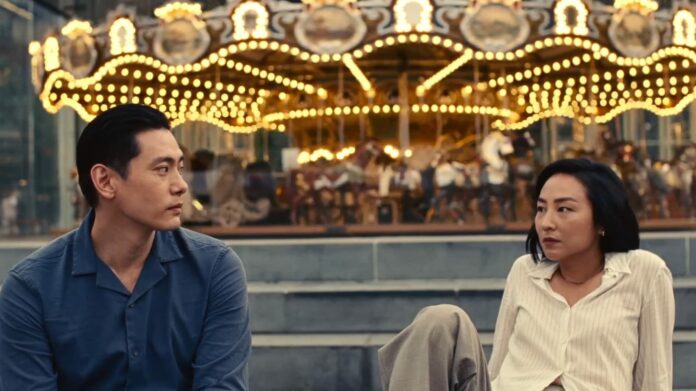
A Korean man and woman sit in front of a carousel blurred background with yellow lights. The woman is leaned back and they are looking at each other with subtle playful expressions.
PHOTO: Courtesy of Killer Films

By: Kiara Co, SFU Student

This was the first time I’ve ever experienced watching an A24 film where the entire theatre was full for its first showtime slot in Vancouver. It surprised me because of how little marketing this film had. A24’s newest release, Past Lives, presents a story of self-reflection, with the main thought being “what if?” A24 continues to showcase new dirctors, such as Korean Canadian filmmaker and writer of this film, Celine Song. This marks another showcase of A24’s Asian-led projects.

Throughout the film’s hour and 46 minutes, I felt immense emotions alongside such a simple story. The narrative follows two childhood friends, Na Young and Hae Sung, from Korea who separated because Na Young, now Nora’s (Greta Lee) family moved to Canada. 12 years later, they reconnect through Facebook and Skype. Months pass and they stop contacting each other. Finally, 10 years later, Hae Sung (Teo Yoo) finally reunites with Nora in New York where she is married to Arthur (John Magaro).

The strongest part of this film was the script. It portrayed an authentic relationship between all of the characters, especially with the way each of them communicates. Both Nora and Hae Sung as children perfectly match, to the point where they could be considered “childhood sweethearts.” But as time flies, both part ways, and they change as people. Nora dreams of being a successful playwright in New York, and Hae Sung an engineer who seeks a great opportunity in China. We see Nora’s many “what if’s” throughout the film. 

Nora and Hae Sung’s relationship shows the tension they experience through the cultural differences they experience growing up in different countries: Hae Sung in Korea and Nora in Canada. Their diasporic experiences cause some tension in their budding relationship. For instance, Nora is not as fluent in Korean as Hae Sung since she only speaks Korean to her mom. There’s also long distance hardships the two experience, like the constant glitches shown through Skype on their laptops when they call each other. 

The film makes you think through so many what if’s in a poignant way.

Arthur, who Nora meets at an out-of-town writers gathering, is also an author in New York. When applying the film to real life, I think “what if,” seeing Nora and Arthur: “What if it was somebody else who I met in that situation?” “What if I’m supposed to be with somebody else who was actually meant for me?”

When you reach adulthood, it’s very common to connect with people out of convenience. One of the most crucial and casually cruel questions Arthur and Nora’s relationship poses to viewers is: “What if we just met out of convenience?” 

The end of the film demonstrates that everything happens for a reason. You realize just because you’re no longer the same you doesn’t mean that version of you has gone away. When Nora and Hae Sung reconnected in person after 20 years, they demonstrated they were each other’s “what ifs.” They both shared a real connection that is rooted in the people they’ve become today. Past Lives makes you think about the person you have become today based on the surroundings and people that were once in your life. It makes you think, over and over again, “What if you took a different direction?”

How we can help decolonize educational institutions

0
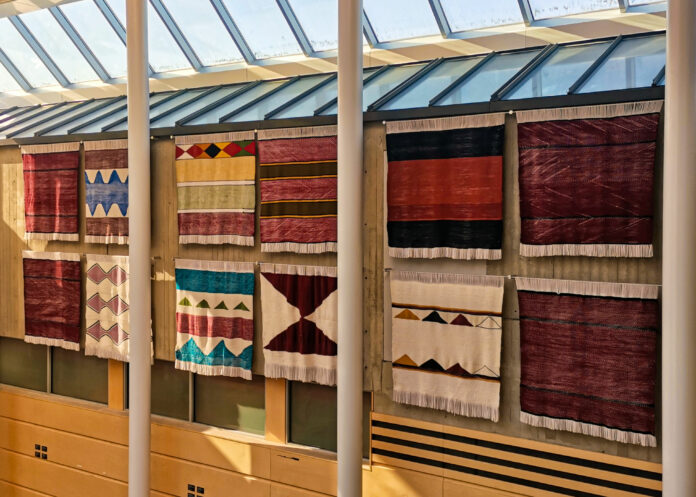
Nexw Niw Chet/The Teachings, a collection of hand woven Salish weaving blankets.
PHOTO: Afsaneh Keivanshekouh / The Peak

By: Izzy Cheung, Staff Writer

Content warning: mentions of colonialism, residential schools, and unmarked graves. 

Decolonizing SFU has to be about more than just taking a day off and wearing orange. While these are small steps in raising awareness, higher education institutions — not just SFU — have to commit to doing more. 

Think about the systems we have in place 

“Systems,” in this case, lumps a lot of things together. The education system, social systems, institutions that we encounter in our daily lives . . . we need to think about what systems we currently have in place, who formed these systems, and with what ideologies in mind. I took a class on communication, technology, and social justice in my third year — CMNS 353 — and our professor specifically encouraged us to look beyond the systems themselves in order to determine what it was about them that was harmful. A lot of the systems we currently have in place were sculpted based on ideas that specifically excluded Indigenous peoples and forced their assimilation. 

For example, the current foster care system has replaced residential schools due to underfunding, which leads to “lack of adequate, equitable services and education for children on reserve, which then funnels them into foster care.” This has resulted in high rates of children being separated from their families. Also due to underfunding, “people living on reserve are 90 times more likely to have no access to running water compared to non-Indigenous people in Canada.” The Indian Act, too, “forbade First Nations from forming political organizations,” denied their right to vote, and enacted many other restrictions that have shaped the relations and freedoms Indigenous peoples have today. These are all examples of systems that have hurt Indigenous peoples. Keeping this in mind and rethinking our current systems is a big step towards recognition and change. 

Changes in curriculum 

Canadian education systems place a very heavy emphasis on the western canon. I’ve sat in English classes that only covered British literature, but this doesn’t mean that British literature should be the only type of material being covered. In a similar vein, our history classes often emphasize places on the other side of the ocean, such as Britain, but neglect the history of Indigenous communities who live here, in so-called Canada. Briefly skimming through the summaries of history courses being offered by SFU this fall, I can see one 100-level course that mentions discussions of the colonization of Indigenous peoples. In contrast, there is an entire 100-level course being offered on the making of modern Europe. The emphasis on European history is especially problematic considering that schools teach so little about the histories of Indigenous peoples — people whose roots began here. In the faculties I’ve been involved with, I’ve found that specialization in Indigenous-specific topics don’t tend to pop up until the upper-divisions. Diversity in courses, specifically at a lower academic level, helps introduce people to important topics at an earlier stage in their academic careers.

The SFU Aboriginal Reconciliation Council’s report, “Walk This Path With Us,” from 2017 calls for “a required first-year course for all SFU students to provide fundamental knowledge about Aboriginal issues,” and cites universities that have already done so. It also suggests “Aboriginal breadth requirement courses” and adding “Indigenous content into existing courses and programs.” 

As individuals, we develop personal biases early in life. Being exposed to Indigenous history and cultures at younger learning levels allows us to consider our own actions and behaviours, as well as how these may be harmful towards Indigenous communities. 

Don’t be afraid to be uncomfortable 

Many recommend taking a cold shower to start your morning off, as the cold water will shock your senses into waking up. Likewise, this short-term discomfort for long-term gain should be applied to the decolonization of our higher-education institutions. Lots of people may not be exposed to injustices until they become big in the news — and oftentimes, this is because of a lack of education and discomfort around the topic. Many people weren’t aware of the severity of Canada’s residential schools, or even their existence, until May 2021, when news broke of the 215 unmarked graves found at the site of a former residential school in Kamloops. However, consider what silence means for Indigenous folks. Having these difficult conversations, especially in fields of higher education, allows us to truly recognize the injustices and harms that Indigenous people face. Education isn’t supposed to be easy — in order to foster a better future, we need to face the past and present.   

Listen to Indigenous voices, and act on them  

Face it — we’ll never learn something new if we’re stuck being lectured to by the same professor. In a similar vein, professors will never be exposed to new material if they’re always teaching the same things. Students, faculty — pretty much everyone — need to remember to listen and consider the experiences of Indigenous people. We need to keep in mind that it’s important to include Indigenous knowledge in our institutions. Hiring members from Indigenous communities has to do more than just show diversity — they should be hired in high-level roles while also being mindful of systemic barriers. This means hiring practices should look beyond formal education, and acknowledge different means of knowledge keeping.

SFU currently has beautiful Indigenous art for display at both SFU Burnaby and Harbour Centre, in certain sections of the campus — and that’s great for visibility. However, in 2017, the Aboriginal Reconciliation Council asked “to increase that presence through an expanded use of art and signage.” Further, they write, “The use of public Indigenous art displays to [define] SFU campuses could serve as a reminder that the campuses are situated on an Indigenous landscape.” The First Nations, Métis and Inuit Student Association called on SFU in March to “make a public statement apologizing for the harm caused to Māori Peoples by the proud display of Graham Gillmore’s art in this university,” but SFU has since stayed silent. 

There is no strict, step-by-step guide for decolonizing our higher-educational institutions, but there are certainly things we can do — one of them could be consulting with the “Walk This Path With Us” report, and implementing these calls to action as soon as possible. But change must also come from within. Reflect on our histories, learn from the experiences of others, and listen with genuine intention to Indigenous voices. 

To view resources and more information about decolonization, please visit the online version of this article. 

Resources:

Wildfire Mitigation Initiative aims to combat wildfires through proactive dialogue and prevention

0
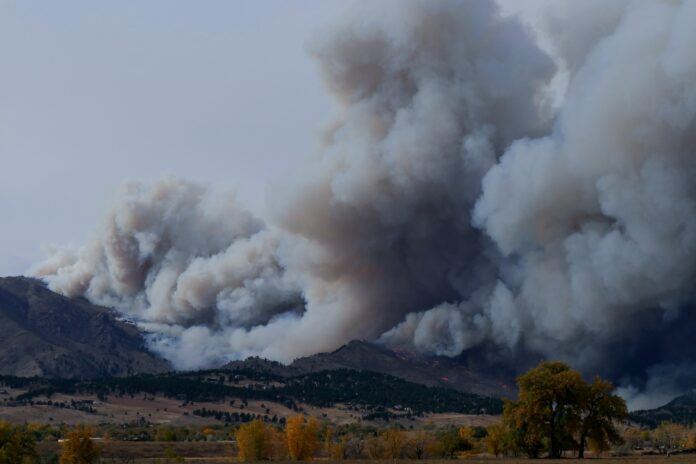
mountains in the background with columns of smoke
PHOTO: Malachi Brooks / Unsplash

By: Olivia Sherman, News Writer

For Yolanda Clatworthy, wildfires are no longer a matter of if they will happen, but when. This grim perspective can lead to proactive wildfire prevention, lessening the size, severity, and impact of mega-wildfires. Clatworthy is the project manager for the Wildfire Mitigation Initiative, which aims to proactively prevent mega-wildfires across BC. Working under SFU’s Centre for Dialogue, Clatworthy plans to stop these wildfires through dialogue and active prevention. 

Clatworthy explained in an interview with The Peak that the Centre for Dialogue helps to “use dialogue as a means to address some of society’s most pressing challenges,” which includes environmental challenges. “Our role, as it’s being developed and as it’s emerging, is as kind of a convening role, where we bring folks together in dialogue to say what our common priorities are.” 

As the program manager for Wildfire Mitigation Initiative, Clatworthy looks at “how dialogue can advance solutions” through the promotion of understanding and learning, uplifting voices of marginalized and impacted communities, and increasing the resilience of both forests and human communities. Wildfire mitigation follows a myriad of strategies, many of which are centered around proactivity and prevention, “rather than looking at response and recoveries or suppression, which are also important,” Clatworthy said. “This is just a different piece of the puzzle.

“There is a lot of work and resources and policies and legislation around wildfire suppression,” Clatworthy said, before adding that while suppression is important, “mitigation has been sort of the lost little cousin.”

Clatworthy recognized that fire suppression isn’t as simple as it seems, and that a “perfect storm” of conditions have exacerbated BC’s wildfire crisis. Some of these reasons include climate change, the densification of BC forests, the value of timber sales, and the criminalization of Indigenous stewardship over the land and ritual burning practices. Merely enacting fire suppression is not as simple as it seems, as there are many causes contributing to why wildfires happen that must be acted on first. 

Some fires are beneficial for the environment, and some ecosystems are dependent on regular, naturally-regulated wildfires, Clatworthy explained. Some of these prevention practices include “fuel removing,” which is the removal or thinning of underbrush, some of the main fuels for massive wildfires. Many Indigenous communities across Canada practiced ritual, controlled burning for thousands of years, which was made illegal by the Canadian government with the Brush Fire Act of 1874

“We need these proactive measures in order to lessen the impact,” she said. These measures include “moving in a livable region to urban planning, [and] mass timber,” among others. Clatworthy stressed the importance of this mitigation, while recognizing that “no one wants to hear how we can do things better while things are burning around them.”

Webinar highlights experiences of climate disaster survivors

0
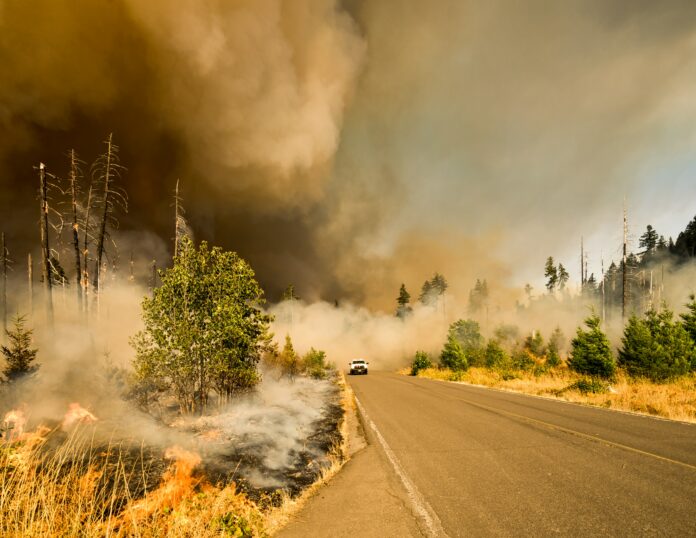
a car driving away from a forest fire with smoke in the background
PHOTO: Marcus Kauffman / Unsplash

By: Eden Chipperfield, News Writer

As of June 28, 3,020 wildfires have burned across Canada this year, impacting nearly 8 million hectares of land. The largest recorded fire in BC’s Donnie Creek is burning across 160 kilometres. With ongoing concerns around summer wildfire season across BC, many question how these climate disasters will continue to affect populations across the province. 

On June 20, The Peak attended Empowering Communities to Endure Climate Disasters, a webinar created in partnership with The Tyee, SFU Public Square, and the Climate Disaster Project. The webinar was hosted by investigative journalist Francesa Fionda and featured four speakers that spoke on their experiences as survivors of climate disasters. 

Attendees joined from all across Canada, as well as California, to listen to the experiences of the speakers regarding this matter of ongoing climate disaster evacuations. One of the speakers, Susan Dobra, called in from the US and discussed her experience living in Paradise, California. In 2018, a faulty electric transmission ripped through her community, killing 85 people and devastating the area. “I kept thinking of climate change as a future problem until it came and burned down my town,” said Dobra, detailing her experience. 

The webinar also highlighted advice from Tyrone McNeil, chair of Emergency Planning Secretariat, Stó:lō Tribal Council president and Tribal Chief, and a member of Seabird Island band. McNeil provided insight on Indigenous approaches to taking care of victims of climate disasters: “Our plan is to move away from the current [Emergency Support Services] methodology to something more holistic,” he said, adding “our model will be building in our traditional foods or traditional ways of looking after each other’s mental and physical health.”

In 2021, Michele Feist and her dog Finn escaped the Lytton fire and relocated to Williams Lake. Two years later, Lytton is still largely rubble and dirt and awaiting assessment to obtain building permits. Feist also mentioned a sincere lack of an evacuation plan when the fire began to burn out of control. “We didn’t get an evacuation alert; we got 20 minutes,” Feist said as she detailed how she left Lytton. Feist and other survivors are advocating for changes in emergency responses to fill in the gaps regarding evacuation plans, including support for stabilizing after relocation. 

Tarina Colledge, secretary of the BC Association of Emergency Managers, was involved in the response operations and recovery planning of the 2016 Fort McMurray wildfire and helped evacuate 88,000 people, including her family. “I now still sleep with my car keys next to my nightstand,” Colledge said, recalling her evacuation. 

Attendees asked the speakers if survivors should be trying to go back to “normal” and if collective property should shift. Colledge responded that Canada is geographically different and expansive, making it difficult to implement new policies.

 “You’re probably familiar with the 15-minute city concept and the importance of finding ways to stay local,” she said, before emphasizing that this is difficult to achieve when many “live and work in vastly different geographies where public transit is not available.”

“Some of these developments still will build you an idealized structure where you theoretically might be able to find a job, but the jobs that you find are not going to be at the salary necessary to work and live in those compounded structures,” said Colledge.  

Francesca Fionda provided an article from The Tyee on how readers can prepare themselves for wildfire season ahead. For more information, readers can visit The Tyee website.

A summer of fresh air and fun

0
PHOTO: Lucas Santos / Unsplash

By: Izzy Cheung, staff writer

One of the best things about summer is spending time outside. Whether you’re hiking, enjoying the water, or taking in local art, there are plenty of options for outdoor activities in the Lower Mainland. If you’ve got a free day to explore the outdoors, consider checking a few of these out. 

PHOTO: Jeff Kingma / Unsplash

Deer Lake 

Deer Lake in Burnaby is a perfect place to spend a sunny day. There’s not only a walking trail that takes you around the lake, but there’s also canoe, kayak, and pedalboat rentals. Two-person boats can be rented for $31 per hour, which includes the cost of a lifejacket and paddles or oars. Deer Lake also has two free outdoor musical events occurring throughout the summer. The first, Burnaby’s Symphony in the Park, will take place on July 15. The Burnaby Blues and Roots Music Festival is set for August 12.

PHOTO: Peter Skaronis / Unsplash

The Shipyards District 

North Vancouver’s Shipyards District on the waterfront is home to a skating rink in the winter, and a plethora of outdoor events in the summer. The Queer Bash Art Exhibition is occurring until July 1, which will showcase works that “explore the binary of joy amidst tragedy, critique public vs private support, and blur masculinity with femininity.” Theatrical Walking Tours of the area will also be held by fully costumed players until September 27. Other events occurring throughout the summer include outdoor movie screenings, yoga sessions, farmers markets, and a weekly night market held every friday. 

PHOTO: Ted McGrath / Flickr

Rocky Point 

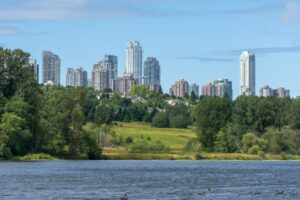
Those who live in the Tri-Cities know Rocky Point is far from a hidden gem, as it’s known for its variety of breweries, eateries, and spots to enjoy the outdoors. Kayaks and paddleboards are also available for rent. However, if you’re simply looking for a spot where you can quietly and enjoy the scenery, then look no further than Old Orchard Park. Located just across the water from Rocky Point, you can follow the Shoreline Trail to get to this picnic-perfect park. Plenty of events take place here throughout the summer such as the ever-famous Rib Fest and Summer Sundays concerts

PHOTO: Lauren Kan / Unsplash

Pitt River/Pitt Lake 

Pitt Lake is a large tidal lake situated in Pinecone Burke Provincial Park and Golden Ears Provincial Park, just north of Pitt Meadows. The south end of the lake is adjacent to a relatively easy stroll that will treat you to the sights and sounds of the mountains. Pitt-Addington Marsh is a scenic dyke point with various trails you can explore. Or, you can rent a canoe and get out on the water for a peaceful yet scenic daytime activity. 

PHOTO: Lucas Santos / Unsplash

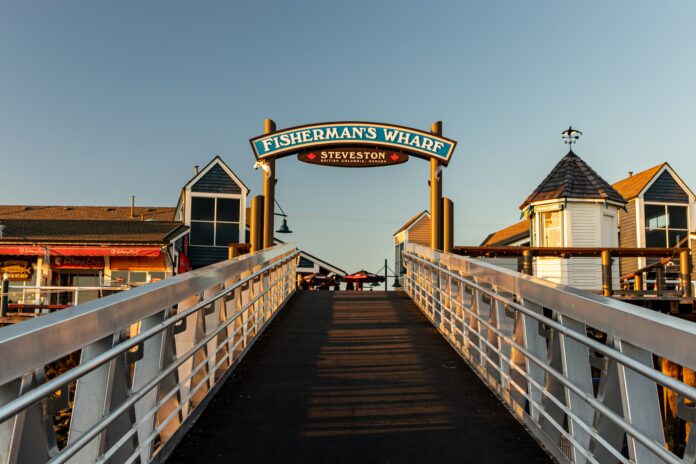
Steveston Village

Located at the southernmost edge of Richmond, Steveston Village is a great little area to spend part of a day in. Their wide variety of cafes, dessert shops, and eateries make for an ample selection of activities. Only a short walk away from the main harbour is Garry Point Park, which is home to a Japanese garden and fisherman’s memorial. You can end off your day with trivia night at GoodCo Bar. Throughout the summer, Steveston also hosts a salmon festival, vintage fair, and a grand prix of art.

I’m not 100% sure I’m straight

0
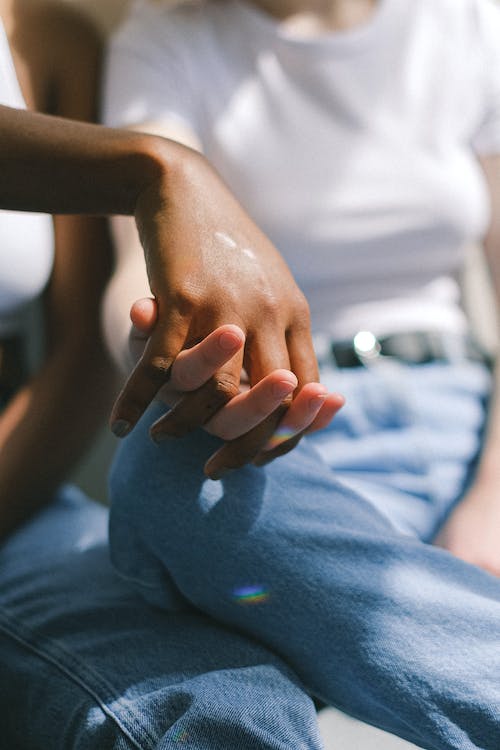
A photo of two feminine individuals holding hands.
PHOTO: Anna Shvets / Pexels

By: Isabella Urbani, Staff Writer

I didn’t start to question my sexuality until my senior year of high school — not even when my entire friend group was doing so in middle school. Back then, I think I was the only one in my friend group who was “straight,” which still did nothing to thwart the rumours that I was dating my best friend. While I couldn’t care less, they did. 

I didn’t even know people were saying that about us until they brought it up to me one day. In a way, I actually didn’t mind the idea. I didn’t have any romantic feelings for this person, but something about the concept of us being together felt oddly gratifying, like a compliment. We had love and consideration for each other that was obvious to everyone around us. 

It also might not come as a surprise to readers that I was a member of the first Sexual Orientation and Gender Identity club at my middle school, which my friend who I happened to be “dating” led. I attended every meeting not because I was particularly passionate about the matter, but because I wanted to support my friend. But as some of our club members got up during a school-wide assembly to announce the total we raised for a local 2SLGBTQIA+ organization assembly, I remained seated. I told my friend it was because as the club’s leader, they should be the one to unveil the grand total. But that wasn’t why. 

In reality, I just didn’t want people to see me up there. It didn’t matter that people had said my friend and I were dating. I could shrug that off because it wasn’t true. But the fear of being associated with the club publically, to essentially feel “outed” in front of everyone when I was “straight,” was terrifying. 

I think about that friend group a lot now. It was the happiest I’ve ever been. Those truly were my people. I felt like I could tell them everything. We had the same passions, liked the same bands, and watched the same YouTubers. I only wish I could have expressed myself as openly as they did. They dyed their hair whatever colour they felt like without feeling embarrassed, or worried about how it made them stand out, or what people would say about them. They cut their hair short, even when it made them look like a “boy” to others. They wore chest binders and experimented with different pronouns. Their unwillingness to hide their true selves was what made me confident enough to dye my hair purple when I was 13. And although it failed miserably, and my hair ended up pink, I had done something I desperately wanted to do for years. I had also thought about cutting my hair for the longest time, but was scared of what that would say about my sexuality. To the kids at school, “girls with short hair were lesbians.”

I don’t know if I’m a lesbian, but I also don’t know if I’m straight. Wouldn’t that just make you queer? I guess. It’s not admitting that I can see myself with someone other than a boy that’s scary. It’s that doing so would mean I’m not straight, and as a result, I’d be unprotected from what other people would say. Plus, even now, I try to gaslight myself by thinking I look at girls because I’m a people watcher. It’s not like I like them, I just want to be as pretty as them, right?

For a while, I tried feeling the term pansexual out. What if I liked more than just boys and girls? I didn’t realize that bisexuality was an all-encompassing term for the attraction to two or more genders and wasn’t just limited to liking women and men. I eventually “crossed off” pansexuality when I realized it referred more to falling in love with someone regardless of their gender identity. 

I’ve been testing out a variety of labels. I even thought I was asexual for a bit. I’m not. But it would have been the best way to avoid talking about what exactly I like. I’ve felt a lot of complicated emotions regarding my sexuality and identity recently. And, honestly, I don’t know what the “truth” is anymore. I started thinking about how I’ve never really been comfortable wearing “women’s clothing” — how sometimes putting on makeup felt like an unnatural experience for me. Did I just like dressing androgynous? Was I just self-conscious? Or was there something deeper there? 

For a while now, I’ve thought about going by “she/they” — testing the waters a lit bit. Every Zoom meeting, I ask myself, is this going to be the time? Should I just hard launch it? What was it about using “they/them” pronouns that felt so appealing? Was it because more and more of my friends were doing so? Or was there something more to it? 

But I can’t. I don’t feel “worthy” enough. I’m scared that by doing so, I’m accepting an identity and all the opinions and expectations that come along with it. What if I’m not enough? What if I change my mind? People will think I’m not really “committed” or I’m “faking” it. What would my family say? I’ve only jokingly referred to liking women in front of them. 

Would it somehow interfere with getting a job covering hockey? That’s a serious worry I think about. There are tattoos, piercings, haircuts, and hair colours I consciously steer clear from, no matter how much I like them, because it’s obvious there’s a certain look that sells on television. I know that, and I know the way I want to dress doesn’t match that. So, I settle for being “visibly straight,” without giving myself the time of day to explore what I’m feeling. 

But why the hell does it matter? I don’t feel comfortable labelling myself one way or another. I wish there were as much legitimacy in not labelling yourself as there is in labelling yourself. Who I like is one fraction of who I am as a person, and unlike my name or pronouns, is not anything I should have to disclose if I don’t want to. The only person that information pertains to would be someone I like or someone who likes me. 

Like gender, sexuality is fluid and it’s not so cut-and-dry. Attaching a label to yourself is just one way of indicating to the world who you are. News flash: most people are still trying to figure themselves out, but when it comes to sexuality, it feels like you have to lock in your choice. 

A year from now, I might not feel this way. But I need to at least honour how I feel now. I want to attend Pride and not feel like an imposter. I don’t want my friends to look at me differently when they read this article, or feel surprised because I never expressed these feelings to them previously. I just want to be able to feel how I feel, unconditionally — no matter what that looks like along the way. And I hope that one day I get my answer, whatever that may be. But until then, admitting that I’m attracted to more than just guys, is a solid starting point. 

WGOG: Dirty Evos

0
Illustration of an Evo filled with trash
ILLUSTRATION: Andrea Choi / The Peak

By: Dev Petrovic, Peak Associate

Picture this: you just made it to your booked Evo after walking several blocks to what was supposed to be the “nearest” Evo car sharing vehicle. You are famished and deteriorating, and the only thing that can save you is a nice, clean, car ride. Alas, the Evo is none of those things. Bags of dog shit, used tissues, a half eaten apple core in the cup holder, and crushed White Claw cans in place of legroom, are all real and non-exaggerated conditions I have encountered. 

It seems as though some Evo users forget the service is shared, meaning other people use it too, and will be subjected to whatever disgusting smelly trash is not cleaned up. Naïve of me, perhaps, to expect the principle of cleaning up and doing your share to carry into adulthood, but maybe the nursery jingle wasn’t enough to convey the importance of being accountable and mindful of others in the most minimal way possible — picking up your fucking trash!

I don’t even drive, but as a passenger princess (or monarch, but without the actual monarchy) I feel Evo should not be more revolting than the average conditions of public transit. As is with anything communal, there is a collective responsibility to upkeep conditions, if not for the sake of those using Evos after you, then for yourself — because you best believe I will be cursing you out the entire ride (and after) and as anonymous as you think your trash is, it might just end up being mentioned in an article.

Chaotic problems require chaotic solutions

0
Platypus toy surrounded by artificial mistletoe
PHOTO: Karen Laårk Boshoff / Pexels

By: Hannah Kazemi, Peak Associate and C Icart, Humour Editor

Dear Peakie, 

I’ve been filling out all the surveys in my SFU inbox since I enrolled at the university four years ago. However, I have yet to win a single gift card! Is there any record of anyone winning a survey draw? I WILL be having a conversation with Joy Johnson about this. How do I mobilize the entire student body for this cause?

Sincerely, 
If I Can’t Win No One Can

Dear If I Can’t Win No One Can,

The mystery of the coveted SFU Bookstore gift card is a fabled tale among students past and present. We all enter these surveys and await a response from the ether, but alas. I suggest you gather the mightiest FASS students you can find and storm JJ’s office. Demand answers! Demand justice! Demand a $20 gift card to the Bookstore that you’ll put on your desk somewhere and never use! I believe in you, If I Can’t Win No One Can.

With Reverence and Solidarity,

Peakie

Dear Peakie, 

I think my roommate is evil, not in the serial killer sense, but in the Disney villain sense. I can’t help but hear a bit of Yzma whenever she laughs . . . And she has a cat! It’s a well-known fact that villains have cats. And she’s dating a doctor . . . That’s totally an evil scientist, right? I didn’t catch his name, but he’s giving me Dr. Doofenshmirtz vibes. What are they planning? How do I stop it?

Sincerely, 
I Need A Platypus

Dear I Need A Platypus,

Oh, honey. You should have made your escape when you discovered the Yzma laugh. That chick sounds chaotically unpredictable. Personally, I think cats are the devil, and I am also allergic to them, so you should leave all that negative energy behind. I’m confident they’re scheming to eliminate you; surely, they’re planning your demise. It sounds like you need to get your booty moving and RUN! Who knows what kind of Doofenshmirtz-esque-inator they’re coming up with!

Godspeed,

Peakie

Dear Peakie, 

Help! Many new shows have come out recently, and my friends keep telling me to watch them. I don’t want to be rude, but what can I possibly gain from “messy dating show #18262?” Do I lie about watching them and read the recaps instead? Or do I choose violence and tell them that if I wanted to observe dysfunctional relationships, I’d third-wheel with them instead?

Sincerely, 
TV Snob

Dear TV Snob,

If you know anything about me, you’ll know that I am the biggest Reality TV Fan In The World™. It would be a crime to discredit dating shows for the entertainment value they bring to television! Think of The Bachelor! Love is Blind! Bachelor in Paradise! Even the biggest haters find something to love.

But with that said, obviously, Option B. Choose violence. Always.

#StayToxic,

Peakie