Home Blog Page 13

The resilience of Rohingya women

0
Courtesy of Tanjila Afrin

By: Heidi Kwok, Staff Writer

Tanjila Afrin is currently pursuing a master of arts in international studies at SFU. Before enrolling in the program, Afrin worked as a humanitarian aid worker. With a background in environmental science, she was deployed to Cox’s Bazar, Bangladesh, to support safe water hygiene and sanitation services in Rohingya refugee camps. Now at SFU, Afrin’s master’s research project spotlights the structural challenges confronted by Rohingya migrant women under an oppressive environment of displacement, patriarchal dominance, precarious labour, and as unrecognized refugees. The Peak spoke with Afrin to learn more.

Who are the Rohingya?

The Rohingya are a majority Muslim, ethnic minority group who are Indigenous to Rakhine State, Myanmar. Under Myanmar’s 1982 Citizenship Law, the government refuses to recognize the Rohingya as an Indigenous group, claiming they are illegal immigrants from neighbouring Bangladesh. Anti-Rohingya sentiments in the country are rife and based in Islamophobia and Buddhist nationalism. In 2017, the Burmese military killed more than 30,000 people, and over 700,000 were displaced, an event the UN has described as a genocide. Over 1.5 million Rohingya currently live in precarious camps in Bangladesh, with limited humanitarian support. 

“In Myanmar, [the Rohingya] are deprived of all kinds of civil rights, including employment, mobility, education, and any right that a normal citizen would have had effortlessly,” said Afrin. In the face of ongoing persecution and violence, returning to Myanmar is a remote possibility for Rohingya refugees who have fled to other states. “Many are hopeful for a resettlement process to a third country,” Afrin continued, “but it’s an extremely slow process.” Resettlement involves moving to a country that offers better civil rights, safety, and opportunity.

A culture of discrimination

Malaysia is a critical destination for Rohingya escaping the Myanmar military’s ongoing war crimes in Rakhine state. Afrin observed “solidarity, compassion, pity, and kindness” from Malaysians during that time; however, “over the years, there was this frustration, like, ‘we do not want to keep you forever.’ That kind of narrative started to circulate.” At the onset of the COVID-19 pandemic, there was a clear shift in public opinion in Malaysia against the Rohingya. Online hate campaigns and discriminatory rhetoric have become normalized. Dehumanizing language and stereotypes in nationalist campaigns aim to scapegoat the Rohingya for economic and social instability in the country.

She continued, “The compassion and solidarity diminished. Now, even many of my interviewees said they still think of themselves as a ‘burden.’”

Systemic challenges

Rohingya refugees are considered undocumented migrants in Malaysia and Bangladesh. Both are members of the UN, yet neither has signed the 1951 Refugee Convention. Refugees in these non-signatory nations, as a result, are denied the basic right to housing, work, and education, leaving them vulnerable to exploitation in the absence of legal protection. 

Obtaining a UN High Commissioner for Refugees (UNHCR) Card would reduce their risk of detainment and barriers to medical care, education, and other integral services. While Afrin observed that Rohingya refugees in Bangladesh had access to the UNHCR Card, a majority of those in Malaysia lack this form of identification.

Without the UNHCR Card, Afrin recalled Rohingya women telling her how they’d refuse to step out of their homes for fear of being confronted, arrested, or detained by authorities. Childbirth is another challenge. Rohingya women without status in Malaysia are forced to pay a foreigner’s fee, which can cost thousands of dollars.

Obtaining the UNHCR document is a lengthy process that takes years, and “even with that card, you face so many barriers,” Afrin reflected. “Just imagine, without the UN card, you just have to be invisible. And those women were invisible.” 

Intensification of patriarchal dominance under forced displacement

Ongoing persecution in Myanmar, and fear of repatriation combined with limited opportunities in Bangladesh’s refugee camps, push Rohingya women to Malaysia, where “most of them think it’s a better life,” Afrin remarked. With most unable to afford the services of smugglers, Rohingya women are confronted with a treacherous journey across international borders where human trafficking is rampant. They are coerced into exchanging their freedom through arranged marriages to Rohingya men in Malaysia whom they’ve never met. 

“These women got onto a boat and gambled. It’s a life and death situation. After that, that girl is completely dependent on her husband. She doesn’t even know if she’s ever going to see her family [again],” Afrin said. Without a formal education, Rohingya women in Malaysia are financially dependent on men. “There is a huge power gap,” Afrin explained. 

The devaluing of informal social reproductive work

Afrin commented on how informal work performed by Rohingya women, including social reproductive and care work, is overlooked by their communities: 

“The man who goes to work every day — he’s able to go because the woman is putting the food on the table. The woman is cleaning the clothes, washing, and taking care of the babies. All of these things are unrecognized.”

—Tanjila Afrin

“Even the women would devalue their own labour because there is not much consciousness around it.”

Afrin has likewise encountered women engaged in informal income-generating work, employed as cleaners, vegetable vendors, and scrap collectors in Kuala Lumpur. Many were divorced, widowed, or had husbands with disabilities. 

“And when in the context of a host country, the share of work trauma, barriers, social barriers, all these things kind of multiply, especially for a woman. So these are like multiple blockades that they face in their lives every day.”

Community resilience

Despite numerous challenges, Afrin reflected on the Rohingya as a community-oriented people. They would actively seek out their own village members while in Malaysia, forming community clusters with people from the same village or townships back in Myanmar. “They kind of know each other and build a support system. They help each other in a real and very meaningful way. They’re very engaged in each other’s lives,” Afrin noted.

“For example, if somebody just got out of jail, or a new migrant, or somebody lost their job — these are their daily life scenarios — or someone’s husband died or was expelled from work, whatever the reasons are, they would seek refuge with their relatives.”

“Women would also help each other to find work. And if they lose their jobs, which can happen in a day’s notice, they can borrow money from each other.” This was a survival tactic, especially during COVID-19 lockdowns.

“[Rohingya] women would often gather together — maybe arrange a small feast. And they would chat, laugh, and cry together. They would watch over each other’s children. They would support each other.”

—Tanjila Afrin

“So all these things, I think, are very important to them to survive as a community, as a diaspora, in the context of a host country.”

Incorporating the lessons of Bandi Chhor Divas in today’s world

0
ILLUSTRATION: Sonya Janeshewski / The Peak

By: Mason Narinder Singh Mattu, Section Editor

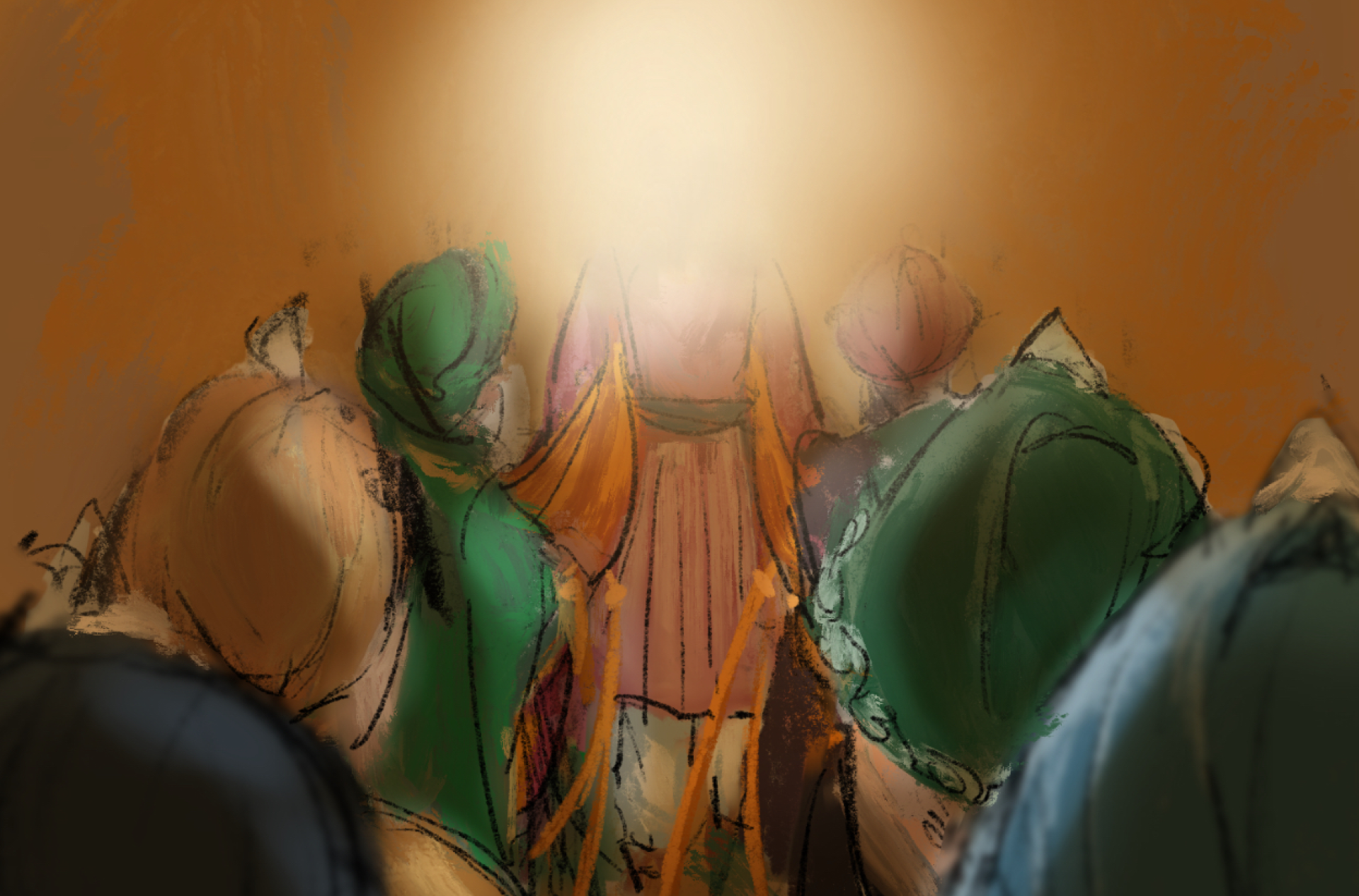
Bandi Chhor Divas is a celebration born from the events that took place after Guru Hargobind Sahib Ji, the sixth guru of Sikhi (anglicized as Sikhism), was released from wrongful imprisonment by the oppressive Mughal Empire. This event in 1619 stamped a historic act of solidarity onto the pages of history. The Mughals had an intolerance toward religious minorities, and they wished to destroy the Sikh faith, as it was becoming a symbol of resistance against their oppressive rule. After the emperor’s advisors insisted he release Guru Hargobind Sahib Ji, the emperor agreed to his release. However, Guru Ji demanded the other prisoners, 52 princes, be freed as well. Condescendingly, the Mughal emperor agreed, with the condition that only those who were able to hold onto his cloak could leave. Shrewdly, the Guru found a way to do just that. He had the princes hold onto the tassels of a cloak that he commissioned. 

Guru Ji walked in tandem with these individuals on a journey that would today be around a 13-hour car ride. Upon his return, the whole town of Amristar had celebrated their return with lit-up lamps and bright lights. This day would come to be known in Sikhi as Bandi Chhor Divas. On October 21, Canadian Sikhs came together at Gurudwaras and participated in the same lighting ceremonies to honour the liberation of the oppressed.  

From this event, we can learn the power of solidarity and care for others. It would’ve been easier for Guru Ji to walk away unscathed without looking back. However, Bandi Chhor Divas shouldn’t just be discussed in the past tense. The reverberations of Guru Ji’s teachings echo just as clearly in our world today as they did the day he made that selfless sacrifice. His solidaristic act teaches us the importance of solidarity and shared interest in the betterment of all humans. In fact, in the last term of the Ardas prayer (called Sarbat da bhala), Sikhs say: ਨਾਨਕ ਨਾਮ ਚੜ੍ਹਦੀ ਕਲਾ ॥ ਤੇਰੇ ਭਾਣੇ ਸਰਬੱਤ ਦਾ ਭਲਾ ॥Through this, we ask God to ensure that everyone in the world lives and prospers in peace, regardless of their religion or geographic location. Sikhi also teaches us the importance of seva, or selfless service for others. 

How can we live with ourselves if we aren’t doing everything in our power to promote peace for all? When we aren’t acting in alignment with seva? Or as we stand by while Israel continues to ethnically cleanse the Palestinian population, a campaign that has ended the life of at least one Palestinian child every hour on average since 2023? When 200,000 Ukrainian children have been forcibly deported to Russia during the illegal invasion of Ukraine? Or when the cries of Afghans under Taliban rule are being ignored and silenced

Who are we to stay silent, under the guise of neutrality, while violating a core tenet of humanity — empathy? How dare we ignore the principles of Bandi Chhor Divas?

Guru Ji’s cloak, equipped with tassels, serves as a physical representation of the connection between ourselves and oppressed people all over the world. Whatever privilege we might hold can be the tassels that we extend to others. To help the silenced voices of the oppressed and support them in their efforts to liberate themselves. 

Bandi Chhor Divas is more than just a time to celebrate with family or eat sweets; it is a time when we’re reminded of our responsibility towards our communities. Bandi Chhor Divas helps us recognize the importance of reaching out in solidarity with oppressed people from all over the world. This year, with a diva in my hand, I will proudly light a candle for all those who have died as a result of famine, war, ethnic cleansing, and broader violence

Sikhi isn’t a ritualistic religion — and I don’t believe in rituals. The only way to avoid ritualization on Bandi Chhor Divas is to take action after you light your diva. As I place my diva on the porch of my home, I remember the sacrifices that Guru Hargobind Sahib Ji made in 1619. But I won’t stop there. I’ll use my voice to lift up the oppressed. I’ll continue to educate myself about our shared humanity so I can carry on Guru Ji’s selflessness. After I walk back inside my home after lighting my diva, the real work begins. I refuse to be complacent or silent as members of the human race continue to suffer. Solidarity is needed so we can liberate the oppressed. 


Brishkay Ahmed’s In the Room spotlights Afghan women

0
PHOTO: EHad2535 / Wikimedia Commons

By: Heidi Kwok, Staff Writer

On October 7 and 10, Canadian Afghan filmmaker and SFU communication alum Brishkay Ahmed’s new feature documentary, In the Room, had its world premiere at the 44th Vancouver International Film Festival (VIFF). Produced by Teri Snelgrove, the film follows Ahmed’s complicated relationship with her Afghan identity. In addition to celebrating the efforts of these women in their fight for equality and freedom, the film also serves as a cautionary tale in an era when women’s rights are being eroded

By conducting such conversations within intimate settings — a dressing room, a moon-lit space overlooking the cityscape at night, a radio broadcasting studio, and more — Ahmed veers away from the rigid format of a traditional interview, instead opting to engage with her subjects as though they were old friends. In this sense, the film’s title feels aptly named. 

Each of the women featured in this film inspired Ahmed throughout her life and career, in some shape or form. They included: Nelofer Pazira-Fisk, an Afghan-Canadian journalist and filmmaker; Vida Samadzai, a Miss Afghanistan beauty pageant contestant and former Afghan actress; Mozhdah Jamalzadah, an activist and media personality; and Shogofa Sediqi, the former news director of Zan TV, Afghanistan’s first all-women’s television network.

The conversations Ahmed shared with these women were candid and unguarded, delving into difficult socio-political topics by uncovering layers of trauma and exploring their shared, ongoing struggle for women’s rights under patriarchal oppression as well as violence from the Taliban

Through a unique blend of cinematography and subliminal messaging, the viewer is immersed in the tumultuous journey of these women. Moreover, by incorporating the use of archaic technology (such as carousel slide projectors and vintage radio receivers) into the storytelling, the film comments on the regression of free speech; figuratively contrasting the growth of press freedom between 2001 and 2021, with its abrupt demise following the Taliban’s return to power in August 2021. The retraction of freedom of expression was devastating to Afghan journalists, particularly women who had spent years building their journalism careers just to witness their achievements destroyed in the blink of an eye.

In the Room is a brilliant and touching film — an emotional rollercoaster that I will remember for many years to come.


Halal restaurant recommendations in Metro Vancouver

0
PHOTO: Ali Imran / The Peak

By: Niveja Assalaarachchi, News Writer

October marks Islamic History Month in Canada, highlighting the many contributions of Muslim Canadians to society. One of the hallmarks of life for Muslims is the consumption of Halal (حلال) food. Roughly translating to “permissible” in English, halal food describes food that adheres to Islamic dietary restrictions and is therefore permissible to be consumed. The Greater Vancouver area is home to an array of halal restaurants that draw on cuisines from all over the world. Even as a non-Muslim myself, I believe these restaurants are integral to what makes our city’s food scene so diverse and delicious. In honour of celebrating the rich heritage of Islam, here are my favourite halal restaurants in town.

Tayybeh

2836 W 4th Avenue, Vancouver

SundayThursday 11:00 a.m.9:00 p.m., FridaySaturday 11:00 a.m.10:00 p.m.

Nearby Transit Connections: 2, 4, 14, 44,84 bus routes

Located in Vancouver’s Kitsilano neighbourhood, this Syrian restaurant offers a selection of Middle Eastern foods and provides catering services. The restaurant takes pride in empowering newly arrived Syrian immigrant women in the culinary sector. It serves both cold and hot appetizers, with one of the most prominent options for cold appetizers being the “Dip Trio,” which includes hummus, mutabal, and muhammara dips, alongside a generous selection of pita bread and chips. 

While stunning falafels, kibbeh (crushed nuts, ground beef, mixed with traditional spices, covered by a beef and bulgur outer casing), and cheese rolls dominate Tayybeh’s hot appetizer section, a notable selection of the restaurant is its sambusaks. A triangular-shaped dish filled with either halal beef and/or cheese with a healthy dose of parsley, and eaten with a dip.

Tayybeh also has a multitude of salads and wraps that are fitting if your appetite is small. However, if you are the opposite Tayybeh also features a mouthwatering selection of plates, such as shakriyeh (rice and pita chips with slow-cooked lamb smothered in yogurt sauce), and grilled kafta (rice, cabbage salad, and hummus with a serving of beef) that are sure to be filling for an entire day.

Zamzam Grill 

2128 Kingsway, Vancouver 

MondaySunday 11:00 a.m.10:00 p.m. 

Nearby Transit Connections: 19, 20, 25 bus routes; 15-minute walk from Nanaimo Station

This restaurant is a Middle Eastern fast food joint that focuses on shawarmas, wraps, and rice plates. Aside from these meals, Zamzam Grill also serves vegetarian options, including salads, falafel fritters, and tabbouleh. The restaurant, which has spoken on issues like the genocide in Gaza and the 2023 floods in Libya, prides itself on serving locally sourced foods to its customers. 

Personally, my go-to menu option at Zamzam Grill is the lamb shawarma. However, the Zamzaming box, filled with fried chicken, fries, and a sauce of your choosing, is also packed with amazing flavours. If you are ever in the heart of East Vancouver’s Kensington-Cedar Cottage neighbourhood, this is a spot you can’t miss!

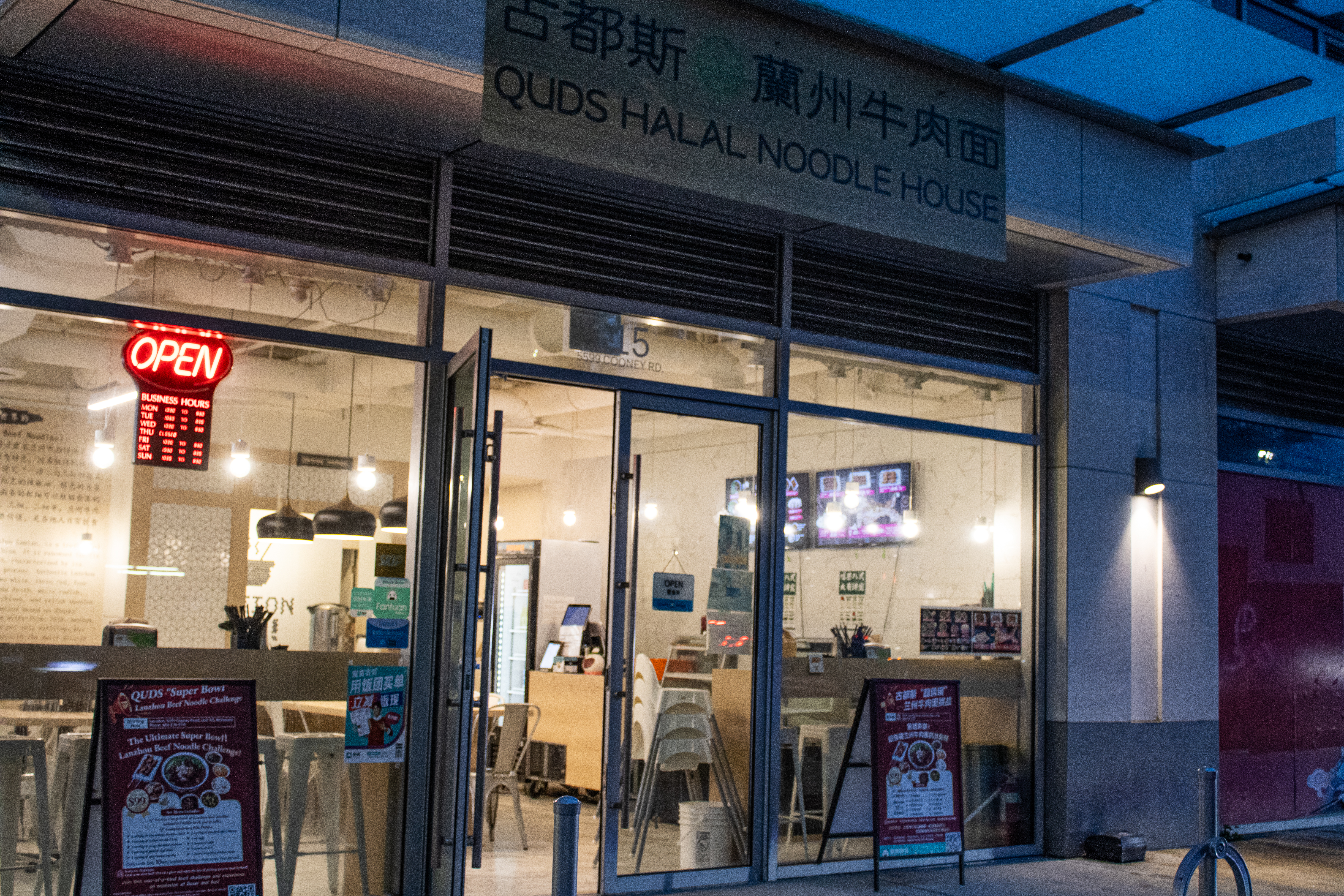
Quds Halal Noodle House

#115-5599 Cooney Road, Richmond

Monday-Wednesday 10:30 a.m.8:30 p.m., FridaySunday 10:30 a.m.8:30 p.m., Thursday Closed

Nearby Transit Connections: 405, 407,416, 430 bus routes; 7-minute walk from Lansdowne Station

This East Asian restaurant, situated in the heart of Richmond, is a cozy place to explore halal cuisine from the Lanzhou region of northwestern China. The menu is packed with options for noodles and skewers, that are bound to explode your taste buds. Aside from having individual options, the menu features “single sets” and “double sets,” which allow for customers to combine menu options together. The place also offers small sets of green beans and other vegetarian options. My personal favourite menu option is the Lanzhou cold noodles. They are packed to the brim with spices, but also come with perfectly cooked beef, seasoned veggies and a large portion of noodles. If you want a unique spin to halal food, Quds is definitely a place for you!


A preview of Oscar, the flamenco dancer’s life story

0
PHOTO: Courtesy of Michelle Harding

By: Noeka Nimmervoll, Staff Writer

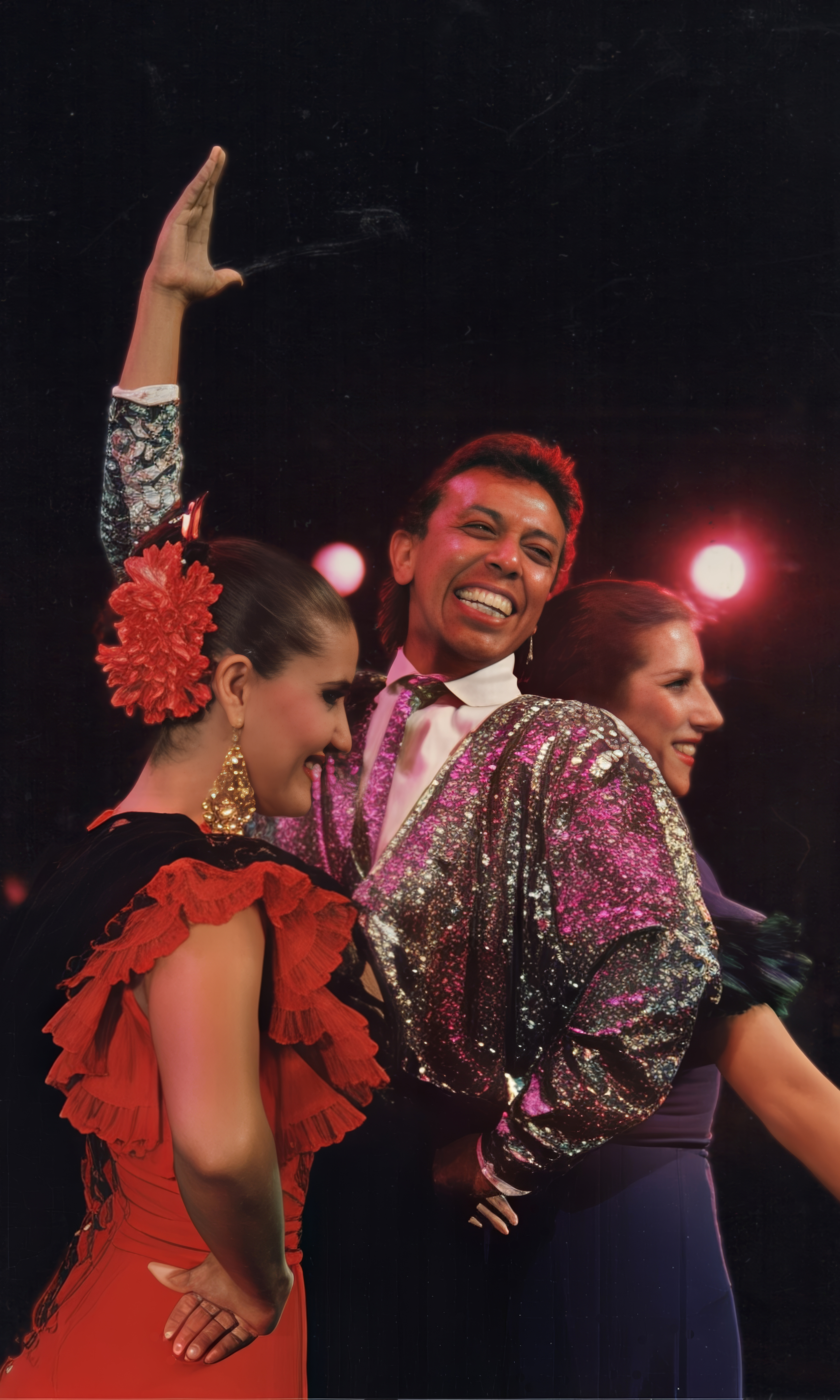
Oscar: Homage to the Rebel Maestro of Flamenco will hit the stage of the Cultch Historic Theatre this fall, from November 6 to 9. This flamenco performance will feature significant works from the life of Oscar Nieto, acclaimed flamenco dancer, teacher, and mentor based in Vancouver. His incredible journey has had a global impact on flamenco, extending past his life in Texas, Los Angeles, Spain, and Vancouver. Flamenco is an art form and lifestyle that combines dance, singing, and guitar. It encompasses “the range of human emotion,” and it is “an endless journey of learning,” shared Lia Grainger, dancer and co-producer of Oscar. The Peak spoke to Grainger and Michelle Harding, co-producers, to learn more. The Peak also spoke to Oscar Nieto himself, the subject, creative director, and choreographer of the production.

Grainger approached Harding with the concept of a show honouring Nieto, who was a mentor to both of them. “We thought it would be a fitting time to do something while Oscar can help us and when we can have access to his archival material — and his brain,” quipped Harding. The cast is composed of five acclaimed dancers and five musicians who will share the stage in presenting Nieto’s work — nine of whom have worked with Nieto closely in the past. 

Nieto has had the journey of an outsider who later became the center of the flamenco scene in Vancouver. As a Mexican, gay, male dancer born in Texas in the ‘50s, Nieto faced prejudice and discrimination for many facets of his identity. Since he was five, Nieto was closeted. He faced racism as a Mexican in Texas, despite being born American. “Then there was a discrimination of being a dancer. What’s a guy doing dancing flamenco?” asked Nieto. Even though Nieto built a lively flamenco community and family in Vancouver, it was not easy for a Mexican person to dance in this style. Harding explained that, traditionally in flamenco, “if you don’t come from Spain, if you don’t come from a lineage of flamenco people, then you’re always going to be an outsider.” The show highlights his struggles and remarkable resilience in continuing to do what he loves despite facing significant prejudice. 

In 2019, Nieto’s life changed yet again. He was diagnosed with Parkinson’s disease, a neurodegenerative disorder that greatly affects his ability to take care of himself and to dance flamenco. “Dance movements, turns, remembering choreographies, teaching choreographies, teaching new ideas that I have in my head, [my] body doesn’t respond the way it used to,” reflected Nieto. Still, he finds inspiration through his dance community and the work of the show.

The show will be a multimedia archive of Nieto’s life. Grainger shared that the show will feature “archival videos of him from the ‘60s until now, some of him dancing, but mostly of him talking and other people talking about him.” Additionally, there will be ten of Nieto’s original choreographies from his career, which are “interwoven with the stories of his life path.” 

Grainger also shared how special this production is. The cast of dancers and musicians join Nieto from across the country to “honour this guy who really changed the art form in the country,” shared Grainger. She promises that you won’t be bored watching the production.

It’s more than a dance show. It’s like a theatrical story filled with all of these really incredible images and films and texts and stories. — Lia Grainger, dancer and co-producer

Watch Oscar: Homage to the Rebel Maestro of Flamenco at the Cultch from November 6 to 9.

Witnessing from afar: Reflections on Farming the Revolution

0
PHOTO: Randeep Maddoke / Wikimedia Commons

By:  Ashima Shukla, Staff Writer 

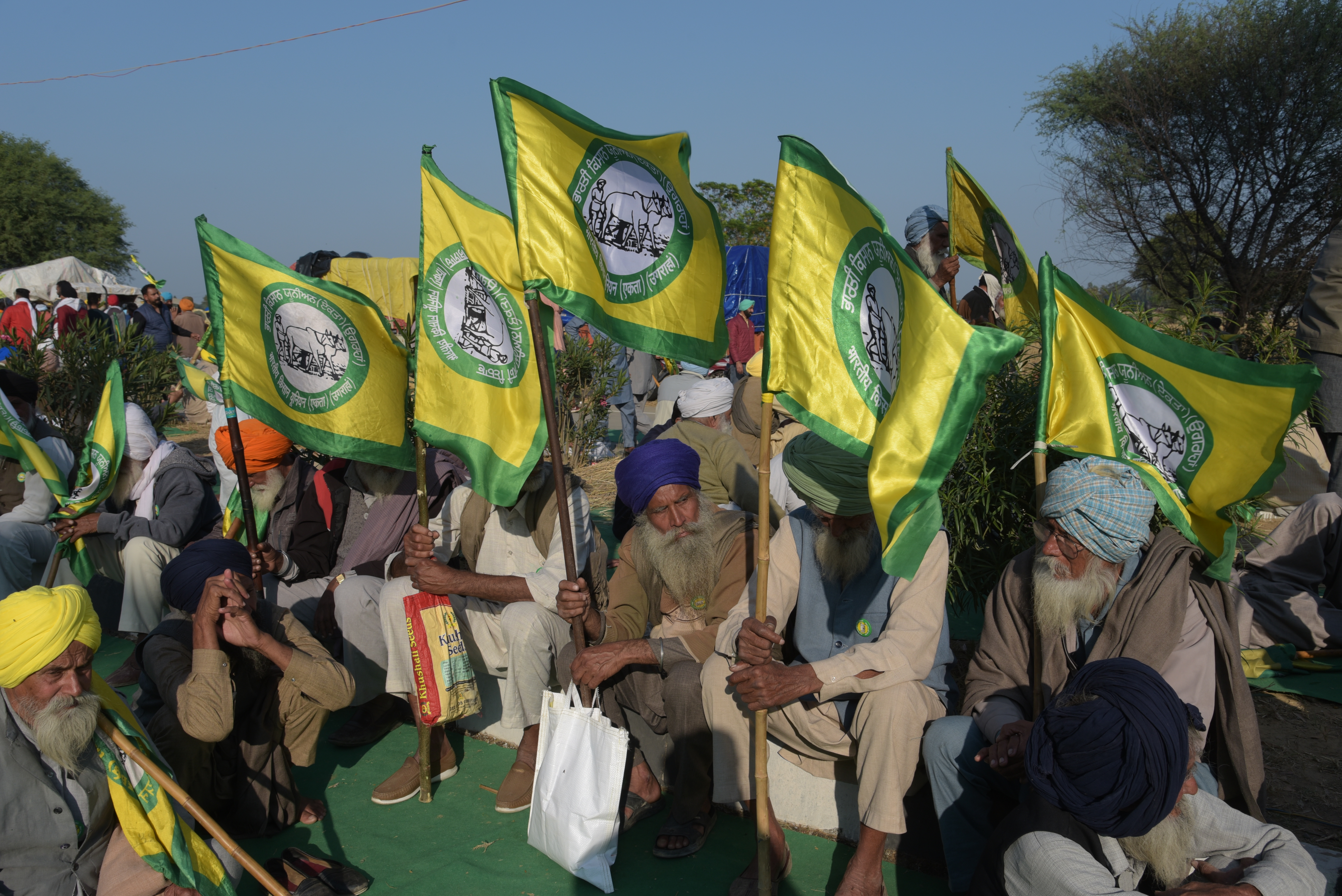
My eyes filled with tears as I watched Farming the Revolution at the SFU Surrey campus. In part, due to the power of ordinary people organizing against oppression. But also because of the surreal experience of watching this documentary so far from home — on stolen lands — as I reconnected with my homeland in collective gasps, giggles, and tears. 

Directed by the acclaimed Nishtha Jain, the documentary screening and Q&A were co-hosted by the Hari Sharma Foundation, South Asian Network for Secularism and Democracy (SANSAD), and SFU’s Institute for the Humanities. Gathering fragments of the world’s largest protest movement in modern history, it follows the Punjab Bhartiya Kisan Union (BKU), the leading collective that has been organizing for farmer struggles since 1987. As the camera lingers on close-ups of sunburnt faces, the viewers are invited to unlearn, where the oppressed emerge not as victims of circumstance, but as stewards of their liberation. 

Before the lights dimmed, Dr. Samir Gandesha, Director of SFU’s Institute for the Humanities, framed the screening as part of a larger discourse on dispossession — from land acknowledgement of our occupation of Coast-Salish lands to the genocide in Palestine to the farmlands of Punjab and Haryana. A reminder that the story unfolding on the screen was not isolated from the global matrix of capital accumulation.

As the title sequence rolled, we were drawn into that dialectic: the margins organizing against oppression, the subaltern writing history with their lives. 

Distilling over 600 hours of footage into a cohesive narrative, Jain offers us an opportunity to partake in witnessing. Her work brings out the everyday textures of organizing: meals cooked in make-shift kitchens by the roadside, voices coming together to sing poems of solidarity, the ways people cared for each other in freezing cold nights of camping by highways. 

Watching it, I found myself returning to Paulo Freire’s Pedagogy of the Oppressed. Freire writes that the oppressed must become “beings for themselves,” discovering their agency through transforming the systems of oppression. The farmers, long dismissed as passive subjects of state policy, appear in Jain’s film as intellectuals of the land, engaged in continuous critical reflection. We witness the farmers’ sophisticated grasp of political economy, laughing at the irony of working at Ambani’s Reliance malls while he profits from agricultural liberalization that is eroding agrarian sovereignty across the Global South. We witness how these insights lead the union to organize — with committees for cooking and tracking resources, with cultural forms like poetry and Punjabi language newspapers fighting against state hegemony. 

Yet the film does not fully capture the mechanics of this extraordinary movement. We see meals and newspapers being distributed, but the how remains largely invisible. For example, who decided what stories to include in the paper? How were they printed and distributed? How did flour and tea rations make their way across hundreds of kilometres to feed the protesting farmers? These questions are the lifeblood of a revolution. And the documentary, for all its intimacy, leaves them unanswered. Instead, as it progresses, it falls into the trap of repetition, allowing stirring poems to carry the emotional weight of the movement without revealing the real labour that sustained the protests over 13 months. 

Farming the Revolution leaves us with a vision. That the subaltern rise not as a momentary eruption but as part of a slow but persistent reweaving of social and political fabrics. That resistance, though imperfectly archived, endures anyway. That in every small act of solidarity, a seed of possibility waits for the right conditions, for the next hands to tend to it. 

Autopsy Report: Your basic white dad

0
A ghost sharing a cup of java with a mortician. The ghost is not ominous, but is instead friendly.
ILLUSTRATION: Yan Ting Leung / The Peak

By: Noeka Nimmervoll, Staff Coroner 

The following is a transcription of a voice recording from a mortician’s autopsy. 

Testing, testing. OK, time is 8:14 a.m. on Saturday, October 14, 2017. Name of deceased: Doug Graves. Location of death — uhh — the daughter, Abigail, said she realized something was wrong after her dad hadn’t left the bathroom for 9 hours. How did she not realize before? Well, anyway. Location: Their home at . . . let me see . . .  401 Fortuna Road. It was Friday the 13th on the day he died. Eerie, isn’t it? OK, and let me poke in his throat — AAHHHHHHHHH WHAT THE HELL??? A GHOST???

Hey, buddy. I am the spirit of the middle-aged white man. I have haunted this body for many years now — since Doug’s forty-sixth birthday, when he made his first dad joke that he genuinely thought was funny. I was waiting for a moment to exit this mortal form since it was getting stinky. Thank you for your service. 

I-I didn’t do anything — please don’t take over my soul! I respect the spirits, I work with the dead all the time, I can’t have a spirit possessing me — I’ve got business to attend to, I-I’ve got so much to live for —

Fear not, coroner. I see your hands. They are too soft and delicate to make big booming claps for when the movie you are watching ends or when your plane lands. Your face is too naturally friendly. You have smile lines down your round, warm cheeks. I need a host who can make the white person half-grimace-and-awkward-nod at strangers on the street. I will find another host. I am sure I will find an excellent specimen somewhere around here in the suburbs. 

Hey . . . wait a second, all right? Just ‘cause I’ve got a friendly face doesn’t mean I can’t do the white guy nod. I’ve perfected it over the years — look at this. 

Hmm. That is pretty good. My apologies. Ah, I am parched. I shall drink some good vibes from this “world’s best dad” cup. 

That’s OK. It’s a common misconception that people with an RBF can’t do it. But we can. I’m just curious, though, don’t you get bored haunting middle-aged white guys? Like, what’s in it for you? 

Ah, you wonder about my type. I see something in them you may not appreciate. I love how they cook. I don’t eat, as I am a spirit, but I love the aroma of underseasoned chicken and mac n’ cheese out of a box in the house. It’s my favourite thing. I’m riveted just thinking about it. 

Alright, well, OK, sure. Hey, I don’t want to kick you out, but I’ve got a bunch of work to do, and this guy isn’t getting any deader.

No problem, I’ll get out of your hair. I’ve got lots of prospects at the golf course that I want to take a look at later. For now, I might go to the local craft beer festival down by the water to see if I’ve got any good matches. Well then . . . see you later, alligator. Thanks for the poke. 

Yeah, nice to meet you, have a good one. Bye now. 

Alrighty, let me take a good look here. Ah — here we go. Cause of death: murder of crows. Seems the crows dropped a peanut over his car, and it landed right in his peppermint tea. He was damn allergic. Suffocated from anaphylaxis while drinking the tea later, while in the bathtub. Unlucky S.O.B..

SCARY STORIES: Vampire spotted at the Bennett Library

0
A man wearing all black grins at the camera. He is sitting next to a pile of books at the library.
PHOTO: Elliott Marquis / The Peak

By: Gurnoor Jhajj, SFU Student and Mason Mattu, Humour Editor

It all went down before a history midterm, on the sixth floor of the library. I was going over my notes, double-fisting two coffees and an energy drink, when I felt a cold gust of wind . . . sending shivers down my spine.

I looked around for the source of the gust, given the window in front of me was closed. As I went back to my work, I saw someone move from the corner of my eye. When I looked up, I saw him. A tall, pale figure wearing what looked like a blood-stained SFU hoodie gliding between the aisles of encyclopedias. When I blinked . . .  poof, he was gone. Nobody else seemed to notice. Everybody was just so focused on their work, hunched over their laptops, as if a snarky reminder for me to un-fix my posture (got to fit in!). 

I didn’t get a good look, but maybe he was hot. Perhaps it was Edward Cullen himself! Yes, that’s probably it. I had literally nothing better to do than find out (I’m not pathetic, I swear!!!!). Determined, I slowly rose from my seat and walked towards the bookshelves. Each step felt heavy. Maybe it was the caffeine or the fact I was obsessed with a certain cold and charming vampire, but I swear I saw someone. As I tiptoed, I almost tripped over a student retrieving books from the last shelf. I muttered an apology and walked straight ahead. Edward was definitely somewhere here. 

Then I made eye contact with the librarians. Two of them sat at the reference desk, eyeing me like hawks. “Looking for anything specific?” one asked, raising an eyebrow.

“Uh, I’m looking for love with a blood-drinking, pleasure-enticing vampire,” I said, my eyes still darting around for him. “Try the self-help section. Or the ‘students who waste my time with fairytale garbage’ section. Over there,” she said with a slight scowl. “If you need more help, ask a friend. This isn’t my job.”

I nodded quietly, knowing I had no friends, and mumbled a thank-you before continuing to circle the shelves. I walked past Shakespeare, Poe, and Austen, thinking about Edward, or something vampire-like, gliding down the aisles and into my heart. I just wanted him to sweep me off my feet . . . or nibble at my jugular. Is that too much for a girl to ask?

Suddenly, I heard a faint whisper. A strong smell of garlic bread filled my senses. I think vampires like garlic? Or don’t they? Girl, I didn’t even pass tenth-grade biology . . . Was he here? Was this it? Finally, I turned the corner, expecting to catch Edward. I stumbled into him. Or rather, it . . . A cardboard cutout of a first-year student proudly posing with SFU president Joy Johnson on Welcome Day. I blinked, embarrassed and emotionally torn. First, Joy took away the pianos I used to play romantic music for myself on, and now she’s taken away my love????????? The gust, the smell, the shadow — all just a cardboard cutout. It’s like she’s playing MIND GAMES on me. Huh, great! (I’m never living this down).

So, is there a vampire at SFU? Yes. Definitely. 1000%, girlfriend. It is my most esteemed opinion that Edward Cullen wanted me to find the cardboard cut-out instead of him that day. Why else would there be a tangy garlic smell in the air? Eddie knows that dating a mortal like me would result in so much backlash from his family. We’re forbidden lovers. I’ll catch my new boyfriend next time!


BEEDIE BRO: Ghosts, goblins, ghouls, and great investment opportunities

0
A student wearing business attire sitting next to a Beedie School of Business sign, contemplating.
PHOTO: Audrey Safikhani / The Peak

By: Lucaiah Smith-Miodownik, Entrepreneur 

Yes, I still go trick-or-treating, just not for the candy. 

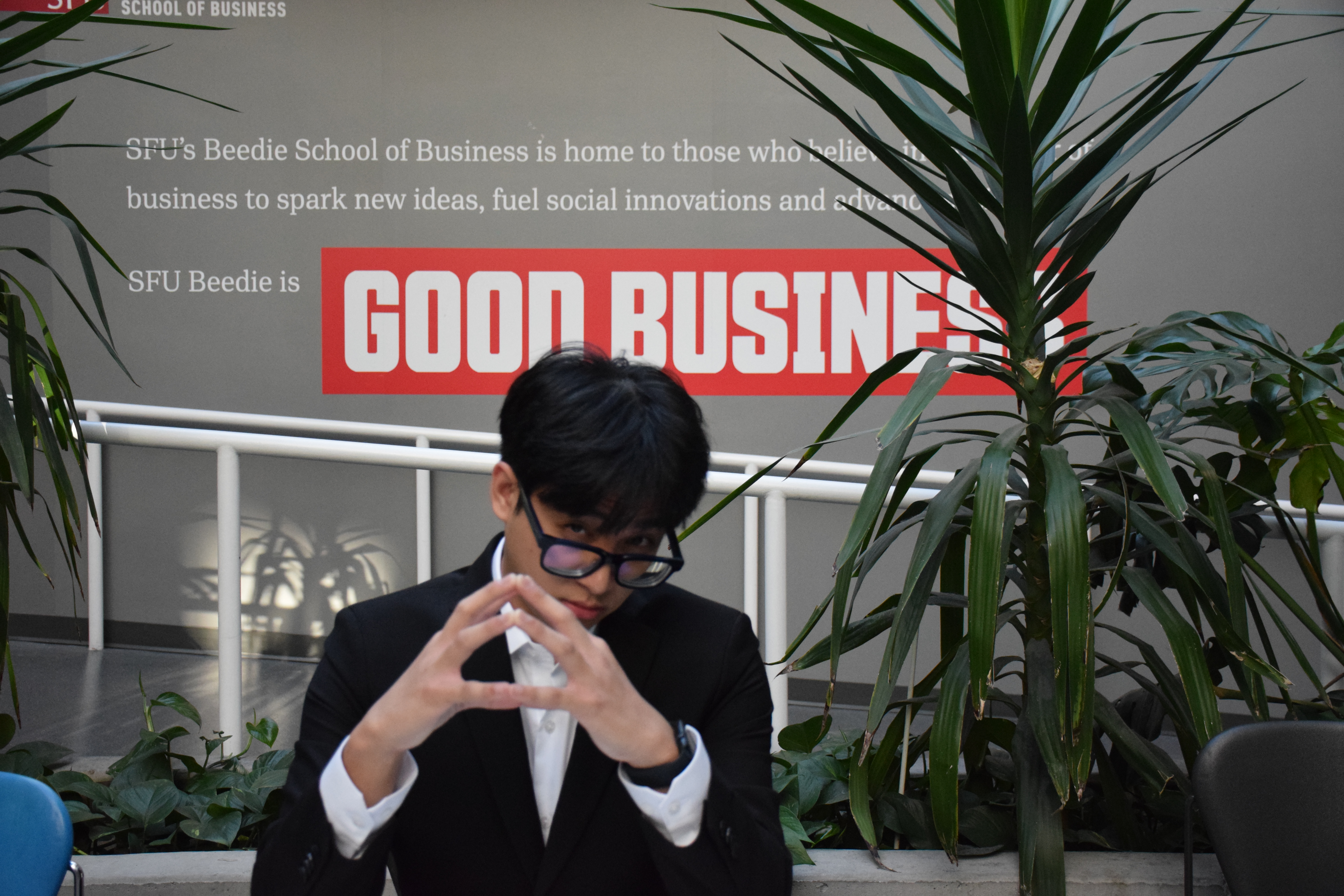
What a lot of people without the Beedie mindset don’t realize is that Halloween is the perfect networking opportunity. See, while everyone else is going door to door picking up sweet treats and playing make-believe, I’m out there hustling and grinding.

For anyone else looking to make some money moves this All Hallows’ Eve, read on to see my foolproof plan.*

You’re familiar with the show Shark Tank, right? Think about trick-or-treating as a similar sort of investment opportunity. See, Halloween is the one night of the year when you know people will be at home, answering their door. Why not take advantage? Every October 31, I put on my “costume” (fanciest suit), head to the richest neighbourhood I can find, and start knocking. Consider it like Trickle-Down Treatonomics. 

Here are a couple of my most successful product pitches from the past few years going door-to-door. 

The Tishirt

Ever have that sudden urge to sneeze, only there’s not a single tissue in sight? Well, picture this: a discreet pocket sewn onto the inside of your shirt, specially designed to hold your napkins, serviettes, handkerchiefs, etc. The moment your nose tingles, you just reach in and pull one out . . . and voilà! Your friends will see and will be begging to know how you just sneezed so chill and nonchalantly. Snot’s snot a problem with The Tishirt.™

This one was a huge hit. And by that, I mean one kind investor gave me $11 to leave their property and never come back. Turns out the live snot demo wasn’t as appreciated as I’d hoped. C’mon, that’s just good marketing! Plus, that $11 paid for three more boxes of tissues (I’m using that premium good stuff). 

The Pet Translator

Have you ever wished you could know what your dog, cat, bird, or fish was saying? Same. That is, until I invented The Pet Translator. Basically, this machine uses state-of-the-art technology and groundbreaking artificial intelligence to translate whatever your pet has to say into your preferred language. As it turns out, my pet worm has a lot more going on in his life than I realized. His mortgage is due, and group wiggling and squirming is postponed for the third time this week.

This one also drew lots of investors. While a few did decide to point out that my invention resembled nothing but a paper towel tube wrapped in pipe cleaners with a spork taped on one end, that’s simply the price you have to pay when you’re single-handedly pushing scientific progress forward. In total, I made $4 and a half-eaten KitKat bar in exchange for -2% equity in my company. (I was banned from the neighbourhood for breaking into a house to speak with a pet lizard, and the authorities confiscated my invention prototype.)

The Alphabike

Whoever said we don’t need to reinvent the wheel clearly didn’t have a passion for innovation. Picture this: A bike that types when pedalled. Simply complete a one-wheel rotation for the letter A, two for B, and so on. Now you can enjoy a nice afternoon ride and knock out your emails, all at the same time. With a miniature computer attached to the handlebars, you can see what you’re writing in real time. When traffic gets busy, the technology will automatically power off, allowing you to focus on the road. (Seriously, please don’t get in an accident; I can’t afford any more lawsuits.) For emojis, simply pedal backwards.

To be honest, I’m still working on tapping into the right consumer base for this one. Apparently, for many people, the whole point of a bike ride is to leave the emails at home and relax? Let me be clear, emails are not the only function of the alphabike. We’re actually working on a new design rollout that lets you scroll, online gamble, and more. Once I corner the market on the iPhone gaming cyclist enthusiast hybrids, this thing is going to be doing numbers, so I suggest buying in now while you still can.

For anyone out there tired of simply hauling candy in a pillowcase, try looking for investments this Halloween. Trust me, you probably won’t regret it.

*Results may vary.

SFU considers leaving the NCAA

0
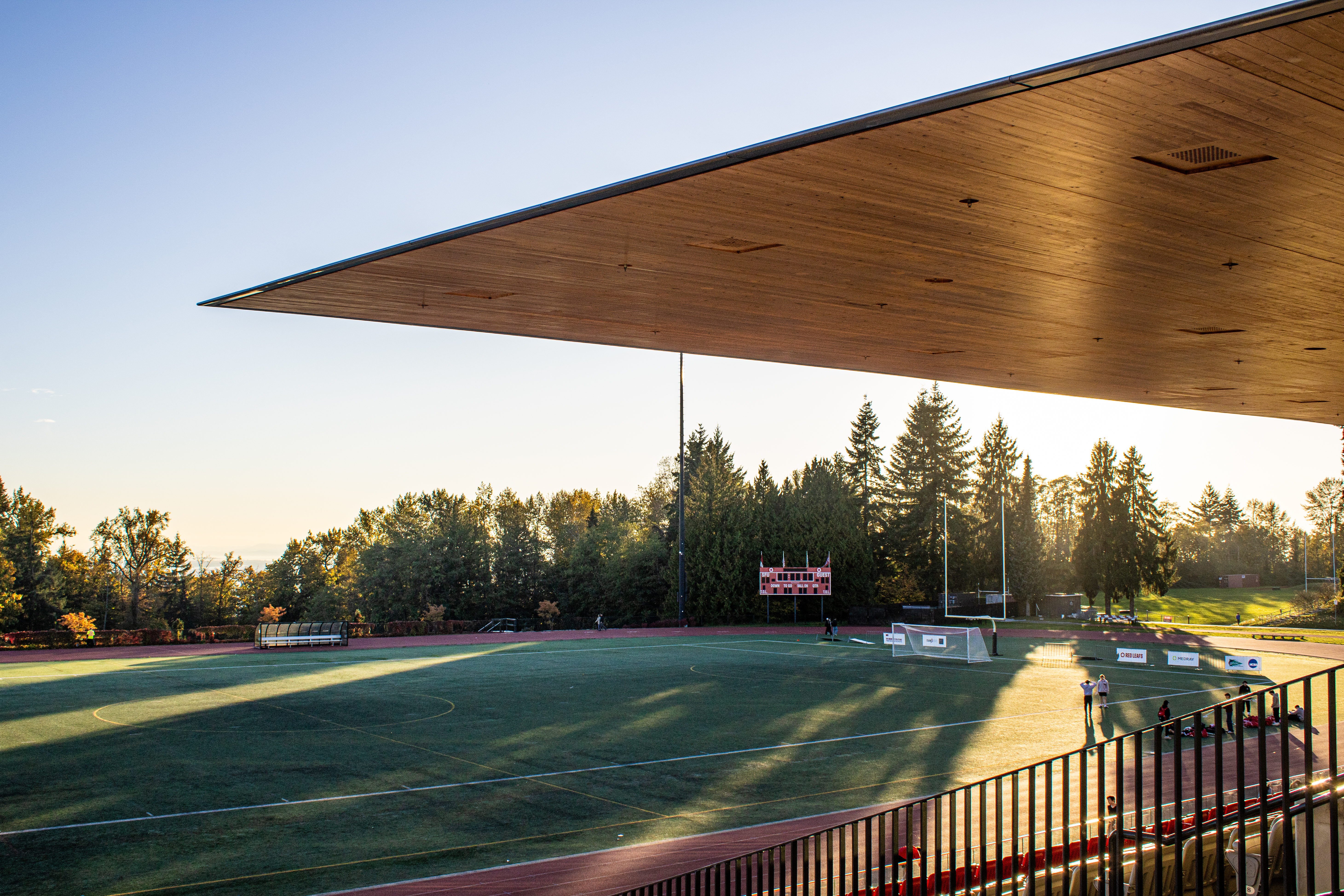
The SFU track and a corner of the stadium are pictured on a sunny day. A couple of people are walking around the track and standing on the field, and many trees fill the background.
PHOTO: Ali Imran / The Peak

By: Lucaiah Smith-Miodownik, News Writer

Today, SFU stands as the only non-American institution in the National Collegiate Athletic Association (NCAA), while most Canadian schools compete in U Sports, the country’s national sports governing body. Soon, however, that could change.

On September 17, the university announced it had commissioned a report “on the impacts of joining U Sports and/or other Canadian competitive frameworks.” Bob Copeland, senior vice-president of McLaren Global Sport Solutions Inc., was selected to conduct the review. Copeland, who previously investigated potential paths forward for SFU’s late football team, will provide an analysis in mid-November.

The Peak reached out to SFU for more information, but was unable to schedule an interview. “This is a complex situation,” the school wrote in a press release. “The SFU executive will make their decision aligned with SFU values and based on what is best for the university. They will consider many factors, including the independent consultant’s report, non-sport-related impacts of competing in the US, feedback from student-athletes, and financial implications, among others.” The Peak also contacted provost and vice-president academic Dilson Rassier, the spokesperson for the media release, but did not hear back by the publication deadline.

Jordan Thorsen, president of SFU’s Student-Athlete Advisory Committee (SAAC), corresponded with The Peak for more information. SAAC “bridges the gap between administrative personnel and the student-athlete body at SFU.”

“Student-athletes have been given the opportunity to share their thoughts with the independent consultant via survey. The executive committee of the SAAC has met with the consultant to voice our opinions as well,” Thorsen explained. 

However, “there has not been any direct engagement by the university administration with student-athletes on this issue. Neither the president nor vice-president academic have invited SAAC to any discussions prior to the hiring of the consultant,” he said.

“Our poll of student-athletes has shown a unanimous desire to remain an NCAA affiliate. As such, the SAAC believes that SFU should remain in the NCAA,” Thorsen wrote. “We understand that the consultant is being tasked to assess the issue holistically, but if the university was serious about understanding the student’s position, surely, they should have spoken to us directly.”

Should the university elect to leave the NCAA, current opportunities for SFU varsity student-athletes may become limited. “Canadian collegiate athletic frameworks do not support many of our current programs, such as softball, golf, certain styles of wrestling, and nearly 60% of our NCAA-sanctioned track events,” Thorsen said. “SFU is able to field competitive sports programs largely because of the appeal of the NCAA framework. Take this away, and our potential to recruit high-level athletes is reduced immensely.”

Regarding why SFU may leave the NCAA, ​​“as we understand, the biggest reason for considering a switch is sustainability,” Thorsen explained. “The main point of friction in terms of sustainability seems to be the uncertainty attached to the cost of currency exchange rates associated with operating an athletic program in the US,” he added.

“Athletics isn’t the only department or faculty that has or does business down south. The entire university, since its inception in 1965, has and continues to travel and do business, research, and engage with others throughout the world,” said Thorsen. “The uncertainty of currency rates have always been a part of the vice-president finance’s operations and budgets.”

As reported by The Province, “According to SFU sources, there are concerns there about things like rules being brought into the NCAA to limit the participation of transgender athletes.” In February, the NCAA announced a new policy in line with the Trump administration’s executive order, which allows only athletes assigned female at birth to compete in women’s sports. In March, SFU Queer Collective created a petition and sent a letter to the university to reconsider its NCAA membership in response to this policy. President Joy Johnson responded, “The changes to NCAA policy are in conflict with our values at SFU, and we are concerned about the impact on student-athletes and our broader community, as well as possible conflicts with BC and Canadian legislation.” 

“We want to be part of the world’s most pre-eminent collegiate sports program. We also want to get a globally recognized, Canadian education. SFU is the only university in the world that can offer such an experience.”

— Jordan Thorsen, SFU Student-Athlete Advisory Committee president

“We choose the NCAA. We hope the university does too.”