

By: Devana Petrovic, Staff Writer
CJSF

CJSF is a radio station which broadcasts from SFU’s Burnaby campus. The community station is a non-commercial broadcasting programme and is run by staff and volunteers from the SFU community. Their program includes a daily combination of music, spoken word and poetry, news stories, and podcasts. From hip-hop and classic jazz to political discussions and international news, CJSF has a broad range of content. CJSF is always accepting new volunteers who have an interest in non-commercial media. Possible positions include coming on as a programmer, department assistant, interviewer, reviewer, or a member of one of their spoken word collectives. More information on how to get involved and details on when they hold orientations is available on their website.
Canadian Undergraduate Journal of Cognitive Science (CUJCS)
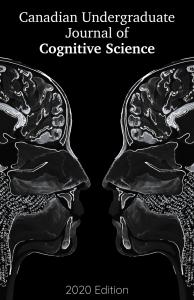
The Cognitive Science Student Society (CS3) at SFU — which includes students who are in fields of computing science, linguistics, philosophy, and psychology — has an electronic and print journal. CS3 offers students the opportunity to share their work with peers in their field, as well as gain experience in getting an academic paper published. Any undergraduate students who are interested in submitting content or would like to get involved in any way can do so through their contact page or can sign up to be on their mailing list.
SFU International Studies Student Association
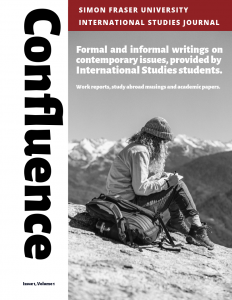
The SFU International Studies Student Association also has a journal, Confluence, for which they are currently accepting artwork submissions for their next edition. Confluence generally publishes academic essays, literature reviews, travelogues, and write-ups on volunteer experiences or co-ops related to their issue’s theme. They are looking for high-resolution photographs and graphic art in JPEG format matching the theme “The Death of Democracy.” Anyone interested in submitting their artwork can contact them or send their pieces to [email protected], with a brief explanation of what the submitted art piece represents.
The Lyre
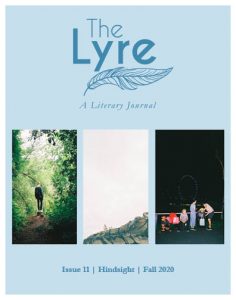
The Lyre Magazine is a literary magazine started by the World Literature Student Union. They accept submissions by SFU student writers and artists, as well as work from non-SFU writers. Some of the content published by The Lyre includes “short stories, essays, travelogues, translations, poetry, short-form graphic novels, plays and monologues, and other written genres, as well as photography and visual artwork.” To submit work, find further information, or read past editions, check out their website. The Lyre’s 2020 submission period has closed, but to stay updated on when they reopen submissions, follow them on Instagram.
The SFU Educational Review Journal
The SFU Educational Review Journal is a student journal at SFU, run by graduate students in the field of education and aims to promote discussion and reflection within the academic community. Additionally, the journal aspires to promote inclusivity in education. The journal is fully open access and is part of the Directory of Open Access Journals. To browse past issues, explore news and events, or make a submission, take a look at their website. They can also be contacted through email ([email protected]).
SFU Society of Arts and Social Sciences Newsletter

The SFU Society of Arts and Social Sciences (SASS) has a newsletter that updates students on the organization’s events, opportunities, and upcoming initiatives. Their September newsletter gave readers a recap on the successes of some of the events put on at the start of the semester, like SASS’ Week of Welcome. The newsletter also informs Faculty of Arts and Social Sciences (FASS) students on some possible opportunities to get involved on campus, such as joining student unions. SASS publishes their newsletter every month, and to get involved any FASS students can email their executive ([email protected]) or through their website. Anyone who would like to sign up to receive their monthly newsletter can do so through their website as well.


