
Go back

Album versus Album: Keith Urban

Pitting old-school Keith against new-wave Urban

By: Courtney Miller

Graffiti U (2018)
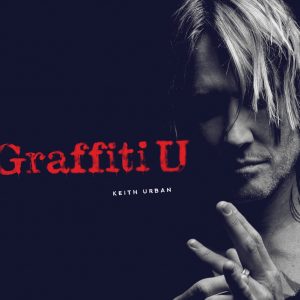
In a word? Boring.

      Honestly, I hoped for better. The album doesn’t open strongly, despite a feature from Julia Michaels; “Coming Home” has too much string-bending from the guitars to be truly pleasurable. The album feels a little lost, like Urban isn’t sure what makes music sound good. “My Wave” is the title of two songs on this album, and I would have cut both. There are brief moments of almost-palatability, but overall, it’s a miss. Don’t even get me started on the problematic lyrics relating to sexual politics in songs like “Female,” “Gemini,” and “Drop Top.”

Golden Road (2002)
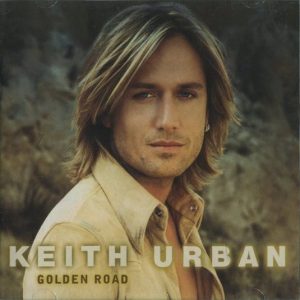
In a word? Bless.

      Maybe it’s just because of the wave of nostalgia, but this album still holds its own. It’s not trying to mix in EDM or club music elements, and it’s not trying so hard to be different only to fall short and fail. No, this album is country pop, and it owns that. It’s basically a collection of bops that doesn’t get tired or monotonous — it’s just a fun time with some slick banjo, soulful bass, and some of Urban’s best guitar riffs.

Verdict

Keith Urban can still handle a guitar like a boss, but he’s lost these days. While some songs on Graffiti U start off sounding promising, they can’t deliver. Reminisce with Golden Road instead so that you don’t hate yourself.


Was this article helpful?
0
0

Leave a Reply

Block title

Burnaby apologizes for historic discrimination against people of Chinese descent

By: Heidi Kwok, Staff Writer On November 15, community members gathered at the Hilton Vancouver Metrotown as the City of Burnaby offered a formal apology for its historic discrimination against people of Chinese descent. This included policies that deprived them of employment and business opportunities. The “goals of these actions was exclusion,” Burnaby mayor Mike Hurley said.  “Today, we shine a light on the historic wrongs and systemic racism perpetuated by Burnaby’s municipal government and elected officials between 1892 and 1947, and commit to ensuring that this dark period of our city’s history is never repeated,” he stated. “I’ll say that again, because it’s important — never repeated.” The earliest recorded Chinese settlers arrived in Nuu-chah-nulth territory (known colonially as Nootka Sound) in 1788 from southern China’s...

Read Next

Block title

Burnaby apologizes for historic discrimination against people of Chinese descent

By: Heidi Kwok, Staff Writer On November 15, community members gathered at the Hilton Vancouver Metrotown as the City of Burnaby offered a formal apology for its historic discrimination against people of Chinese descent. This included policies that deprived them of employment and business opportunities. The “goals of these actions was exclusion,” Burnaby mayor Mike Hurley said.  “Today, we shine a light on the historic wrongs and systemic racism perpetuated by Burnaby’s municipal government and elected officials between 1892 and 1947, and commit to ensuring that this dark period of our city’s history is never repeated,” he stated. “I’ll say that again, because it’s important — never repeated.” The earliest recorded Chinese settlers arrived in Nuu-chah-nulth territory (known colonially as Nootka Sound) in 1788 from southern China’s...

Block title

Burnaby apologizes for historic discrimination against people of Chinese descent

By: Heidi Kwok, Staff Writer On November 15, community members gathered at the Hilton Vancouver Metrotown as the City of Burnaby offered a formal apology for its historic discrimination against people of Chinese descent. This included policies that deprived them of employment and business opportunities. The “goals of these actions was exclusion,” Burnaby mayor Mike Hurley said.  “Today, we shine a light on the historic wrongs and systemic racism perpetuated by Burnaby’s municipal government and elected officials between 1892 and 1947, and commit to ensuring that this dark period of our city’s history is never repeated,” he stated. “I’ll say that again, because it’s important — never repeated.” The earliest recorded Chinese settlers arrived in Nuu-chah-nulth territory (known colonially as Nootka Sound) in 1788 from southern China’s...
