It’s election season for the Simon Fraser Student Society (SFSS)! The Peak has reached out to candidates to ask three questions based on their positions and compiled the results to help you navigate this election period. Voting this year will take place March 17–19 through SFU Mail.
The SFSS is SFU’s student-led society, representing the entire undergraduate population of the university. Headed by 16 Board of Directors, SFSS members are elected every spring by the student body to hold a one-year term. During this term they manage day-to-day society work, manage large-scale finances, execute university-wide campaigns and projects, and advocate for student interests regarding issues such as the U-Pass, student-centric spaces, and food and beverage services. Please note that these answers have not been edited for spelling, grammar, or clarity, nor do they reflect the positions of The Peak Publications Society. Candidates were given a limit of 50 words per answer; responses that went over 50 words have been cut short.
The president leads the Board of Directors. In this position, they are responsible for convening the Board, Board Executive Committee, and Council, meeting with university representatives, communicating on behalf of the Board of Directors, and liaising between Board and Board employees amid other duties. Questions: 1. What are the three main areas that you hope to focus on during your term?
2. What will you do that your predecessor specifically did not do?
3. What leadership experience do you have that enables you to take on this position?
Photo: Chris Ho / The Peak
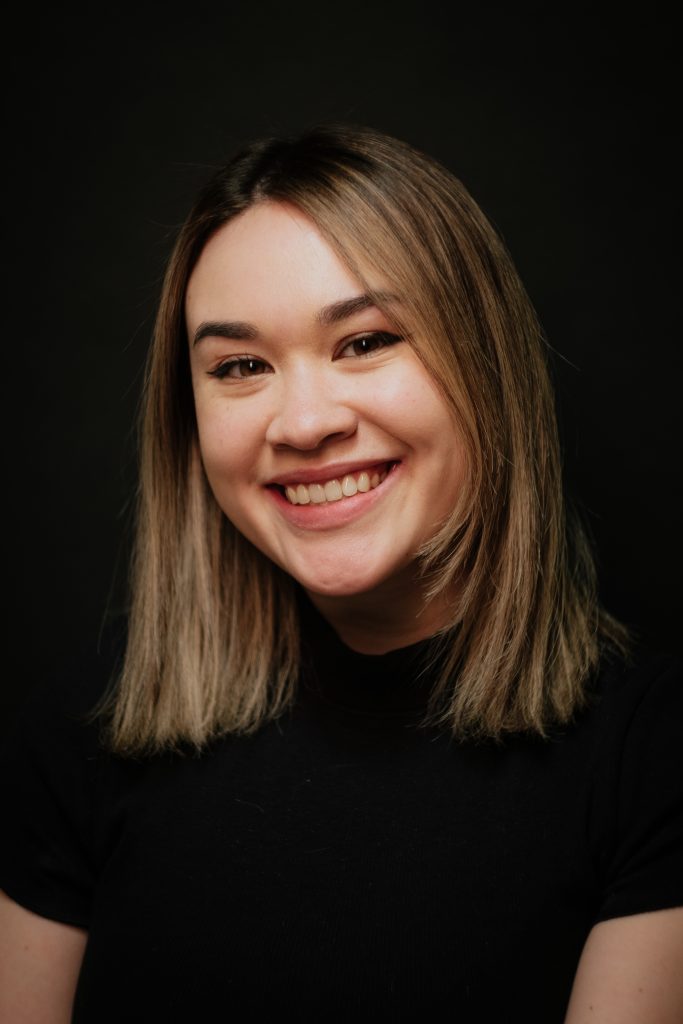
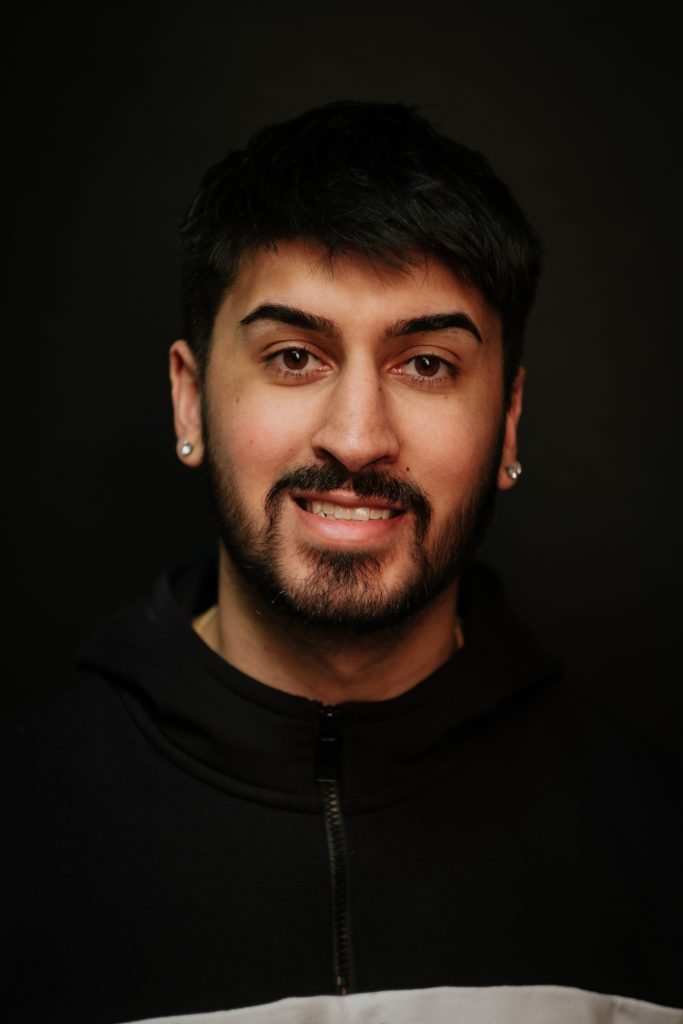
Christina Loutsik
During my term, I will be focusing on:
Affordability by lobbying at both the university and government levels
Service delivery to support the health and wellbeing needs of our members
Supporting sustainability initiatives to work towards a zero waste campus.
This year I will focus on building additional supports and services in the new SUB for the health and wellbeing of the membership such as a “Peer Support Network”. This will complement the services already offered by SFU and support students stuck on waiting lists.
I served two consecutive years on the Board, first as a Faculty of Health Sciences Representative, and second as the Vice President of Student Services. I have a strong understanding of the SFSS and will not have to overcome the steep learning curve that most new Board members face.
Photo: Chris Ho / The Peak
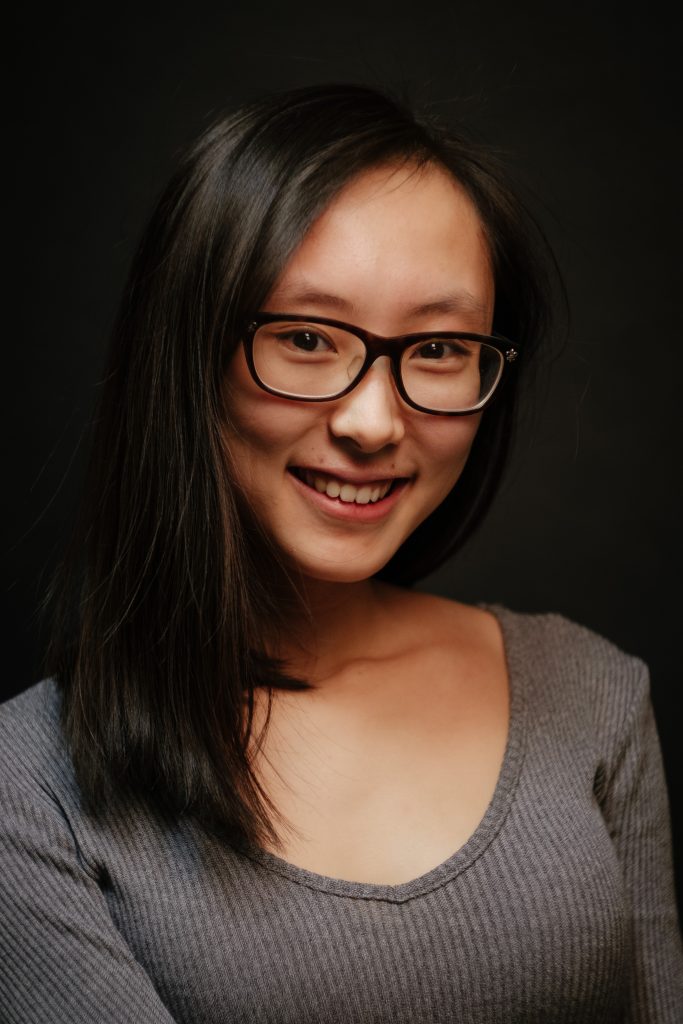
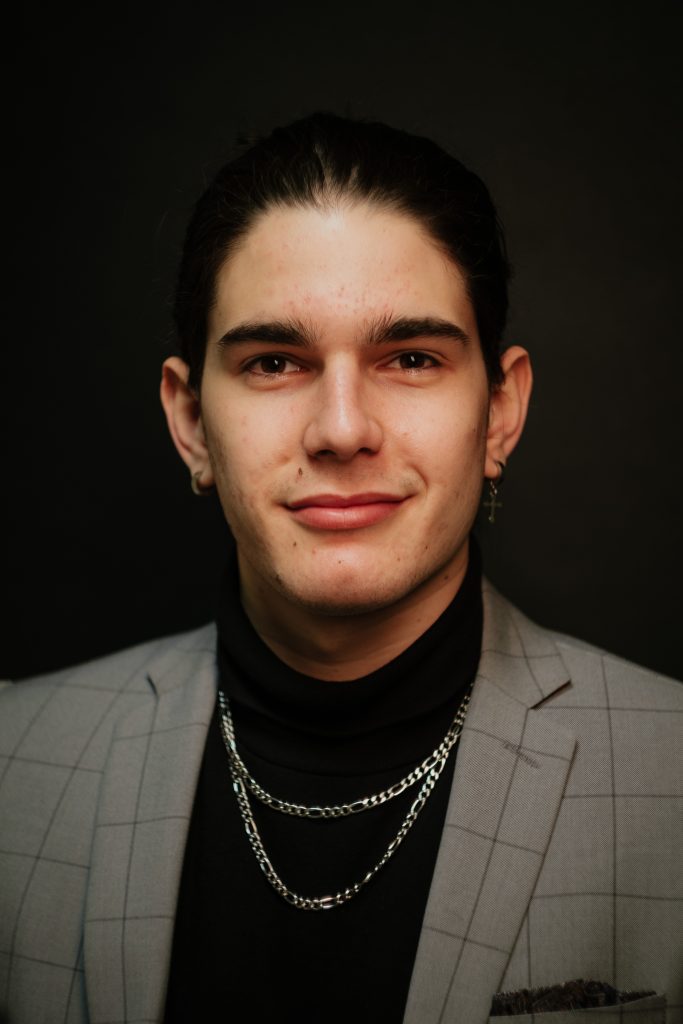
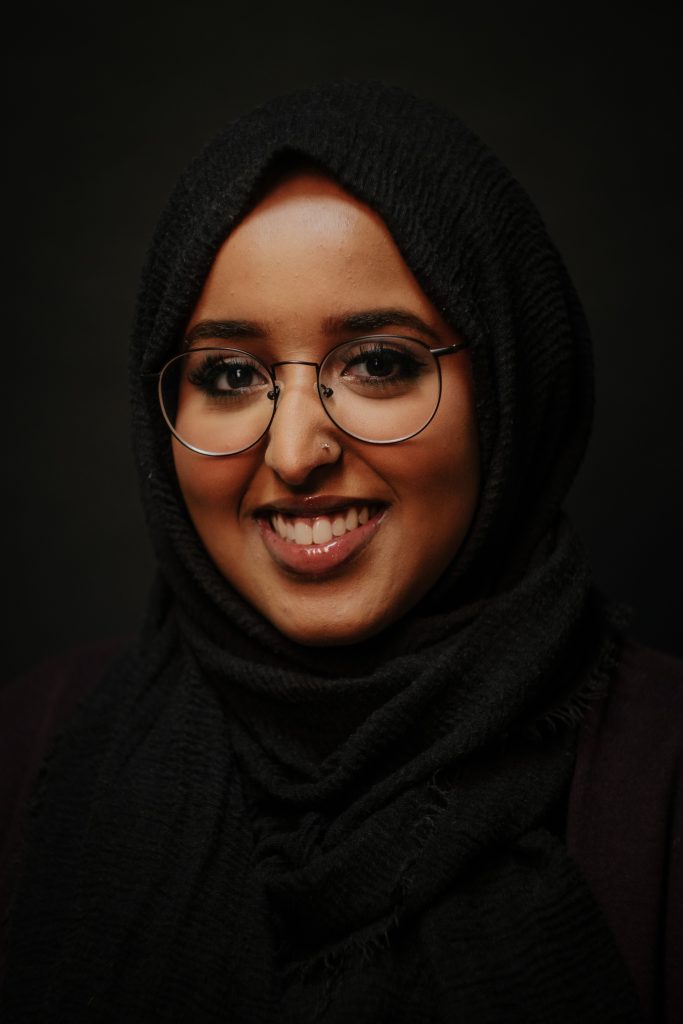
Osob Mohamed 1. I want to focus on building student power through better advocacy, services and resources. I also want to work towards a Society governs in a way that is open and accessible, with a student Council that has real oversight over the Board, and can hold us accountable for our decisions. 2. A board that is disjointed and board members that do not understand their roles cannot work together effectively. Considering the inherently political nature of a student society, I want to foster an environment where directors understand their responsibilities, and what core values uphold a student society, including building student power. 3. I took on a leadership role in various capacities on the Board this year, by bringing forward motions related to improving our voting and minute-taking practices, developing new issues policies, working on the free menstrual products project, and pushing Open Educational Resource (OER) campaigns and initiatives.
Photo: Chris Ho / The Peak
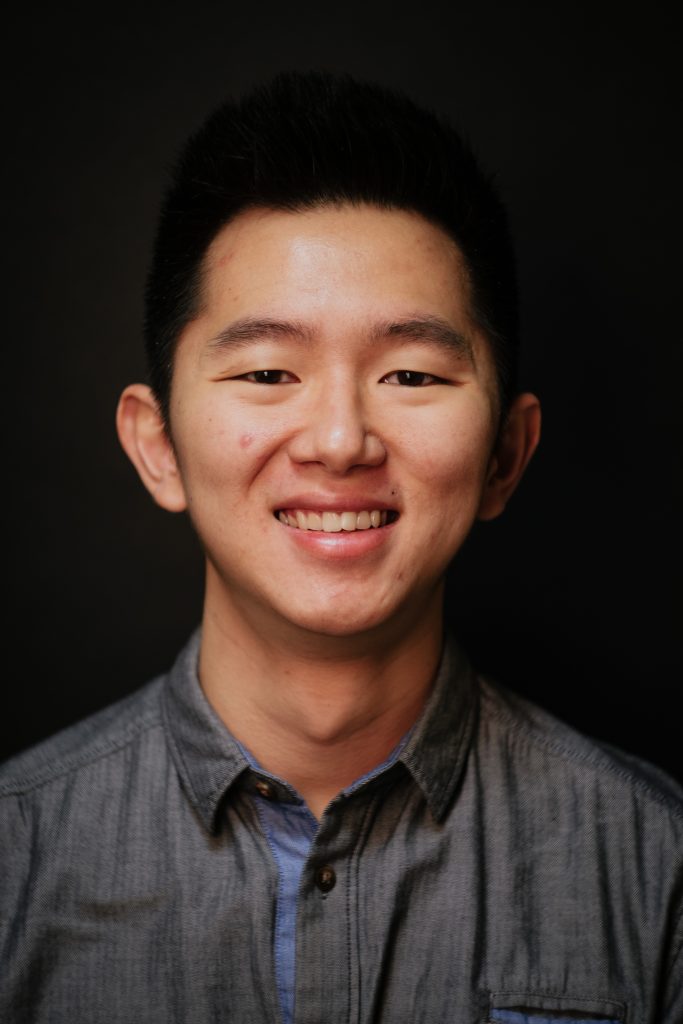
Miguel Resendiz 1. Campus safety
Have a first respondent team on campus to deal with health emergencies.
Worked alongside SFU and campus security on a protocol to ensure that all students are safe when stuck on campus due to inclement weather.
2.
I will push for a cost and sales forecast for major events such as the Fall Kick-Off.
I will push for efficient decision making, and conflict resolution within the board.
I have taken on the following leadership roles:
House Chair (Residence Hall Association)
Vice President Communications (Residence Hall Association)
It’s election season for the Simon Fraser Student Society (SFSS)! The Peak has reached out to candidates to ask three questions based on their positions and compiled the results to help you navigate this election period. Voting this year will take place March 17–19 through SFU Mail.
The SFSS is SFU’s student-led society, representing the entire undergraduate population of the university. Headed by 16 Board of Directors, SFSS members are elected every spring by the student body to hold a one-year term. During this term they manage day-to-day society work, manage large-scale finances, execute university-wide campaigns and projects, and advocate for student interests regarding issues such as the U-Pass, student-centric spaces, and food and beverage services. Please note that these answers have not been edited for spelling, grammar, or clarity, nor do they reflect the positions of The Peak Publications Society. Candidates were given a limit of 50 words per answer; responses that went over 50 words have been cut short.
At-Large Representatives The at-large representative position-holders have flexibility in determining which of the Society’s projects they are interested in and would like to join. They support executive directors, hold events, and launch campaigns. Two students are elected to these positions each year.
“Note: At the time of production, The Peak did not receive answers from at-large representative candidates Faiz Bandeali, Rahul Parmar, Geetanjli Sharma, and Harman Shergill.”
Questions: 1. Why do you want to be a part of the SFSS? 2. What do you think you can contribute with the Board? 3. Which of the SFSS’s initiatives and projects interest you the most and why?
Arnaz Lalani 1. I have always been involved with various initiatives at SFU, which have developed in me an enormous sense of loyalty and commitment. As a 3rd-year SFU student, employee, as well as volunteer, I have observed the many challenges that we face and I firmly believe I can bring positive change. 2. Serving VP Communications for SFU RHA as well as Team Lead at Alumni Calling Campaign with SFU Advancement and Alumni Engagement have developed my communication and leadership skills. As someone with varied experience in effective communication and persuasion, I firmly believe I can be a strong voice for ALL students. 3. The most pressing matters at hand are the increase in tuition fees and the need for scholarships and bursaries. As a Team Lead at SFU Advancement and Alumni Engagement, I have worked towards raising awareness and funds for this cause. My experience with this matter will help make a difference.
Photo: Chris Ho / The Peak
Phum Luckkid 1. As an exec of multiple clubs, all clubs share identical complaints about the SFSS: there aren’t enough bookable rooms, the granting and reimbursement process is archaic, and SFU Catering pizza tastes like cardboard. I want to take action, We’ve been saying this for years yet nobody has fixed these issues. 2. Lawrence Jones, the former SFSS General Office Coordinator told me something that stuck with me forever, “If people have a good idea, why not let them do it?”. Through advocating for more club funding and less restrictive policies regarding events, I wish to bring this spirit back to the SFSS. 3. Although I would like to start my own initiatives (Core funding for clubs) and to support new projects (i.e Peer Support), If elected I would like to rejoin the SFSS University and Academic Affairs committee to continue supporting Open Education Resources (OER) and the Burnaby Mountain Gondola.
Photo: Chris Ho / The Peak
Balqees Jama 1. I want to continue shifting the direction of SFSS to bring it towards prioritizing student advocacy and activism. Our population is diverse – in thoughts, hobbies, cultures, needs – and it is the responsibility of the SFSS to communicate and cater to the needs of different populations on this campus. 2. I will urge SFSS to use equity and intersectionality as a framework for implementing events and services the society provides. I will work with the Board and staff to ensure our student society effectively consults and engages with students by various means outlined in my platform (PDF bit.ly/balqees4atlarge). 3. I wish to make Board town hall semesterly, as VP UR Shina pioneered, continuing the move towards public voting records and overall transparency, as pushed for by Osob. I’m excited about SFSS’ involvement in direct action in support of climate justice; solidarity with Wet’suwet’en and taking stances with human rights.
Harleen Seehra 1. I believe that everything needs consistent improvement over time, and with respect to the SFSS it’s time for more changes. With that being said, this would be a lifetime opportunity for me to help others, along with helping myself learn how to serve our community.
With my past experience in volunteering for multiple non-profit organizations in the Greater Vancouver area, I believe I have the qualities of a leader and someone who is consistently dedicated to the people in my community. I also love helping individuals with achieving their goals in life 🙂
3. One of the projects I’m looking forward to participate in is the upcoming student union building! The new building will bring a sense of togetherness at SFU, and will help create a family-like bond within the undergraduates here!
It’s election season for the Simon Fraser Student Society (SFSS)! The Peak has reached out to candidates to ask three questions based on their positions and compiled the results to help you navigate this election period. Voting this year will take place March 17–19 through SFU Mail.
The SFSS is SFU’s student-led society, representing the entire undergraduate population of the university. Headed by 16 Board of Directors, SFSS members are elected every spring by the student body to hold a one-year term. During this term they manage day-to-day society work, manage large-scale finances, execute university-wide campaigns and projects, and advocate for student interests regarding issues such as the U-Pass, student-centric spaces, and food and beverage services. Please note that these answers have not been edited for spelling, grammar, or clarity, nor do they reflect the positions of The Peak Publications Society. Candidates were given a limit of 50 words per answer; responses that went over 50 words have been cut short.
VP Student Services The vice-president student services works on behalf of the Board on services that affect SFU students. Duties that fall under this position include acting as lead on SFSS services such as the U-Pass, overseeing the SFSS Health and Dental Plan, and supporting and communicating with the departments that provide these services. This position also assumes responsibilities of the president in case of absence. Questions: 1. What is one area in which SFU is lacking in services, and how do you intend to address the issue? 2. What would be your main goal to focus on during your time in this position? 3. Given the recent issues of safety on campus, what would you do to improve these conditions and address students’ concerns?
Prince Cheema
SFU needs to address their current by-laws in regards to mental health support. With egregious wait times and lack of resources, change is required. I will collaborate with existing groups on campus who have taken initiatives and the university to create a set of by-laws to better address this situation.
Student Services is a multi-functional role, but one goal would be to support neglected groups and clubs on campus. SFU is lucky to have diversity in-regards to the groups on campus and my goal would be to further support these groups, and resolve issues which may have been ignored previously.
Safety is a reoccurring issue which needs to be addressed by all parties and by-laws. Currently, the Sexual Violence and Misconduct Policy is not enforced strongly enough to cover all SFU classrooms. I will advocate consent culture by working with students, staff, and admin to make SFU a safer environment.
Photo: Chris Ho / The Peak
Matthew Provost
I think the food bank is a service that is under utilized, and students are being underserved. I plan to work towards setting a goal to help support food security for students. I want to make the food bank a service that works for SFU students who need it.
I want to definitely work towards ensuring that all of our services are based on equity, diversity, and inclusion. I want to work towards making all of our services accessible due to the diverse needs of students. We cannot have a one size fits all approach to our services.
Looking at specific events in the past year I definitely think we need to ensure communication is key. We need to find adequate ways of addressing extreme cases of safety or anything that can be a concern for students as soon as possible.
It’s election season for the Simon Fraser Student Society (SFSS)! The Peak has reached out to candidates to ask three questions based on their positions and compiled the results to help you navigate this election period. Voting this year will take place March 17–19 through SFU Mail.
The SFSS is SFU’s student-led society, representing the entire undergraduate population of the university. Headed by 16 Board of Directors, SFSS members are elected every spring by the student body to hold a one-year term. During this term they manage day-to-day society work, manage large-scale finances, execute university-wide campaigns and projects, and advocate for student interests regarding issues such as the U-Pass, student-centric spaces, and food and beverage services. Please note that these answers have not been edited for spelling, grammar, or clarity, nor do they reflect the positions of The Peak Publications Society. Candidates were given a limit of 50 words per answer; responses that went over 50 words have been cut short.
The vice-president finance is responsible for the budget of the Board of Directors, which includes all money received or disbursed by the Society. Under this role fall the responsibilities of performing day-to-day work such as payroll approval and bi-weekly reports, as well as annual audits, working with the Finance and Audit Committee, and being a signing officer amid other tasks. Questions: 1. How are you qualified to handle the SFSS’s finances? 2. What will you do that your predecessor specifically did not do? 3. If you were elected to this position, what would be your top priority and why?
Joben Bassi 1. Currently, at Simon Fraser University, I am the Vice President of Finance for various clubs and therefore I am aware of how to handle expenses and budget plans. Externally, I have worked as an assistant at an accounting firm which further added to my experiences when dealing with finances.
2. A project I will be working on will be to increase core funding for DSUs and FSUs in all faculties, this will allow for a higher budget when it comes to event planning. Furthermore, I will meet with the DSU presidents to support them in budget planning and marketing.
3. If elected to this position my top priority will be affordability. I will work with the Board of Directors to advocate for tuition freeze and open educational resources. Alongside this, I will push for low-cost events throughout my term to ensure students get the most out of their university experience.
Photo: Chris Ho / The Peak
Corbett Gildersleve 1. I served in 2015 as a board member and know the financial processes of the SFSS quite well, including budgeting, reimbursement, and granting. I have also studied and analyzed over 20 years of SFSS financial audits, know the financial history, and how much money is not being spent. 2. I strongly believe that students should have a say in where their money is being spent. Therefore, I will implement participatory budgeting where students can submit and vote on projects that benefit the student community. 3. My top priority is twofold, shift the SFSS’s priorities through changing where it spends student dollars, and then reviewing and overhauling how we fund things, including student unions and clubs, so that groups can actually access this new funding.
Sahil Nathani 1. I am a 3rd-year Business major concentrating in Accounting and Finance, with a planned minor in Economics. My educational background, combined with my co-op experience in the Finance department of SanMar Canada’s head office, makes me the best candidate to honor all the duties of a VP Finance. 2. I will simply handle the finances better, which includes not to lose $105,995 and to improve the grant system for the clubs and DSUs. I will do what I do best, dealing with numbers. 3. If elected, my top priority will be to dedicate an audit to the 2019 Fall Kickoff deficit of $105,995 to not only hold people accountable but also to plan for bigger yet better 2020 Fall Kickoff. I will redirect finances to the clubs which have been denied in the past.
Lara Radwan
As a business student hoping to concentrate in Finance and Marketing, I have taken it upon myself to get hands-on experience in budget planning on my own business, working in a Cost Analysis Team at Ventanas Windows, and financial intern in Dubai on a marketing project.
I would take it upon myself to be more accessible to students and help them through their financial planning. I want clubs to speak out about the issues that they are facing, I want to project those issues to the board, and help consult them on efficient budgeting strategies.
I would immediately dig deeper into the financial distribution model as it seems to be there are surpluses and deficits in all the wrong places. I will then use that to allocate the money to help increase SFU Clubs and DSU grants and increase core funding.
It’s election season for the Simon Fraser Student Society (SFSS)! The Peak has reached out to candidates to ask three questions based on their positions and compiled the results to help you navigate this election period. Voting this year will take place March 17–19 through SFU Mail.
The SFSS is SFU’s student-led society, representing the entire undergraduate population of the university. Headed by 16 Board of Directors, SFSS members are elected every spring by the student body to hold a one-year term. During this term they manage day-to-day society work, manage large-scale finances, execute university-wide campaigns and projects, and advocate for student interests regarding issues such as the U-Pass, student-centric spaces, and food and beverage services. Please note that these answers have not been edited for spelling, grammar, or clarity, nor do they reflect the positions of The Peak Publications Society. Candidates were given a limit of 50 words per answer; responses that went over 50 words have been cut short.
VP University Relations The vice-president university relations works between the Society and university representatives to maintain the connection between the two groups and keeps the Board informed on relevant University plans or actions.
Questions:
How will you handle circumstances wherein students and the administration have opposing views or interests?
What will you do that your predecessor specifically did not do?
How do you plan to build a strong working relationship with the university administration?
Photo: Chris Ho / The Peak
Gabe Liosis 1. I strongly believe that an institution, in which students are the largest financial stakeholders, should allow students’ interests to prevail. As VP University Relations, I will always put the students’ interests first and work to ensure the University does not continue to rip students off.
2. My predecessor centered student voices in the VPUR portfolio. I will ensure this good work is showcased more so that students know we fight for them. I will work with SFU to implement a Student Affordability plan, push for the Gondola, fight for a transparent budget, and Freeze Tuition.
3. Work with SFU and GSS on the Joint Operations Group to effectively lobby the university. I will use the GSS/SFSS Student Safety group to discuss safety and strengthen students’ concerns. I will work with SFU on the good things, and fight to fix the bad.
Julian Loutsik
As VP University Relations, my interests lie with the undergraduate students – I will always advocate in the best interest of our members. As a Board of directors, we are responsible for making sure our students’ views and interests are protected by ensuring a fair and transparent process. I also intend [over word count.]
The current VP University Relations, has done a great job of working for students. If elected, I will work with the university to develop more strict sustainability policies. Focusing more on sustainability is very important given that we are in a climate emergency, now is the time to make a [over word count.]
With the recent selection of our university’s new President, we have a great opportunity to create a strong transition experience for both SFSS and SFU. This transition has created space for both organizations to evaluate our working relationship, and foster positive change that can be built upon in the future. Rubab Singh 1. My goal would be to ensure that the decisions taken up by the university are student-centered. For mutual resolutions to occur we must maintain a respectful relationship with the authorities. We must explore options that address everyone’s interests and most importantly evaluate these outcomes with student feedback. 2. Advancing the equity, diversity and inclusion initiative taken up by SFU. Ensuring that the SFSS’s board and staff reflect these values through training. Addressing inputs from student groups/clubs and individuals. Partnering with the university in setting up an actual physical/online space dedicated to this initiative making it accessible [over word count.] 3. It requires patience to work with varied interests and concerns. To sustain shared responsibilities, setting up regular meetings with administrative groups on different issues would help track the progress of the initiatives. My experiences have instilled in me cultural sensitivity and international awareness while maintaining my open attitude and humility.
It’s election season for the Simon Fraser Student Society (SFSS)! The Peak has reached out to candidates to ask three questions based on their positions and compiled the results to help you navigate this election period. Voting this year will take place March 17–19 through SFU Mail.
The SFSS is SFU’s student-led society, representing the entire undergraduate population of the university. Headed by 16 Board of Directors, SFSS members are elected every spring by the student body to hold a one-year term. During this term they manage day-to-day society work, manage large-scale finances, execute university-wide campaigns and projects, and advocate for student interests regarding issues such as the U-Pass, student-centric spaces, and food and beverage services.
Please note that these answers have not been edited for spelling, grammar, or clarity, nor do they reflect the positions of The Peak Publications Society. Candidates were given a limit of 50 words per answer; responses that went over 50 words have been cut short.
The vice-president external relations is involved in the university’s relations with other post-secondary institutions. The position is responsible for representing SFU at conferences held by external organizations, as well as keeping the Board informed on relevant actions of these organizations. The VP external also leads the Advocacy Committee, which is involved in advocacy initiatives on behalf of students. Questions: 1. What is your current experience in working with external organizations/societies that enables you to take on this position?
2. What will you do that your predecessor specifically did not do?
3. What initiative or project in this position do you value the most and why?
Samad Raza 1. In the past, as the President of RHA I worked with many external parties on improving the rights and freedoms students have under their tenancy agreement, also represented SFU RHA at PACURH conference to build good relationship with other student residence associations in pacific region. 2. I would like to work on making education affordable. With the recent increase in tuition fees for both domestic and international students, it has become extremely difficult for students to afford good education. I will lobby with government to put 2% cap on international tuition fees and increase funding for [over word count.] 3. I would work on resolving MSP issue for international students, as affordable health care is extremely important. Also, would actively lobby with government to increase educational funding for domestic students and support more open educational resources to make education more affordable.
Simran Uppal 1. Over the past few years, I have worked alongside local Members of Parliament and Members of the Legislative Assembly on various projects to serve for the betterment of BC residents. Additionally, I had the opportunity to support and learn about BCFS advocacy campaigns and formally endorse the Knockout Interest Campaign. 2. A project that I would like to initiate that my predecessor didn’t do is lobby the provincial government on having free therapy for people with anxiety and depression, there is precedent for this as it currently exists in Ontario. I believe there needs to be stronger advocacy for mental health. 3. A project I value the most is international student support and tuition regulation by proposing a provincial cap on annual tuition increases and increasing awareness around the challenges faced by international students. By advocating for this, the quality of education and affordability will be more reasonable for university students.
It’s election season for the Simon Fraser Student Society (SFSS)! The Peak has reached out to candidates to ask three questions based on their positions and compiled the results to help you navigate this election period. Voting this year will take place March 17–19 through SFU Mail.
The SFSS is SFU’s student-led society, representing the entire undergraduate population of the university. Headed by 16 Board of Directors, SFSS members are elected every spring by the student body to hold a one-year term. During this term they manage day-to-day society work, manage large-scale finances, execute university-wide campaigns and projects, and advocate for student interests regarding issues such as the U-Pass, student-centric spaces, and food and beverage services. Please note that these answers have not been edited for spelling, grammar, or clarity, nor do they reflect the positions of The Peak Publications Society. Candidates were given a limit of 50 words per answer; responses that went over 50 words have been cut short.
Faculty Representatives Faculty representatives are the link between the Board and their faculties, including the Departmental Student Unions (DSUs). The specific duties representatives takes on depends on their faculty. Questions: 1. Why do you want to be a part of the SFSS?
2. What is the biggest issue that your faculty needs addressed?
3. What kind of relationship do you have with the DSUs in your department, and how do you plan to develop that relationship?
Applied Sciences Representatives
Photo: Chris Ho / The Peak
Kia Mirsalehi 1. I want to empower student groups on SFU. A giant issue is the lack of written policy regarding clubs and student unions. It’s hard for student groups to run events and promote themselves when their funding dramatically decreases or they’re suddenly given a whole new slew of rules without warning. 2. There are three big issues in Applied Sciences that need to be addressed right now. The first, helping new SEE students transition into their program and build a DSU. The second is getting lab space for Surrey students. Lastly, making sure Burnaby DSUs are protected during the upcoming ASB renovation. 3. As previous Applied Sciences Representative and current Computing Science President, I’ve worked alongside execs from all the DSUs and have attended many of their events. I plan on using my close relationship with the DSUs to help build infrastructure that ensures they remain active even as their executive teams change.
Photo: Chris Ho / The Peak
Harry Preet Singh 1. As a third-year student in Computing Science, I was unaware about the policies and the working of the SFSS. After talking to several students at SFU, I have realised that SFSS hasn’t been transparent and has swayed away from its original motive which is to protect student rights and interests. 2. Applied Science needs to develop relevant technical experience among its students. I personally have understood that independent projects have a huge impact on a resume when looking for jobs and co-op. Hence, the faculty in general must expand its impact apart from its academic relationship with its students. 3. I plan to develop the relationship with transparent communication and by actively listening to their problems. I want to focus on the Surrey DSUs, as they have continuously lacked resources from SFSS. I plan to support in all forms for the development of the DSU of Sustainable Engineering.
Arts and Social Sciences Representatives
Inderpreet Gakhal 1. As a fourth-year Criminology student I have developed dynamic skills throughout my experience as a research assistant, working for a crown corporation, and being on the dean’s honor roll. I want to be a part of SFSS to ensure all students are provided equal opportunities to become engaged undergraduate students.
2. As a candidate, I am proud to say I am representing the largest and most diverse faculty. I want to ensure students are engaged to become lifetime learners and advocates for human rights. These skills will enable them to adapt to various workplace environments, which they will encounter. 3. I am working on developing a relationship with the DSU’s in my department by attending meetings. To ensure they are provided resources to enhance participation in the department. Most importantly I will collaborate with students in the faculty to represent their voices, concerns, and any challenges they are facing.
Photo: Chris Ho / The Peak
Sude Guvendik 1. SFU has a very diverse community and yet not all students have their own space on campus where they can belong. My ultimate goal is to cultivate SFU’s school spirit starting with FASS through celebrating diversity and strengthening peer mentorship. 2. Getting SASS engagement at Surrey campus. Making sure that the SASS team is more involved. Making sure first year students are well supported. 3. I attend the weekly meetings for both my own DSU but others as well so that we can all know what each other is doing. I want to bring together more FASS student unions and clubs to collaborate on both larger and more diverse events.
Simran Jir 1. As a board member on the SFSS, it would assist me in creating an improved sense of community among students as well as addressing student concerns. I want to increase core funding for clubs and DSU’s, advocate for more study spaces, and focus on improving mental health resources for students.
2. There is a lack of engagement in FASS because students are unaware of what opportunities there are. Students deserve more information sessions that keep them updated on things that interest them. By doing that, there will be an increase in inclusivity and community in my faculty.
3. There’s always room for improvement in everything. I am increasing and improving my relationship with the DSUs in my faculty, FASS. I’d like to have bi-weekly meetings with the DSUs to make sure I form a connection and stay updated on matters that need assistance and student concerns and interests.
Business Representatives
Sanaa Cassum 1. I find that very few students are aware about the role of the SFSS and the services they have access to. I hope to encourage student involvement within the office, through events and one-on-one discussions, thus educating them about the SFSS, understanding their concerns and enriching their university experience. 2. A pressing concern is the lack of academic resource support outside of TA and Professor’s office hours. Students can benefit from workshops for development of skills or tutoring sessions for additional help in their fields. Furthermore, an academic portal that gives access to past examinations and assignments can encourage learning. 3. I began my Beedie journey as a froshee in BASS Frosh and hold immense pride and appreciation for BASS. I hope to strengthen our bond and increase communication through regular meetings which will help identify the resources they need, address students’ concerns and evaluate the progress towards our collective goals.
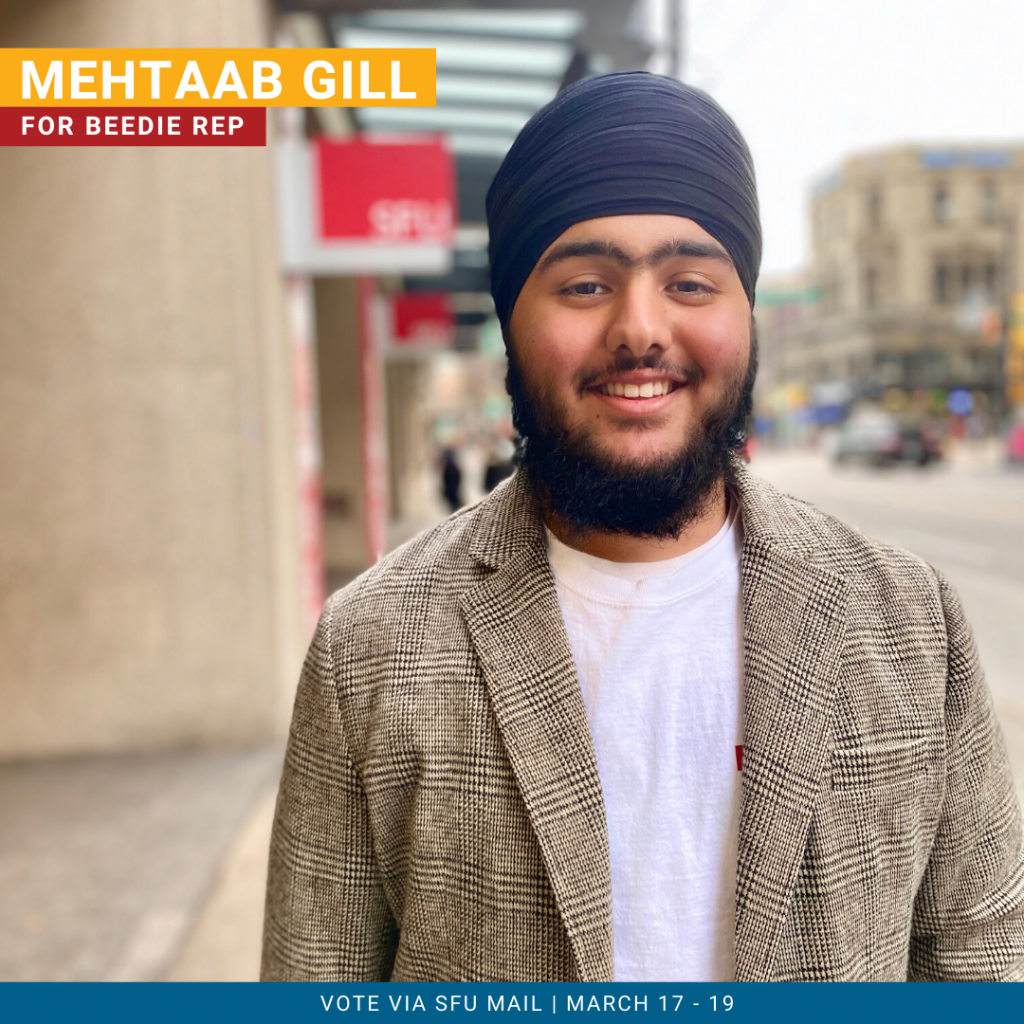
Mehtaab Gill 1. I have served as an Executive Director on the Events Committee this past year, and I want to continue serving the SFSS membership in a formal capacity. The Board, and specifically the VP External role, offers a unique opportunity to play an active role in student advocacy and representation. 2. There is a disconnect between Beedie clubs and the SFSS which causes a lot of delays and interruptions for student leaders trying to organize programming in the faculty. Beedie clubs are very ambitious by nature, and are currently not able to maximize their potential due to this disconnect. 3. Through my involvement with BASS and Beedie clubs, I have fostered a great working relationship with many of the students I want to represent. I plan to focus on relationship building and become an active SFSS presence at Beedie events/meetings where I can be a visible source of information.
Pariya Zabihi 1. Ultimately, I see a huge need for student advocacy both on campus and in the boardroom. I want to be part of a board that amplifies marginalized voices and prioritizes the needs of those who are seldom accounted for. I want students to know what they are buying into. 2. One of the most pressing issues in our faculty is the lack of Beedie student involvement. After talking to my peers, I found that many students feel intimidated by the elitist nature of some Beedie clubs, and I plan on working with our student unions to change that. 3. I’ve reached out to our SUs and DSUs to see how their needs are currently being met. If elected, I will meet with club and DSU execs monthly to ensure I am using all of the resources available to me in order to support them as much as possible.
Communication, Art & Technology Representatives
Photo: Chris Ho / The Peak
Aman Ahmad 1. I wanted to make lasting changes that enhance the student experience in the faculty and the best way to do that is through the SFSS. 2. The most common theme brought up by FCAT students is the lack of engaging events and opportunities to develop careers outside of co-op. Currently the only way to build your career in the faculty is through co-op. While the program is extremely beneficial, I want FCAT students to be able [over word count.] 3. A strong relationship with Student Unions is critical for any change. I plan on working closely with the FCAT student unions to strengthen the relationship between Student Unions and the SFSS. I’m currently in the process of meeting with student unions in my faculty to get to know them better.
Photo: Chris Ho / The Peak
Haider Masood 1. I want to advocate for marginalized communities at SFU and support international students (including FIC students). I am passionate for working towards putting cap on international tuition increase. As FIC students also pay SFSS fees, I want to ensure they have full membership, voting rights, and access to the U-Pass. 2. FCAT needs permanent structural support. Grants for FCAT based DSUs can take several weeks to be approved. This majorly contributes to a lack of connection between the Student Society and DSUs, which leads to apathy and frustration within our faculty. 3. I plan to attend monthly FCAT President’s Meetings, like current FCAT Rep Fiona Li. However, the meetings are often missed by DSUs Presidents due to time and schedule constraints. Therefore, I will personally be meeting at least once a semester with DSUs execs.
Education Representatives
Tagwa Ali 1. I want to be a part of the SFSS so I can increase engagement and opportunities for Education students and bring progressive change to students at SFU. I will use my position in the Board of Directors to advocate and fight for marginalized groups and communities on campus. 2. The biggest issue in the Faculty of Education is lack of engagement between students. Education students are scattered throughout different Faculties and Departments, so it is hard to connect with each other. There need to be more initiatives in place to help connect and engage students. 3. I hope to develop a stronger relationship with my DSU through open dialogue and collaboration. We are all working towards the same cause; connecting students and I will support my DSU and help spread awareness of their events and initiatives, as well as help organize more community building events. Emerly Liu 1. As the Education Representative for the 2019/2020 SFSS Board term, I want to continue to partner with SFSS Board members, SFSS staff, Faculty, and student groups on campus to pursue initiatives that will support and benefit the undergraduate community. 2. Through the “SFU Faculty of Education Undergraduates and Prospective Teachers” Facebook group that I launched in September, students have voiced that they encounter difficulty when looking for opportunities to work with children. I am currently researching solutions that connect students to schools and child-related programs to present to the Faculty. 3. As the previous President and current executive of the Education Student Association, I have a strong relationship with my DSU. During these past 3 years, I have played an active role in cultivating a positive community by spearheading events and boosting team morale, and I will continue to do so.
Environment Representatives Anuki Karunajeewa 1. My main motivation was the SUB space issue (so happy for the victory, although I would love to push for more adequate space). I want to support marginalized groups, educate and engage students in climate justice, Indigenous solidarity, and activism through an intersectional lens.
I think there needs to be better communication within the faculty. The faculty needs to push for more climate justice education and solutions because climate change is a human rights and political issue, rather than a purely environmental or science-based issue.
3. I’ve been working with BESU since it’s the union of my program (I’m in REM), but I’ve been starting to work with EVSC and GSU. I plan to connect with more DSUs by attending meetings, helping plan events and building personal connections.
Health Sciences Representatives
Daria Elrick 1. In short, I would like to be a member of the board because I feel like my experience will allow me to be an effective and fair representative for students. We have a responsibility to successfully and transparently govern our student society. For more information on this please visit: bit.ly/Daria-HSCI-Rep 2. Many students will agree that our biggest issue is the lack of course offerings. While I agree that it is an important issue, the board’s ability to influence this is likely small. I think the issue that our board can affect is the engagement and student life of HSCI students. 3. While I have not worked with HSUSU directly in the past, I look forward to building a productive and positive working relationship with them. I would like to work with them to support their work with career nights, and additional programing that will aid HSCI students.
Roopan Garcha 1. Being a board member on the SFSS board of directors would allow me to advocate for student concerns. As a Health Sciences Representative, I would be inspired to enhance student experience, promote health and well-being, advocate for student affordability and resources, and provide reassuring support to all students. 2. Throughout my term in HSUSU, I’ve noticed the lack of engagement of FHS students as they are unaware of opportunities present within their faculty. I have worked alongside members of HSUSU to promote career panels, study sessions, and Q&A panels and I intend on expanding connectivity in the upcoming [over word count.] 3. Over the past year, I have had the honour to be an executive director on HSUSU, which is the FSU of the Health Sciences Faculty. This role has allowed me to engage with not only students within the faculty, but with staff members as well, to advocate for student concerns.
Nafoni Modi 1. Being a Black woman, it is rare to see people who look like me and represent my needs in places of power. I hope that I can help bring a new voice to the table, and hopefully encourage more black women to run in the future. 2. Course offerings are an issue that I often discuss amongst my peers within HSCI. We need to have required courses offered throughout the entire year, with multiple sections per semester. Courses often fill up quickly, which is frustrating, and adds more time to our degree. 3. I have been a peer mentor and attended events held by the DSUs over the past few years, and I’ve started developing relationships within the faculty. However, I hope to develop a deeper relationship through dialogue and collaboration, especially in the form of HSCI career-based events and student engagement.
Science Representatives
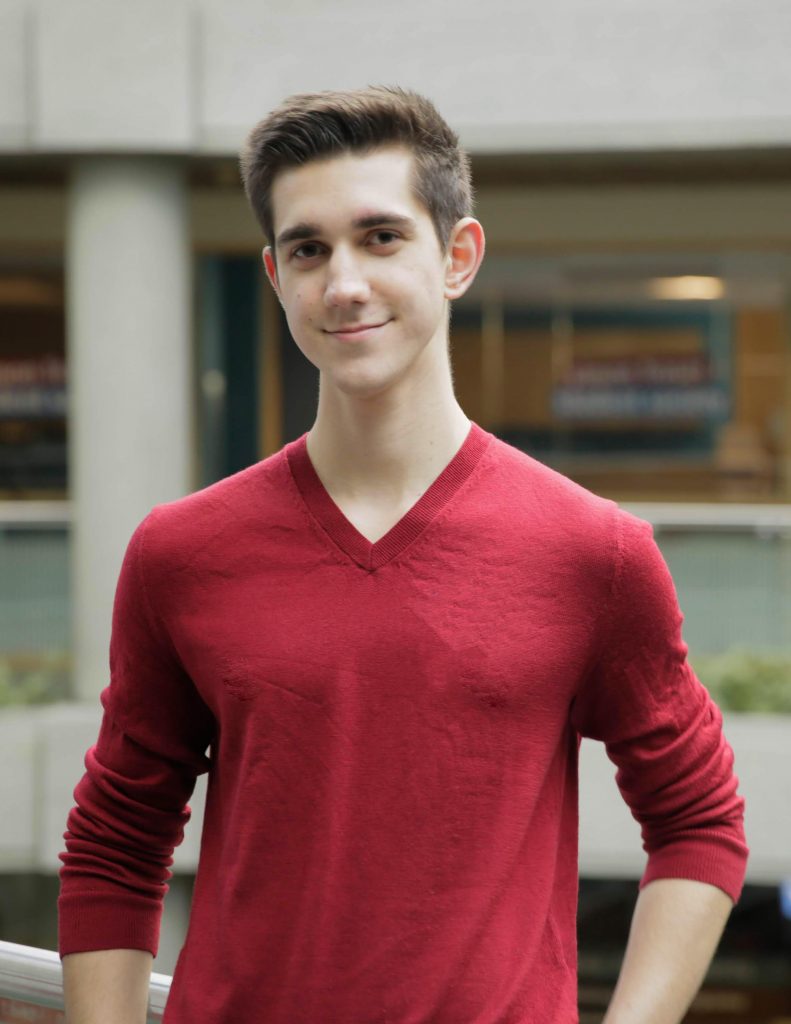
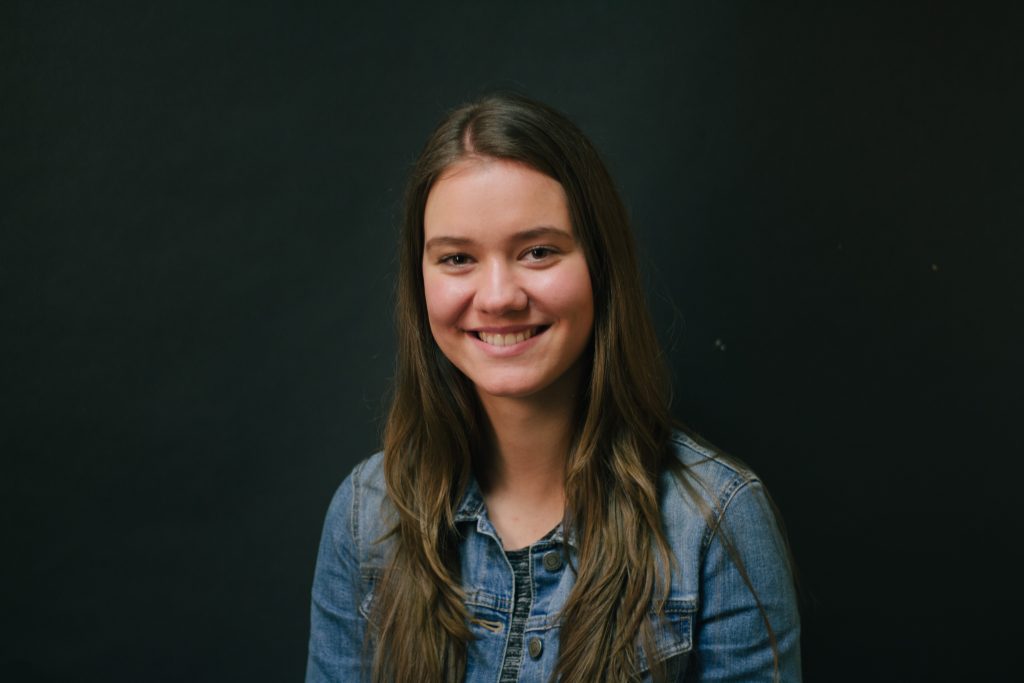
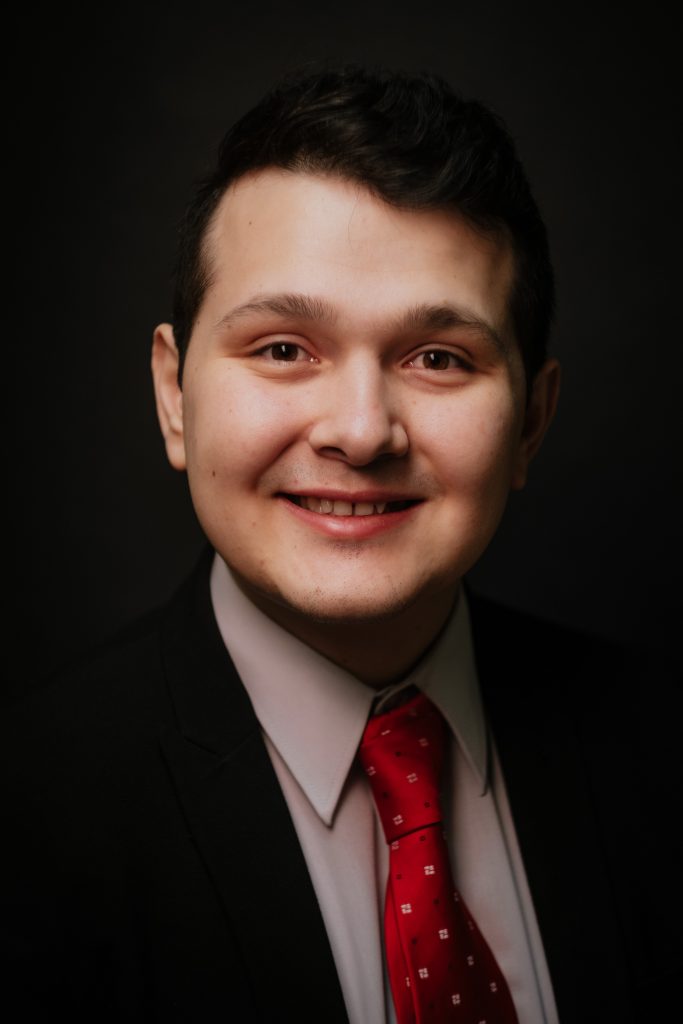
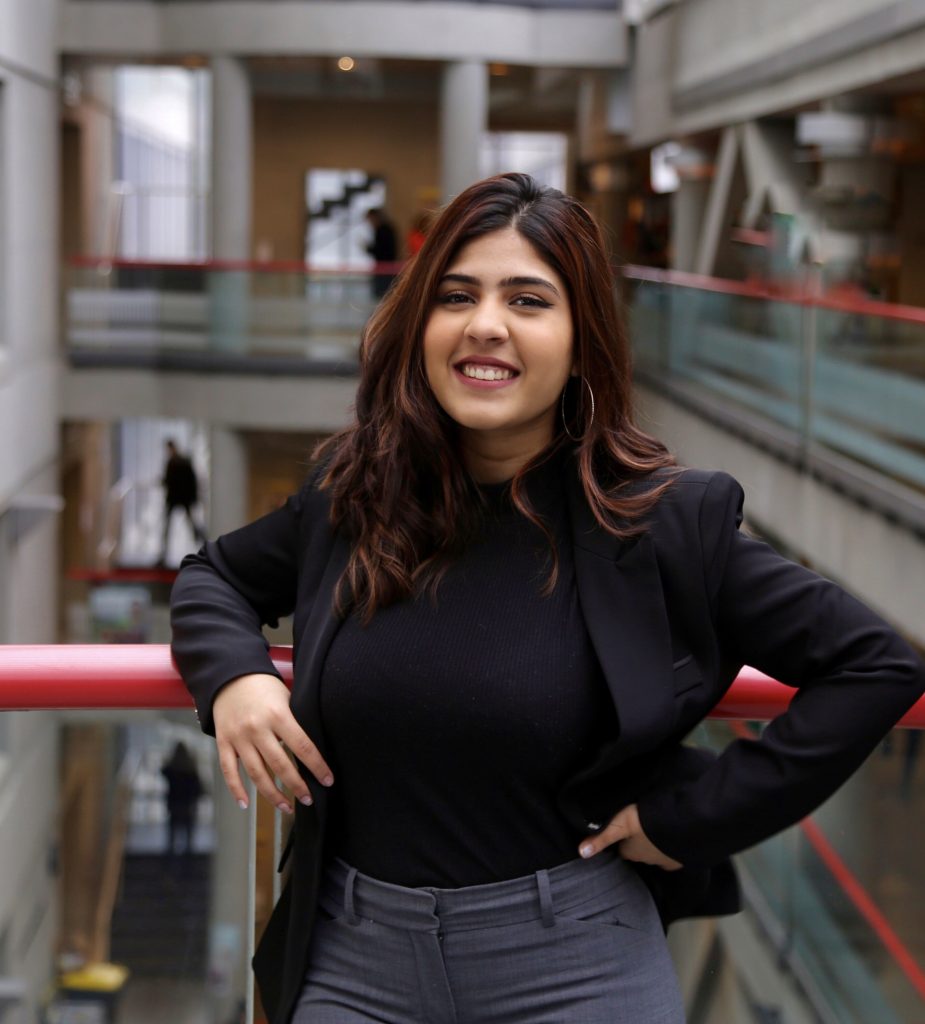
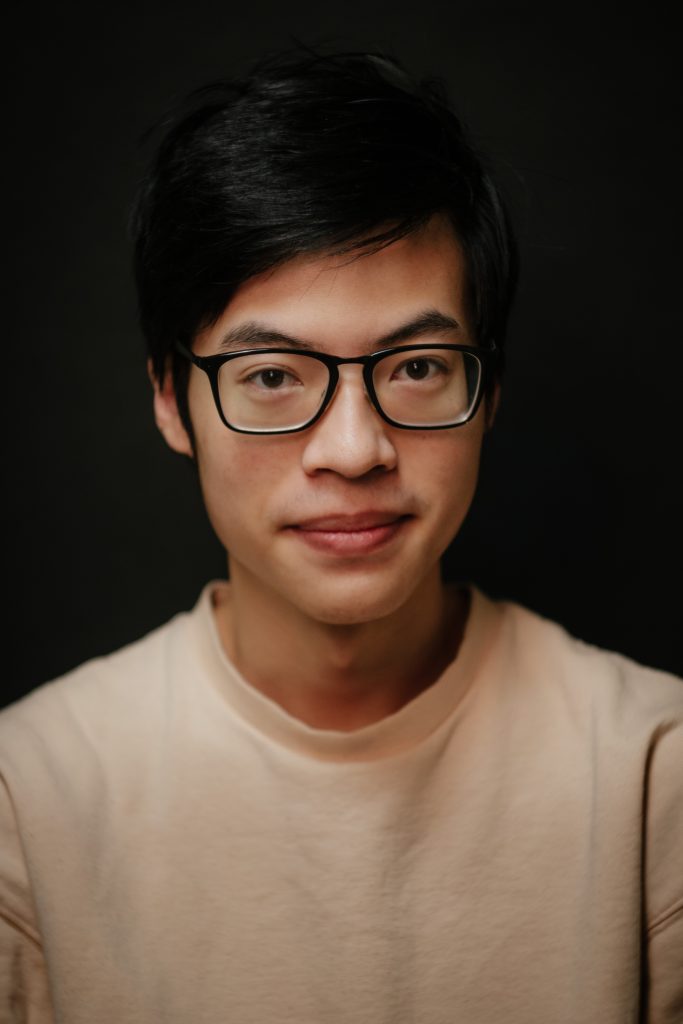
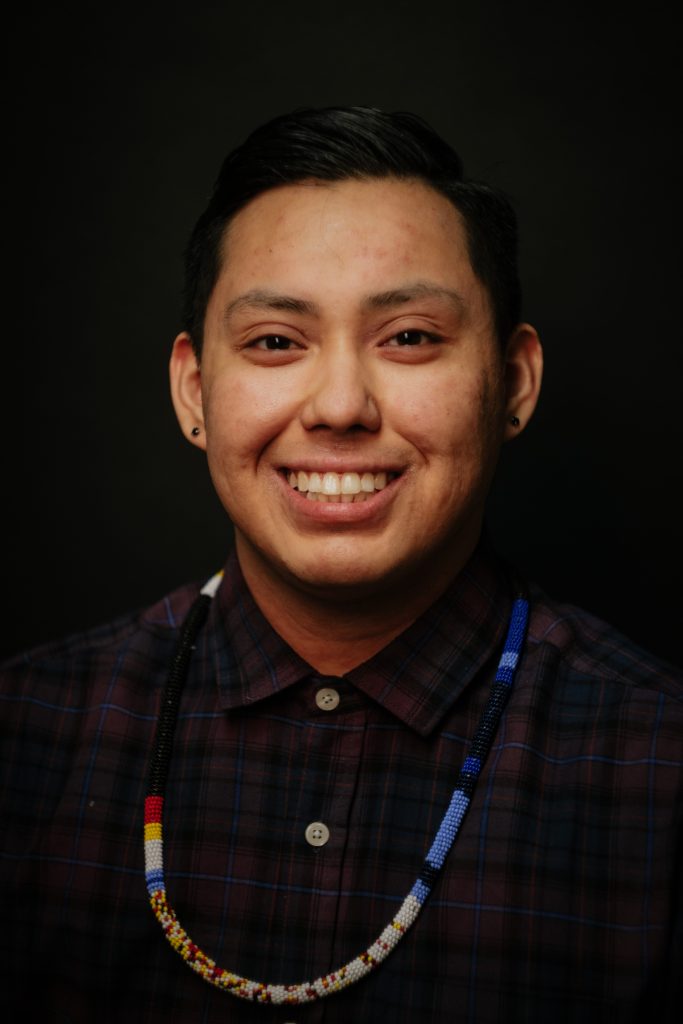
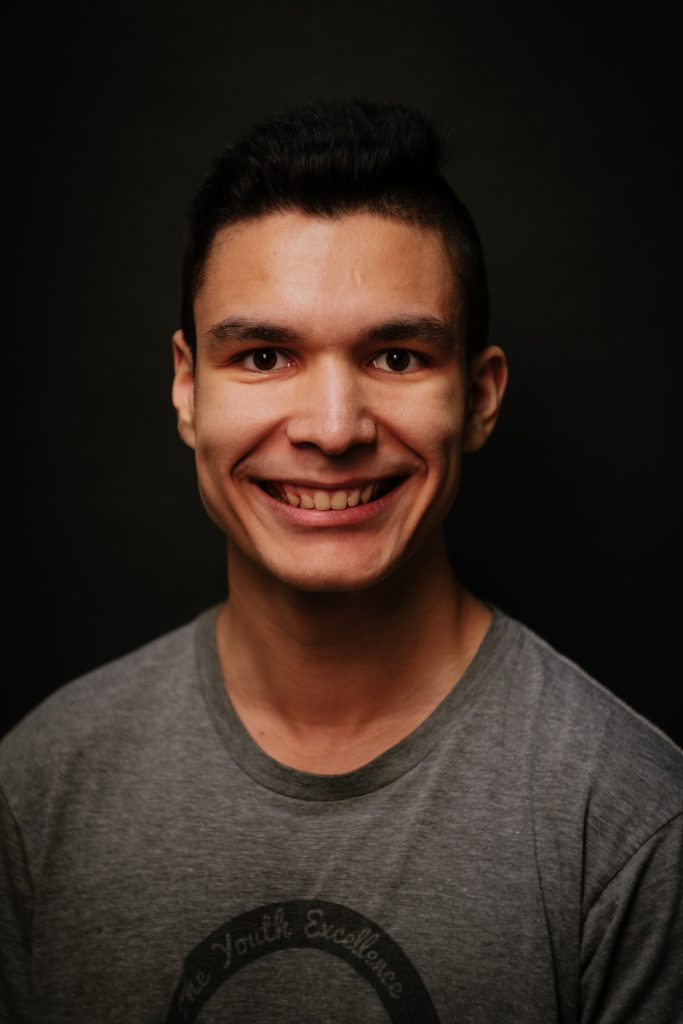
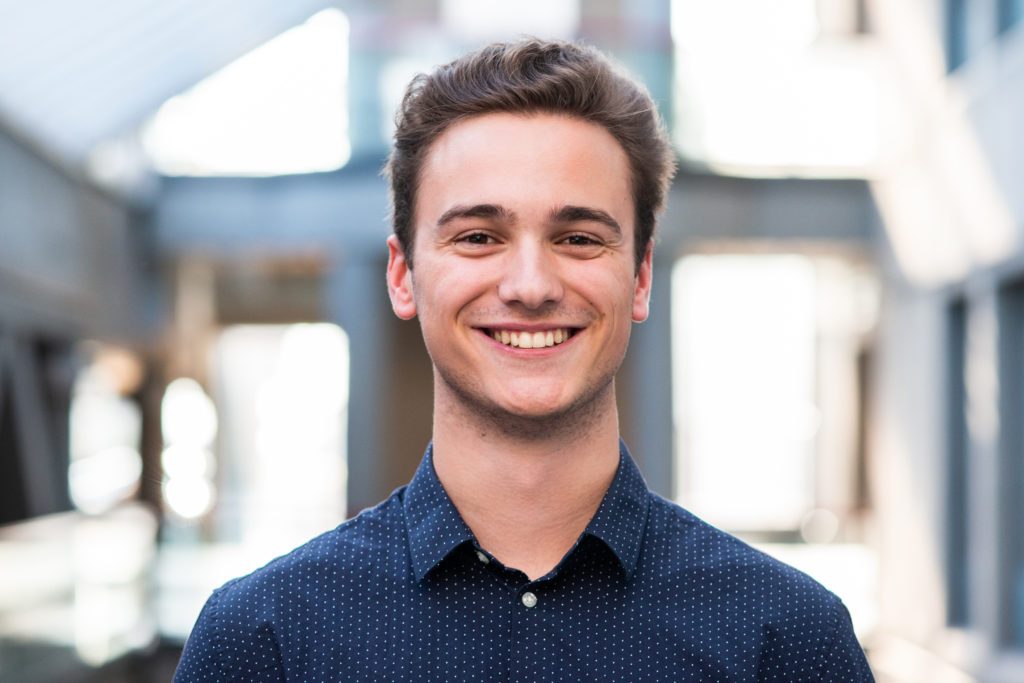
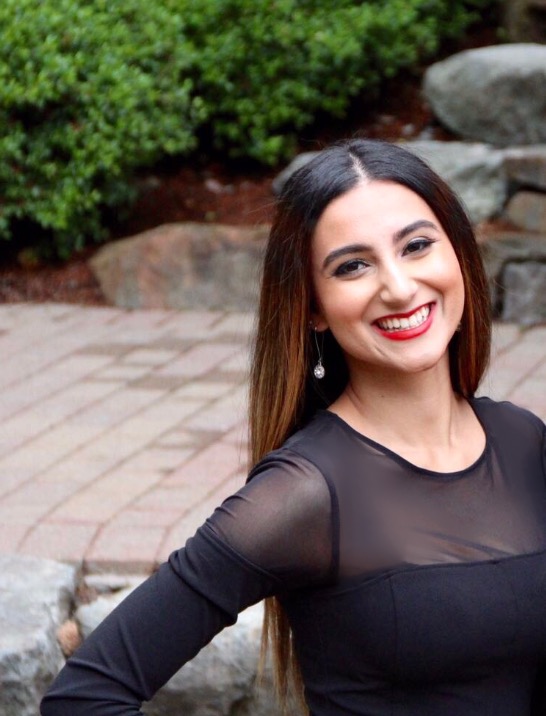
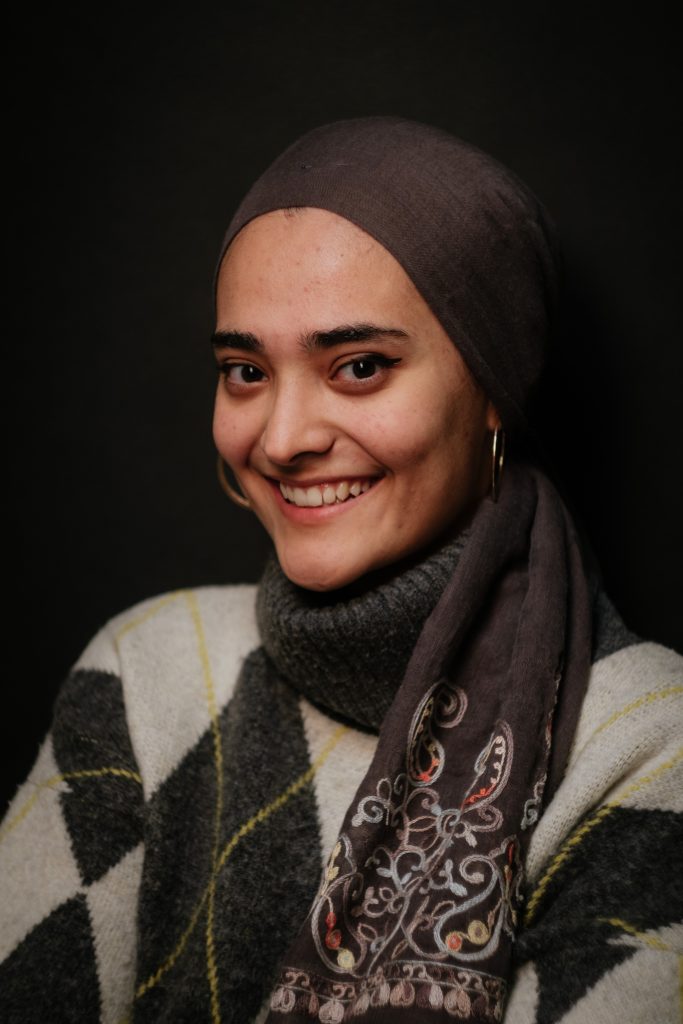
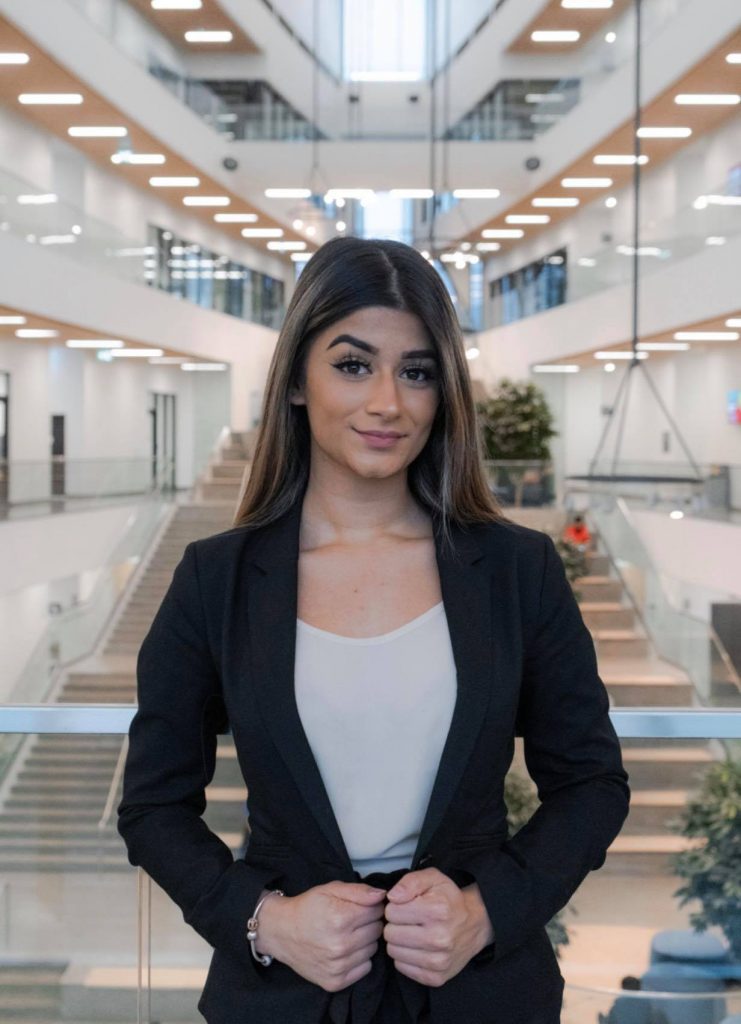
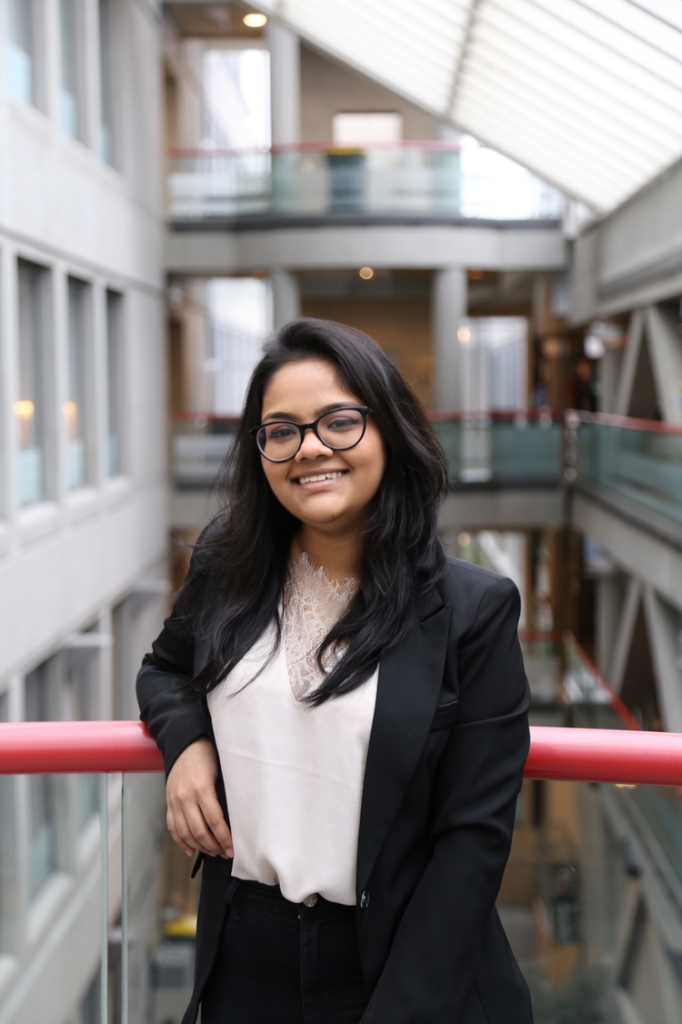
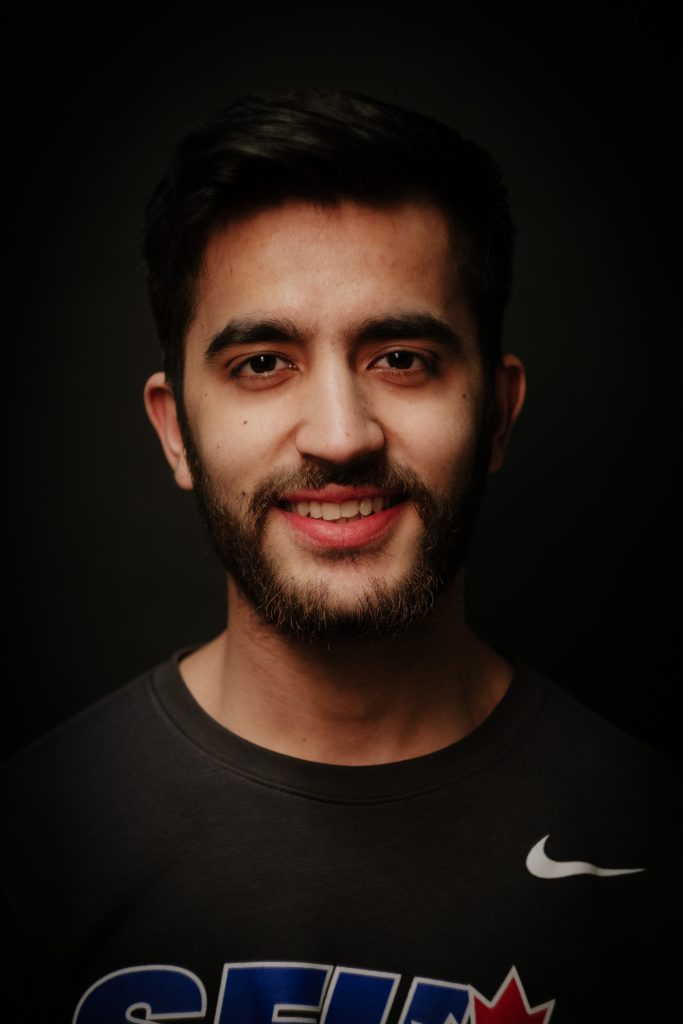
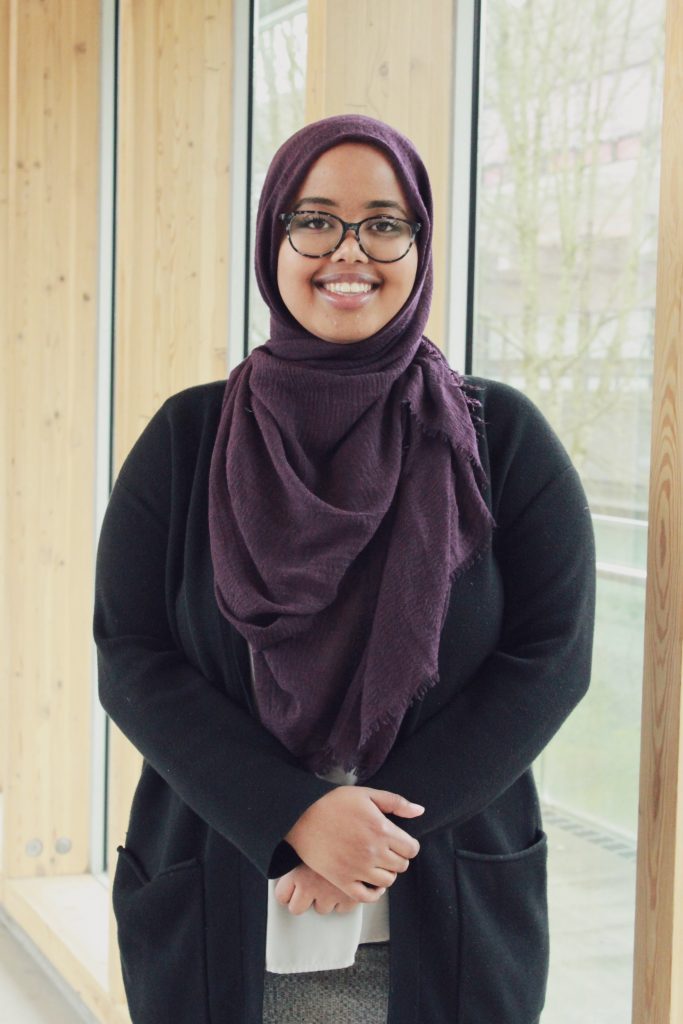
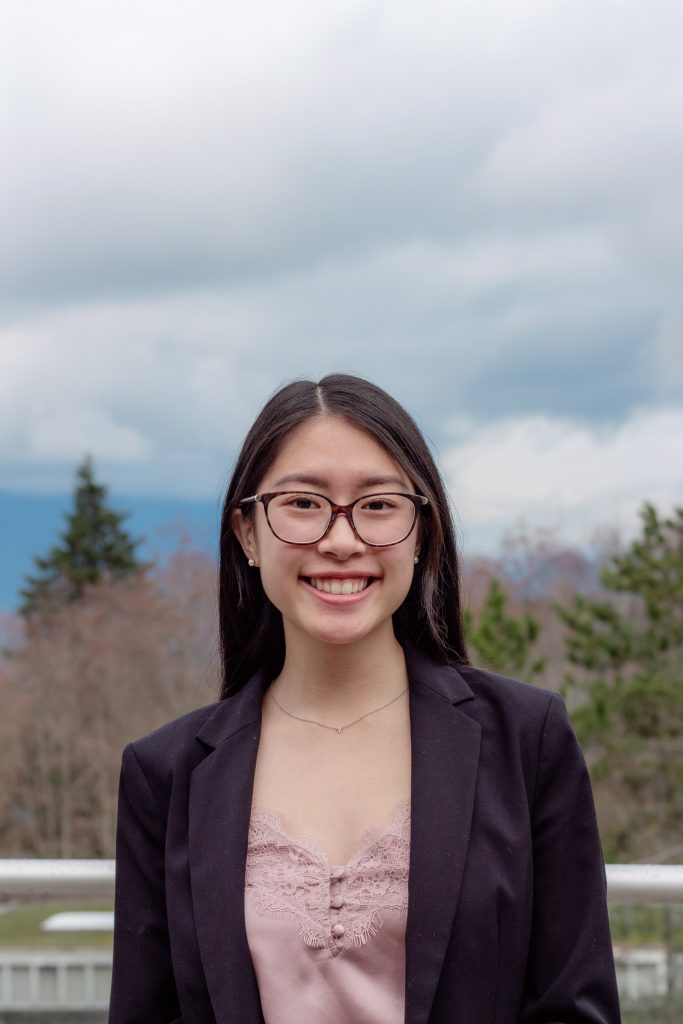
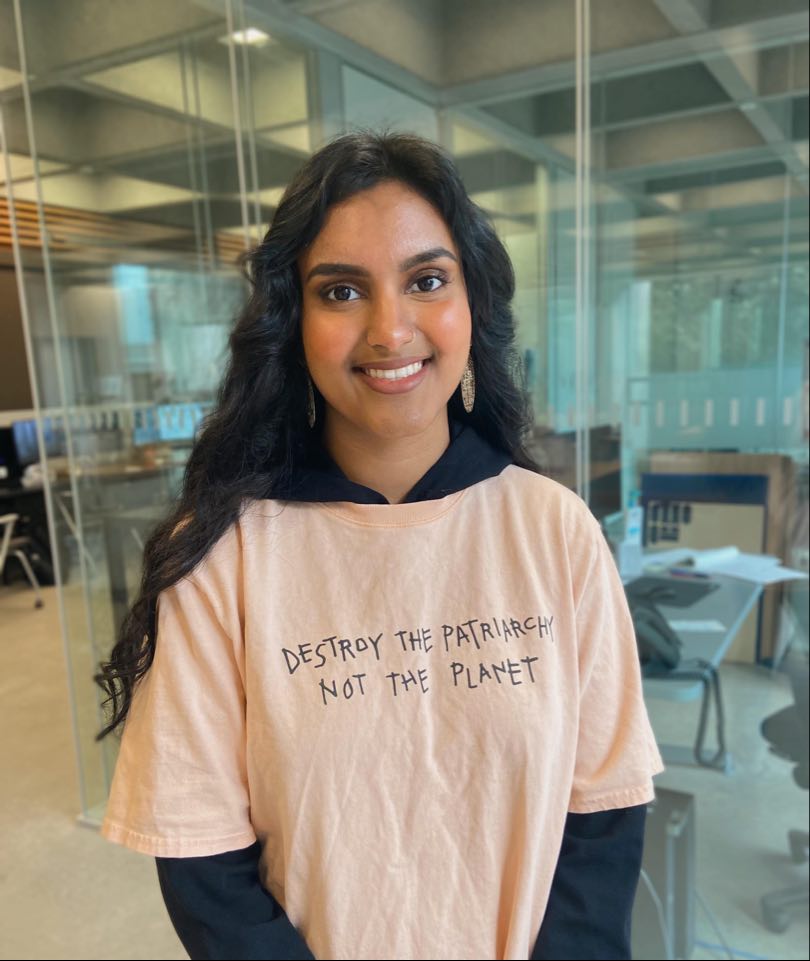
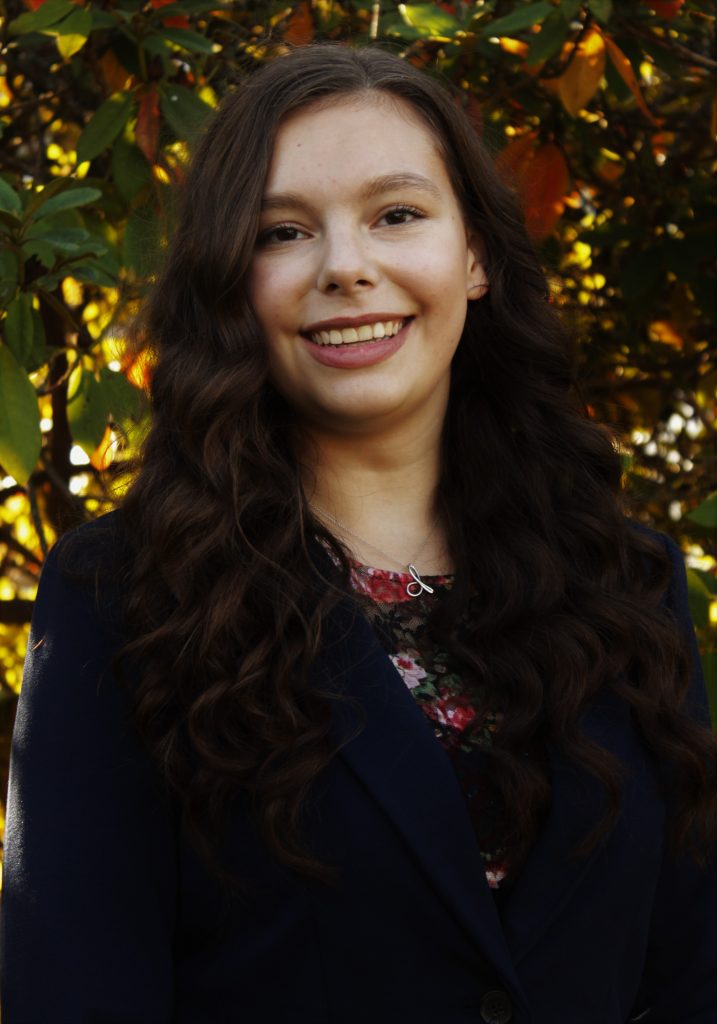
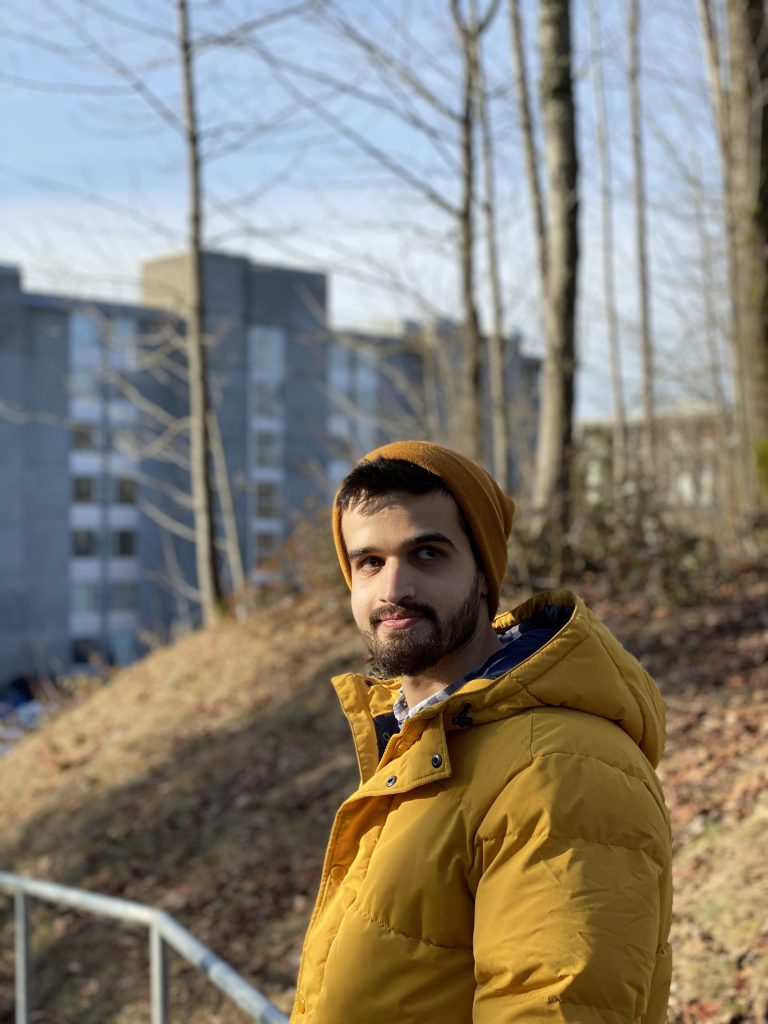
Pooria Arab 1. The SFSS is the student union of my university which over 26,000 students are a member of. Being an active member of this community and having the potential to cause an effective change and add value to students’ lives is a meaningful goal of mine. 2. Lack of communication – there are gazillion opportunities to engage and actively be a part of the Faculty of Science in terms of research, resources, and lots of other valuable options that are not being communicated clearly to students.
3. Having attended the DSU meeting of my faculty and engaging with the wonderful team there, I’d say that a nurturing relationship is in place and more news will come about the different propositions I have and the future collaborations that could take place.
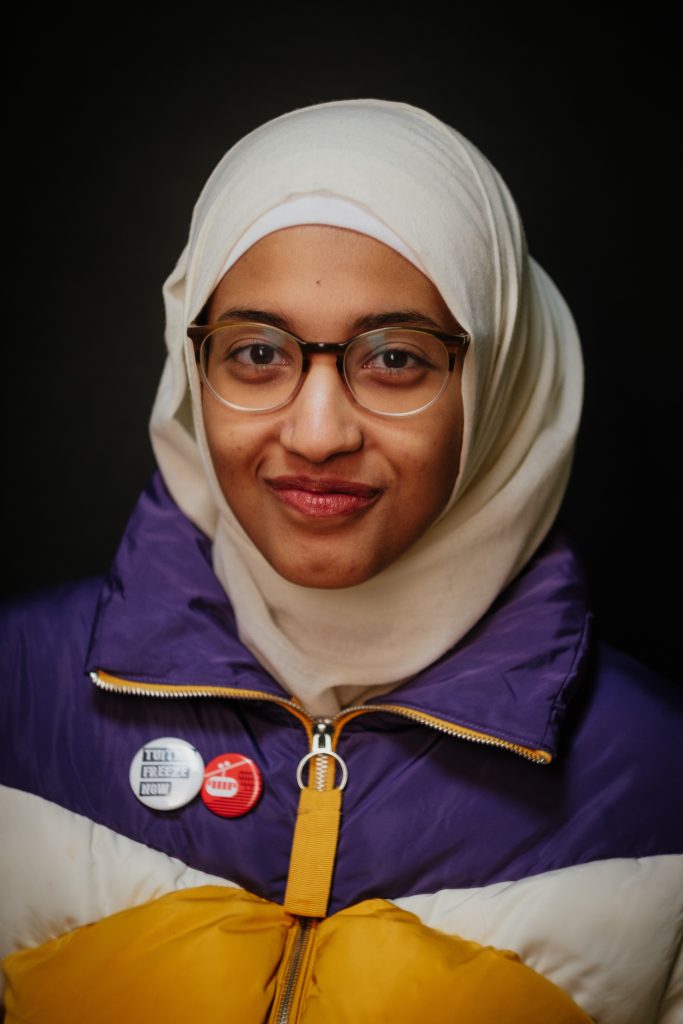
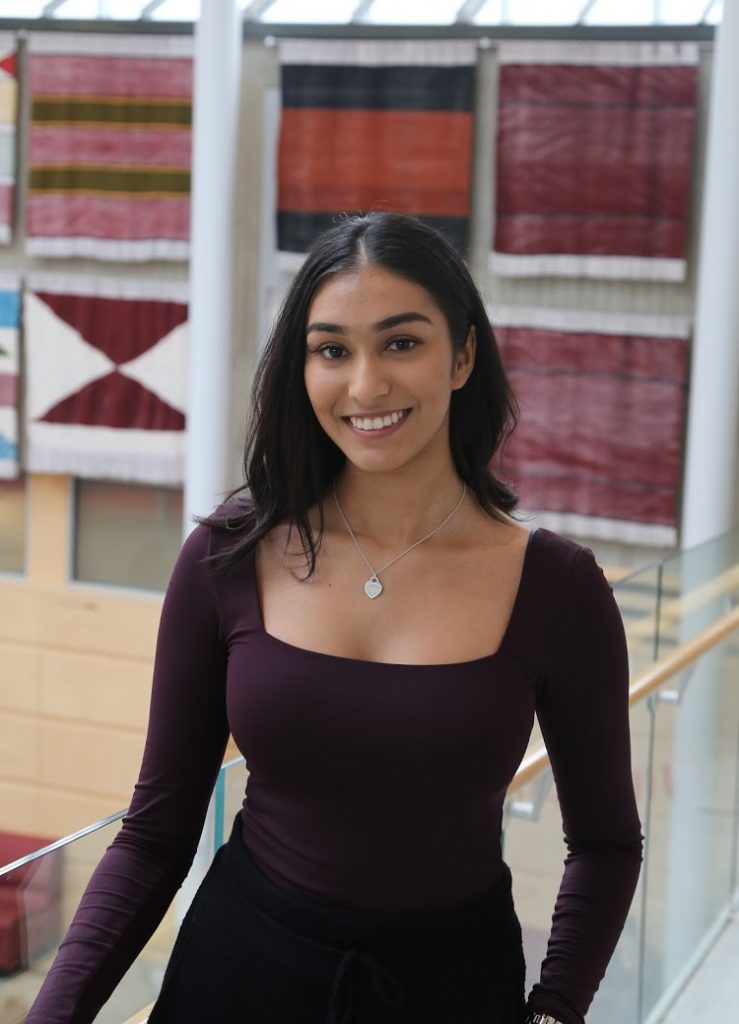
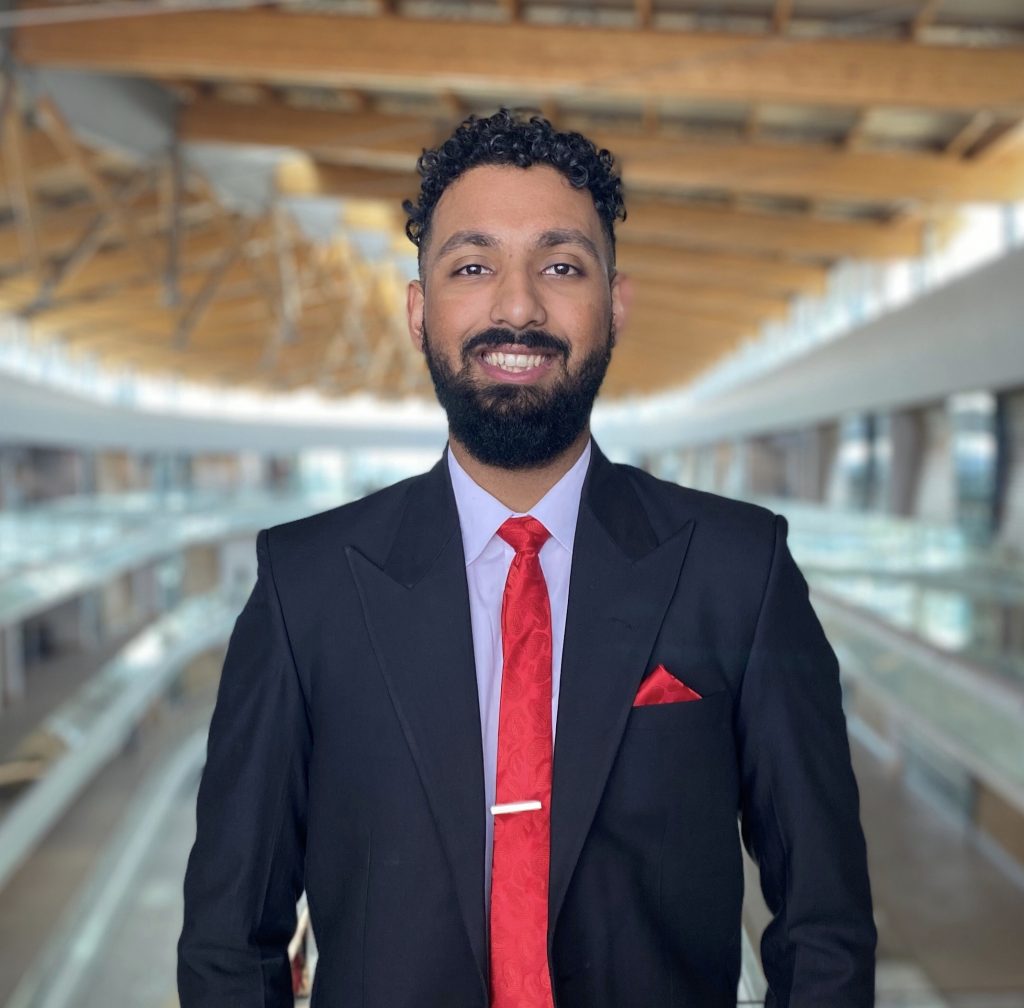
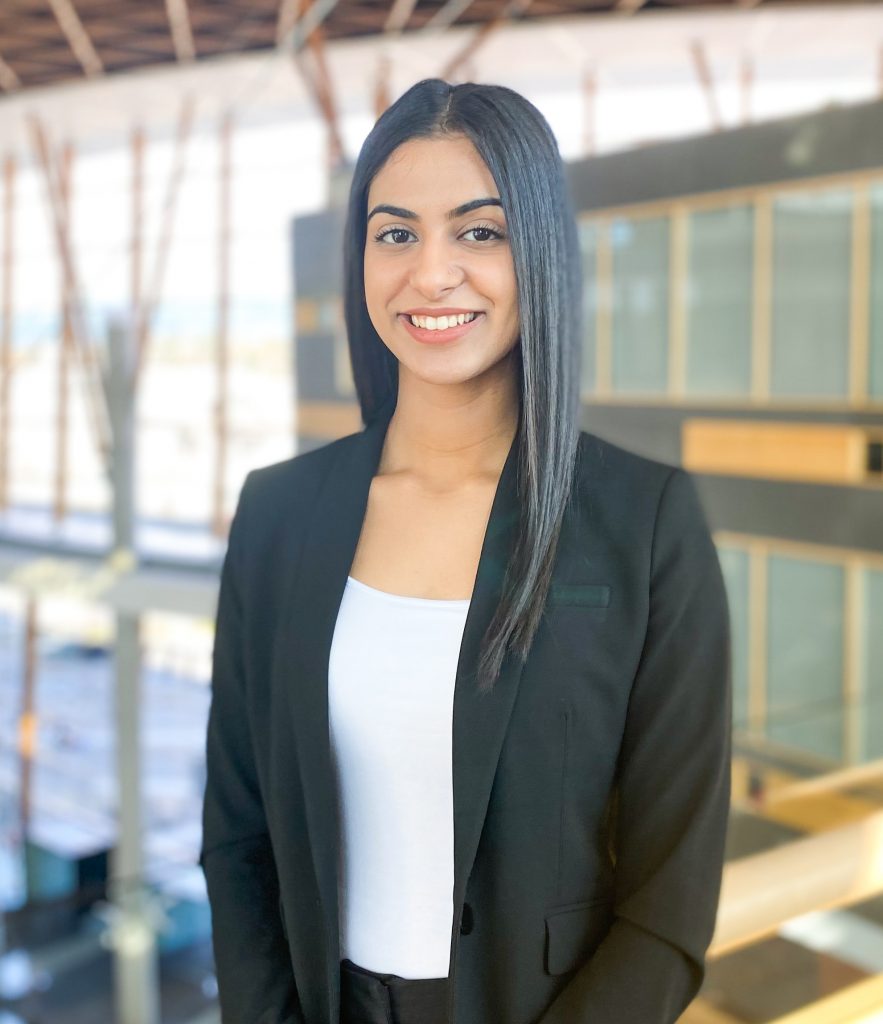
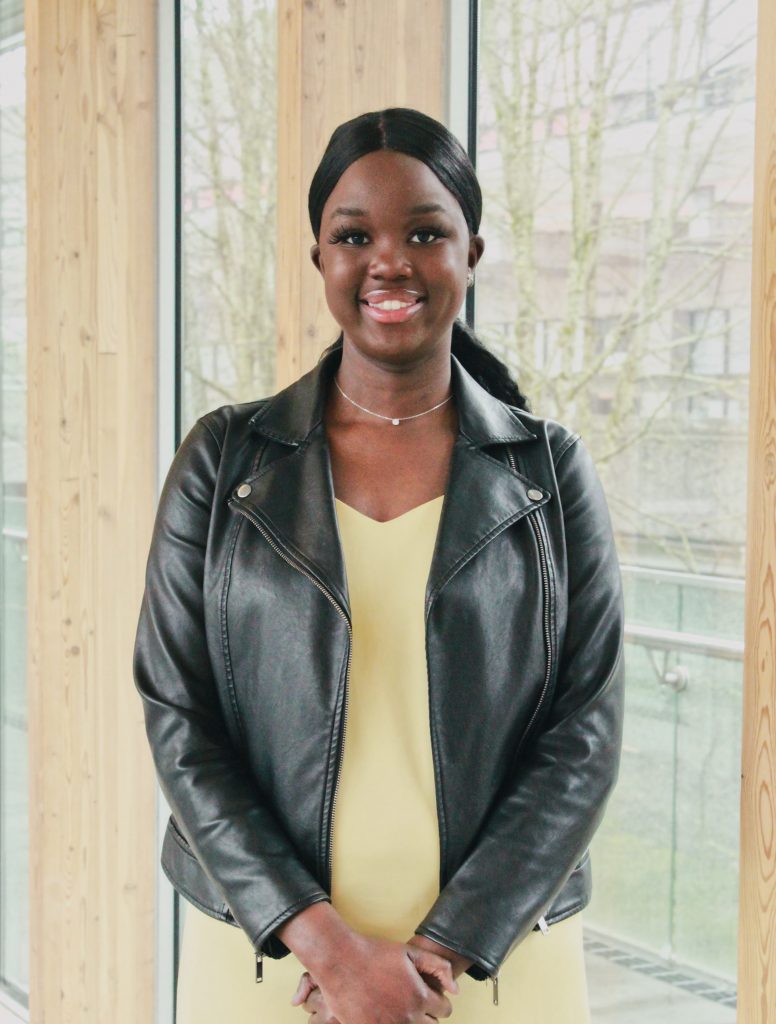
Photo: Chris Ho / The Pea
WeiChun Kua
I see the lack of advocacy, support and engagement with the students from the SFSS. Giovanni and Osob have been great mentors to me and notably, their work as board members in fighting for marginalized communities among other things has inspired me to run and continue on fighting for students.
Lack of long term common room spaces for DSUs and SUS. Providing them with long term spaces can ensure they can be there to serve future members for years to come. Also working with them to renovate and upgrade those spaces so it is more usable.
I reached out to SUS and DSUs and am making sure their concerns are heard. I plan to attend meetings whenever I can and make sure to establish a clear line of communication if I do get elected so that we can work together to better serve Science students.
Boris Perija 1. I have decided to run as a science representative this year because I love how actively the various DSU’s in the faculty promote the social and academic wellbeing of students. I plan to further support them with their goals and help implement strategies to improve engagement within the faculty.
2. I believe that students (first years especially) have a difficult time figuring out how they can be involved in their faculty and that’s something that I actively want to work on. There are so many opportunities here at our university though many people simply do not know they exist.
3. By being involved with the Science Undergraduate Society, I have a general base of understanding when it comes to working with DSU’s in our faculty. In the future, I plan on communicating more closely and attend more meetings with all science DSU’s at SFU to better support them.
It’s election season for the Simon Fraser Student Society (SFSS)! The Peak has reached out to candidates to ask three questions based on their positions and compiled the results to help you navigate this election period. Voting this year will take place March 17–19 through SFU Mail.
The SFSS is SFU’s student-led society, representing the entire undergraduate population of the university. Headed by 16 Board of Directors, SFSS members are elected every spring by the student body to hold a one-year term. During this term they manage day-to-day society work, manage large-scale finances, execute university-wide campaigns and projects, and advocate for student interests regarding issues such as the U-Pass, student-centric spaces, and food and beverage services. Please note that these answers have not been edited for spelling, grammar, or clarity, nor do they reflect the positions of The Peak Publications Society. Candidates were given a limit of 50 words per answer; responses that went over 50 words have been cut short.
VP Student Life The vice-president student life is the SFSS’s main position to deal with student engagement and social events. The position leads the Fall Kickoff Concert, works with the Events Committee, and generally works towards student social events and SFSS branding and these events. Questions: 1. Given that SFU is often seen as a “commuter campus,” how do you plan to enrich the student experience at all of SFU’s campuses? 2. What will be your top priority in this position? 3. What will you do that your predecessor specifically did not do?
Photo: Chris Ho / The Peak
Jennifer Chou 1. I will host more accessible low-barrier events by incorporating longer drop-in times, inclusivity for dietary restrictions, and mindfulness for students’ circumstances. I recognize students often cannot attend events because of part-time jobs, which is why I will advocate for increased SFSS bursary contributions and a tuition freeze. 2. I want to ensure student groups feel supported in their activities (room-booking, grant requests, marketing). While I love hosting cool events like Brushes & Boba @ SFU Surrey and Care Packages @ Dog Therapy, the main role of VP Student Life is to oversee and be the liaison for student groups. 3. Having talked to my predecessor about ways to improve the Events Committee, I will restructure it to be more effective. I will also collaborate with diverse groups on campus by liaising between them and SFU for large-scale events such as the Holi festival, which unfortunately was cancelled last year.
Photo: Chris Ho / The Peak
Rachel Dee 1. To enrich student experience at all campuses, I will diversify the locations of student experience events and resources. I plan increase partnerships so we are able to host more club nights at alternative spots opposed to The Study, and have more free food resources available at all campuses.
My top priority is to ensure all events are feasible. To plan for events right now with the same scope as Fall-Kickoff is infeasible without running a further deficit. With securing sponsorships beforehand, I will bring in external talent and F&B handouts at a lower associated cost for intended [over word count.]
In comparison to Jessica, I plan to increase resources invested into long-term self care. This includes workshop/ seminars on self care/love, life-coaching sessions, and yoga. It is more beneficial to invest funds into more resources for more students, opposed to expensive short-term resources for a small number of membership.
Photo: Chris Ho / The Peak
Saqib Madhany 1. I have a two-pronged strategy to target this problem. Extend the duration that students are on campus through evening events. Themed pub nights on Burnaby, Surrey campuses and club nights near Vancouver campus. Encourage more club involvement by funding SFU clubs/unions to be able to take on even more [over word count.] 2. My priority is to garner the student’s needs and expectations for the Fall Kickoff which is meant to be a pillar event of the year. I will turn students’ needs and expectations into a reality that will play a massive part in the overall success of the event. 3. The unsuccess of Fall Kickoff was due to poor financial planning and time management on the part of my predecessor. I will investigate why the location was changed from a place of proven success and satisfaction. I will begin this initial analysis and take it on as my due diligence.
Photo: Chris Ho / The Peak
Jonathan Peral Gort 1. I specifically have an event in mind where I will encourage all clubs at SFU to gather at one place in the Burnaby campus on a monthly basis. The event will give students a chance to socialize and network with students that might not have much in common with them. 2. My top priority as VP of Student Life will be to unite and build a strong community at SFU by delivering events such as the one mentioned in my previous question. Furthermore, I will also prioritize artistic events in where students will get together and paint parts of the school. 3. I’m extremely confident that as VP of Student Life, I will be able to create unity amongst all students (whether they relate in the programs they’re in, or not) across all SFU campuses.
The stress over missing a class can override the benefit of class trips. Illustration: Tiffany Chan/The Peak
By: Tiffany Chang, Peak Associate
There’s no doubt that field trips can be enriching experiences for students; I myself got to experience virtual reality because of a field trip. Students can learn and interact with one another outside of the classroom while observing how the concepts taught in class are practiced in the real world. While I wholeheartedly appreciate instructors taking the time to organize these trips, it’s unfair, however, that some students must miss other classes or important obligations in order to attend them.
Depending on the location of the trip, students who have only 10 minutes between classes on a field trip day may need to skip the class that overlaps with the travel time needed. This can cause problems if attendance and/or lateness count towards a student’s final mark.
And even if a student manages to get an excused absence for an overlap, mandatory field trips entail missing out on what students could learn in their other classes. Students shouldn’t, under any circumstances, need to compromise learning the material in certain class(es) to enhance others. Being placed in this situation essentially forces students to prioritize one class over another — a choice no student should have to make when they’ve spent a pretty penny on all of their courses.
Don’t get me wrong: it understandably makes the most sense to arrange school outings during designated class hours. A hypothetical situation wherein a class collectively attempts to figure out the most convenient time for everyone would surely be a hassle — especially for professors. Additionally, most trips are currently scheduled several weeks in advance. In our hypothetical situation, even if a convenient time is eventually determined, it may be too late to book the tours, space, etc.
An unlikely but potentially feasible way to select a suitable time for a field trip would be for the professor to propose the idea at the very beginning of the semester for a field trip near the conclusion of the semester. This could allow students to discuss appropriate timing, and arrive at a workable consensus.
Perhaps a fairer and practical situation would be to simply make class trips optional for those who have classes with the potential to interfere with them. Regardless, professors who want to incorporate field trips into their agenda should seriously consider class schedules and at least try to work around students’ different class schedules before booking them.
Elements Academy of Martial Arts is located on Dunbar Street and offers a variety of self-defence programs for all genders. — Photo: Elements Academy
By: Alyssa Chan, SFU Student
At 5’2” and 108 pounds, I’m smaller than most people. Though I’ve developed some striking skills from years of practicing Taekwondo in my childhood, I don’t have any grappling skills to defend myself on the ground. In today’s world, where sexual harassment and assault are all too common, staying safe is a priority for everyone. So, when I saw posters around campus promoting Strengthening Safety, a self-defence workshop organized by SFU Health & Counselling, Campus Public Safety, SFU Recreation, and the Sexual Violence Support and Prevention Office, and hosted by Elements Academy of Martial Arts, I knew that it’d be useful for me to attend. As soon as I found some friends to go with, which helped eliminate any nervousness I felt about taking on a new challenge, I signed up.
Despite my previous martial arts experience, I struggled at first with many of the techniques and felt embarrassed and ashamed seeing most of my friends master the escapes with ease. Luckily, the instructors took the time to make sure I remembered all the details of each technique, and I even practiced during snack breaks until I could remember all the steps. Maybe I was taking the class too seriously by expecting perfection from myself, but looking back, I was definitely in a safe and fun learning environment — I didn’t have to be afraid of making mistakes.
Even though I can become quite aggressive and competitive when it comes to physical activities, I had to remind myself that the purpose of the class wasn’t to fight other people, but to learn how to protect oneself in case of an attack. I really think that fighting should only be used as a last resort if other conflict management strategies fail.
Nonetheless, my friends and I had a lot of fun tussling with each other — within reasonable limits — and, to make practice as realistic as possible, I asked my partners to be rough with me and even offered to practice with the guys who were much bigger than me every so often. They were considerate enough not to put their full weight on me, but they didn’t go too easy on me either, and it was really satisfying and empowering to be able to throw a 6’0” male that was almost double my weight onto the floor. I already feel more confident that I can survive a compromising situation despite my serious size disadvantage.
I’d recommend the Strengthening Safety course, and self-defence courses in general, to everyone. Not only do they teach practical skills and safety tips, but they’re also a fun setting to get a workout. On top of this, when else are you going to get the opportunity to fight your friends without actually hurting each other? Many people might think that only women will benefit from self-defence seminars, but men are victims of violence too — so it’s useful for everyone to have these skills, just in case a situation escalates.
It was definitely worth it to take the plunge and sign up for Strengthening Safety. The course gave me something exciting to look forward to on Wednesday evenings and I got to hang out with some of my friends at the same time. The grappling seminar at the end was especially fun, and it inspired some of my friends and I to take jiu-jitsu classes to learn even more ground fighting skills.
Also, as a broke student, I appreciated how accessible the class was — only $12 for three sessions. My only complaint is that three days is not enough time to really internalize everything we learned. Because of this, and how valuable and fun the experience was, if such a convenient opportunity to take another self-defence or martial arts class on campus comes up again, I’ll be first in line.




 Pooria Arab