Home Blog Page 340

Re-evaluating our word choices is important in establishing accessible spaces

1
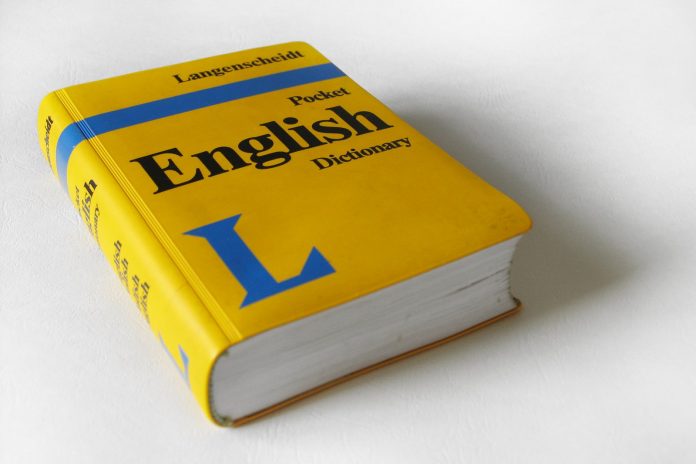
Ableist language has harmful historical contexts and implications. PHOTO: dantesz / FREEIMAGES

By: Marco Ovies, Features Editor

Content warning: mention of ableist slurs and aggression 

When I was in elementary school, the “r-word” was just beginning to be recognized by the general public as a slur. While originally introduced as a medical term in 1961 for people with intellectual disabilities, the word gained a negative connotation over the decades. It was not until 2010 that we saw President Obama change that word in federal law to “intellectual disability.” According to the Special Olympics, “when social media users are posting about people with intellectual disabilities, 7 in every 10 of those posts are negative, and 6 in 10 contain a slur.”

There are other less recognized, harmful words that also originated from medical terms. For example, “crazy” has had many meanings and dates back as far as 1570 where it was used to describe “diseased” or “sickly.” Then in 1610, it received its more modern definition of “deranged, demented, or unsound mind or behaving as so.” So by throwing “crazy” around as a negative descriptor, what is that saying about our views of those suffering from mental illness?

There is also “stupid”, which is extremely ableist and insults people with cognitive impairments, autism, ADD, and other developmental disabilities. These are triggering words that add up to cause psychological and emotional damage for folks with disabilities — an already vulnerable group. If that isn’t a good enough reason to stop using “stupid” (and all the words I mentioned in this article), it also creates and enforces systemic and institutional bias by putting “abled” people above others. 

Another word that needs to be thrown away is “dumb” which is offensive to people who cannot hear or cannot speak. By throwing this word around as a negative descriptor (this includes when you’re talking about a person, an inanimate object, or a situation), you are inherently saying that those who cannot speak or hear are inferior to those who can. 

Our society promotes a negative atmosphere for those who have intellectual disabilities, and a majority of this is from the type of language we use. If we collectively deem it appropriate to use these terms and microaggressions, we allow for further abuse to these people. Just in the 20ᵗʰ century, the United States sterilized over 70,000 people, most of whom were women deemed as “imbeciles.” People with intellectual disabilities are also seven times more likely to be sexually assaulted than those without a disability. 

I understand it can be difficult to change the words we are accustomed to using, but there are alternatives to these words. Ridiculous, offensive, senseless, silly, irrational, outrageous, ignorant, and impractical are just a few examples of words you can substitute. The next time you want to use “stupid” or “crazy” as an umbrella term, try and think about what you are trying to say and use a more descriptive word. It is easy to slip up, especially in the beginning. But what matters is making the conscious effort to use equitable language and correct yourself when you slip up. It is also important to take accountability for the words you use and correct others who may be using this language.

The words we use in our everyday life can have a bigger impact than we think. By being more mindful of the words we are using, we can make the spaces we occupy more accessible for everyone.

For a more in-depth list of ableist words, you should check out this comprehensive list. I encourage you to think critically about the words you choose and research which words you should and should not use. But don’t let your activism stop there. Start advocating for folks who are impacted by ableism and really listen to their concerns and needs. If you’re looking for a way to become a better ally, check out Social Diversity for Children Foundation’s list of 10 ways you can be a disability ally.
What Grinds Our Gears: People who don’t recycle

0
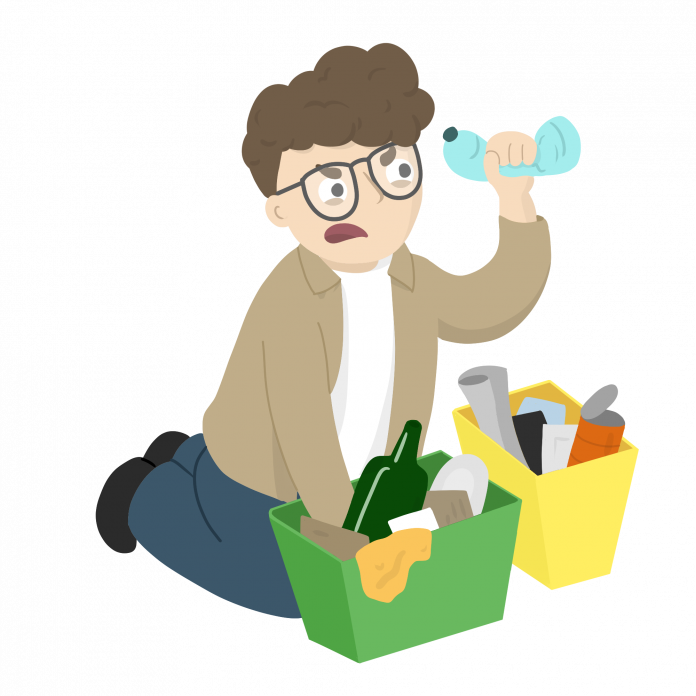
There’s a reason businesses offer compartmentalized bins. ILLUSTRATION: Maple Sukontasukkul / The Peak

By: Marco Ovies, Features Editor

The other day I went out for a coffee and because JJ Bean had a bunch of open tables outside, I decided to sit and enjoy the sun with my drink. Like most coffee places, they had one of those garbage bins for sorting compost, recycling, and garbage with pictures of what part of your coffee cup goes into which bin. It was pretty self-explanatory — your lid goes into the recycling and the rest of the cup goes into the compost. I was pleasantly surprised because it looked like nothing JJ Bean gave customers was meant to go into the garbage. 

But I was soon disappointed by other coffee lovers as I sat and watched person after person approach the can and chuck their whole cup into the garbage. This wasn’t a one-time occurrence either; it looked like nearly everyone was just chucking their cup into the garbage without even thinking about it. Out of sight, out of mind, I guess. 

What irked me is that it was so easy to figure out what part of the cup went into which bin. It would have taken people maybe two or three seconds max to stop, separate their cup, and put it in the right bin. When I went to recycle my cup I was appalled by how many cups were thrown in the garbage and would be sent off to the landfill. 

It’s 2021. I don’t understand how people are not recycling. While most of the climate crisis is due to big corporations, that does not give you an excuse not to do your part. 


I’m sick of being my own ally

0
We can’t expect trans and non-binary people to educate and correct everyone. PHOTO: Stavrialena Gontzou / Unsplash

By: Dev Petrovic, Opinions Editor

Pride Month is once again around the corner and as much as I’d like to celebrate and forget about the atrocities of our not-so-queer-friendly reality, there’s still too much that weighs on me daily. Non-binary and gender-diverse folks still face consistent exclusion in public and private spaces. Other than the introduction of the gender “X” option on government-provided identification in 2019, very little progress has been made in Canada towards equity for non-binary, trans, Two-Spirit, and gender-diverse folks. How can I feel pride this International Pride Month when I’m still responsible for fighting for my acceptance and visibility?

Recently, I went out to dinner at a nice restaurant. I’d forgotten about the sinking feeling of having to go to the bathroom and realizing there were only stalls labelled according to the gender binary. Situations like this one are large blows. They are reminders that my identity doesn’t exist to most and is still far from being recognized. But if at the very least, I felt like cis allies had my back in social situations where I am misgendered, excluded, or invalidated, it wouldn’t be as difficult to digest. 

Don’t get me wrong, I have cis people in my life who do put in a conscious effort. I notice these things and appreciate them, but sometimes it’s just not enough. I can’t emotionally handle feeling like if I don’t speak out on transphobic language, no one else will. As found in a report conducted by Western University, 68% of non-racialized trans and non-binary folks have experienced some form of verbal assault or harassment over a five-year period — these numbers are at 72% for people of colour. 

With these staggering numbers and the unwavering amount of systemic discrimination, my main concern is always on ensuring my safety. With the terrifying reality of these statistics, it doesn’t seem fair that I should even have to worry about putting myself in potentially vulnerable situations just to call out a cisgender person’s microaggression. These exclusionary situations and microaggressions, some of which even come from other (cis) queer people, add up quickly. A lot of the time there’s only so much for which I have the energy. 

So often I find myself internally screaming, “what about non-binary people? Are you really forgetting the experiences of trans folks? Do we not exist?” But the fact of the matter is that we always have existed and we are very much here. We see and notice these things even when cis people probably don’t, and we remember them all too well.

I may not be immediately perceived as gender diverse, but that doesn’t mean that I, and other folks, don’t deserve to be included and considered. As much as I’d like to be able to keep in mind that not everyone is as educated on the topic of various gender identities, and while I do understand that it’s okay to mess up sometimes and that not everyone understands the extent of their words or actions, I’m also so exhausted. How many times do non-binary people have to make themselves vulnerable when speaking for our words to be finally heard? It’s about time cis people put in a greater effort towards allyship so that trans, non-binary, Two-Spirit, gender-diverse and otherwise gender non-conforming (GNC) people don’t have to.

I strongly encourage cis-identifying individuals to practice speaking up for trans, non-binary, and GNC communities. Everyone deserves to feel safe and accepted, and we need strong cis allies to do some of the work for us to achieve this. 


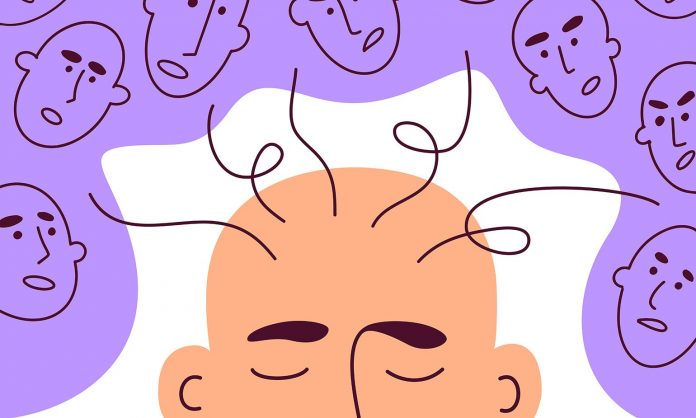
Psychosis isn’t inherently violent or dangerous

0
PHOTO: HelpGuide

by Anonymous

Content warning: Discussion of ableist language and psychosis

When sitting in a lecture hall, chances are a handful of people around you have already, or will, experience psychosis. At family reunions, there are probably a few people who have been psychotic. If you have gone to see a movie or live theatre show, you’ve likely been near a handful of people who have experienced psychosis. I am one of these people, and maybe you or someone you know is.

Clinically, psychosis is characterized by a detachment from reality and may include elements like hallucinations, paranoia, delusions, incoherent speech, and unusual behaviour. In short, it becomes difficult for us to interpret what is real and what is not. 

While causes of psychosis are not yet fully understood, it has been connected to factors like trauma, head injuries, substance use, some mental disorders, some medical conditions, and some nutritional deficiencies. Regardless of the cause, those of us who experience psychotic symptoms deserve to be treated with the same respect as anyone else. 

I have been hesitant to share my experiences in detail, even with my loved ones. In writing this, I hesitate about how much to share, at the risk of being judged by people I may never meet. The word “psychotic” feels heavier on my shoulders than the alternatives of “having a bad day” or “feeling sick.” However, it takes open conversation about what these symptoms actually look like to dispel the idea that they always make us dangerous, violent, or difficult to be around. About 3% of people will experience psychosis, but it still remains a word loaded with stigma that can prevent us from getting help or talking about our experiences.

My first encounter with psychotic symptoms came with manic episodes. These episodes, for me, involve extreme levels of elevated energy, impulsivity, racing thoughts, a short attention span, and goal-oriented behaviour. In addition to these manic symptoms, I almost always have psychotic features too.

In my first manic episode, I thoughtlessly got two tattoos; went on a hike alone in the middle of the night without knowing the trails; painted a handful of things in my room, including some of my clothing; and believed I was the world’s best wood carver, even though I had never whittled a thing in my life before. Then, I thought I would write and publish an award-winning novel in under a week. I locked myself in my room for days at a time, believing I was being followed and tracked by people trying to harm me. I have since had other manic episodes, usually involving a lot more appointments with my medical team and sometimes requiring hospital emergency services. 

These days, while I have not had a manic episode in over five months, I do encounter hallucinations nearly every day, which have involved all five of my senses. I also regularly face paranoia and delusions that may last hours at a time. I am often out of touch with reality, having to be corrected by people around me on things that are not really happening or possible. 

Sometimes I feel someone grab my arm or foot, see a person or strange lights that do not exist, hear sounds like a loud alarm going off or a song that is not playing, smell strong odors like sulphur or cleaning supplies, or feel and taste food in my mouth that I never ate. Other times I believe that people I love are working against me to track my life and give away my information. I sometimes start believing that I am more talented at things than I am or on the road to fame, and my ambitions start ruling over my reality. It can be challenging, but I have made a lot of progress over the last year.

I say all of this not for pity or sympathy, but to be transparent. Being psychotic can include a wide array of experiences. It can be scary. It can interfere with sleep, hygiene, social involvement, motivation, and lead to anxiety or depression. Despite this, it is still a relatively common medical problem that could affect anyone. While it may change our thinking and behaviour, it does not inherently make us violent or unsafe to be around. 

Even when psychotic, I still remain a nonviolent person. I still arrive early to (most of) my appointments, give my cat kisses, tip my servers, call my grandma, and wave at the people I pass on my walks. I once even held a door for a person I completely hallucinated! Like most others experiencing psychosis, I am no threat to the people around me. Sometimes we may act a little peculiar, but that only means we are engaging with a different view of reality, not that we want to hurt anyone.

People experiencing psychosis, or any mental illness, are more likely to be victims of violence than they are to be perpetrators. We also fall victim to stigma and stereotypes, and we may be treated differently because of this. The weight of the stigma around psychosis can lead us to be excluded socially and to internalize negative thoughts about ourselves. This continues to be perpetrated by a lack of accurate media representation, for we continue to be demonized and misrepresented. 

Consider seeking out information from others who have known psychosis. This could be as simple as following activists like @acutepsychotic or @nathanshuherk on Instagram, or checking out narratives somewhere like The Mighty that describe real experiences of psychosis.

I encourage you to take a moment to consider the impact next time you hear the word “psychotic” when someone means “absurd” or “dangerous.” Consider shifting your language to reduce using words like “psychotic” or “crazy” as derogatory terms. Your language matters, and it can impact how comfortable people in your life are opening up about mental health.


Council Meeting — May 19, 2021

3

Written by: Jaymee Salsi, News Writer 

Content warning: discussion of genocide, violence, and sexual violence. 

Simon Fraser Student Society (SFSS) response to the Israeli colonization of Palestine

Science undergraduate representative Zaid Lari brought forward a motion requesting the SFSS show solidarity with Palestinian SFU students. He proposed the SFSS release a statement condemning the occupation and colonization of Palestine and develop an issues policy outlining their stance on the subject.

Guest speaker Dalya Masri attended the Council meeting to discuss the 73-year Israeli occupation of Palestine and its continued colonization.

She outlined the Israeli military’s use of checkpoints and the construction of a wall to divide and control the movement of Palestinians. She also spoke about the violent attacks on Gaza being  used to prevent Palestinians from resisting colonization.

“Gaza has been bombarded with a lot of airstrikes in the past two weeks. Gaza and its civilians are damaged as a result,” she said.

As one option, Masri suggested the SFSS participate in the Boycott, Divestment, Sanctions (BDS) movement to pressure Israel to end its oppression of Palestine. 

The movement is known as an “alternative to violent resistance,” as it involves the withdrawal of support from any organizations affiliated with Israeli violations of international law. 

“Many campuses have actually used BDS as a form of accountability measure to condemn and to pressure Israel [ . . . ] I suggest that you look into SFU’s endowment fund and see how many companies are operating on illegal Israeli settlements,” Masri said.

In response to the motion and the presentation, council members and guests discussed their ideas for the SFSS’ actions moving forward.

Emphasizing his belief in basic human rights, president of the Hillel Jewish student association Gabriel Pratico agreed that the SFSS should condemn the violence in Palestine and Israel. 

However, Pratico disagreed with the “characterization of Israel and its position within Jewish identity.” Due to the rise in antisemetic attacks across Canada, he said he is “concerned about the potential impacts to the safety of some Jewish students.”

Vice president university and academic affairs Serena Bains responded, “I think it’s important to recognize who has the power in the situation and that the Israeli government is backed by the United States and many other powerful global forces.”

Sustainable energy engineering representative Mohammad Al-Sheboul said the motion does not do the movement justice, “Not because it’s a bad motion and not because it’s not enough. But because it’s only the first step towards a long road that’s been paved for 73 years now [ . . . ] We need to look at more specifics and more direct ways of how we can help this.”

He suggested adjusting the motion’s wording to state Palestinians all around the world are being affected by Israel’s occupation.

The motion was amended to 

  • Acknowledge the sale of weapons and military supplies from the Canadian government to the Israeli government
  • Acknowledge the protests happening in all over the world and recognize the violence with which they’re met 
  • Form a working group to gather information on companies included in SFU’s investment portfolio and endowment fund
  • Continue discussion as the events in Palestine progress

To research and draft the statement and policy, a working group consisting of nine people was formed.

This motion was carried unanimously, as amended.

SFSS response to the genocide of the Uyghur Peoples

Lari also presented a motion for the SFSS to publicly condemn the Chinese Communist Party for its genocide of the Uyghur people. 

Officials from the United Nations have reported on China’s human rights violations against Uyghurs since 2018.

Lari requested the SFSS financially boycott companies that benefit from Xinjiang’s Uyghur internment camps and provide a platform for Uyghur activists to raise awareness on the subject. Boycotting companies would involve divesting funds that might be tied to the Chinese Communist Party.

A working group including councillors and students would be created to research the statement and policies.

Kabir Qurban gave a presentation outlining the events happening in East Turkestan/Xinjiang. 

Qurban said Uyghur people are being exploited for forced labour. “Men are being taken away so then they get sent to concentration camps and women are forced to find a living. So they go to these forced labour camps [ . . . ] where they produce goods for us.”

Torture, organ harvesting, and sexual violence occur at these concentration camps, he said.

According to Qurban, punishable crimes for Uyghur people include wearing a full beard, wearing veils, and not abiding by family planning policies.

Vice president internal and organizational development Corbett Gildersleve said he would contact the SFSS investment manager to see what kind of work might already be done on the subject and what other changes can be made.

Gender, sexuality, and women’s studies representative Devynn Butterworth expressed support for the motion, “It’s important to acknowledge that we are a newly elected Council and we need to be intentional with our choices, and that includes our finances, which is part of this motion.”

With nine volunteers for the working group, the motion was carried unanimously.

SFYou: Stacey Copeland on the sounds of queer feminism on the airwaves and in academia

0
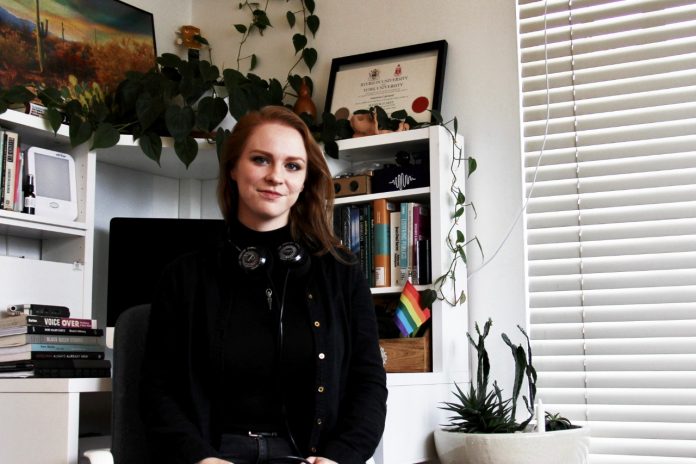
PHOTO: SFU School of Communication

by Emma Jean, Peak Associate


Name: Stacey Copeland

Pronouns: she/her/hers

Department affiliation: School of Communication

Hometown: Barrie, Ontario

Occupation: Full-time PhD candidate, supervising podcast producer

Fun fact: Copeland is a huge fan of the Xena Warrior Princess franchise. “So campy, so queer. Lucy Lawless is an absolute icon.” — Stacey Copeland


From working the ins and outs of community radio and podcasting to engaging in the study of sound through her PhD with the School of Communication, Stacey Copeland is no stranger to exploring sound. After co-founding a feminist radio program during her undergrad, diving into sound research, teaching during her master’s, and becoming a podcast producer and sound archivist in her PhD, there’s little ground that Copeland hasn’t covered in her academic career. In this week’s SFYou, we sat down over Zoom to talk about how feminist circles and research connect to her wide-ranging career, how teaching acts as both an education tool and a sounding board, and what all this leads her to next. 


How did you get here? 

A career in research wasn’t what Copeland pictured for herself when she began her undergraduate degree at Ryerson University, but it soon emerged as a way to pursue a variety of her passions. 

“Back then, I wanted to make music videos, record artists, and work in the music industry; that was kind of the focus,” she described from her sunny office in Toronto. “Then, as I got into my later years, I got really interested in radio production and worked in radio production.” 

It wasn’t until her master’s degree that she dove into the academic side of her field. “That’s when I started getting really into theory and started deep-diving into reading, fell in love with sound studies and cultural theory and ended up really wanting to do a PhD,” she said. “I saw that this could be a career, to keep doing research, and I could keep making media as part of my research.”


Life as an academic

As a full-time PhD candidate with the School of Communication, Copeland spends most of her time working with sound both academically and professionally. Most of that ends up with her doctoral project on historical lesbian radio stations in Canada. 

“Right now, I’m interviewing a bunch of different folks who were part of two different historical lesbian radio stations in Canada: the Lesbian Show on Vancouver co-op radio, which started in the ‘70s and went until the 2010s [ . . . ] and Dykes on Mykes, which was out of Montreal, started in the ‘80s and continued into the 2010s as well. So I’m interested in kind of exploring what lesbian and queerness sounds like through audio media.” Copeland is also interested in contemporary queerness, spending time looking at modern queer and lesbian feminist podcasts. 

That interest for how sound can represent a multitude of identities, ideas, and work is also found in the work that Copeland does “for making money outside of being a student.” This is done through her role as a supervisory producer of the SpokenWeb podcast, an audio documentary podcast project spearheaded in part by SFU publishing assistant professor (and fellow podcaster) Hannah McGregor. Copeland describes the work as a collaboration between poetry and literary archivists and sound producers like herself who wish to make it more widely available. 


Life on the airwaves

Copeland’s academic focus on feminist community radio doesn’t just exist on paper. She was a co-founder of FemRadio, a feminist radio collective on Ryerson University’s campus radio station CJRU alongside Emily Joveski, whom Copeland made sure to shout out in our correspondence. She noted the goals of the program were to “showcase feminist folks, activists, artists that were making cool work and doing awesome things all over Canada and bring it to the Toronto community.”

“That was really my first taste of making very boldly, unapologetically feminist work, because my undergraduate degree and then working in radio — I worked for Indie 88 which was more of a traditional music station — so FemRadio was the first time I got to really play around with what it meant to make feminist audio work, and that I have definitely brought into my PhD work.” That’s not to mention the SpokenWeb podcast, of which Copeland says its feminist production staff strongly drew her to the project in the first place. 

The next step on the media side of Copeland’s work seems to be Amplify, a podcast network aimed at bringing peer-reviewed research in podcast form to the public and of which she is credited as a supervising producer and project manager, but little detail is being revealed just yet. 


Life as a teacher 

When Copeland took on a production assistant role in Ryserson’s radio and television arts program, her academic career and interests started to shift. 

She discovered that she really enjoys working with students to create their own media and said that is what gave her the “teaching bug.” She continued, “That’s why I went into my master’s program, because I thought, ‘well, I could make media and teach media and live that life, which would be great!’”

Copeland brought that teaching bug to SFU, where she has taught classes on popular music studies as well as gender, sexuality, and technology, infusing them with her own research on queer feminism and Black feminism. “I love teaching. It’s really  great because not only do I get to talk about things that I’m passionate about myself [ . . . ] but I also get to connect with [ . . . ] undergraduate students who are also interested and passionate about this work.” 


Life after SFU

It can often feel inconsiderate to ask someone to make predictions about their future, but Copeland was prepared to take a run at what hers could be. “I have to often think about this,” she smiled wryly. “A couple different scenarios that I’ve thought about would be getting a faculty job teaching in a media or communications program, but one that allows media production work as part of my research because that would be the dream, and teaching students as well. Bringing the duality of making work and researching it together in practice. 

“Another option would be doing a postdoc, a smaller project like what I’m doing with Amplify Podcast Network or with SpokenWeb where I get to do really cool podcasts and really cool media work with other media scholars for the next couple years and just write about it. That would also be a really cool thing to do.” No matter what path forms, it seems evident that Copeland will continue to push the barriers for which audio can be utilized. 


Tarantino’s “Death Proof” deserves more credit than the apathy it currently faces

0
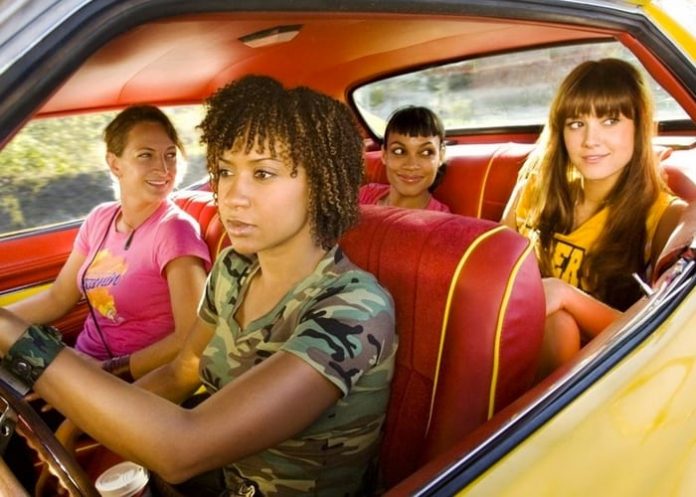
Death Proof’s kickass female leads. Image courtesy of Dimension Films

By: Sara Brinkac, Peak Associate

Content Warning: Death Proof deals with acts of gruesome violence towards women. Death Proof also includes mass violence surrounding cars and car crashes.  

I’m often told that Death Proof was a write-off in Quentin Tarantino’s career. However, one quarantine evening, I was faced with nothing to do, so at the suggestion of my roommate, I reluctantly watched the one Tarantino film I had avoided for many years. Well, that evening I learned two things: 1) Death Proof is a great, action packed movie with a kick-ass female cast and 2) I need to start listening to different people.

Released in 2007, Death Proof was the second half of the double feature Grindhouse by Robert Rodriguez and Quentin Tarantino. The aim of Grindhouse was to create an aesthetic similar to the slasher B-movies of the 1960s/70s. With fake concession stand promotions, ad parodies for other sleazy horror films, and intentionally missing reels and damaged film, the two directors worked hard to recreate a four hour B-movie house experience.

Following Rodriguez’s Planet Terror, Death Proof takes the genres of 70s slasher and Gearhead movies then twists them into a uniquely Tarantino-esque revenge plot. The film features a deeply unsettling ex-stuntman named “Stuntman Mike” (Kurt Russell), who has a penchant for vehicular homicide and fulfills this craving through the stalking and killing of women with his “Death Proof” car. The first act follows three women with great music taste as they spend a night out in Austin, then ends with their brutal murders and your jaw on the floor.

At this point in the film, I became worried. From the blatant exploitation in the opening parody ads to the female characters who initially seemed concerned only with men, I was growing increasingly disappointed in Tarantino. Although I was hopeful that he would only borrow from the slasher aesthetic, it seemed he was fully encapsulating the problematic tradition of placing “sexy” females on the screen only to get brutally murdered. However, two things kept me hanging on. First, this group of ladies seemed to hold more weight than your average female action movie. Although they talked of men, they did not rely on them. Their substance as characters was based on who they were, not what they did for males (both on and off screen). Second, was Tarantino’s stellar reputation for satisfying revenge plots.

The second act kicks off with a new group of females, and the terrible taste of Stuntman Mike lingering in the viewer’s mouth. The four friends consist of actress Lee (Mary Elizabeth Winstead), makeup artist Abernathy (Rosario Dawson), and two stunt women, Kim (Tracie Thoms) and Zoë Bell — who plays herself and performs all her own insanely impressive stunts.

This second half of Death Proof passes the Bechdel Test with flying colours. These friends are straight-talking, quick-witted, and refreshingly independent. They are the perfect ensemble to turn the tables on Stuntman Mike, and boy do they ever. The final 20 minutes of the film builds up to an exhilarating car chase and a mission of revenge that had me standing on the couch shouting with excitement. Never before had I felt so satisfied seeing women in film getting their just desserts. Not to mention the 100% authentic stunts (performed by women! Not men in wigs!), which added an extra layer of grittiness to the final car chase. The film ends with a once idolized murderer of yesteryear reduced to a blubbering mess, and thanks to Kurt Russell’s fantastic performance, the viewer is able to bask in every glorious second of it. 

While Death Proof may not be in the running for “Best Tarantino Film,” it is still undoubtedly a strong piece that stands on its own. Whether the downfall of Death Proof was due to the majority of male viewers finding the female cast unrelatable or because it was buried at the end of a four-hour double feature released in uncomfortable theatres everywhere, we’ll never know. However, one fact remains, Death Proof is an incredibly enjoyable 127 minutes with amazing female leads and the best car chase scene this century has seen to date.

As of May 22, 2021, Planet Terror and Death Proof are both available to stream on Netflix separately.

Your weekly SFU Horoscopes: May 31–June 6

0
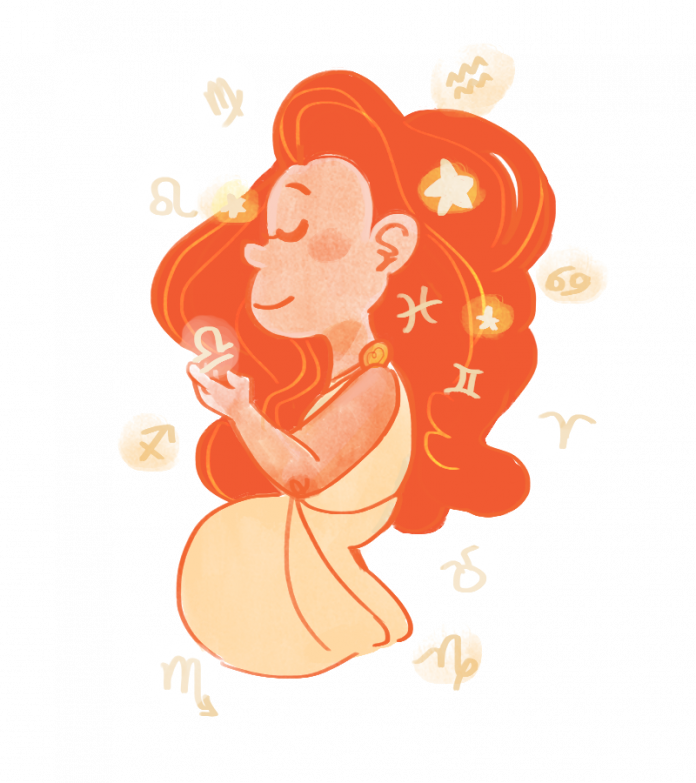
An illustration of a girl with long flowing hair. Astrological signs and stars shine around her.
ILLUSTRATION: Marissa Ouyang / The Peak

By: Sara Brinkac, SFU Student and Certified Star Whisperer 

ARIES: Mercury says it won’t come out of retrograde until you stop eating so much processed sugar. Just one vegetable, Aries. Please.

TAURUS: Your moon and stars don’t seem to be aligned. May we suggest moving one foot  to the right and tilting your head at a 37° angle?

GEMINI: The reason you haven’t gotten that promotion yet is because you need a job first.

CANCER: The bad news: branding hasn’t been great ever since the discovery of the disease “cancer.” The good news: there’s a new support group starting up for you and Corona the beer company. Meetings will be held Mondays at 8 p.m. via Zoom (for obvious reasons).

LEO: The nickname hasn’t really been working out. We suggest you start going by Leonard again.

VIRGO: Your lucky numbers are: 4504 5300 8968 3316. Your lucky month is: 02/22. Your lucky three-digit security code is: 836. (But you didn’t hear it from me.)

LIBRA: Uranus is concerned about your recent dietary choices. I’ve been asked to remind you of the fact that you are what you eat, which means you’re currently 15 blueberry Pop-Tarts and a glass of whole milk, so . . .

SCORPIO: Love is in the air. I don’t know who let it out, but could you please go catch it before Leo gets any ideas?

SAGITTARIUS: There have been whispers in the cosmos that you’re getting Gemini’s time slot next year. That’s right: you’ll be third in the Zodiac and first in my heart. This will be huge for your follower count.

CAPRICORN:  You need to stop keeping your friends and enemies so close. Seriously. You’re violating like 13 different COVID-19 restrictions. 

AQUARIUS: It’s time you get back in touch with the roots of your sign. Go buy an aquarium tank.

PISCES: It’s time you get back in touch with the roots of your sign. Go buy some fish and partner up with Aquarius because they just bought an empty aquarium tank for absolutely no reason at all.

Monday Music: Songs that are not just for Asian Heritage Month

1
"Monday Music" in giant yellow block letters with a red background
Monday Music: your weekly themed playlist. Image courtesy of The Peak.

By: Marco Ovies, Features Editor

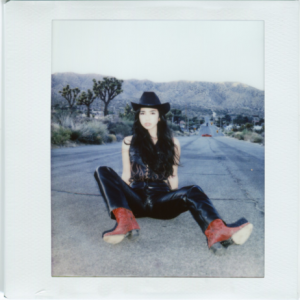
Off the Rails” by Wallice

Image courtesy of Wallice

Coming hot off the heels of her 2020 hit “Punching Bag” is Wallice with another coming-of-age bop. “Off the Rails” is punchy, electrifying, and has an almost bossa nova element to it. In an interview with Dork Magazine, Wallice explained that her song “is about feeling like you don’t have any control over your life and that the world is against you — and that you’re the only one that feels that way.” Wallice is a master at capturing the 20-something-year-old living in their parents’ house feeling, which I can relate to a lot more than I would like. Her EP, also titled Off the Rails, is set to release June 4.

Karma” by Sarah Kinsley

Image courtesy of Everybody’s Publishing Ltd

Sarah Kinsley has the sort of vocals that you would expect from your favourite acoustic artist like Tori Kelly or Adele, but her latest single “Karma” is anything but that. With a driving beat and soaring synths, “Karma” makes me feel like I am ascending into another plane of existence. It’s how I imagine Maggie Rogers would have sounded if she went down a more electro-indie path with her latest album. Sarah Kinsley’s next EP The King is coming out June 4.

Losing Touch” by Laterdays

Image courtesy of laterdays

“Losing Touch” might be one of my favourite tracks of the season. It sounds like hanging out in the park on a warm summer day with the perfect breeze — just enough to feel it but not too much to take your hat with it. Band members Nik Pang and James Paul are Vancouver locals and I guarantee they are going to be the next big Vancouver sensation alongside the likes of Peach Pit and Calpurnia. Laterdays are currently in the studio working on their next project, so expect to hear some new music soon.

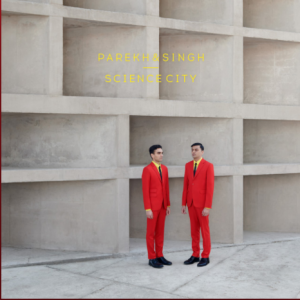
Summer Skin” by Parekh & Singh

Image courtesy of Peacefrog Holdings Limited

If you’re looking for a song to help you fall asleep in a field of grass, look no further than Parekh & Singh’s track “Summer Skin” off their album Science City. It sounds like the lovechild of The Lumineers and the Bee Gees (before they colonized disco). The combination of gentle synths with more acoustic instruments like the acoustic guitar makes for a unique take on the folk genre. Be sure to follow Parekh & Singh on Instagram @parekhandsingh, where they look like they are having a blast making covers and doing different renditions of their songs.

Need to Know, Need to Go: May 31–June 6

0
Illustration of a blue calendar, with "Need to Know, Need to Go" written on top
Arts & Culture events to catch around the city. Image courtesy of Brianna Quan

By: Charlene Aviles, Peak Associate

rEvolver Festival | Online | May 19–June 6 | FREE with registration

Presented by Upintheair Theatre, the rEvolver Festival features Vancouver artists in workshops, play readings, and more. The festival schedule and brochure are available for viewing on Upintheair Theatre’s website. Tickets are available via Eventbrite.

Screen From Home: The Hobbit: The Battle of the Five Armies | Online | June 1 | FREE with registration

As part of the Vancouver Public Library’s Based on a Book series, there will be a free screening of The Hobbit: The Battle of the Five Armies. Attendees will be emailed login information to watch the movie. Registration is available on the Vancouver Public Library’s website

19th Annual Run, Walk & Roll for our Kids | Facebook Live | June 1–6 | By donation

The Centre for Child Development and the Surrey Fire Fighters’ Charitable Society’s annual Run, Walk & Roll for our Kids is a fundraiser to support children with diaabilities. Participants can register as a team or individually on CanadaHelps’ website. All participants will receive one prize draw entry for every $100 raised. On June 6 at 10 a.m., the event organizers will announce the prize winners on Facebook Live

Thursday Artist Talk: Barbie Warwick, “Draw Daily” | Facebook Live | June 3 from 7:30 to 8:30 p.m. | FREE

As part of the Surrey Art Gallery’s Thursday Artist Talk series, local artist Barbie Warwick will discuss her creative process and advise fellow artists struggling with “approaching the blank page.” Warwick is a Surrey artist, actor, and director. Participants can join the discussion by watching the Facebook Live event on the Surrey Art Gallery’s Facebook page.

Victorian Virtual Baking | Online | June 5 from 1:30 to 3 p.m. | FREE with registration

The Historic Stewart Farm, located in Surrey, will be hosting an online cooking class. Participants will learn Victorian-style whipping cream scones. The host will also wear a historical costume. Registration is available online or by calling 604-501-5100.