

By: Hailey Miller, Staff Writer
Disparity is defined as “a noticeable and usually significant difference or similarity.” However, in the case of Vancouver indie-rock and shoegaze band la lune, disparity also refers to the hard-hitting soft beats of their most recent EP. Released on April 19, the EP has shown “songs that reveal themselves” as la lune plays them.
Consisting of Ethan Rebalkin (guitar, vocals), Olivia Wells (bass, backing vocals), Ben Lock (guitar), and Taylor Pawsey (drums), the band formed in 2022 after a few jam sessions among the friends-turned-bandmates. Having been roommates and coworkers, and after getting to know each other better, the band decided to embark on their passion for music.
The dreamy, vocally-obscured shoegaze element is prominent on disparity, though Pawsey told The Peak he’s “always just thought of [la lune] as a rock band.” la lune is working on more new music, which he said will be “broader,” but considers it adventurous alternative rock.
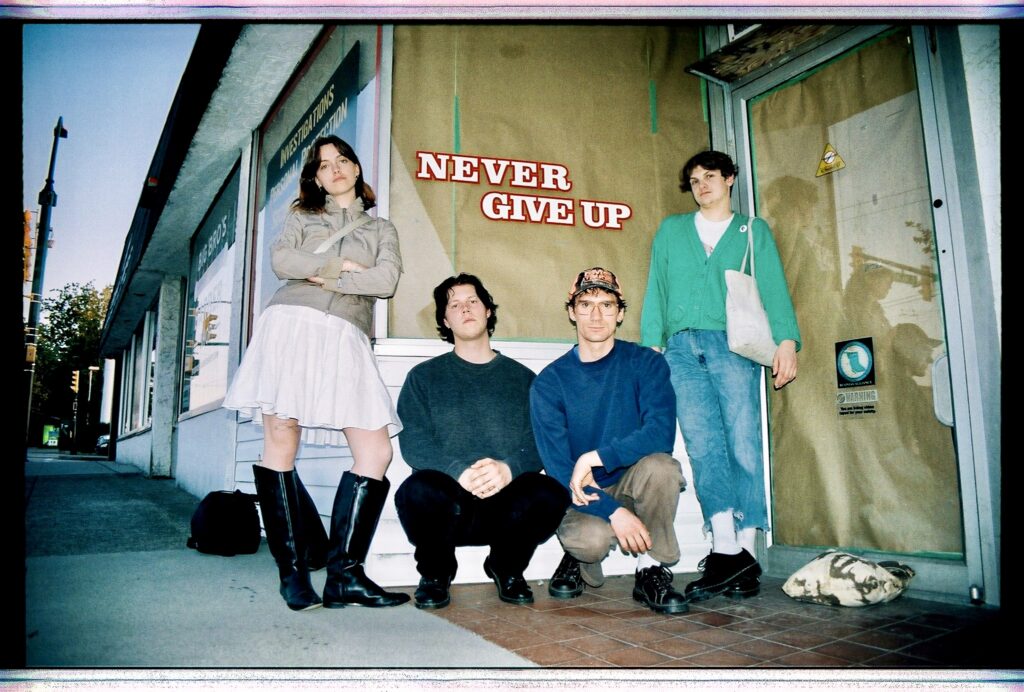
The more the band evolves, the more they draw on inspiration from other artists. “We’re constantly writing,” said Lock. They lean into the writing process and influences from artists like “electronic slowcore band” duster and alternative-rock band The Smashing Pumpkins.
la lune is interested in pushing the envelope with genres — particularly shoegaze. disparity’s tracks drip in guitar distortion and cutting jabs of feedback that make it feel like you’re floating around a starlit galaxy. The songs “despondent,” “disparity,” “spiral ((down)),” and “i feel like i’m pretending,” will bring you into the ethereal realm of cascading riffs and distorted feedback.
“When you play the songs you learn so much more about them.” —Olivia Wells, la lune’s bassist and backup vocalist
The EP lives up to its name, showcasing a plethora of guitar shreds, drum fills, and catchy bass lines. Songs like “a little life” start out slow and build up to a heavy rock vibe.
“It’s been really fun to reacquaint with the songs,” said Lock, regarding the time between studio recordings and now playing them live.
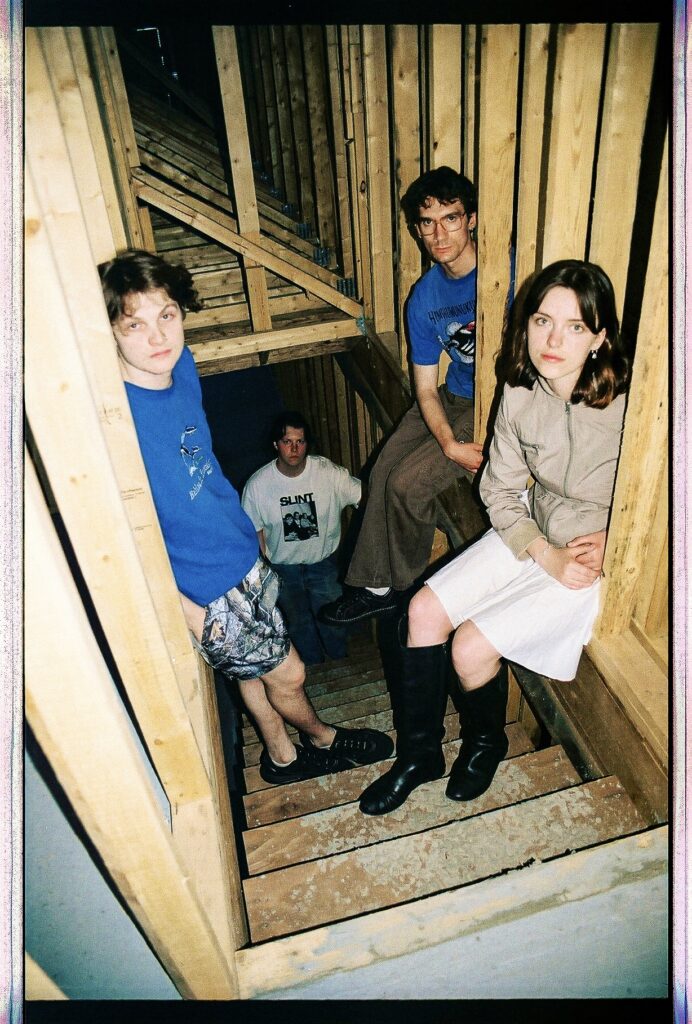
A unique part of the band’s musical development is how they feel out the tracks and alter them onstage. Recently, they’ve been playing an unreleased song live and have received positive reception from audiences. Wells noted that having recorded disparity months prior, and now performing the songs live, has been a good way for the band to develop their onstage presence versus what they had recorded in studio.
“When you play the songs you learn so much more about them,” said Wells, adding that the studio is a good place for “solidifying” everything, as aspects of the tracks change over time.
“disparity feels new because we just put it out, but some of these songs we’ve been playing for a long time,” said Pawsey. “We’ve been hyped on writing a lot recently,” added Lock.
“We’ve all been pretty grateful for the reception,” Pawsey said of the release of disparity. “It feels good that people are just enjoying it and connecting with it.”
Following their two recent shows at the Green Auto this month, la lune will be playing at the Fox Cabaret on July 6 and The Pearl on August 1. They’re looking forward to the upcoming gigs, releasing more music, and hopefully planning a future tour.
“Rock and roll evolution,” acknowledged Lock, and surely, that’s what la lune will continue to do.
Follow @lalunelalunelalunelalune on Instagram to keep up with the band.


