Home Blog Page 656

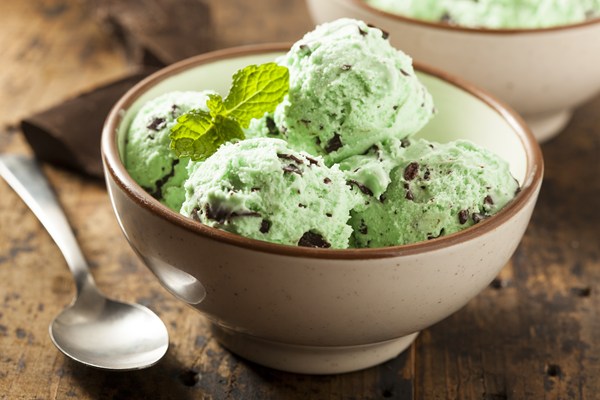
WHAT GRINDS OUR GEARS: Mint chocolate chip ice cream

0
Photo courtesy of Kitchme

Written by Natasha Tar, Arts Editor

There are many things on this earth that I find disgusting, but right up there in my top three is mint-flavoured food items. Ever since I was young, I have used mint toothpaste, and on the label it has always clearly stated, “DO NOT CONSUME.” I associate the minty taste with something that causes damage if you eat it.

Fast forward to today: I open my freezer and what do I see? Toothpaste-flavoured ice cream with chocolate, AKA, mint chocolate chip. I take off the lid out of morbid curiosity and find that it’s as green as Shrek and smells as deadly as the devil.

Someone says to me, “Try it, it’s great!” I sample a spoonful and watch my life flash before my eyes. It tastes like death. Why would anyone pay this much to eat toothpaste? Why would anyone desecrate ice cream and chocolate like this? Don’t let this poison enter your body; spit it out like the toothpaste it is.

Kanye West’s ignorant online behaviour isn’t doing himself or his fans any favours

0
Photo courtesy of Justin Tallis/Getty Images

Written by Youeal Abera, Peak Associate

As a hip-hop fan, it is impossible to refute Kanye West’s impressive impact on the genre. His iconic discography, his ability to introduce and launch the careers of other rap superstars (eg. Big Sean) through his record label G.O.O.D Music, and his indisputable capacity to produce some of the most artistic, profound music videos hip-hop has ever seen are all manifestations of the musical genius that is Kanye West.

Nevertheless, no matter how talented the man is, Kanye West’s political ideologies are atrocious. We need to call this spade a spade. To begin to pinpoint the deleterious things Kanye has said in the past two months is like trying to name each grain of sand on a beach: it’s a really frustrating task, and it would take a tremendous amount of time.

Some of Kanye’s more atrocious tweets would be when he tweeted “I Love the Way Candace Owens Thinks.” Owens, for those who don’t know, is a Conservative pundit whose rhetoric claims that black people are “whiny toddlers” who complain too much about racism, and that they should “get over” racist and prejudiced actions, verbalizations, and systems. Preceding this tweet, Kanye used the social media platform to state thatthere was a time when slavery was the trend and apparently that time is still upon us. But now it’s a mentality”. Kanye elaborated upon the ignorant declamation of Ms. Owens in order to belittle the ongoing plight Afrocentric people face, stating that there really isn’t any “racism”, and that black people are just oppressing themselves by claiming that there is.

However, the most outrageous statement Kanye has made in recent weeks was not expressed via Twitter, but rather on an impromptu interview at the gossip mega-giant TMZ. In the midst of the interview, Kanye unabashedly stated, “When you hear about slavery for 400 years . . . For 400 years? That sounds like a choice. You were there for 400 years and it’s all of y’all. It’s like we’re mentally imprisoned.”

Yes, you read that correctly. Kanye West said that, by choice, black people endured slavery.

Now some may think that those undergoing this deep vexation resulting from Mr. West’s recent antics are overreacting, and that we should simply ignore the corrupt ideologies he chooses to believe and profess. However, the frustration manifested from Kanye’s words are much deeper than some people can comprehend.

I’ve been a Kanye fan since I was 12 years old. Albums such as Late Registration, College Dropout, and Graduation were not only hit albums, but they were also soundtracks to my, and many other young black childhoods. We loved Kanye! We cheered him on when he boldly stated (after Bush neglected the predominantly Afrocentric New Orleans community shortly after Hurricane Katrina) “George Bush doesn’t care about black people.” We loved him for his authenticity, his immeasurable creativity, and his ability to say the things that many would be too afraid to even admit.  

For many young black boys Kanye was, once upon a time, a role model: one who wasn’t afraid to embrace individualistic fashion, or to express hurt and pain in a genre where men don’t typically articulate emotional turmoil.

So imagine being a young, educated, black fan of Kanye who grew up admiring a creative figure — one who expressed love for his culture and community, and whose father was a black Panther — then logging onto Twitter one day and seeing him write that he agrees with ignorant political pundits and hearing him say that slavery was a “choice.” Imagine seeing Kanye on Twitter wear a “Make America Great Again” hat, or informing the world that Donald Trump — the outrageously bigoted and erroneously guided president of the US — is “his brother”. Imagine how these images and these statements make the young, black fans of Kanye feel, especially during a time when black men are arrested for sitting in Starbucks and white officers beat up black women at Waffle Houses.

For many, the pain of realizing Santa Claus isn’t real is felt just once in their lives. However, when someone like Kanye West, a person who was once a positive figure for us, constantly says ignorant and insensitive things, this same painful realization is experienced time and time again for his young black fans.

Yes, I have always been a fan of Kanye’s music. Yes, I can admit he’s made some incredible albums. However, it would be incredibly irresponsible of us if we were to ignore his dangerous rhetoric simply because he’s made some good music. We cannot disregard or overlook Kanye West’s problematic behaviour.

Volunteer without being voluntold

0
Image courtesy of the Center for Nonprofit Excellence

By: Alannah Wallace 

There’s a million reasons to volunteer, whether it’s to round out your resume, give back to your community, make a difference, meet new people, or do some good this summer. Here are some options for busy students.


On campus

Food Rescue Volunteer (for more see MyInvolvement, ID 4493)

Embark Sustainability is looking for people to help find food that grocery stores don’t deem perfect enough to sell and redistribute it to the university community. This will involve taking care of the program materials, picking up food items from grocery store bins, managing the food table in Blusson Hall, and the clean-up of these events. Volunteers will need to be available for two hours a week on Thursdays for the entire summer semester. This is a great way to get involved with the university and help the environment by reducing waste!


Learning and Writing Peer Educator (for more info see MyInvolvement, ID 4308)

Do you have a knack for writing? You should share this knack, since writing is a daunting task for many people. The Student Learning Commons is looking for peer educators to help other students improve their writing. They provide training to teach Learning and Writing Peer Educators how to help clients improve their writings during one-on-one advising sessions that clients book. You will need to spend 60–72 hours volunteering per semester, and they ask that you commit to at least two semesters. This would be great if you are going to apply for grad schools, or go into teaching. This type of experience would show that you can teach, that you are a well-trained writer, and that you are involved in the community, which graduate programs (and even award committees!) will likely value.

(Note: there are many other peer education programs on campus to explore if writing isn’t your cup of tea).


Autism Mentorship Initiative (for more info see MyInvolvement, ID 4472)

The Autism Mentorship Initiative is a way to help SFU students with autism feel more comfortable participating in university life. Mentors will help mentees feel included on campus, find opportunities to engage with the community, and overall succeed in university. You will be assigned a mentee (they prefer you commit to volunteering for at least two semesters) although a match is not guaranteed right away. You will meet with your mentee weekly, and work on issues that the mentee needs help them feel welcome on campus.


Off Campus

The Shadbolt Center : Volunteer Arts Program Assistant

This is a good option for starving artists who want to make sure they have experience teaching as a backup plan. Getting paid to be a full-time painter or dancer is hard, but teaching your passion can be just as rewarding, and it’s a steady paycheque. Getting one of these teaching positions after graduation can be really competitive, but one way to stand out is by having experience helping in a class, especially at the place you may want to work in the future. Teachers are usually happy to have someone to help in the class; it can be hard to sort out arts and crafts alone for 15 little kids! You can contact the Fine and Performing Arts Programmer for more details.


GoodLife Fitness

GoodLife gym is that huge, kind of fancy gym you always see commercials about. On a student budget, it can be hard to commit to a one or two-year contract of around $60 a month, but the gym offers lots of ways that students can volunteer to get a free monthly pass. For just two hours of volunteering at the gym a week, you can obtain a monthly pass. Some tasks involve some light cleaning such as wiping down exercise bikes, or helping out in the daycare the gym has for parents who are working out. This is a great way to save as a student while still staying healthy! Drop into a location with a resume and ask to speak to someone about a volunteering position.


BC SPCA

Have you ever dreamed of having a farm of animals but barely have enough space for just yourself in your dorm room? Well, there is a way for you to have it all! Volunteer at the local SPCA to get your animal fix. You can volunteer to transport animals to their appointments, make sure they get enough exercise, and help keep their living quarters clean and comfortable. Just make sure you are okay with handling all sorts of animal personality types and smelling all types of smells. If you want to help but don’t think you have great animal handling skills, you can also volunteer to be part of their community outreach program to work on gaining more support, or be part of the fundraiser team (it’s one to two hours a week, and can often be done from home)!  


School Classrooms

If you are considering becoming an elementary or high school teacher, you will need some type of volunteering experience with children to make your application to the Professional Development Program (PDP) strong. When I was thinking about becoming a teacher, everyone told me that the best volunteer experience to have was in an actual classroom. You can shadow the teacher, and help out in the classroom. In preparation for the class, the teachers often let you teach a mini-lesson and give you feedback on your teaching style. You can call a school you are interested in and explain that you are prepping for the PDP program and most teachers will be happy to take you on. You should plan on volunteering at least one day a week.

Long story short: Being an international student isn’t easy, but I have some advice

0
Image credit Tiffany Chan

By: Ali Najaf 

Four years ago, I packed my bags and travelled more than 10,000 kilometers from my home in Pakistan to study at Simon Fraser University. My experiences as an international student have been incredible. I’ve formed close relationships with people from all over the world, learned about their cultures, and become a mentor for other international students. These are all things I had never done back home, and may never have had the chance to do in such a meaningful way until I arrived here.

Throughout my time at SFU, I got the opportunity to make the most of my experience and have tried my best to get involved, give back to the community and help my fellow students grow. I got a chance to be elected to SFU Senate, have worked as a team leader for the International Mentorship program, and have worked as community advisor at SFU Residence for three years, helping other students integrate into the community.

But it’s been a long road. Before coming to Canada, I had spent eight years in boarding school, and I was still totally nervous; not only about going to a different country, but also to a different culture and society. Although my family was confident that I would quickly adjust to the new environment, I was far from reassured. This was also the first time I was travelling alone. I still remember the first time I ever used public transport, and it took me three hours to find my way back home.

One of the biggest challenges I faced in Canada was integration into the wider community and navigating the different teaching style. At the beginning, some of the biggest challenges were the bell curve, the big class sizes, and the fact that material was delivered in a different language. Support from programs like student orientations, academic and personal counselling, and educational events helped overcome these challenges. If you’re an international student, I recommend these resources as well. Never being too shy to ask questions has also played a big role in adjusting me to the academic life in Canada.


My advice for international students:


  • People are always ready to help, and there is a great support system in the university and community. It’s on us to see how we can make the most of it.
  • Always take initiative and approach the available resources when you are uncertain.
  • Remember to give back to the community and provide support in the same way that you received it.
  • Get involved in student clubs, as it’s a great way for you to build your resume and engage in peer-to-peer learning, which will further develop great friendships.
  • Remember that it will take time to finish the degree. There will be some highs and lows but make your experience memorable by getting involved and giving back to the community.


I believe that international students like me not only contribute to the cultural and social growth of the universities we attend, but also the communities we join as a whole. We provide an incredible injection of languages, personalities, customs, art, food, and music from around the world. International students enrich the educational experience of Canadian students in elementary schools, high schools, universities, and colleges. We create a global village in Vancouver in which all students, Canadian and international, can have a taste of the multicultural climate we will face as tomorrow’s leaders.

Album versus Album: Logic

0
Photo courtesy of Alex J. Etling

By: Alex Bloom

The Incredible True Story (2015)

Logic is certainly a talented rapper, but what stands out to me is this album’s ability to tell a story. The opening track, “Contact,” sets the scene for the album with an epic sound, culminating in an audio clip establishing the two main characters of the rest of the skits. From then on, the album is punctuated by bouts of dialogue between two space travellers, who are taking part in humanity’s search for a new planet after rendering earth inhospitable. The album itself is part of the catalogue of Earth’s greatest music that humanity managed to save before setting off into space, and the listener gets to experience the music with the two travellers and their AI computer. It has some songs that are great on their own such as “Like Woah” or “Fade Away,” while the song “Paradise” coupled with the skit “Babel” will have you pondering the meaning of life. This album is an auditory experience; it’s an incredible story, and one day it just might become true.

Bobby Tarantino II (2018)

This trap-inspired mixtape picks up where Bobby Tarantino I left off, showing us a different side of Logic than we tend to see in his albums. As emphasized by Rick and Morty’s Rick Sanchez in the mixtape’s opening skit, “Grandpa’s Space Ship,” there are two different Logics: “Album Logic” and “Mixtape Logic.” Rick goes on to say that Logic has “a plethora of music that varies from mood to mood” when he doesn’t want to hear something with a message, and he just wants to “turn some shit up,” he wants “some of that Bobby Tarantino shit.” The opening skit sums up this mixtape perfectly; it’s a selection of music meant for having fun, not necessarily for helping you reach enlightenment. Overall the production is amazing, and Logic is always on top of his game in terms of delivery. A lot of tracks, however, sound the same, and most of them are unoriginal, crass, brag rap — so don’t expect the same lyricism or depth that Logic brought with The Incredible True Story. That said, this mixtape has a couple unforgettable tracks on it like “Indica Badu” and “Warm It Up,” so it can’t be dismissed completely.

Verdict

While The Incredible True Story isn’t an album I would put on at a party, it is an album that I will always remember for its originality, and its thought-provoking themes. Bobby Tarantino II, on the other hand, is pretty hit-and-miss, but mostly miss. Logic has different music to suit different moods, but I have to say, I like “Album Logic” a lot more.

Shit Grades R Us

0
Image courtesy of Expert Writing Service

By: Aaron Richardson

Hate the effort of getting out of bed to go to your exam?

Can’t be bothered to write your essay?

If you’re suffering from these problems, this is the business for you! When you’re too lazy to do your homework, that’s where we come in. When you hire us, we’ll get another student to do your work for you. While it is “technically plagiarism,” we try to ignore that kind of slander. Our service is also different from the many services you see on and around campus offering low-quality plagiarism.

While these other services promise to get you an A on your essays and papers, we make no such promises. We make the promise to replicate your efforts exactly. We’ll put the same minuscule amount of effort into your grade that you would have yourself. Instead of getting you an A, we’ll get you a C, or maybe even a B-: just like you would have if you had done it yourself, you lazy fuck.

We all hate writing papers. The worst part about writing a paper is that even though you know you’re going to get a C, you’ve got to do it anyways. Instead of wasting your time to get such a shit grade, give us a call, and we’ll get that shit grade for you. We have a crack team of students ready and willing to fail exactly as badly as you would have already done yourself, but who are willing to do it for you.

If you decide to hire us, just give us 48 hours’ notice, and we’ll get one of our team on the job. Once you give us a call, you can rest and just leave the rest to us. We’ll spend the time leading up to your exam or essay exactly as you would have yourself: doing jack shit until it’s too late to even try.

Our team are experts in:

  • Binge watching Netflix until 3 a.m.
  • Rewriting the first sentence of their papers 15 times before even starting the second sentence
  • Depriving themselves of a whole hour of sleep by setting an alarm every five minutes and only getting up on the last one because they were too lazy to get out of bed when they originally told themselves they would.
  • Shambling onto the bus in a state that is neither awake, asleep, nor both only to arrive on campus 30 minutes late for their exam just to bomb it anyways.
  • Literally not even studying

We promise that our team will do exactly as you would, but they’ll be getting paid for it.

Foods that you’ll find at a hipster health eatery

0

By: Eva Zhu

Vancouver is Canada’s shitty version of Los Angeles, just without the job opportunities, concerts, or sunlight. You might ask, “How is this bland ass city similar then?” Well, do I have a disappointing answer for you! It’s the overwhelming popularity of healthy food that will bankrupt you. We already have quinoa sushi (I can’t believe it either) and vegan restaurants on every block; why not add even more ridiculously healthy foods to the roster? Here are a list of dishes that could very well be served at some obscure healthy eatery.

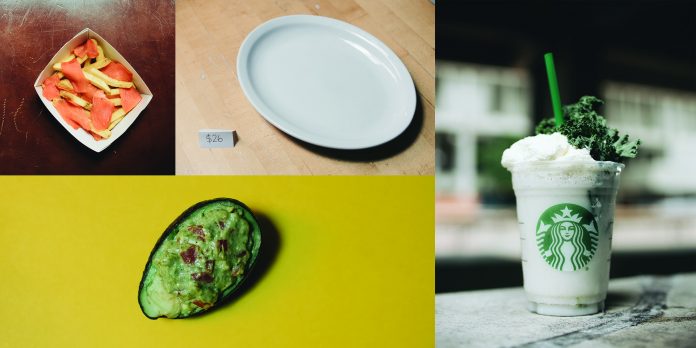
  1. Guacamole-filled avocados  

It’s like a devilled egg, but more expensive, and it does not come with tortilla chips, sorry. Restaurants can now charge you your firstborn child for $4 worth of what you’d get if an alligator fucked a pear.

  1. Kale Frappuccinos

If there’s one thing Vancouverites like more than avocado everything, it’s Starbucks (and smoking enough weed at Sunset Beach to cost the city $245,000). There will always be someone telling you how healthy they’re being, then buying a Venti Ultra Caramel Frappuccino an hour later. However, by adding kale to those frappuccinos, you can use the pretense of eating a “superfood” to avoid feeling bad about consuming 70 grams of sugar in one sitting!

  1. Quinoa-shelled tacos

You’re probably thinking, “But how will I pick my tacos up if they’re made with healthier rice?” I can guarantee you that the creators of this monstrosity didn’t think it through either. They’re most likely drooling over how much money they can make off of the “I’ll eat anything with quinoa!” people. Fuck everyone else and their convenience, am I right?

  1. Smoked Salmon Poutine

I know that poutine isn’t healthy at all, but hear me out. What if we bake the fries, remove the cheese, replace the gravy with a dollop of low fat sour cream, and add slices of smoked salmon? “It’s no longer poutine,” you say? I guess it’ll be renamed “A Disgrace to Patriotic Canadians Everywhere.”

  1. Nothing

You knows what’s healthier than eating food? Not eating food. Some stoner who runs a hip new cafe will add this as a menu item, and charge you $20 for it. They’ll earn a profit, and you’ll still be a gullible fool.

SFU, Disengaging the World

0

By: Alannah Wallace

In recent years, SFU has boasted about its commitment to “engage the world.” The school claims that SFU students “aren’t ‘end-users’ to be trained and delivered, but partners in learning, discovery and community engagement.” Although this was the main goal of SFU’s administration, recent studies have shown that a pattern of disengagement was found among students.

After a study done by the psychology department here on campus, it was found that students are actively learning how to avoid any type of community engagement both on and off campus. It was found that 65% of alumni claimed their degree’s most functional use was as a surface off of which to eat pizza.Current students were found to show above-average ability in assessing which social interactions they can avoid by putting in headphones. Another area they have become especially well trained in is how to avoid eye contact with people they know walking past them in the Academic Quadrangle. About 40% of eye contact is avoided by pretend-scrolling on one’s phone, 20% is avoided by immediate enabling of the dead-inside stare straight ahead, 10% read posters on the wall, and the last 30% is achieved by miscellaneous strategies, such as turning around and sprinting in the other direction.

One of the most alarming findings of this study was the decline in SFU students’ social skills over recent years. The few students who fight back against the disengagement movement often end up trying to start up fun clubs for the lifeless, even offering free food and drinks, but to no avail. While these students believe they are helping engage their fellow students on campus, their efforts have instead received reactions of disgust and contempt.

Instead of engaging students, their efforts resulted in students filing a motion to remove club fees from tuition payment. The students simply do not know how to react in large social settings, and would rather avoid such situations. The motion has been passed by an overwhelming majority of student voters, and will be put into place beginning in the fall 2018 semester.

SFU executives are appalled at these levels of disengagement among students. They sent representatives to find out from students themselves what they can do to increase engagement and save SFU’s reputation as the “Engaged University.” Unfortunately, they couldn’t get anyone to stop and talk to them. The representatives reported that when they asked students to for their thoughts, everyone was either on the phone, pretending they didn’t exist, or both. Due to these reports of disengagement among students, SFU has begun questioning its status as the university that is “Engaging the World.” Earlier this week, painters were seen painting over the posters and slogans about engagement around campus.

Identities: A Short Story Collection is an illustrative and powerful read

0
Image courtesy of CreateSpace

By: Ruramai Munyanyi

An adjunct professor in SFU’s Beedie School of Business, Yabome Gilpin-Jackson, sets her foot into the fiction arena and holds her own with some of the best fiction I have ever read. Identities: A Short Story Collection is an enticing summer read about the nuanced experience of the contemporary African immigrant. It’s for anyone who has always wondered about the eclectic lives of Africans, but has been too shy to ask.

     “Where are you from?” Gilpin-Jackson opens with the question most immigrants of colour are asked as soon as people realize they look different, sound different, and carry themselves differently. Spoiler alert: the answer is not always as simple as it seems. To this point, Gilpin-Jackson challenges her reader to immediately ask themselves questions and resist the urge to make assumptions. Anyone who is different often yearns for people to do these things.

     Her work lacks artifice, and she draws her reader in with characters with whom anyone can identify. Gilpin-Jackson evokes both a sense of empathy for the African immigrant’s experience and a sense of camaraderie as she delves into other aspects of human identity that are universal.

     The writer’s voice is what makes this book special. Her ability to illustrate the complicated feelings of being a living bridge between a beloved continent (Africa, in this case) and the strong roots set down in the West is something I never knew I needed. If nothing else, this book feels like it is constantly whispering that ‘you are not alone’; a priceless gift!

Adulthood 101: Know your BC produce

2
Illustration credit, Tiffany Chan

By Courtney Miller 

Have you ever wondered how people just seem to know when apples, or peaches, or other produce are in season? Or, even further, what does “in season” even mean? Have no fear, friends: as a culinary school graduate, I’m here to educate you on all things produce. Buckle up for a crash course in what’s in season when, how to choose good stuff, how to store your produce, and what you can make with it.

First thing’s first, “in season” refers to when a fruit or vegetable is naturally available or grown in a given climate. So if you can visit a local farm and buy it, that produce is in season, and usually it will be less expensive. Scope out some of your favourites fruits and veggies below, and let’s give your student life an adult twist.


Apricots

In season: July–August

How to choose them: Firm with a bit of give to the touch, golden-orange in colour, no bruising, no mould around the stem area, and as blemish-free as possible.

How to store them: Room temperature for a few days, or in a sealed container in the fridge for up to a week.

What to make with it: Grilled apricots. Cut them in half, remove the pit, and grill them. You can also make this easy apricot preserve.


Asparagus

In season: April–May

How to choose them: Firm stems, violet or bright green tipped stalks, and compact tips.

How to store them: Upright in a glass jar with an inch of water in it, covered with a plastic bag for up to a week.

What to make with it: Bacon-wrapped asparagus. Snap off the bottom end of the asparagus (it will snap off at a natural border between edible and inedible fibre). Wrap in bacon and roast in the oven for 30 minutes at 400 degrees Fahrenheit.

Protip: The thinner stalks of asparagus are sometimes cheaper (and called seconds because they aren’t the first picks) than the larger (first pick) stalks and are more tender to eat!


Beans

In season: July–September

How to choose them: Firm, bright green, no mould, and as blemish free as possible.

How to store them: In the fridge in a plastic bag or container.

What to make with it: Spicy beans. Trim the ends and cut them in half. In a pan, heat canola oil on medium heat. Add the beans and a tablespoon of chili garlic sauce. Stir. Add three tablespoons of water and cover for three minutes.


Beets

In season: June–December

How to choose them: Slender roots, small and crisp dark leaves, and firm to the touch. Blemishes are fine as long as there are no deep gouges, soft spots, or mould.

How to store them: Keep in a plastic bag in the fridge for up to three months.

What to make with it: Beet salad. Put whole, unpeeled beets in a baking pan. Drizzle with oil and cover with foil. Roast them at 425 degrees Fahrenheit for an hour. Let them cool, then peel them and cut into wedges. Mix them into a salad.


Blackberries

In season: July–August

How to choose them: Deep purple or black colour, shiny, firm, no mould, and tight clusters of drupelets.

How to store them: In the fridge in a ventilated container lined with paper towel.

What to make with it: This blackberry cobbler recipe


Blueberries

In season: August–September

How to choose them: Dark purple/blackish blue in colour, firm, no mould, and plump.

How to store them: In the fridge on the bottom shelf in a ventilated container lined with a paper towel.

What to make with it: Blueberry pancakes. Rinse the blueberries gently as they bruise easily, then sprinkle them onto the dollops of pancake batter in your pan.


Broccoli

In season: June–November

How to choose them: Bright green, firm stalks, tight florets, and no yellow flowers.

How to store them: In the fridge, wrapped loosely in a damp paper towel for up to three days.


Carrots

In season: June–January

How to choose them: Bright orange, smooth skin, firm to the touch, no mould.

How to store them: In the fridge, tightly sealed in a plastic bag for as long as they’ll last.

What to make with it: This carrot cake recipe


Cauliflower

In season: June–November

How to choose them: White or creamy white, firm heads, no dark or brown spots, and compact clusters.

How to store them: In the fridge in a loosely sealed plastic bag lined with paper towel for up to a week.

What to make with it: Trim off the leaves and place in a large pot, stem at the bottom. Pour in two inches of water, cover, and bring to a simmer. Steam for eight to ten minutes. In another pot, heat two cups of milk until it lets off steam, add one cup of grated cheese, a teaspoon of mustard, and salt and pepper to taste. Mix until the cheese is fully incorporated and you have a sauce. Pour sauce over the cauliflower. Die une petite mort.


Celery

In season: June–October

How to choose them: Green stalks, pale green leaves, and firm, tightly packed stalks.

How to store them: In the fridge, wrapped in aluminum foil for up to four weeks.

What to make with it: This roasted celery soup


Chard (Swiss)

In season: May–November

How to choose them: Dark green leaves and bright red stems.

How to store them: In the fridge in a plastic bag for up to five days.

What to make with it: Melt a tablespoon of butter and a tablespoon of oil in a pan. Add minced or slivered garlic and red pepper flakes. After a minute, add chopped Swiss chard and stir. Cover the pan, but stir occasionally for eight minutes. Mix in about a tablespoon of lemon juice, season with salt and pepper, and boom.


Cherries

In season: July–August

How to choose them: Bright or dark red, shiny, firm and smooth skin, and flexible green stems.

How to store them: In the fridge in a plastic bag.

What to make with it: In a pot, combine half a cup of orange juice, three tablespoons of sugar, and a cup of pitted cherries. Simmer for 30 minutes, then stir in a splash of balsamic. Pour your cherry sauce over ice cream.


Corn

In season: July–October

How to choose them: Plump, firm kernels, no missing kernels, brown and sticky top.

How to store them: In the fridge, husk on, uncovered.

What to make with it: Corn on the cob. Peel off the husks and the wispy hairs, place in a pot of lightly salted water, and simmer for seven minutes. Remove the cobs and dress with seasonings of choice.


Cucumber

In season: July–September

How to choose them: Firm, bright green, even colouring, no sweat, and no flexibility.

How to store them: On the counter, away from fruit (including tomatoes).

What to make with it: This recipe for Greek Salad.


Currants

In season: July

How to choose them: Firm, bright colouring, and round.

How to store them: In the fridge for up to three days or in the freezer for up to six months.

What to make with it: Freeze a bunch of currants, and use as ice in your lemonade (or sangria!)


Gooseberries

In season: June–July

How to choose them: Firm, bright colouring, and dry.

How to store them: In the fridge for up to two weeks.

What to make with it: Gooseberry sauce. In a small pot combine a cup of gooseberries, a cup of water, a pinch of salt, two tablespoons of sugar, and a dash of balsamic vinegar. Simmer on low for 30 minutes or until the gooseberries are soft. Serve with poultry or toasted bread.


Mustard Greens

In season: May–November

How to choose them: Green leaves, thin stems, and freshly cut.

How to store them: In the fridge in a crisper, in a plastic bag, wrapped in paper towel for up to five days.

What to make with it: Sauteed mustard greens. Saute a chopped half onion in oil until caramelized. Add two cloves minced garlic and cook for one minute. Add roughly chopped mustard greens and saute until leaves are wilted. Season with salt and pepper to taste.

Protip: When making sauteed mustard greens, use ginger and garlic and season with soy sauce and sesame oil at the end for an Asian cuisine flair.


Nectarines

In season: July–August

How to choose them: Golden or orange in colour, firm but with a bit of give to the touch, and blemish-free.

How to store them: At room temperature if not fully ripe (more creamy in colour). In the fridge if fully ripe.

What to make with it: This recipe for nectarine cobbler.


Onions (Red and Yellow)

In season: August–March

How to choose them: Shiny skin, firm, and dry.

How to store them: In a cold, dark, and dry place for up to four weeks.

What to make with it: Pickled onions. In a pot, simmer together a half-cup of vinegar (any type), a cup of water, a tablespoon of sugar, and a tablespoon of salt. If you have pickling spice, add one teaspoon, but it’s optional. Place sliced onions in a jar. Pour the vinegar mixture over the onions, seal the jar, and refrigerate. Ready to eat whenever.


Parsnips

In season: August–February

How to choose them: Firm, white, heavy, no discolouration at core, and intact roots.

How to store them: In a cool, dark, and dry place for up to several weeks.


Protip: Smaller parsnips are sweeter and more tender!


Peaches

In season: August

How to choose them: Vibrant colour, fragrant, a bit of give to the touch (ripe), or firm to the touch (unripe), and blemish-free.

How to store them: If unripe, store at room temperature, stem down for up to a few days. If ripe, store in the fridge for up to three days.

What to make with it: Peach and tomato salad. Slice peaches and tomatoes and red onion, layer on a plate, crumble feta over top, and season with a drizzle of olive oil and salt and pepper.


Pears

In season: August–December

How to choose them: A little soft at the stem, otherwise firm, even colour, and blemish-free.

How to store them: At room temperature for up to three days.

What to make with it: This recipe for pear and bacon grilled cheese or this recipe for pear and arugula salad


Peas

In season: May–June

How to choose them: Firm, green, glossy pod, nd plump.

How to store them: In the fridge in a plastic bag for up to five days.

What to make with it: This recipe for a pea bruschetta, if you’re trying to save up for a house.

Protip: Don’t get large peas. Medium peas will be more tender, more flavourful, and sweeter


Peppers

In season: August–October

How to choose them: Firm, heavy, glossy, vibrant colour, and blemish-free.

How to store them: In the fridge in a crisper or plastic bag.

What to make with it: Griled peppers. Quarter the peppers, remove the seeds and stem, oil and season with your preferred spices, then toss on the grill or in the oven for roasted pepper instead.


Potatoes (Red, Russet, and Yellow)

In season: August–December

How to choose them: Firm, soil smell, no sprouts, no green skin, and blemish-free.

How to store them: Cool, dry, and dark place with good ventilation.

What to make with it: Slice them to your desired fry size, toss in oil and your favourite seasonings, then bake at 475 degrees Fahrenheit for 30+ minutes, flipping once halfway.


Raspberries

In season: July–August

How to choose them: Even colouring, reddish-pink, plump, firm, and dry.

How to store them: In the fridge in a ventilated container lined with paper towel for up to four days. Or freeze them for up to six months.

What to make with it: Just eat them. Add them to your lemonade, iced tea, sangria, ginger ale, ice cream, basically anything.


Squash (Summer)

In season: June–August

How to choose it: Firm, glossy, yellow, and blemish-free.

How to store it: In the fridge in a plastic bag for up to a week.

What to make with it: Baked squash. Halve the squash and scrape out seeds. Drizzle with melted butter or olive oil and season with salt and pepper. Bake at 375 degrees Fahrenheit for 35 to 45 minutes depending on the size of squash. Sprinkle with brown sugar or drizzle with maple syrup and bake another ten minutes.


Strawberries

In season: June–September

How to choose them: Bright red, and fairly firm.

How to store them: In the fridge in a ventilated container lined with paper towel for up to four days, or freeze them for up to six months.

What to make with it: They’re just a fun snack. Dip your strawberry in icing sugar if you like. That’s it.


Tomatoes

In season: July–October

How to choose them: Firm, plump, heavy, even colouring, smooth skin, and blemish-free.

How to store them: At room temperature, away from sunlight, for up to five days.

What to make with it: See the peaches entry.


Zucchini

In season: June–October

How to choose it: Dark green, heavy, smooth skin, and blemish-free.

How to store it: In the fridge in an unsealed plastic bag for up to a week.

What to make with it: This recipe for ratatouille, just like the movie


Don’t see your fave on the list? These fruits and veggies are also in season!

Apples: August-December

Artichokes: August–October

Cabbage: (Green) August-December, (Red and Savoy) September-January)

Crab Apples: August–October

Fennel: June–October

Garlic: August–October

Kale: January–December

Leeks: July–February

Lettuce: June–November

Melons: August–September

Mushrooms: January–December

Onions (Green): May–September

Plums: August–September

Potatoes (New): May–July

Potatoes (White): July–December

Prunes: August–September

Radishes: April–October

Rhubarb: April–August

Rutabagas: August–December

Salad Greens: April–November

Saskatoon Berries: June–July

Shallots: August

Spinach: April-October

Turnips (White): May–December