Home Blog Page 22

What does Burnaby city council’s new motion mean?

0
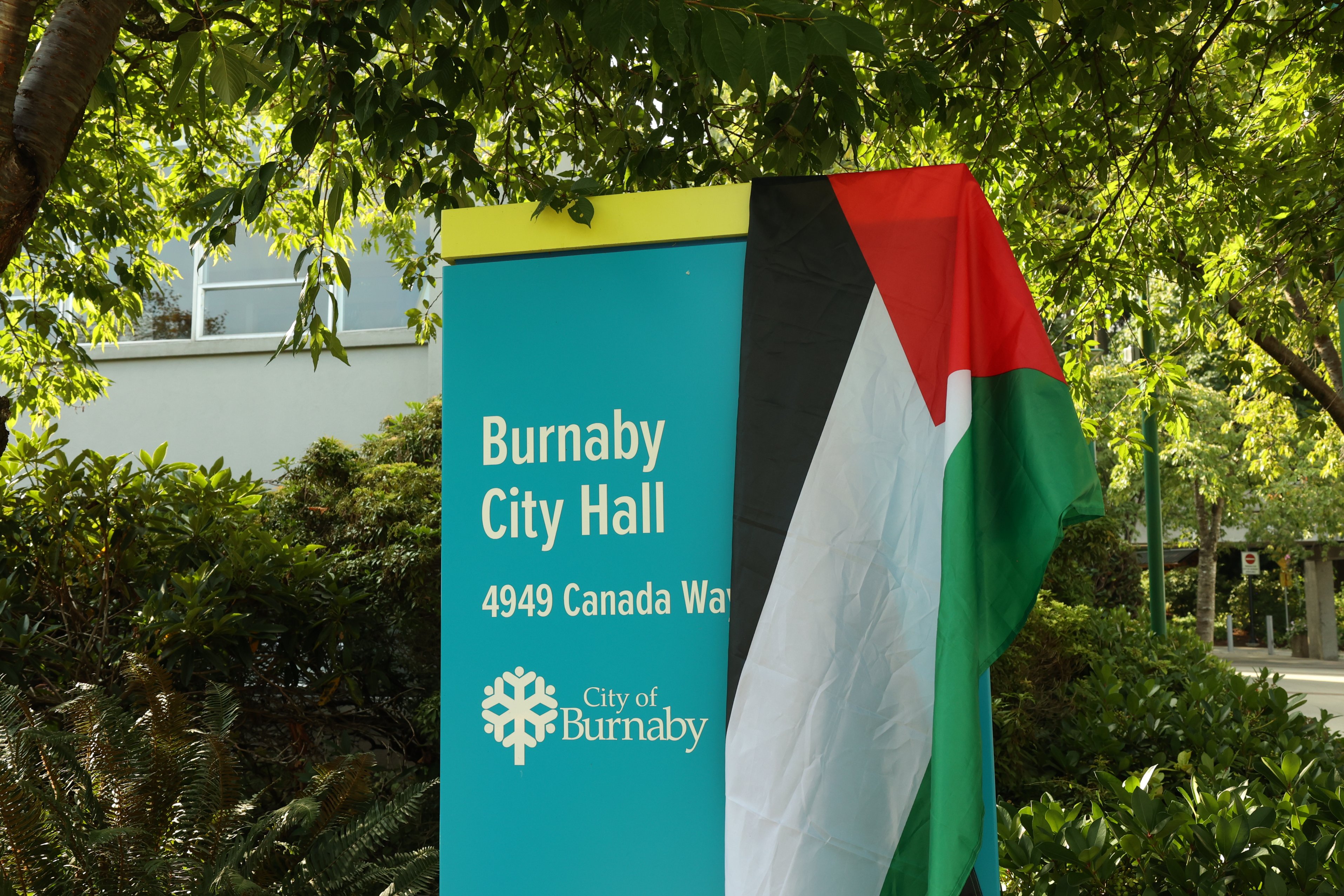
This is a photo of the entrance of Burnaby City Hall. The shot shows the part of the building that says “City Hall,” the entrance’s double doors, and a tree to the left of the entrance.
PHOTO: Parsa Alirezaei / The Peak

By: Lucaiah Smith-Miodownik, News Writer

On August 26, the Burnaby mayor, councillors, and residents filed into city hall and found their seats, a regular biweekly occurrence. Soon after calling the meeting to order, mayor Mike Hurley turned the mic over to councillor Alison Gu to introduce a motion titled “Advocating for Canada’s Role: Peace for the Palestinian People.” 

Gu called on the mayor to send a letter to the Canadian government “advocating for the establishment of a full two-way arms embargo to end both the export and import of all military goods between Canada and Israel, and for the transformation of the Gaza temporary resident visa program to safely and effectively reunify Gazan-Canadian families.” While the federal government claims it has not shipped arms to Israel in over a year, some data suggests otherwise. Additionally, Gu recommended “that the City of Burnaby be a signatory of the Apartheid-Free Communities Pledge.” The pledge is to “join others in working to end all support to Israel’s apartheid regime, settler colonialism, and military occupation.”

The motion to write to the federal government and sign the pledge passed unanimously, marking Burnaby as the first Canadian city committed to both action items. The Peak spoke with Jeeda Musleh, an organizer of the Apartheid-Free Communities pledge, and Sid Shniad, who helped found the pro-Palestinian organization Independent Jewish Voices, for more information on the implications of passing the motion.

The pledge “started as an extension of the Boycott, Divestment, Sanctions (BDS) movement, just because of all the backlash that BDS gets,” Musleh explained. “So they [Apartheid-Free Communities] wanted to expand the BDS movement, but they didn’t want to be affected by the anti-BDS laws.” The movement “doesn’t dictate to communities how to live out the pledge,” she added. 

“For the City of Burnaby, it could look like not to initiate any future contracts with anything that has to do with the apartheid and genocide.” According to a council staff member, Burnaby currently does not have any contracts with Israeli firms. The city was also the first in Canada to call for a ceasefire in Gaza in November 2023.

“In addition, we’re hoping that they will pass some policies regarding the anti-Palestinian racism that has been happening in so many places, especially in Burnaby,” Musleh said. “Things like enhancing the knowledge about anti-Palestinian racism cases and educating employees to be aware when it happens and how to deal with it.”

She also explained the pledge is designed as a network. “We’re planning our first in-person Apartheid Communities conference beginning of November, and in this conference, we’re planning to open those spaces for these communities to connect and learn from each other,” Musleh said. Groups can “educate each other about not only the history of Palestine, but also share about ways they’re living out their pledge.

“When communities sign the pledge, it’s not only just a piece of paper, it’s basically signing on to a process, signing on to be part of this network of pro-humanity communities around the world.” — Jeeda Musleh, organizer for Apartheid-Free Communities

Musleh stressed that any type of community or group can sign the pledge.

For Shniad, the council’s unanimous decision shows “that civil society is moving strongly and positively in the direction of support for Palestine, and that people’s eyes are being opened by a combination of education around the issue, and the horrific crimes that Israel is committing.

“It doesn’t cost any money, it’s merely an undertaking that your organization will dissociate itself from Israel and its treatment of the Palestinians and do whatever you can to put pressure on Israel to cease and desist,” Shniad said.

The Peak reached out to Gu for next steps but did not receive a response by the publication deadline. 

Pushing for a national N95 masking standard

0
This is a photo of a woman wearing rubber gloves, a hairnet, protective eyewear, an N95 mask, and protective clothing while sitting at a desk with a pen and paper. She is looking over to the left, and another woman is also up close to the right of the photograph, thinking.
PHOTO: DAVE GARCIA / Pexels

By: Niveja Assalaarachchi, News Writer

On June 20, the Canadian Standards Association, also known as the CSA Group, released a new draft version of CSA standard Z94.4, which was open to public consultation until August 19. It sets to regulate workplace standards around “the selection, use, and care of respirators.” The CSA Group is a non-profit organization which creates non-legally binding but precedent-setting regulations for professional workplace standards. As reported by DoNoHarm BC, the rule changes would see new nationwide respirator requirements that mandate the use of respirators like N95 masks instead of surgical masks by workers, patients, and visitors in healthcare settings. 

The CSA Group’s new draft has received praise from healthcare advocates and workers alike. DoNoHarm BC was one of the leading organizations pushing the public to support and contribute to the CSA Group’s consultation process. 

The group also pushed back on certain changes in the healthcare sector, such as in March 2025, when the provincial government controversially decided to lift mask restrictions, drawing outrage from healthcare advocates and vulnerable populations. 

The World Health Network has also pushed a social media campaign to support the move. In a press release, the organization notes that the new revision “represents a long-overdue shift toward protecting healthcare workers and other professionals from airborne hazards.” In addition to DoNotHarm BC and World Health Network, a coalition of over 1,700 civil servants and concerned citizens has signed a statement supporting the CSA respiratory standard amendments. Spearheaded by the Canadian Aerosol Transmission Coalition, advocates argue that data shows new infections for diseases like COVID-19 have primarily been in healthcare settings.

The Peak interviewed two doctors who signed the statement. Retired BC emergency physician Dr. Lyne Filiatrault highlighted the problem of relying on surgical masks instead of respirators.

“Surgical masks were never intended as personal protective equipment.”

— Dr. Lyne Filiatrault, retired BC emergency physician 

“They were designed to avoid a surgeon’s spit, when they sneeze, or if their nose drips, to go into the wound,” she said. “It was never intended as a respiratory protection, and the only reason that’s what was used early on was because that’s what was available.” 

Filiatrault also pointed out the lack of action taken by the government to create policy in previous airborne pandemics that could have been used during the emergence of the ongoing COVID-19 pandemic. “Back in March 2003, when the first patient with SARS presented to the emergency department at Vancouver General Hospital, I was on duty,” she said. 

“It turned out to be the first case of SARS for Vancouver, but within an hour or so, the patient was put in a respiratory isolation room.” Filiatrault added, “All of us entering the room wore respirators, which are high-grade, tight-fitting masks that prevent you breathing in any potential [contaminated] aerosols.” 

According to Filiatrault, this level of care set a high standard for how the province dealt with SARS during that period. However, she pointed out that the SARS precedent was completely ignored when the COVID-19 pandemic emerged, raising concerns about how future pandemic responses may look.

The Peak also interviewed Dr. Dick Zoutman, professor emeritus in the schools of medicine and of nursing at Queen’s University, specializing in internal medicine, infectious diseases, and medical microbiology. “This new standard from the CSA is a very important, landmark decision,” he said. “I believe that if it is codified into law, it’s going to have a gigantic impact for people.” He added that roughly 25–40%  got COVID-19 from the hospital.

This “tells us something very, very important: that our healthcare settings are unsafe, and we are transmitting COVID-19 actively within the healthcare environment to the people who are most vulnerable,” continued Zoutman. “So, I believe that the CSA standard will go a very long way to mitigating and reducing that risk as far as possible.”

Zoutman noted that the fight for healthcare reform in this country is far from over: “We need a bundle of solutions that deal with, for example, the design of our hospitals, and healthcare, and nursing homes, and long-term care facilities.”


Wildfire smoke may increase in toxicity as it travels

0
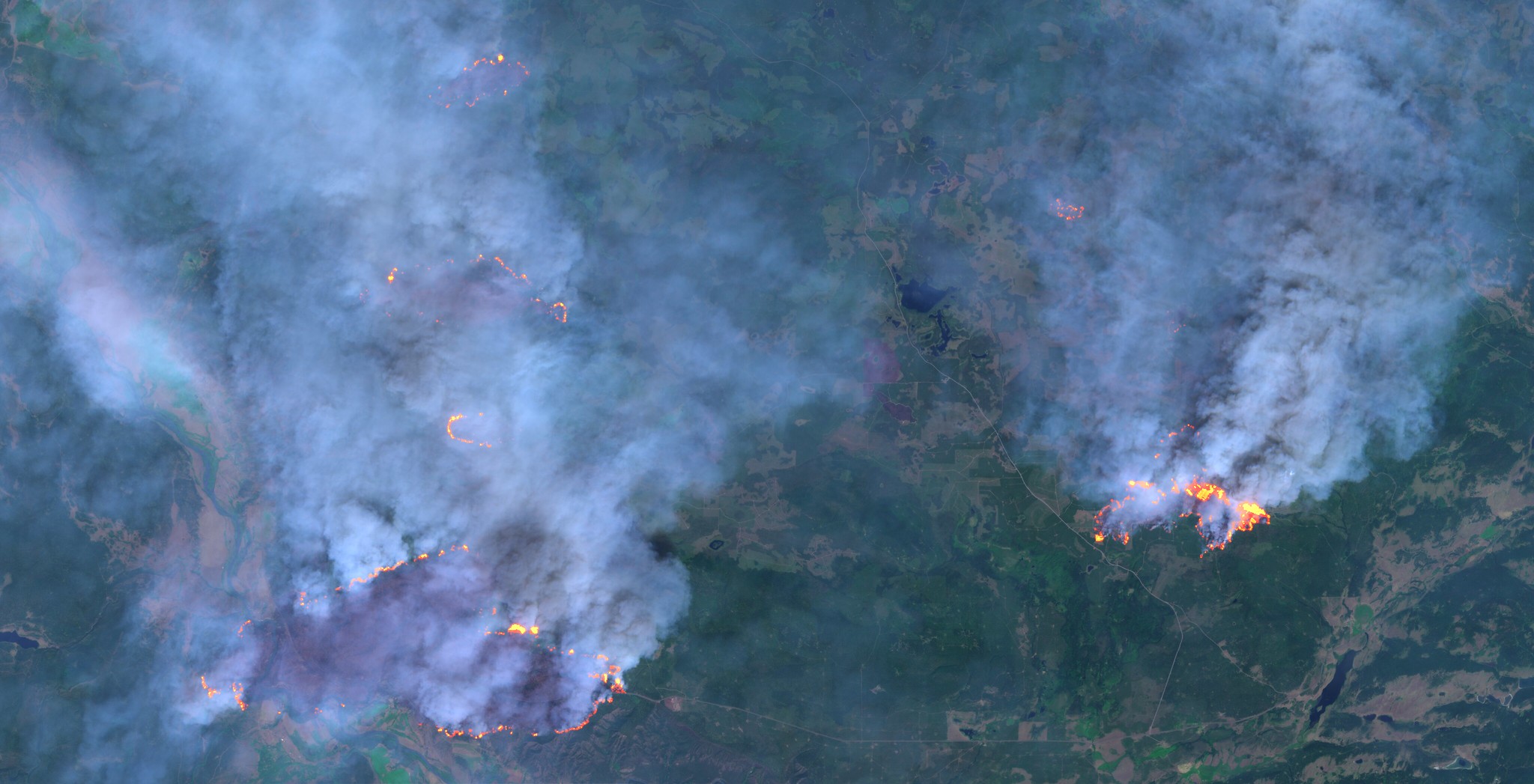
This is a photo of a recent wildfire in BC. It is a birds-eye view shot very high up in the air, where lots of smoke is coming from burning areas in the land.
PHOTO: Pierre Markuse / Flickr

By: Noeka Nimmervoll, Staff Writer

For BC residents, the end of this summer brings the highest risk of fires of the entire wildfire season, and the health effects of its smoke are becoming clearer. On September 3, Vancouver hosted the worst air quality from all the major cities in the world, due to the smoke from fires near Hope, Whistler, and Cariboo blowing into the city’s air. 

Wildfire smoke is a collection of gases, evaporated water, and a wide range of particles, including particles invisible to the naked eye. Of all smoke content, fine particulate matter (PM2.5) causes the most risk to one’s health, and is the material that is measured on smoke forecasts. However, PM2.5 changes as it ages, and its subsequent effects on health seem to change, with research indicating higher toxicity from aged PM2.5.

Although Health Canada notes that all smoke damages health, CBC recently reported on how smoke that lingers in the atmosphere undergoes oxidation in reaction to its environment, creating unstable particles called free radicals. More time in the atmosphere means the smoke will travel through the wind, and the further from the source of the fire, the longer this smoke has time to oxidize. Due to its altered chemical composition, this aged smoke may pose an increased health risk for those inhaling it after it has travelled significant distances. The Peak spoke with Dr. Stephanie Cleland, assistant professor of health sciences at SFU and population epidemiologist, to learn more. 

“We have what we call fresh smoke versus aged smoke. Fresh smoke is the smoke that is happening really proximate to the fire,” whereas aged smoke has travelled farther, said Cleland. She also mentioned that the possible increased health risk of aged smoke relates to how “the longer [smoke is] in the atmosphere, the more time it has for [chemical] processes to occur.” 

The resulting toxicity of these chemical processes depends on many factors, including the initial components of smoke, which vary from the source of each fire and the atmospheric conditions. 

“The emerging research indicates that [aged smoke] is likely potentially more toxic to our health compared to that fresher smoke. I would say the evidence is still early. We’re still learning a lot about smoke,”

Dr. Stephanie Cleland, population epidemiologist for environmental exposures

Cleland categorized the groups more vulnerable to its effects: “who is exposed to the highest levels of smoke, and who is more biologically susceptible to the effects.” Health Canada identifies the former as people who work outdoors, live in rural areas, or live without housing. For the latter, Cleland explained that young children, those over 65 years old, pregnant people, and people with health conditions — especially connected to lung and heart disease — are more likely to be negatively affected by smoke. 

“We also have these compound risks that occur when somebody has a pre-existing condition and is in a group that’s really highly exposed,” she noted. 

Cleland shared tips on protecting your health, including checking air quality frequently and reducing your time outdoors based on the results. “I would love people to check their air quality like they check their weather.

“If you have to walk your dog or run errands, wear an N95 mask. It won’t reduce your exposure to the gases in smoke, but it will reduce your exposure to the particles in smoke. And that’s going to go a long way in protecting your health.” 

As a general guideline, Cleland highlighted the importance of staying inside, whether at home or in a public venue, preferably with an air cleaner running. Since PM2.5 is invisible, the smell or sight of smoke outside is not a good indicator of low air quality. 

Check aqmap.ca for up-to-date air quality data. 


SFU Canvas moving to cloud-based platform by January 2026

0
This is a photo of a student with medium-length black hair writing something down in a notebook while the Canvas dashboard, displaying their classes, is open on an iPad to the left.
PHOTO: Ansh Singh / The Peak

By: Noeka Nimmervoll, Staff Writer

SFU Canvas, the school’s learning management system, is set to fully transition from the locally hosted system to a new cloud-based version in Spring 2026. In recent years, many Canadian universities and colleges have adopted cloud-based learning platforms, as highlighted by SFU.  

With support from SFU’s IT Services and Centre for Educational Excellence (CEE), instructors can begin migrating their courses to Canvas Cloud in September 2025. SFU promises the transition will have minimal impact on students due to the pilot program the school is deploying in the fall. Additionally, the access and layout of Canvas Cloud remain similar. Some students are enrolled in fall courses that are part of the pilot program, leading to confusion about how they will access courses hosted on Canvas Cloud. The Peak reached out to the CEE for more information and was redirected to SFU media relations, who provided a statement.

“Our current system is reaching the end of its lifecycle. Cloud platforms are easier to update and maintain, and they offer more stability and new features than on-premise systems,”

— SFU media relations

For instructors and students, Canvas Cloud will provide an upgraded quiz experience, interactive features in SpeedGrader, and more tools for analytics. SFU has so far provided limited details about what these upgrades will include.

Some information will be lost in the move, but SFU stated that “students should not experience disruptions.” In the FAQ section of the Canvas Cloud information page, SFU noted that every Canvas user will need to re-upload profile information, including customized profile pictures and biographies. 

Additionally, locally stored student content will be inaccessible to instructors by Spring 2027. As SFU references on the FAQ page, there may be concerns from teachers that a lack of access to students’ previous work will limit their ability to accurately provide reference letters. SFU shared that further information on the retirement of the on-premise Canvas will come later.

Instructure, Canvas’ developer, is a US educational tech company. SFU stated that “just like the current version, the new platform will be securely hosted in Canada.” Instructure states on its website that security is a top priority in its company’s operations. User data will explicitly be protected from use in AI training.

According to Microsoft, on-site storage and cloud storage have key differences. Local storage entails that all data is completely contained and isolated on the on-site server, meaning fewer people can access the data. It does not need any internet connection to provide communication between local computers, and is completely controlled and maintained by IT services. Additionally, the upfront costs of on-site data storage are significant. The setup requires hardware, data backup, installation, ongoing IT support, and physical space designated for storing the on-site system. Upgrading this system is costly and generally ineffective, since it requires major hardware purchases and increased workload for IT employees. 

Comparatively, software development, maintenance, and safety features of cloud data all lie in the hands of the cloud operating party, which in this case is Instructure. Instead of upfront investments, the price for cloud services is a monthly fee for the company’s tech experts to monitor the data. This system requires a reliable internet connection, since slow or no internet means no data access. Furthermore, cloud data storage uses integrated features to easily scale up or down, which results in a smooth transition process.

More information for instructors on course migration will be shared in September 2025, and more information about local files on Canvas will be announced afterwards.

Monday Mewzick: Underground albums to kick-start the school year

0
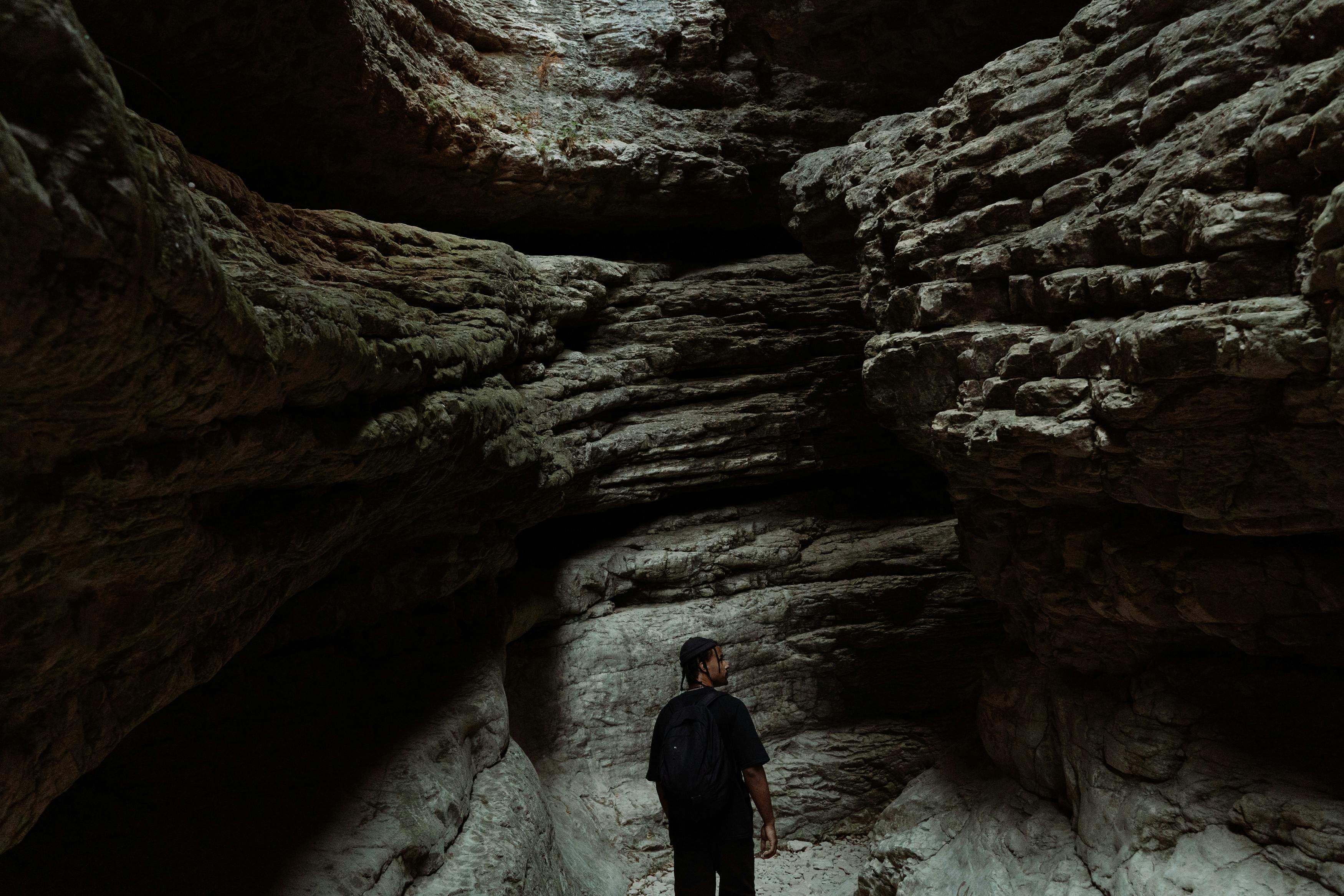
A man with a crossbody bag stands in a cave. He is looking to his right.
PHOTO: cottonbro studio / Pexels

By: Mason Mattu, Correspondent for Rolling Stones

As the new school year starts, the halls of SFU are hustling and bustling once again with every SFU student’s least favourite thing . . . other SFU students. Don’t you just hate nodding your head slightly to that one guy who was in your class three years ago? Or being forced to exert your facial muscles to smile at someone who doesn’t smile back? 

This year, we say no to forced social interaction. We wish to pave a new holy trek through SFU that allows us to avoid all people. Let us join together to stay dry during the winter, walk at our own pace, and be unapologetically us. Every great journey needs an even better soundtrack. Here are some of this year’s most underground and edgy albums to help you wander the less-populated paths that SFU has to offer. 

Eternal Darkness by Smariana Brande 

Smariana Brande is an emerging artist in Burnaby’s AQ 1000 music scene. As you walk through our new path of social isolation, you might be able to vaguely hear Brande’s ethereal sound — it’s almost as if her voice is coming from the heavens. Strange. 

The album’s feature song, “Supernatural Stalacite,” creates the feeling of dripping water on the listener’s forehead. It’s so surreal that people report their heads actually becoming damp. 

Did You Know that There’s a Tunnel Under Most Universities by Elaina Del ConCrey(T)

Did You Know that There’s a Tunnel Under Most Universities is a combination of ventilation fans, elevator hums, and generator sounds blended together to produce what Billboard calls “a piece that leaves an echo on the music industry.” 

In the tracks “Don’t Let the Light In” ” and “Paris Catacombs, Texas,” ConCrey(T) reimagines the concept of songwriting by singing literal sounds and clanks. When listening to this album, you’ll likely feel as though the sound of your footsteps linger in your environment. This would be perfect for creating an intimidating personality and pushing through those first year losers in the hall. Though you won’t have to worry about those nerds on the path you’re going on.

I Barely Know Her (the Sky) by Sombreno Subterreneano

As you finish your trek, you can take a sigh of relief while climbing out of the sewer basin. You’ve made it. Wait — you didn’t know you were in the underground SFU tunnel system the whole time? That means my work here is done. You’ve successfully escaped the fake, social people above and joined your real pseudo-friends (because we don’t believe in the concept) in the sewers. 

Have fun with this playlist and trek safely. As Sombreno Subterreneao sings in the album’s lead track, “Back to No Friends,” “SFU exists as a figment of our hyper-conscious imaginaries, one in which we can say goodbye to life above and join our comrades below, as this is the true meaning of living as a woke being. We are prepared to live in the caves.” 


Welcome back to SFU (you’ll never leave) bingo

0
Read plain-text and screen-reader friendly version of this image below.
ILLUSTRATIONS: Olivia Blackmore / The Peak

By: Heidi Kwok, Staff Writer

The rules are simple. Every time you see something on this chart during the first week of classes, mark it off! If you get a blackout, you win! And if you win, you get a free copy of next week’s edition of The Peak (I know, right?!?!). Welcome back to school, kiddos. 

BTW, no free spaces because nothing in life comes for free (except for your prize if you win). 

  1. Roasted marshmallows and s’mores at the Burnaby campus fire pits with your friends — oh wait, never mind
  2. More non-functional elevators than out-of-order signs.
  3. Soviet-core architecture: because everyone knows colour is overrated. 
  4. Staircases more precarious than the Grouse Grind. You know your calves are in for an unsolicited workout.
  5. Free merch, snacks, and goodies during club days! Exploit those club events: your tuition pays for it.
  6. Gazing at your calendar and counting the days (while sobbing) until winter break. Give those eyeballs a rinse. Repeat for the next seven years.
  7. Plan your entire degree down to the minute, attend your program’s introductory course — then immediately change majors before you get depression. 
  8. The person you worked with on a group project last term, who you’ll probably never speak to again. 
  9. Overly eager people handing out pamphlets in the AQ trying to tell you about their lord-and-saviour Ponzi.
  10. Swarms of enthusiastic, bright-eyed first-years obviously congregating smack-dab in the middle of the AQ. 
  11. Marketing from SFU social media accounts: “Canada’s Engaged University — the very same who shut down its Office of Community Engagement.
  12.  Students playing an obscure Tchaikovsky piece on the public pianos around campus — wait a minute . . .  they took those away too!
  13. Bus queues that are greater than your will to live.
  14. Steve, the resident seagull who loves hanging out with his koi fish buddies at the AQ pond.
  15. A grad student snacking on chips with a side of asbestos while studying on the library’s fifth floor.
  16. Develop Canvas-grade-notification-phobia. 
  17. ‘60s interpretive avocado sculpture.
  18. Broken facilities that have stayed broken since your first semester at SFU.
  19. Yogi Bear and Boo-Boo running off with the SFU sign
  20. Having to sell pics of your leftover food on OnlyFans to afford that $299.99 textbook your professor wrote in 1973.
  21. Students lining up to buy organic, gluten-free, cruelty-free, free-range, crowd-sourced, and bottomless supply of matcha latte. 
  22. Watch an SFU executive pull up in their hot-pink Lamborghini as you step off the 144 bus held together by duct tape and willpower.
  23. Catch a rare sighting of Joy Johnson on her contractually-obligated photo-ops on Welcome Day (the only time you’ll ever see her on campus).
  24. Accidentally walk in on a Godfather-style meeting between the Raccoon Crime Syndicate Families of Burnaby Mountain.
  25. Labyrinth-esque hallways in the RCB that served as the inspiration for Among Us.


#NotClueless: Taylor’s engagement? More like my claim to fame

0
A girl wearing trendy clothes standing in front of the Sea Wall. She’s holding a paper with the number 13 on it.
IMAGE: Gudrun Wai-Gunnarsson / The Peak PHOTOS: abdallahh / Flickr (Stanley Park), Damir Khabirov / Adobe Stock (woman)

By: Zainab Salam, Influencer of influencers

OK besties, brace yourselves because I have a confession. A major one. Like, this might actually BREAK the internet. It might be bigger than Beyoncé dropping her surprise album and changing the music industry! So big, I’m still reeling from the experience — truly can’t believe it. But it totally makes sense. #Who’sBetterThanMe?

Here’s how it all went down: it all started when I was walking down English Bay, when I saw a giant 13 written on the ground, with orange chalk. And like all Swifties know, this is basically our bat signal. Taylor’s lucky number written on the ground felt like a signal from the queen herself, Tay Tay. I was guided to walk into Stanley Park  — a spiritual call, if you will. A sound within told me that it was meant to be. 

That walk led me to the most incredible opportunity in my influencer life: the opportunity to meet Taylor Swift! And she’s not the only one I see. Because standing beside her is none other than Travis Kelce. I start to approach them, but something odd happens that makes me halt. He goes down on his knees.

 So like, I was totally, PERSONALLY invited to shoot Taylor Swift and Travis Kelce’s engagement photos. #NoOneDoesItBetter #TheyKnewWhat’sUp #Aren’tITheCoolest?

Naturally, I started snapping pics from behind a tree — National Geographic style. Iconic on my end, if I do say so myself. Iconic! Groundbreaking! My angles? Immaculate. There might be the biggest superstar in the world in the frame, but my iPhone 13’s camera lens is truly the star of the show. No wonder they both look so serene. #dreamy #HeGotOnTwoKnees 

At one point, I swear I heard seagulls scream “fuck the patriarchy” in unison. Literally a nature choir. Vancouver’s wildlife STAYS booked and busy when it comes to Taylor content. 

You might be asking about my outfit. Being the iconic gal I am, I was in my best paparazzi meets artsy aesthetic outfit. Think of an oversized grey sweatshirt and a messy bun that I carelessly put up. My outfit was circa 2013. 

Anyway, I’ll be selling exclusive prints of the proposal (DM for pricing, serious inquiries ONLY). Unfortunately, Vogue hasn’t responded to my pitch emails, even though I sent a thousand — that’s probably because Anna Wintour stepped back from her post. Vogue has truly lost their anti-AI queen. 

Mark my words: when Taylor drops her 13th album — titled Influencer in the Park — you’ll remember that I’m the muse. Then you all will bow down to me. #Iconic #BCRepresentation #EngagedInMyHeart #13+87 

Updated three hours later: For the trolls in my comments: yes, maybe it looked like a couple from Burnaby named Gary and Brenda, but tell me this — why would Brenda be wearing a cardigan? THE cardigan?? From folklore? That’s not a coincidence. That’s fate. #StayAngry #AngryLikeTheEmotionFromJoy #IAmAMuse 


The stɑl̓əw̓ Pow Wow returns in September

0
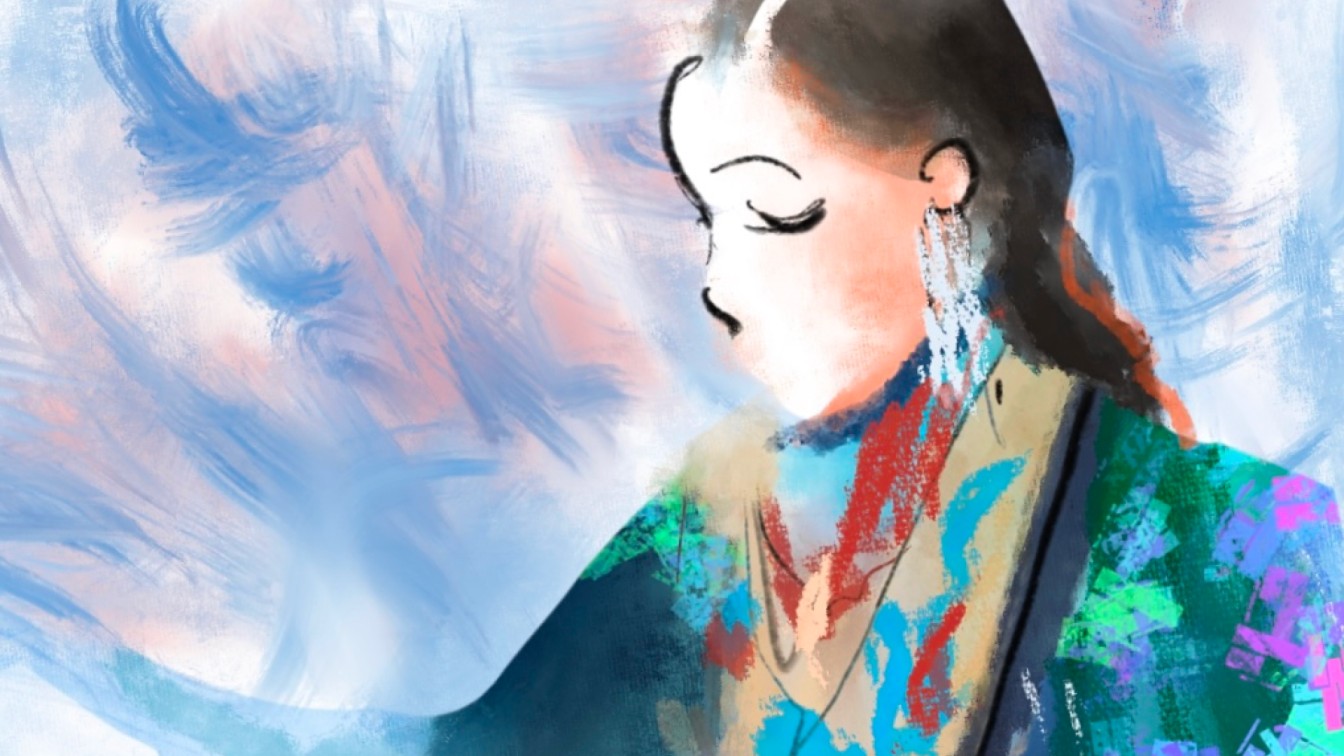
ILLUSTRATION: Sonya Janeshewski / The Peak

By: Heidi Kwok, Staff Writer

One of Metro Vancouver’s largest Pow Wows is back by popular demand and set to kick off this Friday for its fourth iteration at Langley Events Centre (LEC), which is hosted on the traditional and unceded territories of the qʼʷa:n̓ƛʼən ̓ (Kwantlen), q̓ic̓əy̓ (Katzie), meθxwey (Matsqui), and səmyəmɑʔɬ (Semiahmoo) First Nations. It will run from September 12 to 14. 

Organized by the stɑl̓əw̓ Arts and Cultural Society, the stɑl̓əw̓ Pow Wow is described as “an immersive, three-day cultural event” intended to showcase the rich diversity of Indigenous traditions, cultures, art, and music. As a competitive Pow Wow, significant prize payouts totalling $130,000 are available to dancers and drum groups who place at the top of their respective categories. There will also be special competitions, including an all-women’s drum group face-off. The Pow Wow is designed to be inclusive and accessible to all, and everyone is encouraged to attend. 

For those looking to bring home some memorabilia, a vendors’ market featuring around 100 small Indigenous-run businesses can be found in the gym facility near Gate 1 of the LEC. There, visitors can expect to be welcomed by a stunning variety of delicious Indigenous foods (such as dried salmon, jam, and bannock), traditional medicines like sweetgrass and teas, self-care products, cedar and wood weavings, art pieces, jewellery, and many more! 

First held in 2022, the stɑl̓əw̓ Pow Wow became an annual staple that attracted over 7,000 visitors from all over the continent in 2024. According to organizers, figures are expected to rise above 10,000 this year. A broad representation of visiting Indigenous communities from all across Turtle Island is likewise anticipated. 

In a statement to The Peak, Lindsay Foreman, project consultant for the stɑl̓əw̓ Arts and Cultural Society, said, “We hope that people come to share in the good medicine the drummers, singers, and dancers spread. We hope that people will support the food vendors and artisans.” 

Keeping with last year’s programming, the Pow Wow will also present the Red Dress and Orange Shirt special ceremonies on September 13 to honour residential school survivors, Missing and Murdered Indigenous Women, Girls, and Two-spirit Peoples (MMIWG2S), and their loved ones. 

When asked what she hopes attendees will take away from the Pow Wow, she said the two special ceremonies above would “provide an opportunity to reflect and learn about the impacts of colonial policies and practices on Indigenous peoples throughout the lands known today as Canada.”

“We host these dances to acknowledge the loss of culture and language that has taken place due to colonial policies.”

“We host these dances to honour the friends and families of those who didn’t return home and of those who have suffered cultural loss and opportunities to connect with culture as a result of the residential school system and the ‘60s scoop.”

Ahead of the National Day for Truth and Reconciliation, take this opportunity to learn, connect, and immerse yourself in the cultures and traditions of the communities who have stewarded these lands since time immemorial. Take time to likewise educate yourself about the historic and ongoing colonial and racial violence that has impacted and continues to impact Indigenous communities today. 


Book Nook: Reimagining ChinaTOwn

0
IMAGE: Courtesy of Mawenzi House Publishers

By: Phone Min Thant, Arts and Culture Editor

The year is 2050. Do Brussels sprouts go into a Chinese hotpot? Stephanie certainly has her doubts as she shares a large bowl of hotpot with several businessmen intent on “culturally redeveloping” Toronto’s Chinatown to cater to North American consumption. Thankfully, Brussels sprouts are not in hotpot yet — as far as I know — and Stephanie remains a character in “Hotpot Politics,” a chapter (by Helen Ngo) in Reimagining ChinaTOwn, an anthology of speculative fiction short stories edited by Linda Zhang. The foreword, written by the renowned Asian-American architect Jeremy Jih, described the book, and its contents as engaging “the complexities and dynamics of power, identity, generational change, nostalgia, and xenophobia.” As characters find answers to belonging in a changed world, navigating complex intertwinings of childhood and memories amid modernization and development — sometimes forced — they discover unity among diverse identities that meet in one of North America’s largest Chinatowns 25 years from now.

Each of the stories in the book focus on different themes with very divergent styles, written by authors whose backgrounds — often from immigrant families with artistic careers — have influenced the way they (re)imagine their connections to Chinatown, amid technological and social changes that have historically and continue to impact such a critical junction of communities, culture, arts, and identities. One of my favourite parts of the book was Zhang’s introduction. Describing the history of Chinatowns across North America, from San Francisco’s to Toronto’s, diving deep into how the current iterations of these cultural spaces have been made to conform to mainstream Canadian and American views — “a kind of consumable caricature model of Chinese architecture” — that came with both economic and political survival but also their continued othering. She puts this in the context of COVID-19, where anti-Asian sentiments caused the further marginalization of Chinatowns and their residents. The book is a direct “act of resistance.” 

The stories reflect Zhang’s vision of resistance: from Ngo’s light-hearted quips at adapting hotpot to cater to Western tastebuds, to Tiffany Lam’s defence of the neighbourhood’s favorite restaurant from demolition and redevelopment teams (“Tasty”), and Razan Samara’s (“Planting Seeds”) and Eva Chu’s (“Accept”) longing for childhood nostalgia in Toronto’s Chinatown, each story treats the neighbourhood (or the future vision of it) both as a pained victim of forced changes but also a hallmark of community resilience and continuity. Similarities between the book’s settings and Vancouver’s Chinatown can be drawn in many instances.

Reading the book, I fondly remembered the congee and tea eggs I had with my grandparents at the Chinatown back home across the Pacific — despite having no connection to any similar North American locations. Reimagining ChinaTOwn has that effect on you that transports you to such memories, and you can’t help but smile along (or sometimes feel the characters’ melancholy) as each story unfolds.

“This book deserves to be cherished, read, and reread”

Anti-South Asian racism is a Canadian issue

0
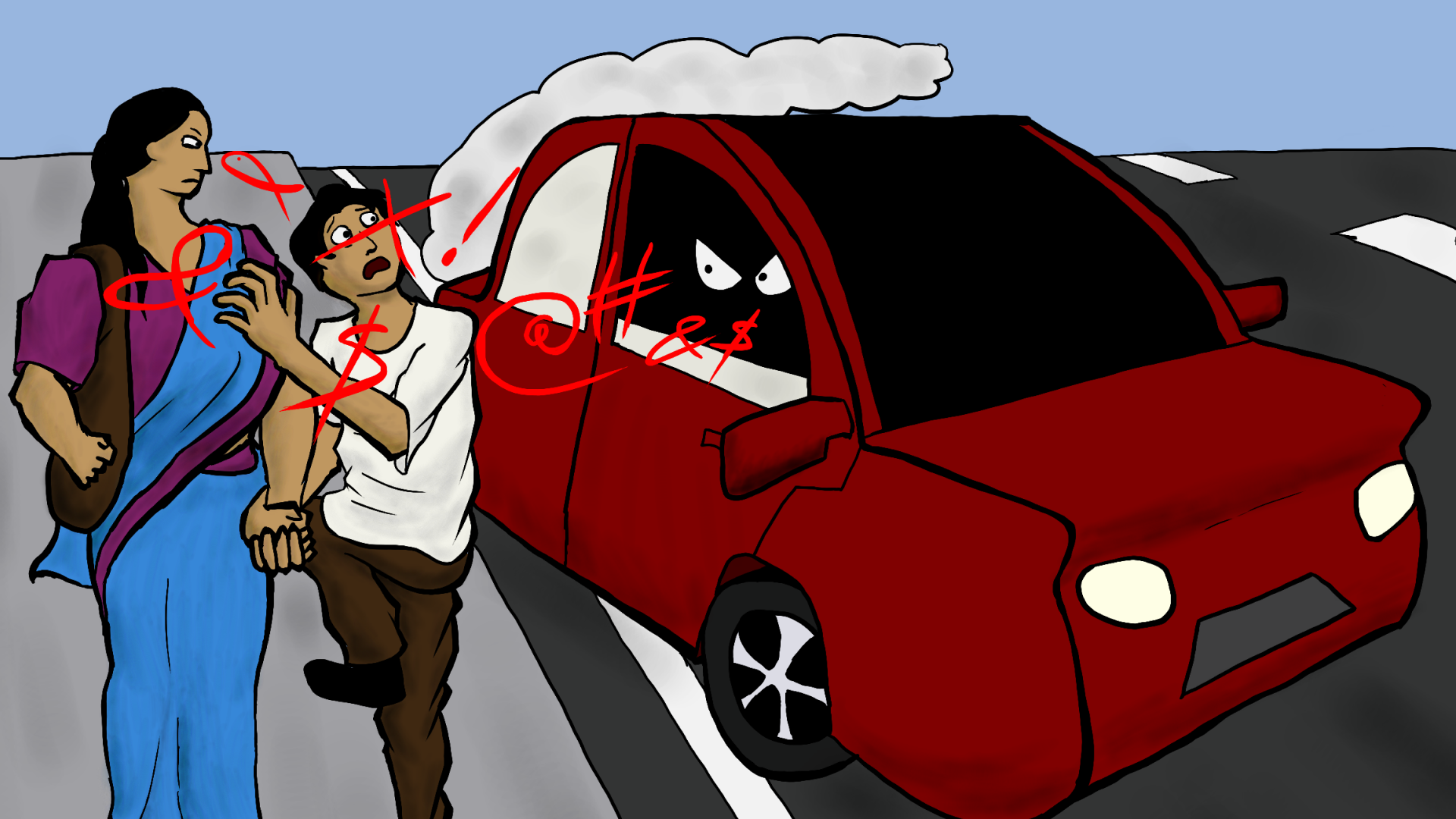
A boy holding his mother's hand as they walk down a street. A car driving by, with the window rolled down. The person in the back seat of the car spews hate speech that is showcased through typographical symbols.
ILLUSTRATION: Yan Ting Leung / The Peak

By: Niveja Assalaarachchi, News Writer

I was 11 years old, walking down the street with my mom. We were chatting while heading back home from a game of cricket. Suddenly, three people in a car driving by began yelling obscene racial slurs directed at us. While that may be an individual example of racism, it’s also a reality that’s experienced by many others. I think these experiences capture a broader truth: to be a person of colour in Canada is to face the hollers, the snickers, the judgmental, sly looks, and blatant racism itself — head-on. However, for many South Asian Canadians, this reality of being discriminated against has only gotten worse, with a recent rise in anti-South Asian racism in public and online spaces.

According to CTV, hate crimes that were perpetrated against South Asians have risen by 227% between 2019 and 2023 in Canada. The same article points out that there’s a 1,350% increase in racially disparaging remarks against South Asians on social media platforms like X. These numbers make clear that racism is not only confined to a minority hiding in the dark corners of the internet.

I think this rise challenges the idea of Canada being a cultural mosaic — revealing how quickly this country slides back into old habits of scapegoating. Furthermore, it reveals Canada as a hotbed for racial intolerance; a place which actively harms the well-being of people, simply for their skin colour. As a society, we must take an immediate stand against the damaging mental and physical effects of racism by standing up to bigotry, ensuring it has no place in our community. 

The origins behind the current rise in hate are complex. The South Asian population in Canada has nearly quadrupled since 1996. However, issues like the housing crisis and the high cost of living, among others, have also been prominent as of late. These socioeconomic pressures have pushed some to try to find a scapegoat. Due to the rapid increase in population, South Asians became that scapegoat. Since that branding, South Asians have been regarded as job-stealers, despite the nuance of immigration’s impact on the economy.

It has not helped that many of these stereotypes have been repackaged into an easily understandable meme format shared across many social media platforms. I think I speak for most South Asians when I say that we are sick and tired of the AI slop, as well as sick of the relentless use of harmful stereotypes in memes. The fact is, it’s not funny, it’s sick and has caused real-life damage. A recent incident in Ontario saw a group of teenagers harass a young Indian couple, calling them racial slurs and telling them to go back to their country. The incident, which had left the couple traumatized and fearful, is one of many that have rendered South Asians hesitant to leave their houses.

The situation for South Asians has gotten so bad that in 2023, India’s Ministry of External Affairs issued a travel advisory, telling its citizens to reconsider travel to Canada, further complicating the strained relationship between our two countries. As humans, how can we tolerate this? How can we tolerate blatant discrimination and not stand up? There might be those who are shocked, but the truth is, Canadians have been down this road before.

At the beginning of the 20th century, the anti-Asian sentiment that was already prevalent against Chinese and Japanese immigration began to be extended against Sikhs and other South Asians who were starting to immigrate to British Columbia. This motivated the implementation of immigration policies in 1908 specifically designed to deny entry to Indians. The policies required newcomers not to stop on their journey to Canada (which was impossible at the time) or to have $200 (which was a lot of money). These discriminatory policies were used to deny entry to the Komagata Maru, a ship carrying 376 South Asian immigrants in 1914. The passengers stayed on the ship at Vancouver’s harbour for two months as they were denied water and food. Many attempts were made to prevent them from taking their case to court. Why? Because of their ethnicity. Non-white immigrants were branded as a threat to Canada’s white man’s sanctuary. A state that sees its economic prosperity reserved for its European settlers only. Doesn’t this rhetoric sound familiar?

It seems whenever difficult socioeconomic circumstances arise, this country’s natural reaction is to scapegoat a vulnerable demographic. Perhaps it’s not too surprising, considering this country is founded on stolen Indigenous land.

It appears no matter the risk it may pose to people, we embark on this horrific campaign of dehumanization. Perhaps this institutionalized discrimination forms the essence of what it means to be a Canadian, especially a racialized one. Therefore, if we are ever to change this reality, to rid ourselves of bigotry, we must identify it — ensure racism will not have any place in modern society. Because, to disappoint the racists, we South Asians will continue to exist and progress.