Home Blog Page 196

The ongoing campaign for free contraception by AccessBC

0
This is a photo of pregnancy test, contraceptive gel, and tampons on a store market shelf.
PHOTO: Kriti Monga / The Peak

By: Nercya Kalino, Staff Writer

AccessBC’s campaign has been at the forefront in fighting for access to contraceptives in BC. In a statement to The Peak, a spokesperson for the ministry of health said AccessBC’s advocacy is welcome and “our government is committed to making prescription contraception free in British Columbia to reduce costs for people.” 

The AccessBC campaign noted the BC NDP ran in 2020 with an election promise to implement universal no-cost prescription contraception. Despite having seen no policy change yet, the campaign has received support from frontline health workers who spoke up about the issue of free prescription contraception in 2021. 

AccessBC highlighted how people in marginalized communities, people with low-incomes, and youth often face barriers to accessing contraceptives due to its high costs. The ministry of health spokesperson underlined this issue stating there has been commitment within the government’s mandate to address these barriers. “We are actively working on policy and other developmental work so we can implement this commitment in a way that ensures equitable access for all BC residents.”

Vancouver is Awesome reported the various costs of prescription contraception in BC. While vasectomies are covered under MSP, intrauterine devices (IUD) can cost up to $425. Contraceptive pills can be as much as $35 per month and hormone injections up to $180 per year. 

The Abortion Rights Coalition of Canada released a statement in September 2021 calling for free prescription contraception. They noted it encourages equitable access and improvement of health outcomes. 

In 2019, there was improvement of access to contraception through major changes to Fair PharmaCare. The ministry of health noted in 2019 they invested $95.3 million to reduce or eliminate deductibles and family maximums for 240,000 low-income British Columbians for the first time in 15 years. This gives low-income individuals better access to contraception.”

For more information and to donate to AccessBC’s campaign, visit their website.

Comics

0
ILLUSTRATION: Sara Brinkac / The Peak

By: Angela Shen


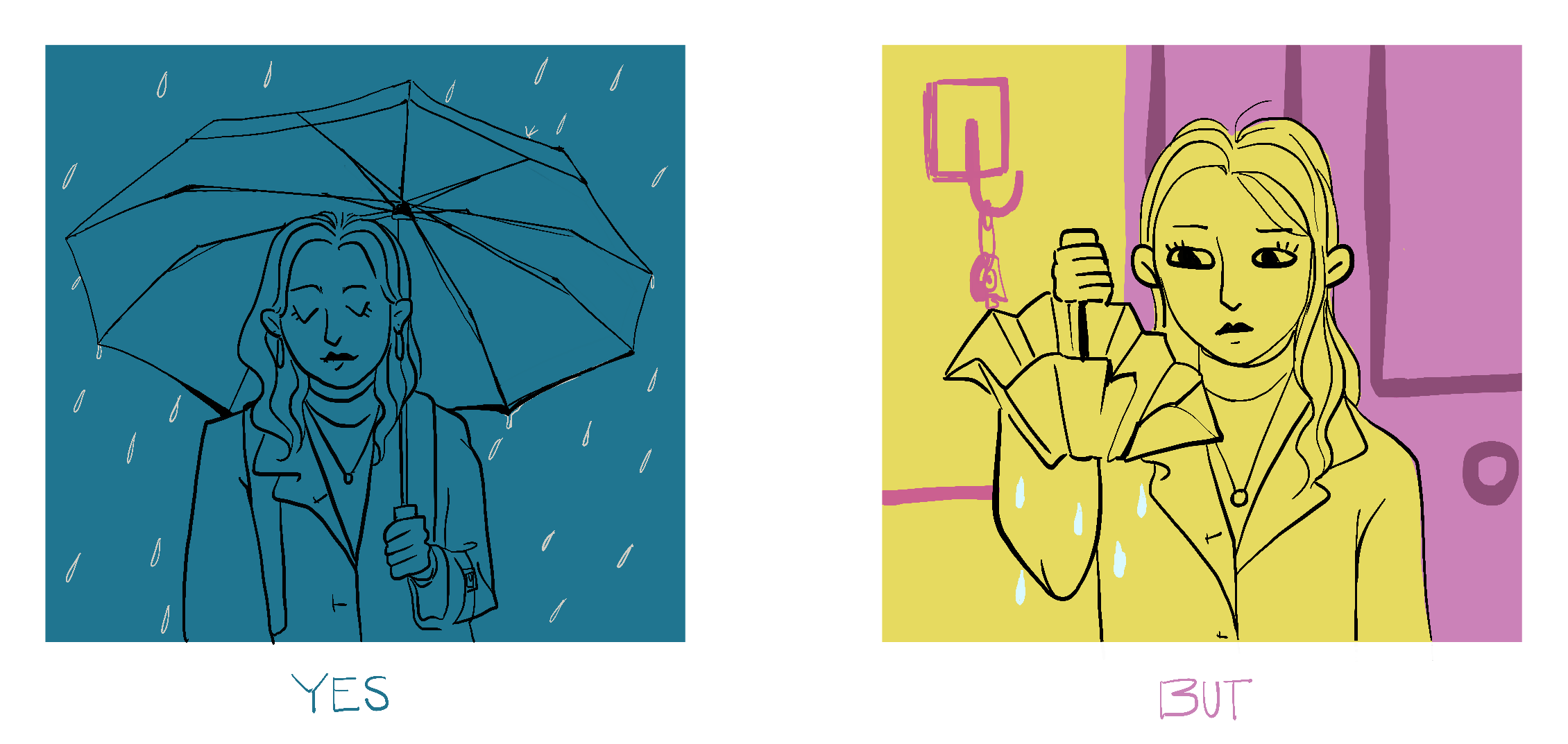
A two panel comic. On the left, a woman is holding an umbrella outside in the rain. The panel is accompanied by the text, "Yes." On the right, the woman closes the umbrella inside her home, raindrops indicate her discomfort. This panel is accompanied by the text, "But."
ILLUSTRATION: Angela Shen / The Peak

New fashion app combines AI and sustainability

0
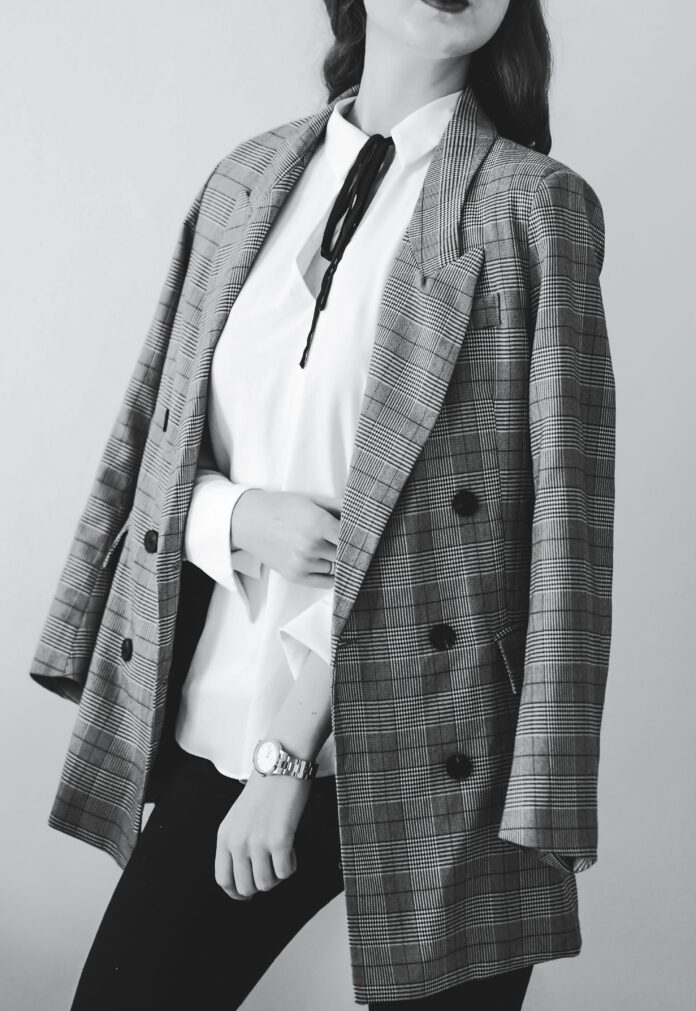
A black and white image showing the torso of a person wearing a gingham blazer over a white blouse.
PHOTO: Laura Chouette / Unsplash

By: Hannah Kazemi, Staff Writer

Bintu Alkassoum wants to change the way people shop. Her up-and-coming app, Shopinspo, fuses sustainability and convenience to bring users a unique mood board-inspired online shopping experience. The Peak sat down with Alkassoum to learn more about the process of designing this advanced app, which has its soft launch planned for early March.

Shopinspo works using AI and a 3D printer to make its curated designs come to life. Alkassoum described it as a “circular shopping app;” the user uploads a picture into the app for inspiration, be it clothing or something else. Then, the user navigates algorithm-generated options to tell the app the type of vibe and product they’re looking for. The AI technology within the app generates different 3D renderings of products that fit the user’s style. Once the user selects pieces and places an order, the order is processed in Shopinspo’s manufacturing hub and a 3D printer produces the pieces using recycled textiles. This process allows users to engage in an online shopping experience that is familiar to them; similar to that of many fast-fashion sites, but in a more sustainably-sourced way.

Alkassoum shared a prototype image of the app’s interface during the interview. Described as a “mood board style search engine,” users upload a photo into the app and change filters to give the AI an idea of what they’re interested in. The result reminds me of Pinterest, where you browse a feed of images curated to your style. 

Shopinspo’s waitlist sign-up and landing page features a tutorial on how the app will eventually work. AI has already infiltrated the fashion world and is currently being used by a variety of sites to assist in the manufacturing and designing of clothing. Alkassoum noted that there are companies that specialize in one part of the circular process, but she hasn’t seen many that combine any of these aspects to make the curation and production of sustainable fashion more accessible to the average person.

She said SFU sociology prof, Gary Teeple, inspired her to challenge the status-quo and seek to improve society. “I think that’s kind of what innovation is about; being able to kind of question things and really break those things down to understand how they need to be built back up to be better.”

There are many challenges and privileges that come with shopping sustainably. As young adults in an increasingly expensive world, it’s generally much more appealing to purchase more clothes at a cheaper price. Trends and styles are also constantly changing, which feeds our desire to constantly buy new clothes. 

Seeking to appeal to individuals such as myself and make sustainable fashion more accessible, her goal is “to change the way people shop and to get people to move towards sustainability.” This includes people who value sustainability, as well as people who want convenience. 

Alkassoum is gearing up to launch with a small subset of users in Toronto, where she is currently based, to test the concept and ensure everything is running smoothly. Users can expect a wider launch of the app in early summer. Prices will average $70 per item including shipping. “The goal is to bring that down to $50 an item,” said Alkassoum.

To join the waitlist and to learn more about Shopinspo, go to their Linktree, linktr.ee/shopinspo. You can also follow them on Instagram, @shopinspoapp.

Urban inequalities for women and marginalized communities

0
This is an aerial photo of Vancouver Harbour
PHOTO: Mike Benna / Unsplash

By: Natalie Cooke, News Writer 

Tiffany Muller Myrdahl is a senior lecturer at SFU and her research analyzes urban inequalities and inclusion strategies that target women and the LGBTQIA2S+ community. In an interview with Myrdahl, she told The Peak how urban inequalities exist today, and how researchers can alter their methodologies to improve engagement with and inclusion of marginalized communities. 

The National Institutes of Health defines urban inequalities as, “differences in access to services and/or health outcomes as an unequal state between one group and another within a city or town.” Therefore, inequalities exist in urban spaces based on one’s social standing, the privileges they have, or the disadvantages they face — including disability, race, or age restrictions. 

Myrdahl told The Peak her interest in examining urban inequalities “has focused on those who have historically been left out of decision-making processes, including women and LGBTQIA2S+ folks.” It is important for her to have a diverse range of communities “included in processes to build more equitable cities.”

Myrdahl explained many cities are developed for a “universal user,” who does not reflect the variety of livelihoods that exist within society. “There are very particular expectations wrapped up in this notion: that the ‘universal user’ is able-bodied and unhindered in their mobility.” She explained how public spaces often neglect safety and comfortability for all. “The [universal user] never needs to worry about sexual harassment or sexual violence; they do not need to be concerned that they will be questioned when they use public toilets; they will not be accused of loitering in public space; and they are never encumbered with caretaking responsibilities, like moving through public space with a stroller.” 

She added, “Cities are built on heteronormative assumptions of a nuclear family,” with gendered expectations about who does care and domestic labour, who is expected to stay home, or who requires access to the family car. “At a basic level, diverse family forms are rarely accommodated.” 

The inequalities women have faced for years are still in existence. Myrdahl explained, “We are far from parity when it comes to the gender wage gap, or when it comes to womens’ participation in public decision-making.” 

Canadian women who are transgender or racialized often face these inequalities most; transgender hate crimes have reportedly been on the rise in Canada and 41% of BIPOC people in Canada have faced discrimination in the last five years. Systemic barriers result in compounded inequalities for trans women and women of colour in areas such as health care, labour, housing, and community support.  

The Canadian Centre for Policy Alternatives reported in 2019, “Women are more likely to vote in local elections, but in large cities they make up only one-third of city councillors and only one in five mayors.” In the workplace, “women make up 48% of all employees but only one-third of managers [ . . . ] Women earn less than men even when they have the same education, experience, and work in the same field.” 

SFU’s Community Engaged Research Initiative (CERi) is working to address these inequalities. Faculty and staff, including Mydrahl, want to work with the community to conduct research. Mydrahl emphasized, “Under ‘traditional’ research approaches, researchers are trained to extract data from their research subjects and there is little discussion of how the researcher is accountable to the community involved in providing data. This dynamic has caused a lot of harm and made many communities rightfully distrust researchers.”

Myrdahl has made suggestions for the SFU community regarding how we can improve our research practices. “SFU has a responsibility to set a different standard for research practice, including how community-centred research is valued.” Myrdahl noted, “If we are committed to community engagement, we should ask ourselves how that is reflected in the paths we’re carving out for the next generation of researchers.” 

To learn more about community engaged research, read Myrdahl’s post on the CERi blog. 

Our conversations about sex lack nuance and perspective

0
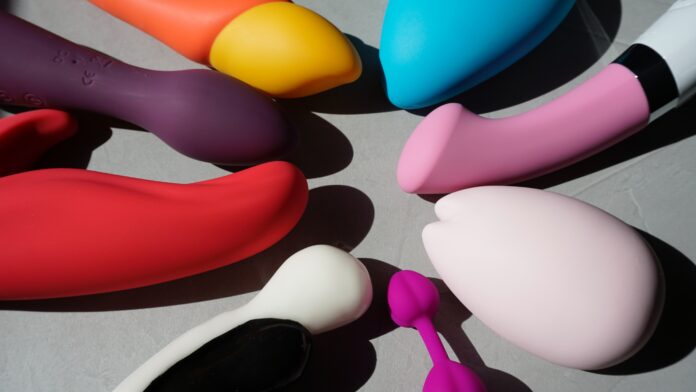
multiple colourful sex toys arranged in a circle
PHOTO: Gwen Mamanoleas / Unsplash

By: Hannah Kazemi, Staff Writer

I learned about sex for the first time at the ripe young age of five, when my kindergarten class had a presentation on the reproductive system. I continued to learn and hear about sex all through elementary and high school, but the conversations always seemed very narrow: sex is for adults, don’t get pregnant, and pornography is entirely fake. People are taught little about consent, and instead hear about the reproductive systems in an overly-scientific fashion. We have to step beyond these conversations to remove the discomfort and stigma that surrounds important aspects of sex, sexuality, and relationships.

I do feel like I’ve grown up with a healthy view of sex, albeit a limited one, given the culture of shame that often surrounds it. Porn and sex toys are two things I have always been curious about because they’re considered taboo. We’re told that porn isn’t an accurate depiction of the realities of sex, and that we should prepare for an underwhelming sexual experience. People hear that women don’t masturbate, so vibrators never even come up in conversations among teenage girls learning about their bodies. Instead, we’re told what our opinions should be on these two things. How are people supposed to form their own perspectives and boundaries surrounding sex if we don’t normalize talking about it?

People should be able to use porn as a tool to figure out what they like, without projecting unrealistic expectations onto their partners. It’s also tricky to navigate online material when many companies in the porn industry are known for being exploitative. How can we feel empowered to view porn without the shame that’s often associated with it? Making teenagers and young adults aware of the performative aspect of porn is important, but we also need to talk about how to indulge in porn in a healthy way. This involves being cautious about the exploitation that still largely dominates the porn or adult film industry, and seeking out ethically produced porn. Healthy consumption also means we shouldn’t rely on porn for all our sex-related questions. It isn’t wrong or embarrassing to watch porn — it becomes wrong and embarrassing when you think the complicated position that one couple did should automatically work for everyone. People will watch porn whether or not you warn them about it; the key is to engage in these conversations in a productive and open-minded way.

Vibrators are another thing that I’ve slowly been learning more about there are so many different types, functions, sizes, and settings that it can be overwhelming. I learned that many companies make sex toys for people with penises as well, which is something I never would have found out on my own. 

I also know a lot of people have to hide their vibrators in their drawer or their closet, or whose partners refuse to use them in the bedroom because they feel like they’re being replaced. Sex toys don’t replace the sensations and feelings that come with being with a partner. Rather, they provide a different sensory experience, and allow people to explore themselves on their own. This is super important when discovering your sexuality and interests — how are we supposed to tell our partners what we like if we can’t test it out first?

People have different opinions and boundaries surrounding porn and vibrators, and the two can be very contentious topics. But that’s exactly why it’s so important to have open discussions about how to use and engage with them in healthy ways. Watching porn can open us up to trying new things, and it can also help us establish boundaries about what types of sexual experiences we might not want to try. Using sex toys allows us to explore our bodies, experience sexual pleasure in diverse ways, and can introduce a little bit of added fun to the bedroom. It’s not immoral or shameful to use a vibrator or watch porn. It’s all about how we use our knowledge and experiences to enhance our sex lives that really makes a difference.

Opinions in Dialogue: Sex scenes in movies and TV

0
two femme presenting people cuddling on a bed in lingerie
PHOTO: cottonbro studio / Pexels

By: Petra Chase, Arts & Culture Editor, & Jerrica Zabala, SFU Student

Can sex scenes be a vessel for thoughtful plot lines? Or, do they perpetuate harmful stereotypes about women and young people, and leave out marginalized folks? Are these scenes too ubiquitous, graphic, and distracting from the story, or are they just an authentic part of the human experience? 

Jerrica: Sex scenes are so dependent on the context of the film and the message being tied with the plot. Scenes that avoid accurate portrayals of sex contribute to its stigmatization as a taboo act. Movies like 365 Days or the Fifty Shades of Grey trilogy pretty much only exist because they’re centred around sex. There’s definitely a huge demand for these explicit types of portrayals, especially when it’s a book-smut adaptation. However, many argue series like these are not the best representation of sex or relationships, and lack discussions of consent. On the other hand, a series like Normal People can stand alone without the explicit sex scenes; it places a big emphasis on how the main characters’ reconceptualize themselves while they grow closer, apart, then back to each other. Here, sex between characters is a vessel where emotions are at their most vulnerable — where feelings of awkwardness, tension, and contempt are portrayed accurately.

Petra: I don’t have a problem with sex scenes being shown on-screen if the representation helps reduce stigma and doesn’t reinforce harmful messages surrounding sex. I’ll echo that contextual factors are so important. Sex scenes don’t necessarily need to be there to drive the narrative forward, and I think they can exist purely for excitement. However, I think the most important thing to consider is what kind of identities are being represented, and how they are being represented. Aspects like framing, casting, how sex fits into the story, and how the scene is being promoted outside of the film have the potential to reinforce harmful stereotypes about certain groups. Of course, portrayals of consent are also extremely important to consider.

Jerrica: I believe the bulk of filmmakers rely on sex scenes for shock value or sell up sex appeals to capture the interest of viewers, which ultimately devalues the film’s plot or creates this disparity between one’s own relationship with sex and what they see on screen. Growing up, I never saw any accurate representation of how sex acts are performed using a person with my build, features, race, or skin colour. When they were represented, women and men were jokingly fetishized and only played the roles of sex workers or even traffickers. I can empathize with communities such as the queer community, where sex isn’t acknowledged or properly represented in the media they consume because films continuously want to follow a heteronormative sex script.

Petra: You make a great point about how proper representation is so important. Growing up, the only queer sex scenes I saw were between two femme-presenting women. They were almost always in service of the male gaze. The majority of the time, they were depicted as straight women “experimenting” with the opposite sex. For instance, in Glee, Quinn hooked up with Santana, an openly queer character, for one night. However, her bisexuality was never explored or discussed again. It’s clear the only purpose of this side-plot was the audience’s enjoyment, not queer representation. Straight women characters in TV frequently reminisce about experimenting with women in their “college days,” and this always piques the interest of male characters. I think there’s also something to be said about an over-reliance on erotic scenes in shows that depict minors in their high school years. 

Moreover, sexual experimentation between men and non-femme presenting queer people is still seen as taboo and rarely represented accurately. This shows that sex in films was — and still is — greatly catered to a straight male gaze. Blue is the Warmest Colour has been criticized for perpetuating cliché ideas about sex, and it flat out fetishizes queer sexuality through a misogynistic lens. Of course, we’ve come a long way, but there is still a fine line between fetishizing queer people and representing them in a way that uplifts the queer community. For instance, Orange is the New Black does a great job of depicting the spectrum of queer identities in their sex scenes.

Jerrica: 100%. Women, gender non-conforming, trans, and queer folks frequently become secondary spectators of entertainment as a result of the male gaze: most popular media caters to the perceived sexual desires of cis, straight, white men. It is difficult to define the relationship between the male gaze and societal concerns because it opens up a can of worms — should filmmakers be held accountable for the societal impact of their works or should personal sexual orientation play a role in shaping the perspectives of filmmakers? Maybe this requires achieving a balance between upholding artistic freedom and taking into account how one’s creation might affect society.

Don’t get me wrong — sex, nudity, and a lack of censorship are all perfectly normal. It’s just god-awful having to witness the same sex scene in every film. The woman engages in sexual activity with the man for a very, very, very short period, resulting in a predictable orgasm caused by penetration. This includes sweating, an open mouth, near perfect hair, bouncing physical attributes, and excessive vocalization in the form of moans. Like what!? These additional porn-resembling sex scenes are not creative.

Petra: I think filmmakers should be held accountable for the impact of the sex scenes they produce. This also includes the ethics of how the scenes are filmed. While every sex scene is going to have a different context, filmmakers need to consider what they’re trying to accomplish and who their audience is. People of varying identities who are represented should also always be involved, consulted, and present in the creation of these scenes. You make a good point that overly-exaggerated sex scenes are not creative and don’t reflect real life. They set up expectations that are unrealistic. It’s not necessarily that being sexually expressive is a bad thing. There are plenty of sex scenes in Orange is the New Black that involve intense facial expressions and moaning, and some of the scenes are somewhat sensationalized. But Orange is the New Black also explores and acknowledges a diverse range of sexual experiences and queer identities, including ones that are underrepresented and don’t always appeal to straight men. Some scenes might still be fetishized by viewers, but sometimes that’s out of a filmmakers control. It’s all about intent.

Analyzing the lack of queer representation in reality dating shows

0
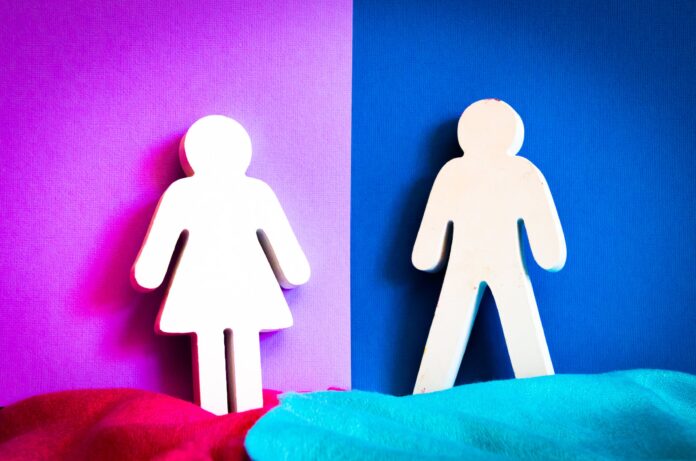
A graphic of two male and female symbols divided into a pink and blue background
PHOTO: Magda Ehlers / Unsplash

By: Petra Chase, Arts and Culture Editor and Hannah Kazemi, Staff Writer

Reality dating shows have a huge influence. With 52 seasons of The Bachelor franchise, it’s safe to say that audiences are heavily invested in all the messiness and cheesiness the genre delivers. Newer series like Love is Blind, Singles Inferno, and Love Island were also huge hits. While these types of shows are widely considered mindless entertainment and not to be taken seriously, it’s important to note that the way they frame gender, sexuality, and dating is fabricated with intention, and reinforces how audiences view the world.

It’s no surprise reality dating shows favour producing heterosexual relationships. The Bachelor follows one man as he dates 25 women in an attempt to find one to marry. The Bachelorette is the same with the genders reversed. Bachelor in Paradise is the only spin-off within the franchise that opens up the opportunity for queer relationships to be formed, though there’s only one case in which a couple has been openly queer on the show.

Similarly, in Love is Blind, the men and women are in separate groups and only interact by going into “pods,” with a wall between them. A couple must get engaged in the pods to enter the next stage of in-person dating. The Love is Blind “experiment” tests whether the couple will follow through with the marriage within 30 days of leaving the pods to see if love is “blind.” It goes unsaid that this only applies to straight couples and identities that can be sorted into a rigid gender binary.

When 2019 star of The Bachelor, Colton Underwood, came out as gay after his season ended, the internet exploded. It was hard for viewers to believe he was gay after dating only women on-screen. It was also big news when Brooke Blurton was cast in The Bachelorette Australia as the first bisexual bachelorette; the franchise hadn’t seen any queer leads before her. In season one of Love is Blind, couple Carlton and Diamond broke off their engagement immediately after Carlton came out to her as bisexual. When Diamond expressed she was upset he wasn’t honest before he proposed, Carlton raged, hurling misogynistic insults at her. This was difficult to watch, as it demonstrated how internalized homophobia and biphobia can fuel misogyny.

When queer contestants participate in these shows, it exposes how norms about marriage and dating are systemically built for straight, cis people. It also exposes how much they hinge on sexist and binary gendered representations of dating. Love is Blind casts single women in their late twenties as desperate for a man to tie the knot, as if their desirability is running out. The men who participate are often seen as having established their careers, and looking for a potential partner because becoming a provider is the logical and responsible next step.

Both shows feed the fantasy of a traditional wedding solving everything. We’ve yet to see a woman propose in three seasons of Love is Blind; men are viewed as noble pursuers, while women are often pitted against each other, depicted as overly emotional and irrational. In The Bachelor’s coveted rose ceremonies, which involve the lead giving out a rose to the person they want to keep for another week, women receive a rose to hold, but men receive it as a boutonniere — why is that? Is it not manly for a man to hold a rose? Are the producers scared he’s going to crush it with his big man hands? The competition to get a rose, which is usually more physical for the men, is cutthroat and often leads to conflict that perpetuates stereotypical competition amongst men and pettiness amongst women.

Meanwhile, many women contestants enter Love is Blind claiming they’re tired of being judged for their looks and want to form deep connections, expressing contempt towards image-focused, modern dating culture. This is a valid issue, but Love is Blind clearly doesn’t care about properly investigating it. Ironically, some men on the show are notorious for asking questions in the “pods” to figure out characteristics of the women’s appearance, like, “Will I have trouble picking you up?” The show hides behind the facade of being a genuine experiment, but in reality, its main goal is to create drama surrounding the mens’ physical attraction to the women. It also perpetuates thin, white, able-bodied beauty standards in its casting.

All of these examples show that the problem doesn’t lie with one particular show, but with how the whole genre is structured off of heteronormative society. If there were more dating shows structured for queer partnerships and non-binary identities to participate, it could help question the heteronormative mold. It’s time for reality TV to challenge the norm and invite different perspectives.

My sexual awakening: the Fire Nation siblings

0
A photo of a woman writing in a diary.
PHOTO: Pexels

By: Cynthia Piña, SFU Student

Readers, what I am about to tell you are the true chronicles of my heart-pounding love story. I was 13-years-old, and when season two Zuko (or Lee, from the tea shop) started growing his hair out, it made me feel something. The pouting, the angst, the peeks inside his inner humanity. I mean, who doesn’t love an edgy boi with a soft heart? His amber-coloured eyes made me melt

But you know who else made me melt? Azula. Her flirting was awful and adorable, and her hair and makeup were always on-point. Yes, maybe she would have eventually murdered me, but she just needed a little bit of love and I was burning to give it to her! I’m sure her mommy issues could have been aided with a strong and nurturing relationship! Just like how she smashed a pitiful volleyball into the ground, she smashed into my heart. I mean, who doesn’t love a girl who can speak her mind? No, I do not have “I can fix her” disease! Her beauty burned brightly, the apple of my eye — which has now made me deeply conflicted about my feelings towards Zuko. 

A banished prince comes with all kinds of spicy and forbidden love. His scar gives off mystery and his tragic backstory only paves the way for more character development in the future — I can see his potential to be my twin flame. He literally risked his whole identity for a girl, what’s more romantic than that? But if I had to live with Uncle Iroh . . . kind of a dealbreaker, ‘cause that man has probably committed war crimes. He may be a “sweet old man” now (I know, I know, “character development” or whatever), but don’t forget the Dragon of the West once tried to conquer Ba Sing Se!

Azula on the other hand, she has a sharp tongue and her nails are even sharper! She is the walking embodiment of gaslight, gatekeep, girlboss. Where will I ever find such a feisty partner? OK, maybe I am ignoring some red flags . . . but, my 13-year-old self, maybe you are allowed to overly idealize your fictional animated crushes! Why would I spend my time looking at immature tweens when I could be planning my date with the banished prince of the Fire Nation? After all, that’s the entire premise of fanfiction, and unrealistic 13-year-olds have sustained AO3 (or, if you were truly depraved, fanfiction.com) since 2008! #zuko x reader #angst #drama #uncle iroh moves out

The secret life of (sex) toys

0
A photo of sex toys, with googly eyes doodled on top.
PHOTO: Chris Ho, illustration added by Kelly Chia / The Peak

By: Hannah Banana Hammock, Staff Writer

Have you ever thought about what the world would be like if sex toys could talk? Well luckily for you, I did the cursed imagining for you! The Peak kindly requests that Hannah’s mom doesn’t find this piece and if she does, to close her eyes immediately.

SOME COLLEGE TOWN IN MIDDLE AMERICA

Four roommates, ALEX (21), CHELSEA (23), KIERA (19), and MADISON (21). RYAN (22), boyfriend of MADISON, also pretty much lives there except he doesn’t pay rent. He just never leaves. The Secret Life of (Sex)Toys follows the favourite sex toys of each roommate. In this episode, the toys tell all and spill their dirtiest secrets on the ladies (and RYAN).

8-inch Rainbow Thrust

ALEX’s toy of choice

(voiceover)

ALEX is so fun! They play with all the settings and knows exactly how to make the most of every inch. I like to go “bzzzz bzzzz bzzzz bz bz bz bz bzzzz” until their hearing goes and their vision is blurry. But I do get (sexually) frustrated when they wait too long in between rounds. Vibes have needs, too!!

Magic Wand

CHELSEA’s toy of choice

(voiceover)

I know you like to have fun, but CHELSEA, girl! REMEMBER TO WASH YOUR VIBRATORS! I have nightmares . . .

The toys laugh. MAGIC WAND shivers, looking wanly at the soap suds in the sink. 

Lipstick Bullet Vibe

KIERA’s toy of choice

(voiceover)

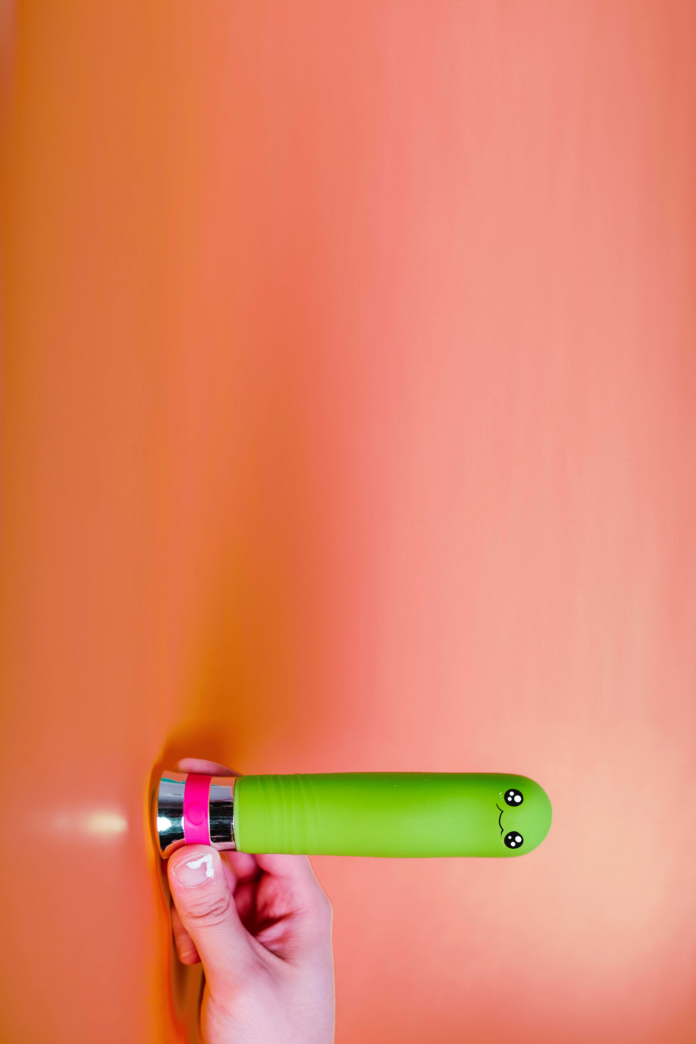
KIERA bought me, like, forever ago but was too nervous to use me, so I sat suffocated in her closet for two years. Two years! That’s cruel and unusual punishment if you ask me. She’s started leaving me out in her room. I blend in with the rest of her makeup. Slayyy for being bold! KIERA gets a little nervy sometimes, which is fine, but I personally feel uncomfy when she uses me while wearing the pj’s her mom got her for Christmas six years ago. They have butterflies on them and the butterflies don’t want to see KIERA like that. 

Vibrating Cock Ring & Couple’s Long Distance Vibe

MADISON’s toy of choice

(voiceover)

MADDIE and RYAN aren’t long distance, but WOW, do they love to have a good time! We had a dream about them once. They went for Mexican for margs and brought us with them, and let’s just say . . . things got spicy pretty fast. We do have to say, though, they tend to favour us, the couple’s vibe, more than the cock ring. That’s no fun. Cock rings need love, too.🥰

As COCK RING and COUPLE’S LONG DISTANCE VIBE were wrapping up their interview, we heard the door to the apartment start to open. All the toys instantly stopped buzzing and went limp on the floor, awaiting the next moment of fun.

Stay tuned for the next episode of where we meet the butt plugs of the group!

How love is celebrated around the world

0
The first red flag is not having chemistry with your partner. PHOTO: Jayesh Jalodara / Unsplash

By: Jeeya Parasbhai Khavadia, SFU student

Victor-Marie Hugo, considered one of the most important French romantics, was a poet, novelist, and dramatist, internationally known for Les Misérable. He once said, “Life is a flower of which love is the honey.” Love is an essential part of our lives. For me, love is a natural feeling of attachment and affection towards someone or something. It is an emotion that we feel either for a person, animal, thing, or even a special event. Love knows no boundaries and thus transcends age, gender, religion, and race. 

There are numerous types of love that can be expressed in an infinite number of ways. The Greek considered four main types of love: Eros, the love found in romantic relationships, containing passion and intimacy, not to be confused for lust. Philia is the love of strong friendships, where affection, support, and equality are the pillars that sustain it. Storge, or familial love, is governed by empathy, affection, and compassion. Agape, the most important one for long-term relationships, is selfless and unconditional love.

For the Hindu, there are five stages to love: Kama, meaning “craving for sense objects,” is considered as physical or even sexual desire. Shringara is the enthusiasm for intimacy or romance. Maitri, compassion in love, is also associated with motherly love due to being the least selfish. Bhakti, impersonal devotion, is often associated with the love of God, yet it can also be directed towards one’s ideals like kindness, truth, or social justice. Atma-Prema refers to self-love. 

As we grow up, our families and environment help us develop and learn what we will consider important, what our values will be, and so much more. We develop a strong bond with them through the type of love the Greeks would call “storge.” It is a powerful feeling, though, just as with any other relationship, one should not be obliged to love those who have been abusers or who have not shown equal respect towards you. Family love can take many forms, from the love between a parent and their child, to the love between siblings, and love towards extended family members. Indian society favors collectivism over the individualistic notion of western society. Therefore, it is quite normalized to care for family members when they are ill, and they function as a sort of therapeautic support systemalthough this can have some negative effects.

In Latin America, Dia de los Muertos is a holiday for honouring loved ones who passed away, usually, family members. People decorate ofrendas with cempasuchil, candles, food, and photos of their loved ones. They also visit their graves to pay their respect and show love. In the family we hope to find support, a sense of security, confidence, and most importantly, comfort. It is an important aspect of mental and emotional well-being as it helps us feel valued and connected. Family bonds are an important part of development as they help us develop emotional and language skills. Dysfunctional family dynamics can have a detrimental impact on child development, from social isolation to even suffering from depression, anxiety, and addictive behaviors.

Romantic love, or eros according to the Greek, has been the subject of inspiration for many. As enjoyable and appealing as it appears on the surface, it is accompanied by commitment, loyalty, intimacy, and transparency. This type of love, for some, brings the possibility of a sense of fulfillment and has the potential to bring great happiness and shape long-term life plans. Romantic love can strike when you least expect it — you’re never too old for falling in love. Around the world, every culture and every community has their own way to express love towards a romantic partner.

The Wodaabe people in West Africa have The Gerewol Festival in Chad. This is often described as a beauty pageant, where men compete by donning headdresses and makeup, and dance in front of women who act as judges and may later choose them as partners.

In Japan, on the other hand, it’s more common to express love through actions and kind gestures. On Valentine’s day, the women are the ones expected to gift “lots and lots of chocolate” to not only their romantic partner, but to any men in their lives with whom they have a significant relationship. But, the men are expected to reciprocate during White Day, March 14, with gifts up two or three times the value of the ones they received on Valentine’s.

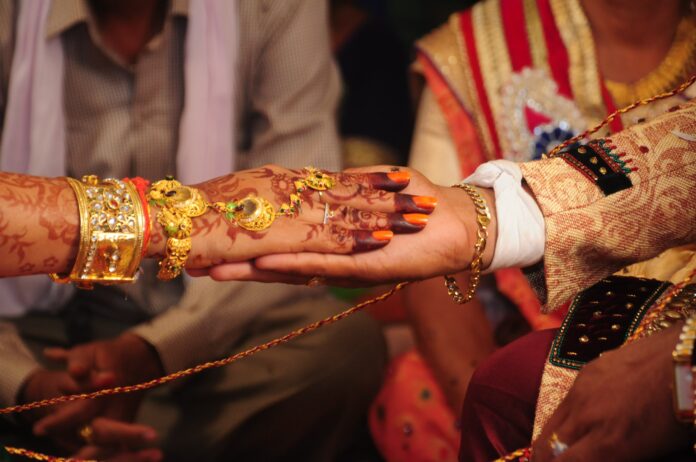
In India, the belief that love develops over time has shaped the way relationships develop; it is common practice for a person’s parents to find a suitable partner for their child. Some women in India might value respecting their parent’s approval over marrying their partner of years. This, in a way, might reflect the importance of family love over romantic love in Indian society. One of the most well-known demonstrations of love comes in the form of a historic monument, the Taj Mahal, located in Agra, India. It was built by the Mughal emperor Shah Jahān, in remembrance of his beloved wife who died while giving birth to their 14th child. It is one of the wonders of the world and is profound for its backstory. 

In Germany, during Valentine’s day, gifting chocolate pigs is a tradition as they symbolize luck. The Philippines celebrate Valentine’s day with mass weddings sponsored by the government for couples that can’t easily afford celebrations

The Qixi festival is a traditional Chinese festival and is a day for expressing love between couples. It originates from the legend of Niulang and Zhinü. According to legend, the couple was separated by a river of stars and were only allowed to meet once a year, on the day Qixi festival is celebrated. Typically, women dress up in hanfu, a traditional Chinese dress, and spend the day preparing offerings of tea, wine, flowers, and various fruits to pray to Zhinü for wisdom, a good husband, or a happy life.

Love traditions differ greatly from culture to culture and community to community. From grand romantic gestures to small acts of kindness, each tradition reflects distinct values and customs. These traditions attest to the universality of love and its ability to bring people together and aid in our growth and well-being. To embrace love in all of its forms and expressions we must first strive to truly understand love in the eyes of others. Learning about other cultures’ traditions and ways of expressing affection and love will undoubtedly help build a world of compassion.