Home Blog Page 163

Opinions in Dialogue: Inequities in healthcare

0
An IV drip

By: Tejasvita Saini, SFU Student and Antonia Chircea, SFU Student 

Content warning: mentions of anti-Indigeneity, medical trauma, forced sterilization, and transphobia. 

Healthcare perpetuates many inequities. From sexism, racism, queerphobia and transphobia, to ableism — it can be hard to access the care you need due to systemic barriers. In what ways do these barriers show up for patients? What ideas and prejudices perpetuate the mistreatment of certain groups in healthcare, and how can this be solved? 

Tejas: We hear so much praise of Canadian healthcare, but many overlook the complex systemic inequalities that people of colour, women, people with disabilities, Indigenous people, and 2SLGBTQIA+ people face. The praise of Canada’s healthcare system silences the voices of those who do face inequalities in healthcare.

Antonia: As a person who works in healthcare, I’ve seen how outdated ideas and prejudices directly impact a person’s ability to access the care they need. New doctors time and time again turn down people seeking gender affirming care as a result of inexperience. Which, in this case, brings up the question: what is being taught to doctors in school? Despite the fact that the medical field is one where change should be embraced, I have seen many doctors hesitate to try new drugs or procedures. This tendency to stick to old ideas leads to a plethora of topics typically being taught from a white, cisgender, man’s perspective.

Tejas: In Saskatchewan, a doctor was able to forcefully sterilize new Indigenous mothers by coercing them. Many women were asked for their “consent” for this procedure while they were in active labour, under the influence of pain drugs such as an epidural. They were also given disinformation like the procedure being reversible. The lawsuit notes this happened to at least 20 women, some of whom did not consent and were sterilized anyways. 

These violent, anti-Indigenous procedures occurred between 2005–2010, continuing a decades-long trend of forced sterilization. While many may think we have moved toward reconciliation and that anti-Indigenous sentiment is just a dark part of Canada’s old history, they would be shocked to find themselves ignorant to the reality of discrimination and injustice toward Indigenous people, and especially Indigenous women.

Antonia: While many people may brush off the example just given as an extreme that certainly can no longer be happening, when looking deeper we can see that microaggressions toward Indigenous people are still worryingly prevalent. Around 44% of First Nations people said they felt discriminated against from the years 2014–2019, according to Statistics Canada. 

This discrimination tends to come to light in the medical system when Indigenous folks ask simple questions regarding certain aspects of healthcare. Dealing with government paperwork is not easy. When a majority of people ask for clarifications regarding these forms they have no problems receiving a response. Unfortunately, the same cannot be said for Indigenous peoples. When an Indigenous person comes in and inquires about anything, I often see them met with eye rolls and sarcastic scoffs from doctors and receptionists alike. Naturally, this creates a barrier to information, which is completely based on prejudice.

Tejas: Healthcare can be a very sensitive and crucial part of someone’s life. Nobody likes going to the doctor or the hospital, but they deserve a doctor and medical staff who ease their anxieties — not build upon them. Not only is this leading to a skew in the treatment of certain groups like Indigenous people and trans people, but it’s also making these communities more apprehensive to use Canada’s universal health care and seek access to a basic human right.

Antonia: On top of Canada not being able to provide adequate care to those whose lands we live on, we also seem to have difficulty providing care to other marginalized groups. While in Canada there are organizations that provide trans youth with gender affirming items such as binders, we cannot deny that trans people still face numerous barriers stopping them from getting the gender affirming care they need. 

While cis people have easy access to a wide array of hormonal contraceptives not requiring any parental consent, trans people in Canada still require parental approval to even begin the process of physically transitioning. For youth, this involves taking puberty blockers for a few years before the individual decides if they want to stop taking hormones altogether, or swap to taking estrogen or testosterone. A glaring issue with hormonal transition needing parental consent is the fact that some parents refuse to help their children start their transition, and as a result many trans children have no option other than to live in mental anguish until they are old enough to access this care on their own. Not to mention that the process of receiving hormone replacement therapy itself is fraught with more barriers than it should be, the first being doctors. As was mentioned above, doctors tend to receive an education focused on gender binaries, and many new doctors are too nervous and inexperienced to help trans people start their transition, thus turning them away. 

More experienced family doctors tend to scoff at the large amount of paperwork required, and they too end up turning people away. It is for that very same reason that many walk-in clinics also tend to turn away trans people seeking care. All of these factors combined make it virtually impossible for trans people who are of age to even start their transition, much less those who are younger than 18. If the process was more streamlined, perhaps this wouldn’t be an issue, yet the system itself is the one causing these barriers, and ultimately it needs to be the one to change.

Tejas: Not only are trans people facing discrimination within the healthcare system, but they’re having trouble finding access to a doctor with the proper training and mindset to treat them. This tells us that the problem is not in just a few “bad” doctors but in the very way people are taught to be doctors. How can doctors treat patients who have been fundamentally excluded from their training and knowledge? Is Canadian healthcare universal when so many groups are excluded from receiving care within it?
Horoscopes October 3 – 8

0
An illustration of a girl with long flowing hair. Astrological signs and stars shine around her.
ILLUSTRATION: Marissa Ouyang / The Peak

By: Chloë Arneson, Peak Associate

Aries
March 21–April 19 

Alright, Aries, it’s time to get your head in the game and narrow down this roster. You’ve been scouting all summer, and it’s time to start hosting tryouts. Playoffs are just around the corner, and you know your aunt Jessica is going to ask when you’ll finally bring “someone special” around for Christmas. Since you’ve already drafted your top picks, make sure your game is strong enough to take you to the championships. 

Taurus
April 20–May 20

Oh, Taurus, we know cuffing season can be rough. This week, try not to sweat the big stuff because your steadfast determination will bring out your inner baddie. You’re going to be in the gym, practicing self-love, and showing the world you’re committed to you. Just stay clear of those rom-com clips that keep popping up on your TikTok feed. 

Gemini
May 21–June 20

Alright, tough guy, hot girl summer is over. We know you’re flirty and fun, Gemini. The stars are saying this cuffing season, it’s time to clear the roster and focus on what matters to you, whether it’s that super cool book you think will make you more mysterious or that three-page paper you have due next week. Put those Tinder notifications on silent and hop to it.

Cancer
June 21–July 22

The stars are speaking to me, Cancer. They’re telling me to deliver you a message. They’re saying, “get your money up, not your funny up.” Forget that weird ex that broke your heart — it’s time to be in your bag. We know that you can get emotional, and we love that about you, but as the months get colder, instead of running to somebody’s arms, try burning some of that cold, hard cash to stay warm, and we promise you’ll feel better. 

Leo
July 23–August 22

It’s fall baking, silly little arts and crafts, and embarrassing guilty pleasure movies. Not your vibe? Well, my ear to the ground says cuffing season might be a little cliché, and with your trailblazer attitude and individualism, why don’t you try what the kids are calling “feral girl fall.” I saw the term on Twitter. It’s up to you to decipher what that means. 

Virgo
August 23–September 22

You’ve seen all the romantic propaganda, and you aren’t fooled. We all know cute couples’ activities are a government conspiracy to stimulate the pumpkin patch economy. The stars are steering you far away from Valentine’s Day consumption and cutesy Christmas gifts to save you money, Virgo. Make sure to tell all the happy couples in your life that you’re above it all because you’re so enlightened. 

 Libra
September 23–October 22

We know you’re in your lover era, Libra. Go ahead and post those insufferably cute pics of you and your bae that make the rest of us want to throw up. You deserve it. Your matching Halloween costumes and rainy day movie nights are giving cringy millennial couple, but it’s okay because we’re all just jealous. 

Scorpio
October 23–November 21

The stars are telling you it’s time to rethink your game plan. No more watching movies late at night with Tinder dates you’ll never see again. From now on, you’ll go to museums, aquariums, and cute brunch places with Tinder dates you’ll never see again to make sure you’ve farmed enough soft-launch content to last a lifetime. 

Sagittarius
November 22–December 21

Hey, hot stuff. You don’t need any dating advice; you’re the cuffing season champion. A Sagittarius knows the perfect combination of telling you that you have a nice ass and spinning you away to talk about life under the stars. As winter gets cold, you know exactly how to spend all the extra time indoors. 

Capricorn
December 22–January 19

This is a shameless ad calling all Capricorns. I am single, and it’s cold out. Your hard-working mentality and calm, grounded attitude are exactly what I’m looking for as exam season threatens to make me pull all my hair out. You’d still love me if I was bald or a worm, right? Call me. 

Aquarius
January 20–February 18 

Your best friend is tired of hearing about that one person you swore you’d block, Aquarius. Getting a text at 11:00 p.m. is NOT a sign from the stars. That wasn’t even a situationship; it was a deceptionship. You’re better than this. 

Pisces
February 19–March 20

Now for you, Pisces, the stars seem to want to encourage a little bit of that delulu energy. Did they leave you on delivered for three days but view your story? They’re just working up the courage to confess their love. 

This week at SFU

0
Photo of an SFU soccer player with the ball during the game.
PHOTO: Paul Yates / SFU Athletics

By: Isabella Urbani, Sports Editor

Home

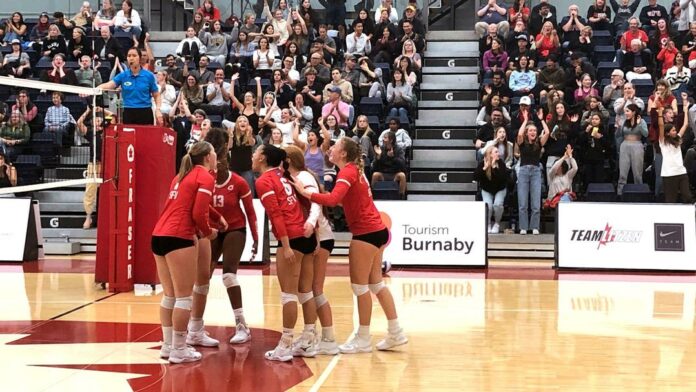
Thursday, October 5: women’s soccer vs. Northwest Nazarene (Idaho) at SFU Stadium at 6:00 p.m. 

  • First homestand of the season. 

Saturday, October 7: women’s soccer vs. Central Washington at SFU Stadium at 3:00 p.m. 

Saturday, October 7: men’s soccer vs. Western Washington at SFU Stadium at 6:00 p.m. 

Away 

Monday, October 2–Tuesday, October 3: men’s golf at the Wildcat Classic in California 

  • Men’s team won their opening invitational of the season for the second year in a row.

Thursday, October 5: volleyball at Montana State Billings at 6:00 p.m.

  • 2–0 against Montana last season. 

Friday, October 6: cross country at the San Fransico State Invitational at 3:30 p.m. 

  • Men’s team finished third and women’s team finished fourth at the last invitational.

Friday, October 6–Saturday, October 7: swimming at Idaho & Grand Canyon 

  • Men opened up the first swim meet with a win, winning 10 out of 11 events. 

Saturday, October 7: hockey vs. Okanagan Lakers at 7:00 p.m. 

  • SFU has split their roster into two teams: one playing teams in their current league, and another playing exhibition games against teams in other leagues and divisions. 

Saturday, October 7: hockey at Colorado College at 6:00 p.m. 

  • Second match-up this season against a Div. I hockey team. 

Saturday, October 7: volleyball at Seattle Pacific University at 2:00 p.m. 

  • Final road game before a two-game homestand.


The Rundown 

Cross country 

  • Saturday, September 16: men’s and women’s teams finished first at this season’s opening race in Washington.
  • Saturday, September 23: men’s team finished third and the women’s team finished fourth at the Bill Roe Invitational in Washington. Sophomore, Rachael Watkins’ 12th place finish was the highest among the women, while senior, Sebastian Brinkman’s second place finish was the fastest among the men. 

Women’s soccer

  • Thursday, September 21: women’s team lost 2–0 on the road to Western Washington. 
  • Saturday, September 23: women’s team won 1–0 on the road to Montana State Billings. The lone goal of the game was scored by freshman forward, Kiera Scott, at the start of the second half, and was assisted by junior midfielders, Kate Cartier and Isabella Muzzolini. Goalkeeper, Sarah Loewen, made four saves for her third shutout of the season. 

Record: 2–2–1

Volleyball 

  • Thursday, September 21: women’s team swept Alaska 3–0. Sophomore, Eva Person, served five aces and combined for 25 assists. 
  • Saturday, September 23: women’s team swept Alaska Anchorage to extend their win streak to three games. Junior, Jocelyn Sherman, led SFU in kills (11) and aces (three). 

Record: 8–4

A closer look at SFU’s Indigenous art displays

0
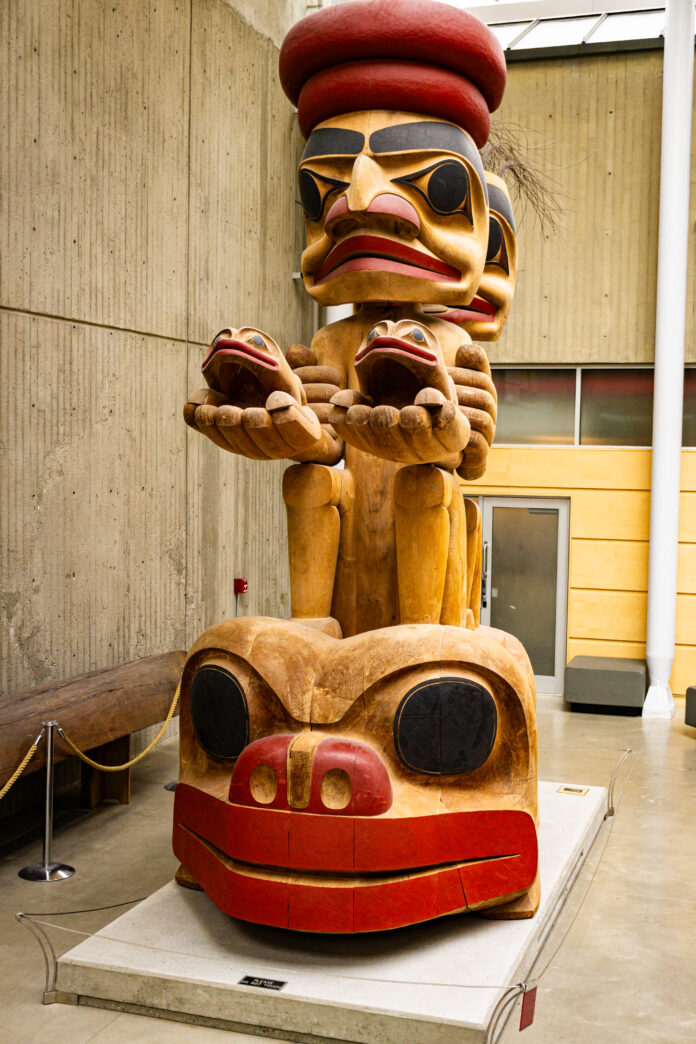
A photo of the frog constellation cedar sculpture.
PHOTO: Olivia Visser / The Peak

By: Olivia Visser, Copy Editor

Lhuḵw’lhuḵw’áyten (Burnaby Mountain) has been home to hən̓q̓əmin̓əm̓ and Sḵwx̱wú7mesh people for thousands of years. Today, the mountain is known to many as the location of SFU’s main campus — a decision that was made without permission from Indigenous peoples. Although the university is now working towards reconciliation and decolonization, its very existence is a byproduct of colonialism. And while SFU’s walkways are adorned with Indigenous artwork, how many people stop to learn the history behind these pieces? 

The Bill Reid Centre recently developed a virtual walking tour of Indigenous art on campus, offering supplemental background information for each featured piece. The ímesh mobile app, which means “to walk” in Sḵwx̱wú7mesh snichim, contains maps, Coast Salish place names, photos, and detailed descriptions about the artwork on display across SFU. The Bill Reid Centre describes ímesh as “a step toward decolonizing the university and the surrounding landscape.” You don’t have to visit campus to enjoy the app or its corresponding webpage, but I’d encourage those interested to pick a quiet afternoon and explore the Art Walking Tour with a renewed sense of mindfulness. 

Bear Mother

If you’ve ever visited the 3rd floor of the Academic Quadrangle (AQ), you’ve likely walked past the striking marble sculptures created by Iljuwas Bill Reid (Raven-Wolf Clan, Haida Nation). Known as the Spirit of Haida Gwaii Busts, Bear Mother (1991) and Dogfish Woman (1991) stand side-by-side with distinguished gazes, overlooking the bustle of the AQ. As noted in the ímesh app, both sculptures are based on popular Haida legends. Bear Mother is the story of a berry picker who was forced to marry the son of a grizzly bear chief after disrespecting the local bears. As a result, her children were born with both human and bear features. The legend “emphasizes the importance of honouring and respecting animals” and “deals with the subjects of transformation and travel between the human and non-human worlds.” 

Dogfish Woman

Dogfish Woman follows a legend that’s “difficult to trace” these days. The app includes a transcription of Franz Boas’ retelling, which echoes similar themes to Bear Mother. Accordingly, a woman made fun of a dogfish while travelling, so she was brought beneath the sea to learn that “the dogfish were really people.” After spending some time underwater with the dogfish, the woman grew fins across her body, and never returned to her family on land. As described in the app, the story addresses “barriers between species, and lost love.”

Frog Constellation

Stepping into the Saywell Hall Atrium, you’ll be greeted by a plethora of vivid art pieces. One of the most striking works is Frog Constellation (1995), which stands outside the Museum of Archaeology & Ethnology. Frog Constellation is a towering cedar sculpture depicting an old Haida love story involving a frog king. Frogs are “spirit helpers of the shaman,” according to the ímesh write-up. Haida artist James Hart got the idea for his sculpture from a “small shamanic piece collected on the Northwest Coast in the mid-19th century.” Shamans are significant spiritual figures across global cultures. In Northwest Coast society, they “cure the sick and ensure that runs of salmon and other game were plentiful.” Hart explains “the frog is one of [his] family’s crests,” making the tribute personally significant to him. 

Cape Dorset Prints

Tucked into the southwest corner study area of the AQ 3rd floor are the Cape Dorset Prints (1966, 1971). Three prints from three Inuit artists showcase intricate textures and flowy colour gradients, “illustrating the interplay between spirits, animals, and humans.” Pauta Saila, Pitseolak Ashoona, and Ikayukta Tunnillie are Inuit stonecut artists. Stonecut is a complex form of printmaking central to Kinngait (Cape Dorset) artwork. Artists trace a drawing onto stone before cutting away the remaining surface area to create a raised image. The ímesh app states commercial print-making was introduced to Inuit communities in the 1950s, but they had been adorning hides, garments, and amulets with artwork for “over a thousand years.” 

There are plenty of other pieces to browse through on the ímesh app, so be sure to check it out. While the Bill Reid Centre mentions the app only offers “a brief introduction to the artist and the cultural knowledge that has informed their work,” they encourage viewers to continue a personal pursuit of research.

Download the ímesh app for access to the map-guided art walk, or visit the website at sfu.ca/brc/our-work/imesh-mobile-app/indigenous-art-walk.html.

Debunking COVID-19 myths and misinformation

0
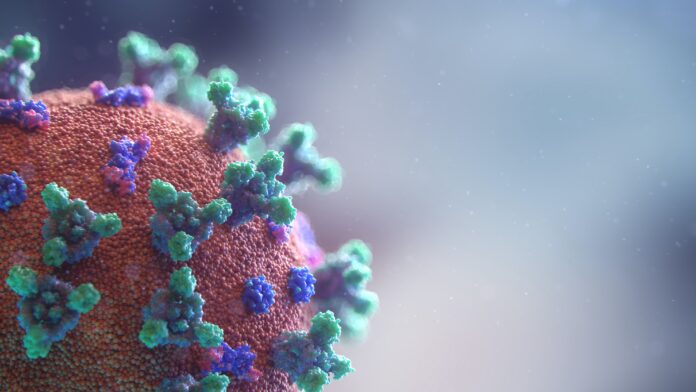
PHOTO: Fusion Medical Animation / Unsplash

By: Michelle Young, Opinions Editor

“The COVID-19 pandemic is over and we are ‘post-pandemic’”

There have been multiple declarations that the pandemic is “over” — perhaps the most well-known was President Joe Biden’s declaration in 2022. When the World Health Organization (WHO) declared COVID-19 to no longer be a global emergency, many misconstrued this to mean the pandemic is “over.” However, what was largely ignored was WHO then explaining COVID-19 continues to be a global threat, continues to kill and disable millions, and variants are still emerging. They specifically warned that “the worst thing any country could do now is to use this news as a reason to let down its guard, to dismantle the systems it has built, or to send the message to its people that #COVID19 is nothing to worry about.” 

COVID-19 never left. In BC alone, CBC reported that 2022 was the deadliest year of the pandemic, compared to previous years. Over 2,000 people died in 2022, compared to 1,500 in 2021. People in BC continue to get sick and reinfected with COVID-19, however “official” case counts are underreported due to a lack of widespread testing.

What can be tracked, however, shows COVID-19 is still circulating at high levels. Individual reports, such as those made by COVID-19 Resources Canada — an organization made up of professors and researchers — compile data based on wastewater, hospitalizations, and deaths to project a more accurate picture of COVID-19 cases. These are also shown relative to the lowest points of the pandemic in Canada. Currently, they estimate one out of 13 people in BC are infected. 

BC in particular has had slow and murky data collection under the guise of privacy, as reported by CBC, The Tyee, and The Vancouver Sun. Journalists have complained that health officials “won’t clarify issues” and “send reporters to publicly available sources like the BCCDC website.” This month, CBC also said COVID-19 outbreaks are not being reported to the public, and even hospital staff aren’t fully aware of these outbreaks. According to the Minister of Health, up to “15,000 healthcare workers are calling in sick on average, compared to 9,000 in pre-pandemic times.” Pandemics are classified as a “widespread growth” of disease. That’s still the case for COVID-19. 

“COVID-19 has mutated to become more mild and seasonal, like ‘the flu’”

COVID-19 continues to produce far more mortality rates — around five times more — than the flu, and circulates all year round. It’s in the name — SARS-CoV-2 stands for “severe acute respiratory syndrome coronavirus 2.” In fact, the Government of Canada classifies the virus as a Risk Group 3 human pathogen, which “are associated with serious or lethal human or animal diseases.” Tuberculosis is also in this category. Risk Groups range from one to four, with four being the highest, which includes pathogens like Ebola and smallpox

The Michigan Technological University notes that the management of these organisms in Risk Group 3 include “controlled access to laboratory” and “protective clothing,” including “respiratory protection as needed.” You can even find a video of how virologists protect themselves from COVID-19 in the lab, as posted by the Australasian Virology Society.

While acute infections (the phase when you are actively sick) may not produce severe illness, long term effects, otherwise known as Long COVID, remain a large concern. Nature, Scientific American, and the National Institutes of Health have all found substantial evidence that COVID-19 damages the immune and nervous systems, lungs, heart, organs, and basically any part of the body. The more times you get sick, the more likely these adverse effects are. Long COVID has few treatment options available. These health effects can appear months after you were infected. Viruses are never guaranteed to mutate to become more “mild,” and can actually become more severe. 

The flu has a clear seasonal pattern: cases rise in the fall and winter, but are extremely low in the summer and spring. While COVID-19 does have rising cases at similar times, the baseline level of COVID-19 remains high in the summer and spring. We know this thanks to wastewater data, “which comes from concentrations of viruses, like flu and COVID-19, in sewage.” This data has shown that “the flu” isn’t circulating at all during warmer months, but COVID-19 continues to increase. So, if you were sick this summer with a “cold” or “flu,” it was more likely COVID-19, even if you tested negative. More on that next. 

“I tested negative, therefore I do not have COVID-19”

It’s unfortunate, but COVID-19 tests are quite finicky when it comes to new variants, and often produce false negatives. You may need to test multiple times for an accurate result, as some people don’t test positive until later in their infection. So if you’re sick, it’s important to stay home when possible and wear a mask regardless of a negative test. 

“Only those who are vulnerable or unvaccinated need to worry about COVID-19”

COVID-19 can adversely affect the body in multiple ways, regardless of vaccination status, how severe your initial infection felt, or risk factors. 

While those who are vaccinated and have no other risk factors for COVID-19 are less likely to become hospitalized for the illness or experience a severe case of COVID-19 at the time of infection, vaccinations or general health cannot protect against Long COVID. Nature reports Long COVID is estimated to affect at least 10% of people with COVID-19, but these estimates are acknowledged as being conservative. While COVID-19 vaccinations may have rare side effects, like any other vaccine or medication, Long COVID has been an issue since before vaccinations became widely available — the idea that vaccines cause Long COVID is null. The Lancet had collected data on Long COVID as early as September 2020. You are more likely to get adverse side effects from COVID-19 itself than the vaccine. 

“COVID-19 is only transmitted through droplet transmission” 

COVID-19 is airborne. COVID-19 can also be transmitted through large droplets — such as sneezes or saliva —  but its primary mode of transmission is through smaller aerosols. This includes breathing in and out, with or without speaking. In fact, COVID-19 may be more likely to transmit through the particles exhaled through the nose than the mouth, which is why it’s important to have your nose covered when wearing a mask. 

“COVID-19 cannot transmit outdoors”

COVID-19 is less likely to transmit outside, but still entirely possible. This is especially the case for crowded outdoor events, like concerts, festivals, or night markets. If you can feel someone’s breath, you can get COVID-19. Conversely, the wind can also blow someone’s infectious air into your face. Studies show that infectious COVID-19 particles can stay in outdoor air for over an hour.

“I’m vaccinated, so I can’t transmit or contract COVID-19”

COVID-19 can be transmitted regardless of vaccination status. While vaccines lessen your chance of severe acute infection, they are by no means enough to stop a transmission or infection. Scientific American reported that while vaccines were previously an effective reduction of both transmission and infection, with new variants and outdated shots, this is no longer the case.  

“After two doses, my vaccines are up-to-date” 

Immunity wanes over time, especially with evolving variants, meaning you’re not as immune as you were to COVID-19 when vaccines first got rolled out. 

“I was already infected with COVID-19, therefore I am immune”

You are also not immune to COVID-19 after infection. Global News reported “if an individual does develop antibodies as a result of an Omicron infection, the levels of immunity provided by that illness are quite low, which leaves them vulnerable to future or repeat infections.” Further, studies have shown any natural immunity weakens “faster than immunity provided by COVID-19 vaccination.” This is also why one or two infections and subsequent recoveries don’t guarantee you’ll be free of long-term effects after future infections. That’s also why it’s so important to keep up-to-date with recent vaccines. BC recommends that everyone gets an updated dose of COVID-19 this fall, with the vaccination program beginning October 10. 

“I feel fine, therefore I cannot transmit COVID-19”

COVID-19 can be transmitted both asymptomatically and pre-symptomatically. Asymptomatic means you may never get symptoms, but have been infected with COVID-19 and can transmit it without knowing. At least half of COVID-19 cases could be transmitted asymptomatically, according to JAMA Network. Pre-symptomatic transmission means you have not yet shown symptoms of COVID-19, but you currently have the virus. You are infectious during this time. Both these modes of transmission showcase why masks remain an important preventive measure. 

“People are getting sick due to ‘immunity debt’” 

“Immunity debt” — the idea that our immune systems were “underworked” due to the prevalence of masks and distancing, and therefore made more vulnerable, has been entirely debunked. The paper the theory is based on suffered from logical fallacies, as reported by McGill. There was no evidence for the theory to begin with, and it’s been dubbed as misinformation by multiple immunologists. It is not an established concept in immunology, and you do not need continuous exposure to viruses to “work out” your immune system — it isn’t a muscle. Global News reported that “there is absolutely no mechanism by which your immunity weakens on its own.” 

The fact is, COVID-19 can harm your immune system. This is well-established. If you want to keep your immune system as healthy as possible, it’s in your best interest to avoid getting COVID-19 as much as possible, rather than be infected with it.  

“But Dr. Bonnie Henry said . . .”

I hate to break it to you, but Henry cannot — and should not — be your only source for COVID-19 information. It’s quite unfortunate that the person in charge of BC’s pandemic response has been reported by Capital Daily to knowingly lie about transmission in schools, downplay COVID-19 risks, and deflect questions for specific COVID-19 guidance. Many of her statements (such as those around “high immunity”) have already been debunked (even by her own study!) or lack evidence. According to her policies, the public no longer needs to wear a mask in indoor public spaces. However, given the transmissibility, rising cases, and long-term concerns, it’s in everyone’s best interest to wear one. 

Our health officials are playing politics and are not informing the public of this well-established information. Similarly, not all doctors are up-to-date on their COVID-19 information. This is a failure of public health, but there are steps you can take to stay informed. 

If you want to stay updated on COVID-19 information, I would recommend looking deeper than public health statements. Look at studies and reports by Nature, Scientific American, The Lancet, National Institute of Health, JAMA Network and more. COVID-19 Resources Canada also hosts free drop-in information sessions for the public to ask questions. Cross-check your information and avoid relying on single studies. Lastly, listen to vulnerable folks — especially those with Long COVID. They are the ones most affected by this pandemic, and have been informing and advocating for the community more than anyone. 

New SFU policies further reconciliation with Səlilwətaɬ

0
Koi pond at SFU
PHOTO: Kriti Monga / The Peak

By: Olivia Sherman, News Writer

On September 6, Səlilwətaɬ (Tsleil-Waututh Nation) and SFU agreed on terms, policies, and protocols to uphold tenets of reconciliation. The goal of their new partnership is to collectively foster a welcoming, equitable environment for Indigenous students and staff. Səlilwətaɬ will provide consistent guidance to SFU through annual meetings. These policies are in correlation with the Reconciliation Agreement SFU pledged in 2022, which includes 34 Calls to Action

“As an Indigenous government, education is a core value of Səlilwətaɬ,” said Səlilwətaɬ Chief, Jen Thomas, during the ceremony. The partnership ceremony was hosted at SFU’s Indigenous Garden. Thomas continued, “This agreement with SFU symbolizes a significant shift in our relationship, one that is based on mutual respect, true inclusivity, and collaboration to advance our respective goals together.”

Some of the policies SFU and Səlilwətaɬ agreed upon are the implementation of Hən̓q̓əmin̓əm̓ (Halkomelem) language in materials, departments, acknowledgements, and curricula at SFU. Public signage is to be altered to include Indigenous languages as well. The “Walk This Path With Us” report suggests a signage campaign is “desperately needed for all visitors and members of the SFU community.” The report used the example of the Sea to Sky Highway, which includes both English and Sḵwx̱wú7mesh (Squamish) place names. They also developed new student and staff recruitment initiatives and support for Səlilwətaɬ students.

“We are thankful to be developing a stronger relationship with SFU, which will include meaningfully increasing Səlilwətaɬ’s presence within all areas of SFU for the benefit of past, present, and future generations,” Thomas continued. 

In addition to these new policies, the BC Human Rights Commissioner (BCHRC) approved the request to preferentially hire 15 new Indigenous staff and faculty members at SFU. The aim of preferential hiring, or special programs, is to consciously be more inclusive toward marginalized groups. The Human Rights Code allows “any person or organization to run a program or activity” that only includes certain identity groups, as long as the objective is to improve conditions for systemically oppressed groups. This will allow SFU to hire people only from Indigenous communities. This is not considered illegal discrimination under the Code as long as the BCHRC designates them as special programs.

The BCHRC explains “colonial policies continue to add to large gaps between Indigenous and non-Indigenous people,” especially in post-secondary education. As such, they proposed “a special program to benefit Indigenous peoples where Indigenous candidates are preferentially hired in a school district to improve educational outcomes for Indigenous students.” 

This decision fulfills Call to Action 16, which aims for “each academic unit to have at least one Indigenous scholar,” and Call to Action 20, which requires “Aboriginal participation and decision-making” to be increased at every level at SFU, such as the Senate. The preferential hiring of Indigenous members is similar to their approval over this summer to hire 15 new Black faculty. 

The Peak reached out to the media contact for the Səlilwətaɬ Nation for interviews, but did not receive a response by the publication deadline. The Peak also reached out to SFU administration for an interview, but they declined to speak. 

Indigenous gathering event discusses working steps towards reconciliation

0
This is an image of an orange, “every child matters” flag. The flag is being blown in the wind so the text is visible.
PHOTO: Chris Robert / Unplash

By: Eden Chipperfield, News Writer

September 30 will mark the third year of National Day for Truth and Reconciliation. The Canadian government established Bill C-5, which was a direct response to the Truth and Reconciliation calls to action, “to honour survivors, their families and communities, and ensure that public commemoration of the history and legacy of residential schools remains a vital component of the reconciliation process.” 

This past May, SFU’s Lhuḵw’lhuḵw’áyten (Burnaby Mountain) campus held a gathering event for Indigenous Peoples who work at SFU to discuss the progress and feedback of the “three newly formed senior Indigenous positions as well as a draft Indigenous governance structure.” The conversation took place in the style of a Talking Circle, a practice used in some Indigenous communities to ensure everyone gathered has an opportunity to speak and that all members are heard without being interrupted. Circles are a way for individuals to interact with one another in a long-established fashion, to “discuss topics and make decisions together.” 

The gathering was attended by SFU president Joy Johnson, who discussed how SFU is working towards truth and reconciliation through their “What’s Next?” report. Chris Syeta’xtn Lewis, director of Indigenous initiatives and reconciliation, spoke about “the collective journey to increase Indigenous participation and decision-making when decisions are being made for and about Indigenous peoples at all levels of SFU.” Lewis also praised the Indigenous leadership listening and implementation task force and the Indigenous governance committee for their efforts in achieving “increased Indigenous participation and decision-making” at SFU. 

The event highlighted various topics including Indigenous involvement at SFU and the increasing presence of Indigenous leadership. The first topic discussed was the governance structure: namely, the administrative roles of Indigenous executive lead, vice-provost of Indigenous academic affairs, and director of Indigenous initiatives, people, equity, and inclusion. Each position has many essential features, including the “ability to balance family and community obligations and university business.” It was noted that “mechanisms for tracking accountability on driving truth and reconciliation need to be put in place” for the Indigenous executive lead. The vice-provost of Indigenous academic affairs aims “to bring into the role the depth of Indigenous knowledge systems into the way of the institution.” Another responsibility is to “focus on breaking silos, to be the voice and support cross-institution.” Focuses for the director of Indigenous initiatives and people, equity, and inclusion concentrated on “retention and support: holistic onboarding, health and well-being, integrated Indigenous supports, and resources on campus.”

The meeting also discussed support for Indigenous graduate students, as there are many barriers Indigenous students encounter while on their academic journeys. For example, housing, affordability, and funding are challenges graduate students face. One suggestion for this was providing transportation between all three campuses. They also considered how to address emotional labour and cultural celebrations. 

Lewis facilitated a discussion on the governance initiative. Comments surrounding the initiative included the need to “develop a mechanism to address teachable moments.” He also noted it is important for the Finance & Admin and Advancement & Alumni Engagement to increase their “Indigenous representation, as this is currently missing.” 

The conversation surrounding the governance initiative also pinpointed roles such as the Indigenous Council, which is looking to form a connection within the SFU community. Attendees also spoke about ensuring the “Office for Aboriginal Peoples will be lifted to serve as secretariat to and contact for Council with new positions and a proactive focus will serve as a gatekeeper’ to Council and other Indigenous positions and groups.”

The Peak contacted the Indigenous Student Centre at SFU for an interview but did not receive a response by the publication deadline. 

Peakie is back to help you with all your problems

0
Two aliens driving a car.
PHOTO: Miriam Espacio / Pexels

By: Petra Chase, Arts & Culture Editor and C Icart, Humour Editor

Dear Peakie,

I’m a section editor for a super fantastic publication. You may have heard of it. The name rhymes with The Leek. Anyway, I’m running out of ideas for when no one wants to write for my section! I’ve considered getting my hands on whatever they put in singing birthday cards, so whenever people flip to my section (which is the best and funniest section), Céline Dion’s version of “All by Myself” starts playing. What do you think? Would that be the best song choice?

Musically, 
‘Bout to go write all my pieces myself

Dear ‘Bout to go write all my pieces myself,

I’m also an editor for a super fantastic publication that rhymes with The Leek, except mine is the best section, so you must work for a different one. Anywho, is your publication called The Reek? No wonder you’re not getting writers when your approach makes you reek of desperation. You should approach pitching kind of like dating and play hard-to-get. Some ground rules: take at least four days to respond to emails, show up fashionably late to meetings, and don’t show any enthusiasm when a writer shows interest in a piece. You can also ask your coworkers to remind you of their names because you have sooo many contributors lined up you just can’t be bothered to remember theirs. People want what they think they can’t have.

It’s just basic psychology,

Peakie

Dear Peakie

My dental hygienist keeps telling me to floss, and she doesn’t understand that I’m being terrorized by an anti-flossing ghost! The other day, I tried to grab a piece of dental floss, and the whole roll flew out of the container and straight into the toilet! That is a clear sign of paranormal anti-flossing activity. How do I get my dental hygienist to believe me and buy a firehouse so we can use it as our ghost-hunting headquarters?

Sincerely, 

I ain’t afraid of no ghost 

Dear I ain’t afraid of no ghost,

Are you afraid of aliens, though? I find it very suspicious this is happening at the same time NASA announced they “can’t rule out ‘alien technology’ operating in the Earth’s atmosphere.” I think these aliens are trying to undermine your dental hygiene so that your teeth get pulled, and they can have them. Aliens are definitely responsible for helping build pyramids and causing the dinosaur extinction, according to ufologist and presenter of the documentary Ancient Aliens, Giorgio Tsoukalos (better known as the guy from this meme). I wouldn’t be surprised if They’re back trying to obtain human artifacts for their next big project. You’ll need to explain all this to your dentist to get them pulled ASAP so you can leave them under your pillow when you sleep so they’ll leave you alone.

Peakie

Dear Peakie, 

How many socks do I really need to tide me over ‘till Christmas? I’ve been a bit neglectful when it comes to trimming my toenails, and my dryer has been particularly hungry for socks recently. All my socks have holes, are mismatched, or are a bit dingy, but I know my grandma will come through on December 25; she’s a real one. Should I be brave and go sockless in the meantime? 

xoxo,
It socks to pay for my own clothes

Dear It socks to pay for my own clothes,

You asked the right person! I ditched socks three years ago, and it was the best decision of my life. My epiphany began much like yours: a hungry dryer, holey socks, a Christmas grandma. Then I watched The Matrix and realized it was a metaphor for sock-wearing, and going sockless was the red pill. I no longer waste time matching socks from the laundry or money buying new pairs. My feet are healthier than ever, and the athlete’s foot boosted my immune system. I’m part of an anti-sock advocacy group that meets on weekdays and weekends to discuss the benefits of going sockless, and how we can lobby to free feet everywhere!

Hoping to see your naked feet at a meeting soon,

Footsie Peakie

Athletes are more than their entertainment value

0
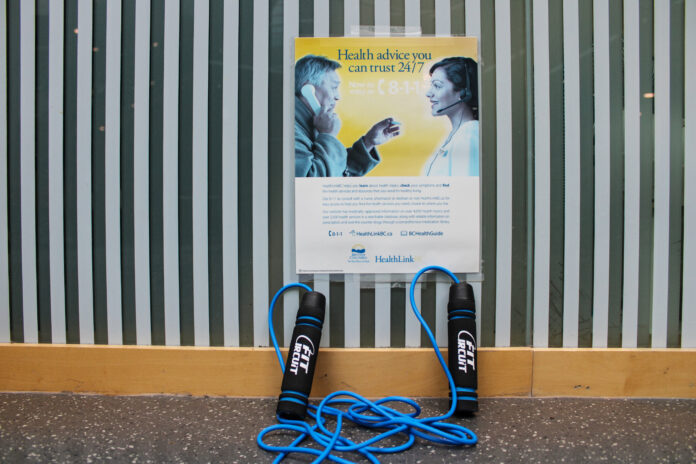
photo of a jump rope placed in front of a mental health resource poster.
PHOTO: Prerita Garg / The Peak

By: Saije Rusimovici, Staff Writer, and Isabella Urbani, Sports Editor

Whenever I overhear friends and family talking about last night’s hockey game or an upcoming playoff series, it reminds me of the way I would describe characters in a dramatic Netflix series. An athlete’s worth is often dictated by their entertainment value, and we neglect to consider the difficult circumstances that aren’t necessarily visible on-screen. Athletes are often recognized for their strength, poise, and outstanding athletic achievements. In a similar way, we look up to professional athletes like we may look up to our favourite celebrity. 

Because their competitive performance is marvelled at from afar, it’s easy to think of a well-performing athlete as this larger-than-life character on your television screen. The truth of the matter is that, like a celebrity, a professional athlete experiences the same triumphs and failures as anyone else. And I’m not talking about a bad game. The often hidden impact of high-pressure environments and intense physical training can negatively affect an athlete’s mental health. Some of the more prevalent mental health symptoms and disorders include burnout, anxiety, depression, adverse alcohol use, and eating disorders. 

The World Health Organization defines health as “a state of complete physical, emotional and social well-being and not merely the absence of disease or infirmity.” Therefore, good mental health is not determined by the absence of mental illness, but rather, a state where a person is able to cope with stress and have good emotional and physical support.  

Unique stressors like overtraining, social media scrutiny, and performance expectations may hinder athletes from achieving this quality of life, despite what they may look like modelling athletic apparel on camera or being awarded a medal on stage.

For athletes of colour, racist abuse can be detrimental to mental health. University of Belmont professor Kristi Oshiro’s research on racism and its impact on athletes demonstrates the intersectionality of racism and mental health. “For professional athletes it’s a little distinct and different,” Oshiro said, “because they’re expected to compete and consistently perform at this ridiculously elite level of play, all while being open or vulnerable to criticism from people around the world.” 

Because athletic organizations depend on athletes performances to make money and maintain a fanbase, mental health matters have been a taboo topic in the world of sports for years. Despite notable athletes like Simone Biles and Naomi Osaka opening up about their mental health struggles, these issues are often brushed under the rug by the organization or never brought forward by other athletes themselves.

Both Biles and Osaka have been transparent about how racism, as two Black women, has contributed to a decline in their mental wellness while playing sports. After Biles won the gymnastics World Championships in 2013, historically becoming the first Black woman to do so, she was upstaged by competitors who said they would have beat Biles if they had the same skin colour. Osaka, who’s both Black and Japanese, received backlash for choosing to represent Japan at the 2021 Olympics rather than the US, even though she’s been representing Japan since she was 14-years-old. 

“I don’t choose America and suddenly people are like, ‘your Black card is revoked,’” Osaka explained about the racial undertone of people’s unhappiness with her decision. “African American isn’t the only Black. People really don’t know the difference between nationality and race because there’s a lot of Black people in Brazil, but they’re Brazilian.” 

Stigma is a big part of the reason athletes neglect to seek help for their mental health struggles. Because sports tend to be rooted in a “culture of masculine ideas, valuing strength and mental toughness,” athletes have to think about the risk of potentially losing playing time or being removed from a team entirely for speaking up. 

On top of stigma, many mental health services in sports are lacking, making athletes feel as though they can’t take a step back from their sport to receive the help they need without jeopardizing their position. The National Football League didn’t mandate teams have a “behavioural health team clinician” until 2019

But still, from team to team, the amount of access players have to these services vary. Since the rule was pushed into the league by the player’s association, only seven of 32 teams have hired staff in this position full-time. Some teams are contracting providers on an individual basis when an athlete requests it. These contracted providers are also not required to have a background in sports psychology, which might cause athletes on teams that don’t have full-time sports psychologists to not reach out in the first place for fear of being misunderstood. 

As SFU is an NCAA school, it’s important to recognize that many of our elite athletes may face similar challenges with their mental health. Just back in April, five SFU football players filed an injunction in response to SFU cancelling its varsity football program. Part of the reason for the filing was SFU had not given enough notice about the program’s dismissal to allow for players to find alternative schooling and housing, which caused unnecessary stress on top of the uncertainty players were already facing. 

Players have to be treated as people first, and not as their stats on a game sheet. There’s this idea in sports that players only matter if they make it professionally. People hold reservations about athletes who play sports for fun, as though sports can’t both be a hobby and a profession for some. If you don’t play professionally, then you’re not accomplished or deserving of recognition, but if you do play professionally, don’t complain because you’re a professional — and professionals can’t face adversity beyond the playing field. 

The separation between athlete and person disappears as the degree of difficulty in a sport increases, as though the idea of taking a step back is more detrimental than experiencing a decline in mental wellbeing. 

Attitudes and education are some of the most influential ways to encourage athletes to come forward with their struggles. This means educating athletic organizations, coaches, support staff, and parents about mental health issues that may have a particular impact on an athlete, professional or not. Transforming an athlete’s environment to a socially supportive, encouraging space will allow them to talk about their difficulties. Stop putting the sport first, and start thinking about the players who make it possible instead. 

A discussion on the importance of “place” within the SCA

0
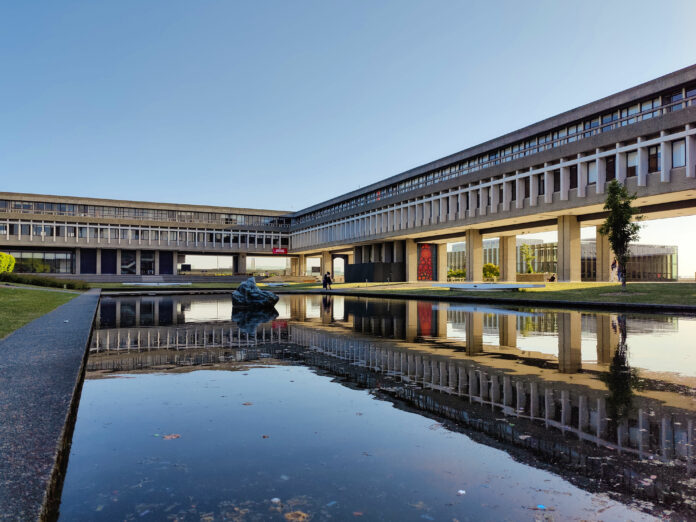
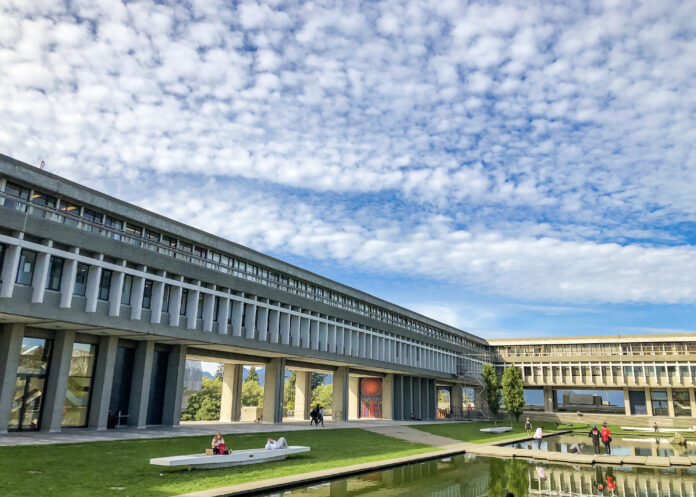
This is a photo of the SFU Burnaby Campus’s reflection pond and the academic quadrangle building surrounding it.
PHOTO: Allyson Klassen / The Peak

By: Hailey Miller, Staff Writer

SFU’s School for the Contemporary Arts (SCA) held their annual re-orientation event during the first week of the fall semester. This year’s theme was places. The topic focused on the importance of engagement within the community — both personally and artistically. The event included presentations, a keynote talk, and a panellist discussion from SFU’s Vancity Office of Community Engagement (VOCE) alongside a recording of their Below the Radar podcast. The Peak spoke with three members of VOCE regarding their experience as panellists for the event.

Kathy Feng, research assistant, Samantha Walters, program assistant, and Julia Aoki, program manager, all work to improve community engagement, social justice, and environmental justice. The context of “places” at the SCA’s re-orientation day brought together panellists who care about their community and are enthusiastic about making a positive impact on the places around them.

When asked to explain the significance of “places,” Aoki stated, “The distinction between space and place is something of a theoretical distinction [ . . . ] and it’s useful in that space can be something that’s quite abstract.” Space refers to one’s abstract conception of their surroundings, whereas place refers to the cultural significance of a specific site. She explained that the idea of place is much more grounded and relational. Aoki emphasized that this distinction and mindset is “a very important way of working and thinking” for the members’ approach to their work in the office and the development of the neighbourhood in which they reside. The group’s work and community partnerships help them define the importance of “place,” alongside the “defining characteristic of yourself and learning things from the place that you’re situated in.” explained Feng. She further noted that this characteristic is important for “the communities and the relationships that you develop.” 

As members of the VOCE panel, Walters and Feng have enjoyed their time engaging with the other panellists and discussing the lived experiences of those in the community. Walters went on to acknowledge the importance of discussing social justice issues within the community and the overall humanity of “talking to people who are directly working in these scenarios.” She stated that being involved in the community is more impactful “than getting stuck in a theoretical lens.” 

When asked how the discussion of community relates to the importance of one’s place within the SCA, Feng noted that involving individuals from different backgrounds in the community is “helpful and generative for the students as a starting point of the rest of the school semester.”

Walters further acknowledged “the particularities of arts school that require this intense vulnerability for quite young students.” She explained that this is due in part to arts students who “have so much heart,” which often leads to challenges of discovering one’s place and “curiosity about who they are and where they are,” making the discussion of community engagement important for students’ success. Walters and Feng agreed that creating an open dialogue is key to implementing a positive impact toward the understanding and importance of the community, both personally and academically. 

Regarding ways in which students can implement community engagement and awareness of place within their studies, Aoki stated she hopes the event inspired “a very thoughtful curiosity” of what it means to be “in a community made up of many vulnerable and multiply-marginalized people.” She explained that understanding one’s place should include the awareness of individuals within the community, and acknowledging the importance of diversity. Walters further noted the work of community engagement involves proper communication and becoming comfortable with the idea that you will make mistakes along the way. This is something that students can learn from while still supporting all community members regardless of one’s background. Feng’s final point regarding awareness of geographical place focused on the fact that students should consider their ethics, and opportunities for community engagement. 

For more information, head to the VOCE website to keep up to date with the initiatives that they are involved in.