Home Blog Page 123

BC organizations donate unsold food from grocery stores

0
A shelf in a grocery store full of produce
PHOTO: nrd / Unsplash

By: Hannah Fraser, News Writer

Since 2020, BC organizations FoodMesh and Georgia Main Food Group have collaborated to build a network of 220 charities and farmers to distribute food to people living in food-insecure households. While food insecurity is at an all-time high, they have put 3.5 million meals onto the tables of British Columbians by donating unsold food from stores like IGA and Fresh St. Market. For more information, The Peak corresponded with Megan Czerpak, head of communications at FoodMesh. 

Czerpak explained how “food is wasted for a variety of reasons, depending on where in the supply chain it is.” For example, she said retailers may be unable to sell their stock  if food is past its expiry date, has aesthetic imperfections, is overstocked, or has errors on the packaging. As a result, Czerpak noted that throwing out unsold food is “quicker, easier, and cheaper” for retailers. Georgia Main works to divert the most unsaleable food possible away from waste streams. According to Jessica Regan, CEO and co-founder of FoodMesh, “more than half of the food produced in Canada goes to waste,” showing “deep flaws in Canada’s food system.” 

“Since our collaboration began in April 2020, IGA and Fresh St. Market have diverted over 2.1 million kilograms of food from ending up in waste streams,” Czerpak said. 

Czerpak said FoodMesh coordinates the daily collection of unsold food to “ensure it is rescued and redistributed quickly and efficiently.” As FoodMesh measures the volume of food each store is diverting, “Georgia Main can track its progress against its food waste reduction goals.” 

“Since our collaboration began in April 2020, IGA and Fresh St. Market have diverted over 2.1 million kilograms of food from ending up in waste streams.” — Megan Czerpak, FoodMesh.

For example, the Immigrant Link Centre Society (ILSC) picks up and delivers fresh food from Fresh St. Market for newcomers to Canada who are otherwise unable to afford groceries. The CityReach Care Society also distributes food to underserved communities in Surrey, the Downtown Eastside, and 50 schools in the Greater Vancouver Area. 

Further, Czerpak explained “the most recent Statistics Canada data showed that ‘nearly nine million Canadians live in food-insecure households” which makes up approximately 23% of the population

Czerpak said FoodMesh hopes “others see the example they are setting for the industry and follow suit.”

Residents of CRAB Park experience street sweeps

0
CRAB Park in Downtown Vancouver
PHOTO: MikoFox / Flickr

By: Hannah Fraser, News Writer

On April 16, the Vancouver Park Board began street sweeps of CRAB Park residents, forcibly removing any individuals outside the “14–tent ‘designated area’” on the peninsula. Park rangers dismantled residents’ homes and confiscated belongings according to bylaws, which say campers must pack up belongings by 7:00 a.m. The Peak corresponded with Fiona York, an advocate for CRAB Park residents, for more information.

In March, “over 30 residents were forcibly removed” from the park. Around half are Indigenous, who are disproportionately impacted by the housing crisis and substance use. This is linked to various injustices committed over Canada’s history, such as colonialism, residential schools, and additional barriers to education and housing. 

In March, residents were told they could move back after the “clean-up” of the park was completed, according to the press release by CRAB Park Tent City residents. Similar to the sweeps of the area in March, York claimed the Park Board intended to forcefully remove all the residents from the area. 

On April 11, park rangers gave notice “to people on the south side informing them that the temporary sheltering area was [sic] ended, returning the park area to regular park use,” according to the City of Vancouver. The CRAB Park Tent City press release said the Park Board stated there would be an appeals process, though no additional information about it was provided to the residents before the sweep on April 16. York elaborated, “There obviously needs to be sufficient time for people to start the appeal process, present evidence, and be heard before there is any enforcement against them.” 

“They did not follow through on the apology and nowadays they enforce street sweeps every single day on Hastings Street.” — Fiona York, CRAB Park advocate

“Supporters of CRAB Park residents are greatly concerned about this increase in enforcement, especially given that it was completed during cheque week,” read the press release. This is the distribution of monthly cheques for welfare and government assistance. 

York explained that park rangers wait for residents to leave their homes to avoid confrontation. In 2022, the City of Vancouver apologized for the harm street sweeps were causing, but York noted “they still went ahead and did a mass, violent eviction of the tent city on Hastings Street on April 7, 2023.

“They did not follow through on the apology and nowadays they enforce street sweeps every single day on Hastings Street.”

York added that “the Park Board seems very interested in trying to look like they are being very compassionate, even when they’re not.” Specifically, she stated these street sweeps are violating “their dignity and right to shelter and safety,” especially with the increased anxiety that their home and belongings could be seized at any time. 

York noted how rare it is for items to be retrieved once confiscated. “It can take a lot of phone calls, emails, follow up, arranging transportation, and a lot of other hurdles that would be impossible to many homeless people that don’t have phones or emails or internet or electricity,” York said. She stated that even when a ranger returns a phone call, sometimes they have already marked the case as “closed.”

Rangers also took down the largest tent at CRAB Park which functioned as an “overdose prevention site, a peaceful gathering spot, a cultural site, and a memorial” for over three years. York said the tent’s destruction signifies a loss of community building, safety, and sense of belonging. 

“It also signifies a huge gap in dialogue and consultation as residents were very clear [and] vocal about the significance and importance of the community tent, but the feedback wasn’t respected,” she continued. “The First Nations Leadership Council also referred to ‘the right to communal gathering’ in their open letter about the move,” said York.

York said the City of Vancouver and Park Board’s continued street sweeps shows the perpetuated stigmas and discrimination against unhoused individuals. Particularly, “believing that homeless people are somehow different from other people and don’t deserve to have access to their belongings, or because they somehow don’t deserve to be treated the same way as others,” she said. 

Earlier this month, over 650 community members signed an open letter to encourage the city to stop the decampment operations. Supporters included Nicholas Blomley, a geography professor at SFU who co-authored the Belongings Matter report. Medical students at UBC wrote another open letter, which over 30 students signed.

York stated housing issues are “big systemic issues all over and should be treated with concern and real compassion instead of stigma and eviction.” 

Residents of CRAB Park are going to the provincial Legislature in Victoria on May 8 to give MLAs the chance to directly hear their input and accordingly act on what they hear. They say most MLAs have not engaged with tent city residents, “nor have they engaged in meaningful dialogue with the community.” 

Residents of CRAB Park are also proceeding to a hearing after opting to withdraw from mediation from a Human Rights Complaint. 

The Peak reached out for comment from the Vancouver Park Board, but did not hear back by the publication deadline.

United Way BC fights menstrual inequality

0
various period products, pads, and tampons stacked on a toilet lid
PHOTO: Gudrun Wai-Gunnarsson / The Peak

By: Yashita Dhillon, News Writer

In an effort to combat period poverty across BC, United Way BC has launched its 2024 Period Promise campaign, which is an initiative that they’ve run since 2017 to fundraise, collect, and deliver menstrual product donations from Canadians and non-profits. They then deliver menstrual products to low-income Canadians. United Way BC has a broad focus, spanning from emergency responses and senior’s support, to youth activities and fighting food insecurity. In partnering with Pacific Blue Cross and CUPE Local 1816, they seek to address the growing challenges faced by those who menstruate through education on the societal impacts of period poverty, and calling for donations of products. 

Period poverty refers to the barriers in accessing menstrual products, often due to financial constraints or societal stigma related to menstruation. Access to menstrual products has increasingly become a luxury for many.

The Peak spoke with Kim Winchell, provincial director of community impact and investment at United Way BC, who highlighted the growing difficulty of accessing menstrual products amid rising costs, particularly affecting students, workers, and single parents.

“Not having access to menstrual products isolates people,” Winchell explained. “So they miss community events, they miss social events, they miss school, they miss work, they miss medical appointments, and all of these can contribute negatively to health outcomes.”

Last year’s campaign saw over 800,000 menstrual products collected and distributed from 200 non-profit organizations. “We’re really fortunate to live in a province where there is so much generosity from the general public,” she said. 

“Not having access to menstrual products isolates people. So they miss community events, they miss social events, they miss school, they miss work, they miss medical appointments, and all of these can contribute negatively to health outcomes.” — Kim Winchell, United Way BC

“26% of people who menstruate have to make tough decisions about basic needs like paying rent or buying menstrual products,” Winchell explained, citing their Period Promise research project. This affects “health outcomes, employability, and participation in community events.” 

To distribute menstrual products, United Way BC transports donations from collection points to non-profits and has partnered with DoorDash to facilitate free delivery of products across various locations. They also work with corporations and non-profits with large trucks, allowing for the transportation of menstrual products to remote areas. 

United Way BC aims to expand the accessibility of menstrual products to public spaces, not only to provide immediate access to necessary products but to normalize the availability of menstrual health supplies as a standard amenity. “We really hope to continue to raise awareness with people and communities about the need for this,” Winchell explained. “Oftentimes, we don’t talk about the essential need of period products.

We want to remove stigma from the conversation. We also want to help workplaces, post-secondary institutions, and corporations to put free products into their bathrooms. And to make sure that is accessible for people that come into their workplaces as well.” 

BC health advocates demand return of mandatory masks in healthcare

0
A window displaying a sign that says “wear a face mask.”
PHOTO: Prerita Garg / The Peak

By: Yashita Dhillon, News Writer

In response to April’s removal of mandatory mask mandates in healthcare settings, BC’s health advocacy group DoNoHarm BC, joined by Protect Our Province BC and Masks4EastVan, are leading a campaign to urge the provincial government to reinstate these protections. The groups say that BC health authorities have ignored warnings about ongoing COVID-19 risks and other respiratory threats like measles and tuberculosis

The decision to remove mask mandates in healthcare settings was announced by the Ministry of Health, “the peak of the respiratory illness season has passed.” Though COVID-19 levels typically lessen in the spring, COVID-19 has not been established as a seasonal illness.  

The Peak reached out to Dr. Karina Zeidler who organizes with DoNoHarm BC and is the co-founder of Protect Our Province BC for more information. Zeidler referenced a research article from BC Medical Journal which noted that for some of these most vulnerable patients, the air in the hospital can be deadlier than the diagnosis that brought them in.” This is due to hospital acquired infections, which can then lead to COVID-19 deaths. 

There is no doubt that the absence of masks in healthcare mostly impacts those who are already pretty sick or those who can easily get sick like the elderly, immunocompromised people, or those with complex health needs,” Zeidler said. A colleague of mine has had six of her long term care patients die of COVID-19 infections in the last six months that they caught in the hospital, and that is while we still had a hospital mask mandate.”

“The narrative that public health has about COVID-19 has become completely divorced from what we actually know about the virus,” — Dr. Karina Zeidler, Protect Our Province BC

“If there is one space that all vulnerable people should be able to rely on to prioritize their safety, it is in healthcare settings,” said the BC Human Rights Commissioner in a statement regarding the decision in 2023. The “removal of universal masking directives in healthcare settings does not uphold a human rights centered approach to public health.” 

Despite over 18,000 British Columbians petitioning the government through the Vulnerability Isn’t Seasonal campaign to maintain and enhance healthcare protections, there has been little movement or acknowledgment from healthcare institutions or the provincial government, according to Zeidler.

“The narrative that public health has about COVID-19 which has become completely divorced from what we actually know about the virus,” said Zeidler. She explained the BC government continues to “push this narrative that COVID-19 has become nothing worse than a head cold that you might get in the winter, same as the flu, and the more you are sick with it the less sick you’ll get. Except these two things can’t both be true.” She pointed out the contradiction in the diminishing of COVID-19’s severity while it remains a leading cause of death and a significant source of long-term disability in Canada. 

“It also poses a risk to our health care system in general. Every surge in COVID-19 cases leaves in its wake more burnt-out health care providers, more Long COVID in health care workers and an exodus of experienced senior nurses,” Zeidler noted. “We can’t afford to lose more staff — temporarily to acute illness, or long-term to Long COVID-19.” 

Health advocates like Zeidler are calling for a shift in approach, advocating for airborne precautions as essential, not optional. This includes implementing filtration and ventilation in indoor spaces to reduce the amount of airborne pathogens breathed in the air. 

“Just recently the WHO finally came out with a paper establishing that COVID-19 is a virus that spreads through the air. But it will be a while before things start to change in [healthcare settings] where we are still telling people to protect themselves from bad air by washing their hands and coughing into their elbow.

“There is very little, if any, reliable data on the consequences of the most recent removal of masks in healthcare settings in BC. But we know from last time BC experimented by dropping healthcare masking, it was followed by multiple COVID-19 outbreaks. Mask-wearing shouldn’t be optional, because there’s no acceptable amount of avoidable healthcare-acquired infection.”

Joy Johnson breathes a sigh of relief because there is no SFU encampment

0
A man and a woman giving each other a high five during a business meeting.
PHOTO: krakenimages / Unsplash

By: Freida Watermelon, SFU Student

Content warning: mentions of genocide.

As she was sitting in her office reading the most recent message from the UBC president on the encampment on their campus, Johnson could not help but be grateful she did not have to make a similar statement. Some might say that silence is violence, but she likes to think that silence is aidance. See? It’s all about the mindset. While Benoit-Antoine Bacon’s strategy of using percentages to camouflage a large number is commendable, Johnson was particularly impressed with how he was able to convey funding genocide is just not something worth criticizing. Regardless of the his claims, it’s a fantastic strategy to seem open to dialogue without actually having to plan a meeting. 

Upon reflection, Johnson concludes that if she were to be put in the same situation (god forbid, student organizing gives her a headache, unless the students are organizing a photo-op), she’d likely ask AI writers to make the sentence, “Divesting from war contractors and complicit institutions goes against everything SFU stands for” more palatable for overly sensitive students. She wishes those little snowflakes who get their panties in a twist over escalating war crimes  would understand that “this is still not the time.” Maybe it will be the right time once her tenure is over and the stars align in a particular way and pigs are flying around in futuristic cars like in The Jetsons . . . maybe. But certainly not before. Acknowledging that the university is on unceded territories is already such a big and important step that should not be overshadowed by calls to do anything more. Land acknowledgements only happen a hundred years after colonization anyway.

In fact, any truly educated person would know that the university’s motto “Nous sommes prêt” (we are ready) is a shortened version. The full motto is actually “Nous sommes prêt à surveiller et réprimander toute action qui ne supporte pas l’image progressiste que nous voulons refléter” (We are ready to surveil and reprimand any action that does not support the progressive image we want to reflect). Well, to be fair, according to historians, this is contested because there are also mentions of alternate versions such as “Nous sommes prêt à appeler Lions Gate Risk Management sur vous” (We are ready to call Lions Gate Risk Management on you) and “Nous sommes prêt à quitter la salle lorsque les manifestants nous tombent trop sur les nerfs” (We are ready to leave the room when protestors are annoying us). Anyways, enough reflecting. Johnson must go find something to do to justify her obnoxiously large salary.  

Need to Know, Need to Go: Events to look forward to in May

0
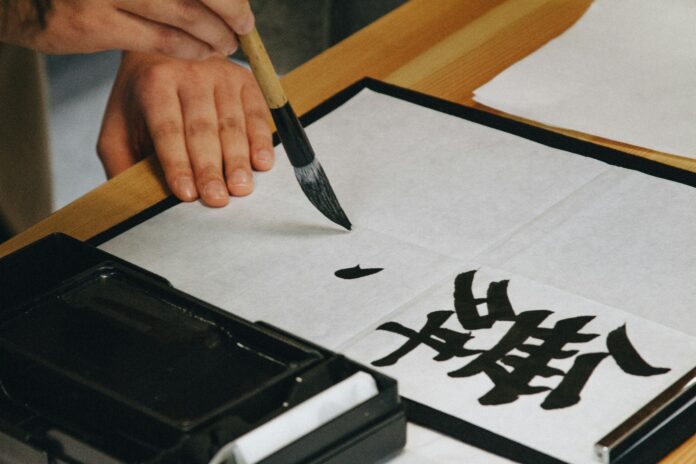
Chinese calligraphy being written with a thick brush in black ink.
PHOTO: Niketh Vellanki / Unsplash

By: Marie Jen Galilo, SFU Student

There are a lot of events to look forward to in the month of May. Aside from being the start of the summer semester, May is also Asian Heritage Month. As another semester begins, you’re probably thinking about how you can make an academic comeback. Attending events is a great way to become more involved in school and learn about Asian culture and heritage, and I’ve got a list of events to help you get started.

Lunch Poems at SFU: Leanne Dunic & Jane Shi

Ever since the first poetry reading in 2012, SFU has continued to hold Lunch Poems on a rolling basis. For the month of May, Lunch Poems at SFU features the literary works of Leanne Dunic, who is the fiction mentor for SFU’s The Writer’s Studio and leader of the band The Deep Cove. Works by the writer of Leaving Chang’e on Read, Jane Shi, will also be highlighted. This is not just for poetry connoisseurs it’s open to anyone. So, whether you’ve always been passionate about poetry or have just developed an interest in it, this event is for you!

Tickets: free

Where: 515 Hastings St, Vancouver

When: May 15, 12:00 p.m.–1:00 p.m.

Colour Fest 2024

Colour Fest combines a celebration of past festivals Holi and Vaisakhi, hosted by the Diwali Celebration Society. Holi, which takes place in March, is the festival of colours, “the festival of love, and the festival of joy.” You can also celebrate Vaisakhi, “a harvest festival that originated in the Punjab region of Northern India.” In the colour zone, you can match the vibrancy of spring by covering yourself in powders made from flowers and herbs. Aside from music, dance performances, and the colour zone, there’ll also be food trucks and artisan markets.

Tickets: $30 for adults (Ages 16+), $25 for kids (Ages 5-15)

Where: Town Centre Park, 1299 Pinetree Way Coquitlam

When: May 18, 5:00 p.m.8:00 p.m.

Japanese Canadian Heritage Cooking Class: Sen Sakamoto Suama Wagashi Trio

At the core of every culture is its cuisine, and the unique quality of each cuisine makes food an important part of cultural identity. One of the best ways to learn about other cultures is to learn about their food. The Japanese Canadian Heritage Cooking Classes collection is a program that allows Japanese Canadian home cooks to teach others about Japanese cuisine by sharing their family recipes. In Sen Sakamoto’s workshop, you can learn about Japanese cuisine by making and tasting a variety of wagashi and traditional Japanese desserts like suama or sweet rice dumplings.

Tickets: starts at $25

Where: Tonari Gumi (42 W 8th Ave #101, Vancouver) 

When: May 26, 1:00 p.m.3:00 p.m.

The ABCs of meal prep

0
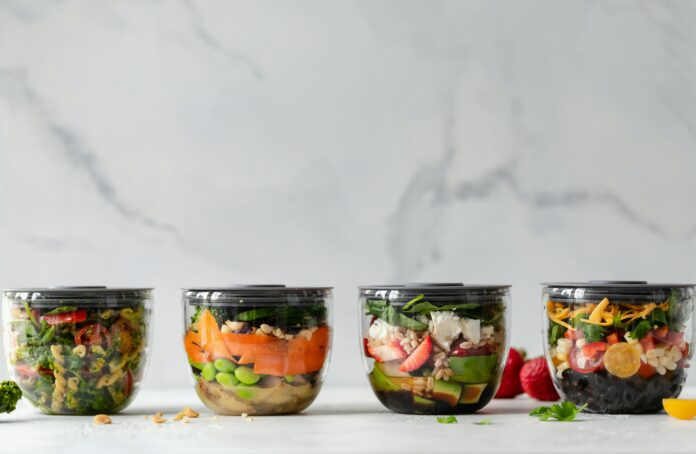
Four clear plastic bowls with vegetables inside
PHOTO: S’well / Unsplash

By: Yasmin Hassan, Staff Writer

So, you want to prep your meals but don’t know where to start? We’ve got you. Cooking may seem like a daunting and annoying task, but meal prep can be great for saving money and time (things that are especially important for most college students). Convenience aside, it promotes conscious choices and builds valuable skills like cooking techniques, efficient grocery shopping, and staying in budget, things that go far beyond your life as a university student! Meal prepping can be so varied in flavours and ingredients; it doesn’t always have to be the bland stir-fried chicken and rice you usually see in meal prep videos; we’re here to show you how to mix and spice things up!

A is for assessing: plan and plan some more!

Whether it’s on paper, a planner, or your phone, take time to carefully look through your weekly schedule. Seriously consider your courses, work, extracurriculars, and any other commitments — get everything on your calendar! Consider what you’ll want for breakfast, lunch, and dinner, making sure that you’re accounting for any medications or supplements you’re taking, your preferences, dietary restrictions, and nutritional goals (what you want your diet to reflect). Don’t forget snacks. When it’s in-between meals, and you’re craving something to soothe your hunger, cut-up fruits or vegetables, nuts (even trail mix), yogurt, or homemade energy bars are a great solution. Depending on how your schedule works, you’d be best off setting aside a certain day and time to prep, like every Sunday afternoon or evening.

B is for brainstorming: recipes and shopping list

When looking for recipes that seem good for you, opt for recipes you can cook in bulk and require minimal ingredients. Things like rice, beans, and frozen pre-cut vegetables can go towards one-pot meals, casseroles, soups, and sheet pan recipes. Consider drawing inspiration from books like Jules Sherred’s Crip Up the Kitchen, which are tailored to people with disabilities for some accessible cooking tips. 

Once you’ve got a steady list of recipes, go ahead and make a shopping list for the week. You might have some of the things you’ll need at home, so take inventory and check off anything you already have. Making a list will help you stick to getting only what you need, not just making impulse purchases (it’s OK; I’m guilty, too). Consider checking what’s in season at your local independent grocery shop or farmers market! Not only does sticking to seasonal ingredients will make your meals taste better, but your bank account will also thank you for it!

Tip: track your purchases and log how much you spend on groceries per week, doing this will give you perspective on what ingredients cost more and make future budgeting a lot easier.

C is for creating: prepping and cooking up!

Dedicate time in your weekly schedule to prep ingredients and take into account the leftovers you might already have. This includes washing and chopping vegetables, cooking grains (i.e. a pot of rice), and marinating meats or tofu. There are a lot of cooking gadgets that can make chopping vegetables and time management easier. Cooking large batches of your proteins, grains, and greens will ensure that you have everything ready to divide into portions and leave leftovers. By doing this, you can also mix and match the components and ingredients of meals. For example, a portion of grilled chicken can go into a Caesar salad, a Mediterranean wrap, a rice bowl, or a stir-fry. Divide everything into sections and pack it away to store and divide into containers for meals!

Tip: consider preparing your ingredients (chopping, marinating, etc.) while sitting down or consider taking plenty breaks, sitting down, or lie down entirely, if that’s easier for you. As it’s the case with any physical activity, listen to your body’s needs!

D is for dividing: organizing and storing your food

If you don’t already have containers, consider investing in good-quality containers to safely and properly store your meals (reusable bags, stackable containers). If you’re able to do so, and it helps you, consider labelling each container with the date and its contents to keep track of when each portion was packed — definitely my favourite task! It’s also a good idea to see how long the recommended time is to keep food stored in the fridge or freezer before you have to throw it out or re-purpose it, so check your “best before” dates and do your research, no food poisoning allowed! Make sure to follow safe cooking practices and that your meats are cooked all the way through. 

Tip: keep your space organized. Try to tidy your fridge and pantry (or dorm mini-fridge?) as you cycle through your meals, it will make cleaning up a far less demanding task.

E is for Evergreen: freezer meals are OK!

Just because you made all this food and prepped all these meals doesn’t mean you have to eat all of it within the week. If you have leftovers, pack them away and keep them in the freezer to use when you don’t have time to make something fresh. This is especially helpful for when you know you’ll be having a busier week (finals season, for example) and won’t be able to dedicate as much time to meal prep as you normally do. Soups, broths, stews, and casseroles are all freezer-friendly as long as you remember when they’ve been made to keep track of how long they’ll last you.

Tip: for most instant pot recipes you don’t need to wait for your meals to thaw, just throw them into the pot and enjoy!

F is for fun: make the kitchen more enjoyable

Put some music or a podcast on and vibe while you cook and pack! Don’t like doing it alone? Enlist your roommate, friends, or family members to help pass the time. Listen, life happens, so be flexible with your meal plan and adjust as needed. Don’t neglect your leftovers, instead, turn them into a new meal! For example, if you have leftover veggies like broccoli, potatoes, carrots, and onions, you can throw it all in a pot with veggie stock and there you have a simple veggie stew! If you have leftover rice, turn that into some quick fried rice; if you have leftover croissants or stale bread, turn it into savoury breakfast bread pudding! But, whenever cooking feels like more of a chore than a fun activity, consider going for the easiest meals to prepare from your recipe list.

Now that you’ve learned your ABCs, meal prep doesn’t seem like such a daunting task, does it? The more you practice and integrate it into your schedule, the more it becomes second nature. These skills are handy to learn now but will help you even more in the long run. What are you waiting for? Get to prepping, and don’t forget the snacks! 

What Grinds Our Gears: Tim Hortons pizza is a danger to society

0
Photo of a box with an ovular flatbread inside. On top are pepperoni and a small amount of unmelted cheese
PHOTO: ProblemLongjumping12 / Reddit

By: Zobia Khalid, SFU Student

Sorry for the jump scare. But, $8 for half of a glorified frozen pizza is a problem. Tim Hortons’ slogan is “Always Fresh,” but we all know it’s Never Fresh. Their drinks are from concentrate and they reheat all their food. The coffee is literally flavoured milk, and we know calling it cold brew doesn’t change anything. And just when things couldn’t get worse — Timbits are a lost cause, too. And at the peak of all this chaos, there’s a new release: flatbread pizza.

Honestly, they should have just called it flatbread and stopped at that. It somehow looks worse than street pizza left overnight on the side of a public swimming pool. The pizza is dry, and the toppings aren’t properly placed. I have a lot of empathy for pizza makers since I play Good Pizza, Great Pizza. I can’t blame the workers for what this corporation forces them to do, but this is a whole new level. I had 14 customers lined up in that game and was still able to make better pizza than Tim Hortons on its best day. And honestly, that’s impressive for Tim Hortons. Pizza and coffee are probably the hardest things to mess up, but somehow Tim Hortons is able to do it.

Even the box looks low effort. In fact, Tim Hortons shapeshifts so much I forgot what it was originally for — coffee and donuts. I feel like one day we’re going to be looking for donuts and instead just find apples because Tim Hortons’ brand identity is now a grocery store.

I just cannot fathom that somebody would spend $8 to publicly humiliate themselves like that. It’s really concerning to see Tim Hortons trying to be something they’re not. So much self-hate I’m sensing here. And honestly, I’m so tired. Just bring back proper coffee, proper Timbits, and cheese melts. 

Get in girl, we’re serotoninmaxxing

0
Woman sitting in a dark room. Her face is illuminated by the light coming from her phone.
PHOTO: Inspa Makers / Unsplash

By: C Icart, Humour Editor

Dear diary, 

Today, I watched a reel of a mother telling her daughters to go outside via a parody of Jojo Siwa’s “Karma.” Although I’d like to flatter myself and say that sentence would give a Victorian child a stroke, I know they consumed opium when they weren’t busy working 13-hour days. I get to thank Mina Le’s 32-minute video essay for that. 

Back to Karma . . . Diary, girl, I have ants in my apartment and as a vegan I’m legally obligated to name them. I have chosen to name each one Teddy, Freddy, or Eddy. Just need to get a temporary tattoo of them on my arm to complete the fantasy. No wait, I was trying to tell you I think I should go outside. I’m not like a brain doctor or anything but not going outside for three days in a row is probably why I was elected mayor of SadTown (not to be confused with SadVille or SadCounty). 

But diary, there’s no Internet outside. I mean there could be, but my phone is on 2%. When you’re walking outside, Barbra Streisand does not come up to you and say: “Give him my regards, did you take Ozempic?” Which would be an offensive thing to say, but definitely something I could make a TikTok about. 

Anyway, I’m already doing so many other things for my mental health like taking my Prozac and it’s not causing me to sweat as much as it used to #IYKYK. So I’ve changed my mind. Going outside sucks! I don’t understand how going outside more could make me happier if no one outside gets my references. For example, no one outside is getting @communist_veggietales content recommended to them. It is so incredibly cringe for me to say that I’m not like other girls so I won’t . . . I’ll imply it.  

Ugh, I knew writing down my thoughts would help. I’ve basically figured my whole life out in these past few sentences. The key steps to taking my happiness to the next level aka serotoninmaxxing are: 1. Locking in. More specifically, locking the fuck in. 2. Yapping. Oversharing is so in this summer. Gen Z loves it. Also, people on the bus need to know that vegetables don’t exist. 3. Comment “amen” under an AI generated image on Facebook. 

TTYL diary (see what I did there? a little Y2K hommage).

P.S. @whoever is reading my diary right now, you’re welcome. It’s a lot better than Caroline Calloway’s book. I’d tell you to read it to fact check me, but if you buy it, you may never receive it, I fear. It’s called Scammer for a reason! (Yes, I watched D’Angelo Wallace’s two and a half hour video essay on it). 

Food for Thought: The transformations of adobo

0
ILLUSTRATION: Sandra Cao / The Peak

By: Marie Jen Galilo, SFU Student

As a second-generation Filipino Canadian, I grew up eating adobo. My favourite version of adobo is my mom’s “adobong manok,” or “chicken adobo,” which consists of chicken and chicken liver simmered in a savoury and tangy mixture of soy sauce and vinegar. After learning that adobo is also a part of Spanish and Latin American cuisines, I was intrigued. In Spain, the Caribbean, and Mexico, adobo is a seasoning or marinade rather than a dish. This prompted a question: why are there different versions of adobo, and how are they different? 

In Spain, adobo consists of vinegar, spices, pimentón (peppers), fresh garlic, bay leaves, olive oil, and wine. The process of using vinegar for marinating and food preservation was used by Indigenous peoples in the Philippines “to preserve proteins,” before refrigeration, so the concept wasn’t necessarily new there, but it changed over time. 

In the Philippines, adobo refers to a dish of meats or seafood in vinegar rather than a seasoning or marinade. The first version of Filipino adobo is said to be “adobong puti,” or “white adobo,” which mainly uses vinegar and salt. Soy sauce was added after Chinese traders introduced it to the Philippines. The most common version of Filipino adobo consists of vinegar, soy sauce, bay leaves, garlic, and black pepper. Different regions in the Philippines have their respective takes on adobo, with some adding turmeric to make “adobong dilaw” or “yellow adobo,” or coconut milk to make “adobo sa gata.” Adobo is a dish loved by many Filipinos and is considered the unofficial national dish of the Philippines.

“Food is more than a daily necessity or something that satisfies a craving we turn to food for comfort and connection.”

The process of marination comes from the Spanish word, “adobar” or “to marinade,” from which “adobo” was later derived. As the Spanish colonized different parts of the world, this method of food preservation spread to the Carribean and Mexico.

When the Spanish arrived in the Caribbean in the 1490s, they introduced adobo to Puerto Rico, Cuba, and the Dominican Republic. Some ingredients such as garlic, olive oil, and wine were not readily available. This is how the dry brine version of adobo came to be. Adobo seasoning in the Caribbean consists of garlic powder, paprika, oregano, cumin, onion powder, and turmeric — sometimes vinegar or orange juice is added for a sour kick.        

The Spanish also brought adobo to Mexico in 1519. Mexican adobo is also vinegar-based but uses local ancho and guajillo, which are variants of chilis, instead of pimentón.  

The version of adobo I grew up eating is Filipino adobo. I ate my mom’s adobo, adobo from restaurants, adobo cooked by my relatives, you name it but each version was uniquely its own. Different versions of adobo don’t just reflect regional taste preferences they also illustrate a history of resourcefulness and the strengthening of cultural identity through food. As an important part of daily life, food is interwoven into culture and identity, just as adobo has become an important part of cuisines around the world.