
research roundup

Keeping it slow and stable in the animal world
September 16, 2018Written by: Amneet Mann, News Editor and Agnetha de Sa, Peak Associate Animals are slow to catch on SFU researchers have published a study investigating and comparing the delays of animal reflexes between small and large animals. The study, published in the Proceedings of the Royal Society B. by researchers from SFU’s biomedical physiology and kinesiology department, has found that animal reflexes are “remarkably slow,” according to SFU News. To put reflex time into context, researcher Heather More explained that “it takes less time for an orbiting satellite to send a signal to earth than for an elephant’s spinal cord to…
Continue reading

Blurring faces and leaping salmon
September 3, 2018Written by: Agnetha de Sa, Peak Associate Anonymizing faces without losing emotion A team of researchers, which includes those from SFU, are working to improve the way individuals are anonymized for television. Anonymizing faces in news broadcasts or documentaries…
Continue reading
Scientists look at communication for education and for emergency purposes
August 9, 2018By: Agnetha de Sa, Peak Associate SFU scientist examines her Twitter followers As a conservation and marine ecology professor at SFU, as well as an active user and science communicator on Twitter, Isabelle Côté was particularly interested in knowing “if my…
Continue reading
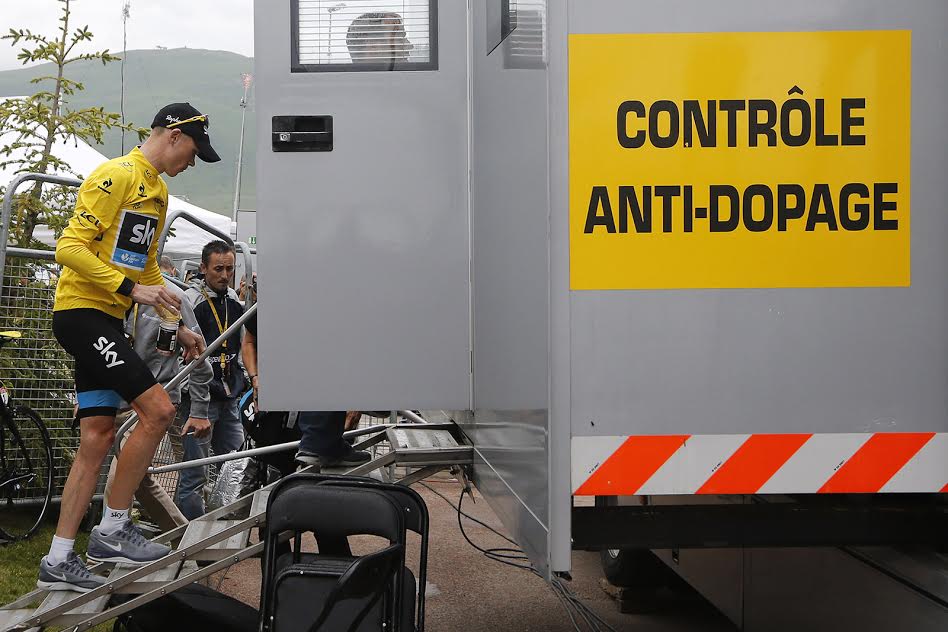
SFU researchers investigate the biological effects of doping and the medical implications of racism
July 26, 2018Written by: Nathaniel Tok, Peak Associate SFU BPK professor looking at ways to prevent cheating in sports SFU biomedical physiology and kinesiology (BPK) professor David Clarke and his team are creating new ways to catch athletes who are doping. …
Continue reading

Research Roundup
July 19, 2018By: Nathaniel Tok, Peak Associate Customer satisfaction affected by use of pronouns SFU Business professor Brent McFerran believes that customer service training is teaching staff the wrong way to address customers. McFerran’s study, published in the Journal of Marketing…
Continue reading

Research Roundup – Investigating links
July 11, 2018Written by: Ahmed Ali, Peak Associate How the attractiveness of your server can affect the taste of your food A study done by UBC and SFU students looked at how the attractiveness of a server affected the taste perceptions of male…
Continue reading
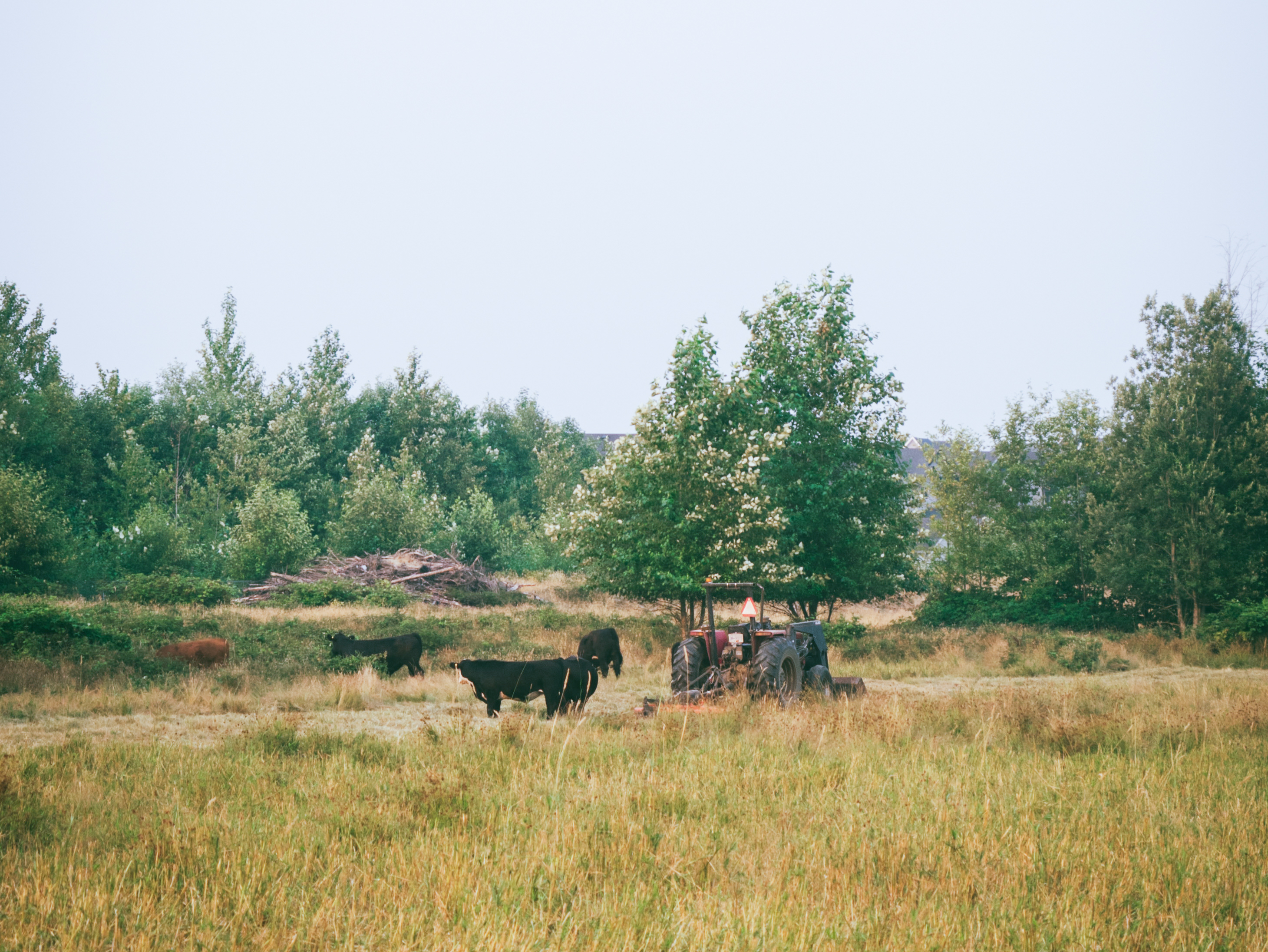
Environmental impacts — in the past and now
July 2, 2018Written by: Trevor Steele, Peak Associate Agriculture’s impact on earth’s environment UBC researchers, in collaboration with researchers from a number of universities including SFU, have revealed the significance of agriculture's effect on Earth’s environment in a new study published in…
Continue reading
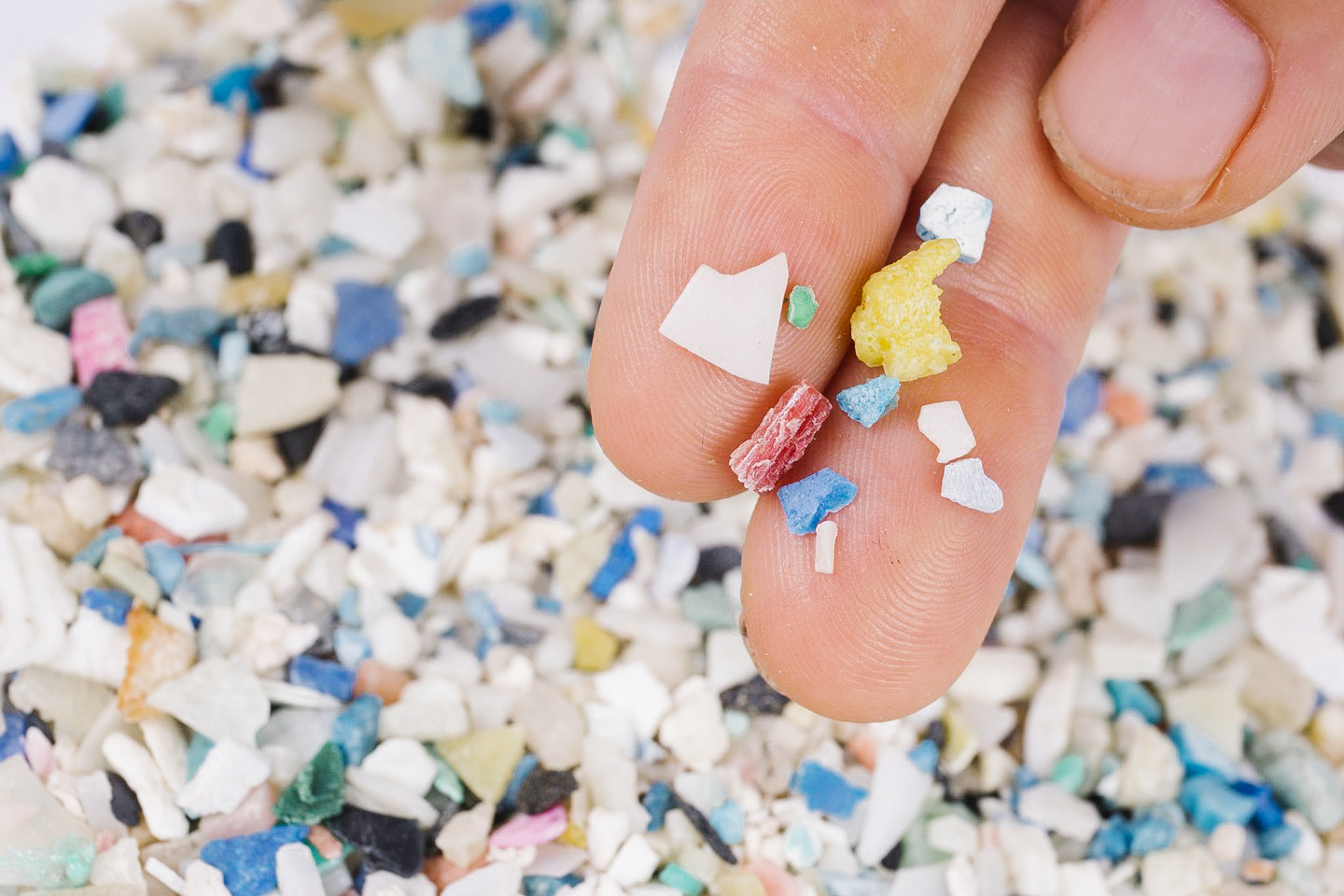
SFU researchers investigate ecological and human health
June 13, 2018By: Nathaniel Tok, Peak Associate B.C. coastal waters contain high levels of plastic SFU’s Ecotoxicology Research group has found high levels of microplastic in the waters of the Lambert Channel and the Baynes Sound on the coast of Denman Island.…
Continue reading

SFU researchers investigate how technology can be used in healthcare
May 24, 2018By: Nathaniel Tok, Peak Associate SFU computer science professor uses data mining to improve healthcare SFU Computer Science professor Martin Ester is using data to help prevent adverse drug reactions (ADRs), such as death and disabilities, in patients undergoing…
Continue reading
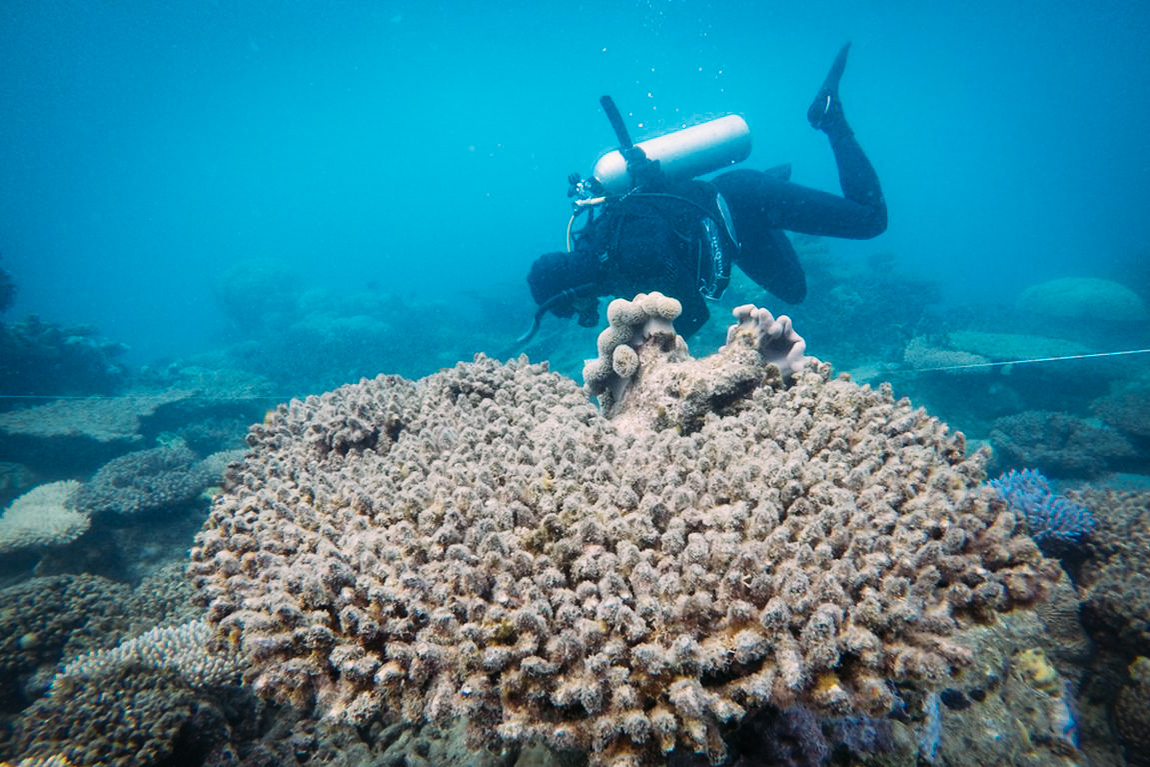
Solutions lie in marine life
May 13, 2018By: Agnetha de Sa, Peak Associate ‘Reefs of hope’ may help protect coral reefs from climate-change impacts In their published article Seeking resilience in marine ecosystems, SFU alumna Emily Darling, and marine biology professor Isabelle Côté suggest a solution to help…
Continue reading


