
disability justice
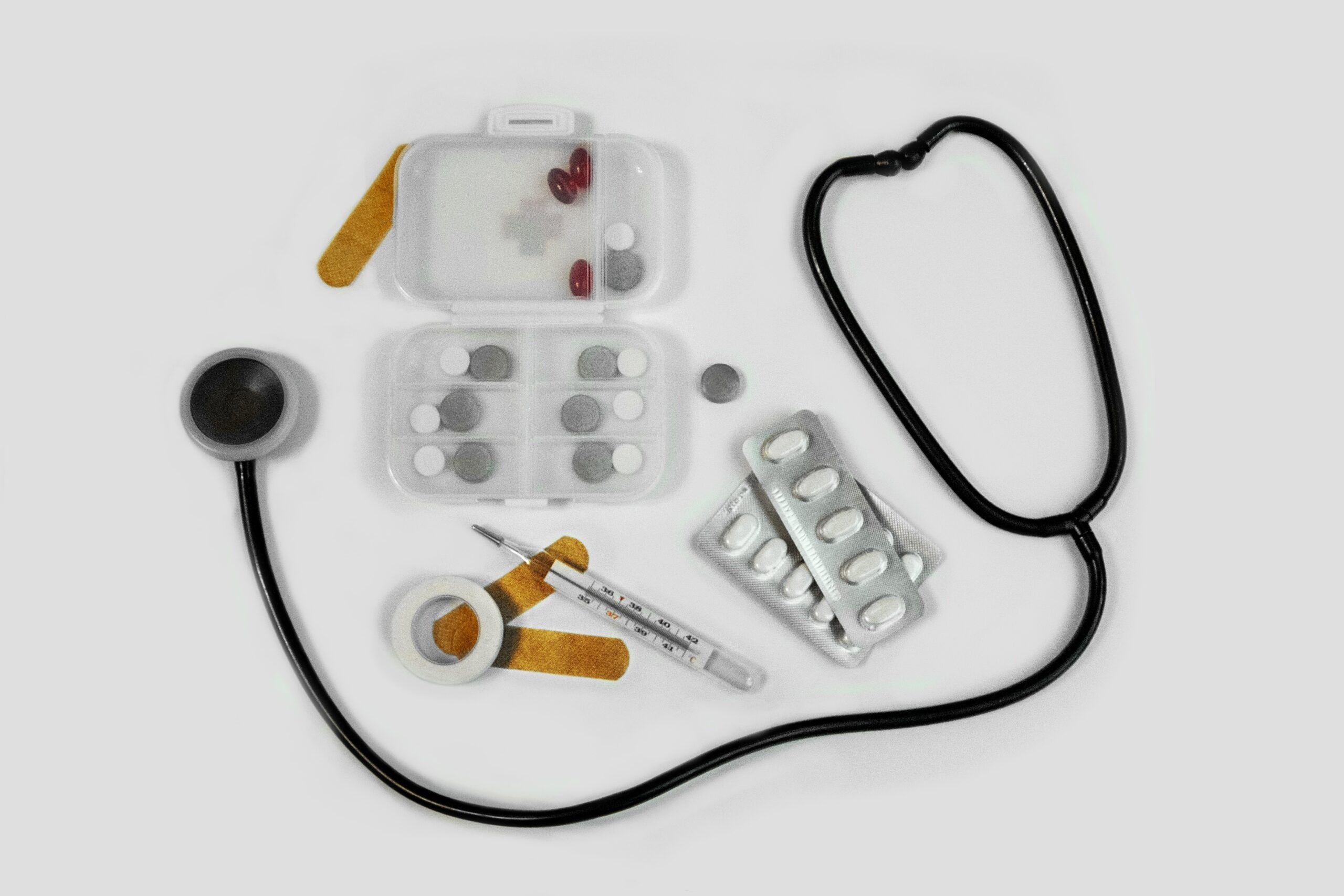
Canada is too hasty to expand MAiD
November 16, 2023By: Hailey Miller, Staff Writer Content warning: mentions of ableism, death, Medical Assistance in Dying, substance use. In June 2016, Canada introduced Medical Assistance in Dying (MAiD). It provides medically-assisted death for those with chronic, terminal health conditions and patients who cannot benefit from other treatment options. As of March 17, 2024, access will be expanded to those with mental illnesses, and includes those who have a history of substance use disorders. Expanding MAiD instead of investing in other treatment options sends the message that it’s not worth the government’s effort to support these individuals, or that their struggle has…
Continue reading

Q&A with Accessibility as Creative Practice intern, Keimi Nakashima Ochoa
March 29, 2023By: Nercya Kalino, Staff Writer SFU Galleries is hosting a series of workshops for creatives with access needs led by 2023 Accessibility as Creative Practice intern, Keimi Nakashima-Ochoa. The first workshop, which took place on February 25, was for immunocompromised…
Continue reading

Reclaiming disability narratives through art
March 7, 2023By: Olivia Visser, Opinions Editor [caption id="attachment_124792" align="alignnone" width="300"] PHOTO: Eddie Hernandez Photography[/caption] Alice Wong Alice Wong is an Asian-American “disabled activist, writer, editor, media maker, and consultant.” She founded the website Disability Visibility Project, a platform to share and…
Continue reading

Autism and ADHD aren’t just “trends”
February 28, 2023By: Olivia Visser, Opinions Editor If you’re a social media user, you’ve likely noticed a rise in posts about autism and ADHD on your timeline. Neurodivergence — the state of having a different brain from those without mental conditions —…
Continue reading

Canada should rethink how much it wants to expand MAiD
February 24, 2023By: C Icart, Staff Writer Content warning: ableism, assisted dying. Medical Assistance in Dying (MAiD) has caused remarkable distress for disabled people since it was implemented in Canada in 2016. Despite concerns over inadequate medical support resulting in assisted dying,…
Continue reading

What radical disability justice can teach us about care
December 2, 2022By: C Icart, Staff Writer The pandemic has been ongoing for over two years, and every possible conversation about masking has been had. All sides have expressed their reasoning, and at this point, with no mandates or requirements to self-isolate…
Continue reading
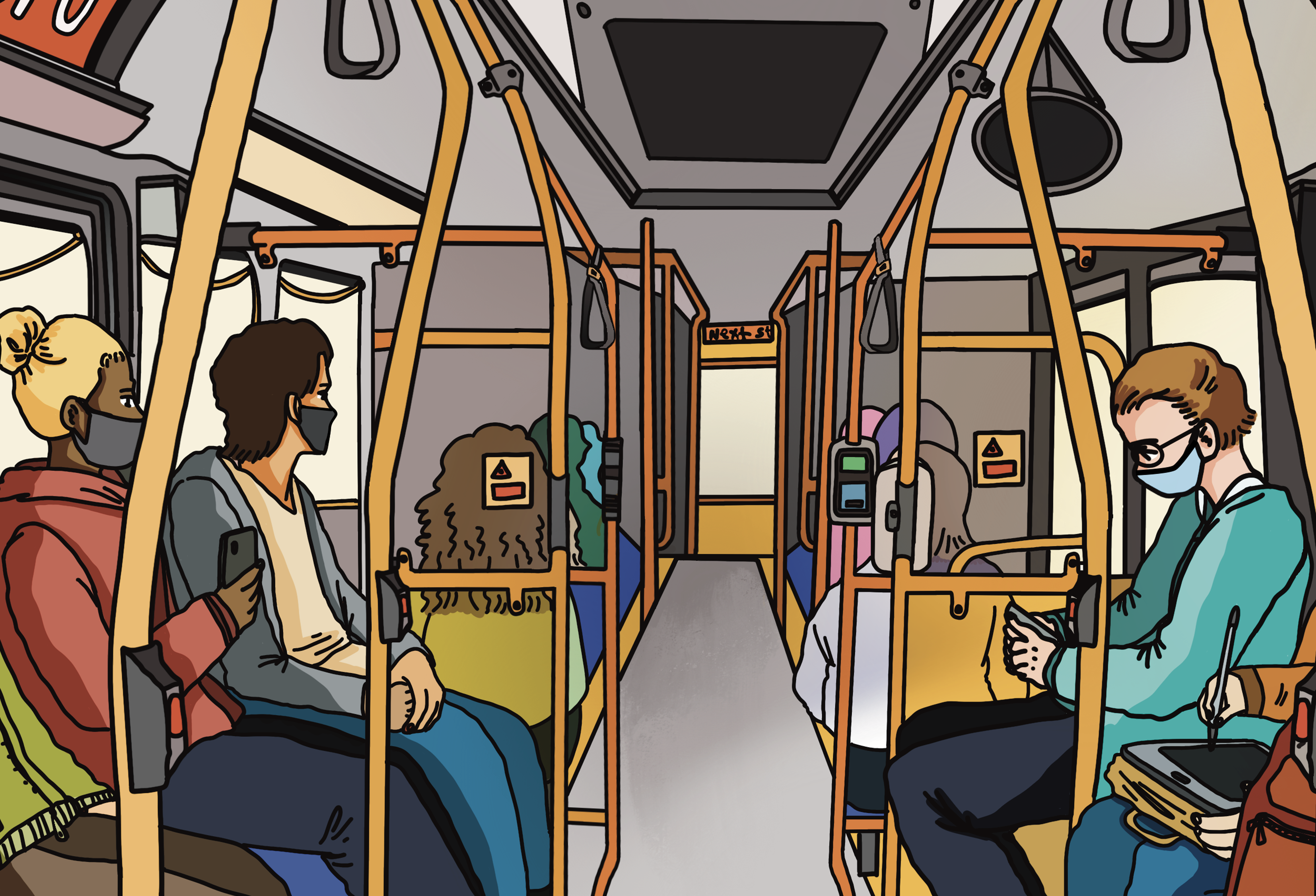
Wearing a mask is an equity issue
October 25, 2022By: Michelle Young, Editor-in-Chief Since March 2022, masks are no longer mandatory in public spaces. Not only is this a huge public health and human rights failure, but it’s evidence that this province and country cares more about the façade…
Continue reading

Four COVID-19 safe events
July 25, 2022By: Hannah Kazemi, Peak Associate BC has lifted restrictions on masks, vaccine cards, and reduced quarantine times. The impacts of COVID-19 on the lives of people with disabilities and immuno-compromised conditions have only increased. These communities are largely being left behind…
Continue reading

Disabled students deserve an accessible campus
June 23, 2021By: Anonymous, SFU Student I’m an undergraduate student who lived on campus for two years out of necessity. I live with disabilities that affect my balance and can make walking extra distances exhausting. Even when the campus isn’t a labyrinth…
Continue reading
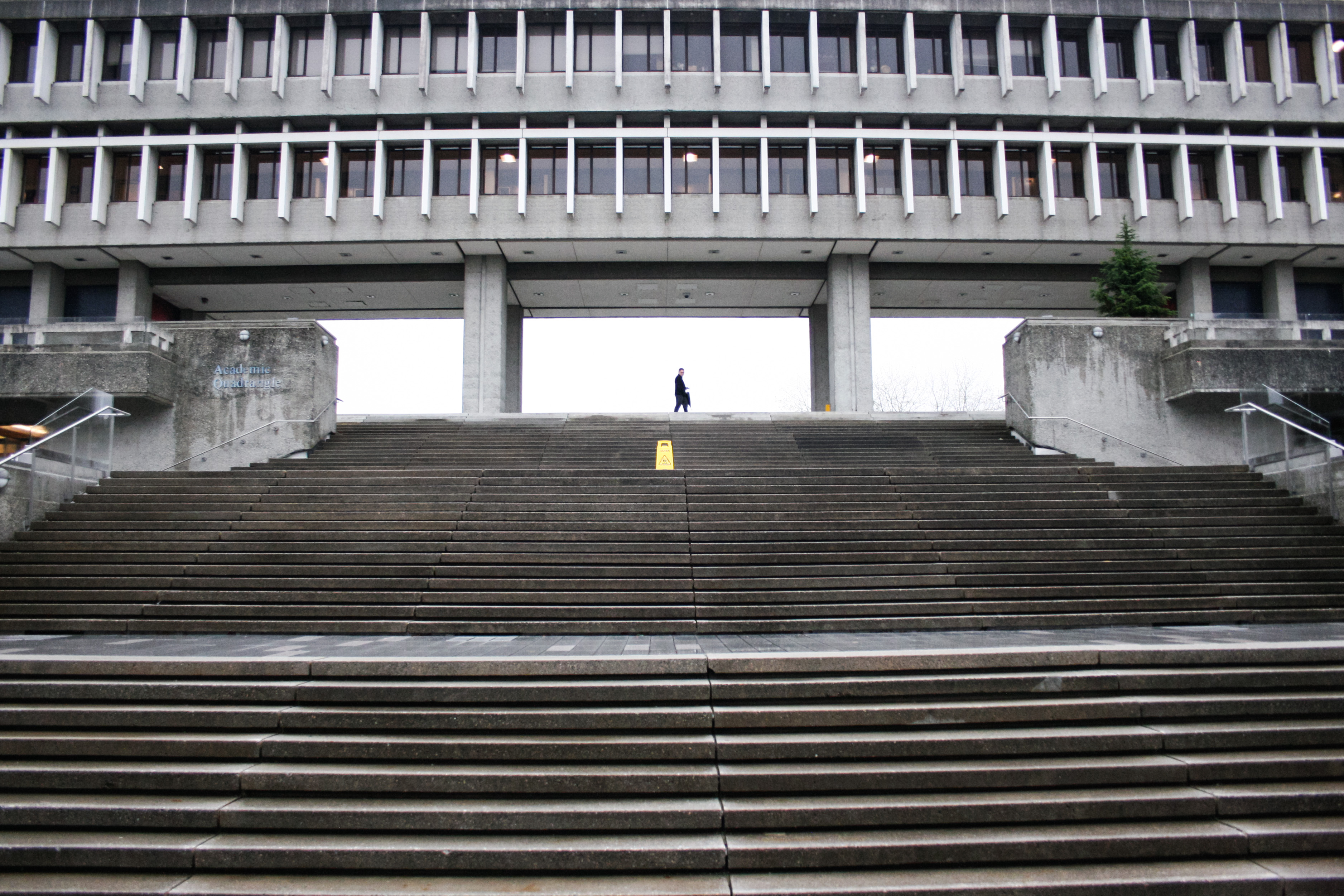
Universal accessibility doesn’t just benefit those labelled as disabled
November 23, 2020by Serena Bains, Staff Writer Predating my disabilities, I still faced a multitude of inaccessible infrastructure and practices. Whether it’s having to go through a maze to reach the nearest elevator or not being provided the option of closed captioning…
Continue reading

Simon Fraser University’s independent student newspaper since 1965.
For advertising inquiries: [email protected]
For promotional inquiries: [email protected]

Simon Fraser University’s independent student newspaper since 1965.
For advertising inquiries: [email protected]
For promotional inquiries: [email protected]