Home Blog Page 796

Oh Pep! has their Cake and brings it to Vancouver

0
Australian duo Oh Pep! is returning to Vancouver for a second time this year, this time opening for Basia Bulat.

There are a lot of differences between Canada and Australia. The list includes deadliest animals, which side of the road to drive on, and which country had a prime minister completely disappear while having a swim one day.

However, if you ask Australian band Oh Pep! what it’s like being back touring in Canada, they don’t see much different.

“We’re in the habit of moving around so much, especially coming to North America, it’s weird that it feels like a coming home feeling — it’s very, very familiar,” said Olivia Hally on being back on this side of the Pacific Ocean. “It’s a weirdly calming feeling, which is a weird thing to say when you’re going on tour.”

Hally is the “Oh” of Oh Pep!, along with bandmate Pepita Emmerichs, who is the titular “Pep.” The duo hails from Melbourne, and are currently in the middle of a tour that will take them all around the world.

They recently put out their debut album Stadium Cake this year, and were already in town touring it during the Vancouver Folk Festival earlier this summer. The fact that Oh Pep! recorded Stadium Cake here in Nova Scotia shows just how comfortable they feel here in Canada. They just finished playing in the United States supporting the Mountain Goats, and are now opening for Polaris shortlist nominee Basia Bulat.

“They’re both really wonderful to tour with,” said Hally. “The Mountain Goats have a very punk attitude and so do their fans, and then it’s more of like an adoration with Basia’s fans.

“They’re all very, very lovely people.”

While they’re just on opening duty right now, it isn’t hard to imagine Hally and Emmerichs securing a headline spot once their names are more recognizable, as the response to Stadium Cake has been very positive.

As the Vancouver Folk Fest said in its write-up on Oh Pep!, “There are great vocals here, stunning harmonies that make you pay attention. There’s also a bit of the off-beat, the singular, reasons why they’re already racking up noms and awards.”

Awards like the Young Folk Performer of the Year at the National Folk Festival in Canberra, which the group won back in 2014.

However, if you ask Oh Pep! what they would highlight about themselves or the tour when given the chance, they are quick to share the praise.

Asked if there was anything she wanted to share specifically, Hally said, “Our album is out, and we think Basia is great.”

When they were here in the summer, fans were treated to the group as a trio, as a drummer accompanied the women. However, it will just be Hally — who sings and plays guitar — and Emmerichs — who plays the violin and mandolin — on this leg of their tour.

Afterwards, it’ll be back to the US for a show, before travelling all across Europe before heading home for New Year’s Eve.


Fans and Vancouverites who want to catch Oh Pep! (and stay for the great Basia Bulat) will have their chance October 12 at the Vogue Theatre. Tickets are only $20, and are available for purchase via Ticketfly.  

ALBUM REVIEWS

0

By: Max James Hill, Tanya Humeniuk, Courtney Miller, and Connor Robinson

Sirens by Nicolas Jaar

Nicolas Jaar’s second LP, Sirens, does not break new ground with his stark, bass-heavy style. Instead, he incorporates all his previous efforts to create his most cohesive yet challenging record to date.

This album moves fluidly through instrumentation, genre, and even language. Take a track like “The Governor,” which combines a breakcore drum beat with an Angelo Badalamenti-style piano riff before letting a solo horn wail freely. For the climactic finish, he reintroduces all these juxtaposing parts and produces one of the most exciting sections of the record. It’s his ability to take these seemingly opposing influences to create a sound that you never think would work — but it does, and it sounds effortless.

Sirens further establishes Jaar as one of the most exciting musicians out right now. – CR

The Altar by Banks

The Altar is Banks’ second studio album. It was produced by Tim Anderson and Al Shux, who both worked on her first album Goddess, and this time around I was hoping to see the Banks-Anderson-Shux team take more risks in terms of the musical accompaniment.

There was a bit more pizzazz here and there, and certain songs like “Weaker Girl” had violin arrangements which were cool. Most of it just sounded like your standard pop music, though: uncomplicated and neat.

But more experimentation in accompaniment would take away from the best thing about Banks — herself. Her voice and lyrics definitely stand out from standard pop music. Her voice is refreshing, and her lyrics tell stories of personal insecurities and disappointing relationships, but not in an overly clichéd way. You’d expect her to be the victim. In her lyrics though, she is both victim and antagonist, which makes for an interesting twist. – TH

Young as the Morning, Old as the Sea by Passenger

Young as the Morning, Old as the Sea is the seventh album by Michael David Rosenberg (stage name Passenger) — or the eighth, if you include the sole record by the band he fronted previously, of the same name.

Passenger hasn’t found any new strength to his voice, but I wasn’t expecting to find any; the soft raspiness of his vocals are a signature now. Nothing on this album will meet the popularity of 2012’s “Let Her Go,” but it has its moments anyway.

“Anywhere” is lighthearted, uptempo, and — dare I say it — happy. It’s at the top of my list for this album. It’s a good album, it’s just not as good as it could be. A lot of the songs sound similar enough to run together, but it doesn’t feel purposeful. “If You Go” has a good horn section that’ll get you up and tapping along, but then it blends right back into the ordinariness of the record. – CM

A Seat at the Table by Solange

In the best moments of her previous records, you could tell that Solange had a great album in her — but I didn’t expect it so soon.

Much like her sister Beyoncé, Solange dropped A Seat at the Table by surprise only three days after announcing it on Twitter. But unlike the vigour and ferocity that made Lemonade what it was, A Seat at the Table is quiet and contemplative, an album of measured clarity and soaring harmonies.

Despite its more subtle touches, it’s no less a powerful LP. Solange balances broader political commentary with personal struggle: “Cranes in the Sky” details her coping strategies, while “Mad” is a brave admittance of emotional toll that also features the best Lil Wayne verse in years. Punctuated by spoken interludes with her parents, Solange’s opus is stunning in its openness, each song its own portrait of resilience and strength.

If there’s a seat at the table, Solange has more than earned it. – MJH

FOOD FIGHT: Field and Social pop-up: the Lebanese Cafeteria

0
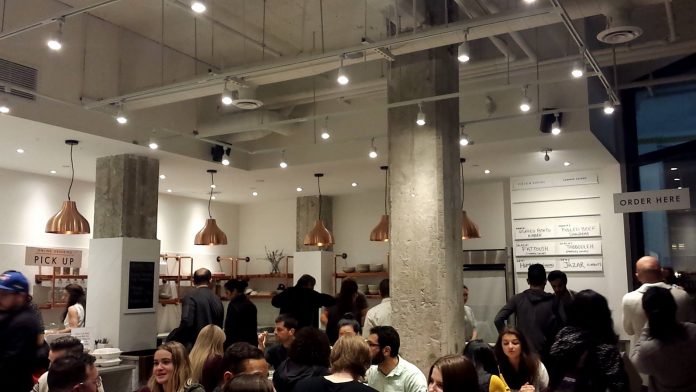
The industrial yet homey space of Vancouver's Field and Social restaurant was turned into a Lebanese pop-up dining event. The menu was created by Abdallah El Chami of the Dallah Menu blog.

On September 29, Field and Social on Dunsmuir opened its doors to the community to host one of its first events since launching this past February. Partnering with the Dallah Menu, the small, industrial-meets-homey space came alive with good food and lively company during its pop-up, the Lebanese Cafeteria.  

The man of the hour was none other than Abdallah El Chami, better known as Dallah. He’s the brains behind the Dallah Menu. He told The Peak how happy he was to bring Lebanese food to the community, since it’s a cuisine that’s not always readily available in Vancouver. After spending six weeks in Lebanon, he came back eager to share everything he had learned and experienced.

“My big things are food, community, and charity,” Dallah said. “It’s a privilege to be able to share my food with so many people, and to bring them all together.”

Dallah put his own modern and trendy spin on traditional Lebanese dishes, while still preserving the cultural significance found in particular flavours or methods of cooking. This was reflected in his his menu, which consisted of three courses. Guests were able to pick between two salads (tabbouleh and fattoush), two mains (pulled beef shawarma and stuffed potato kibbeh), and two dips (hummus and jazar, a carrot dip).

For your convenience, we took the liberty of trying all the dishes for you:

Fattoush: A chopped salad that resembles a fancy Greek salad with tomatoes, radishes, arugula, cilantro, and lettuce in a tangy vinaigrette. It was fresh and delicious, the kind of salad you could eat all day.

Tabbouleh: A parsley salad with a very sharp and tangy taste, made up of tomatoes, fresh parsley, mint, and bulgur.

Stuffed potato kibbeh: A fried potato dumpling made out of bulgur, but instead of being bland, the centre is filled with a vegetarian-friendly walnut imitation of the traditional meat and onion filling. Accompanied with a fresh cilantro garlic sauce resembling a pesto.

Pulled beef shawarma: Shawarma on its own is already to die for, but the fact that it was pulled and super tender made this dish out of this world. Tender meat with an explosion of different complementary flavours. It was heaven on a plate.

Hummus: Clearly freshly made, with the perfect balance of seasoning to keep it a mild, creamy dip to accompany the other flavourful portions of the menu.

Jazar: A dip with an even smoother texture than the hummus (which we didn’t think was possible), resembling a much lighter version of something between sour cream and cream cheese. The carrot flavour was very mild, but went well with everything.

Pineapple and anise soda: A near-spicy soda thanks to the anise. Although normally it would be the pineapple that makes it tart, the pineapple was actually the sweeter part of the beverage.

Orange blossom and mint lemonade: The floral notes on this lemonade were super prominent, and made the overall drink quite refreshing. Though lemonade is usually sour, this upscale version of it was just the right balance of sweet and sour.

Guests enjoyed these delicious dishes and each other’s company in the beautiful Field and Social space, with the communal tables making the event feel like coming home to eat at the dinner table, while the volume level matched that of a big family gathering.

The Dallah Menu and Field and Social are two innovative and unique purveyors to the Vancouver food scene, and definitely ones to watch.

Andy Shauf is early to The Party

0
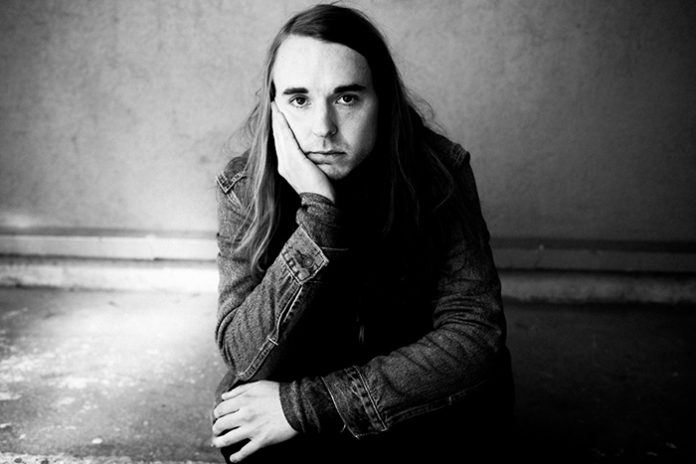
Andy Shauf explores the story of a party in a "city the size of a dinner plate." The narrow focus of the album gives it a curated feel.

Canadian-born and raised Andy Shauf has stunned both listeners and critics with his new album, The Party. An older, more refined sibling to his previous album, The Bearer of Bad News, this story-filled folk-pop album led him to a spot on the shortlist for the Polaris Music Prize.

“That was super exciting,” Shauf noted regarding the prize. “I followed the Polaris for a really long time, so it was exciting. I was kind of surprised they found my album.”

The album is really quite a standout — it features varying narratives from a number of perspectives at a party in a “city the size of a dinner plate.” His music tends to excel in capturing small-town vibes. “When I’m picturing the narrative I’m picturing it at home,” said the Saskatchewan native. “For The Party, for a lot of it, I was picturing different scenarios actually happening in my own living room.”

Shauf elaborated that this storytelling style was inspired by Randy Newman: “A song that’s about him seems like it’s fictionalized.”

The particular theme of an album narratively taking place within a small-town party came from Shauf’s more focused approach to the album. His previous album, The Bearer of Bad News, was whittled down to the perfect 11 songs out of a whopping 100. The Party, on the other hand, was carefully curated to feature 10 out of 15 potential songs.

Shauf explained that the varied approaches were due to a lack of time pressure for Bearer. He was “searching for a sound, trying to figure out what to do with it while writing.

“During The Party I had an idea of what I wanted it to sound like and then eventually I came up with a theme for the songs. I was more focused and knew what I wanted to do.”

Shauf’s focused sound hones in on the clarinet and showcases the warm qualities of an often forgotten instrument in modern music.

“I saw a show of a friend’s band that I was seeing and they were playing clarinet. I was like, whoa, that has such a nice texture, so I asked my mom to buy me one for Christmas one year. It was a super hard instrument to learn, but eventually I figured out. So now I just use it because it’s the most interesting instrument I play.”

The clarinet compliments beautiful string arrangements, tinkling piano on top of charming guitar, and soft vocals that listeners can catch live as Shauf will be making an extended stop in Vancouver on October 14 and 15 at the Fox Cabaret as part of his North American tour.

Check your privilege

2

[dropcap]I[/dropcap]f you’ve read the title of this quiz and are groaning about social justice warriors, or how the world is becoming too politically correct, or that you’re tired of being picked on for having a decent life, please just hear me out.

One of the biggest points about privilege is that those who have it aren’t always aware that they’re privileged. As a person, you look forward to what others who are more privileged than you have, and that’s what you aspire to (talking generally, of course). When you’re so intent on looking forward, you forget to look back at the people who are less privileged than you are. It becomes a matter of “out of sight, out of mind.”

My favourite analogy involves a classroom. Everyone has a seat, and the seats go from the very front to the very back of the room. The instructor places a trash can at the front and says, “If you can throw a paper ball into here from your seat, you get an A.”

The people at the front are ecstatic, because the trash can is so close to them. It would be so easy to get that A, so they make their shot and high-five their friends sitting close by, and they ignore the shouts and calls from the back of the room telling the instructor that this is unfair.

At the front, the students there have already won and they’re going, “This is fair. See? We managed to do it.”

The people in the back are calling back going, “But you started so much closer to the goal!”

That is privilege. You start closer to the goal and if you’re unaware of your privilege, you don’t think about all the people behind you struggling for the same success.

So take this quiz to see how truly privileged you are, and find out what you can do to use that privilege (if you have it) to make lives better for the people at the back of the classroom.

The Quiz:

Count how many of these statements are true for you.

I have no learning disabilities.

I have never been sexually harassed or assaulted.

I have never been told that I’m pretty/handsome/attractive for my race.

I have never been asked ‘where I’m from’.

I have never been threatened or assaulted because of my sexuality.

I have owned a car.

I have never been homeless.

I have never had an addiction.

I have never felt forced to lie my ethnicity and/or religious beliefs.

I have never been called a racial slur.

I don’t need to use public transit.

I have never been told my sexuality is “just a phase.”

I have never been threatened or attacked because of my religious beliefs.

I have never gone to bed hungry.

I have never felt unsafe because of my gender.

I have no physical disabilities.

I can afford medication when I need it.

I still identify as the gender typically associated with my biological sex.

I have never experienced discrimination because of the colour of my skin.

I have never been called a derogatory slur because of my sexuality.

I have no mental disabilities or illnesses.

My parents or guardians pay some or all of my bills.

I have had family pay for at least part of my tuition.

I have never been randomly screened in an airport or at a border crossing.

I have never worked in retail or customer service.

I have never been shamed for my body type.

Quiz Results:

17–24: Congratulations, you are a privileged person. It might not feel like it, but you’re pretty lucky. Please, take a re-read of the questions above and think about what kind of life you would lead if you had identified with only 10 of the statements, or only three or four.

Now, think about what would make that hypothetical life of yours better. Better access to scholarships and government funding? Protests calling out racism, sexism, homophobia, and the mixed abuse of freedom of speech with freedom of religion? Easier access to help and less stigma surrounding disabilities? A living minimum wage?

Think about that, and then help fight and advocate for those universal life improvements.

8–16: You’re not super underprivileged, but neither are you super privileged. You’re middle of the class! However, that means that you do have privilege in some aspects of your life. So be aware that although there are people ahead of you, closer to the trash can, there are also plenty of others behind you, struggling to get just where you are.

So if you’re already fighting for some changes, right on. If you’re not, your voice will be a welcome addition both

0–7: Being in the back of the class sucks, but hopefully the people in front of you are realizing and becoming aware of their positions in society, and are accepting the responsibility to help everyone behind them get closer to the goal. So keep calling attention to the injustices, and we’ll all work together to make the world a better place.

If the people who have privilege, who are the ones that others in positions of power will listen to the most, don’t help advocate for the social and structural changes needed to improve the lives of others, then it will take far longer to bring about change.

Tough days are no match for Tamara Nipp

0
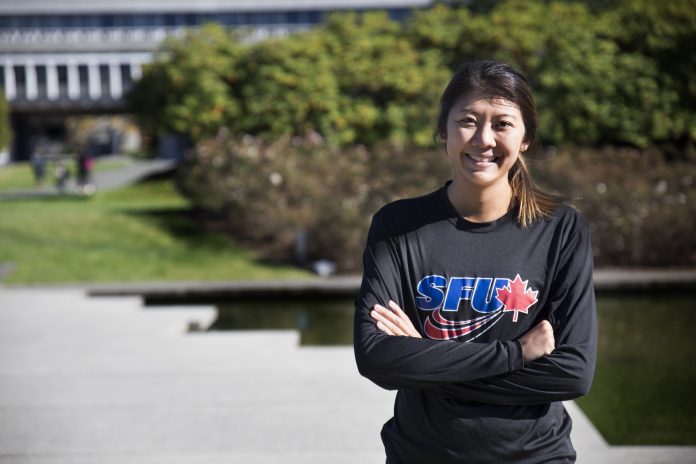
Nipp has become an integral part of the team under head coach Gina Schmidt.

For fifth-year business student and Clan setter Tamara Nipp, volleyball has always been the sport for her.

“I wasn’t really into physical contact sports like basketball or soccer. So volleyball was the perfect sport for me,” Nipp said with a laugh.

Nipp’s love for volleyball started in Grade 5, and continued into her days at Crofton House, where she played for the school. “I played all throughout high school and played with the same people all the time, which was great,” Nipp recalled about her high school volleyball experience.

However, the transition to university level volleyball was a struggle, beginning with the recruitment process. Even though she wasn’t offered an athletic scholarship coming out of high school, it didn’t stop her from pursuing the sport she had put so much time and dedication into. Nipp began writing emails to university coaches when she was in Grade 12, asking them if they needed a setter in her year.

“My parents wanted me to stay in Vancouver, so the decisions were narrowed down for me,” Nipp said. “I emailed [former SFU volleyball coach] Lisa [Sulatycki], and Lisa told me that I would be the fourth setter on the team because there were already two and one new recruit. She offered me a spot on the team, and I came on.”

But this wasn’t the biggest hurdle that Nipp has had to face during her time as an SFU volleyball player. In 2014, Nipp was in a car accident that left her with whiplash and post-concussion syndrome. Because of it, she missed the entire 2014–15 season.

“It was definitely weird for volleyball to be taken out of my life for that year,” Nipp recalled. “All the other business students had volunteering, clubs, or working — things that I didn’t have time to do when I was playing volleyball. For the first time in my life, there was no structure.”

An accident like this could push many people to quit. Despite the difficulty that Nipp had, the support she received from her friends and teammates helped her to ultimately overcome the struggles and eventually return to playing full-time for the 2015–16 season.

“My business friends helped me a great deal,” Nipp said. She recounted how she was able to make friends within her faculty during her time away from volleyball, and eventually became very close to some of them: “They [the business students] are so driven, and they kept saying to me, ‘Well, why wouldn’t you get back to playing volleyball? You’re only taking a year off,’” Nipp said. “They made it much simpler for me to understand than I made it out to be in my head, like yeah, I can totally do this.”

Nipp also received support from her fellow teammates and head coach Gina Schmidt. “I would constantly be at practices, and watching my teammates play made me want to come back [. . .] Gina was also great because she never pressured me into coming back. She understood how I felt.”

It’s this family-like dynamic that Nipp will miss when she graduates from SFU in the spring. As her final season begins, she hopes that the Clan can make the playoffs, making for a nice finish to her university volleyball career.

Currently, SFU sits in second in the Great Northwest Athletic Conference with a 5–1 record. She also appreciates each opportunity that she has to play a little more: “Everytime I play, I know that I can’t take it for granted. Even when I’m tired, I don’t care that I’m tired, I just want to play!”

To any students who encounter tough situations in their lives, Nipp encourages them to “find what lights a fire within them.

“I firmly believe that everyone has to have a bad day before you can truly appreciate a good day [. . .] No one can have a bad day every single day, but it will help you to see the good days.” Though Nipp has had her bad days, the good days are just beginning, with many more great ones to come.

Fun Fact: Top Three Workout Tunes?

“House Party” by Sam Hunt

“Candy Shop” by 50 Cent

“Party for Two” by Shania Twain

SFU launches first online First Responders Trauma Prevention and Recovery program

0
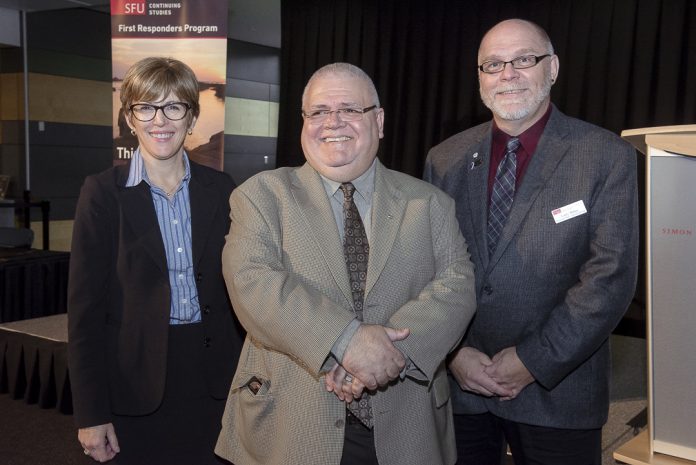
Yvonne Tabin (dean pro tem, SFU Lifelong Learning), Vince Savoia and Larry White

Every day, lives are saved by the work that first responders perform. While vital to society, many first responders deal with extreme cases of trauma and sadness as a result of their occupation.

That is why Larry White, director, career and professional programs for SFU Continuing Studies, was in complete support of Vince Savoia, founder of Tema Conter Memorial Trust, when he approached White about “the concept of a program to support the mental wellness of first responders.”

Savoia and his foundation have “been reporting on what they call the epidemic of suicide of first responders, who are suffering from PTSD [post-traumatic stress disorder],” said White. He also told The Peak that Savoia “felt there was something that we could do that would be significant to help offset the epidemic of suicide.”  

Advocacy groups have been formed by first responders themselves to raise awareness and support for first responders living with PTSD. According to Tema, so far this year, 41 first responders and 10 military individuals have committed suicide throughout Canada.

The high number of cases of PTSD and suicide has prompted provinces to change legislation to stop first responders having to prove that their PTSD is a result of their work.

SFU Continuing Studies announced in January that first responders could register for White and Savoia’s program, which began this fall. The program has made strides across Canada, seeing 61 students enrolled in the first course. These students are made up of not only traditional first responders such as police, ambulance, military, and correctional workers, but also hospital employees, victims services employees, and members of search and rescue teams.

The online nature of the 300-hour, 10-course program allows first responders to work at their own pace with a few deadlines along the way.

White explained, “We are making the program available online so we can reach the broadest possible audience, and make this opportunity for learning about how to support yourself and mitigate instances from jobs up to the broadest possible first responders audience.” He added that the program is probably the most “comprehensive program that supports first responders and their mental health that [he has] been able to discover anywhere in the world.”

The program’s complexity aims to provide first responders with a “personal resilience toolkit.” White explained that the courses, taught by both first responders and clinical psychologists, will offer students the fundamentals to address some of the stigma surrounding mental illness that they may face in their field, as well as “how first responders’ jobs impact their mental wellness and the challenges they face up to and including post-traumatic stress disorder.”

The two-year development of the program included a national advisory committee and consultations with first responders. These exposed how important it was for students to interact with other participants in the program. White explained that the online Canvas modules “allow ample opportunity to do that.”

This Continuing Studies program also offers a 24/7 partnership with Morneau Shepell, the largest employee assistance provider in the country. This partnership includes a team of professional service providers who “work with first responders and help to meet their mental health needs,” in the event that some of the program may trigger trauma from their past work, said White.  

White hopes that the first wave of first responders will share this Continuing Studies program with their colleagues, to encourage another surge of registrations. “[We’re] very excited about the program,” he said. “It is probably the most socially significant program that I’ve had the opportunity to work on.”

More information and a listing of information sessions for the First Responders Trauma Prevention and Recovery program can be found on the SFU Continuing Studies website.

World News Beat

0

ISRAEL – DEATH OF SHIMON PERES

Shimon Peres, former president of Israel (2007–14), died on September 28 at the age of 93. Many Western politicians attended his funeral and paid tribute to this founding father of Israel, and key negotiator of the Oslo Accord in 1993. The Oslo Accord was one of the most important steps in the peace process in the Middle East: it established a mutual recognition of Israel and the Palestine Liberation Organization. Peres was awarded with the Nobel Peace Prize in 1994. Nevertheless, many Arab leaders, except Mahmoud Abbas, president of the Palestinian Authority, remain critical of his politics and refused to attend his funeral.

With files from Lemonde.fr

BAHAMAS – BAHAMAS LEAKS, THE SCANDAL WEAKENING THE EUROPEAN UNION

A recent leak revealed that Neelie Kroes, former European commissioner, neglected to declare her interests in an offshore business in the Bahamas. This constitutes a violation of the code of European commissioners. Her nomination was already controversial, as she is currently associated with businesses like Uber and Bank of America. Kroes said this was an administrative error, but her opponents have argued the scandal reveals a conflict of interests. This leak comes after José Manuel Barroso, former president of the European Commission, was recently hired by Goldman Sachs, the party considered responsible for the 2008 financial crisis.

With files from BBC News

ITALY – TWO FORMER NUNS MARRIED IN DISCREET CEREMONY IN ITALY

Federica and Isabel met when they were working at a centre for drug addicts. The two were married on October 5. Italy passed legislation to authorize same-sex marriage in June. As Federica and Isabel were nuns when they met, they both renounced their vocations and spoke out against the Catholic Church’s position on same-sex marriage, but said they still have faith. This is not the first time members of the Catholic church have left the church: in 2015, Krzysztof Charamsa, a Polish priest, was suspended after publicly proclaiming his sexual orientation.

With files from The Guardian

Semester in Dialogue launches “You Write We Listen”

0
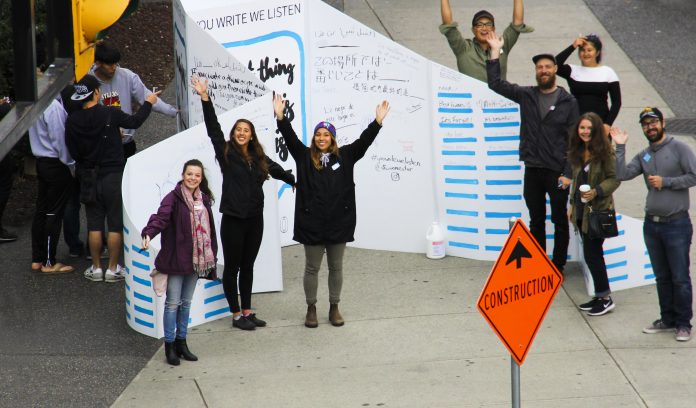
emester in Dialogue students stand in front of their interactive installation.

On an overcast day, Semester in Dialogue took to the streets of Downtown Vancouver to launch its event “You Write We Listen” by Stadium-Chinatown: a one-day prototype to ask questions and engage with residents on creating a vibrant future for the Northeast False Creek redevelopment.

Topics include improving park space, reinvigorating the waterfront, and addressing Vancouver’s need to diversify its nighttime activities.

With the purpose of identifying and elevating the voices of community members, the cohort was comprised of 20 SFU and UBC students set out to directly inform their future work in the Northeast False Creek area.

Inspired by Candy Chang, the result consisted of several panels combined to make a snake-like art installation asking the city three questions regarding the best thing about the current space, imagining what the space could have, and asking people what is the most fun they’ve had for free.

Standing at eight feet tall and branching off in three octopus-like directions, the street corner was transformed by the structure, inviting residents to interact with the different aspects weaving around the space. There was room to answer each question, draw something, or simply jot down whatever came to mind.

“The biggest highlight for me was watching the project finally come to fruition. When I spotted the structure from the SkyTrain as I was coming in, I was totally blown away, it looked incredible,” said Kelly Furey, a senior communication student at SFU. “There was a big group of people surrounding the form and engaging with it. We cultivated a space where people could share the memories that they had, and share different thoughts and experiences.”

A large part of the experience was analyzing the process. Gauging how the site location, the questions, and the structure would affect the response from people passing by, was as important to find out as it was to get a response at all. “A lot of the conversations that I had with people on the ground were trying to convince them that their voice mattered and that they had an opportunity to write,” said Glenn Mendonsa, a UBC human geography student.

In the end, all three questions garnered 85–120 responses. The most common response regarded what people wanted to do and see in the city, with lots of answers revolving around family and friends, playing, going to parks, and hiking. Many people also chose to engage with the space alternatively, drawing or doodling or just writing random thoughts. Some people even wrote their own questions to reflect on.

One of the most crucial lessons Duane Elverum, one of the co-founders and directors at CityStudio, learned from the program is to “kill your darlings,” and not become too attached or caught up in one concept.

“You don’t get pushed enough in traditional university settings to do something to the best of your abilities and then kill it right away,” Mendonsa said. “That’s why it was so impactful when I saw it. It was living proof that despite coming to something you really truly believed in and then re-envisioning and prototyping it again and again that we are still able to tie it all together.”

Other students appreciated what it took to get to the point of the event, but found the end result the most gratifying. “You can get a little lost in the process and theoretical project, but when you put paint to paper and bring the boards into the studio and built a tangible thing it was a really cool moment for me,” said Sarah Duggan, a third-year international studies student at SFU.

Overall, the launch gave students skills they can use with their future larger projects, as they break off into smaller groups and address different themes within Northeast False Creek.

Kathleen Belton, an SFU environment major, feels positive moving forward. “There are all these impacts and things come out of it that you wouldn’t expect, and it was overall very effective with what the instructors hoped it would do for us.”

Alex is a member of the Fall 2016 Semester in Dialogue program cohort.

Fifth annual Women’s Safety Fair puts violence against women front and centre

0
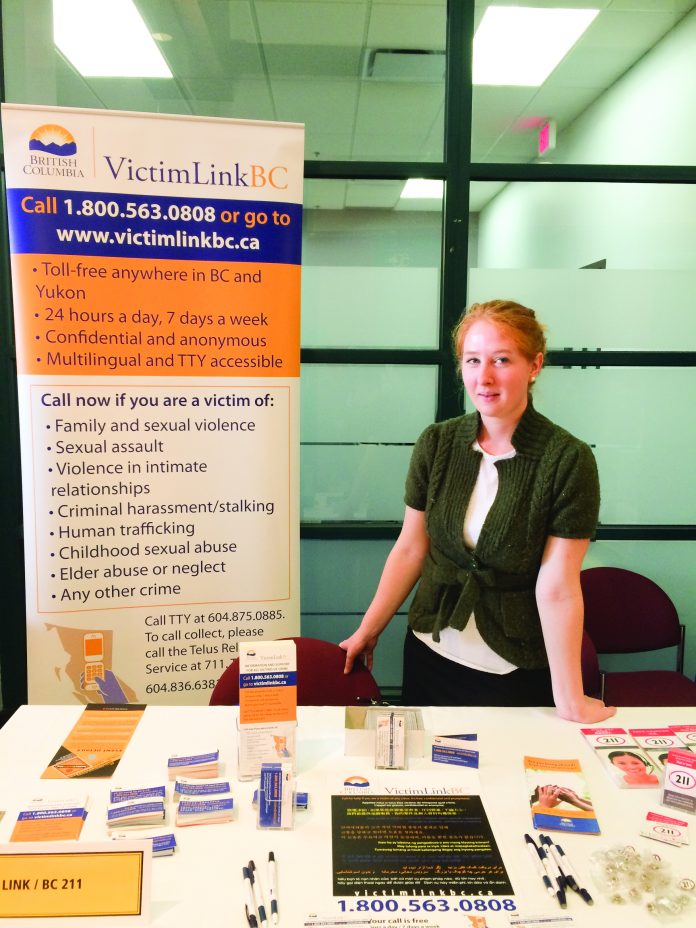
Kaitlin Warren, BC 211 Resources & Public Specialist

The fifth annual Women’s Safety Fair took place at SFU Harbour Centre on October 5, and was hosted by the Vancouver Police Department (VPD) as well as other community agencies.

The event was comprised of several dialogue-based activities, including community discussions on women’s safety, a VPD Women’s Personal Safety team demonstration, a Transit Police safety presentation, and information booths on women’s safety.

“The dangers that women face are unique. It’s not OK for [them] to feel uncomfortable,” said Ben Stevens, VPD Detective Constable and one of the event organizers. “This event gets that message out to the community and offers a one-stop shop for services they can access.”

For instance, as many students are daily users of the public transit system, Constable Bruce Shipley of the Metro Vancouver Transit Police Services talked about TransLink’s new emergency text line, 87-77-77. This is a discreet means of reporting criminal behaviour on transit, in comparison to pressing the yellow silent alarm. “We need to educate people on what resources we have,” said Shipley. “So many people still don’t know what we as transit police do.”

In addition to police departments, non-profits such as Women Against Violence Against Women (WAVAW) and BC211, among many others, were also present to speak about the support they can offer to women and survivors of sexual violence.

“We provide counselling, support, a 24-hour crisis line, hospital accompaniment for survivors. We always give women agency on whether they choose to report an assault or not, [and] offer them the option of reporting through a third party as well,” said Ashley Teja, a victims services worker at WAVAW.

Kaitlin Warren, a representative from BC211, a non-profit funded in partnership with United Way, also mentioned that they offer a 24-hour phone line for referrals to community and social services.

The event didn’t lack in SFU presence, either. Organizations like the SFU Women’s Centre and Consent Matters SFU also had representatives at the event. Leah Horlick, the SFU Women’s Centre coordinator said of the event, “More than just women’s safety, I’m interested in ending the systems that perpetuate violence against women. I think it’s important today to have all these support organizations together so we can connect about the work that we do and build more of a capacity [for it].”

Hosting the fair at the university also brought up discussion about institutional change on the issue of sexual assault, and what students could do to bring about that change. “We want to know how institutions are holding perpetrators [of sexual assault] accountable,” said Teja. “It’s important to have dialogue with other organizations, as it gives us an opportunity to change the narrative.”