Home Blog Page 415

Correct mask fit is key, says SFU study on masks and facial hair

0
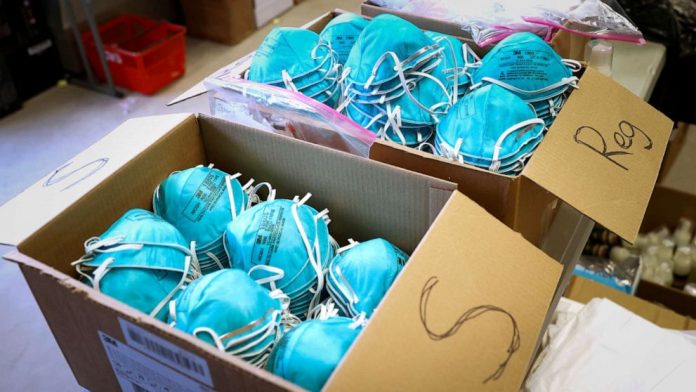
Boxes of N95 masks. Photo: Mike Segar/Reuters.

Written by: Zach Siddiqui, Humour Editor

In a study on facial hair and face masks, SFU researchers have found that beardless faces are slightly better protected than bearded ones — but that the overall factor in protection for any face is securing the right fit. 

“If you can’t get a proper seal on a mask, there’s not much point to using one,” said Sherri Ferguson, Director of SFU’s Environmental Medicine and Physiology Unit, in an SFU News release. “The N95 mask is designed to filter 95 per cent of particulate when worn properly but we found that less than half the participants achieved a proper seal in order to attain that percentage of filtration.”

In a Zoom interview with The Peak, Ferguson said she did not expect the N95 masks used in the study to perform “as poorly as they did,” and emphasized that an under 50% chance of passing a fit test applied uniformly to participants with or without facial hair. Despite this, Ferguson pointed out, federal regulations in Canada bar workers from being fit-tested at all unless they are bare-faced. Many Canadians, such as members of the Sikh faith, cannot shave for religious and/or cultural reasons.

Ferguson cited the SCBA (self-contained breathing apparatus) they tested as an example of a mask that “absolutely protected” wearers with or without facial hair. “I am confident that for bearded individuals, there is protection out there,” she concluded. Despite this, she still advised caution for people with facial hair looking to don masks.

“I think there needs to be more research into whether or not you can get sufficient protection with a beard. This is just one small study with a very few masks,” Ferguson said. Based on her findings, though, Ferguson “would not feel comfortable” telling a person with facial hair in an infectious setting to wear an N95, P100, or other half-mask, besides the respirators that come with an independent air supply. 

Ferguson has previously recommended that frontline workers perform a seal/fit test at the start of every shift. While speaking to The Peak, she elaborated that she did not deem this necessary for the non-frontline general public, particularly given the current need to conserve medical resources.

Ferguson’s team’s study was commissioned by Correctional Services of Canada (CSC), the federal agency which processes adult criminal offenders sentenced to two years or more in prison, to investigate mask efficacy for their staff. According to Ferguson, CSC reached out to them because Ferguson’s team had previously researched the efficacy of oxygen masks for Air Canada, particularly for pilots, after a Sikh pilot applied to the company.

Board Shorts (July 10, 2020)

0
Image: Irene Lo

Written by: Paige Riding, News Writer

The Board discusses Student Union Building space allocation for SFSS groups 

VP Finance Corbett Gildersleve brought forward a motion for a different space allocation for organizations set to move into the Student Union Building (SUB) upon its completion, projected for Fall 2020. The motion carried.

The previous plan, agreed upon in the Spring, has one unallocated suite amongst those in the corridor. This includes DNA, CJSF, SFPIRG, Embark, SOCA, and FNSA. Gildersleve voiced concerns about SOCA and Embark, two completely different student groups, sharing one suite. After a thorough tour of the suites in the SUB, Gildersleve did not find the currently proposed plan to be the best one overall.

“We did a very thorough check of pretty much every room from top to bottom, pretty much every space — talking about potential usage for this space — and when we looked through some of the suites, I realized that some of them would not be effective for the organizations being placed in them,” Gildersleve noted.

He explained that the SFSS projects that these groups will be in the SUB for at least 10 years. In that time, Gildersleve worries that groups like Embark and SOCA — who are currently projected to share a single suite — will not have room to grow. 

Business Representative Mehtaab Gill expressed concern that making the Board vote the same day the motion was sent out may be hasty.

“My only concern would be that this motion is a lot of information, as Corbett mentioned, and it was sent this morning [ . . . ] This is a lot of information to take on and vote on, I feel,” said Gill.

Gildersleve responded saying, “We’d have to get this type of thing decided sooner rather than later.” He also mentioned that it is an amendment of an already-existing motion.

Board members Osob Mohamed, Balqees Jama, WeiChun Kua, and Anuki Karunajeewa advocated for this alternative allocation because it provides important spaces for marginalized groups on campus, including BIPOC and neurodiverse students.

The motion carried with 12 in favour and three abstentions.  

Board members discuss concerns about exam proctoring software and student privacy

VP University Relations Gabe Liosis brought up the topic of online examination invigilation as the Summer semester draws to a close. 

“We’re coming to the end of the summer semester real quick here, we’re in about week nine, and the topic of exam invigilation doesn’t seem to be going away — and it doesn’t really seem to be getting any better, either,” he began. 

“Students’ concerns are three main things. One: [exam invigilation] is downright creepy. Two: it’s stress-inducing. And three: it’s an invasion of privacy.”

“These are students’ homes that we’re talking about. Students aren’t comfortable with someone watching us through our webcam. Plain and simple.” He mentioned how many students do not have a space to block off to write a three-hour exam. As well, Liosis raised concerns about international students in different time zones.

“The university has really failed to give any clear guidance, procedures, or take any policy measures to actually make any clear, enforceable rules around exam invigilation.”

The Board vouched to continue pushing the university to consider this matter in time for the Fall 2020 semester.

The Board discusses concerns around police recruiters on campus 

Some Board members had a discussion with those in charge of the career fairs held on campus that has included the presence of the RCMP in the past. President Osob Mohamed elaborated on what must be done to facilitate what representatives are allowed at these fairs.

“The issue is, if they want to stop having police recruiters on campus, they need to have some kind of policy put in place or some kind of really good reason they said to stop bringing recruiters on campus,” said Mohamed.

“The fact that RCMP and police presence makes students very very unsafe on campus is a really big deal. And amidst the calls of us supporting the defunding of the police force and also calls to defund and abolish police forces all over the world, this is not something small [ . . . ] this is students’ safety and well-being on the line.”

Mohamed noted that the Board will have a meeting with SFU Safety Services and will work to develop guidelines around who will be welcome at the job fair.

Outsider Tattoo Collective is as clean and comfortable as ever before

0
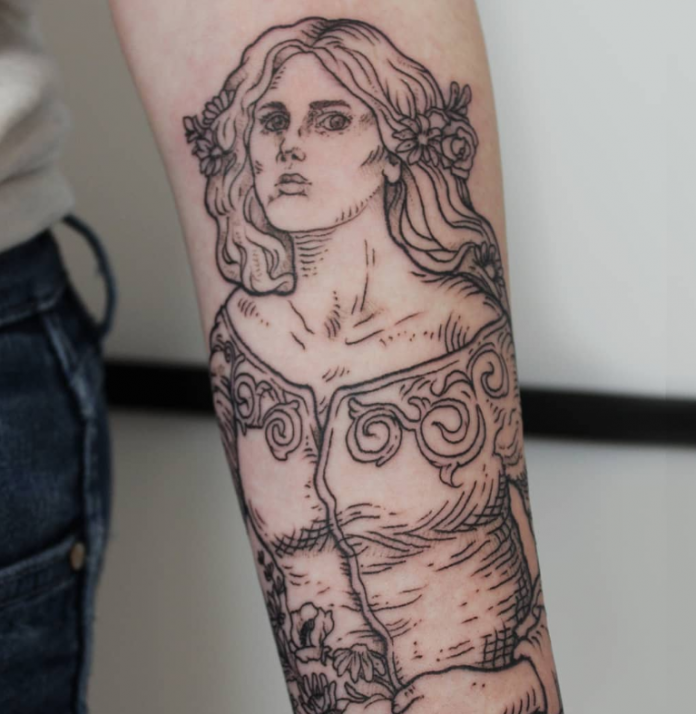
Author’s tattoo of Hamlet’s Ophelia done by Armony at Outside Tattoo Collective. Screenshot courtesy of @hello_wasp via Instagram

By: Molly Lorette, Peak Associate

Before social distancing was in full swing, I was in the process of planning my latest tattoo. I had been working with Outsider Tattoo Collective’s amazingly talented Armony (@hello_wasp on Instagram), who specializes in woodcut-esque blackwork designs, to curate a piece that had immense meaning. So with my appointment rapidly approaching I was definitely shocked when the world was entirely placed on pause. 

Months after waiting for restrictions to lift, I finally had my appointment, as well as a touch-up and follow-up session.  The piece itself is a painting of Hamlet’s Ophelia, one of my favourite characters in canonized English literature, done by pre-raphaelite artist John William Waterhouse, one of my all time favourite painters. Though it had taken some time for my indecisive self to settle on an artist, I couldn’t have been happier with the work that Armony did. Armony has many remarkable talents not limited to the needle, one of which happens to be making their clients feel at  ease, and just generally being an amazing and sweet human being!

Similarly, Outsider Tattoo Collective Studio, located in Chinatown, cultivates an atmosphere of warmth that has been clear to me during previous visits. I have received several pieces from various artists there and can attest to the diverse amount of styles and techniques, as well as the enthusiasm and mutual support of the artists.

Immediately striking to me was how little the tattoo process has really changed. Before I had any experiences with the tattooing world, I always had this idea in my head of a dingy studio with big smelly guys and frightening tattoo guns, but the reality is far from that skewed view. 

Tattoo studios are quite possibly some of the cleanest and thoroughly sanitized places I have ever been to. As breathtakingly beautiful as they are, tattoos are essentially open wounds and must be treated as such. Therefore, it only makes perfect sense why such intense procedures are in practice. Even before the crippling anxieties of COVID-19 were set in motion, I have never failed to be impressed with the measures that tattoo studios take to ensure the most sterile environment possible. Much like doctors, tattoo artists are no strangers to washing their hands as frequently as humanly possible and fully cleansing all possible workspaces that could potentially contain contamination. 

This, in turn, has made the transition to extra precautions no far stretch.

While the process itself is much the same, there are certainly some key differences in the physical space. The spaces between artist workspaces has greatly increased to two metres apart, and the appointments rarely overlap with one another as to limit the amount of people in the space. During my last visit, there was only one other client in the studio, as well as a few additional artists at work. Upon entering the studio, clients must wash their hands thoroughly, and both clients and artists must wear a mask at all times. No additional guests are allowed inside to accompany you as you get tattooed, and at this time there are not any walk-ins appointments being taken. 

However, if I can recall correctly Outsider Tattoo Collective only began taking walk-ins semi recently, and from my understanding a majority of their traffic comes from online booking. Again, this does very little to impact the overall experience of getting tattooed. You know how people complain about masks hurting their ears? It’s funny how minuscule that pain seems when you’re literally getting your skin stabbed by needles. 

While I completely understand the hesitancy to get tattooed in this tense period, I had a marvellous experience with my latest piece. The project Armony worked on was something that I had wanted for a long time, and had spent a while browsing various artist’s Instagram profiles for someone who I was certain would bring the design to life. 

Since I was already placing my trust in them for the appearance of such a special piece, it felt only natural to place my trust in them to keep the entire process as safe as possible. I truly appreciate that the studio as a whole seems to have comfort and safety as their top priorities. A sour tattoo experience can certainly have a negative effect on the piece, so I am grateful that Outsider Tattoo Collective makes both their tattoos and the experiences of the client permanently memorable. 

Senate Report: July 6, 2020

1

Written by: Michelle Young, Staff Writer

Petter responds to questions regarding the name change of SFU Athletics’ team, “The Clan”

During the question period, Senator Erika Plettner inquired about the SFU Athletics team name “The Clan.” “We ask what efforts to change that name have been initiated and what the approximate timeline of such a change would be,” said Plettner. 

SFU President and Senate Chair Andrew Petter responded: “It’s unfortunate that the term ‘clan’ was appropriated by a racist organization in [the US] and that that has created some real difficulties for our athletes [ . . . ] But to change the name because of a racist organization could be seen as succumbing to the hegemony of a racist organization, so it’s been a complex issue.” 

Petter added, “I think what’s really changed is the strong weight of opinion of our student athletes” and said a process to decide whether to change the name started in January. “A report, hopefully should be into me by the end of [July], no later than the beginning of [August] and as soon as it comes to me I am committed to making a decision.” 

Question regarding proctoring software

During the question period, Student Senator Gabe Liosis said students were concerned about the use of online invigilation software. According to Liosis, students “were reporting in high numbers” that professors requiring the use of these softwares, stated this requirement past the withdrawal date. Liosis also added that students’ accessibility resources may be limited. 

Following these statements, Liosis asked why instructors were able to require the use of proctoring software past withdrawal deadlines. 

It is “the responsibility and right of the instructor to select appropriate methods of assessment” and there is “an expectation [ . . . ] to limit, or preferably eliminate, the opportunity for academic dishonesty,” Vice-President, Academic and Provost pro tem Jonathan Driver responded. 

Driver added that SFU normally does not require instructors to inform students of the “exact format of assessment” before the course begins or early into the semester — instructors only need to provide the grade distribution. “For the Summer term of 2020, under exceptional circumstances, we did require instructors to inform students if exams would be conducted using [ . . . ] proctoring software [because] such programs are [ . . . ] more intrusive than students would experience on a final exam,” Driver said. 

Driver also said instructors may use video conferencing software for exams, as it falls within SFU policies and that “students can request accommodation, if they wish.” 

Inquiries on the use of Zoom 

At the start of the question period, Student Senator Bryan Daniel inquired as to whether the use of Zoom had been vetted by SFU, which measures have been taken to address Zoom’s risks, and what is being done to “ensure that any recordings are being processed properly.” 

Driver confirmed that the use of Zoom had been vetted, noting that “SFU’s office of General Counsel has reviewed the use of Zoom with regard to privacy impacts and has determined legal risks are within an acceptable range.” 

Chief Information Officer Mark Roman elaborated on the steps taken to address the risks of Zoom. Roman said that while many privacy issues remain with Zoom’s free version, the Zoom purchased by SFU — the enterprise software — has “superior privacy and security built into it.” Roman added that this version of Zoom had been “assessed for risk” and security features have been added “following industry best-practice recommendations.”

Regarding the security of recordings, Roman stated that on “the enterprise versions of Zoom, recordings are stored locally, not on Zoom’s server.”

Driver responds to questions regarding asynchronous learning

Senator Liosis stated that the SFSS has called on SFU to “mandate asynchronous learning in all courses that do not absolutely require an in-person or synchronous teaching method.” Liosis said that leaving the choice up to individual instructors “fails to recognize the diverse learning methods and needs of students who are facing extreme difficulty trying to learn at home.”

Liosis inquired, “how can students’ needs for asynchronous learning be met [ . . . ] to ensure [a] stronger, more centralized approach to teaching at SFU?” 

Driver said that it is the decision of the instructors to select “the most appropriate method of instruction.” Driver added, “opinions of students do, indeed, vary” and cited advantages to synchronous and asynchronous learning — such as real-time discussion for synchronous learning and convenience for asynchronous learning.  

“Under normal circumstances, the university runs on both synchronous and asynchronous activity. It’s not unusual to expect students to show up for certain events, and then for students to manage their own time,” stated Driver, who also cited data from a Summer 2020 survey suggesting that the majority of students have a preference for a mixture of synchronous and asynchronous learning. 

Lastly, Driver said, “I anticipate that we will not be issuing any instructions that all courses need to be asynchronous [ . . . ] The instructor needs to determine what is best for students [ . . . ] and I think we need to respect students’ desire for interaction with each other and with the instructor.” 

The next regular Senate Meeting will take place on September 14, 2020

14 creative sitting postures for online lectures

0

Written by Hannah Davis, Peak Associate

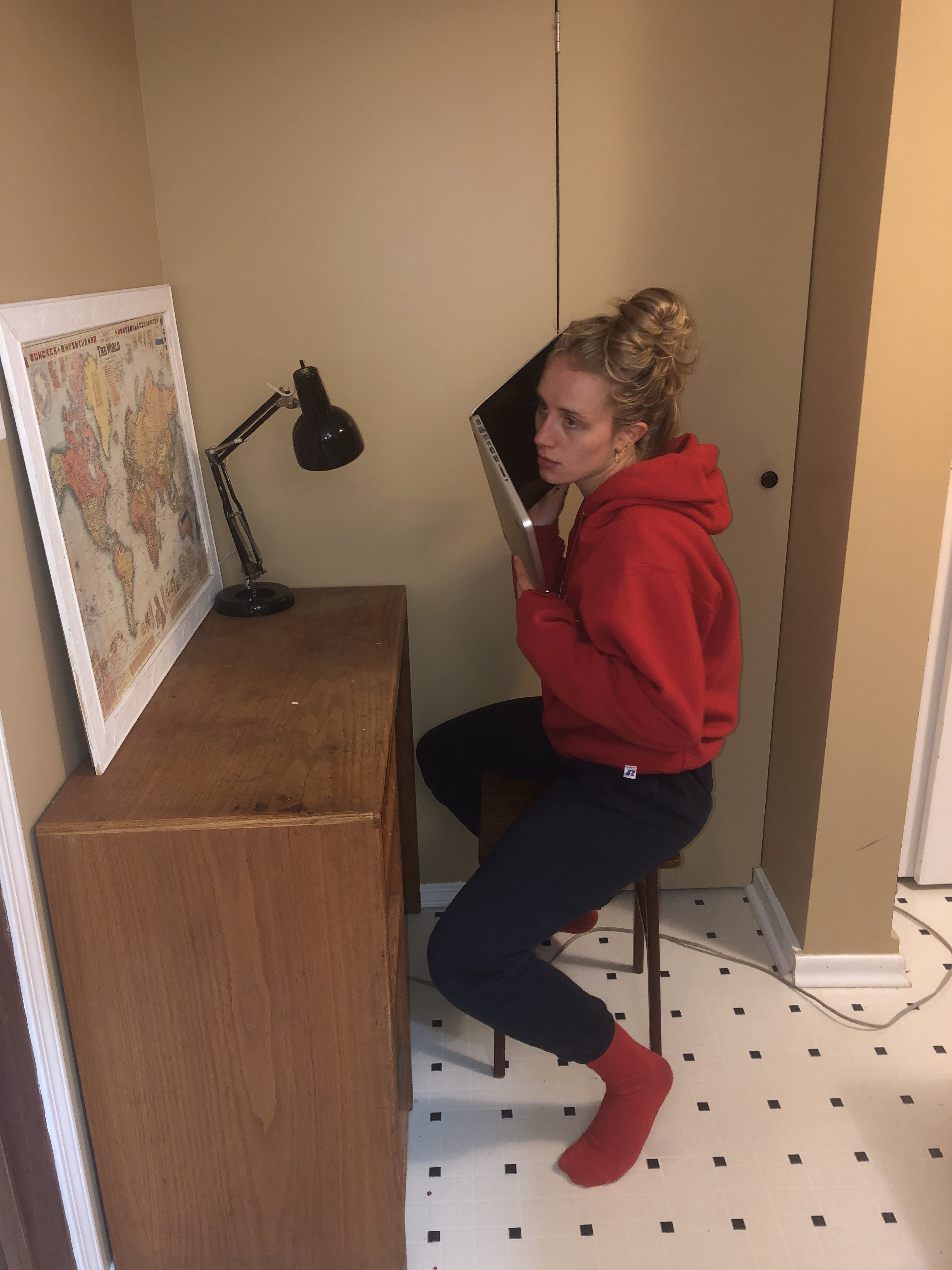
The best thing about online classes is that you can sit any way you want to. Every student hates how in-person classes mean you’re confined to regular seated positions in a regular chair. Butt in seat, back on back rest, eyes looking at the professor . . . Bleh! It’s so typical!

Have a look at these incredible alternative sitting positions, so that maybe you can be more than a boring sack of dust.

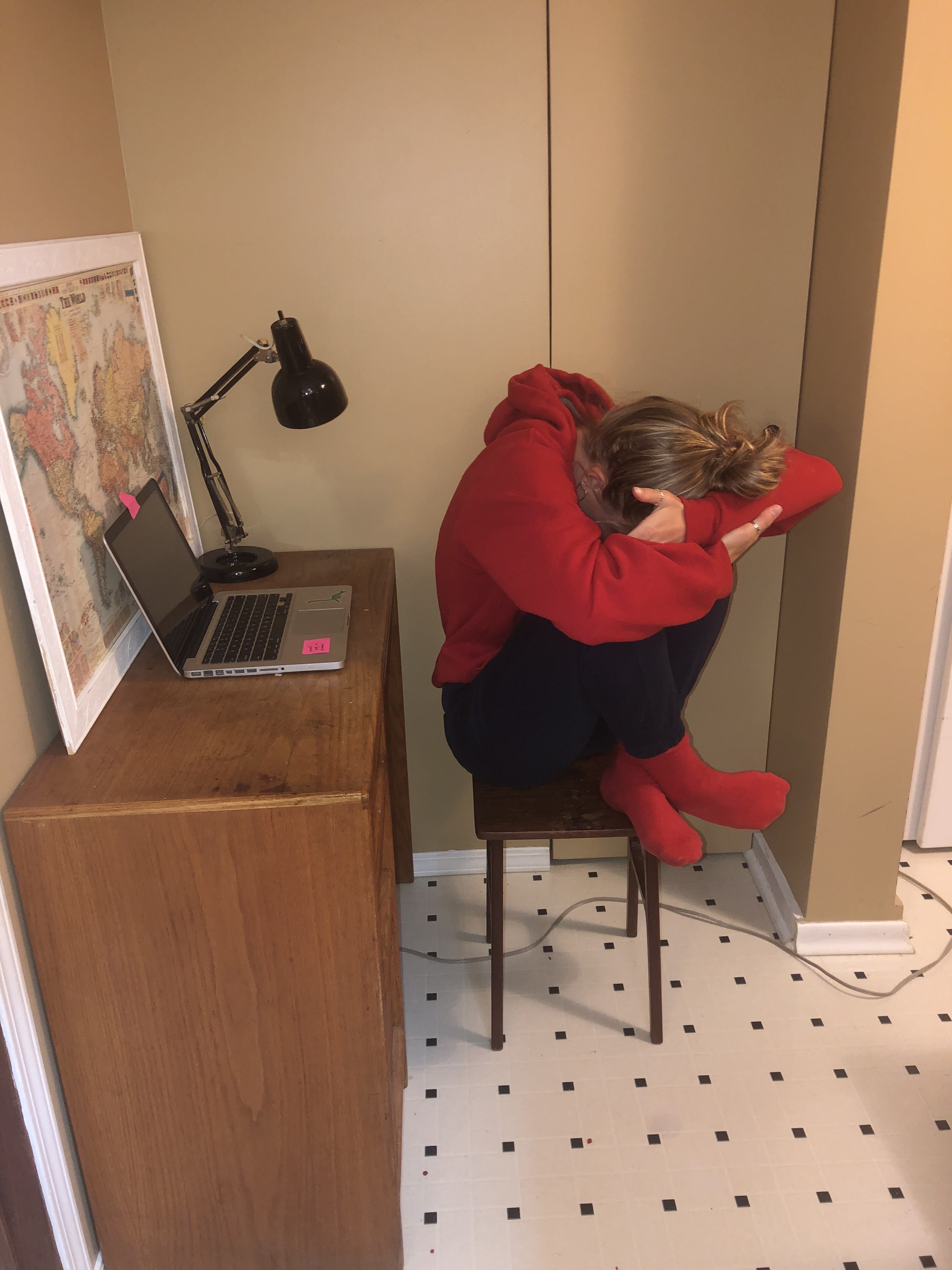
1“I do not like that my lecturer plus 30 strangers can see me, and would prefer not being on camera, but I am not allowed to turn my camera off.”

Alternatively, this also makes you feel like an egg. Which is conducive to learning. 

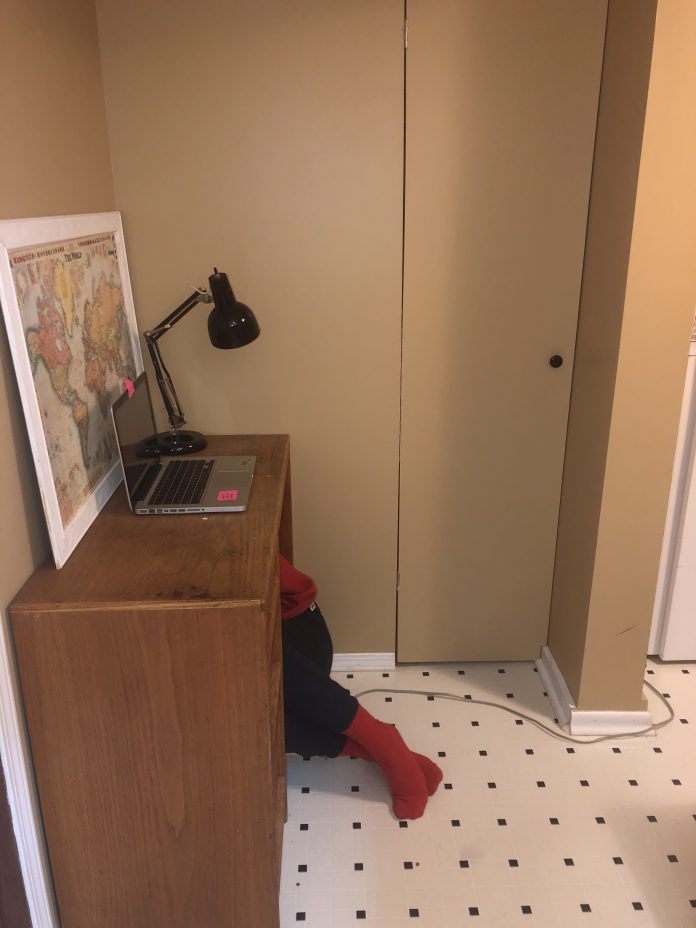
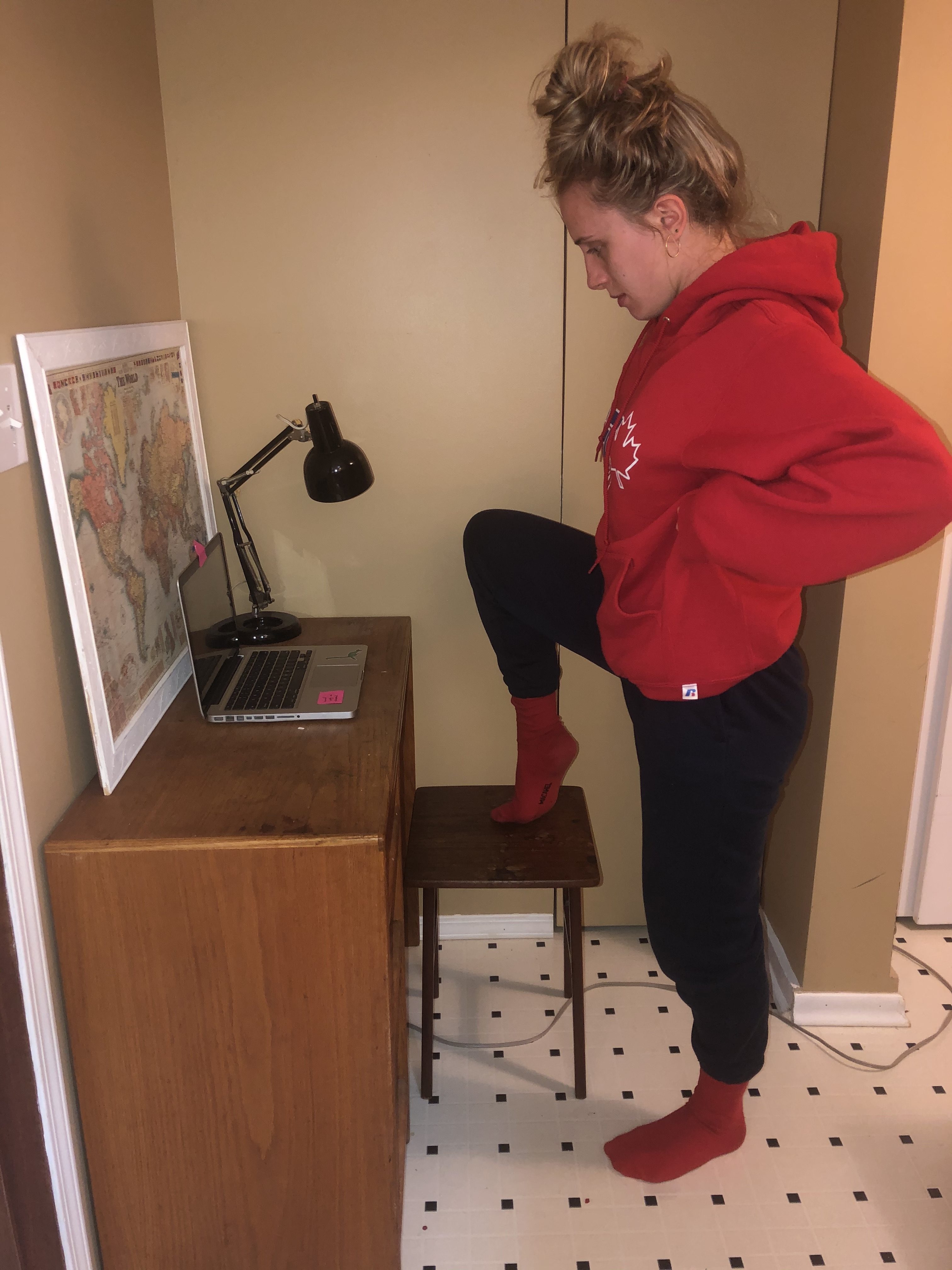
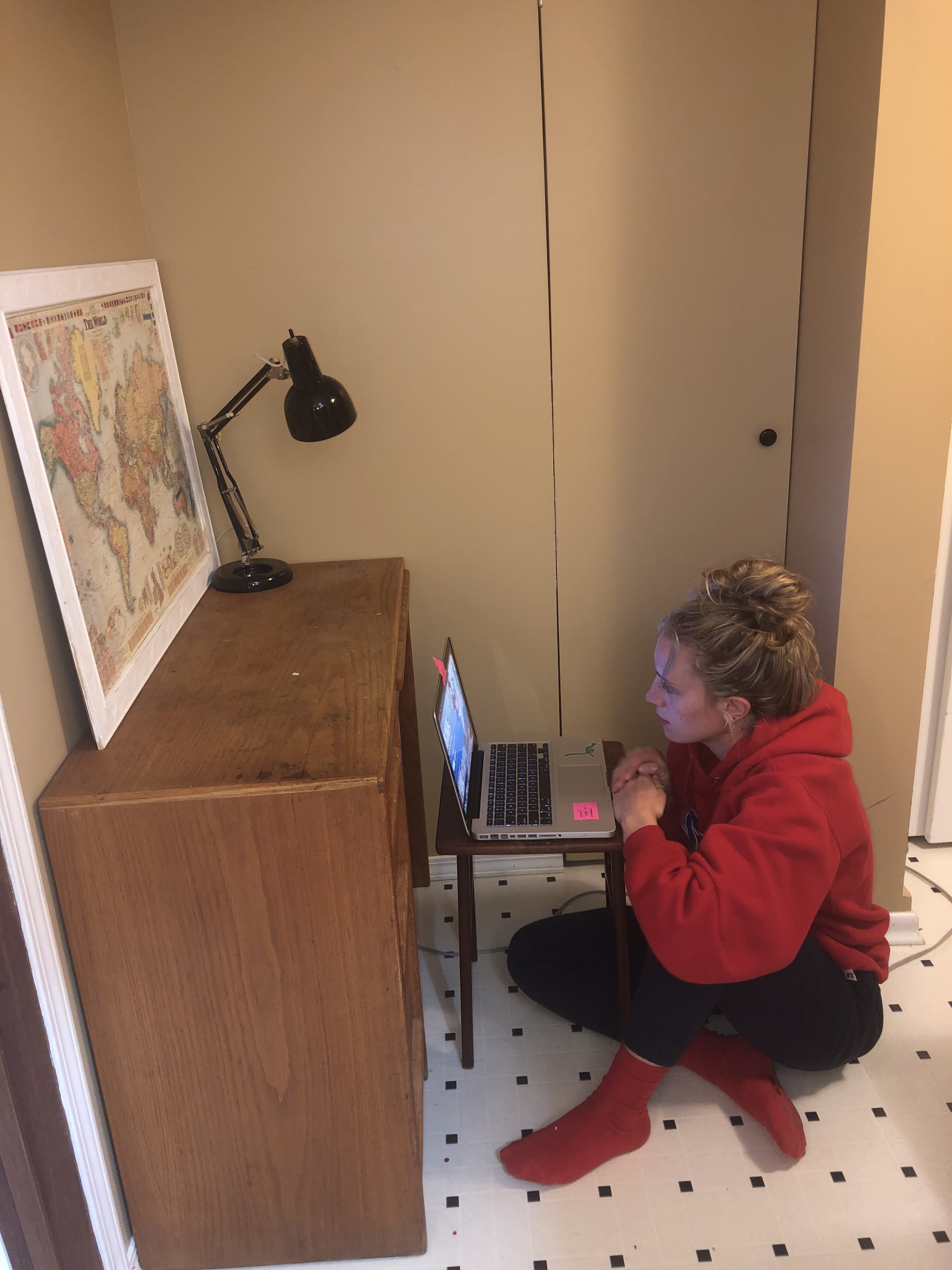
2Toe rest position.

From this angle, you will also have a nice double chin, and there’s a higher probability of having a menacing appearance.

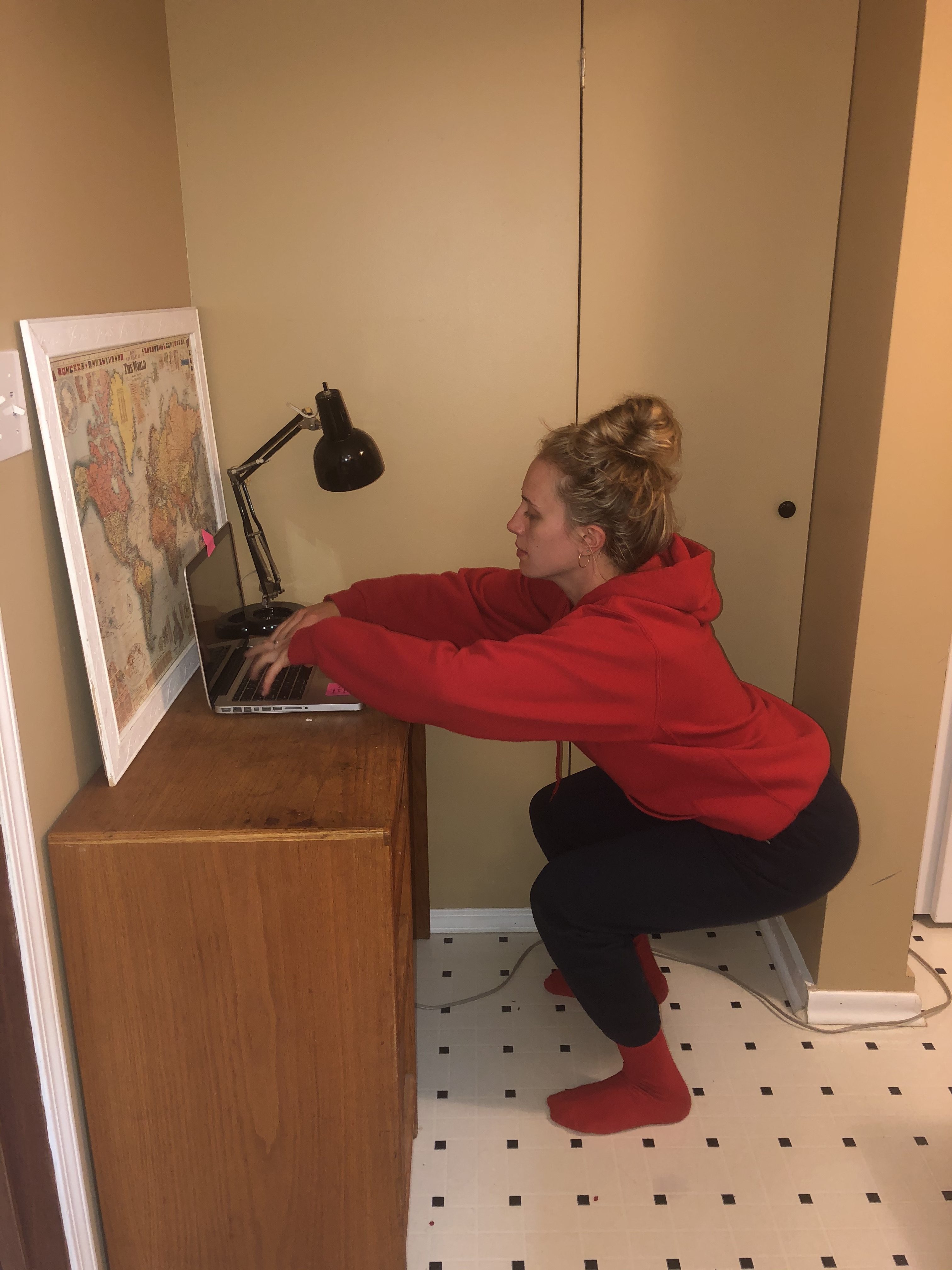
3Pretend your butt blasts fire . . .

. . . and you’re about to power into outer space.

4Your chair can be anything you want it to be.

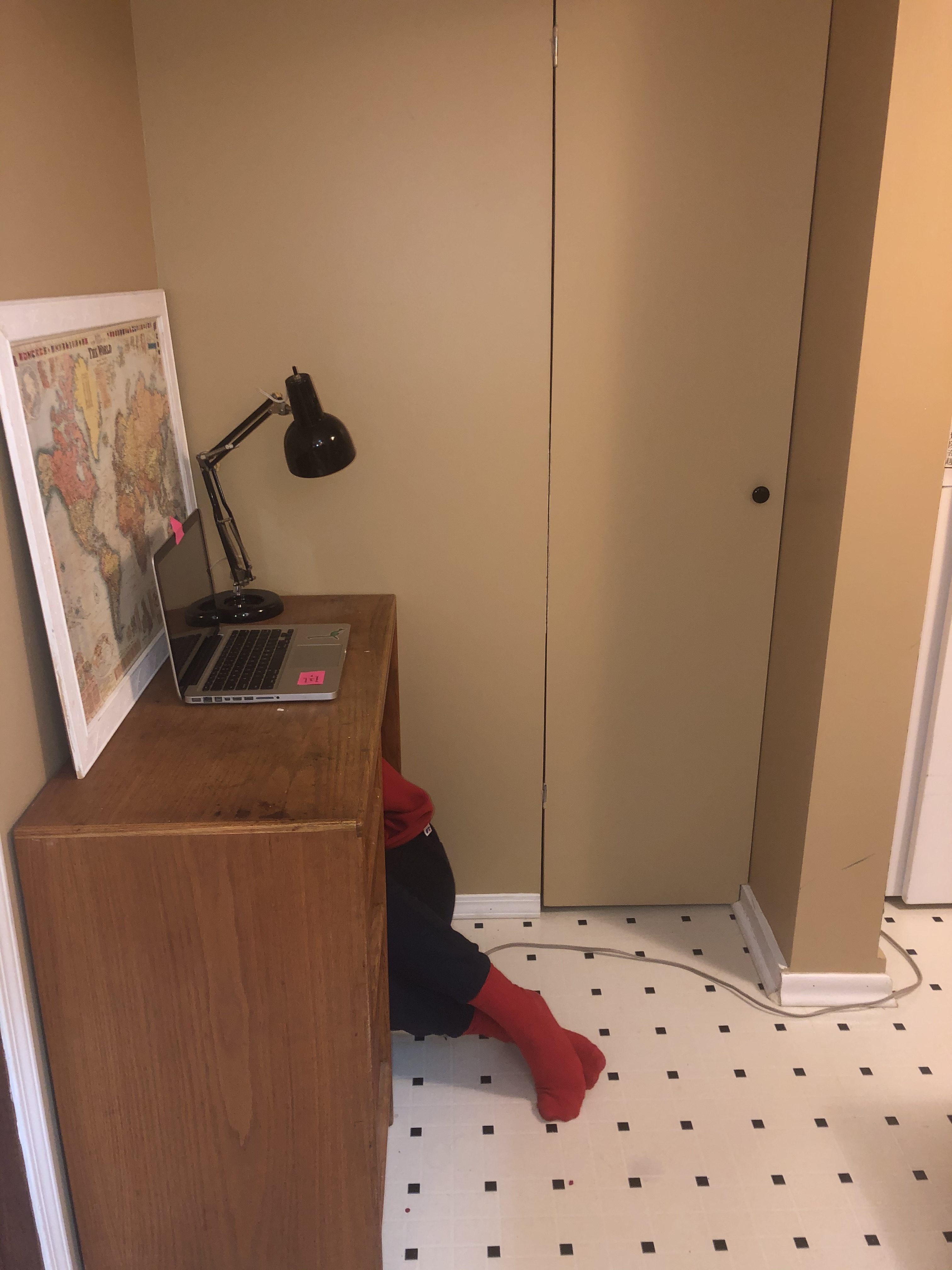
It can even be a table. You have such a wild imagination and people will think you’re quirky because you’re sitting on the floor. 🙂

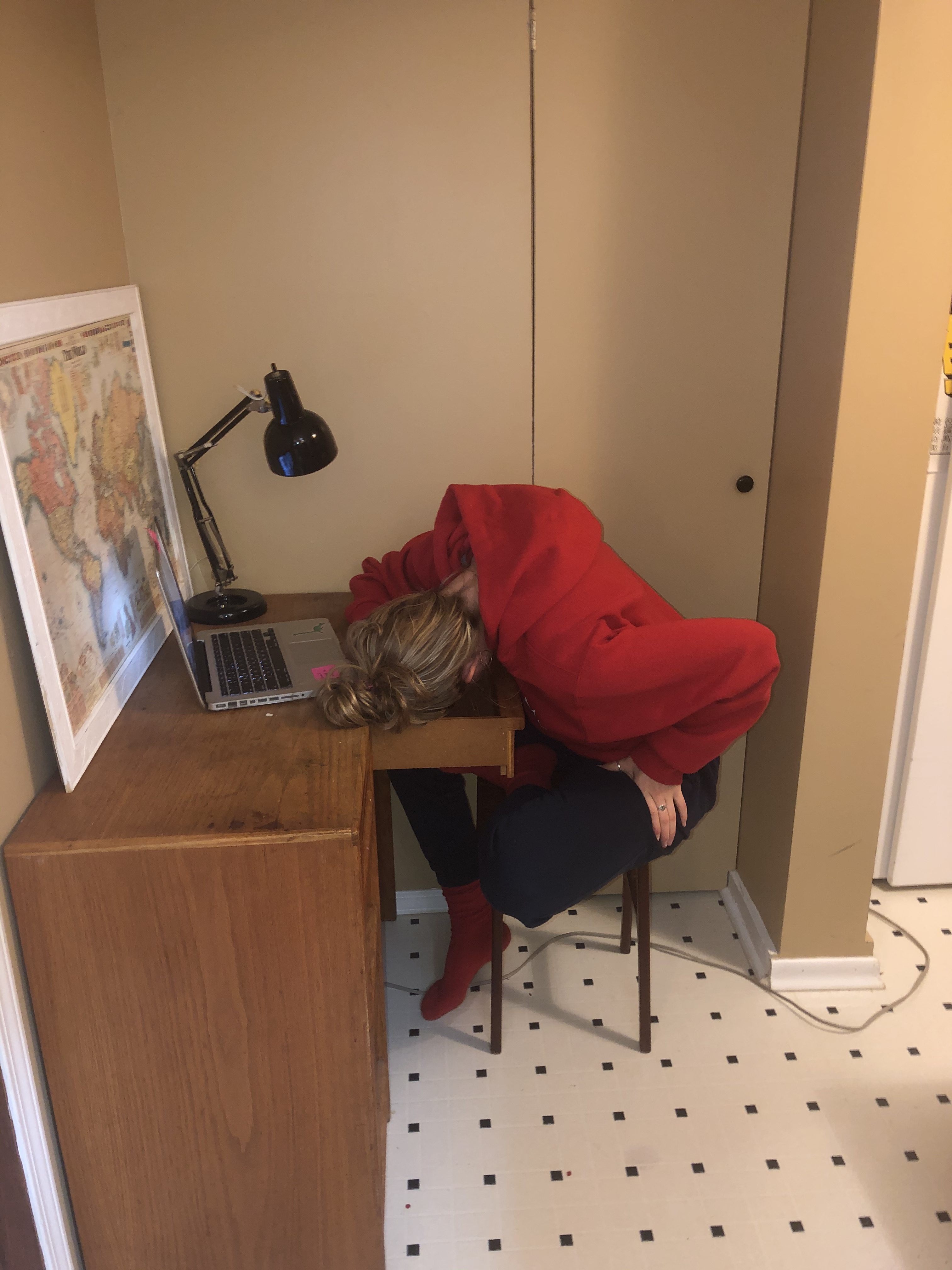
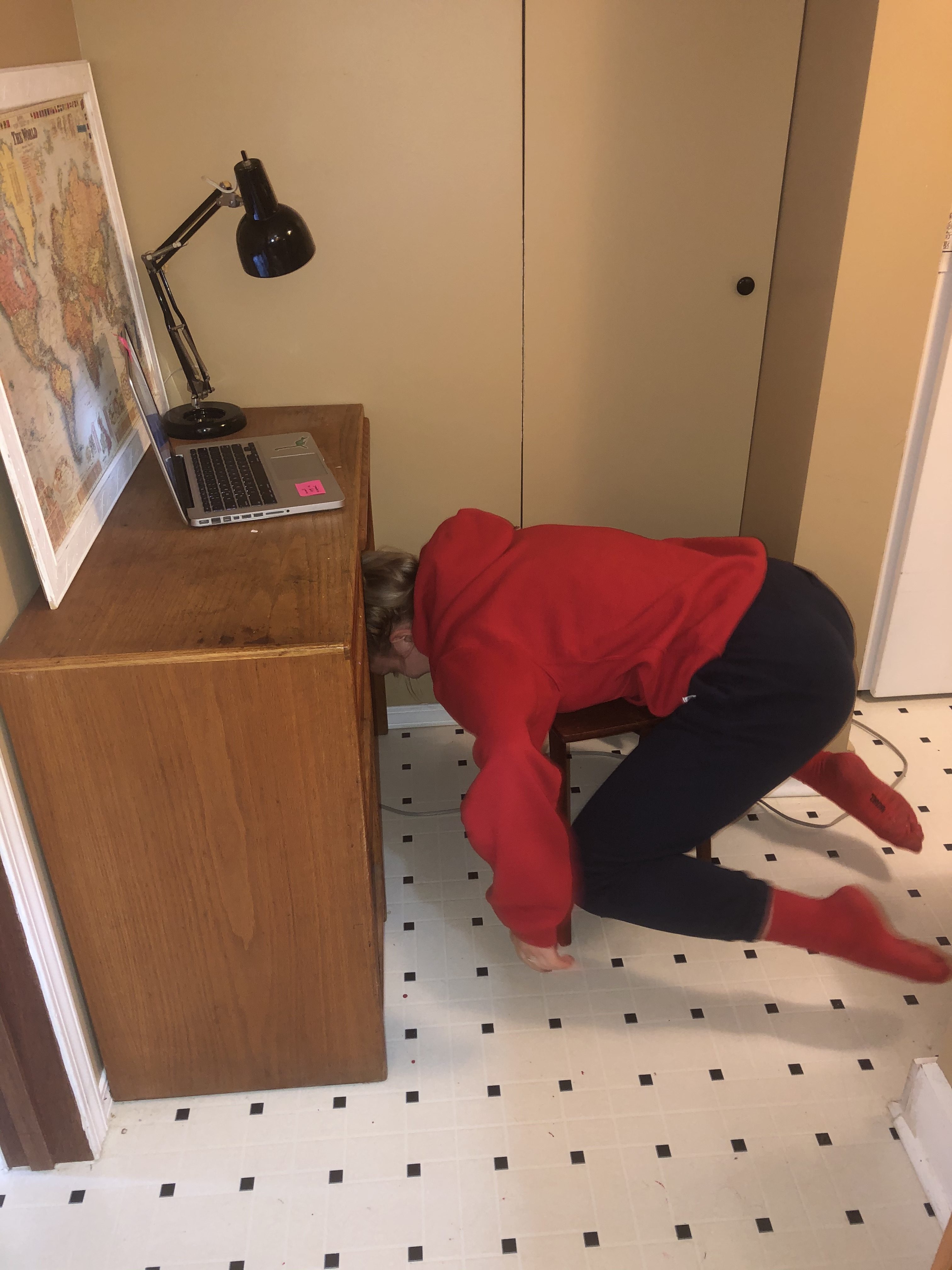
5Head in drawer position.

(Self-explanatory.)

6Your butt warmed up the seat . . .

. . . so now you’re warming up your forehead on the warm spot. 

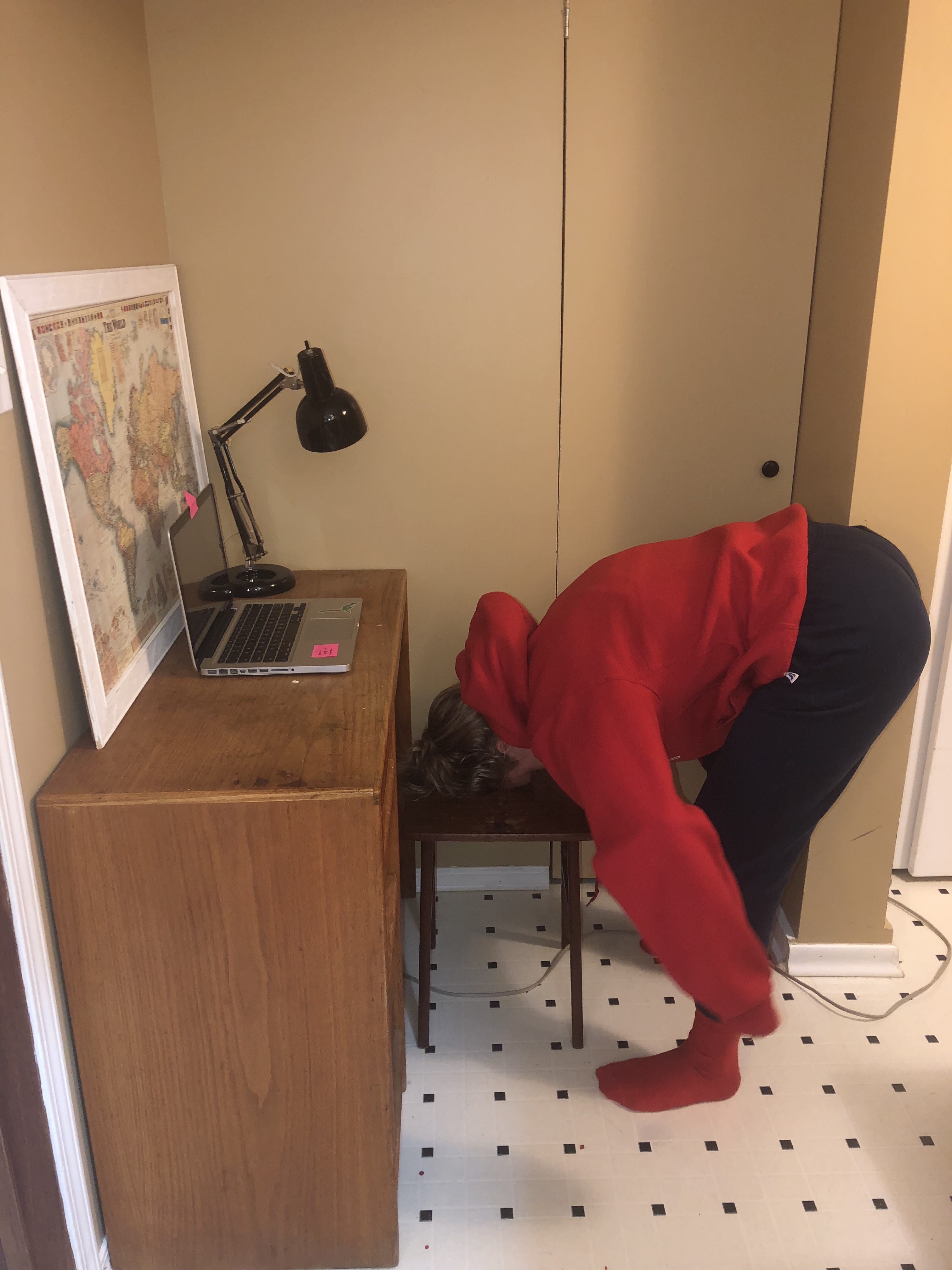
7Look at your lecturer AND at your feet at the same time!

Feet are so funny! Make this position even funnier by wearing funny socks. Funny!

8Your desk becomes your chair.

How whimsical! From this vantage point, you can no longer see the floor directly under the desk. It had started to look like a comfortable place to sit, and so you wanted to resist the temptation to get down there. 

9Oops! The temptation was too strong.

You are now under your desk like a mole person. 

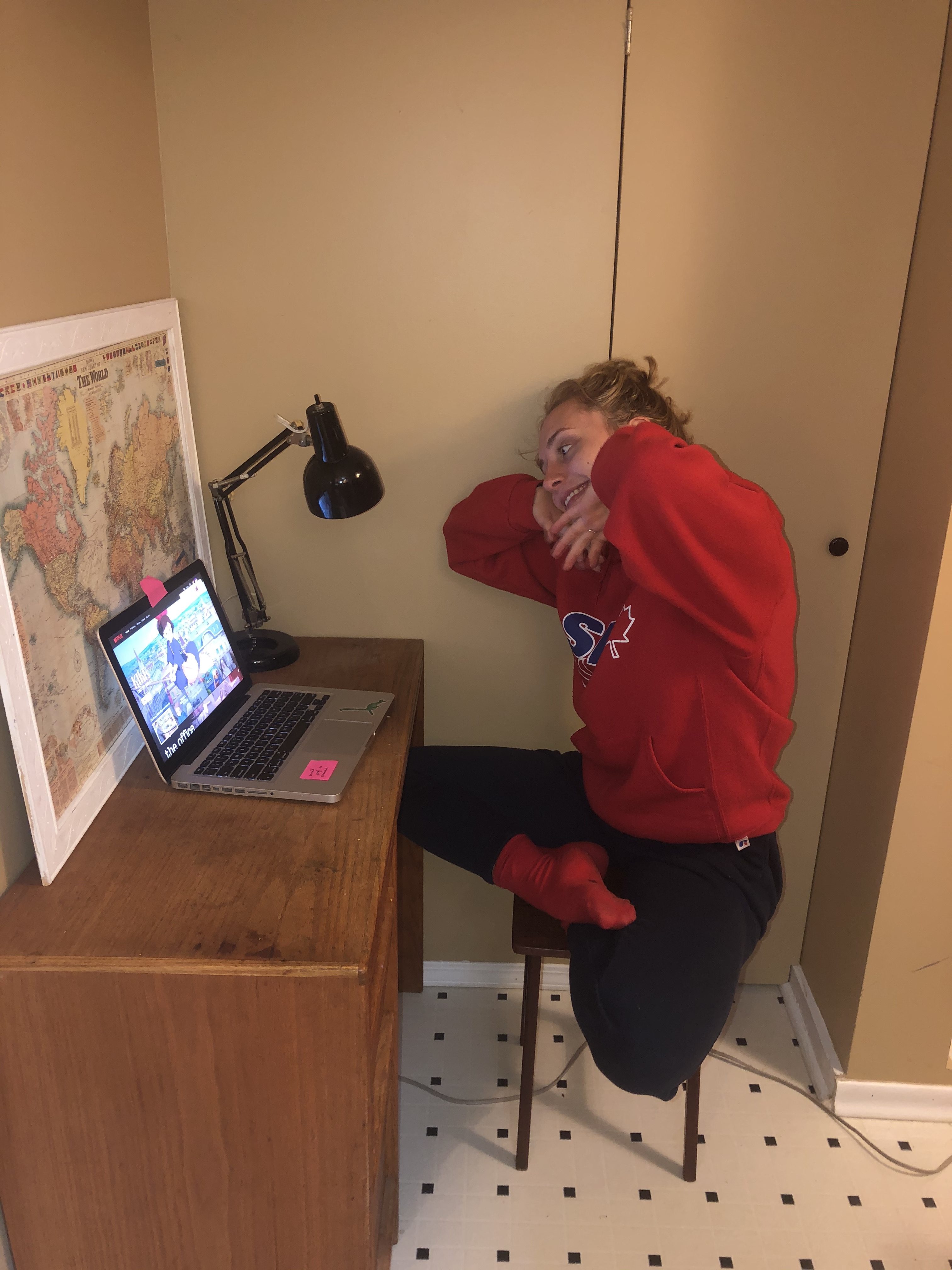
10“Leaving the lecture tab open to peruse Netflix and you make this face to seem interested in the class when really you’re watching Kiki’s Delivery Service.”

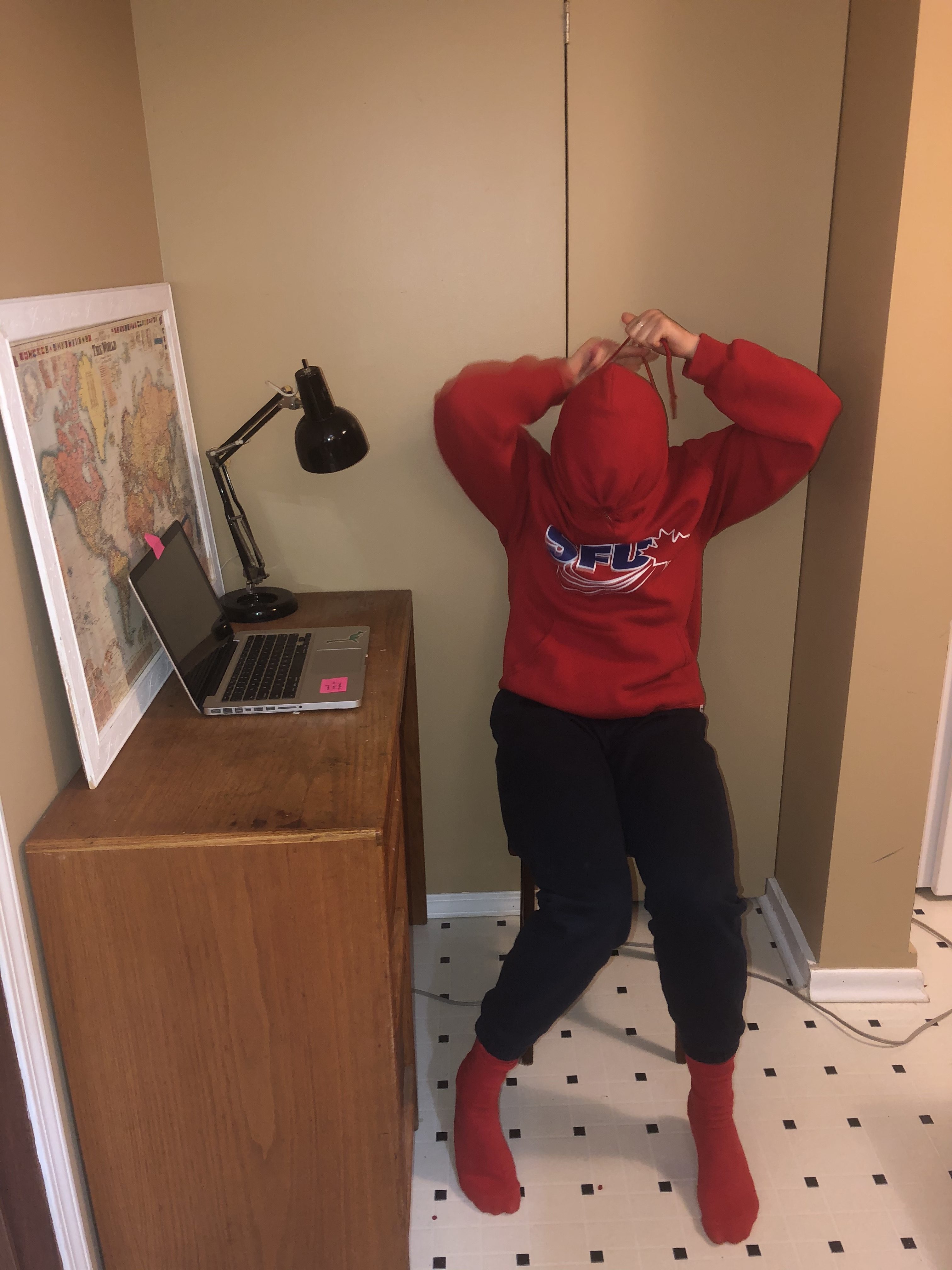
11You wonder what it would be like to have a face cover on like a Dementor.

Your class sees you in the camera and they all start applauding. They see what you’re doing, and they like it.

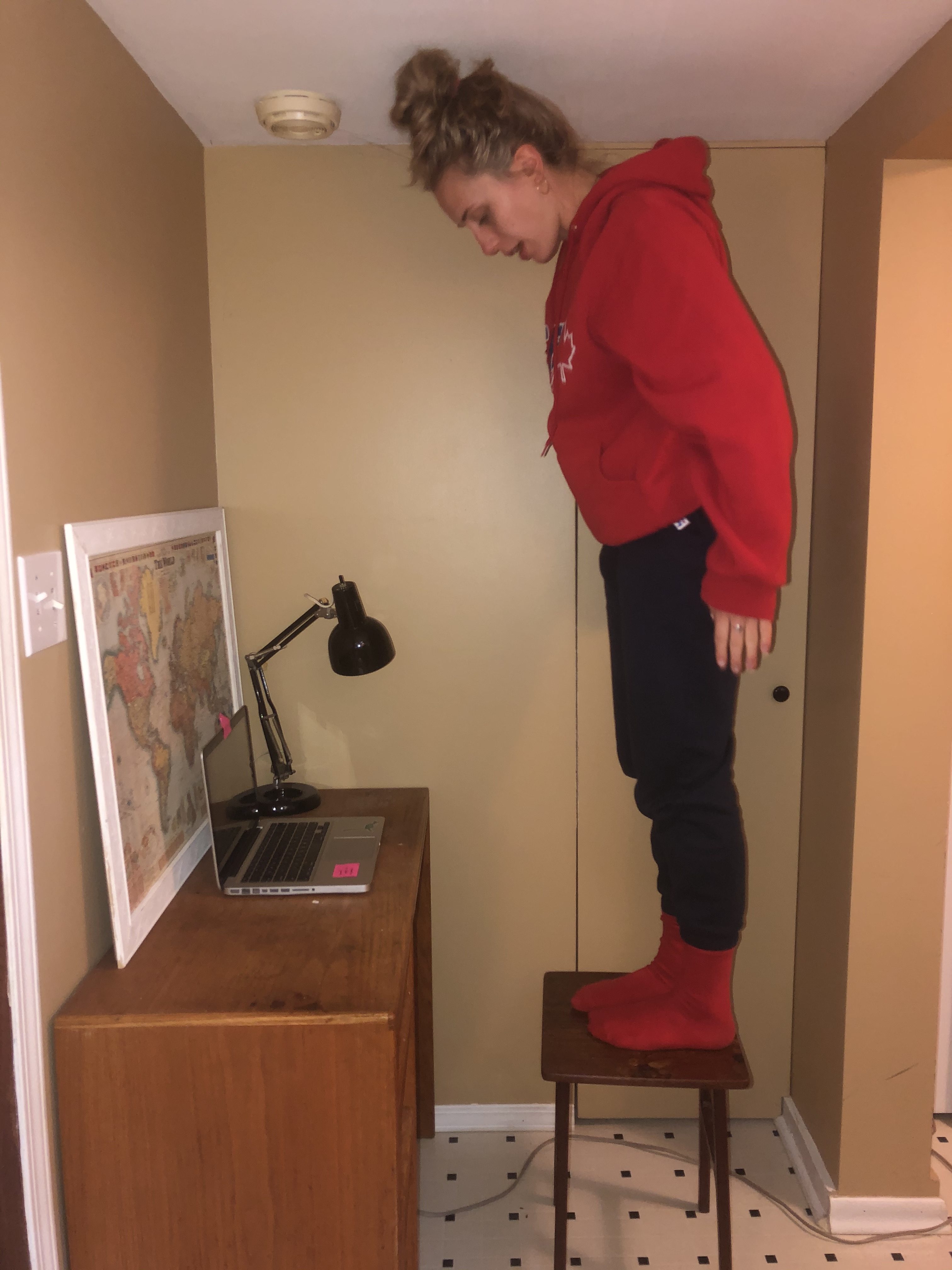
12Floaty feet.

Your feet are not on the ground and you get the sensation of flying. Don’t get scared though! You’re not actually in the air.

13“Hello, hello, baby, you called, I can’t hear a thing.”

“I ain’t got no service in the club, you see, see.” — Lady Gaga

14The feistiest of them all.

This one allows you to SQUARE UP in case anyone acts dishonourable towards you. You can immediately threaten them . . . with fisty-cuffs.

Group partners file for divorce, dispute custody of project

0
Photo courtesy of Zoriana Stakhniv on Unsplash

Written by Devana Petrovic, Staff Writer

Two Beedie students have recently filed for a “group project divorce” after an assignment conflict erupted on their shared Google Doc. Amy Peti, the second year divorcee, spoke with The Peak about the events leading up to the split.

“I just knew it from the very beginning, when my now ex-partner said he didn’t have LinkedIn,” said Peti. I was the only one who was going to take this seriously. I was obviously right.” 

Peti started her own individual document upon the assignment guidelines getting released on Canvas. When finally Peti’s partner, Will Skrüyaova, sent Peti an email two nights before the due date, asking “if [they] should like…start or something,” she decided it was now an appropriate time to include her partner in the assignment.

“So evil, man,” said Skrüyaova, “She added me to a Google Doc, but she didn’t give me editing privileges. I didn’t have to ask — I knew it was because she hated me.”

Peti confirmed Skrüyaova’s statement, swearing that she had “loved him, even though [she’d] never met him” but “just did not want to give someone so ugly and incompetent a chance to ruin things.” 

Their main form of communication quickly collapsed to passive-aggressive suggestions on the document, says Peti. Skrüyaova complained about Peti’s demands for citations, highlights of his grammar mistakes, and criticism of his work having nothing to do with their actual assignment guidelines, amongst other things.  

“It just seemed like we weren’t meant for each other I guess.” 

As tensions started to increase, communication shifted to deleting each other’s text in the midst of typing, leading to a slew of insults. Both parties allege that things came to a head when Peti deleted Skrüyaova’s plant facts and called him a whore. 

Since then, Peti and Skrüyaova have decided to divorce. Now it is unknown whether they are communicating through another Google Doc, Parseltongue, or even at all, nor is it clear whether their split will be recognized in either a court of law or their TA’s grading rubric. Skrüyaova “will not be getting a [grade per]cent of my assets,” Peti promises. 

Their assignment child is currently in the custody of an anonymous student, who had also, coincidentally, just gotten their hands on some extra cash.

Your weekly SFU horoscopes: July 20–26

0
An illustration of a girl with long flowing hair. Astrological signs and stars shine around her.
ILLUSTRATION: Marissa Ouyang / The Peak

Written by Paige Riding, News Writer

Aries: As the first sign of the Zodiac, you really prove that the old saying “first the worst, second the best” is true. When you’re not busy victimizing yourself, you’re bullying others around you. Being a miserable asshole is technically a personality trait, but you’ve made it your whole life.

Taurus: People gravitate towards your calmness. They feel the same pull they feel in the drooping eyelids during a boring lecture. Being around you is tiring, boring, and unhelpful in the long haul. Picture a big ol’ pitcher of alcohol-free beer in your gut. That’s what your company feels like.

Gemini: You’re the human equivalent of a cracked phone screen. You hurt those that try to get close to you, you tend to shatter under any amount of pressure, and others comment on how you should just be replaced.

Cancer: You take the idiom “cry me a river” and run with it — away from any source of conflict, all so you can go snivel instead of solving anything. Some call it sensitivity. Others just (appropriately) call you a little bitch.

Leo: The overwhelming narcissism radiating from your body reaches me in my northern BC town. Keep checking your own social media feeds to see how people perceive you and your God complex will burst right out of your brain. Shut up.

Virgo: You give off such “I’m not like other people” vibes, it’s nauseating. Sure, you’re not like other people. You’re so obsessed with being DiFfErEnT and ~quirky~, shown through your annoying nerdy interests and determination to steer away from what’s “cool.” You’re not like everyone else. You’re worse.

Libra: You’re so forgettable I’m not even going to bother talking about you.

Scorpio: Mysterious? Sexy? Intense? In reality, you doubt yourself and all that you do so intensely that it’s a mystery how you think you can finish your degree or go anywhere. Keep sleeping in this rut you’ve dug yourself.

Sagittarius: You have plans. You want to dismantle the patriarchy. You want to stop capitalism in its exploitative tracks. That’s all well and good, but eat a vegetable first, you piece of shit.

Capricorn: Did you know Jeff Bezos, Amazon CEO, is a Capricorn? Just like you, he prioritizes his own success over the emotions of those around him. His sardonic fascism leaves those he views as “lesser” in suffering. “That’s not me,” you think frantically. But you’re still messaging your TA about your useless group for your project.

Aquarius: When you’re in a bad mood, everyone is. Cute little parasite. Just keep sinking your fangs in deeper every time you message your friends asking “am I annoying? Do you hate me?” Let me answer for them. You really fucking are. And they do.

Pisces: Such low self-esteem. Eeyore feels sorry for you. I would try comforting you, but you’re that dickhead who can never take a compliment. You just brush it off and everyone gets annoyed. Half the time they don’t even mean the compliment they say to you, anyway. Yikes.


Federal government offers grants to student volunteers amid COVID-19

0
Photo: Adrian Wyld / The Canadian Press

Written by: Paige Riding, News Writer

Announced in late June by the federal Government, the Canada Student Service Grant will support students and recent graduates who are volunteering in spite of COVID-19. This grant program falls under the $9 billion COVID-19 aid efforts for students. 

According to CTV News, every 100 hours spent working on COVID-19 efforts will equate to $1,000. This total maxes at $5,000. To be eligible, volunteers must work a minimum of two hours per week for four weeks, and these hours must occur between June 25 and October 31, 2020. 

Volunteer activities with eligible organizations range, including helping seniors learn about technology, mask making, tutoring, and researching. 

There is an age limit of 30 years for eligible students and recent graduates. As well, applicants must either be Canadian citizens, permanent residents, or have a refugee status. Current student volunteers must have enrolled at a post-secondary institution during the spring, summer, or fall semesters of 2020. Recent graduates are applicable if their graduation occurred no earlier than December 2019. Canadians who are in post-secondary school abroad but are currently in Canada also qualify.

Prime Minister Trudeau faced criticism from Conservative Party representatives for the delay in explaining the program. MPs Dan Albas and Raquel Dancho said, “We are already two months into summer — every day the Liberals delay support or refuse to fix their programs Canadians fall through the cracks. Conservatives will continue to advocate relentlessly for all Canadians left behind by Trudeau and his Liberal government.”

Registration for the program closes August 21. November 6 is the deadline for completed applications. More information can be found at a newly developed “I want to help” website.

“There are plenty of service opportunities available for students looking to get involved in their community to support Canada’s response to COVID-19. By volunteering with a local organization this summer, they can gain valuable experience and obtain the Canada Student Service Grant in recognition for their service,” the website’s homepage reads.

When visiting the site, prospective volunteers may search their city for opportunities and register, as well. Not-for-profit organizations submit opportunities to the site, and any openings for any city come up with a search.

The service grant was initially to be administrated by WE Charity, which would have also been “responsible for screening, training and matching applicants with opportunities and distributing the grants.” 

Minister of Diversity and Inclusion and Youth Bardish Chagger recently announced that WE Charity could have received as much as $43 million for it’s commitments, which is more than double the amount of $19.5 million that the federal government initially said it would receive. Trudeau’s family has come under fire for having ties with the WE Charity organization. Multiple family members (wife Sophie Gregoire Trudeau, mother Margaret Trudeau, and brother Alexndre Trudeau) and Trudeau himself have been paid to speak at WE Charity events in the past. 

The contract between the federal Government and WE Charity has been cancelled. 

Music Monday: Socially Distanced Neighbourhood Strolls

0
"Monday Music" in giant yellow block letters with a red background
Monday Music: your weekly themed playlist. Image courtesy of The Peak.

All Monday Music for the Summer 2020 semester is now available on The Peak’s Spotify Playlist, Monday Music Summer 2020. Don’t forget to follow thepeaksfu on Spotify to listen more easily!

By: Alex Masse, SFU Student

I don’t know about you, but I’ve personally spent social distancing getting intimately familiar with every block of my neighbourhood. I’ve taken every nearby path in the park, gotten lost in the suburban labyrinth, and picked lots of flowers along the way. 

With the nature of the whole quarantine deal, these walks can be rather lonely. So, here are four songs to keep you company that I feel really capture the vibe of walking through abandoned parks and suburbs. 

“Run Rings Right Wrongs” by Cosmo Sheldrake 

Courtesy of Tardigrade Records

The name Cosmo Sheldrake might ring a bell, and that would be because one of his songs, “Birthday Suit,” went viral late last year on apps like TikTok for its ominous instrumentals, Sheldrake’s unique voice, and its ambiguous genre which has been described with terminology such as baroque pop and folktronica. “Run Rings Right Wrongs” is the same, packed with atmospheric sounds and samples that bring to mind wandering through an ancient forest. It’s much brighter, and to many brings a sense of youthful amazement. Perfect for picking flowers and watching the clouds go by. 


“Sugar Neighbors” by Dane Terry 

Courtesy of 682902 Records DK

I listened to this slow jam on a stroll a couple weeks back. I walked down a hill, looked up to a clear blue sky donning the first tints of sunset, and felt an almost crushing sense that things were going to be okay. That’s actually a line in the song: “And for a moment I / I thought I could see / things get better than we ever thought they could be”. It’s a simplistic enough song, with a basic instrumental and Terry’s voice. But what a voice it is, dreamy and wistful. Also, as I was walking, I ran into a dog, which made a great moment even better. Really, though, this song is just magical. It feels like summer sunsets and sepia. 


“Just Fine” by Desirée Dawson

Courtesy of Desiree Dawson Music

Yet another song that reassures me into next week, this one by local gem Desirée Dawson. As the title suggests, it’s a dance-y, pop-y go-to anthem for healing, rising, and being just fine. Walking along abandoned roads and belting this out when the world seems so scary is a powerful experience, one I can wholeheartedly recommend to everyone. The way the song builds up, the chorus always hitting just right, makes it the perfect song to sing along to. Each instrument works in harmony, and Dawson’s voice is so strong but also so sweet. As society creeps back to normal, listen to that voice telling you things are going to work out, that things are going to be just fine. 


“If I Were” by Vashti Bunyan 

Courtesy of Vashti Bunyan

This folk song is dreamy in the best way. Like Cosmo Sheldrake, Vashti Bunyan’s sound is that of wondering and wandering, though hers is gentler. It’s picking flowers and searching for shapes in clouds. With the world so quiet, you can really enjoy every note of Bunyan’s soft voice and the whimsical track behind it. The story the song tells is one of yearning hypotheticals: “If I were to go away / Would you follow me to the ends of the earth / To show me what your love is worth?” It’s dreamy, it’s flickering, and it almost feels like a lullaby, but those lyrics keep you ruminating, keep you reflective. I wish I could listen to it for the first time again. 

Catherine Dauvergne will be SFU’s next Vice-President, Academic and Provost

0
Photo courtesy of SFU News

Written by: Michelle Gomez, News Editor

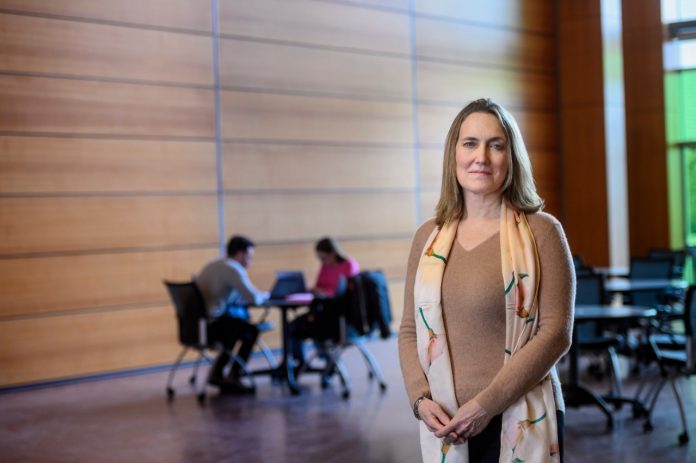
Dr. Catherine Dauvergne is currently the Dean of Law at the Peter A. Allard School of Law at UBC, and previously held the role of Special Advisor to the UBC President between 2009 and 2011. She was also appointed to the Queen’s Counsel in 2019. However, beginning November 23, 2020 and until August 31, 3025, Dr. Dauvergne will serve as SFU’s Vice-President, Academic and Provost. 

The Vice-President Academic and Provost is the senior academic officer at SFU, and oversees all academic programs. They are also involved in supporting students, recruiting and retaining faculty, supporting innovation in academia, and responding to community needs with research. Throughout COVID-19, the VP Academic and Provost has been heavily involved in academic, research, and course delivery planning. 

Members of the SFU Senate brought up some concerns in the June 8 Senate meeting regarding the appointment process of the new VP Academic and Provost. The main critique was the lack of a public presentation of a short list of candidates prior to the appointment being made, which is what has typically been done in the past. The Board instead chose a single candidate for approval or denial of the position. 

Dr. Jonathan Driver originally held the position between 2008 and 2016, however, is currently serving on a pro tem basis for the 2019/20 academic year. 

“We are grateful to Dr. Driver for serving as Vice-President Academic and Provost pro tem, and most recently for his role in leading SFU’s COVID-19 operational response team,” said an SFU news release