Home Blog Page 269

Finding unexpected queer community in a religious school

0
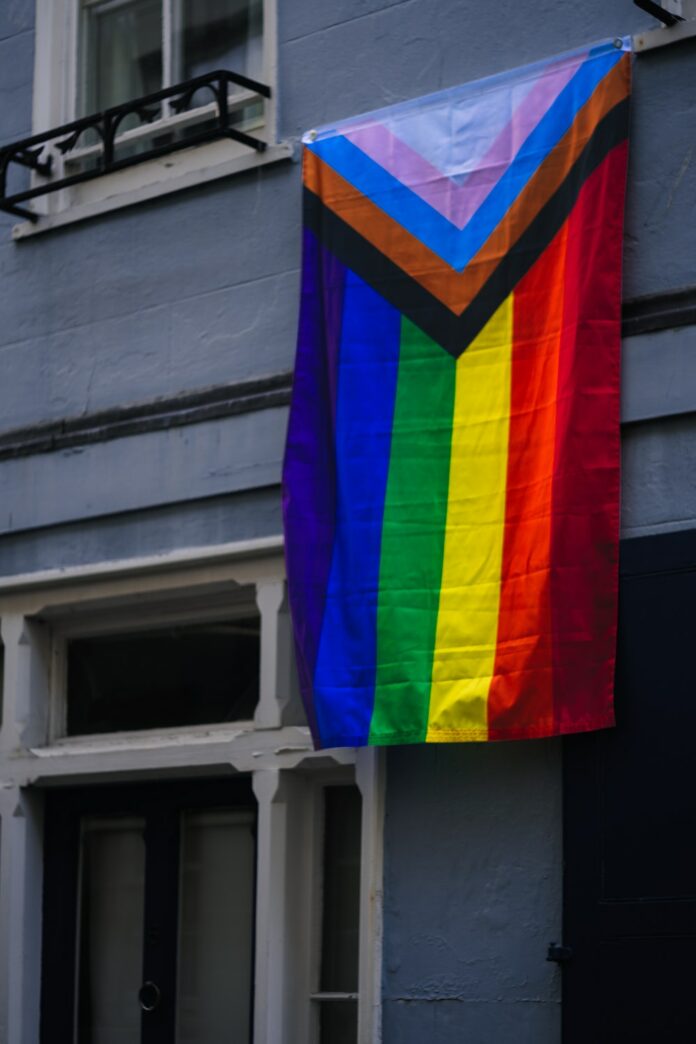
A pride flag hangs in front of a grey building. The flag includes the rainbow colours, as well as the pink, blue, brown, and black stripes.
Despite church teachings, I found myself and my community. PHOTO: Jack Lucas Smith / Unsplash

By: Fern Ridley, SFU Student

Content warning: queerphobia, religious bias

I think most people who grew up aware of their queerness felt like they were the “only one” at some point. I was attracted to girls before I even realized I was expected to like guys, but felt like I couldn’t tell anyone because I had no one like myself to look up to. Thankfully, the indoctrination never came from my family, but when you spend seven hours a day at a homophobic religious school, you can’t avoid queerphobia. 

I was 12 when I cut my hair short for the very first time. It felt like a weight was lifted off my shoulders, both literally and figuratively. I remember showing up at 7:00 a.m. basketball practice sporting a gleeful grin while passing my peers and awaiting their responses. 

“There’s a boy on our team!” cried one girl.

“Are you a lesbian now?” rung in my ears. 

This wasn’t my attempt at coming out. It was nothing more than an experimental haircut, but at my school you might as well be wearing a rainbow shirt with the word “queer” embellished on the front. I’d always had a hard time fitting in, even before people assumed I was queer. Now, even my closest friends would turn around and avoid me while changing. 

I’d always felt different from everyone else, but as the only girl in middle and high school with short hair, I had become a target. I remember the day the guidance counsellor called me into his office and sat me down. It was freshman year of high school, shortly after I buzzed my hair even shorter. He said he could tell I wasn’t like the other girls, and told me to listen more earnestly to what I was being taught at school about a woman’s role. It was for my own good, he told me.

Sometime after, I confessed my feelings to a crush. He responded by telling me he would’ve liked me back if I’d told him before I cut my hair. My first boyfriend was the first person to like me back since my haircut. I had scooped him up in part to “prove” my supposed heterosexuality to all the girls in my grade.

Growing up queer in a religious school is terrifying and confusing. It’s almost like being in two closets, one of which keeps you locked out from being able to see your true self and the other from everyone else. With such little conversation about sexuality in my school, queer people became a fantastical “other” that were associated with the daunting “outside world.” 

Fundamentalists like to pretend they can fashion a neat little bubble to protect their loved ones from reality. “Hate the sin, love the sinner,” is something you’ve probably heard if you grew up in a Christian environment. As a kid, it made sense to me. We were brought up to believe that all humans are sinners, and because of that everyone’s equally . . . evil.

It doesn’t sound as nice looking back as an adult. How can you reduce someone’s identity to sin? How can you equate the innocence of sexuality to something harmful like deceit or violence? I experienced a lot of cognitive dissonance about my sexuality and gender because of this saying, and would constantly write off my feelings as a passing phase. 

When I found myself friendless again in my freshman year of high school, I met a small group of people that felt like home to me. We spent hours in Animal Crossing changing our hairstyles and outfits. We dabbled in cosplay and embraced fantasy fiction as a way to escape our repressive realities. None of us realized it at the time, but our queerness was a big part of what brought us together. 

Our friendships were characterized by a lack of judgment. Because we were all closeted at the time, this acceptance was seen mostly through a shared enjoyment in our hobbies. We all had different interests, but supported each other nonetheless. After high school, we faced more serious challenges because of our identities. Discovering we were all queer felt like meeting each other all over again, in the best way possible. 

Now, we have a lot more to connect with each other about and have started to process our upbringings. Some of the things we’ve collectively experienced were being ostracized when going against gender roles, the startling lack of resources we grew up with, and the lack of knowledge around queerness and gender. The few times I remember teachers speaking about queerness was when they were offering an outdated religious perspective on current events. No one dared question the teacher for fear of being outed. 

Friends have spoken about how the shame carries over, sticking with them even as they try to unlearn it. Ultimately, it prevented us from coming into our own. 

One of my friends expressed “that you can’t keep people from being themselves forever, only delay people from discovering their true identity.”

Looking back, I can name many queer people that I went to school with, but only one came out in high school. The rest stayed silent until after graduation because there was such a high risk of ostracization. What we’ve all learned is that suppression does nothing to “cure” queer people, and everything to harm them. 

Graduation felt freeing, but it was hard to fight the sense of isolation ingrained in us. Without a clear sense of community, queer people from our school felt like we were on our own. Because we were all forced to hide ourselves, it felt like we were thrown into adulthood without the community that those who attend public school may have. 

I was only able to truly love myself once I fully removed myself from the fundamentalism I grew up with. The more I remove myself from learned bigotry, the prouder I become of my queer identity. My friends and I are still learning how to openly be ourselves but I’m glad that I managed to maintain our connection. If things went any differently, I don’t know if I’d ever become comfortable in my own skin. 

No matter how hard people try to silence conversations about gender and sexuality, they’re only teaching students to hide themselves. We are who we are regardless of what our teachers say. It breaks my heart to think about the suffering we all endured, feeling alone and unable to express our identities. I can only hope that in time, fewer people will have to experience what we did growing up. But ultimately, I’m grateful nonetheless for the community I unexpectedly found.

Political Corner: Canada’s medical system is failing us

0
black and white stethoscope
Canadians lack consistent “reasonable access” to healthcare. PHOTO: Hush Naidoo / Unsplash

By Olivia Visser, Staff Writer

Canadians like to boast about our country’s exceptional healthcare system. “It’s free!” they’ll exclaim. And while it’s true that you can visit a Canadian emergency room without having to worry about racking up a semester’s worth of debt, there’s still work to be done to ensure equal access to routine and critical healthcare.  

The Canada Health Act (CHA) is the federal statute that guides provinces on the quality of health services and coverage. The Act aims to “facilitate reasonable access to health services without financial or other barriers.” It’s not as effective a safety net as you might think. 

The problem is that the CHA doesn’t specify what “reasonable access” means, leaving it mostly up to each province’s discretion. One study found Canada’s quality of healthcare services is unfairly distributed to people based on people’s “gender, ethnicity, geographic location, and socioeconomic status.” 

Class inequities in healthcare are exacerbated by historical marginalization. Indigenous communities, for instance, face some of the most significant barriers to receiving quality healthcare. 82% of Inuit living in Inuit Nunangat do not have a family doctor. Surely, that should constitute a violation of what most Canadians consider to be “reasonable access.”

The CHA is not only failing to deliver equal access, it’s failing to support home and community care, as well as outpatient prescriptions. As such, delivering quality care lies largely in provincial, territorial, and municipal guidelines. That’s only the beginning of how the CHA is failing to address critical care. 

For conditions that don’t present an immediate risk to one’s life, finding support is a lofty task. Canadians with endometriosis experience an average diagnosis delay of more than five years, despite it affecting roughly 1 in 10 people who have a uterus. It’s considered one of the most painful conditions in the world, yet it’s one of many chronic illnesses that aren’t properly cared for under our system.

Those with rare and under-researched chronic illnesses also suffer from substandard care in Canada. A BC woman in her 30s living with the genetic Ehlers-Danlos syndrome was recently approved for medical assistance in dying, despite reportedly wanting to live. She commented that accessing “death care” was easier than navigating our poorly managed healthcare system. 

Mental health remains one of the least accessible services in Canada, despite the growing movement to normalize it. Federally, the cost of mental health services is only covered if they are deemed “medically necessary.” This means psychology services provided outside of a hospital will generally cost you out-of-pocket. In BC, outpatient psychology services are only covered by your provincial Medical Services Plan until you reach the age of 18. After that, you’re on your own. An adult autism diagnosis in BC is around $2,500, and the average cost of a single therapy appointment is at least $100. Many extended health plans provide a very limited amount of coverage for such services. The same can be said for dental care and physiotherapy. 

The CHA needs to be amended to define what “reasonable access” means, and ensure it actually is reasonable. Denmark offers “free and equal access to healthcare for all citizens,” leaving less room for interpretation. Their system includes a comprehensive list of patient rights, like a time limit on diagnosis and treatment. In hospitals, the limit is 30 days. If it can’t be met, patients are given the option to be treated privately or abroad for free.

We need to stop dismissing people’s suffering by falling into the belief that our healthcare system is efficient enough. It’s not. This is a crisis that not enough people are talking about. Discussion may only be the beginning of real change, but it’s an important piece of the puzzle. Only once we amend the “reasonable access” clause can we start dispensing quality care to all Canadians. 

Mosquitoes? More like mosqui-foes!

0
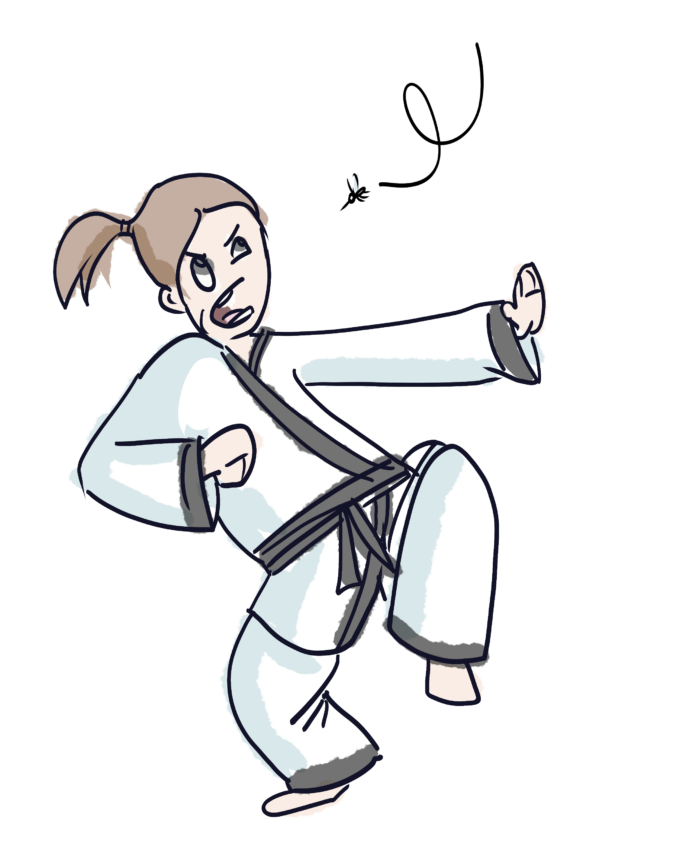
Illustration of a person in a karate gi fighting a stray mosquito
ILLUSTRATION: Nazmus Sakib / The Peak

By: Chloë Arneson, News Writer

  1. Hand-to-hand combat

    Instead of letting the mosquitos come to you, take the fight to them, Mr. Miyagi those suckers. Take a trip to your local gym or dojo so when mosquitoes see your muscles, they tremble in fear instead of drooling with hunger. Whether it’s karate, judo, or krav maga, this summer you’ll be prepared for the onslaught of attackers from every direction thanks to your new martial arts training. When those flying bad boys come, and they will, you will be able to bravely defend yourself and your loved ones from mildly inconveniencing itchiness.

  2. Elaborate disguise

    If you can’t beat ‘em, join ‘em. This summer try taking up a few sewing classes to create your very own DIY mosquito costume. Grab your favourite snack and relax knowing those pesky bugs think you’re one of their own. You’ll be able to reuse this costume throughout the whole summer, making it easy and cost-effective.

    *Pro tip: don’t make your costume too realistic or else you might be attracting too much attention from mosquito hunks asking for your Snapchat. Consider adding an extra leg or a discoloured eye to make sure you don’t pull it off too well. 

  3. Get lit

    After some scholarly research, we have found that one of the easiest and safest ways to kill mosquitoes is by using what you already have — booze. Well, kind of. Apparently, these foul beasts are not as big fans of the juice as we humans are, and a plastic spray bottle full of 90% isopropyl alcohol will be able to kill mosquitoes with a refreshing fine mist. Just don’t drink the mixture as we can guarantee it will not taste very good. Instead, try sipping an ice-cold beer knowing you have a foolproof and simple way to get around one of the most annoying parts of the season.

  4. Call Batman

    When all feels lost, when you’re outnumbered 100,000 to one and the odds of you surviving this summer without your blood sucked out is slim, there’s only one man you can call. Batman. Small bat species can eat “at least ⅓ of their weight in insects a night,” according to Animal Food Planet. So if the masked vigilante is feeling particularly generous, or perhaps is also fed up with the relentless itching, maybe he can swing by and help you out with the summer swarm.

  5. Destabilize the state

    This one is a little complicated but will pay off in the long run. You will need some special supplies. If you have an inconsolable hatred of mosquitoes as I do, sometimes just smacking them off your arms is simply not enough.

    Here’s what you can do: gather a few mosquitoes and stick them in a makeshift laboratory. Domesticate your own sub-species of specialized insect spies that are loyal to only you.

    Take inspiration from the CIA if you must. By turning mosquitoes against mosquitoes, they will start to betray one another. Friends turn against each other and entire civilizations of pests will crumble at your feet. Rest easy knowing that you have freed yourself and generations of innocent campers to come from the terrors of blood-sucking foes.


Stop shaming people for liking kid stuff

0
Teddy bear with goggles
I’ll bet there’s not a single reader that wouldn’t want to give this fella a hug. Barrett Ward, Unsplash

By: Olivia Visser, Staff Writer

I was browsing Instagram reels the other day when I came across a video of a young adult excitedly buying a weighted stuffed animal. The comments were littered with people mocking them simply for finding solace in a harmless object.

“Life doesn’t get easier sweetheart. Might need to upgrade to a bottle of wine,” said one commenter. Sure, because substance use is a much preferable coping mechanism to owning Squishmallows and Tamagotchis. Another added, “She may want to consider working out and maybe getting a hobby.” Mind your business, bud. 

Let’s be honest, no one believes the people who tell us they don’t enjoy stuffed animals, or at least find them cute. One UK study found that 25% of men take a teddy bear with them on business trips, while 51% of British adults reported still owning their childhood plushie. There’s something to be said about the power of comfort and nostalgia. Studies, even. I don’t think we should be embarrassed about that. 

“Childish” is an arbitrary term. And yet, we see it used on the regular to bully people with comforting interests outside of the mainstream. Social simulation games like Animal Crossing and Harvest Moon are often the subject of criticism from people with gatekeeping attitudes. I’m sure most people who call these games childish have fond memories of playing Pokémon on their GameBoy Advance. Gaming, like most hobbies, should be about having fun, not competing for a moral high ground. 

Elitism permeates all hobbies. For readers, those who enjoy graphic novels often face backlash for perceived childishness. Historically, comic books have been associated with children or “uneducated” consumers due to their cheap cost and ease of distribution. This contributed to the presumption that comic books were a passing phase that would be abandoned in adulthood but you don’t suddenly stop liking things once you turn 18 (unless I missed out on the memo).

For those that grew up reading comic books and graphic novels, their passion is sure to continue into adulthood. Something being different doesn’t make it less enjoyable. Comic books grapple with some of the same mature and intense themes that traditional novels do, and they do so with impressively illustrated pages. Maus, Watchmen, and Persepolis stand out as graphic novels that were groundbreaking for me. Are we really at a point in society where it’s shameful to make reading serious content more enjoyable? 

Judging people for enjoying certain hobbies also plays into toxic hustle culture a notion that promotes relentless work and self-improvement at the expense of mental well-being. Adults are allowed to have fun heck, adults need to have fun! Recent psychology studies have emphasized the importance of “play” for adults, suggesting that it provides a much-needed escape from relationship and work stress, on top of contributing to productivity and emotional improvement. 

It isn’t your place to decide what people are and aren’t allowed to find comfort in. There’s no such thing as an “adult hobby” adults can and do have a variety of interests. Myself? I go to the gym, climb mountains, and also have an adorable pile of stuffed animals at home. I escape into the world of Animal Crossing for feel-good vibes. I’m not a child, I’m an adult who’s secure in my own interests.

A Google Doc love story

0
Illustration of love letters zipping past each other on Google Doc
In fair SFU where these two group members gathered . . . online PHOTO: Joe Pepler /REX

By: Maya Beninteso, Peak Associate and wannabe screenwriter

Once upon a group project, two unsuspecting psychology students were placed in a group, encountered the usual group tension and, surprisingly, love. Twas not a meeting that involved bumping into each other (cutely) in the maze we SFU’ers call the Academic Quad-struggle. No. Twas the sending of Tinder-esque flirty lines that, quite candidly, woo’d our beloved don’t-ask-what-year psychology student, Julie. Call it what you want, but this, my dear readers, is the story of the union of two souls. On Google Docs. 


Julie: Hey!!! We should probably get started on the project. It’s due in five days lol.


Urie: Alright, alright. Fine. I just function better under pressure.


Julie: Well, actually that’s a lie your brain tells you to enable you to procrastinate. I’m sure you could come up with better quality work if you started working on it early.


Urie: You must have a LOT of friends.


Romero has entered the Doc


Romero: Hello fellow group members, what’s up? 


Julie: Urie’s ego, apparently.


Romero: Let’s just finish the project and be done with this. 


Romero’s assertiveness and drive to finish the project washed away the overwhelming symptoms of burnout. Julie could finally feel something again, beyond feeling like she should switch her major . . . for the third time.


Romero: What are we thinking in terms of topics?


Julie: What about Freud’s role in establishing psychoanalysis? Or what about —


Romero: That’s a great idea. Let’s go with that.


Urie: I think I’ve had enough for today. I’m going to bed.


Julie: But it’s 10:00 p.m. . . . And we’ve barely done anything!


Urie has left the Doc


Julie: How helpful. You would think I would be used to getting ghosted at this point.


Romero: Same.


Something about Romero’s Google Doc icon in the upper right-hand corner of her crusty, dying laptop’s screen made Julie nervous. It was almost . . . intimate. Like a notable amount of eye contact. Her breathing quivered as if she had climbed the fifty flights of stairs after getting off the 145 bus to SFU. She should probably do something about that (but she never will). 


Julie: I’m going to be honest.


Romero: We’re psychology majors, this is a safe space.


Julie: Ah, already starting with the psychoanalyzing, I see.


Romero: Always.


Julie: This is the most intimacy I have felt in my 22 years of life.


Romero: There is something about being the only two people on a Google Doc, especially —


Romero proceeds to delete his last sentence.


Julie: Hey, why did you delete that?


Romero: No, no, forget it.


Julie: No, now I HAVE to know.


Romero: Fine. It’s just that it’s especially intimate when I’m in a Google Doc with the prettiest girl I have ever seen.


Julie is hyperventilating at this point, trying to wrap her brain around how this man even knows she exists. Was it in tutorial with her mousy bun and sweater? WOW. She had been perceived. A novelty, might she add, for SFU.


Romero: Unrelated, but have you seen a doctor lately?


Julie: Funny you mention that, I probably should. You see, when I walk up the stairs —


Romero: Because I think you’re in need of some Vitamin Me. 


Julie: Has that ever worked for you?


Romero: I don’t know, you tell me. 


Julie: Wooow. Okay, maybe a little. 


Romero: I don’t have another pick-up line, but I can pick you up at 8:00 p.m. tomorrow.


Julie found herself blushing, swept off of her feet over a Google Doc conversation. Would this become known as the Google-Doc-deception-to-therapy pipeline? Julie had doubts, but she couldn’t help but feel he might be different. This project might be the project of her heart.


Julie: I’m a little hesitant.


Romero: I can’t promise you that we will love each other. I can’t promise you that neither of us will get hurt. But what’s a project to true love? I would love the privilege of your company for one dinner. That’s all. If you want nothing to do with me after this project, no hard feelings. We can go back to stolen glances in a crowded lecture hall. But what if this turns into something?


 It could be our Google Doc love story, Julie, just say yes.

Dear Peakie: She’s got style, she’s got Glee, she has no grace

0
A photo of Humour editor, Kelly Chia, looking very professional and stoic by a wooden bookcase.
Maybe don’t put away those theatre costumes just yet! PHOTO: Gudrun Wai-Gunnarsson / The Peak

By: Kelly Chia, Humour Editor and Peakie-of-the-Century

Dear Peakie,

I want to have a cool new aesthetic but I don’t know where to start! I’ve been scrolling through colour palettes, Pinterest boards, and everything you can think of to find my look, but it’s not working. GIVE me a new aesthetic!

From:

Sylvia the Styleless


Dear Sylvia the Styleless,

Ohoho! You’ve come to the right Peakie. Here’s the thing: we often want to dress in a new aesthetic but don’t really have the budget for our ideal style. Based on this conversation and your vibes, your style is the salacious “discotheque garbage bag!” So I suggest incorporating some money pieces from your aesthetic. Try a cute garbage bag handle for your accessory this week, or maybe even stick some glitter on your shirts to charm your professors and classmates during class presentation.

Love,

Peakie


Dear Peakie,

This is a secret I’m entrusting only to you (and your intrepid readers). This is my strictest confession. The other day, I gulps hummed the tune of Wicked’s Popular. I learned the moves of Footloose. I even, and I shudder to admit this, watched three seasons of Glee in one week. What’s HAPPENING to me? Is there a solution?!

From:

Lost in La La Land


Dear Lost in La La Land,

Oh no. Oh dear. I’m afraid you’ve contracted the most concerning disease of our lifetime: theatrekiditis. I’m happy to tell you that it does get better. After about four years. Until then, stay wary of Matthew Morrison. He will be your mortal enemy during these harsh and troubling times.


Love,

Peakie


Dear Peakie, 

I have no idea how to make friends as an adult. Especially in pandemic times. Is exchanging a text or Discord handle still hip? Can I invite them to pottery for our second outing? What’s the protocol these days?


From:

Friendless in Vancouver


Dear Friendless in Vancouver,

Well, you know what they say! You make friends where you see people most. Try starting a musical number while you’re on the SkyTrain during rush hour! You would be surprised at how many people would be willing to do a fully choreographed dance sequence with you. Or, steal into a cat café and ogle at the beautiful friends there (except if you are allergic). Maybe you’ll meet a pal! Be the main character, Friendless in Vancouver.


Love,


Peakie


Call to action: Indigenous languages should be offered in high schools

0
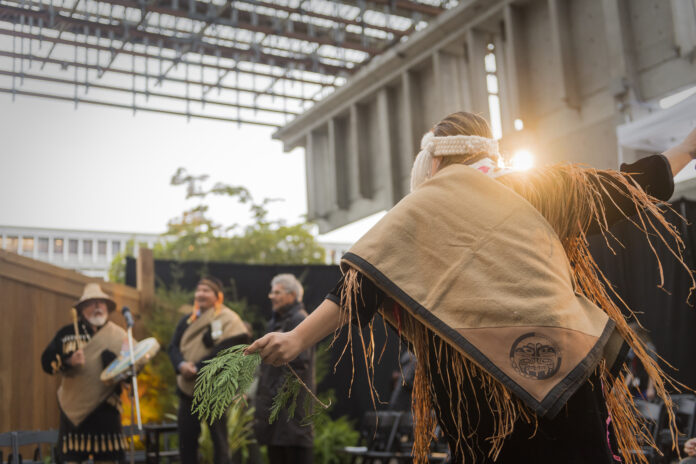
SFU Indigenous ceremony
Did the government bother to read the Calls to Action published in 2015? PHOTO: Simon Fraser University - Communications & Marketing / Flickr

By Isabella Urbani, Staff Writer 

If you’re a high school graduate in BC, you’ve probably taken a language course. Heck, if you’re like me, you’ve been taking a language class since elementary school. But in high school, when students are establish identities, why not learn some of the languages that were historically spoken on 95% of the unceded land settlers occupy? It’s time to make Indigenous languages an option for high school students. 

In BC alone, there are more than “30 different First Nation languages” accounting for “60% of First Nations languages in Canada.” Incorporating Indigenous languages into school is a critical part of Indigenous peoples’ demands for reconciliation. It’s stated in the tenth of 94 Calls to Action on the journey of reconciliation.

The power of language is made clearer by the residential school system’s desire to impose European languages. The Office of the Commissioner of Official Languages found that “although some children resisted and held on to their language, many thousands of others were unable to pass their languages on to their own children.” While this can never be made right, bringing Indigenous languages into the school system can allow Indigenous students who didn’t grow up in a household that spoke a native language the chance to experience a lost cultural touchstone. 

Adding Indigenous languages to our high school curriculum not only prevents them from fading away, but also allows settlers to show appreciation for the language first spoken on the land they are settled on it’s a way of paying homage. Exposing students to Indigenous languages is a way to enhance awareness of the breadth of Indigenous culture in the province. It’s a way to help strengthen the relationship between British Columbians and the province’s cultural history. 

So if the government already has the stamp of approval from Indigenous peoples, why hasn’t anything been done yet? The province announced in March of 2022 that, starting the 2023–24 school year, all BC students will be required to take at least one Indigenous class before graduation. Courses like “Contemporary Indigenous Studies 12 and BC First Peoples 12,” in which students are exposed to Indigenous history and modern challenges, would now be required for graduation. Languages, however, still aren’t guaranteed in schools.

The government should be taking the initiative to contact Indigenous knowledge holders to help assemble a curriculum that accurately depicts an Indigenous language local to the territory a school resides on — and pay them for it. And if a non-Indigenous person is teaching the course, there should be training programs put in place to help them better understand the language and support their class. Ensuring Indigenous peoples and teachers are at the forefront of an emerging languages program will help ensure its authenticity, and elevate Indigenous voices in education. 

The government and ministry of education need to understand that language is an essential component of ensuring Indigenous cultural reinforcement and longevity. In high school, we should be learning about the languages spoken on this land long before it was colonized. To simply insist that Canadians learn a language that isn’t native to the region seems a little colonial, don’t you think?

BC decriminalizes personal possession of certain illicit drugs

0
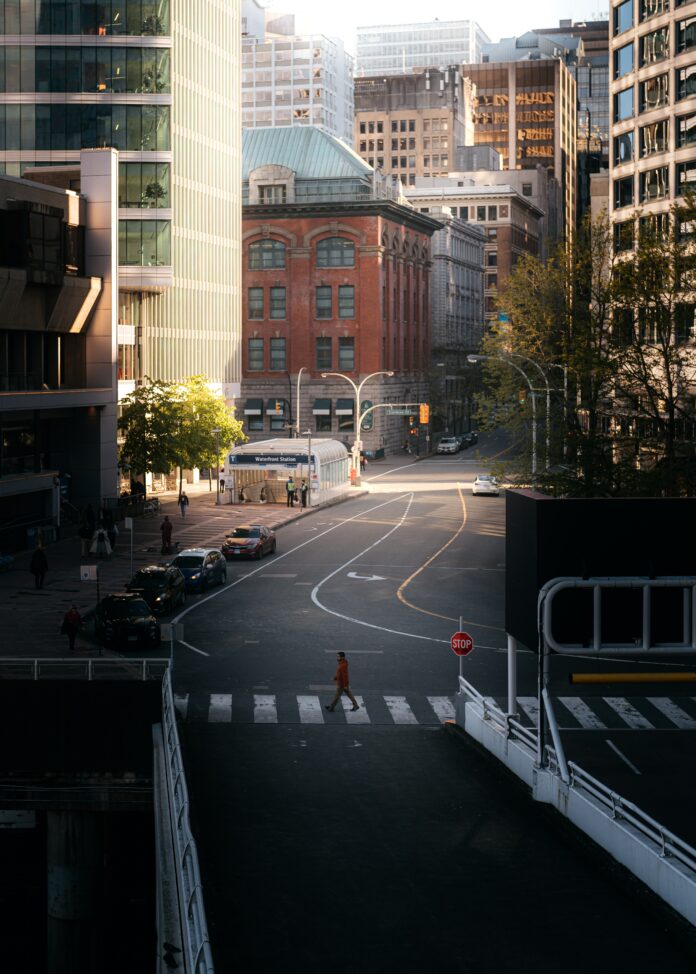
The photo is of the streets of Vancouver. The street is empty except for one individual crossing the street.
The BC decriminalization will begin in January 2023 for a three year period. PHOTO: Stephen Tam / Unsplash

By: Pranjali J Mann, News Writer

Health Canada declared a three year exemption for BC from criminal convictions in case of certain illicit drugs for personal use. The exemption trial will begin January 31, 2023 and last until January 31, 2026. The drugs will continue to be illegal, but their possession in small quantities of 2.5 grams or less will not result in any criminal charges in BC. This step comes as a measure to reduce stigma pertaining to use of drugs and increase accessibility for “life-saving support and services.”

To understand this provincial recommendation, The Peak interviewed Dr. Alissa Greer, an assistant professor in the department of criminology at SFU and expert on drug policies. She said the drug overdose crisis “has been the result of our criminal drug laws and prohibition.”

Welcoming this announcement, Greer said, “One of the ways that decriminalization is effective is that it can impact stigma. We won’t look at drug use or possession as a criminal issue; we have the potential to look at it as a social or health issue. So, in the long run this is certainly great.”  

However, Greer mentioned the importance of addressing the root cause of the overdose crisis. “The cause of the overdose crisis today has been the result of our drug laws and prohibition. Specifically, the illegal drug markets and the supply of drugs in that market — which are extremely unpredictable — because the market itself is unregulated. Because of this people can’t predict the toxicity and the potency of their drugs and that is more or less why people are overdosing.”   

She explained that decriminalization is just a small first step, but not enough in addressing the issue of a toxic drug supply. “Decriminalization is not a solution to the overdose crisis. Decriminalization will not make an impact on the supply of drugs, which is the reason why we have the overdose crisis. If anything, it might actually make the overdose crisis worse.” 

She also noted the policy change won’t come into effect until January 2023 and only applies to a certain amount of drugs. Another concern with the announcement is the limit of “cumulative threshold of 2.5 grams.” She emphasized this was a “very small amount of drugs” and doesn’t decriminalize all possessions. 

The possessions limit of 2.5 grams may not be feasible for all individuals. “Maybe they live in a rural or remote community and have to buy larger amounts. Or some people share drugs, and some might be buying for themselves, or others,” said Greer. 

Greer emphasized the need to address the supply issue first, in order to tackle the overdose crisis. “People are overdosing because they have to rely on a toxic supply of drugs, and so expanding access to a safer and regulated supply is the only thing that can really address this crisis.” 

The same sentiment was echoed by Michael Crawford, president of BC Association of Social Workers, in a statement. “Though we are so pleased the federal government has granted this exemption, it falls sorely short of what is needed. As it stands, this change is not enough — it’s our hope that discussion on the exemption limit continues and that a higher, more practical limit is set quickly: the federal government cannot afford to be performative when it comes to people’s lives.”

Truth and reconciliation: Tax the Church!

0
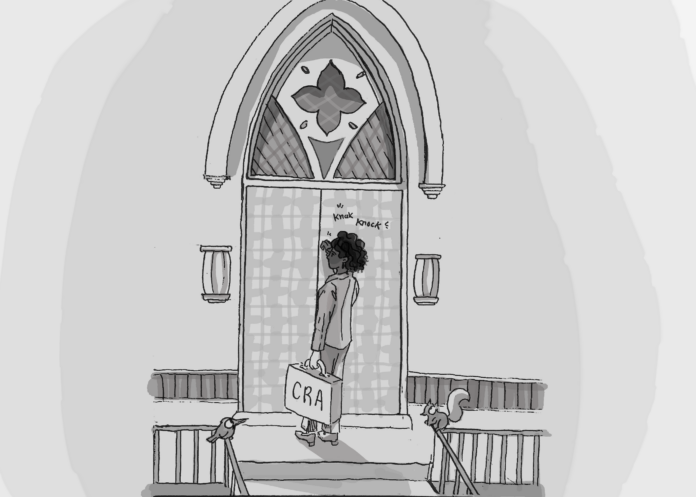
tax collector at church door
Canada cannot support truth and reconciliation while allowing tax exemptions for the Church. ILLUSTRATION: Angela Shen / The Peak

By Chloë Arneson, News Writer

In Canada, we’ve created a subsidy for an institution that carried out a genocide on our soil. A subsidy for an institution that, when more and more evidence of that genocide is uncovered, has to be coerced into making an apology an apology that’s not even made on the ground on which that evidence was found. That institution is the Catholic Church, and every year, Canadians lose out on taxable revenue from this political organization. We need to recognize the group’s role as a political, rather than charitable, institution and strip the organization of its tax-exempt status. 

Between the 1880s and 1996, over 150,000 Indigenous children were estimated to have been taken to attend residential schools. In 2021, archaeologists unearthed 200 unmarked graves at a former residential school in Kamloops. Since then, over 1,000 children’s bodies have been found in unmarked graves, some of them being as young as three years old. It has reanimated the debate around holding perpetrators responsible for this unimaginable crime. 

Let’s tax the groups responsible, starting with the Catholic Church. Other perpetrators of genocide through residential schools, including the Anglican, United, and Presbyterian churches, had issued apologies before 1996. Meanwhile, until April, the Catholic Church stood alone in its resistance to accepting responsibility. It wasn’t until this year that we see the Pope apologize for the residential school system in Canada. It’s not enough. So, let’s skip over the apology and tax them as an organization that’s standing in the way of progress on reconciliation. 

There’s a huge reservoir of untaxed money in Catholic organizations. In order to be considered exempt from paying taxes, these churches are considered charities in the eyes of the government. Except The Globe and Mail analyzed the finances of the Catholic Church and found they had a combined profit of $110 million after expenditures.

Their assets, totaling $4.1 billion, inflate the Church’s potential taxable value to Canadians.  The think-tank Charity Intelligence Canada considered this number to be an underestimation when considering the accuracy of each church’s self-reporting on the value of their property. Case in point, the Archdiocese of Toronto was audited to reveal assets priced at $940 million, despite the organization reporting just $2. The assets and profits of these institutions have operated, since their inception, as completely tax exempt. Canadians get no financial remuneration for their presence. 

It’s not just my opinion. There are voices within Canada’s Indigenous community speaking out against the Church’s tax-exempt status. Iqaluit mayor Kenny Bell spoke against local tax exemptions for religious institutions across Iqaluit religious institutions that are currently not required to pay taxes on the land they occupy. “This is a small symbolic step. The tax on them is not going to kill the church by any means. It’s not meant to. It’s meant to show that we want the apology. We want the church to acknowledge what they did and move forward,” Bell said. 

He’s right. Ending the Church’s special tax-exempt status could provide funds for the ongoing reconciliation effort. A quick scroll down the Truth and Reconciliation Commission’s Calls to Action reveal a laundry list of potential programs to fund to support Indigenous communities across the country. From supporting a broken foster care system, to bringing clean water to reserves, to bolstering Indigenous mental health care, there are any number of programs that could use the tax revenue from a multi-million dollar institution. 

Whether or not the Catholic Church steps in to pay reparations for genocide, residential schools, or sexual assault cases, it is time to recognize that their role in Canadian politics transcends that of a “charity,” Let’s tax the stuffing out of them. 

Student discounts to artsy things around Metro Vancouver

0
Entrance of the Orpheum with red “VSO” banners and orchestra posters hanging on the wall of the building, a fair amount of people are shown crowded at the entrance.
Fill up your summer bucket list with visits to arts and culture sites around Vancouver! Photo Courtesy of Amirul Anirban / The Peak.

Editor’s Note: The previous version stated “There needs to be a minimum of 10 people in the group in order to apply the 15% discount, making tickets $23 each.” This is incorrect and has been updated to reflect that Bard on the Beach doesn’t offer the 15% group discount on $27 tickets. Bard on the Beach does, however, offer $10 student tickets for Harlem Duet until July 1, and a 50% discount for regular tickets in certain zones (C zone priced at $27 not included) for those between ages 6–22. 

By: Roshi Chadha, SFU Student

Summer is the time of the year when students make room in their schedules to have fun and explore new interests. If you are a student wanting to explore more of the city’s art and culture scene while staying within your budget, you are at the right place. 

Vancouver Symphony Orchestra TD All Access Pass

Who can afford to go to see the Vancouver Symphony Orchestra (VSO) live on a student budget? With tickets normally ranging from $25–97, getting a decent seat can be an extravagant outing. To encourage more young people to attend the symphony, TD and VSO offer a program called TD All Access Pass, which gives students discounted tickets to VSO Regular Series concerts. TD All-Access Pass tickets are available two weeks before the performance dates for students to purchase two tickets at $20 each. To get approved for this pass, you need to be a full-time student or below the age of 35 and fill out a registration form which will be processed within 72 hours. For people who prefer to enjoy concerts in bigger groups, the VSO offers 15% off their adult price tickets for students with a group of 10 or more. 

Bard on the Beach 

If you are someone interested in live theatre and the tales of Shakespeare, this is the place for you to visit this summer. This year’s 33rd season is running from June 8–September 24 with different plays featured at different weeks. Their programming this year includes A MidSummer Night’s Dream, Romeo and Juliet, and Harlem Duet. I had the opportunity to go and watch Romeo and Juliet with my friends and I still remember the live performance. Bard on the Beach offers $10 student tickets for Harlem Duet until July 1, and a 50% discount for regular tickets in certain zones (C zone priced at $27 not included) for those between ages 6–22.

Vancouver Art Gallery

This is an amazing place to check off your list if you are interested in multiple floors of art exhibits! The Vancouver Art Gallery is considered “one of North America’s most respected and innovative visual arts institutions.” They offer $6 off on their ticket prices for students, making your ticket $18 rather than the regular adult price of $24. Don’t forget to bring your student ID on the day of your visit in order for them to confirm your student status. Of course, if you want to plan ahead and go on a Tuesday after 5:00 p.m., you can enter the gallery by donation. I’ve heard so much about this place but haven’t had the chance to visit yet. I’m hoping to catch installations such as The Imitation Game: Visual Culture in the Age of Artificial Intelligence or Kids Take Over and check these off my summer bucket list. With interchanging exhibits throughout the year, these are discounts to use again and again. 

Dr. Sun Yat-Sen Classical Chinese Garden

Are you someone who loves to take pleasant nature walks while enjoying the smell of fresh flowers and exploring cultural artifacts? If yes, this is a place for you. The garden is open Wednesday to Sunday 10:00 a.m.–3:00 p.m. with special student tickets costing only $12 in comparison to regular $16. To get this student discount, you just need to flash your student ID card! What makes me excited to visit this place is that it’s a culturally significant garden that hosts many events and educational exhibitions such as Intangible Thread – Part 2, an exhibition that involve 19 artworks that present “new possibilities and connection between two different cultures and two different regions.”