Home Blog Page 178

New SFU policies further reconciliation with Səlilwətaɬ

0
Koi pond at SFU
PHOTO: Kriti Monga / The Peak

By: Olivia Sherman, News Writer

On September 6, Səlilwətaɬ (Tsleil-Waututh Nation) and SFU agreed on terms, policies, and protocols to uphold tenets of reconciliation. The goal of their new partnership is to collectively foster a welcoming, equitable environment for Indigenous students and staff. Səlilwətaɬ will provide consistent guidance to SFU through annual meetings. These policies are in correlation with the Reconciliation Agreement SFU pledged in 2022, which includes 34 Calls to Action

“As an Indigenous government, education is a core value of Səlilwətaɬ,” said Səlilwətaɬ Chief, Jen Thomas, during the ceremony. The partnership ceremony was hosted at SFU’s Indigenous Garden. Thomas continued, “This agreement with SFU symbolizes a significant shift in our relationship, one that is based on mutual respect, true inclusivity, and collaboration to advance our respective goals together.”

Some of the policies SFU and Səlilwətaɬ agreed upon are the implementation of Hən̓q̓əmin̓əm̓ (Halkomelem) language in materials, departments, acknowledgements, and curricula at SFU. Public signage is to be altered to include Indigenous languages as well. The “Walk This Path With Us” report suggests a signage campaign is “desperately needed for all visitors and members of the SFU community.” The report used the example of the Sea to Sky Highway, which includes both English and Sḵwx̱wú7mesh (Squamish) place names. They also developed new student and staff recruitment initiatives and support for Səlilwətaɬ students.

“We are thankful to be developing a stronger relationship with SFU, which will include meaningfully increasing Səlilwətaɬ’s presence within all areas of SFU for the benefit of past, present, and future generations,” Thomas continued. 

In addition to these new policies, the BC Human Rights Commissioner (BCHRC) approved the request to preferentially hire 15 new Indigenous staff and faculty members at SFU. The aim of preferential hiring, or special programs, is to consciously be more inclusive toward marginalized groups. The Human Rights Code allows “any person or organization to run a program or activity” that only includes certain identity groups, as long as the objective is to improve conditions for systemically oppressed groups. This will allow SFU to hire people only from Indigenous communities. This is not considered illegal discrimination under the Code as long as the BCHRC designates them as special programs.

The BCHRC explains “colonial policies continue to add to large gaps between Indigenous and non-Indigenous people,” especially in post-secondary education. As such, they proposed “a special program to benefit Indigenous peoples where Indigenous candidates are preferentially hired in a school district to improve educational outcomes for Indigenous students.” 

This decision fulfills Call to Action 16, which aims for “each academic unit to have at least one Indigenous scholar,” and Call to Action 20, which requires “Aboriginal participation and decision-making” to be increased at every level at SFU, such as the Senate. The preferential hiring of Indigenous members is similar to their approval over this summer to hire 15 new Black faculty. 

The Peak reached out to the media contact for the Səlilwətaɬ Nation for interviews, but did not receive a response by the publication deadline. The Peak also reached out to SFU administration for an interview, but they declined to speak. 

Indigenous gathering event discusses working steps towards reconciliation

0
This is an image of an orange, “every child matters” flag. The flag is being blown in the wind so the text is visible.
PHOTO: Chris Robert / Unplash

By: Eden Chipperfield, News Writer

September 30 will mark the third year of National Day for Truth and Reconciliation. The Canadian government established Bill C-5, which was a direct response to the Truth and Reconciliation calls to action, “to honour survivors, their families and communities, and ensure that public commemoration of the history and legacy of residential schools remains a vital component of the reconciliation process.” 

This past May, SFU’s Lhuḵw’lhuḵw’áyten (Burnaby Mountain) campus held a gathering event for Indigenous Peoples who work at SFU to discuss the progress and feedback of the “three newly formed senior Indigenous positions as well as a draft Indigenous governance structure.” The conversation took place in the style of a Talking Circle, a practice used in some Indigenous communities to ensure everyone gathered has an opportunity to speak and that all members are heard without being interrupted. Circles are a way for individuals to interact with one another in a long-established fashion, to “discuss topics and make decisions together.” 

The gathering was attended by SFU president Joy Johnson, who discussed how SFU is working towards truth and reconciliation through their “What’s Next?” report. Chris Syeta’xtn Lewis, director of Indigenous initiatives and reconciliation, spoke about “the collective journey to increase Indigenous participation and decision-making when decisions are being made for and about Indigenous peoples at all levels of SFU.” Lewis also praised the Indigenous leadership listening and implementation task force and the Indigenous governance committee for their efforts in achieving “increased Indigenous participation and decision-making” at SFU. 

The event highlighted various topics including Indigenous involvement at SFU and the increasing presence of Indigenous leadership. The first topic discussed was the governance structure: namely, the administrative roles of Indigenous executive lead, vice-provost of Indigenous academic affairs, and director of Indigenous initiatives, people, equity, and inclusion. Each position has many essential features, including the “ability to balance family and community obligations and university business.” It was noted that “mechanisms for tracking accountability on driving truth and reconciliation need to be put in place” for the Indigenous executive lead. The vice-provost of Indigenous academic affairs aims “to bring into the role the depth of Indigenous knowledge systems into the way of the institution.” Another responsibility is to “focus on breaking silos, to be the voice and support cross-institution.” Focuses for the director of Indigenous initiatives and people, equity, and inclusion concentrated on “retention and support: holistic onboarding, health and well-being, integrated Indigenous supports, and resources on campus.”

The meeting also discussed support for Indigenous graduate students, as there are many barriers Indigenous students encounter while on their academic journeys. For example, housing, affordability, and funding are challenges graduate students face. One suggestion for this was providing transportation between all three campuses. They also considered how to address emotional labour and cultural celebrations. 

Lewis facilitated a discussion on the governance initiative. Comments surrounding the initiative included the need to “develop a mechanism to address teachable moments.” He also noted it is important for the Finance & Admin and Advancement & Alumni Engagement to increase their “Indigenous representation, as this is currently missing.” 

The conversation surrounding the governance initiative also pinpointed roles such as the Indigenous Council, which is looking to form a connection within the SFU community. Attendees also spoke about ensuring the “Office for Aboriginal Peoples will be lifted to serve as secretariat to and contact for Council with new positions and a proactive focus will serve as a gatekeeper’ to Council and other Indigenous positions and groups.”

The Peak contacted the Indigenous Student Centre at SFU for an interview but did not receive a response by the publication deadline. 

Peakie is back to help you with all your problems

0
Two aliens driving a car.
PHOTO: Miriam Espacio / Pexels

By: Petra Chase, Arts & Culture Editor and C Icart, Humour Editor

Dear Peakie,

I’m a section editor for a super fantastic publication. You may have heard of it. The name rhymes with The Leek. Anyway, I’m running out of ideas for when no one wants to write for my section! I’ve considered getting my hands on whatever they put in singing birthday cards, so whenever people flip to my section (which is the best and funniest section), Céline Dion’s version of “All by Myself” starts playing. What do you think? Would that be the best song choice?

Musically, 
‘Bout to go write all my pieces myself

Dear ‘Bout to go write all my pieces myself,

I’m also an editor for a super fantastic publication that rhymes with The Leek, except mine is the best section, so you must work for a different one. Anywho, is your publication called The Reek? No wonder you’re not getting writers when your approach makes you reek of desperation. You should approach pitching kind of like dating and play hard-to-get. Some ground rules: take at least four days to respond to emails, show up fashionably late to meetings, and don’t show any enthusiasm when a writer shows interest in a piece. You can also ask your coworkers to remind you of their names because you have sooo many contributors lined up you just can’t be bothered to remember theirs. People want what they think they can’t have.

It’s just basic psychology,

Peakie

Dear Peakie

My dental hygienist keeps telling me to floss, and she doesn’t understand that I’m being terrorized by an anti-flossing ghost! The other day, I tried to grab a piece of dental floss, and the whole roll flew out of the container and straight into the toilet! That is a clear sign of paranormal anti-flossing activity. How do I get my dental hygienist to believe me and buy a firehouse so we can use it as our ghost-hunting headquarters?

Sincerely, 

I ain’t afraid of no ghost 

Dear I ain’t afraid of no ghost,

Are you afraid of aliens, though? I find it very suspicious this is happening at the same time NASA announced they “can’t rule out ‘alien technology’ operating in the Earth’s atmosphere.” I think these aliens are trying to undermine your dental hygiene so that your teeth get pulled, and they can have them. Aliens are definitely responsible for helping build pyramids and causing the dinosaur extinction, according to ufologist and presenter of the documentary Ancient Aliens, Giorgio Tsoukalos (better known as the guy from this meme). I wouldn’t be surprised if They’re back trying to obtain human artifacts for their next big project. You’ll need to explain all this to your dentist to get them pulled ASAP so you can leave them under your pillow when you sleep so they’ll leave you alone.

Peakie

Dear Peakie, 

How many socks do I really need to tide me over ‘till Christmas? I’ve been a bit neglectful when it comes to trimming my toenails, and my dryer has been particularly hungry for socks recently. All my socks have holes, are mismatched, or are a bit dingy, but I know my grandma will come through on December 25; she’s a real one. Should I be brave and go sockless in the meantime? 

xoxo,
It socks to pay for my own clothes

Dear It socks to pay for my own clothes,

You asked the right person! I ditched socks three years ago, and it was the best decision of my life. My epiphany began much like yours: a hungry dryer, holey socks, a Christmas grandma. Then I watched The Matrix and realized it was a metaphor for sock-wearing, and going sockless was the red pill. I no longer waste time matching socks from the laundry or money buying new pairs. My feet are healthier than ever, and the athlete’s foot boosted my immune system. I’m part of an anti-sock advocacy group that meets on weekdays and weekends to discuss the benefits of going sockless, and how we can lobby to free feet everywhere!

Hoping to see your naked feet at a meeting soon,

Footsie Peakie

Athletes are more than their entertainment value

0
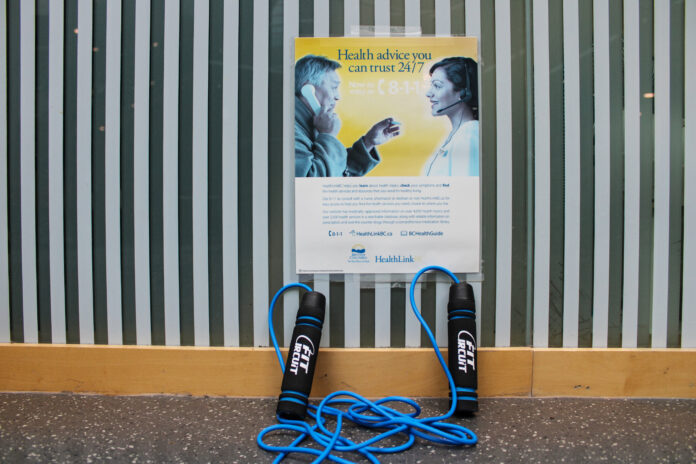
photo of a jump rope placed in front of a mental health resource poster.
PHOTO: Prerita Garg / The Peak

By: Saije Rusimovici, Staff Writer, and Isabella Urbani, Sports Editor

Whenever I overhear friends and family talking about last night’s hockey game or an upcoming playoff series, it reminds me of the way I would describe characters in a dramatic Netflix series. An athlete’s worth is often dictated by their entertainment value, and we neglect to consider the difficult circumstances that aren’t necessarily visible on-screen. Athletes are often recognized for their strength, poise, and outstanding athletic achievements. In a similar way, we look up to professional athletes like we may look up to our favourite celebrity. 

Because their competitive performance is marvelled at from afar, it’s easy to think of a well-performing athlete as this larger-than-life character on your television screen. The truth of the matter is that, like a celebrity, a professional athlete experiences the same triumphs and failures as anyone else. And I’m not talking about a bad game. The often hidden impact of high-pressure environments and intense physical training can negatively affect an athlete’s mental health. Some of the more prevalent mental health symptoms and disorders include burnout, anxiety, depression, adverse alcohol use, and eating disorders. 

The World Health Organization defines health as “a state of complete physical, emotional and social well-being and not merely the absence of disease or infirmity.” Therefore, good mental health is not determined by the absence of mental illness, but rather, a state where a person is able to cope with stress and have good emotional and physical support.  

Unique stressors like overtraining, social media scrutiny, and performance expectations may hinder athletes from achieving this quality of life, despite what they may look like modelling athletic apparel on camera or being awarded a medal on stage.

For athletes of colour, racist abuse can be detrimental to mental health. University of Belmont professor Kristi Oshiro’s research on racism and its impact on athletes demonstrates the intersectionality of racism and mental health. “For professional athletes it’s a little distinct and different,” Oshiro said, “because they’re expected to compete and consistently perform at this ridiculously elite level of play, all while being open or vulnerable to criticism from people around the world.” 

Because athletic organizations depend on athletes performances to make money and maintain a fanbase, mental health matters have been a taboo topic in the world of sports for years. Despite notable athletes like Simone Biles and Naomi Osaka opening up about their mental health struggles, these issues are often brushed under the rug by the organization or never brought forward by other athletes themselves.

Both Biles and Osaka have been transparent about how racism, as two Black women, has contributed to a decline in their mental wellness while playing sports. After Biles won the gymnastics World Championships in 2013, historically becoming the first Black woman to do so, she was upstaged by competitors who said they would have beat Biles if they had the same skin colour. Osaka, who’s both Black and Japanese, received backlash for choosing to represent Japan at the 2021 Olympics rather than the US, even though she’s been representing Japan since she was 14-years-old. 

“I don’t choose America and suddenly people are like, ‘your Black card is revoked,’” Osaka explained about the racial undertone of people’s unhappiness with her decision. “African American isn’t the only Black. People really don’t know the difference between nationality and race because there’s a lot of Black people in Brazil, but they’re Brazilian.” 

Stigma is a big part of the reason athletes neglect to seek help for their mental health struggles. Because sports tend to be rooted in a “culture of masculine ideas, valuing strength and mental toughness,” athletes have to think about the risk of potentially losing playing time or being removed from a team entirely for speaking up. 

On top of stigma, many mental health services in sports are lacking, making athletes feel as though they can’t take a step back from their sport to receive the help they need without jeopardizing their position. The National Football League didn’t mandate teams have a “behavioural health team clinician” until 2019

But still, from team to team, the amount of access players have to these services vary. Since the rule was pushed into the league by the player’s association, only seven of 32 teams have hired staff in this position full-time. Some teams are contracting providers on an individual basis when an athlete requests it. These contracted providers are also not required to have a background in sports psychology, which might cause athletes on teams that don’t have full-time sports psychologists to not reach out in the first place for fear of being misunderstood. 

As SFU is an NCAA school, it’s important to recognize that many of our elite athletes may face similar challenges with their mental health. Just back in April, five SFU football players filed an injunction in response to SFU cancelling its varsity football program. Part of the reason for the filing was SFU had not given enough notice about the program’s dismissal to allow for players to find alternative schooling and housing, which caused unnecessary stress on top of the uncertainty players were already facing. 

Players have to be treated as people first, and not as their stats on a game sheet. There’s this idea in sports that players only matter if they make it professionally. People hold reservations about athletes who play sports for fun, as though sports can’t both be a hobby and a profession for some. If you don’t play professionally, then you’re not accomplished or deserving of recognition, but if you do play professionally, don’t complain because you’re a professional — and professionals can’t face adversity beyond the playing field. 

The separation between athlete and person disappears as the degree of difficulty in a sport increases, as though the idea of taking a step back is more detrimental than experiencing a decline in mental wellbeing. 

Attitudes and education are some of the most influential ways to encourage athletes to come forward with their struggles. This means educating athletic organizations, coaches, support staff, and parents about mental health issues that may have a particular impact on an athlete, professional or not. Transforming an athlete’s environment to a socially supportive, encouraging space will allow them to talk about their difficulties. Stop putting the sport first, and start thinking about the players who make it possible instead. 

A discussion on the importance of “place” within the SCA

0
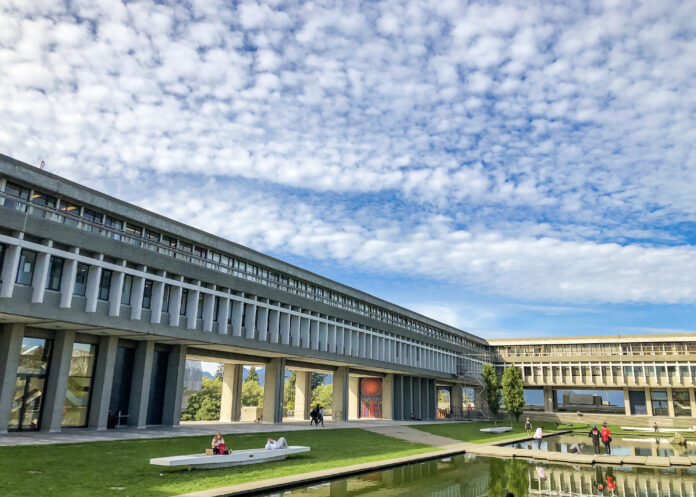
This is a photo of the SFU Burnaby Campus’s reflection pond and the academic quadrangle building surrounding it.
PHOTO: Allyson Klassen / The Peak

By: Hailey Miller, Staff Writer

SFU’s School for the Contemporary Arts (SCA) held their annual re-orientation event during the first week of the fall semester. This year’s theme was places. The topic focused on the importance of engagement within the community — both personally and artistically. The event included presentations, a keynote talk, and a panellist discussion from SFU’s Vancity Office of Community Engagement (VOCE) alongside a recording of their Below the Radar podcast. The Peak spoke with three members of VOCE regarding their experience as panellists for the event.

Kathy Feng, research assistant, Samantha Walters, program assistant, and Julia Aoki, program manager, all work to improve community engagement, social justice, and environmental justice. The context of “places” at the SCA’s re-orientation day brought together panellists who care about their community and are enthusiastic about making a positive impact on the places around them.

When asked to explain the significance of “places,” Aoki stated, “The distinction between space and place is something of a theoretical distinction [ . . . ] and it’s useful in that space can be something that’s quite abstract.” Space refers to one’s abstract conception of their surroundings, whereas place refers to the cultural significance of a specific site. She explained that the idea of place is much more grounded and relational. Aoki emphasized that this distinction and mindset is “a very important way of working and thinking” for the members’ approach to their work in the office and the development of the neighbourhood in which they reside. The group’s work and community partnerships help them define the importance of “place,” alongside the “defining characteristic of yourself and learning things from the place that you’re situated in.” explained Feng. She further noted that this characteristic is important for “the communities and the relationships that you develop.” 

As members of the VOCE panel, Walters and Feng have enjoyed their time engaging with the other panellists and discussing the lived experiences of those in the community. Walters went on to acknowledge the importance of discussing social justice issues within the community and the overall humanity of “talking to people who are directly working in these scenarios.” She stated that being involved in the community is more impactful “than getting stuck in a theoretical lens.” 

When asked how the discussion of community relates to the importance of one’s place within the SCA, Feng noted that involving individuals from different backgrounds in the community is “helpful and generative for the students as a starting point of the rest of the school semester.”

Walters further acknowledged “the particularities of arts school that require this intense vulnerability for quite young students.” She explained that this is due in part to arts students who “have so much heart,” which often leads to challenges of discovering one’s place and “curiosity about who they are and where they are,” making the discussion of community engagement important for students’ success. Walters and Feng agreed that creating an open dialogue is key to implementing a positive impact toward the understanding and importance of the community, both personally and academically. 

Regarding ways in which students can implement community engagement and awareness of place within their studies, Aoki stated she hopes the event inspired “a very thoughtful curiosity” of what it means to be “in a community made up of many vulnerable and multiply-marginalized people.” She explained that understanding one’s place should include the awareness of individuals within the community, and acknowledging the importance of diversity. Walters further noted the work of community engagement involves proper communication and becoming comfortable with the idea that you will make mistakes along the way. This is something that students can learn from while still supporting all community members regardless of one’s background. Feng’s final point regarding awareness of geographical place focused on the fact that students should consider their ethics, and opportunities for community engagement. 

For more information, head to the VOCE website to keep up to date with the initiatives that they are involved in.

Me, and my incredible, cool, not bad, very good article titles have something to say

0
Novelist staring pensively at a typewriter while smoking a cigarette.
PHOTO: KoolShooters / Pexels

By: Totally-Not-the-Editor-in-Chief

On a bright Sunday afternoon, The Peak received this very strongly worded letter. In the words of George Orwell, or whatever: “Don’t be a hater.” We are sharing this letter as an example of what not to do, so don’t. Do not submit long headlines. Or we will hate you, forever. No, we’re not providing voices like these with a platform when we publish their letters. Whatever do you mean? Anyways, just read:

Dear The Peak, or whatever entities are controlled by you that are unknown to me, 

I don’t understand why you would limit my creative greatness by telling me my titles are too long. If your title doesn’t express the essence of your introduction paragraph, thesis, and life story as to why you are the person you are, is it even a title? Will your readers even get you? For example, when I submitted the Opinions article to your editors titled the very appropriate, “Why I think busses should simply be able to fly above Gaglardi Road with the sheer power of student energy and how its inability to fly is causing me severe distress with my IBS (Irritable Bowel Syndrome),” your editors told me that it was “TMI” for them. Also, I did not need to put brackets in my title. BUT, they don’t get it: my IBS is part of the story! That’s what I dislike most about essay guidelines, I think. I’m always told I need to be more specific and get to the root of what matters. But then, when I get more specific, I’m told, “This isn’t relevant to your essay,” and “You shouldn’t treat your readers as your therapists.” It’s absolutely mind-boggling stuff.

If my readers don’t know everything they need to know about me personally, how will they even know how to read? You know what I mean? No? Refer back to the title of this letter and its excellence — my excellence. If I don’t state absolutely everything that needs to be stated, I will never be known. And isn’t that heartbreaking? Aren’t I more important than your arbitrary guidelines about how I should change myself for your audience? Don’t answer that. 

So, anyway, to get to the main crux of the issue here, I think everyone should be more respectful of long-ass headlines. I have a lot to say, and I don’t think I should censor myself for your little rules. Or anyone’s little rules. I am beyond MLA, APA, and Chicago. Meanwhile, you probably have to look up Canadian Press guidelines for every word that stumbles you, like “manoeuvre.” How is that real spelling, anyway? Why don’t you focus on that issue instead of correcting me for being cool and creative?

Here’s what I’m thinking of for my next headline: The Peak needs to keep their business in trying to figure out ways to avoid being old news rather than worrying about my impeccable headlines.  

Signed,

Anonymous

A nightmare at the coffee shop

0
Café counter with a large sign that says “coffee.” The espresso machine’s paint is peeling and there’s “our machine welcomes scribbles!” scratched onto it.
PHOTO: Clem Onojeghuo / Pexels

By: Izzy Cheung, Staff Writer

It was a hot summer’s day — everyone was flocking to the malls to enjoy the air conditioning and copious amounts of iced drinks when I got this order at the mall café. 

“Do you guys have heavy-heavy cream?” they asked. 

I paused. As a staff member, I had only ever heard of the mythical “heavy-heavy” cream a couple of times. Legends said it was a rare type of cream made from full-fat cream, lemon juice, orange peels, and ginger ale. My supervisor told me where we kept it, deep in the bowels of the store, but I’d never risked going in to glance at it. The fact that this customer knew about it was unsettling. 

“Sorry, did you mean heavy cream?” I asked plainly. Maybe I’d misheard them. 

“Oh, no, I meant heavy-heavy cream. You know, made with lemon, orange, and ginger ale?” 

My eyes widened. Beside me, I could feel my coworker bracing herself. None of us had ever ventured into the deep, dark storeroom to fetch the heavy-heavy cream, but we’d both known someone who had. They retrieved the cream with an empty look in their eyes and ended up quitting the next shift. They’ve never been the same since.  

I looked over at my coworker, eyes wide. It seemed that fate wanted me to retrieve the heavy-heavy cream.  

“Oh, gotcha,” I squeaked, hands shaking as I punched the order in. “Go ahead and pay when you’re ready. I’ll just go and grab that for you.” 

I kept my expression composed, even though it felt like someone had dropped an ice cube down my back. My pulse quickened as I went into the back, eyes locking on the wooden door behind the shelves housing paper cups and frozen muffins. Climbing past all the extra storage space, I made my way to the small entrance that would hold my fate. There was a bright-looking light oozing from beneath the door. 

I took a deep breath, nails digging into the palms of my hands. It was time to be brave. 

My hand found the doorknob, and I turned, wrenching the tiny door open with the might of the Roman Empire. The light disappeared, immersing me in a world of darkness behind the café. 

A flash of blue struck my vision, and as I looked across from me, only a few feet away, I saw the carton of heavy-heavy cream. It was around the length of my forearm, with a label that depicted a dramatic war scene like those seen on old tapestries. 

It was beautiful. 

I ran towards it, ignoring the sounds of coffee being made in the background. The heavy-heavy cream would be mine, and mine only. No one else would take it from me. 

I snatched the carton, peeled the top open, and waterfalled it into my mouth. Rainbows poured out and angels sang as the heavy-heavy cream touched my tongue

And then my stomach gurgled. 

I looked down, trepidation hitting my senses as my stomach began to growl even more. Soon enough, lion-like roars echoed from my stomach, a boulder-like weight settling within it. 

I looked back down at the carton, my jaw dropping as the label began to fade. The curly “heavy-heavy cream writing morphed into a recognizable scrawl that made me gasp. 

“Oh no,” I whispered. “Oat milk.” 

The carton released a maniacal laugh. “That’s right! Consider yourself cursed.” 

I dropped the carton, hands moving to my stomach. “No. No, no, no, no —” 

Before anything else could happen, I ran back out of the storeroom, reaching for the door and pulling it shut behind me. While I may have escaped, I knew deep inside of me something had changed. No longer could I drink regular milk with my iced lattes — the dairy would cause movements that I would never be able to stomach again. I had to face the truth — I was now . . . an oat milk person. 

Still using a backpack? Grow up!

0
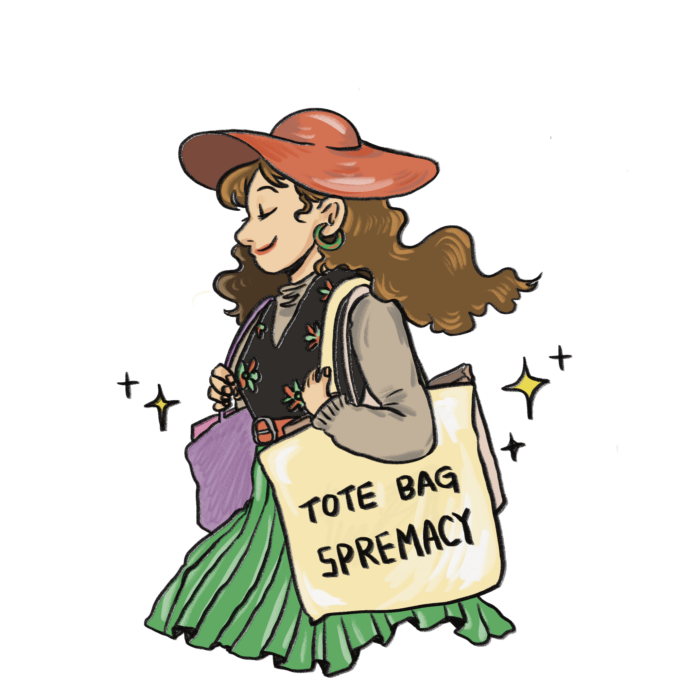
Super fashionable person wearing a bunch of designer items and a tote bag that has “Tote bag supremacy” written on it.
ILLUSTRATION: Andrea Choi / The Peak

By: Cam Darting, SFU Student

Hi, bestie! I’m your resident fashionista, and I am here to guide all you lost sheep on what to wear this season to look so incredibly expensive. You may think this is classist, but all I have to say to you haters is:Stop Being Poor.” 

Let me set the scene. Two college students walk into an Aritzia; one is wearing a tote bag, while the other is lugging a backpack. Who do you think got approached the most by the sales associates? The answer is obvious: the one wearing the tote bag. Why? Because tote bags give put-together clean girl, while backpacks give 15-year-old in high school.

Newsflash, people: if you’re not wearing a tote bag in 2023, you deserve to go to jail for your crimes against fashion. Not only are backpacks ugly, but they completely ruin your cute outfit. If I see a man in a suit with a backpack, he’s very much giving lives in his parent’s basement and has no partner (yes, I’ve arbitrarily decided that’s bad). Now, if that same man replaces that backpack with a TOTE BAG??!?!??! He’s giving clean, articulated, rich. And he has a yacht in Dubai. You know what? Make that TWO yachts in Dubai. Same guy, same suit, but the TOTE elevated his status. 

Some may say “backpacks are more convenient.” Are they? Are they REALLY? Let’s dissect this, because I’m tired of hearing how troublesome tote bags are. They fit all the essentials like a laptop, charger, and wallet. If your bag has more than these items, you need to start leaving some stuff at home. You do not need to be carrying your whole bedroom with you. Moving on, tote bags are convenient because you just slip your hand right in, and BOOM, you have what you need. Easy access. Speaking of easy access, that’s what you’ll have on public transit because you’ll be able to slip through the crowds without having your backpack weigh you down by having to take it off.

Imagine you walk into class with a backpack on and see your crush. You’re nervous, excited, and geeked to see him. As you sit in front of him and take off your backpack, all you hear is laughs. Confused, you turn around to see your crush and his friends laughing at you. Then you realize you have a huge sweat stain on the back of your gray Aritzia Sunday Best Dream T-Shirt. Embarrassment, shame, and humiliation fill every ounce of your body. All this could have been avoided if you just used a tote bag. With tote bags, you don’t get back sweat. The only sweat that’ll even come near you is everyone sweating as you walk past them because you look so amazingly delicious.

The moral of the story is that tote bags are Kris Jenner and backpacks are Yolanda Hadid. Tote bags are Chanel, while backpacks are Coach. Hot people wear totes, period. If you don’t want to be hot, then be my guest, but don’t say I didn’t warn you.

Low maintenance fitness and nutrition tips for a balanced lifestyle

0
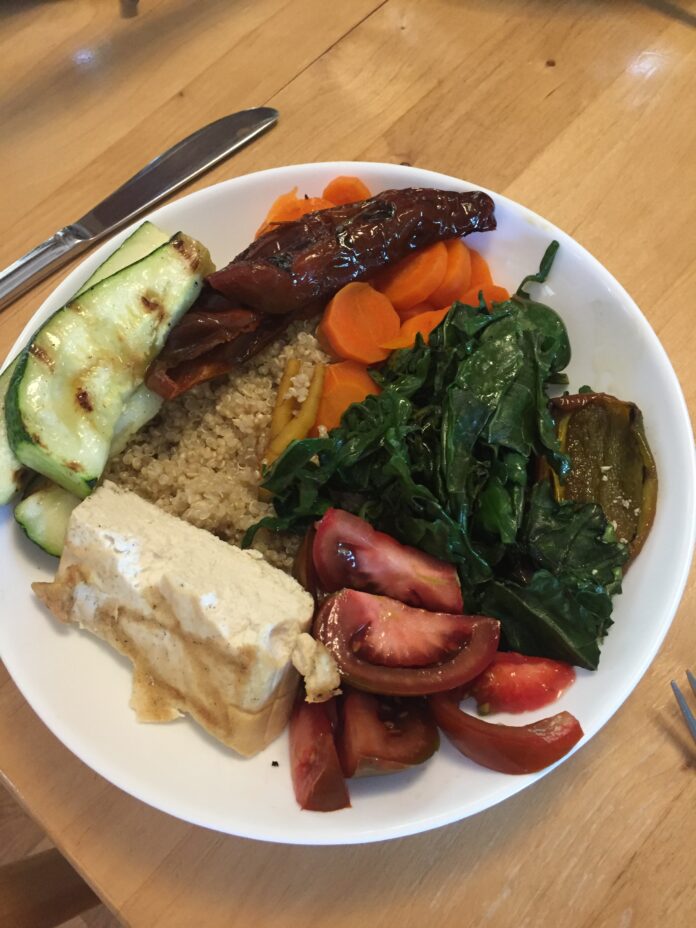
a photo of a home crafted poke bowl.
PHOTO: Hailey Miller / The Peak

By: Hailey Miller, Staff Writer

As a health-conscious individual, I’ve always been passionate about fitness and nutrition. Being a full-time university student with a busy schedule, I know first-hand the challenges of setting aside time to make homemade meals that are nutritious, while staying within budget. Over the years, I’ve gained a lot of experience in fitness and nutrition, and have learned many tips along the way. Here’s a simple guide to the best way to maintain a pattern of healthy eating and exercise for university students on a budget — and a tight schedule. 

Find a fitness regime that works best for you

Whether you’re new to fitness, trying out another sport, or you’re a seasoned pro, the key to successfully partaking in regular physical activity is to find something you enjoy, and to keep your workout routines varied. Everyone has different interests and abilities, and finding a fitness routine that you’re interested in will help you want to stay active and set aside a designated workout time. Try different fitness routines and see what you like the most. Each type of exercise has its own benefits, whether it be weight and resistance training, yoga or pilates, cardio-based activities like running and swimming, endurance or interval training (e.g. long-distance running and CrossFit), or a combination of all of the above. Exercise variety allows your body to work different muscle groups, improves different areas of strength, and keeps you mentally focused. Finding an adaptive routine that’s safe and effective based on your abilities is extremely important. Anyone who wants to can partake in fitness as long as they feel safe and comfortable, and have been cleared by a professional. Remember to consult your health care provider if you’re new to fitness or partaking in a different routine, and especially if you have any pre-existing medical conditions or injuries. 

Some movement is better than no movement

Timing is tight, and scheduling is tough. On the days where it seems impossible to incorporate some level of fitness into your daily routine, remember that the little steps go a long way. Instead of scheduling one long workout routine, break your routine up into smaller components whenever you have time in your day. For instance, do 15 minutes of weight training here, 15 minutes of yoga there. Factor in whatever remaining time you have for simple activities, such as a walk! Even if it’s just between classes or around campus — any movement counts! Mini bouts of fitness throughout your day will help you stay focused, be more productive, and feel less exhausted from the typical grind of work, study, repeat. 

Take advantage of discounted fitness classes and recreation

Many fitness classes offer free trials and discounts to newcomers who try out their services for the first time. Off-campus options such as 30-day workout sessions, hot yoga, and spin classes are just a few great options for getting the best bang for your buck. Don’t forget about on-campus recreation and fitness opportunities, and discounts on community passes for recreation within your city. Aside from this, fitness doesn’t have to cost anything — you can work out for free! Grab a workout mat, and start your own routine. YouTube is full of fitness regimes for everyone from beginners to elites. Plus, check out one of my favourites, Kaijafit, on Instagram. Moving your body outside also costs nothing. So, take a hike (as long as you’re prepared), walk your dog, run the track, or swim in the lake. Remember to work out safely to avoid injury.

Meal prep, meal prep, meal prep!

I promise that prepping meals and planning ahead will be worth your while, especially on those days where your schedule is crammed, or you’re rushing out the door and barely have time to make lunch. Meal prep doesn’t have to be complicated. Start with simple preparation such as homemade energy bars, hummus and veggies, chopped fruit, smoothie prep, salads, and bowls (with roasted vegetables, quinoa or rice, and a simple dressing or pesto, for example). As you become more adept at meal prepping — and if your fridge or freezer has the space — make double-batch recipes whenever you can, and save the leftovers for later. On that note, always save your leftovers; they’re the easiest, ready-to-go form of meal prep out there, since you have another meal for later and you didn’t even plan on it.

Make simple, nutrient-dense recipes

Who has time to follow a 10-step recipe? I sure as hell don’t. Find recipes that are easy; one-pot meals with minimal ingredients. The more nutrient-dense, the better. If you’re a kitchen lover or a seasoned chef, create your own recipes that you know are full of good ingredients and are easy to make in a bind. Incorporate the food groups, create balanced meals, and even follow the Food Guide if you need it. Some of my favourite healthy food nutritionists and bloggers to follow include The Roasted Root, Minimalist Baker, and Plantbased RD. Instagram and TikTok are full of endless simple recipes that can keep you scrolling until your next meal prep day.

Shop smart on groceries 

Coupons are a budgeter’s best friend. Buying produce in-season is a good starting point, since pricing on produce and foods fluctuates depending on the time of year. Eating fresh, local produce is great, but can be expensive. When the budget is too tight for fresh foods, opt for frozen vegetables and fruits — this is the next best thing and still offers a great variety of nutrition while lowering the cost. Another option is to buy non-perishables, and these options can be healthy, too. Be a conscious shopper when it comes to the ingredients in your food, and the costs on the shelves. Keep your eye out for grocery store deals, and stock up when needed. If a certain product or food is more expensive one week, avoid buying it and substitute another food instead. Before you know it, you’ll be a grocery shopping pro!

Creative Corner: Five economic ways to spice up your home this fall

0
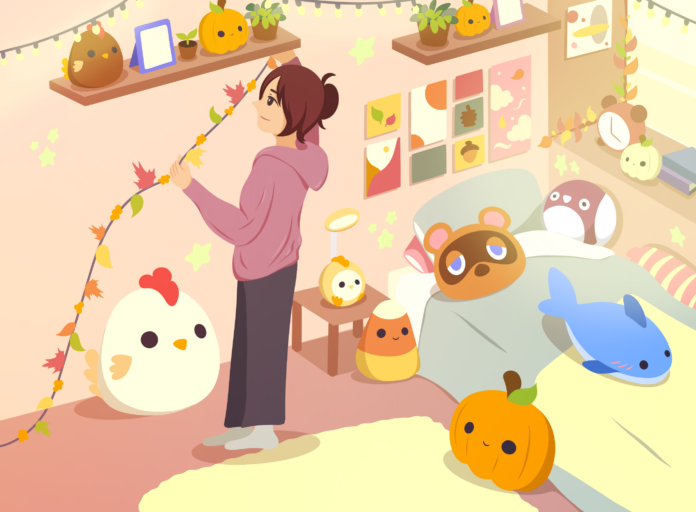
An illustration of a person in oversized pyjamas hanging a string of leaves on a wall in their bedroom.They have turkey and pumpkin plushies on display on a mantle, and other plushies sprawled across their room, including a candy corn plushy.
ILLUSTRATION: Alyssa Umbal / The Peak

By: Saije Rusimovici, Staff Writer

I’ve spent the last few weeks upping my home decorating game. There’s something about cute and colourful organizers in my workspace and a string of fairy lights over my bed that makes a home feel more homely. As a student, my budget is limited, but I’ve garnered tips from my mother, who’s always had a knack for finding the best deals and making our home look festive when fall rolls around. Here are some crafty ideas from mine to yours!

Autumn decorations 
Seasonal decorations can be expensive. Dollarama is the perfect place to find cheap alternatives, like leafy foliage you can reuse every year or whimsical Halloween mugs — there’s so much to choose from. Try stringing decorative leaves around your TV or wrap them around a thrifted vase. You can even find tiny assortments of pumpkins perfect for perching on shelves or a dinner party table. The thrift store is also a great resource, as it tends to bring in unusual and vintage Halloween goodies for the fall season to get in the spooky mood.

Plant goodies
Look no further for the perfect pots and plant friends than your local dollar store. My mom has the biggest green thumb and we both appreciate a unique piece of pottery. We’ve seen so many pretty indoor pots at Dollarama, from large pastel pots to simple terra cotta pots, in all different sizes. Ornamental plants that bloom great colours in this season include perennial poinsettias and the amaryllis. Missed out on planting an herb garden this summer? It’s not too late! There are many edible plants you can grow indoors this fall including leafy greens, peas, or even tomatoes! If you’re feeling creative, you can make an activity out of it and paint your own terra cotta pots with whatever designs you like. You can get paints at the dollar store too!

Upcycled vintage perfume bottles
My favourite Youtuber, Fernanda Ramirez, recently shared one of her favourite hacks to upcycle pretty vintage perfume bottles for display. You can find bottles at antique or thrift stores stores, and after giving each bottle a thorough wash, fill them with water and add a few drops of food colouring. This gives each vintage bottle the look of being brand new. Other fun ways to upcycle empty perfume bottles include creating miniature terrariums, using them as flower vases, or even filling them with strands of battery operated lights! 

DIY pressed-leaf picture frames
For my mom and I, there’s nothing like flipping through printed photos we’ve taken over the years. There’s something so special about putting your favourite memories on display.  Embrace the coquette aesthetic and visit the thrift store to find antique frames that look expensive. Frames are a great way to add a pop of colour to your space. Create simple yet beautiful pressed-leaf prints to put on display in your home by taking foliage clippings and pressing them between heavy objects like books. Frame your creations and prepare to be complimented on your space!

DIY cork boards 
A perfect way to personalize your bedroom, home office, or dorm room is by building your own cork board! All you need are cork tiles, which can be found at Dollar Tree or most hardware stores, a sharp cutting tool, and some thumb tacks or push pins. These squares can be pinned directly to the wall, or cut into shapes of your choice. Or, pin faux autumn leaves or a string of spooky cobwebs to get your board dressed up for fall! You can use these boards to display photos, reminders, and mementos. A cork board is also a great way to begin creating a personal vision board!