

Amy Lee
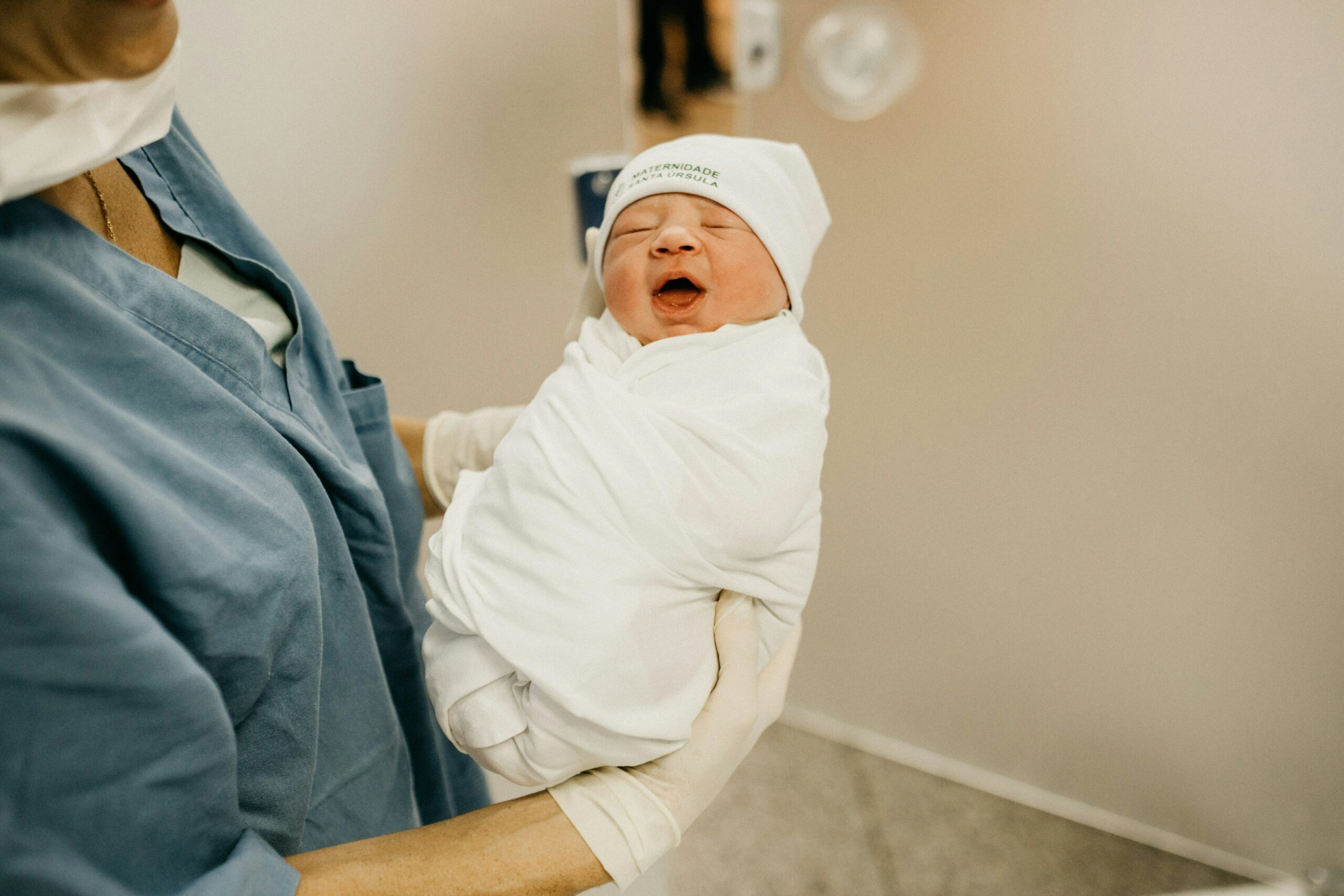
Discovery of four-gene signature helps predict neonatal sepsis
Peak Web December 2, 2024By: Lucaiah Smith-Miodownik, News Writer Content warning: mentions of fatal infection. Neonatal sepsis (NS) is a deadly condition for newborn babies within the first 28 days of life. As the body cannot properly respond to infections caused by common bacteria like “E. coli, Listeria, and Group B streptococcus,” as well as “viruses, fungi, and parasites,” infants can develop NS. The condition leads to “an estimated 200,000 deaths worldwide each year, with the highest rates in lower- and middle-income countries.” Early-onset sepsis, occurring in the baby’s first three to seven days of life, is generally caused by perinatal risk factors. Perinatal…
Continue reading
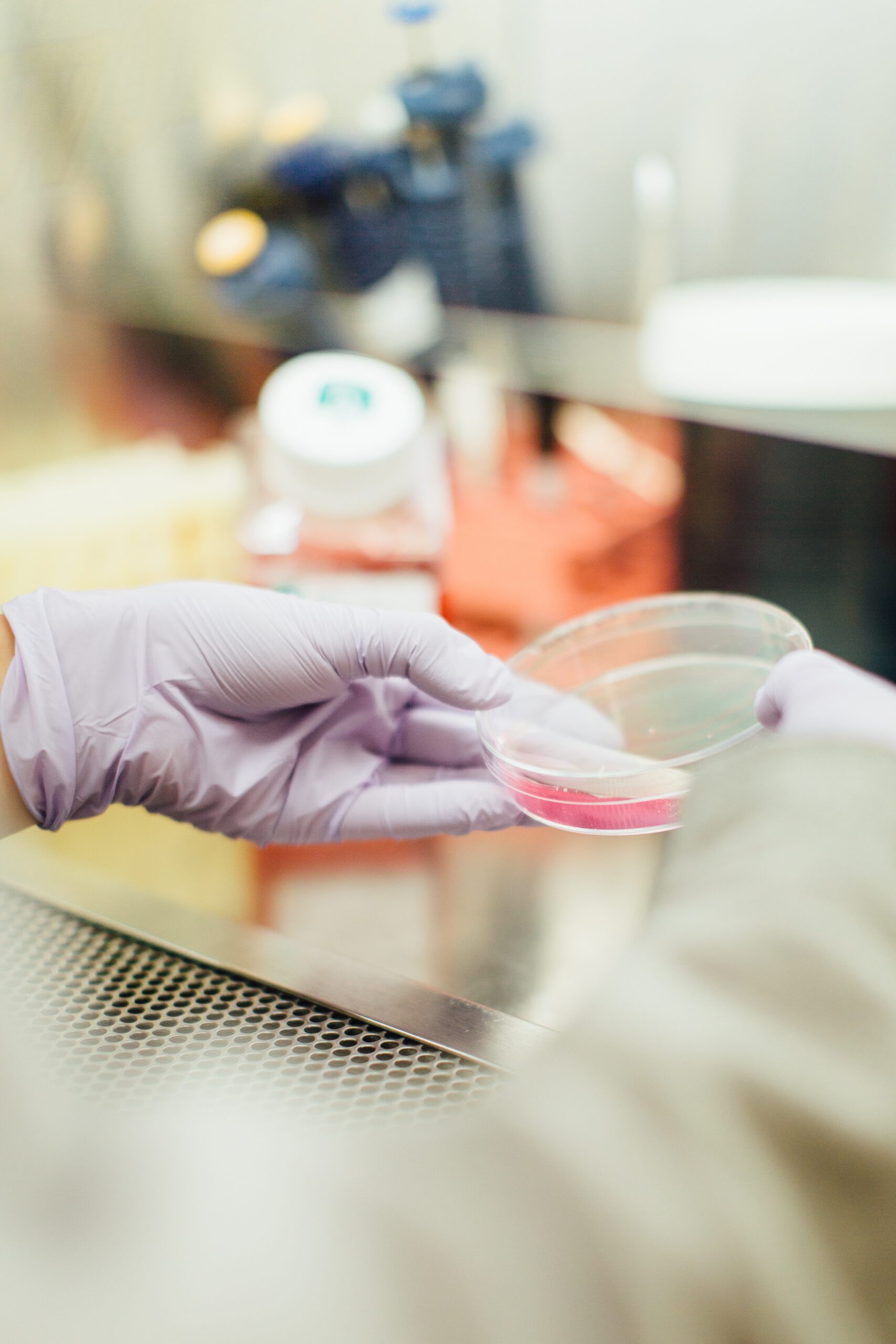
SFU researchers join the fight against treatment-resistant bacteria
Peak Web May 11, 2023By: Eden Chipperfield, News Writer Assistant professor Dr. Amy Lee from SFU's department of molecular biology and biochemistry is leading a research project to study how superbugs evolve, and their potential effective treatments. Superbugs can be “strains of bacteria that…
Continue reading


