Home Blog Page 598

SFU men’s soccer fall to Cal Poly Pomona for third straight year in West Regional Championships

0

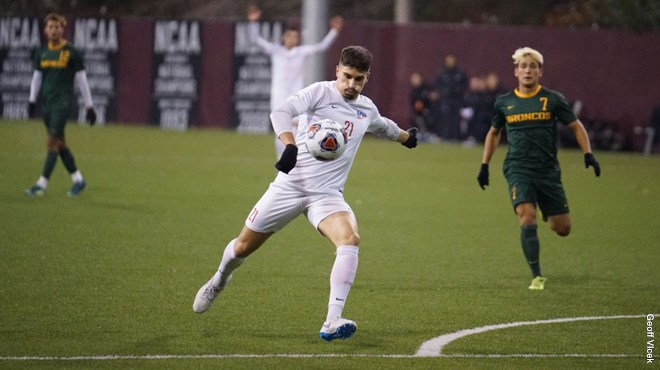
No matter how well the Clan play in the GNAC (having won three straight championships), they cannot seem to escape the curse of playing Cal Poly Pomona in the West Regional Championships. On Saturday in Seattle, this curse continued in another heartbreaking loss to the SFU men’s soccer team’s Achilles’ heel. The Clan fell 1–0 to their rivals in an overtime loss, one that probably stings more than any other loss that SFU has ever faced.

The Clan were ranked #1 in NCAA men’s soccer DIV II for a majority of the season, but given that they are the only Canadian team in the NCAA, are not able to host playoff games on Canadian soil. For that reason, the game was held at Seattle Pacific University’s Interbay Stadium — a much different atmosphere than Burnaby Mountain. Not to make excuses, but this rule has very little reasoning behind it, as the team is able to play home games during the regular season. It must be changed for the sake of fairness in the NCAA.

For the most part, the Clan outplayed Cal Poly Pomona and should be disappointed that the result did not reflect that. They dominated possession and created more scoring chances than their opponents, but many of these offensive opportunities were countered by timely defensive plays. Nevertheless, the Clan attempted nine shots, five of which were on target, while the Broncos attempted six shots, with the only one on target being the lone goal of the game.

The golden goal happened in the first overtime period, as Cal Poly Pomona midfielder Eduardo Faria dribbled into the box and crossed the ball to teammate Eduard Lucas who had an easy tap-in. There really was nothing goalkeeper Luciano Trasolini could’ve done, but still, allowing one goal on one shot on target is harsh for the entire team.

For Cal Poly Pomona, this is a fantastic story, as the team has now defeated the Clan in three straight West Regional Championship games despite not being favoured in any of the matchups. For perspective, when the teams met in out-of-conference play at the beginning of the season, SFU won 3–0 and looked comfortable the entire match.

For the Clan, this is an incredibly disappointing end to the season, especially considering that the team was a legitimate National Title contender this campaign. Nonetheless, the team will need to use this loss for motivation next season, as they look poised to have another strong year in 2019.

Not much more can be said about the loss. It’s just hard to believe that this happened again.
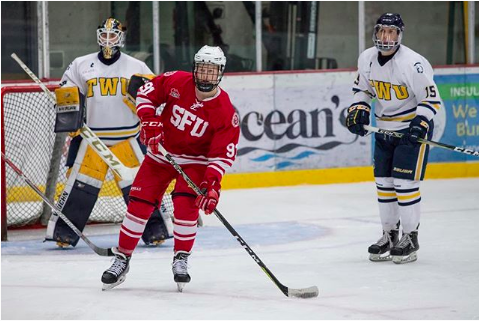
SFU Hockey stifled by suffocating Spartan defense in 3–0 loss

0
The game was scoreless through two periods. (Photo courtesy of SFU Hockey)

By: Dylan Webb

The Simon Fraser University hockey team saw their hot streak come to an end Friday night at the Langley Events Centre with a 3–0 loss to the Trinity Western University Spartans. With the loss, the Clan has now dropped both head-to-head matchups with TWU this season, despite beating them in the final exhibition game of the pre-season in late September.

The Clan now sits at 5–3 on the season, and remain tied for first in the BCIHL standings with Trinity Western. However, the Spartans, along with their lead in the season series, now have three games in hand over the Clan as the teams creep closer to the halfway point of the regular season schedule.

The teams played extremely tight, neutral-zone-dominated hockey for the first two periods of play. No goals were scored, only 34 shots were taken between the two teams, and there was a general lack of offensive opportunity. For the first two frames, the Clan did an outstanding job of limiting the Spartan offensive attack by allowing a paltry 11 shots on goal against.  The 0–0 deadlock would carry into a third period that would finally see some opening up of offensive opportunities, albeit opportunities that were only capitalized on by the home team.

In the third, the Spartans would finally break through the deadlock five minutes into the period with two quick goals from forwards Logan Casavant and Evan Last. Elijah Villo would add an insurance marker with eight minutes remaining in the game as the Spartans locked down the defensive end to secure the win and keep up their perfect record on the season against SFU.

Between the pipes, Michael Lenko started his sixth game of the season, taking the loss to fall to 3–3 on the year. Lenko stopped 25 of 28 shots.

Following the game, coach Mark Coletta emphasized that there “were definitely a lot of positives to build off of in this game” despite the loss.  He continued by saying that he was impressed by the defensive effort in the first two periods, while admitting that most of the Clan’s dissatisfaction should be related to its dismal performance on the power play and general lack of ability to bury opportunities.

Assistant coach Jimmy Camazzola added to this interpretation, arguing that the team needs to improve its emotional composition in the face of adversity, especially when giving up the first goal of the game late.

Looking ahead to their next game action, the Clan will now prepare for a two-game Vancouver Island road trip with matchups against the last-place UVIC Vikes in Victoria and the VIU Mariners in Nanaimo. The trip represents two of the three remaining regular season games for the Clan in the first half of the season. SFU will face an unusual three full weeks without game action before concluding their first half with another matchup against TWU, this time, at home at the Bill Copeland Sports Centre on December 7.

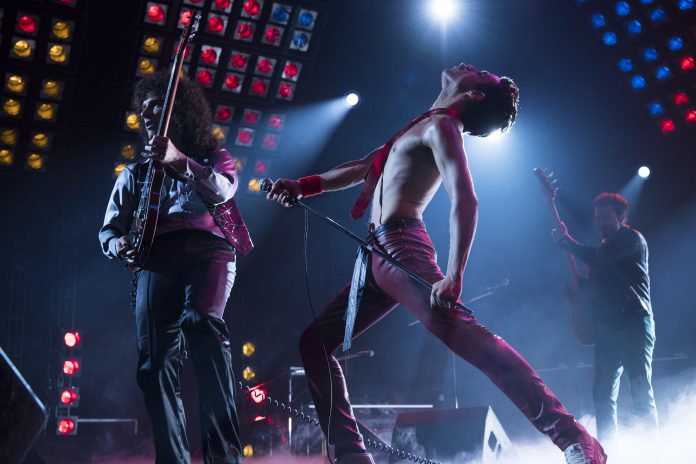
Bohemian Rhapsody shows why Freddie Mercury is the champion of the world

0
Photo Credit: Alex Bailey TM & © 2018 Twentieth Century Fox Film Corporation

By: Jonathan Pabico, Peak Associate


Fans of Queen, are you ready to rock? If you are, then Bohemian Rhapsody will definitely reawaken your inner rocker. The film not only offers an enthralling narrative but also beautifully balances Freddie Mercury’s emotional strife with his band’s humble beginnings and majestic triumphs.

        Rami Malek (best known for Mr. Robot) delivers an Oscar-worthy performance as Queen’s legendary powerhouse, Freddie Mercury. Malek perfectly portrays Mercury as a fierce rocker and charismatic misfit. His performance is enriched by Mercury’s iconic concert outfits, bold mannerisms onstage, and witty banter.

       However, Malek shapes him as a lonely individual, striving to know his place in the world while coming to terms with his identity as a musician. Combined with gloomy close-ups and distant camera shots, Malek’s performance also evokes Mercury’s humanizing pain, coming from the singer’s personal struggles with AIDS and his strained relationships with friends and loved ones. Although Malek authentically portrays the rock star’s musical genius, the film does not accurately explore Mercury’s sexuality due to limited or obscure details about how much it affected his private life.

       X-Men director Bryan Singer impressively retells the tale of Queen’s larger-than-life music career. With Anthony McCarten’s energetic script, Singer uses the band’s upbeat social dynamics to perfectly convey their relatable bond as a family. He uses the film’s underground music culture as a stunning backdrop. Moreover, Singer uses Queen’s recording sessions as chaotic set pieces imbued with satisfying tensions and volatile fun, reflecting the band’s impassioned drive to not only discover themselves but also subvert the musical conventions of their era.

       However, the film’s crown jewel is Queen’s legendary performance during the 1985 Live Aid concert. Immense wide shots of the event’s crowds, balanced with looming camera angles and fluid close-ups of Mercury and his bandmates, provide glorious nostalgia for any hardcore Queen fan.

      While the film excels in many avenues, the story has events and secondary characters that, unless you have an extensive knowledge of Queen’s history, will be unfamiliar to the average moviegoer. Still, this biopic is accessible for any classic-rock fan who simply wants to have fun and tap their feet to the movie’s rollicking soundtrack. Aside from this aspect, a set of scenes intended to give the film closure end up ruining any sense of anticipation for the film’s ending. These scenes seem more like abrupt benchmarks to meet before the movie comes full circle, but they deliver enough heartfelt tones to ground the narrative.

     Overall, Bryan Singer creates an exuberant biopic about the complex relationships between Queen’s band members and their historical performances. With Rami Malek’s powerful portrayal which honours Mercury’s legacy, Singer crafts an unforgettable story that forever reinforces Queen as one of the most famous rock bands in rock ’n roll history.

Join the Club: SFU Bhangra Club

0

By: Simran Randhawa

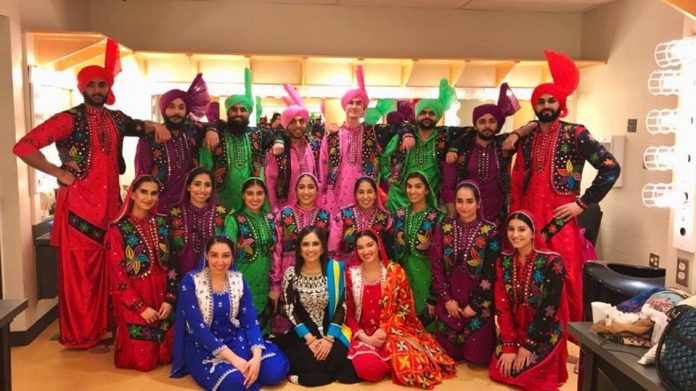
Canada is known for being a land of immigrants, and along with that comes multiculturalism and diversity. As clearly as anywhere else in this country, we see this at SFU. SFU Bhangra is one club that helps students stay in touch with their culture through its own brand of musical athleticism.    

Bhangra is a traditional dance form originating from Punjab, in northwestern India and northeastern Pakistan, and it came about as a way of celebrating the harvest season. Traditionally, Bhangra was performed by all-male groups in conjunction with a separate dance form called Giddha, which was performed by all-female groups.

The Bhangra club at SFU involves people of all genders and identities as members in their dance troop. The club is attempting to take on the traditional version of this dance form and add modern values to it. Members perform dance steps on upbeat music, and all in all, they create a friendly, uplifting vibe.

In the past, the club has performed in various events and are now hoping to compete in competitions. They are open to be booked for performances, and if you want to see an amazing Punjabi dance performance, this might be the way to go.

Whether this is your first time shaking your boots or you’ve been dancing since your first steps, this club has a place for you. The club meets every Tuesday at SFU Surrey campus. To be a member, you do not need prior experience; members of the executive team themselves will teach you how to dance and perform with you.

Aside from being a place to dance, this club is a community in itself. The executive team hopes to maintain a safe space of sorts, bringing people together for their love of cool dance moves and fun workouts and keeping them there because of the bonds they make. You know what they say: “If you sweat together, you stay together.”

Upon attending their icebreaker on September 25, I was taken aback by the number of people interested in SFU Bhangra. They had good pizza and great music, which was a blend of songs from three languages: English, Hindi, and, of course, Punjabi.

They played a few games to welcome new members. They started with the age-old game of musical chairs, and they topped it off with a game which was more of a workout than I personally liked (or expected!), but which was a lot of fun regardless. In this particular game, you got on your toes and crouched down to a squatting position. You had to stay in that position while simultaneously trying to push other people off their toes. The last one crouching wins the game.

These two games really put everyone at ease and tore down the silent demeanour which we all usually develop after even a week of classes. They really created a welcoming environment where people would feel confident enough to try out a new dance form.

We could all use some dance in our life, especially when it helps us spend some quality time with others. This can be hard for students with ever-changing schedules, especially in the fall, which is when many folks are just getting started at SFU. In lonely places like this, it is always a beneficial experience to have a place to unwind in, work up some sweat, release endorphins, and just dance. The Bhangra club is exactly that opportunity — not to mention the delicious pizzas.


Album Reviews

0

By: Kim Regala


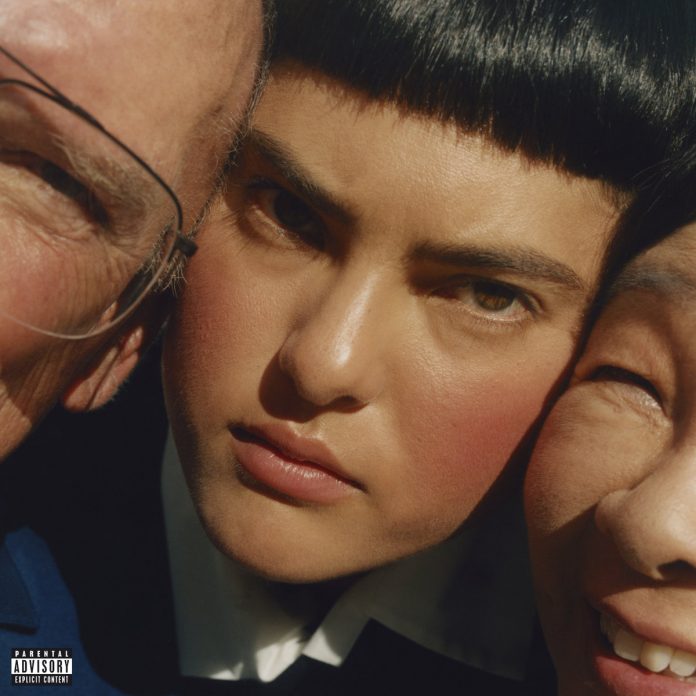
Premonitions by Miya Folick

After three long years of only releasing EPs, Miya Folick has finally come out with her debut album, and it is breathtaking.

Premonitions showcases just how powerful and wide Folick’s vocal range is. She starts with “Thingamajig,” a haunting ballad that is sure to make hearts cry through her angelic vocals. Unlike the first song, the rest of the album is more uplifting, having less to do with tears and more to do with empowerment. Most songs carry the same falsetto sounds, but “Stock Image” is where we truly witness the heights of Folick’s vocal range. “Freak Out,” on the other hand, features grungier vocals as she resorts to a raspier sound and a screaming technique.

However, “Leave the Party” is the tune that truly stands out. Not only does the song feature Folick’s skillful voice, but it’s filled with high spirits and it centres around the importance of individual choice.


Mirror Master by Young the Giant

Young the Giant has had an impressive collection of albums in their career so far, and their fourth release, Mirror Master, continues that streak.

The album starts off with “Superposition,” an upbeat tune with hints of melancholy, which sets the overall tone of what’s to come. Through this song, we can see how the band has matured in their music-making while still remaining true to their recognizable sound.

However, “Mirror Master” definitely claims the award for Best Track in this 45-minute set. The electric guitar mixed with layers of percussion instruments make for a really catchy beat that is difficult not to dance to.

That being said, while the album doesn’t exactly fail to impress, Young the Giant played it safe this time. The rest of the songs bring nothing nothing new to their tracks in previous albums. However, “Mirror Master” does still manage to remain enjoyable regardless of how familiar these tracks may feel.

Long story short: Cutting my hair set me free

0
Image credit Tiffany Chan

By: Simran Randhawa

We live in a society which puts extra pressure on women to look and act a certain way. I come from India, a society where there’s a little more tradition behind the societal pressure and where the norms push you to care about your looks.

I was raised believing that my hair was my main asset, and that without it, I lack everything that makes me a girl. I spent hours every day just turning and tossing my hair until it framed my face in just the right way. Until it made me look the way I was supposed to. Until it made me pretty.

I never saw any trouble with my identity being anchored to some dead cells attached to my body. It was just how things were and I never questioned it. I would like to say that I shifted away from this pathological dependence all by myself, and that it magically snapped like a twig one day, but that would be a lie.

It started when my friend was battling cancer. In the face of chemotherapy and radiation, she was holding on to her last few strands of hair as long as she could, refusing to shave her head. For her, her hair wasn’t just a societal norm; it represented how her very life was slipping out of her grip, no matter how hard she tried to hang on.   

That was when my twig snapped.


I had wanted to donate my hair for a long time, and now the time had come. I went to the salon in UniverCity, at the Burnaby campus, and asked to donate my hair. They asked me what hairstyle I wanted after. The answer was simple: none. I decided to shave my head completely.

Now keep in mind that I have always had hair that, at its shortest, still reached the base of my neck. I hadn’t had an exposed scalp since I was born, but there the razor was, going around my head.

In that moment, I was terrified, because I didn’t recognize the person I saw in the mirror. But I was also free, for I saw my smile and saw no flaw. For the first time in forever, I didn’t look in the mirror and think about my appearance: how my hair looked too thin or too imperfect, how my buck teeth looked when I smiled . . . For the first time, I looked at my reflection and just smiled (maybe like a maniac). Things in my life would never be the same.

For starters, it gets cold without your hair acting as a natural scarf.

Apart from that, the way I looked at myself changed. The first time I looked at myself after leaving the salon, I couldn’t believe what I had done. There was no quick way of going back now. It’s not like I was Harry Potter and my hair would grow back overnight.

I was terrified, but of nothing in particular. It just felt alien. An unchartered territory. I hate to admit this, but my fears were mainly about what people would think, including people who I might not know. Despite that fear, there was also this sense of pure and unadulterated joy, and I am proud to say I have never been more comfortable in my skin as I am now.

I shaved my head in March, so I am no longer completely bald. However, I still have really short hair, and I couldn’t love a hairstyle more even if I tried to. This hairstyle gave me confidence again.

The continuous pressure to be someone I wasn’t had gotten to me. I didn’t realize that I was toning myself down so I wouldn’t be someone else’s eyesore. Getting rid of my hair brought me out of a cage I didn’t know I was in, and reminded me that we all owe it to ourselves to know who we are.

My family, however, didn’t approve of this radical choice. Everyone liked to point out how unladylike it is to be without your hair. How no one will find me attractive, and the best of all, what would people say? Thankfully, I still had one person in my corner: my mother. She diligently pointed out how good I looked and gave the mantra of a lifetime: “Who cares?” Well, I agree.

It is safe to say that cutting my hair was one of the best decisions I made, albeit an impulsive one. I no longer scrubbed my rough edges to fit in. Instead, I learned who I was.

A person who loves to smile and show off her buck teeth. A person who, despite how much she loves colours, once stopped wearing pink because it was “girly” and that was apparently a bad thing. A person who is opinionated and loud.

A person with short hair, loving it.  

At The: Imperial

2
Chris Ho for The Peak

By: Winona Young


Ambiance: A 
There is jazz music playing, and a slew of denim jackets, wire rim glasses and bangs on every other person. The mosh pit is filling up, and everyone is chill as all hell. And even though it may be too late to be out on a Tuesday when I have quizzes in the morning, I can tell that we can expect a great crowd for Mitski.


       It’s a rainy night, but inside the Imperial, the crowd is energetic and ready for a concert. The decor is unique — terracotta warriors stand high above the crowd as decor, the stage is bathed in a deep violet light, and while the crowd is making noise, it isn’t rowdy.


Accessibility: C +

Right off the bat, this place is notably wheelchair friendly. There are ramps within the mainstage area, being transitioned from the bar, as well as a wheelchair friendly bathroom on the main floor. The bathrooms downstairs however were only limited to two genders, so one could assume that the main floor wheelchair bathroom may be the closest thing the Imperial to has a gender neutral bathroom.


Opener — Overcoats: B+
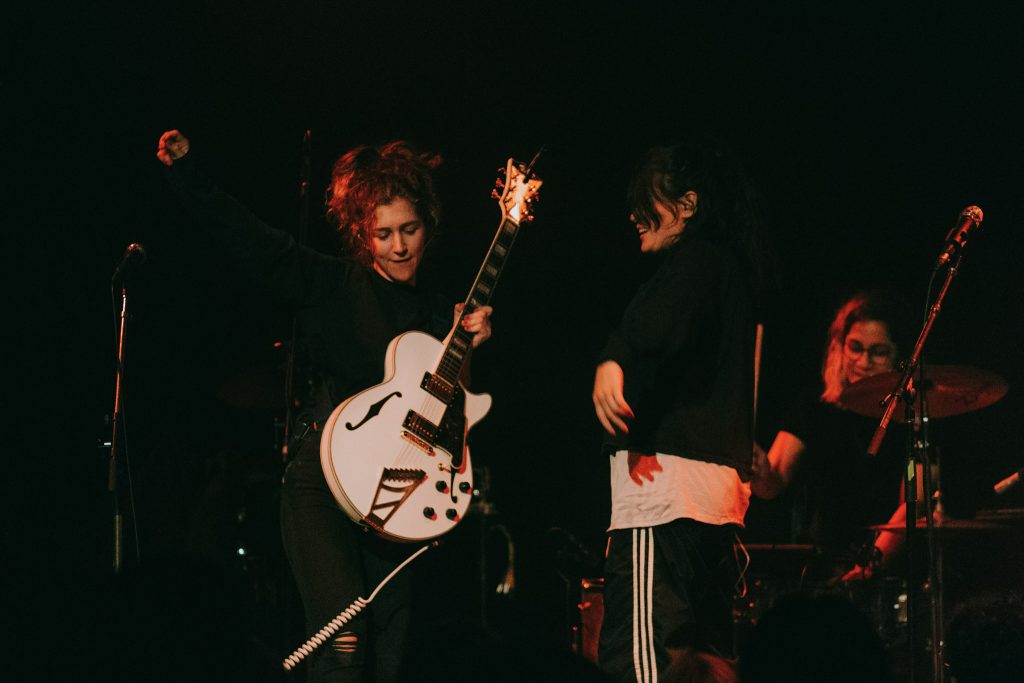
The performers’ musical sound is an cool mix of ambient, pop, and a bit of soul. The two vocalists bounce off each other’s energy, and the audience can see the chemistry that crackles between them. Overcoats are a fitting opener for Mitski as the two vocalists spend the first minute onstage standing still together, back to the audience like a hipster version of the twins from the Shining. The two croon their words, and while it was calming, it was difficult to make out their lyrics. But it honestly didn’t matter because they were a refreshing pop group, full of talented women.

       Some notable songs “Welcome,” an almost indie cowboy kind of ballad, a deeply sentimental but uninspired cover “Imagine.” It was ultimately Overcoats’ “I Don’t Believe In Us” that stood as  their catchiest song by far. Although they were an opener, and they had the moves of the coolest Oompa Loompas I’ve seen (I swear this is a compliment), the moody, crooning Overcoats had an intimately attractive energy that made for a great set.


Mitski: A 
After a solid opener, the crowd patiently waited for the grand cowboy of moody hipster music herself: Mitski.

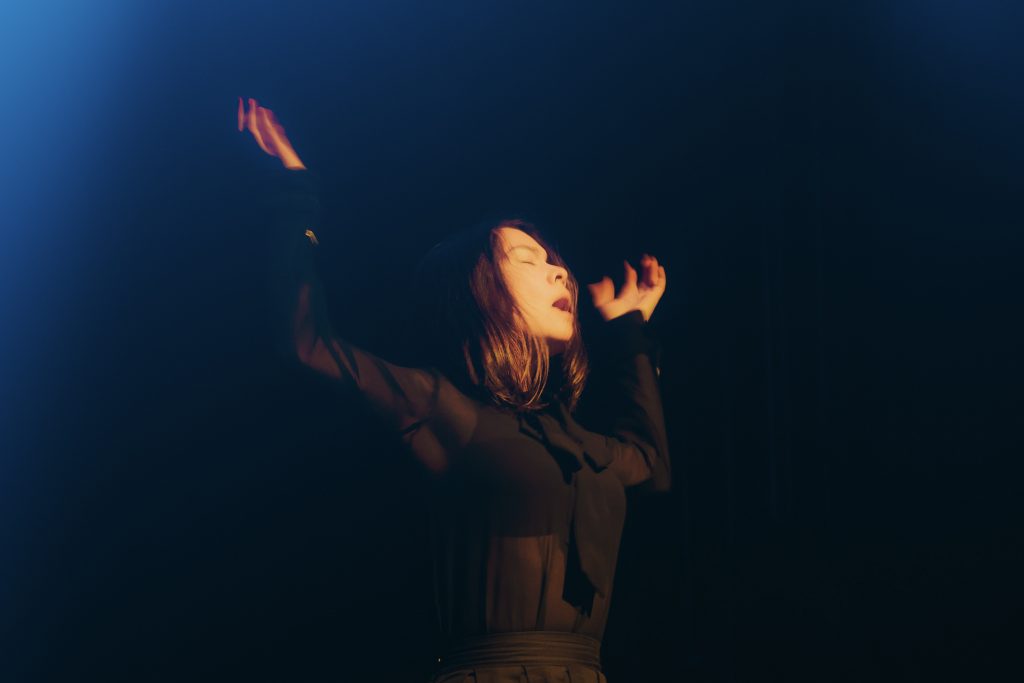
       First and foremost a performer, Mitski was hypnotizing in every way. She walked on stage stoic, graceful, and poised. Everything about her was absolutely electric — one of the most striking things from her performance was her dance movements. With eccentric style, Mitski moved/danced very deliberately — every wave of her arm, every kick, and every curled finger was very purposeful, and even if I (or the rest of the audience for that matter) didn’t understand how each movement set coupled with her songs, we loved it anyway.

       Dance moves aside, the absolute emotion that Mitski poured into her every song was just bewitching, and the music was made even more powerful by her passionate lyrics — from her older songs like “Townie” and “I Will” all the way to “Your Best American Girl.” By far, her best performance of the evening was her slow, sorrowful “Two Slow Dancers” which not only left her audience drying tears, but also herself.

       Seeing an artist like Mitski, an Asian woman, and an unapologetic, eccentric, and passionate one at that, made for a stirring and truly unique concert experience.


VERDICT: A-

With decor as unique as terracotta stone warriors bearing down on the audience, and a gorgeous lighting system, roomy space, and stellar acts as Overcoats and Mitski, the Imperial undoubtedly makes for a great place to jam out on any late night. 

7 quotes from the TEDx SFU Dialogue event

0
Image courtesy of TEDxSFU

By: Gabrielle McLaren, Features Editor


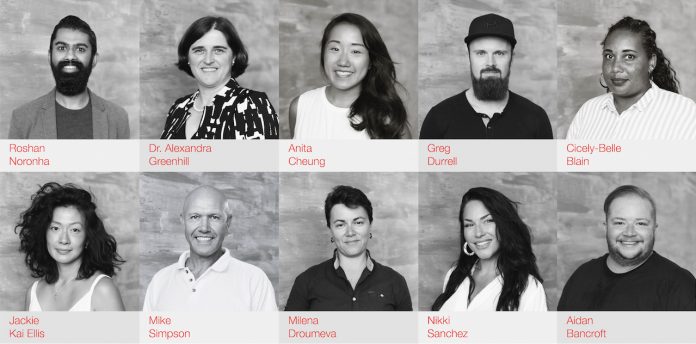
The TEDx SFU Dialogue Event was a smaller, more intimate affair than the day of speakers and entertainment that preceded it. Around 20 people from all walks of life, with various degrees of connection to the university, sat in one of SFU Harbour Centre’s conference rooms. The organizers had us pull up our chairs in a circle, and after a round of introductions, something between a Q&A session and a round-table talk took off. The discussion ran with a mind of its own, but centered around issues such as entrepreneurship, discovery, innovation, self-awareness, immigration, trial and error, and growth. Here are seven standout quotes from the speakers of TEDx SFU:


“What I find really important is to build in humility.”

– Milena Droumeva, assistant professor of communication at SFU


“I welcome that sense of fear because it tells me that I’m not playing it safe.”

– Dr Alexandra T. Greenhill, physician and entrepreneur


“I feel like you can’t even give space [to your doubts] . . . There’s no time.”

– Anita Cheung, yoga therapist, meditation teacher, and freelancer


“If you’re dealing with doubt and those what-if scenarios, you also have to wonder the opposite, which is: after all of that work and effort, what if I’m really good?”

– Roshan Noronha, SFU student and founder of EnTomorrow


“The basic misconception of what I do, and of what a lot of people do, is that talent equals success. And . . . I believe part of that is true, but it’s all perseverance . . . It’s following your dreams, but it’s working your tail off.”

– Greg Durrell, designer and documentarian


“Education . . . can also result, I think, in people, citizens, who know how to also inform themselves and participate in crafting the solutions to our shares of problems . . . ”

-Milena Droumeva


“The biggest misconception, perhaps, is that career is linear.”

-Dr Alexandra T. Greenhill

QUIZ: What Grade Are You Going to Get on Your Latest Assignment?

0
Illustration by Rebecca Lu

Written by: Hannah Davis

Take this quiz rather than doing the assignment to find out how well you’ll do.

[typeform_embed type=”embed” url=”https://peakmultimedia.typeform.com/to/lPtOyh”]


“Fake news” is a threat to democracy, but not in the way Donald Trump wants you to think

0
(Photo courtesy of Wikimedia Commons)

By: Alex Bloom

How many times have you heard the term “fake news” in 2018 alone?

I’m sure you read that in your worst Donald Trump voice, but US President number 45 probably isn’t the only person you’ve heard uttering those words. The term “fake news” might just sound like a joke by now, but it brings with it a dangerously simplistic attitude that threatens the democratic ideals that form the basis of the free press.

Trump has used the term time and time again to discredit any journalistic organization that he feels has made him look bad. In many cases, however, simply reporting the truth of what Trump said is enough to evoke his anger. The Washington Post cited a study which reported that 42% of Republicans “consider accurate news stories that cast a politician or political group in a negative light to always be ‘fake news’.”

Perhaps at one time, “fake news” meant what it sounds like it should mean: news that is false, either deliberately or by mistake. Thanks to Trump though, this term has become a way for people to dismiss coverage that doesn’t support their personal biases.

Recently, it seems that people are beginning to forget that the primary role of the free press is to keep the people informed, which is integral to the health of any democracy. The press has an ethical duty to ensure that the facts are accurate and unbiased before they report them. This means following leads, investigating all facets of the truth of any given situation they are reporting on, and — by extension — waiting to report on an issue until they are able to uncover the full truth of it, because half-truths can be just as dangerous as lies.

Ideally, independent press promotes a diversity of voices and ensures there isn’t just one potentially fallible source making claims about what’s true and what isn’t. This ensures that critical information is spread as widely as possible, and — for instance — that voters know what they need to know during an election.

It harms democracy if a political figure can demonize the press by claiming “fake news” any time they don’t like the way they’ve been reported on. If that figure has said something publicly, then the media’s responsibility is to hold them accountable for their statements.

I’m not saying that there isn’t bad reporting out there. Institutions like newspapers are made up of people, and it is inevitable that they will harbor some kind of bias, whether consciously or not. It’s great that people are approaching their media with a more critical eye, but dismissing most media as “fake news” weakens the foundation that democracy is built upon.

As reported by BBC News, Trump recently went so far as to claim that a third of Americans think the media is “the enemy of the people.” Regardless of how widely held this dismissive attitude is, “fake news” has become an unfortunately infectious catchphrase. Now, more than ever, we as the consumers of media need to critically examine what truly constitutes “fake news,” and who benefits from this narrative, or we risk irrevocably damaging the integrity of the press.