Home Blog Page 243

Inches v. miles: The Depp v. Heard trial verdict is not a reason the bash the #MeToo movement

0
#Metoo tile art
You can’t cherry-pick cases to debunk the entire #MeToo movement. PHOTO: Lum3n, Pexels

By Isabella Urbani, Staff Writer 

Content warning: mentions of abuse

For a while there, it seemed like nearly the entire world flocked to the high-profile celebrity trial between former partners Johnny Depp and Amber Heard. After weeks of testifying, the jury unanimously sided with Depp. The verdict has been interpreted as a strike back against the #MeToo era — used as a way to prove that women lie about abuse. 

It’s not just anonymous Reddit-dwellers taking victory laps. Most concerning are the powerful people treating the verdict as a successful strike for men in the culture wars. The Twitter account for the House’s GOP members of the judiciary committee, finding nothing better to do with its time, tweeted out a GIF of Depp from the Pirates franchise. Donald Trump Jr. celebrated the verdict as being “perhaps a case that could end the effective rabid [feminist] notion that all men are guilty before being proven innocent that we’ve seen as of late.” It’s a recurring “worry” articulated by right-wing personalities. Fox News’ Tucker Carlson once mused about the intentions of the #MeToo era, suggesting that the movement could be out to “destroy men, or complete the destruction of men.” 

Those narratives are perpetuated even by people who are outside of the reactionary right. Comedian Chris Rock wasted no time putting his two cents in on the trial during one of his stand-up shows, imploring his audience to “believe all women except Amber Heard.” It’s a problematic line for two reasons. First, it’s a joke that works based on poking holes in a tenet of the #MeToo era that tries to make sure abuse victims aren’t silenced. Second, it subtly changes the actual message of the #MeToo movement, which is “believe women,” not “believe all women.” The latter, as a Washington Post Op-Ed explains, is an intentionally false argument that diminishes the movement by making it seem absolutist. The Depp v. Heard case is being used to give life to both those narratives. 

Nobody wins when we point the finger and perpetuate stereotypes about who can and can’t be abused. Women remain at much greater risk of assault than men. In 2019, 79% of police-reported domestic abuse in Canada occurred against women. By creating generalizations about who can and can’t be a victim, we create an atmosphere of distrust that discourages victims from coming forward and reliving traumatic events. Why report an accuser only to be subjected to people who may or not believe you?

The trial is not a referendum on the validity of the #MeToo movement, and it’s not providing justice for those who decide to come forward and expose themselves at their most vulnerable. At its core, #MeToo was made to shine a spotlight on cases of abuse and hold people accountable. Those who relish in debunking the entire movement aren’t seeing larger issues — and that’s the problem. 

Dining with Sophistication: Townies, Tricks, and Trash

0
A Raccoon with glasses poses pensively
Reginald Trashpanda III, Acclaimed Food Critic. Maple Sukontasukkul / The Peak

By: Nercya Kalino, Staff Writer

Restaurant: Townhouse Compost
Rating: ★★
Location: SFU Residence
Appetizer: Spinach and mushroom soup
Entrée: Prawns sautéd with cherry tomatoes
Dessert: Yogurt cheesecake
Wine: Water

Simply disappointing. Those were the first words that came to mind as I exited the Townhouse Compost this sad evening.

This week I had the pleasure of Chef Lotor’s exciting cuisine. He claimed to be a freelance chef hired by SFU . . . Suspicious, but I was optimistic. He’d sent out an invite made specially for me, Reginald the III, of course. He stated this was yet to be another tasty treat only meant for the likes of my noble self. 

I beg to differ. Unfortunately, this restaurant and its . . . delights have left my tongue, dare I say, displeased. I will not be seeing Chef Lotor anytime soon, that’s for certain. 

Off the bat, the appetizer, spinach and mushroom soup, was disappointing leaf water. All I could taste was the blandness of it all. No salt, creaminess, nor any garnish. I think at some point, the soap had layers of unpalatable awfulness of what was justified as “soup.” If you are familiar with homemade broth, the layers of fat and the liquid is what creates the taste of umami. What was in my bowl was simply not that. Far from it, in fact. The mushroom was raw and the spinach had withered into non-existence. More like a garnish than a feature! Stirred together, I saw the clear reflection of my regret in those murky waters. I nearly sobbed into my little paws. The downside of the whole appetizer is that this is supposed to be a simple tummy-warming dish, but at some point I felt it claw back up to my throat. 

I insisted on skipping the entrée, worried that my night would suddenly become unpleasant from the indulgences of this regrettable meal. Chef Lotor, oblivious to my apparent disgust, brought this horror forth. How can one think to cook this meal and ration the least amount of prawns one can ever think of is beyond me. The whole point of prawns sautéed with cherry tomatoes is the prawns! The tomatoes overpowered the whole meal and it lacked zest and aroma. The spinach in this meal was, well, present. Come to think of it, the amount of spinach in this meal could have been used sufficiently in the spinach and mushroom soup. 

The dessert was the only part of the meal that was able to calmly stay in my belly. I had no intention of finishing the whole fiasco, but the proportions of the ingredients and its warmth made the experience somewhat less vile. It was sufficiently filled with dairy, and I admit a small weakness for cheese. I sadly chewed on the soggy graham crust while thinking over my sordid meal.

For the many reasons I can list on for eternity, this meal did not deserve any assortment of wine, so I drank water to quench the filth stuck in the back of my throat threatening a torture that would proceed the night.

Was this restaurant worth my time? No. I have never been more disappointed in Chef Lotor’s recommendation, he has started to lose his dazzle. Worse, I suspect he unintentionally tried to poison me. I, Reginald Trashpánda III, your honorable and favorable food critic. I am deeply immersed in the love for cuisines but this was not anywhere close to that. I now must get on that Yelping app to warn my fellow readers of this monstrous chef!

We need to stop harassing people who’re sleeping in their cars

0
photo of living equipment in the backseat
It’s a symptom of a much larger issue. PHOTO: Mitchell Hartley, Pexels

By: Nercya Kalino, Staff Writer

Everyone needs a place to rest. We’re all leading busier and busier lives, and need time to recharge. The problem is that not everyone has enough money on hand to get a roof over their heads, particularly in Vancouver. Enter, the problem of having to sleep in your car. And while I don’t see the harm in someone having a car to sleep in when going through a hard time, that’s not a widely accepted position. That’s not to say that squatting is something that we need to embrace, but we do need to acknowledge that sleeping in cars is often a last resort and a terrible symptom of a much larger problem.

Just last year, the City of Vancouver demanded 30 RVs parked near East 12th Avenue and Slocan Street vacate the area or face fines. Taryn Scollard, Vancouver’s director of streets, said of the encampment that officials had been “seeing a lot of increased concerns in the area as the number of RVs increase,” which in turn demands increased bylaw enforcement. Across the Strait of Georgia, the Victoria Police have spoken out against relaxing car-sleeping rules. Police issued the statement when the Mayor and a city councillor proposed relaxing bylaws to prevent tickets from being issued to people sleeping in cars parked on the street should the city’s vacancy rate dip to 3%. The acting Victoria police chief said at the time that the police need to have the “discretion” to deal with people sleeping in their cars. 

But you don’t need discretion. What we all need to do is reflect on the societal failures that leave people no other option than to live in their cars. If we’re not willing to do that, then the very least we could do is stop criminalizing people’s living spaces as a last resort. 

The problem is bigger than we think. According to the CBC, Metro Vancouver’s 2017 homeless count found 58 people living in their cars across the region. Peer-Daniel Krause, who managed BC’s 2017 homeless count, suggests the 58 people figure is a “vast underestimation” of the number of people who live in their cars. 

There are any number of reasons why a Vancouverite might turn to living in their car. We know, for example, that the housing market in BC continues to prohibit stable living situations, from ridiculously overpriced housing, to the gap between wage-earning and the municipal housing cost for rent and buying. There are huge problems preventing Vancouverites from affording a home. Sleeping in your car gives people, at the very least, a modicum of personal security that sleeping on the streets or in shelters can’t provide. 

Instead of policing people sleeping in their cars, we need to express compassion for their impossible situation. But beyond compassion, meaningful policy adjustments are needed. There’s the small stuff, like allowing people to stay overnight, in cars, in public parking lots. But the larger solution is, of course, tackling a dearth of affordable housing options in Vancouver. People want to live in cities. Tackling zoning laws that prevent multi-family complexes might be a good place to start. 

Enforcing bylaws on car-dwellers doesn’t solve the problem, it shuffles it, temporarily, out of sight. Car-dwellers are a natural outgrowth of the housing issue. They are not to blame for their circumstances, and shouldn’t be harassed by overzealous bylaw or police officers. Instead, we need to realize that antagonizing people who already have it hard enough is plain out not okay, and start chasing meaningful reforms to housing and work that make our cities affordable again.

Local organization launches new harm reduction program

0
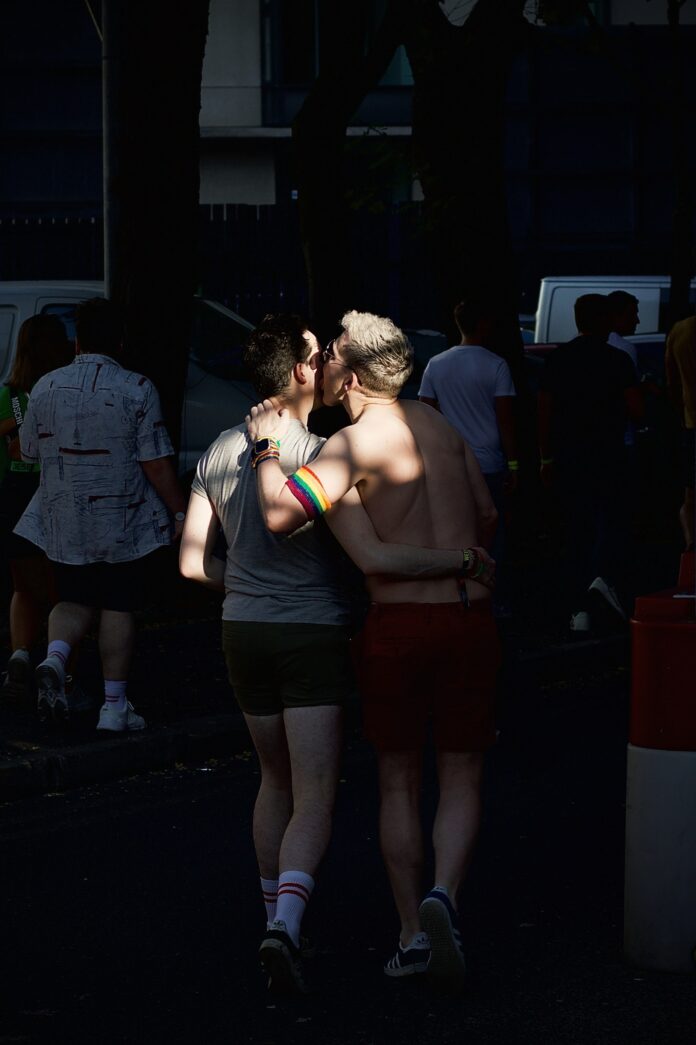
The photo shows the backs of two men, walking arm in arm, as they engage in a kiss. One man has a rainbow painted onto his arm.
Clients are not required to abstain from drug use to access services. PHOTO: Sushil Nash / Unsplash

By: Chloë Arneson, News Writer

The local non-profit society Health Initiative for Men (HIM) has launched a new harm reduction program called PnP & Me to help clients identify and achieve their personal health goals for sexualized substance use. Colloquially known as party and play (PnP), the use of methamphetamines in a sexual context is common for gay, bisexual, and queer men (GBQ) as well as gender-diverse people.

To learn more about their 16-week counselling program, The Peak reached out to Evan Matchett-Wong, program director of HIM. The PnP & Me program is currently running its first cohort of clients, providing peer-led and drop-in group counselling. They also provide one-on-one counselling sessions with a professional. “The big component of this is not only receiving the mental health services, but also the social connections,” they said. 

Matchett-Wong noted LGBTQIA2S+ individuals often face higher rates of poverty and job discrimination. “[They] might be encountering a life that is hard to live and hard to find joy [ . . . ] for some individuals drug use is the only way they can find that joy.” 

The BC’s coroners service reported at least 161 British Columbians died from toxic drug supply in the month of April. Substance abuse particularly affects the LGBTQIA2S+ community — members are more likely to suffer from substance abuse than their heterosexual counterparts. The American Addiction Centers explains these numbers are affected by lack of support, internalized homophobia, disproportionate rates of mental health issues, and the need for specialized treatment options.

“Drug use has a multitude of complex factors and reasons for why someone would go into using any type of substance.” Matchett-Wong added, “It can be anything from surviving conversion therapy, being disowned by their families, or having difficulties accessing other services.” 

In an interview with Global News, Matchett-Wong discussed how harm reduction is crucial in mitigating the effects of toxic drug supply. “The major component about having a harm reduction based program like this is to help reduce those deaths within the community just by limiting the usage of it,” they said. “We have a firm belief that people are masters of their own bodies and have control over their own health, meaning that if someone wants to join the program and they don’t want to quit using crystal meth, they don’t have to.”

This means anyone whose goal is to reduce their usage may join the program without the pressure to remain abstinent from drug usage entirely. The strategy HIM employs is called contingency management, where they encourage clients to set goals with incentives if they achieve them. “We approach [the program] with a sense that it’s not condescending or patriarchal,” said Matchett-Wong. They note the program, unlike many others, does not require individuals to test clean for methamphetamines to participate. “We don’t believe in punishing people for using.”

On their website, HIM states their goal is to “strengthen the health and well-being in communities of self-identified GBQ men and gender diverse people in BC.” They have health centres in the Lower Mainland as well as anonymous testing events in the interior of BC to prevent and treat HIV and STIs for GBQ men. Their physical and social health programs provide holistic support to the GBQ community in BC.

To learn more about HIM’s harm reduction program and services, you can visit their website or email [email protected] for more information.

CONFESSIONALS: If you leave the group chat, I am leaving you for the sharks

0
Illustration of a closed envelope, with the text, “Confessionals”
ILLUSTRATION: Marissa Ouyang /The Peak

By: Kelly Chia, Humour Editor

Is this a confessional or a reckoning? At this point, I’m not sure. I am a destroyed woman. And it’s because of you. I will RUIN you.

Look, I know how I sound. 

I’m a nice person. At least, I think I am. I always say thank you when I leave the bus, sometimes even when I leave the SkyTrain. But I am not patient. I’m about two inches away from releasing fresh hell, and I will not apologize. 

A bit of background on my dilemma. I admit, this group project wasn’t everything to me, three months ago. I mean, it wasn’t graded strictly, and I thought we were all about sharing the tasks. Then, we had the naive pretense of exchanging contacts via Discord, or WhatsApp. We laughed about taking on group responsibilities and joked about the long syllabus.

We had the joy of laughter then. 

But it is the eve before our presentation. The crux that breaks the ship on which our friendship sailed. I’m not dramatic. I tried to be patient. I believed that you’d do your part when I had seen you in class last weekend. You told me, with a smile on your face, that you’d respond! 

I sent you a text through your cell number. I waited. I messaged you on Discord. I waited. Five days passed.

I accepted the truth. I have been ghosted. 

You left me asunder in an ocean of Google Slide transitions and the most unhelpful illustrations. Please tell me how I’m supposed to use a vector of a sad boy eating ice cream for our Shakespeare analysis. You make me feel like a sad boy. With no ice cream.

Left in my thoughts, I monologued on and on, much like Edgar Allen Poe and the worst group partner. You were supposed to be my partner, and you’ve parted my heart. I am running on three Red Bulls, and I’ve just had a revelation. In fact, I’d call it inspiration. 

Tomorrow’s presentation will not only have no trace of your work in it, it will condemn you, in the most academic sense. You see, I have decided to do a fun mad-lib. We know the plot of Othello so well now, I’m sure the class will be excited at my creative decision to use your name in place of Iago. You are the betrayer!

Tomorrow, you will receive my fair deliverance. Everyone will hear it, the professor, the TA, and the class that could really care less. What use is the high road in a 100-level Shakespeare elective?!

. . . Or, I could go back to my chicken noodle soup, and never look at a Messenger group chat, ever again.

Political Corner: Don’t call us taxpayers!

0
Canadian flag against skyscrapers
An engaged citizen is worth more than a taxpayer. PHOTO: Adrian Lang, Pexels

By Luke Faulks, Opinions Editor

How do you describe your priorities as a Canadian voter? From climate change to income inequality, from reconciliation to immigration, we all have a range of issues that animate us. But what’s true for everyone is that those interests don’t stop at our wallets. We’re not just taxpayers, we’re citizens. Reducing the public to “taxpayers” minimizes our roles, reduces our interests, and teaches politicians the wrong lessons. 

In any given election cycle, Canadians, and by proxy, their interests, will be reduced to taxpayers and taxes. It’s a trend we can see across the political spectrum. An easy search through Liberal, Conservative, NDP, and Green statements shows parties embracing the term. And our political leaders aren’t the only ones who’re guilty of leaning into the rebrand. News and Opinion pieces from prominent Canadian outlets sprinkle the term throughout articles, as does academic research

We need to fight back against the impulse to use the term. 

“Taxpayer” reduces our role in politics to that of a piggy bank. It assumes stymied participation, something Canada doesn’t need help with. Canadian political participation has yet to match the over 79% turnout observed during the late ‘50s and early ‘60s. The “taxpayer” brand is a symptom of that low turnout. Outside of paying taxes, the term suggests, Canadians don’t have a role. We don’t have a role in running for office ourselves, volunteering with public organizations, or otherwise engaging outside of whining about how our tax dollars are spent. It reduces our role to the point of endangering a healthy political system. 

The term is also derogatory to Canadians, whose political interests exceed how politicians are going to spend their money. Case in point, we’re a country that knows fully well that fighting the climate crisis requires significant investment. We want effective climate action, anyways. Indigenous reconciliation is another issue that requires substantial investment. Despite the impersonal nature of the problem for most Canadians and the hefty price tag attached to it, it’s an issue that Canadians feel passionate about, which makes it worth politicians’ time to integrate these issues in a way that doesn’t reduce us to the taxes we pay. 

 Lastly, the taxpayer brand risks not just softly disenfranchising and explicitly reducing Canadians, but creating a reverse effect telling politicians that raising or lowering taxes is the way to win votes. A 2013 study found that politicians on both sides of the aisle were convinced their voters tended to be more conservative than they actually were. The study suggested politicians were more likely to overestimate voters’ desire for austerity measures, and more likely to underestimate voters’ appetites for tackling social justice issues. 

The race to the bottom on taxation  the natural result of politicians’ belief that they can run on lowering taxes since the beginning of the neoliberal era has had a damaging effect on the government’s capacity to problem-solve. To effectively solve issues like climate change and Indigenous reconciliation, we need a fully-funded government. Using the term “taxpayer” implies a penny-pinching public that’s reluctant to see their money go anywhere but into their bank accounts. Using a more comprehensive term, like “citizen,” would help support the perception that voters are willing to support spending initiatives.  

During his inauguration as Canada’s 28th governor general, David Johnston provided a rallying mantra for citizens: 

“We are a smart and caring nation. A nation where all Canadians can grow their talents to the maximum. A nation where all Canadians can succeed and contribute.”

Each of Johnston’s important calls to action requires much more than being referred to as “taxpayers.” We have interests that both encompass and exceed worrying about how politicians spend on us. We’re citizens, not just taxpayers.

What Grinds Our Gears: SFU students aren’t eligible for a U-Pass during a semester off

0
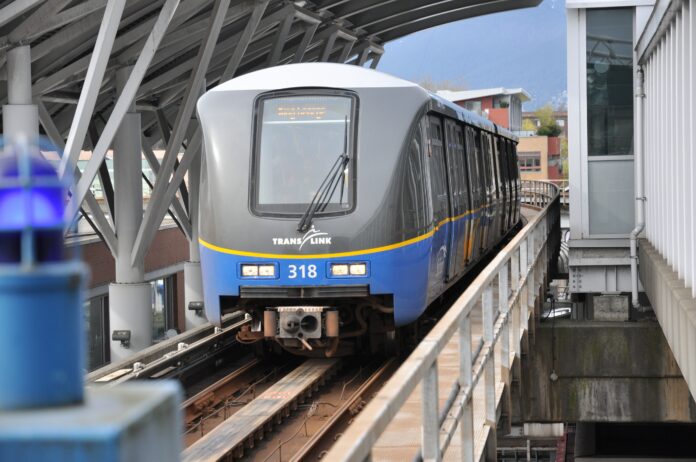
Vancouver SkyTrain
SFU students are still SFU students during an off semester. PHOTO: Diego Mazz, Unsplash

By Luke Faulks, Opinions Editor

You know what’s cool? The U-Pass system. Through SFU, we’ve got unlimited access to the Lower Mainland’s sprawling bus, SkyTrain, Seabus, and gondola (c’mon folks) network. You know what’s less cool? Revoking that access when students aren’t signed up for enough courses. Dick move, whoever runs this thing. 

Maybe eligibility is based on some erroneous assumptions about students. Let’s picture the SFU student who’s taking a break between semesters. Are they going to commute for work to fund their continued academic goals? Are they going to head out on the town to unwind after a grueling semester? Apparently, the survey says “nope!” No, what the U-Pass system tells us is that a semester off is spent sequestered away in your place of living. No travelling. No commuting. Why else would the powers that be halt the Compass card system when SFU students are still part of the community? 

Now, yes, paper pushers, I can feel you fuming. “We pay for the U-Pass in our semester fees,” you say. “We don’t pay during off semesters,” you argue. “Stop pestering me for my take on the U-Pass system,” you add. True, true, and apologies, Tyler. Every semester in which we take courses, we pay a fee of just over $170 for access to the U-Pass system. That’s a lot. And it’s enough that we should be able to have a carryover semester where we, as SFU and Translink’s sometimes-year-round-money piñatas, get to use the transit system for free. 

Even between semesters, a great deal of what we do remains in service of achieving our academic goals. Why grind our lives to a halt by intermittently dropping students’ U-Pass eligibility? 

Unraveling stories of “dreamers and changemakers” at the Xicanx exhibition

0
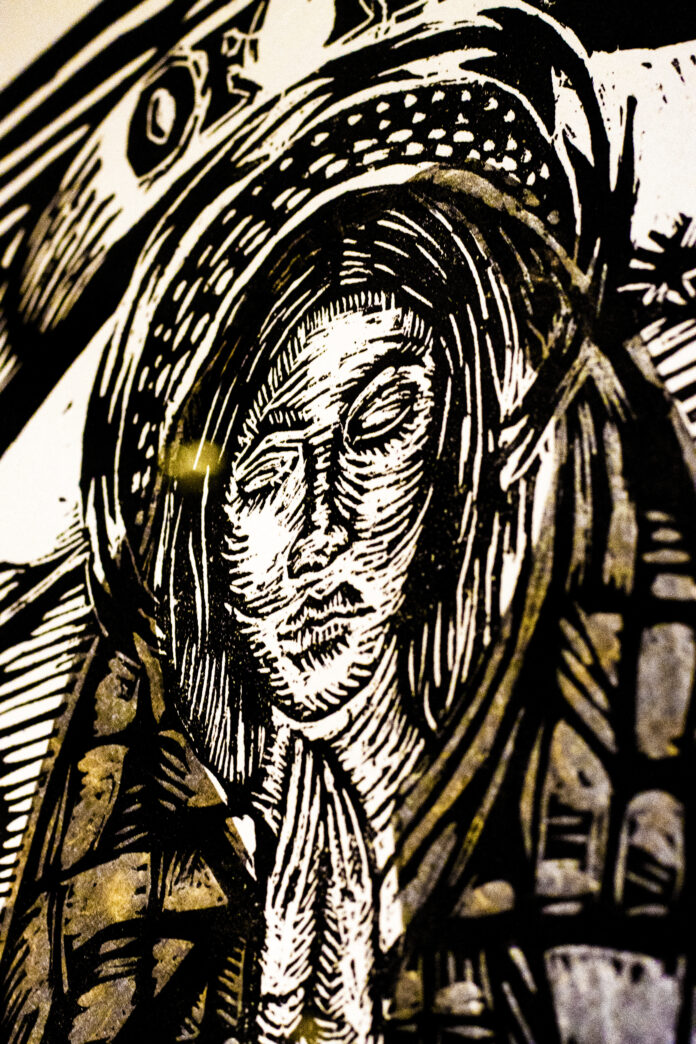
gold and white painting of a praying woman or saint
Xicanx: Dreamers + Changemakers showcases the interconnectedness of art and activism. Krystal Chan / The Peak

By: Pranjali J Mann, Staff Writer and Yelin Gemma Lee, Arts & Culture Editor

Content warning: mentions of racialized violence against Latinx folks, El Paso mass shooting, undocumented status, systemic racism 

The Museum of Anthropology (MOA) on the UBC Vancouver campus displays art as a powerful form of activism and sociopolitical critique. The Xicanx: Dreamers + Changemakers exhibition opened on May 12 and is gracing MOA until January 1, 2023. It aims to expand on “the idea of Xicanx art while continuing to address the personal, social, and political issues of our times.” Being a student learning about similar issues relating to the India-Pakistan partition and loss of family and culture across borders, this theme intrigued me. 

Xicanx is a gender neutral term for chicano/chicano — used to connote “people of Mexican origin living in the United States since the early twentieth century.” In the context of the exhibit, the term “reflects those who fought for and claim this designation, and incorporates the ‘X’ from the Spanish transcription of the Nahuatl sound, ‘ch.’ Nahuatl is one of the major Indigenous languages in Mexico.”  

The exhibit covered experiences which “transcend borders and gender,” through themed sections: neighborhood, borderlands, activism, home, and identity. Displaying a wide range of artworks from 1970–2022 by 33 Mexican American artists including murals, mixed-media installations, and paintings, the vibrant exhibit was captivating.

According to the exhibit co-curator, Jill Baird, the exhibition presents stories significant to Mexican culture, activism, and the US border. The moment I entered the exhibit, a ceiling full of colorful flags and hot pink walls welcomed me into the space with a powerful quote by Tomás Ybarra-Frausto: “The power of place is tangible and evident in the way we speak, how we identify ourselves, and the values we profess.”

Borderlands

According to Baird, this section of the exhibit captures “peoples’ concerns of crossing the Mexican American border, but also the idea of how that impacts people’s lives.” 

A piece by Carlos Fresquez titled Salon de los Ilegales particularly stood out to me the most from the borderlands section. The piece uses the silhouette of a family that was used on “yellow highway caution signs” at the US-Mexico border “to warn drivers to watch for Mexican families running or crossing the roads.” This recognizable silhouette of the running family is placed on various thrift-store landscape paintings. The paintings are displayed across a map of the US.

“I ‘illegally’ place a representation of the Mexican into their utopia. Therefore, by placing the running family into these landscapes I am documenting the undocumented,” wrote Fresquez in the description of the artwork.

I was immersed in reflecting on the stories of perseverance depicted in this piece. Would the kids running ask their parents why their identities were constructed this way? What conversations would they have? Where are they now?  

Another piece read, “We did not cross the border. The border crossed us,” attributed to Tomás Ybarra-Frausto. The exhibit referenced a map of 1848 borders, when Mexico made up a larger part of the US.

In Our Lady of the Checkpoint, a woman with a halo and prayer hands is depicted crossing the border. The piece was crafted by “woodcut and vinyl on archival paper” by Celeste De Luna. The artist statement read, “The common experience of brown women of the border, both documented and undocumented, is how bodies are considered potentially criminal vessels and are objectified by both governmental agencies and people all around us.”

Activism

The section focusing on activism highlights the negative impacts of fighting the status quo on their bodies. The two-piece painting by Roberto Jose Gonzalez featured skeletons on a Black background and appeared to be connected by two skeletons’ hands meeting at the same point along the edges. One was titled El Paso 8/3/19 and the other No Hate, No Fear. El Paso 8/3/19 depicts a chilling scene of skeletons strewn about on the ground on top of each other, with one skeleton leaning a hand on the edge of the canvas. Gonzalez described that this piece was on the El Paso, Texas massacre, a racially targeted mass shooting. 

“The shooter wrote that he was specifically hunting Mexicans. It is a tragedy where few words can express the pain and sorrow experienced,” wrote Gonzalez in his artist statement. No Hate, No Fear extends off of the death-pictured piece, depicting what appears to be the grieving loved ones of those in the previous panel. Even through skeletons, Gonzalez successfully expressed human grief and tragedy of lost life in an emotionally impactful way. 

Neighbourhood

The Brown Dot Project by Linda Vallejo featured “data pictographs” which represented statistics in different shades of brown relating to class and color. The project came from Brown Belongings where Vallejo collected “the experiences, knowledge, and feelings” of “Chicano/a and American Indigenous communities.” In her statement the artist said, “I ‘long’ to find a visual language that will open a dialogue about how Latinos see ourselves, how others see us, and how we can find understanding and joy in both our differences and our similarities.” The infrared orange colour of the pigment prints as a way to present data and make commentary on racialized experiences was powerful. 

The Xicanx exhibition stirs a strong message of social justice by allowing a platform for artists that are “dreamers and changemakers.” The most important takeaway is to go and visit these masterpieces while they are here. As Baird revealed, the viewer might be able to catch some of the artists as they sometimes drop by the museum to talk about their impactful pieces. MOA plans to host a celebration in honour of Day of the Dead on November 2. 

To learn more about the exhibit and purchase tickets to Xicanx: Dreamers + Changemakers, visit MOA’s website. You can virtually preview the exhibition here.


Food for Thought: Bubble Tea

0
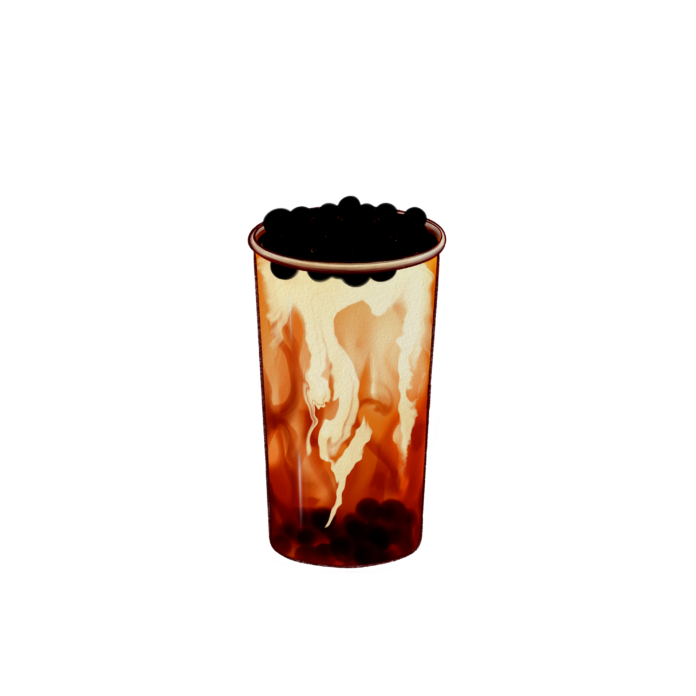
A digital illustration of a brown sugar bubble tea with pearls on top
Bubble tea options can be found around SFU campuses! Illustrations courtesy of Stella Nguyen / The Peak

By: Cristina Liao, Peak Associate

From the newly opened Yogost in UniverCity to the Gong Cha stores that can be found all over the Lower Mainland, we see this Taiwanese drink known as bubble tea, boba, or 珍珠奶茶 rapidly seep into the western world. 

I have a never-ending love for this beverage. Once summer hits, the fruit-based bubble teas are my ultimate comfort drink when those study sessions start getting rough. With its numerous unique flavours like “peach soda pop” at Yi Fang and my go-to “osmanthus oolong tea” at Shiny Tea, it’s hard to imagine ever getting bored of this drink. Even if you were to order everything from the menu at one store, different shops will have their own flavours and unique takes on classics like taro

Digital illustration of milk tea with jelly and pearls
Illustration courtesy of Stella Nguyen / The Peak.

Being one of Taiwan’s most beloved beverages, the history of bubble tea began in the late 1980s with the classic milk tea. Milk tea, shaved ice, and tapioca balls were individually popular as desserts at the time and these elements were combined to produce the first classic milk tea boba. As bubble tea became increasingly popular throughout Taiwan, “stall owners started introducing fruit boba, using fruit powders and syrups in lieu of actual fruit.” 

However, this isn’t the only origin story of bubble tea. There are other claims to the true beginnings of bubble tea such as the rumour that a teahouse in Taiwan called Chun Shui Tang started selling iced tea on their menu. The manager there decided to add tapioca pudding in their drinks as a test, and ended up adding it to the menu because of how good the combination tasted. This addition became so popular that it was a bestseller for the shop’s franchise and concessions all over Taiwan began following this trend.  

Digital illustration of a matcha latte bubble tea with pearls
Image courtesy of Stella Nguyen / The Peak.

Although I’ve been delighted at the growing popularity of bubble tea in the western world, it sometimes feels like East Asian culture is watered-down to iconic food and drinks like dim sum and bubble tea. Childhood memories of white classmates making fun of the smell or look of my lunches contradict the love for certain East Asian foods I see now. Food can be closely linked to cultural identity, but cultural appropriation and the white gaze seem to take up too much space and overshadow this beautiful experience. 

Bubble tea plays a large role in Asian Canadian culture, seeing as it has brought a newfound appreciation for our influence on Canada’s food and drink sector. As Presotea states, “For many diasporic Asians, bubble tea is a symbol of their culture.” As an SFU student, you have many options for getting this cultural beverage on our campuses. There are Xin Fu Tang and Coco stores that can be found at the Central City mall beneath the Surrey campus, as well as numerous places at SFU Burnaby, including the aforementioned Yogost. You might see me at Yogost on a hot summer afternoon enjoying the peach lychee yoghurt foam, contemplating the true origin story of bubble tea.


How voguing carries decades of queer history through its movement

0
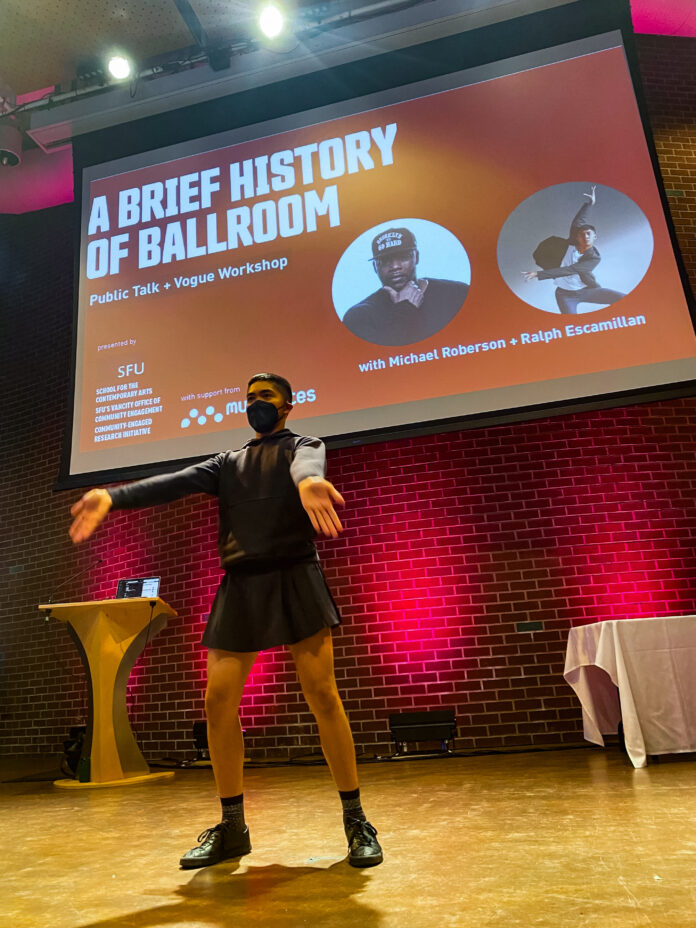
The person extends their arms out toward the audience in a vogue pose with a PowerPoint slide of the event banner projected behind him
The public talk and workshop event gave an emotionally compelling introduction to ballroom culture and vogue. Photo Credit: Chloë Arneson / The Peak

By: Chloë Arneson, News Writer

On June 16, the SFU School for the Contemporary Arts and SFU’s Vancity Office of Community Engagement hosted a Public Talk and Vogue Workshop at the Goldcorp Centre for the Arts. This workshop and presentation was part of their two-day event to explore the history of the house and ballroom community. 

House and ballroom is an underground Black and Latinx LGBTQIA2S+ subculture that features extravagant social events of gender and sexual expression. Vogue is “a highly stylized form of dance.” Inspired by poses from Egyptian art and high fashion, voguing uses exaggerated gestures and movements to tell stories and celebrate LGBTQIA2S+ identities.

As a queer person, I’ve interacted with fragments of ballroom culture and voguing, but had very little knowledge of its rich history and cultural importance going into this event. When I walked off of the colourfully lit dance floor on the afternoon of June 16, I left with a greater appreciation for how much of our present-day queer culture is owed to the Black transwomen of the ballroom scene.

Michael Roberson, co-creator of the National Black Gay Men’s Advocacy Group, walked us through the origins of ballroom and voguing. He explained that a community formed around the ballroom scene, led by Black and Latinx transwomen who created this space for themselves in and around New York. Vogue uses a variety of different styles and techniques, all with various cultural origins within the queer community. Roberson showed us videos of iconic ballroom and voguing performances by trailblazers including Leiomy Maldonado and Javier Ninja

I was astonished that in all of the drag related media I have consumed, I had never heard these stories. Drag is an industry that profits immensely from the culture of Black and Latinx people, but now largely excludes them from the limelight. I made a mental note to think more critically about the queer content I support going forward and started by watching more Maldonado videos in awe as soon as I got home.

Following the moving and educational talk by Roberson, we jumped right into the voguing workshop. Ralph “Posh” Gvasalia, the founder of the non-profit VanVogueJam, led us through the basic 5 Vogue-Femme elements: hands, catwalk, duckwalk, spins/dips, and floor.  

As we learned the first few moves with our hands and practiced our catwalks, I felt like a badass. This explosion of confidence was instantaneously cut short as we moved on to spins, dips, and the duckwalk. Bouncing across the floor in a crouched position, some attendees put on their best Maldonado faces and some couldn’t help but laugh as we struggled to keep balance and kept falling backwards. The duckwalk required you to kick your feet out while crouched, incorporate the hand movements we learned earlier, and core strength — all of which I do not possess.

For a dance that is so commonplace within queer culture, I never realized how hard voguing is. Posh taught us that ballroom is more than just individual elements laced together to create a performance: it is a form of storytelling. He told us to imagine a story for ourselves that embodies the attitude we feel while we dance, and let it be seen through our movements. It was a little tricky to embody the diva within me as I gracefully smacked my head on the floor. 

We practiced in a circle around Posh and even though I was definitely not getting better, I started having more and more fun. In the spirit of vogue and ballroom, we clapped to keep each other on beat and cheered with delight as Posh showed us what a true master of vogue can do.

As a person who never had the chance to really participate in queer culture within their own city, this event felt really liberating for me. Learning how to vogue encouraged me to step out of the restrictive box I created around my queerness and allowed me to be unapologetically expressive. I felt connected to both my local queer community and its rich history. 

To learn more about the history of ballroom, you can watch Michael Roberson’s TED talk. To learn more about SFU’s Vancity Office of Community Engagement’s upcoming events you can check out their website and their Twitter.