Home Blog Page 219

The Central Asian Student Association organizes fundraiser drive for the earthquake in Turkey and Syria

0
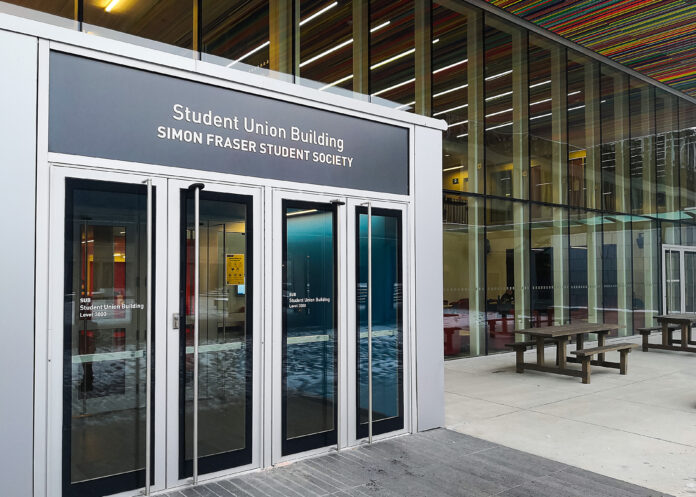
This is a photo of the outside of the Student Union Building at the SFSS Burnaby campus. The photo is a close up of the doors. Above the doors the sign reads “Student Union Building, Simon Fraser University”
PHOTO: Afsaneh Keivanshekouh / The Peak

By: Aditi Dwivedi, News Writer & Karissa Ketter, News Editor

The Central Asian Student Association (CASA) of SFU organized a fundraiser and donation drive for the people affected by the earthquake which struck South East Turkey and North West Syria on February 6, 2023. 

More than 40 million people are suffering from the damage caused by the two earthquakes of magnitude 7.8 and 7.5. Since then, the regions of Turkey and Syria have dealt with approximately 200 aftershocks causing further destruction and an exponential increase in casualties. The affected population of northwest Syria is even more vulnerable due to the decade-long ongoing war, causing millions of displaced people to live in camps. 

While rescue operations are underway, the “understaffed and under-resourced” health facilities have made these regions “entirely reliant on international aid to assist with this emergency.” From February 14 onwards, the Central Asian Student Association has conducted multiple fundraisers and donation drives on the Burnaby campus of SFU. The proceeds of these initiatives will go towards the efforts in Syria and Turkey.

In an interview with The Peak, Sude Guvendik, a representative of the Central Asian Student Association, spoke about the importance of supporting the SFU community and victims of the earthquake. According to Guvendik, CASA collaborated with the Turkish student community at SFU and the Muslim Student Association to organize the fundraisers.

She said the “university has not issued a statement of solidarity or support for Turkish and Syrian students and faculty members; we feel left behind by our institution while grieving our loved ones.” CASA decided to work with other student organizations like Amnesty International, to help the victims in Syria and Turkey, and the people grieving at SFU.

On February 6, 2023, SFU tweeted a message that read, “With deep sympathy, SFU shares its concern for those affected by the devastating earthquake in Türkiye (Turkey) and Syria.”

The Peak reached out to SFU for comment. Braden McMillan, the director of media relations, said, “We encourage any student or SFU community member that needs support at this time to reach out” to the support resources provided by SFU Equity, Diversity, and Inclusion. Resources such as connecting with Health and Counselling or a guide to critical incident support can be found on their website.

Guvendik observed the need for a “collective response,” while discussing the lack of engagement beyond the international students directly affected by the calamity. She said, “The university administration’s silence is disappointing and unacceptable.” As students, members of the CASA are spreading awareness by word of mouth, posters, and through social media. The university, according to Guvendik, could have utilized the “massive mailing lists” to email faculties and students to raise awareness about the CASA’s initiatives.

Guvendik explained the CASA “wanted more exposure” of their initiatives by conducting their fundraisers and donations drives in the Academic Quadrangle at the SFU Burnaby campus, but they were unable to reserve a spot. 

She said, “The SFSS informed us that we needed to book spaces two weeks in advance — well we did not expect or predict the earthquake. She added, “There should have been an emergency response for such fundraisers that are important and urgent.” She said the situation “was really hard and they weren’t making it easier for us.” 

The Central Asian Student Association is collecting items like baby food, diapers, blankets, sleeping bags, canned and food grains, first aid kits, menstrual products, and other essential items which will be donated to the Turkish Consulate General in Vancouver. The Turkish Consulate General will send these items to the affected areas. Apart from that, CASA has an ongoing fundraiser on their Instagram page to collect monetary donations which will directly be transferred to Ahbap, a non-governmental organization raising funds and awareness about the earthquake and its impact.

To donate to the cause of the Turkey and Syria Earthquake, visit CASA’s Instagram page @sfucasa.

The objectification of women in sports

0
photo of a woman posing in front of the camera.
PHOTO: Miriam Alonso / Pexels

By: Simran Sarai, Sports Writer

In 2021, after years of pressure from the public, the National Collegiate Athletic Association (NCAA) changed their rules to allow athletes to make money from brand deals and advertisements. This big shakeup was a massive shift from the organization’s previous regulations, which prohibited athletes from using their name, image, or likeness — commonly referred to as NIL — to make money. The rule change opened up opportunities for NCAA athletes of all levels to pursue advertising partnerships. 

Unsurprisingly, many NCAA athletes with large social media followings on apps like TikTok, have been greatly impacted by the rule change. Since NCAA athletes don’t get compensated for their performance, and therefore are not considered pro athletes, endorsements can help support an athlete in their life outside of sports. It can help prop them up in popularity to land a job in their sport in the long-term, even if it’s not as a competitor. But social media fame is a double-edged sword. 

One athlete dealing with this consequence is junior Louisiana State University (LSU) gymnast Olivia Dunne. The 20-year-old former US national gymnastic team member skyrocketed to fame on TikTok, amassing over seven million followers, and having more than three million Instagram followers.

Dunne’s widespread appeal has made her one of the most top-followed and wealthiest NCAA atheletes. She has a current net worth of over two million dollars from NIL partnerships, including a deal with athleisure brand, Vuori. However, Dunne’s fame has resulted in backlash from the public and those in the gymnastics world who feel that her social media presence reflects negatively on NCAA women’s sports. 

A story published in the New York Times suggested that Dunne’s rise to fame had less to do with her athletic accomplishments and more to do with “traditional feminine desirability.” That same story also quoted Stanford women’s basketball coach Tara VanDerveer, who said that the new rules allowing NIL deals overly focuses on athletes’ beauty, rather than ability. 

While Dunne’s beauty certainly contributes to her popularity, her massive following is in part sustained by the interest in her athletic and life endeavors. However, Dunne’s profitable social media presence and brand deals has come with a downside — overzealous fans.

While NCAA athletes at powerhouse schools such as LSU are no stranger to fans at their events, a lot of Dunne’s followers are teenage boys, many of whom showed up to wait for the athlete after a LSU gymnastics meet versus Utah in late January. A video of the crowd of boys showed them piled outside the meet facility, screaming incessantly for Dunne to come out and greet them. Dunne had to take to social media after the meet to implore her fans to respect her and her fellow gymnasts.

Although many professional athletes have crowds of fans craving to meet them, Dunne faces a unique situation with how fast she’s risen to fame for both her athletic ability and popularity as an influencer. Her young age and gender have not only opened her up to criticism from NCAA coaches and the public, but have also left her vulnerable to young men pushing the boundaries of privacy.

The shaming of young athletes who display a personality on social media is ironic, given that the sports world loves to objectify its athletes — especially women — to ensure that fans are remaining interested and continuing to create revenue for teams. A TIME magazine article on sexism at the Olympics referenced a study that found that 64% of women athletes were photographed in “sexy” poses, instead of being photographed in more “athletic” poses like men athletes were. 

So while the NCAA advertisement changes are life changing, young women athletes, who may have already been showcasing their personality and life outside of sports, are more susceptible to receiving criticism for their online content. And while this has become a serious issue, nothing has been done to combat issues already pre-existing in sports that are being heightened by this rule change. This includes the systemic causes of these sexist views, and the lack of professional sports opportunities that push young women athletes towards marketing themselves on social media for feasible income.

Horoscopes February 27–March 3

0
An illustration of a girl with long flowing hair. Astrological signs and stars shine around her.
ILLUSTRATION: Marissa Ouyang / The Peak

By: Petra Chase, Arts & Culture Editor

Aries: The Stars say to hold off on cutting bangs. Hey, what are you doing with those dull scissors? Oh wait . . . the stars are picking up on a new frequency and you can totally cut your bangs tomorrow, but it’s 4:00 a.m., how about you sleep and see how you feel in the morning? And . . . there goes your hair. How am I not surprised, Aries? Well, at least it’s almost buzzcut season.

Taurus: Just because the sun is shining a little brighter, doesn’t mean you need to be wearing short sleeves and shorts. It’s freezing out, and your smug expression doesn’t hide the goosebumps on your skin. I know you want to win the who-has-the-thickest-skin “competition,” but, I promise; it isn’t you. Please, put on a jacket.

Gemini: The Stars suggest starting a club for your fellow air signs where each week, you read a wikiHow article and discuss how to apply it in your lives. Learn to shower with a lemon, apologize to a cat, and win a fight with a stick. I know you’ve been wanting to start a book club, and this is kinda like that, but better. Trust the universe.

Cancer: Stop calling them “silly little” mental health walks. Go on your walks and own it. Splurge on that daily $8 iced oat milk latte with pride. Sit under a cherry blossom tree and take serious, grandiose selfies. Cry your heart out while you listen to sad songs but make sure you end with a confidence booster. No one likes a tough cookie, but a cookie that’s got a tough exterior and soft inside is delicious.

Leo: Leo? Is that a Zodiac sign? I swear, I’ve never heard of a Leo. That’s embarrassing . . . for you.

Virgo: You’re living proof that Virgo’s Groove is a real phenomenon. People think you’re spring cleaning when it’s just a regular Tuesday. What’s the harm in that? Never change!

Libra: It’s a great time to start journaling and focusing on yourself. Write letters to those who have hurt you. You don’t have to send them out. Just speak your truth out into the universe. The Stars will handle the rest. You can call it poetic justice. And passive-aggressively share quotes about being the bigger person on your Instagram story.

Scorpio: Arguing with strangers in the comment section of celebrities’ Instagram accounts is not a healthy outlet for your anger and resentment. No matter how right you may be, mcfoggthedog69 will never concede. Go outside and smell flowers. Step into the ocean and feel the sand between your toes. Join a meditation or yoga club.

Sagittarius: Oh, hello, there, you. You look stunning. Oh, right, your horoscope. Sorry, you make me lose my train of thought. The Stars told me you’re single and ready to mingle. Not that I asked about that it just came up in our conversation naturally. They say you’re ready to let a new person into your life. Spring is all about being open-minded. I don’t care if you’re looking for romance or friendship. You’re just so cool and I want to be in your life.

Capricorn: The Stars and I are avid members of the Facebook group, “A group where everyone hates corn” (this is actually where we met). Your name literally translates to baby corn, so it’s no surprise you have an obsession with the substance. And it’s no surprise we have a problem with that. The tentacle-y texture of not-yet-formed bulbs is simply disturbing. Whoever said “it’s got the juice” was very wrong because there’s nothing juicy or refreshing about corn. Come back and talk to us when you’ve changed your name and appetite.

Aquarius: Yours was the hardest to get a reading on, Aquarius. I was getting visions of you cliff diving, but they didn’t end very well. So, don’t do that. Anything but cliff diving. Perhaps try something new, like knitting, or being vulnerable and expressing your true feelings instead of bottling them up?

Pisces: Spring is all about letting go, and you need to let go of your dead plants all twelve of them. Your window sill is a graveyard. Hold a funeral if that helps you process your loss, but please get rid of them. Psst. Fake plants are always an option!

This week at SFU

0
photo of an SFU softball player taking a pitch.
PHOTO: Garrett James / SFU Athletics

By: Isabella Urbani, Sports Editor

Away Games 

Monday, February 27 to Tuesday, February 3: women’s golf at the California St. East Bay Tim Tierney Pioneer Shootout (all day)

  • Tied for third-place at their last competition 
  • Withdrew from the tournament last year due to positive COVID-19 tests

Thursday, March 2: women’s basketball vs Central Washington at the Great Northwest Athletic Conference Championships 

  • Lost last year in the quarter-finals to Central Washington
  • Winner advances 

Friday, March 3 to Saturday, March 4: women’s wrestling at the National Collegiate Women’s Wrestling Championships 

  • SFU will send nine wrestlers after finishing in second-place at the Regional Championships 

Friday, March 3: men’s hockey vs UVIC at 7:30 p.m. 

  • Beat UVIC 3–2 the last time they played 
  • Logan Bromhead opened the scoring for SFU with his 14th goal of the season, tying the team lead for most goals

Saturday, March 4: men’s hockey vs Vancouver Island University at 7:15 p.m. 

  • Final regular season game of the year 
  • Lost their first game of the season to Vancouver Island 

Saturday, March 4: women’s softball vs Saint Martin’s (Wash.) at 12:00 p.m. and 2:00 p.m. 

  • Lost all five games against Saint Martin’s last year 

Sunday, March 5: women’s softball vs Western Washington at 12:00 p.m. and 2:00 p.m. 

  • Lost last year’s season series against Western Washington three games to one 

Photography exhibition tour challenges the colonial gaze

0
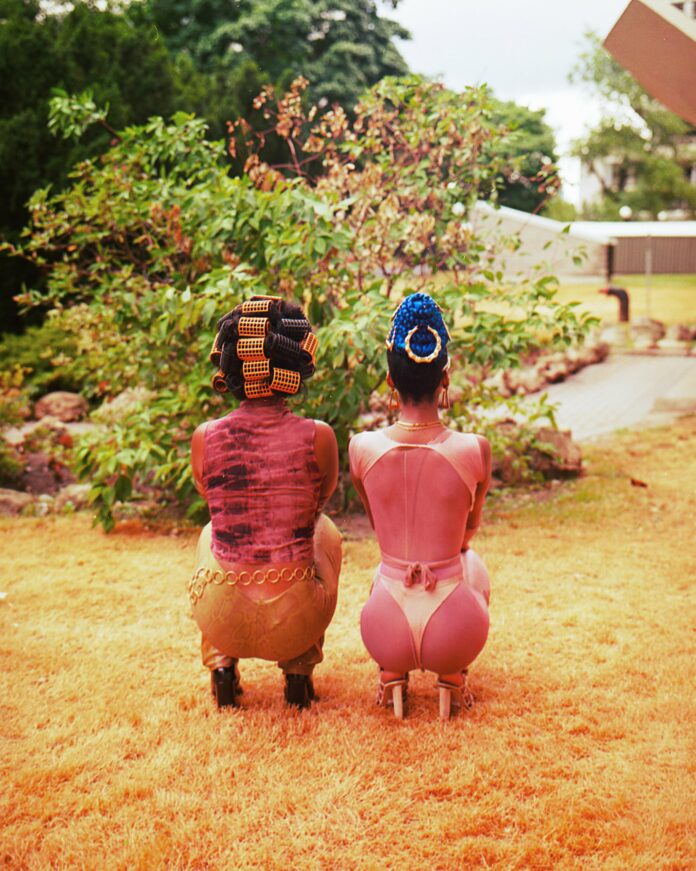
Two Black femme-presenting people are crouched in what looks like a grassy front yard, with only their backsides visible. Both have dynamic disco-esque outfits on, one with hair rollers holding up their hair, and the other with a top knot and traditional hat.
PHOTO: Jorian Charlton

By: Nercya Kalino, Staff Writer

As We Rise: Photography from the Black Atlantic is The Polygon Gallery’s latest exhibit, from February 24 to May 14. It’s part of an ongoing photography exhibition tour curated by SFU Masters alum and curator Elliott Ramsey, whose non-binary and mixed-race identity influences his artistic approaches. The exhibition is organized by Aperture and photos in the exhibition are sourced from the Wedge Collection, “Canada’s largest privately owned collection committed to championing Black artists.”

As We Rise features more than 100 photographs from “1930’s Harlem Renaissance, through post-colonial Bamako, to contemporary Toronto.” This includes images by iconic civil rights photographer Gordon Parks, Hasselblad award-winner Malick Sidibé, portraitist Carrie Mae Weems, and contemporary photographer Texas Isaiah.

The Peak interviewed Ramsey to learn more about the exhibition, in anticipation of the opening celebration on February 23.

“Black identity is a very heterogeneous and plural thing,” Ramsey stated, “Plural identities are really brought in this exhibition; different experiences and histories of migration, of work, of play, of family — all of these different representations.” Ramsey explained the focus is not only on the ethnic backgrounds of the photographers but also their immediate subjects that have Black histories and ancestry. He added these representations offer a different narration, considering the history of exclusion in “fine arts photography.” 

Ramsey explained there is a difference in approach when the subject and photographer are of the same ethnicity, compared to a photographer with a different ethnicity sympathizing with a subject. In the case of a Black photographer and subject, “the gaze is mutual and consensual.” He also pointed out there are feelings of reciprocalities, familiarity, and trust within the images shown in the exhibition. 

“Thinking about the Atlantic as the middle passage that the Black and African diaspora disperses out from, we’ve got photographers from North America, South America, Africa, and Europe,” said Ramsey. According to the press release, “the imagery produced is far from uniform. It is as varied, surprising, and heterogeneous as the Black Atlantic itself. Like a family album, it is idiosyncratic.”

Speaking on the audience’s response to the tour so far, Ramsey pointed out that their University of Toronto Art Museum exhibit in September 2022 amassed keen interest. “It’s been a lovely thing for our community,” Ramsey said. He mentioned that there was “an eager and appreciative crowd coming together for the opening in Toronto.” Ramsey looks forward to receiving the same welcome to the exhibition tour when it arrives in Vancouver. 

“I hope that all kinds of people, different audiences, come to see this exhibition. I think that with the exhibition As We Rise there is an assumption that it is a show for Black audiences and we definitely want to celebrate Black communities, Black people.” Ramsey explained. “I myself come from a mixed-race background and my father’s family is Black. This show is not only for one audience, it’s also for all audiences who haven’t seen Black culture through depiction in this kind of celebratory way.”

Ramsey also spoke on the methods of bringing the works of the various photographers together. The exhibition is based on a book published by Aperture in New York by the same name: As We Rise: Photography from the Black Atlantic. Ramsey elaborated how the book has many photographs but “a bit of editing had to happen there, the way the book was laid out and printed there are photographs that take up two pages of spread that in actuality are very small.” 

Ramsey and Aperturedidn’t want to organize the work by geography or time.” Instead, they came up with the themes, “community, identity, and power.”

“In the context of Blackness,” he explained, “these things seem almost synonymous with each other. Your identity comes from your community and it bestows on you power and you seek to empower that community that you draw your identity from.

There is a lot to see once the exhibition tour arrives in Vancouver, including guided tour options. For more information, visit the Polygon website. 

Monday Music: Glitchy tunes

0
“Monday Music” in orange block text on a yellow rectangular background with rounded corners and an orange border.
Monday Music: your weekly themed playlist. Image courtesy of The Peak.

By: Michelle Young, Editor-in-Chief

It’s 2023, and it feels like the world is ending at all times! Between the pandemic, climate change, and the increasing use of AI, sometimes I just want to be thrown into a digital black hole and never come out. These tracks are a glitchy mix of apocalyptic sounds so I can live out my pixel dreams and brace for a meteorite to hit the earth.  

Listen to the full playlist on The Peak’s Spotify profile.

“Perfect Blue ft. Tohji” by yeule 
Photo Credit: Bayonet Records

Off the album Glitch Princess, distorted vocals mix with echoey synths, lulling your ears into cyberspace. A blend of soft and gritty, yeule sings about their woes, comparing themself to “A broken link, a 404.” yeule’s entire discography deserves to be on this playlist, as their other projects focus on “virtual escapism” and internet identity

“Hollow Season ft. INE, C JAMM, YUNHWAY” by Nochang
Photo Credit: Linchpin Music Corp.

Heavy electric guitar pairs with off-beat rap for a stripped-back track. At times it feels unfinished, but is also overloaded with sound. Nochang layers screaming and yelling as a haunting background to his exploration of loneliness and judgement. The song spans seven minutes but with the plethora of features, it transitions into several segments seamlessly. A harmony of “Would you look at your own self of now and punish your sins?” fades out the track. 

“Heterocetera” by Lotic
Photo Credit: Tri Angle Records

Wanna feel like you’re a rotting cyborg? This atmospheric track embodies an empty, metal wasteland — reminiscent of technology left behind. It uses a heavy beat and unsettling synths to set the tone for a scene that feels like humanity is already gone. 

“PIETA” by CIFIKA 
Photo Credit: Third Culture Kids

Likely the smoothest piece on this playlist, “PIETA” is filled with textured synths and layered vocals. It starts out simple enough, with a techno beat backing the melody. Percussion is added in, with harmonies overlapping onto each other, gradually becoming more sonically complex. As someone who “always wanted to look like a future person,” CIFIKA successfully creates a futuristic vibe in both the sonic and visual aspects of her releases. 

“Day One” by Lights 
Photo Credit: Universal Music Canada

Experimental and distorted — “Day One” provided the framework for Lights’ grainiest album Siberia. The piece creates the “lo-fi electro sound through analog equipment,” and spans nearly nine minutes. It ebbs and flows, but feels slow and endless, reminding me of a desert. Off-beat and fuzzy, this track provides an odd comfort to the human condition.

Budget-friendly meals inspired by childhood recipes

0
PHOTO: Katie Smith / Unsplash

By: Saije Rusimovici, Staff Writer

Exam and paper-writing season means less time to do everything including preparing and eating healthy meals. While it may be tempting to rely on food delivery apps and takeout for your meals while studying, it can be difficult to find options that are nutritious and cost-efficient. These easy, budget-friendly recipes will give you the fuel you need to focus. Now, let’s crush these midterms! 

Rainbow Salads 

During quarantine, my family and I went through a huge salad phase. To this day, I still prepare big salads with lots of colourful veggies so they are less boring — both in visual components and taste. To save money and avoid wasting fresh produce, one of my favourite tips is to buy jarred or canned items where you can. This recipe is just my personal go-to vegetables, but feel free to adjust and substitute according to your preferences! 

Prep time: 15 min 

Cook time: 0 min 

Ingredients: (makes 2–3 servings) 

    • 4 handfuls of pre-washed lettuce of your choice (can last up to a week in the fridge!)
    • 2 handfuls of fresh veggies of your choice, chopped (my favourites are purple cabbage, radishes, and matchstick carrots!)
    • ½ cup sweet corn, beets, or peas (or a combination of all three) 
    • ½ cup budget-friendly protein (firm tofu, canned chickpeas, or canned tuna) 
    • Optional: add some zesty green olives or jarred red peppers for a bit of kick

Recipe:

  1. Add lettuce, chopped veggies, canned veggies, and protein to a large bowl.
  2. Toss with the dressing and enjoy! 

Honey-Lemon Dressing 

At home, we usually use olive oil, balsamic vinegar, and a sprinkle of salt to dress our salads. This recipe adapted from Food & Wine is just as simple but even tastier and complements almost any combination of ingredients. 

Ingredients: (makes ½ cup of dressing) 

  • 1 tablespoon plus 2 teaspoons fresh lemon juice
  • 1 teaspoon finely grated lemon zest
  • 1 tablespoon honey
  • ½ teaspoon chopped thyme
  • ¼ cup extra-virgin olive oil
  • Kosher salt and freshly ground pepper

Recipe: 

  1. Whisk lemon juice, lemon zest, honey, and thyme in a small bowl. 
  2. Whisk in the olive oil and season with salt and pepper.
  3. Drizzle over prepared salad, toss, and enjoy! 

Pasta e Fagioli (aka bean soup)

This warm and hearty dish has been prepared by my family for generations. During the colder months, this soup was a cost-efficient way to keep large families full. It’s packed with nutrients and flavour, and can be prepared with simple and affordable ingredients. My favourite thing about this dish growing up was that my nonna used to use orecchiette or as we called them: “hats.” In this recipe, any type of small pasta will do, but these are much more fun. This soup can be kept refrigerated for up to three days.

Prep Time: 20 mins 

Cook Time: 1 hour 

Ingredients (2 servings): 

  • ½ small yellow onion 
  • 2 carrots, diced
  • 2 stalks celery, diced
  • 1 can Romano beans
  • 3–4 canned tomatoes, peeled 
  • 1 cup orecchiette pasta
  • Optional: Parmesan cheese (a little, or a lot!) 

Recipe: 

  1. Heat 3 tablespoons of olive oil in a pot over medium heat. Cook vegetables on medium heat for between 3–5 minutes. 
  2. Gradually add water a little bit at a time until the vegetables are covered and the pot is about ¾ full of water. 
  3. Simmer for 1 hour, then add pasta and continue to cook for as long as it indicates on the package. Ladle into bowls, sprinkle with Parmesan, and enjoy! 

Tex-Mex Taco Stuffed Peppers 

This recipe combines two recipes that remind me of home: stuffed peppers and tacos. My mom used to have a taco night at least once a week when my brother and I were growing up. We loved picking our toppings and putting our tacos together. Additionally, stuffed peppers connect me to my Eastern European heritage, and is one of the first dishes I ever prepared for my family on my own. This five-star recipe adapted from Spend with Pennies is a perfect, nostalgic combination of the two!  

Prep time: 20 min

Cook time: 30 min 

Ingredients: 

  • 4 red or green bell peppers 
  • 1 pound lean ground beef (you can substitute for turkey, chicken, or a vegan alternative) 
  • 1 small onion, diced 
  • 3 cloves garlic, minced 
  • 2 teaspoons chilli powder
  • ½ teaspoon cumin 
  • 1 can diced tomatoes with peppers (or just diced tomatoes will work fine)
  • 1 can enchilada sauce
  • 2 cups cooked rice 
  • 2 cups cheddar cheese 

Recipe: 

  1. Preheat the oven to 375°F. Wash and seed bell peppers and cut in half from top to bottom. Place in a greased 9×13 baking dish and set aside.
  2. Brown ground beef, onion, and garlic. Drain any fat. Stir in chilli powder, cumin, diced tomatoes, ⅔ cup of the enchilada sauce. Let simmer for 2–3 minutes, remove from heat and stir in cooked rice.
  3. Divide beef mixture into the pepper halves. Top with remaining enchilada sauce and cheese.
  4. Bake uncovered for 30–35 minutes or until peppers are cooked and cheese is melted.
  5. Top with your favourite taco toppings and serve.

Creative outlets I used to stay grounded during difficult moments

0
Person pictured arms down wearing a rainbow-striped apron rolling out dough on a floured kitchen counter.
PHOTO: Kari Shea / Unsplash

By: Nercya Kalino, Staff Writer

Over the years, I’ve come to learn that my anxiety led to inattentiveness and other complications for my mental health. While therapy helps many people; personally, I’ve never invested in therapy due to personal religious beliefs. Maybe in the future with the right information and idea of where to start, I will end up pursuing this route. But for the time being, I found creative outlets to help myself feel better mentally and alleviate feelings of burnout. A tip that helps is to find times within your schedule where you can take a break and make space for yourself to do something you enjoy.

To ground myself, I looked for activities that were within reason. I had to consider the time the activity would require, the frequency of the activity, and it also had to be helpful enough to replace unhealthy habits I had adopted to deal with my mental health. I wanted the activities to involve consistent practice so that I could see gradual improvement over time, instead of something that required me to exert a lot of energy all at once. I wasn’t looking to challenge myself with something that requires a lot of attention to detail; I just wanted to feel better over time with an easy, mindful activity. 

Marble Painting and Acrylic Pouring

I started off with marble painting, as it was cost effective. Marble painting, which I used with acrylic pouring techniques, is the easiest way to experience creating beautiful art. You pour a mixture of acrylic paints onto a canvas, and can use marbles as a painting tool to make various effects and textures. I fairly enjoyed myself and I looked forward to carving out time to be alone and away from my troubles. By focusing on moving the marbles and mixing colors, I was able to hear my thoughts clearly and sometimes my head was clear enough to feel grounded. But marble painting soon became the gateway to a new artistic approach. 

Working with Beads

At some point in my search for creative and mindful activities, I became intrigued with beading. That led to some impulsive purchases, but in the end, I actually learned how to incorporate beads onto the canvas. The inspiration came from a 2020 exhibition post called Ubuhle Women: Beads and the Art of Independence. I used malleable wire to pierce the canvas from the back and added beads to the wire for a desired effect. I used sketch references to draw out the image I wanted, and then I shaped the wire and placed the beads to mimic the artistic vision I had sketched. I found this process had a more effective impact on my mental health than marble painting because of the attention to detail and intention. Since it took longer to create, it felt worthwhile. Although it took longer for me to see results, it was also intriguing to see myself approach art from different perspectives and using different materials. My bead canvases didn’t illustrate much, but I had put enough energy into them and grew proud and happy about my new hobby.

Baking 

I think that when we are searching for things to embrace our mental health for the better, we tend to discover that we are interesting people. Another thing I started doing to help my anxiety was baking. At first, baking to me felt more about the challenge of making a recipe than enjoyment. Baking was not something I grew up doing; in fact, there are only a handful of moments in my life that I can count where I witnessed my mom bake. But as soon as I started making banana bread on a biweekly basis, I grew confident in myself because I learned to do something new. I have since learned how to make muffins and quiche, which in the beginning would have been intimidating recipes for me. 

I also became a plant grower and caretaker, which built discipline. When the heat wave happened this summer, I moved to a new home and the majority of my plants died. The ones that survived though, are thriving and growing in my new space alongside new plant friends. This taught me about not only adapting to changes but growing into the environments that I would find myself in. Mental health is still something I have to constantly care for at all points in my life, but exploring new and varied creative outlets are helping me start to feel like I can thrive. 

SFU students organize Vancouver’s first annual International Women’s Day March

0
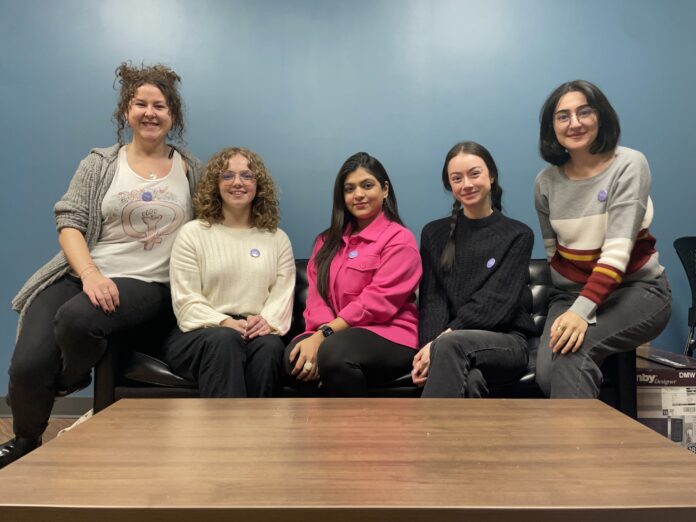
This is a photo of five of the organizers of the event. They are sitting on a couch smiling at the camera and behind them is a blank blue wall
PHOTO: Yasmin Vjes Simsek

By: Natalie Cooke, News Writer

Editor’s note: Yasmin Vejs Simsek, who was interviewed for this piece, is a former Peak employee. Karissa Ketter, a current editor who worked on the article, is also an organizer. The Peak acknowledges and has taken steps to prevent conflicts of interest or potential bias from influencing the article.

A group of six students from SFU are gearing up as they prepare to host the first annual International Women’s Day March in Vancouver. The event will take place on March 5, from 12:00 p.m.–4:00 p.m., and includes a 1.5 kilometer rally that will begin at the Vancouver Art Gallery’s North Plaza. There will be many speakers, including speakers from the Abortion Rights Coalition Canada and Canadian Women for Women in Afghanistan, among others. Solidarity Notes, a local choir, will also be performing songs that relate to social justice.

Chair of the IWD Vancouver organization team, Yasmin Vejs Simsek discussed the importance of starting this march in Vancouver with The Peak. As an SFU student completing her masters in gender, sexuality, and women’s studies, she realized that much of what she was learning was not making its way outside of academia. “My goal was to create an actual difference for women, so when I realized this march was missing, I thought it was a good place to start.”

Simsek shared, “I’ve always wanted to do what I can to amplify women’s voices and as a woman of Turkish heritage, it’s important for me to fight for the women suffering there as well as celebrate their incredible resilience to the violence they face.

“We have the human right to protest here and with so many injustices worldwide, isn’t it our duty to do what others aren’t able to do — what others have been imprisoned for?”

Simsek noted the event is inclusive to trans women and non-binary or gender-diverse folks who also face gender-based discrimination.

Simsek emphasized the need to shed light on women’s equality since major differences between men and women still exist. “The default male, the gender pay gap, sexual assault statistics, gendered poverty, barriers to women’s healthcare [ . . . ] is happening right here in Canada.” She added, “There’s still a deep need to keep fighting for women’s equity internationally and this is the one day where we all come together to do just that.”

Simsek noted the importance of having an intersectional lens when organizing the event; while everyone faces their own unique disadvantages, it’s important that women unite to fight the same battle. “We don’t roar as loudly when we’re standing in small groups in opposite corners of the world, as we would if we were all together, singing in unison [ . . . ] We need to fight together, and we can only do that if we know, support, and respect what each other’s reasons for fighting are.” 

There are a variety of ways in which International Women’s Day can bring awareness to women’s equality. Simsek noted learning from the variety of speakers will help others understand the struggles other women face all over the world. 

The students hope there will be a strong turnout of attendees, which will only raise awareness and increase the scale of the event for the following year. “The bigger it is, the more people will know about it. And the more people know about it, the more women’s voices we will be able to amplify, celebrate, and fight alongside of.” 

Simsek also commented on the ways in which SFU can support women’s equality. “To me, SFU’s main task is to ensure the safety for all their students as we live and learn here on these stolen lands. Realizing that safety looks different depending on which groups of students you look at, is the first step towards supporting women’s equity.”

Simsek noted the importance of supporting women in STEM, leadership roles, and on executive boards in an effective way to support women in places that have been known to be dominated by men. As well, working with the Sexual Violence Support & Prevention Office (SVSPO) to take action against sexual harassment and violence will create a safer campus community. “There should be mandatory training for faculty and staff, that the SVSPO knows how to provide, to ensure every student feels safe on our campuses. 

 “I am grateful to be at an institution that is doing much more than other universities are doing, but I believe we need more. I hope that after this International Women’s Day, action will be taken to ensure women’s equity for all of SFU.” 

To learn more about the International Women’s Day March in Vancouver, visit their Instagram @iwdmarchvan.

Canada should rethink how much it wants to expand MAiD

0
a medical professional wearing a white coat and putting on gloves
PHOTO: cottonbro studio / Pexels

By: C Icart, Staff Writer

Content warning: ableism, assisted dying.

Medical Assistance in Dying (MAiD) has caused remarkable distress for disabled people since it was implemented in Canada in 2016. Despite concerns over inadequate medical support resulting in assisted dying, the policy is intended to expand and include more categories of eligible candidates. For instance, the government wants to include those “whose sole underlying conditions are mental disorders” as well as “mature minors.” Medical professionals have voiced that the healthcare system may not be ready for this due to underfunded palliative care and “a lack of public education on suicide prevention.” As a result, the change that was set to be in place this coming March has been pushed back to a later date that’s yet to be announced. If and when this change occurs, it must follow a substantial reform of our medical system.

The concern with MAiD’s expansion is that many will be offered assisted dying in place of proper medical care. Or, that they will eventually consider MAiD because of previous failures in their care. Everyone deserves to die with dignity, but investing in MAiD before fixing our already broken medical system will likely cause unnecessary and untimely deaths. People with chronic illnesses and disabilities deserve to have all options exhausted before resorting to assisted dying, but this isn’t happening. Patients face access barriers such as dismissive doctors, long wait times, and treatments that don’t fall under their Medical Services Plan (MSP). Many want to live, but are not being offered sufficient care from our healthcare system — this is where our attention should be turning towards. 

The expansion of MAiD has also sparked concerns from disability justice advocates. 53 disability and human rights organizations signed a letter to David Lametti, the Minister of Justice and Attorney General of Canada, calling for the government to make MAiD unavailable to people who are not terminally ill. According to these advocates, “As a country we cannot provide state-assisted death to people who are not terminally ill, without ensuring a legislated right to a decent life for all.” They’re right. 

That’s not to mention the fact that doctors are now “encountering patients who cite poverty as the primary driver for their wish to die” — despite those same MAiD representatives saying that “nobody is getting approved for assisted death due to housing.” It is time for MAiD advocates to acknowledge that there may be some unintended consequences to proposed policy changes. This is what disability advocates are warning against. The lack of financial support in place for disabled individuals results in a situation that Al Mills from Extend-A-Family Waterloo Region describes asa prescription for poverty.” In other words, it’s easier for the medical system to offer MAiD than it is to undergo reforms that address access and funding issues. 

If the Canadian government actually cares about helping chronically ill and disabled people, it needs to invest in better long-term and palliative care, and make disability assistance a living wage. As of 2022, BC’s Persons with Disabilities (PWD) program offers around $16,300 yearly to its recipients. This is nearly $10,000 below Canada’s poverty rate. Providing MAiD without improving the living conditions of disabled people is not a solution. Instead, it will exacerbate existing inequalities without ever addressing the reasons that may lead to someone’s need for assisted dying.