Home Blog Page 215

Need To Know, Need To Go: October 17–29

0
Illustration of a blue calendar, with "Need to Know, Need to Go" written on top
Arts & Culture events to catch around the city. Image courtesy of Brianna Quan

By: Nercya Kalino, Staff Writer

Vancouver Writers Fest 
Where: Various locations, in-person and remote
When: October 17–23

The 35th annual Vancouver Writers Fest is around the corner. The noteworthy festival will be hosted at Granville Island. With guest curator Omar El Akkad, journalist, novelist, and winner of the 2021 Scotiabank Giller Prize, the event will feature 80 events. Ranging from creative writing classes to panel discussions with renowned and up-and-coming writers, this is a highly anticipated local event for literary-inclined folks. There are also many remote events available. This is an event that avid writers, communicators, and those passionate about conversation should not miss.

Halloween Costume Contest
Where: English Bay Beach, south of Cactus Club 
When: October 29, 10:00 a.m.1:00 p.m. 

This Halloween edition of the English Bay Beach Cleanup hosted by Surfrider Vancouver is an opportunity to help clean up the environment as much as an excuse to wear a costume and socialize on Halloween weekend. Winners will be chosen based on the loudest beach cheers, so go all out. Surfrider Vancouver’s beach cleanup is a monthly event where debris is sorted into recycled materials. There should be more details to follow closer to the day. RSVP to claim your spot through their website.

Pumpkins After Dark
Where: 6100 Boundary Rd, Burnaby 
When: Sept 22–Oct 31

Pumpkins After Dark, Canada’s award-winning outdoor Halloween event, is here again. This event is being hosted at Swangard Stadium and Central Park in Burnaby, with live pumpkin carving demonstrations and candy. This is a perfect way to spend time with your family. It’s expected to have over 6,000 hand-carved pumpkins and a one-of-a-kind walk-through experience. Adult tickets are $21.95.

A couple firsts for SFU golfers Aidan Goodfellow and Izzy Ferguson

0
photo of Izzy Ferguson posed in her backswing after hitting a shot.
Results come at pivotal moments in the front half of Ferguson’s career and the back half of Goodfellow’s. PHOTO: Manmeet Sagri / The Peak

By: Simran Sarai, Sports Writer

SFU men’s and women’s golf teams kicked off their fall season recently, and to say they’ve been busy is an understatement. Both teams recorded impressive showings last month, with the men winning the Bishop Men’s Invitational, and the women placing second at the Saint Martin’s Bishop tournament.

Two athletes, at opposite ends of their university careers, started their season with a bang. Senior men’s golfer Aidan Goodfellow celebrated his first individual university tournament win. And freshman women’s golfer Izzy Ferguson potted her first hole-in-one at SFU, placing second overall at her invitational. The Peak reached out to Goodfellow and Ferguson to find out how they’re feeling about these early season achievements, and how it impacts their plans for the lengthy season ahead.

Ferguson’s excitement over her strong showing was clear. “I’m feeling great about my second-place finish. I’m so glad to be putting my best foot forward during my first semester at SFU,” she shared. “The team has been working really hard from day one, and it has definitely been paying off.” After a slow start on day one, Ferguson started day two with multiple birdies to narrow the gap between her and her competitors before sinking her first hole-in-one. 

Ferguson — who had success with this hole in practice, hitting an albatross (three strokes less than expected) — didn’t know where her ball landed during her formal attempt. “When I walked up to the green I didn’t see my ball, so I called my assistant coach Kat [Kennedy] over to look for it,” said Ferguson, believing it might have went out-of-bounds. In the end, it was coach Kennedy who checked the hole and found the missing ball. Ferguson described this moment as “the highlight of [her] day,” and was thankful it “happened in a tournament” setting so her teammates could take part in the celebration.

The shocking hole-in-one also dominoed to a surprising second-place finish for Ferguson. “I didn’t look at the leaderboard after day one as I didn’t think I was close, and wanted to keep my nerves in check,” the golfer explained. “I spent most of day two just focusing on one shot at a time, and trying not to think about the big picture. When I looked at the leaderboard afterward, it was a big surprise.”

Looking forward, Ferguson has high goals, both for the remainder of the 2022–⁠23 season, and for her career at SFU. “I’m feeling great about the rest of the season. As a team, we have some strong goals for the rest of the year, and I know our list of accomplishments will only continue to grow.” As for her own goals, Furguson wants to “win regionals,” “make it to nationals,” and win it all. 

Evidently, it was also a surprising weekend for senior Goodfellow, whose first place finish wasn’t decided until the final hole. He was equally thrilled with his first ever solo tournament win as an SFU golfer, an achievement he describes as “probably the biggest” goal for his university career. 

“It’s a pretty amazing feeling. I’ve definitely been looking for that since I got here,” Goodfellow said. This win also comes after Goodfellow missed out on multiple competition seasons due to COVID–⁠19 and unlucky injuries. “In November of 2021, so ten months ago, we were playing flag football as a team just for fun, and I ruptured my achilles tendon,” he shared. 

Nevertheless, Goodfellow has roared back into competition with an early season win in his senior year, a feat he says will provide motivation for the remainder of the season. The win also helps fuel the golfer’s dream to compete professionally after his collegiate career ends. “We have two more tournaments this semester, and then the spring’s like our main season. It’s huge, especially getting it so early. I’ve never felt more confident with my game before.”

BREAKING: Lost Welcome Leader Found in the Depths of RCB

0
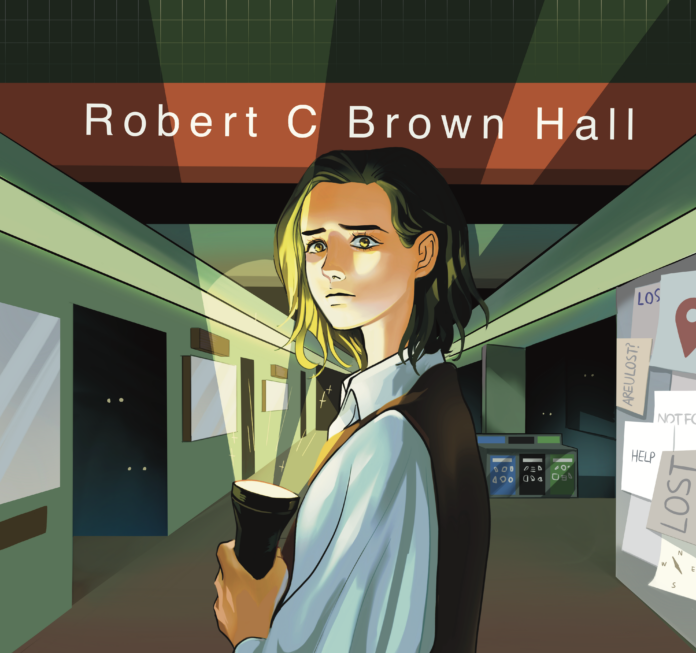
An illustration of a student with a haunted look on their face as they carry a flashlight, walking through the dark hallways of RCB.
This was an unwelcome surprise for our welcome leader. ILLUSTRATION: Youngin Cho / The Peak

By: Hannah Kazemi, Staff Writer

Raccoon News was informed of a developing story at SFU’s Burnaby Mountain campus this afternoon. The authorities arrived at SFU after receiving calls about a former student and welcome leader who was found wandering the depths of the Robert C. Brown Hall (RCB). The welcome leader was reported missing in 1953 and is now the 114th person to be found and saved after getting lost in RCB Hall.

Robert C. Brown Hall, dubbed “The Maze” by SFU’s students over the years, has been under intense construction since 2009; layers of scaffolding and boarded up doors and windows create a dark and spooky labyrinth that students have repeatedly reported as “dank,” “unsafe,” and “impossible to navigate.” The student was found wearing a 1953 Welcome Day t-shirt with a blue SFU lanyard around their neck holding a homemade name tag. The student appears to not have aged in all the time they spent in RCB — we learned that the magic of the maze preserved their youth throughout all those years. The name is no longer legible after being exposed to the cold, damp environment of RCB for so many years, but the stickers the welcome leader put on the name tag are still fully in-tact.

Raccoon News is on location at SFU Burnaby today speaking with students who witnessed the lost welcome leader emerging from the depths of RCB Hall. Reginald Trashpanda III, the esteemed campus food critic, was at the scene where the missing welcome leader was found.

RACCOON NEWS: Reginald, thank you for speaking with us today. We have been told that you were the one who made the phone call to the police. What can you tell us about what you saw?

REGINALD: Firstly, it’s Sir Trashpanda to you. Reginald is what my friends call me. And yes, I did make the call. I was on my way to Renaissance Café for my afternoon coffee when I heard the cries. “HIVE Nine? HIVE Nine? I lost HIVE Nine. Can anyone help? I lost my HIVE.” They were loud enough that I could hear the cries through my Airpod Pros. It was distressing, really. I was in the middle of the most riveting murder-mystery podcast!

RACCOON NEWS: Thank you, Sir Trashpanda. That’s quite something. Can you tell us what it was like to watch as the welcome leader was rescued from Robert C. Brown Hall?

SIR TRASHPANDA: It was boring, and a waste of time. First they had to saw through wooden boards and scaffolding blocking the doors. Those boards have been there for decades and were covered in posters advertising various events. No one ever looks at those posters, yet student groups continue to put them up. SFU should really do something about that; perhaps some contemporary art instead of those ugly posters would make the space more inviting. Anyways, they sawed through the boards and alas, the cries of the welcome leader got louder. So the rescue team went inside. It took them 45 minutes to find the voice and carry the poor welcome leader out. I’ve obviously never stepped a paw inside, but it’s rumoured that the halls in there are so complex and entangled that they had to send a rescue crew in once every hour. I’m not surprised the welcome leader went missing there. It’s terribly dark and dungeonesque, and some of my raccoon colleagues refuse to even walk by the blocked-off doorways. The stench of mildew coming from inside is so strong!

RACCOON NEWS: Fascinating. Thank you, Sir Trashpanda.

Raccoon News remains at the scene to learn more about the lost welcome leader. This story continues to develop.

Food for Thought: Nan Gyi Thoke

0
Nan gyi thoke, a burmese noodle dish with eggs, lime, and green herbs topped with chicken in a bowl with a small Myanmar flag stuck in the dish.
To me, this dish stands as a pinnacle of cherished family time during breakfast and vibrant Burmese street life. ILLUSTRATION: Stella Laurino / The Peak

By: Calvin Kaung Kyaw San, SFU student

Burma is home to an impressive collection of mouth-watering (and often lip-burning) salads called athoke in Burmese, which translates to “mixed.” Athokes can be paired with rice, consumed as standalone dishes, or even as dessert. Athoke was almost always present in my daily meals growing up, with ingredients ranging from pickled tea leaves and mangos to seafood and samosas. 

Among this vast catalogue of athokes is Nan Gyi Thoke, which I’ll never get tired of eating. The filling, thick-noodle salad draws a rich, nutty flavour from chickpea powder, a hearty aroma and golden appearance from chicken curry oil, and tenderness from the round rice noodles. With the additions of onions, fishcake, sliced boiled eggs, chilli oil, and garnishes of-choice, getting one’s hands on a delicious plate of Nan Gyi Thoke always requires patience. 

Hailing from the historically significant city of Mandalay, Nan Gyi Thoke is a staple breakfast on the streets of Burma. The tastiest and most authentic Nan Gyi Thoke sellers are known to reside in Mandalay; something its inhabitants are rightfully proud of. In Yangon, Burma’s biggest city and the place I grew up in, bustling cafés and long queues in front of street vendors during early morning hours reflect the dish’s popularity. After all, it’s a perfect solution to empty stomachs in the morning before rushing to work or school. 

The roots of the word Nan Gyi Thoke remain somewhat disputed. In her cookbook, Mandalay: Recipes & Tales from a Burmese Kitchen, Mimi Aye claims Nan Gyi simply refers to the thick, round rice noodles used in the salad. However, to some, the term Nan Gyi has its roots in the Burmese word for royalty, a fitting testimonial to the city of Mandalay, which is known for its royal palace.

Preparing dozens of these salads in the early rush hours is no easy task, but routine nonetheless, for Nan Gyi Thoke sellers who have mastered the art of balancing the different layers of flavours in this dish. Especially during weekends, people flock to the best Nan Gyi Thoke street vendors and cafés with several group orders. Those who would rather not battle for café stools take away multiple separate bags of packed ingredients to mix them themselves at home.

Nan Gyi Thoke holds a special place in my heart. It reminds me of Yangon’s lively cafés visited by all walks of life and the humble yet diligent atmosphere of marketplaces and streets in the city. But most importantly, it transports me back to the morning hours I spent with my late grandma who frequently took a young me to my favourite Nan Gyi Thoke cafés, no matter how far they were or how busy the streets were. To me, this dish stands as a pinnacle of cherished family time during breakfast and vibrant Burmese street life. Nan Gyi Thoke, for all its simplicity, is a uniquely addictive dish packed with flavour and culture.

Try this delicious flavour bomb at Laksa King, a Southeast Asian casual diner on Hastings Street. Owned and operated by a Burmese-Canadian family, the salads at Laksa King, including Nan Gyi Thoke, are as Burmese as they come.

Unreasonable professors make student life even more stressful

0
illustration of someone with their head lying on a wooden desk, school papers flying everywhere
Professors need to understand students’ individual needs. ILLUSTRATION: Raissa Sourabh / The Peak

By: Olivia Visser, Opinions Editor

Being a student can be tough. You’ve got multiple courses on your plate, potentially on top of a part-time or full-time job. Managing hobbies, extracurriculars, a social life, and schoolwork isn’t an easy task. Some professors seem to understand this, and do their best to make your university experience more enjoyable. Others aren’t quite as accommodating, while a few seem dead-set on making your life more difficult.

Professors aren’t wrong when they say students have the responsibility to stay on top of their coursework; of course, there’s a bare minimum that should be expected in university. At the same time, professors and TAs must recognize that students lead busy lives, too. Each person’s circumstances are different and there are barriers faced by students that might be easily overlooked by experienced professors.

Disabled students face significant challenges in university. When living comfortably in our modern capitalistic society depends on landing a good career, many see post-secondary studies as their best option to achieve this goal. Some disabled students struggle with chronic pain or other debilitating symptoms on a daily basis, but they’re still expected to be as productive as everyone else.

Speaking from experience, asking for extensions can be a daunting task. I often feel like I must work through as much chronic pain as physically possible, incase I end up needing an extension even more in the future. I worry receiving too many accommodations will make it look like I’m faking, even though I’m just advocating for my needs. I’ve heard professors say things like, “it shouldn’t even take you a whole week to do this assignment, just thirty minutes,” while explaining how they won’t be giving out extensions. It’s anxiety inducing. 

Grades shouldn’t revolve around meeting deadlines and class participation. While these are important, the work a student turns in is the most accurate reflection of their learning. Neurodivergent students might be less likely to speak up in class, but that doesn’t mean they’re not paying attention. To foster engagement, professors could let students hand in a few sentences or a drawing at the end of class, instead of pressuring them into speaking during class.

Others work up to 30 or more hours a week to get by, as paying for university on top of bills and necessities is costly. Students feel helpless when professors challenge them for having work schedules that conflict with school. If your boss and professors demand undivided attention, who do you prioritize? Being flexible with deadlines for working students can make a big difference. 

Some spend their entire week searching for a moment to complete schoolwork. Between transiting to and from class, working to make ends meet, and living through chronic illness, many students really are doing their best. Professors should strive to understand students’ individual needs and challenges, and work with them to foster positive learning outcomes.

Hidden Gems: Delightful desserts

0
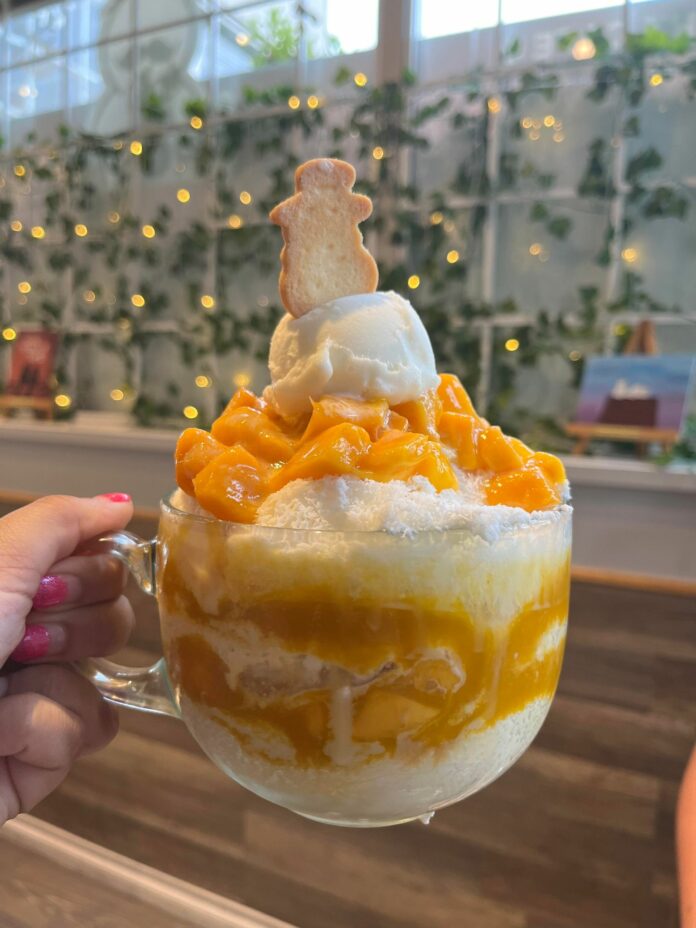
A clear glass of shaved ice topped with mango, a scoop of ice cream, and a cookie held up in front of a wall with greenery and string lights.
My Frosty Korean Dessert Café’s mango bingsu is to-die-for. PHOTO: Anna Kazi

By: Anna Kazi, SFU Student

With fall semester in full swing and evenings getting longer, what better way to lift your spirit than with something sweet? Whether you have good news to celebrate, want to end a dinner date with dessert, or simply crave a unique palette experience to top off your day, these local dessert spots are sure to boost your mood.

My Frosty Korean Dessert Café 
220 2800 E 1st Ave., Vancouver / $13+ for most dessert items

Have you tasted a dessert so intense it left you speechless? This is how My Frosty Korean Dessert Café’s famous bingsu, which comes in nine flavours, will make you feel. The creamy shaved ice is infused with delicious fruit, homemade syrup, crunchy cornflakes, and topped off with a vanilla taiyaki. If you’re craving something hot, they also offer six flavours of thick waffles slathered with fruit and syrup of choice. Crispy and golden on the outside, and soft and fluffy on the inside, these piping-hot waffles are your guide to heaven. Their portions are the perfect size for sharing as you wind down over conversation, or enjoy it on your own while taking in the café’s relaxing music soundtrack. What’s more, the café offers cute wooden seating with an inspiring art display, making it a perfect place for a quiet evening study session or an ambient date.

Thunderbird Café 
4584 Blackcomb Way, Whistler / $3.50+ for most dessert items

Discover delicious delicacies at this Indigenous-owned café. Located in the Squamish Lil’wat Cultural Centre, Thunderbird café offers a wide selection of savoury food items and freshly-baked seasonal pastries made with locally-sourced ingredients. Their soft, buttery pancakes served with blueberries, cinnamon powder, and homemade maple syrup in one of Whistler’s most scenic cafés is all you could ever wish for on a foggy fall night. The cherry on top is their astounding customer service and unique gift shop. Spice up a mundane day by taking a spontaneous trip to Thunderbird Café!

Sulmida Dessert Café 
4697 Kingsway, Burnaby / $8.50+ for most dessert items

Experience a burst of sweetness and warmth by trying Sulmida Dessert Café’s heavenly lava bread. Their lava bread is an in-house delicacy decorated with a mountain of ice cream, fresh strawberries, and whipped cream. Oozing with creamy, rich custard cream, their lava bread is a must-try. To add to Sulmida’s delicious selection, their mouthwatering bingsu comes in eleven flavours and three sizes. Their mango bingsu is to-die-for; refreshing, milky shaved ice drizzled with condensed milk and topped with vanilla ice cream, mango chunks, and almond slices. Located just beside Metropolis mall near Metrotown SkyTrain station, Sulmida Dessert Café is a perfect spot for comforting sweetness.

Conspiracy theorists aren’t truth seekers

0
crowd of angry people holding anti mask and anti vaccine signs with a Canadian flag
Social media makes dangerous disinformation run rampant. ILLUSTRATION: Andrea Choi / The Peak

By: Olivia Visser, Opinions Editor

Our society is in the midst of steadily increasing political polarization. While conspiracy theorists have always existed, widespread social media use makes it easier than ever to access misinformation. The COVID-19 pandemic is a fitting example of how powerful the internet is as a tool for spreading harmful and untrue medical advice. This shift towards “alternative news” as opposed to reputable sources is particularly concerning when we consider how disinformation impacts marginalized groups like disabled people vulnerable to COVID-19. 

Why do people believe in conspiracy theories? Most don’t delve into this sphere believing they’re in the wrong. People are searching for answers to life’s problems, and conspiracy theories draw in those who might be passionate about a certain topic. There’s a huge portion of the population that is undoubtedly frustrated with their health and the medical system. Some people let these frustrations translate into conspiratorial ideas.

This might have contributed on some level to rampant COVID-19 conspiracies in Canada. Lack of trust in our medical system had an impact on vaccine hesitancy, but it certainly wasn’t the only factor. At the height of the pandemic, we watched protesters gather on highway bridges cursing the idea of mandates around masks and vaccines. Some even argued the virus was fake or manufactured. The media is the virus” became a slogan among conspiracy theorists. And of course, we all saw what happened in Ottawa with the so-called “freedom convoy” this past winter. 

Studies have found exposure to medical professionals decreases one’s risk of falling prey to misinformation. Conversely, increased social media use correlates with increased susceptibility to conspiracy theories. There are also those who dedicate their lives to disinformation, which is information known to be blatantly false or unprovable. One UK study found right-wing groups are using COVID-19 disinformation in most of their online posts to garner support. 

It’s hard to believe in conspiracy theories without some level of willful ignorance. For instance, the infamous conspiracy book and movie Plandemic made its rounds on social media last year. Most sites shut it down quickly due to disinformation, but this only fueled conspiracy theorists searching for information to prove what they wanted to be true. If you dig deep enough, you’ll almost always find a professional who supports your beliefs, no matter how false. Nevermind that every point in the movie can be easily disproved. To those sharing the video, censorship was a sign they were correct, that they were exposing what the government didn’t want anyone to know. The anti-vaccine movement is now rising at a terrifying rate despite modern medicine’s significant strides. People tell strangers they can “cure” autism and ADHD through diet and essential oils, and the disabled and elderly are viewed as inevitable casualties during pandemics. These beliefs aren’t harmless, they’re violent.  

Conspiracy theorists believe they’re truth seekers, which ironically couldn’t be further from the truth. In fact, this terminology emerged in recent years as an intentional attempt to rebrand the identities of conspiracy theorists. You might have seen it in an acquaintance’s Instagram bio: a subtle hint that they, too, think they know better than accredited professionals. These theories are damaging to vulnerable people from marginalized identities. They reinforce stigmas about disabled people, people of colour, and the elderly. If your “truth seeking” requires seeking out questionable information to confirm your existing beliefs, you might just be a conspiracy theorist.

SFU students host celebration for the approval of the Burnaby gondola project

0
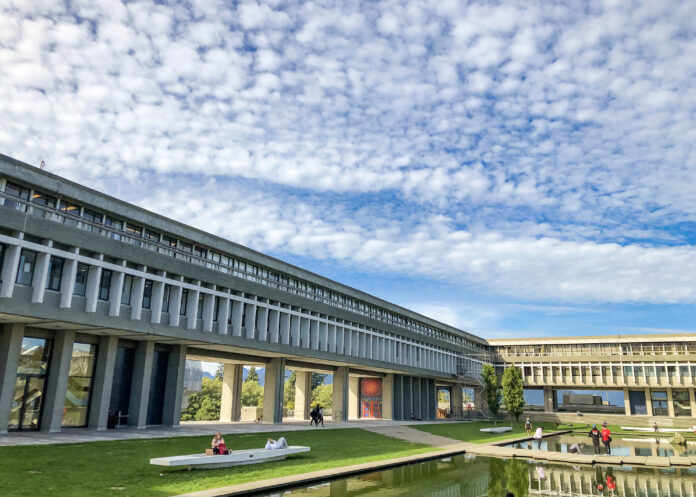
This is a photo of the exterior Academic Quadrangle at the SFU Burnaby Campus.
The gondola is set to run from Production Way-University skytrain station up to Burnaby mountain. PHOTO: Allyson Klassen / The Peak

By: Chloë Arneson, News Writer

SFU celebrated the approval of the long-awaited Burnaby Mountain gondola by hosting a gathering on Tuesday, September 13. Community members, students, alumni, and staff gathered in the Student Union Building to hear remarks from student organizers and SFU president Joy Johnson.

Johnson thanked student activists for their inspiring advocacy and passion. “Students have been a part [of this] and played such an important role in advocating for the gondola,” she said. “They signed petitions, held open houses, distributed pamphlets, presented to mayor’s council, and participated in dialogue with the community [ . . . ] they voted, and they met with elected representatives.

“The gondola is now a reality,” she added. “I’m very excited about this opportunity as we move forward.”

In November 2021, SFU launched a campaign in support of TransLink’s proposal to build a gondola. The Give Students a Lift campaign encouraged students, staff, faculty, and community members to share their feelings regarding the project. One SFU student stated the gondola would be a “higher capacity, more efficient, less stressful way of commuting; it’s also sustainable. It’s a win in every box.” 

Students have been advocating for the gondola for several years with many Simon Fraser Student Society (SFSS) members getting involved. SFU alumni and former SFSS president, Osob Mohamed, reflected on the challenges many students face getting up Burnaby Mountain. “The bane of my existence was the 145,” she said. Harsh weather, busy routes, and steep inclines often make transiting up the mountain difficult for many students, she said. “This was something we could see eye to eye on because everybody benefits.”

Gabe Liosis, former SFSS president, noted one of the many barriers students face in getting an education is transportation. He explained transit accessibility can affect post-secondary enrollment rates in areas with poor transportation. “This is a transit project that is going to drastically improve the quality of life for students now and for generations to come,” he said.

The gondola will increase the number of people able to travel up and down the mountain. Currently, the 145 bus takes around 1,000 passengers in total per hour. TransLink estimates that with the gondola, 3,100 passengers can travel in each direction per hour. 

TransLink, who will be building the project, described gondolas as “safe, smart, and cost-effective and they provide commuters with an environmentally friendly mode of transit that runs on electricity helping to reduce greenhouse gas emissions.” The gondola is one of several projects featured in Translink’s 10-year plan.

To learn more about the Gondola Project visit the TransLink website.

The Adult(erating) side of Sesame Street

0
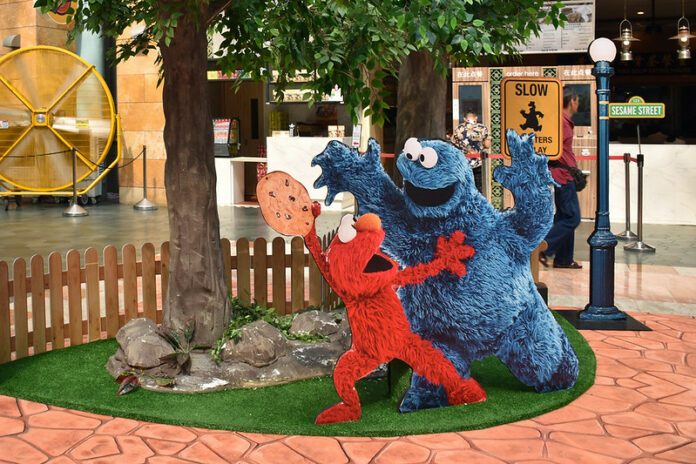
A photo of Sesame Street characters Cookie Monster and Elmo. Cookie Monster scares Elmo as Elmo holds on tight to his cookie.
Elmo discovers something heinous... real life. PHOTO: Choo Yut Shing / Flickr

By: Hannah Kazemi, Staff Writer, Extremely Apologetic

Yet another classic cartoon is getting a makeover by the CW. This time, Sesame Street gets weird. Elmo becomes Emo in this reboot that never should have been. We apologize in advance for what you are about to read. 

SESAME STREET
UPPER WEST SIDE OF NEW YORK CITY

Hundreds of apartments line the trash-filled New York street. CAMERA slow-zooms over the brick buildings, ultimately zooming in on EMO walking slowly on the sidewalk.

EMO (AGE 18) is seen slumping down the street. EMO is wearing headphones and holding an iPod in his hand, the music playing loud enough for the audience to hear. EMO only listens to My Chemical Romance when he’s sad. EMO has a long look on his face.

EMO (voiceover)

Emo is sad. Emo has been walking all day, looking for Emo’s girlfriend, Big Bird. Emo yelled at Big Bird yesterday because Big Bird called Emo a baby for taking dance lessons. Emo isn’t a baby, Emo just loves to tap dance! Big Bird can be petty, but Emo didn’t think Big Bird would ever leave Emo forever.

Ever since BIG BIRD went missing, EMO’s “tickle-me” function has failed and instead comes out as a depressed, fading cry.

EMO (voiceover)

Emo thinks it’s suspicious that Emo’s girlfriend Big Bird is missing. Emo should call for help.

EMO pulls out his iPhone and dials 1-2-3, the number for MR. SNUFFLEUPAGUS, FBI. This is a matter for the authorities.

EMO waits on the steps of his New York apartment building for MR. SNUFFLEUPAGUS, FBI to arrive. It takes 45 minutes. He stopped for coffee first.

SNUFFLEUPAGUS, FBI arrives to EMO’s apartment and brings detective COOK E. MONSTER with him.

SNUFFLEUPAGUS, FBI
(to EMO)

How can I service you— I mean, how can we be of service to you?

EMO
(to MR. SNUFFLEUPAGUS, FBI and COOK E. MONSTER)

Mr. Snuffleupagus, Emo’s friend Big Bird has gone missing. Emo keeps looking, but Big Bird hasn’t come back to his trash can yet. Emo thinks that green guy, Oscar the Grouch, is behind it. Oscar is always trying to lure Emo and Big Bird into his trash can when Emo and Big Bird walk by. Emo doesn’t like Oscar the Grouch. Emo gets the feeling he’s doing bad things in the neighourhood. Emo thinks Oscar is . . .

EMO looks around to make sure no one else is listening and leans in to whisper to MR. SNUFFLEUPAGUS, FBI and COOK E. MONSTER.

EMO

. . .a girlfriend stealing GROUCH!

SNUFFLEUPAGUS, FBI and COOK E. MONSTER all gasp. MR. SNUFFLEUPAGUS, FBI pulls out a notepad and immediately starts scribbling notes. None of it is legible because he doesn’t know how to read or write.

COOK E. MONSTER
(to MR. SNUFFLEUPAGUS, FBI)

Sir! This job should be left to a professional. We need to investigate. Let me take this one. Please, sir! I will not let you down. I am a good detective, sir.

MR. SNUFFLEUPAGUS, FBI
(to COOK E. MONSTER)

Alright, fine, take this one. Go interrogate that Oscar the Grouch character and search all of the trash cans. Leave no lid unturned.

COOK E. MONSTER runs around New York City in search of OSCAR THE GROUCH. He scours the streets and rips lids off of trash cans until sundown. COOK E. MONSTER is exceptionally naive and keeps mistaking green garbage bags for OSCAR THE GROUCH. He decides to go interrogate OSCAR THE GROUCH so he calls MR. SNUFFLEUPAGUS, FBI for backup. He brings EMO with him. But when they get to OSCAR THE GROUCH’s block, there’s no one in sight.

Suddenly, they hear a grumbling in one of the big trash bins and go to investigate. MR. SNUFFLEUPAGUS, FBI opens the lid and shines a flashlight inside.

OSCAR THE GROUCH and BIG BIRD are inside the trash bin . . . and each other.

EMO falls to his knees.

The sad, fading cry of EMO’s “tickle-me” function cries out into the night.

TSSU gets victory on RA arbitration

0
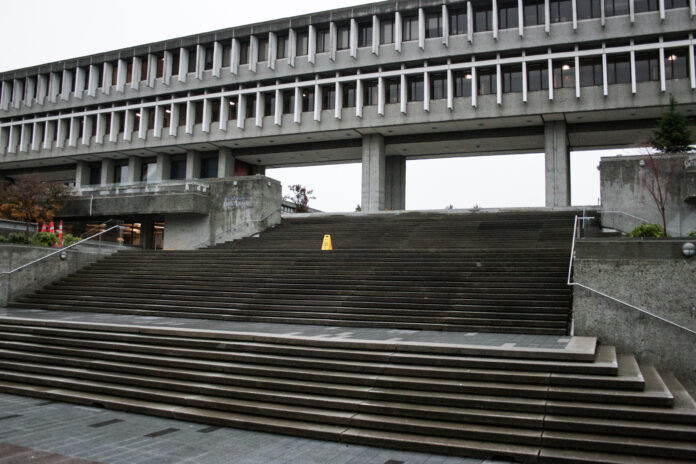
The photo is of the outdoor staircase leading into Convocation Mall at SFU Burnaby. The Academic Quadrangle can be seen.
The union has outlined several demands for RA’s as the university agrees to work on the bargaining table. PHOTO: Gudrun Wai-Gunnarsson / The Peak

Editor’s Note: The article was updated on November 15 to indicate that RA’s will be considered part of the union, only once a collective agreement is negotiated.

By: Pranjali J Mann, News Writer

The recent arbitration to include research assistants (RA) within the Teaching Support Staff Union (TSSU) has achieved a “monumental victory.” RA’s will now be considered as part of the union once a collective agreement is negotiated. The judgment called for clarification on the disagreement between SFU and 800 science and applied science RA’s. These RA’s were previously excluded from union and its recognition demands because their payment was executed “through scholarships/stipends from a grant.”

The Peak interviewed Amal Vincent, TSSU chief steward and contract committee chair, to find out more about this judgment. 

“SFU’s research reputation is built upon papers that are published and discoveries made with countless hours of RA work.” He added, “Respecting RA’s and treating them fairly is essential to keeping the university functioning.”

Vincent said, “RA’s at SFU have been exploited for decades. Late pay, no pay, and unequal pay, no written contract, no or few benefits. These were all common and among the reasons that RA’s decided to unionize in 2019.”

SFU released an official statement. They said, “There was no process in place to efficiently determine who is an employee of the university [ . . . ] which led to the university not meeting all the terms in Voluntary Recognition Agreement. That is where the university failed, we are sorry for this, and we are committed to doing better.”

As noted, the university administration will be working towards better defining the term “scholarship” in order to “properly differentiate graduate students receiving scholarship from those who should be classified as employees.” SFU is looking to implement the transition and recognize the inclusion of RA’s by “beginning of 2023.” SFU also has until November 14 to bargain with the TSSU on new RA compensation and benefits. 

SFU’s statement notes, “SFU will retroactively change payment for the academic term from scholarship to wages where required.” They also added operational issues created by the pandemic affected their ability to meet deadlines. 

Vincent signaled to the long fight of recognition the union has undertaken. He stated, “This wasn’t the first try: in the 1970’s research staff started to organize but SFU argued and won a decision that research staff were not SFU employees.” However, the fight continued until November 2019 when SFU agreed to the voluntary recognition of “TSSU as the bargaining agent for Research Assistants and Grant Employees at SFU.” 

TSSU’s Research is Work campaign pushed SFU to recognize RA’s and Grant Employees as part of the union. The union’s 2019 Voluntary Recognition Agreement, asked for recognition of TSSU as the bargaining agent. In the interview, Vincent explained this would mean TSSU can demand for providing RA’s with comparable wages, and “MSP coverage for international student RA’s.”

As highlighted on TSSU’s website, this is an ongoing fight. “Our goal remains as always, a fair deal for all RAs that respects their critical contributions to research at SFU. Subsequently, the determination of the ‘true scholarship’ situations and the determination of the quantity of damages will need to occur.”

For more information on the TSSU campaign and RA demands, visit the TSSU website.