
Go back

Which trash panda are you?

By: Sharon Ha, SFU Student

Trash pandas, otherwise known as raccoons of the family procyonidae, are not only cute, they are terrifying. Why? Because they are mouthy, smart, and awesome! Why not find out which one you are while you observe these cuties from a safe distance?  

  1. What is your favorite place to eat at SFU?
    1. Bubble Waffle. Cheap, convenient, chicken nuggets for daaaaays.
    2. The latest and greatest Tim Hortons, boldly built next to the old one in WMC.
    3. Biercraft, because I am classy.
    4. Yogost. I dream of the mochi!
    5. Anywhere my friends like going with me!
  2. Do you take offense at the term ‘trash panda?’
    1. Yes!
    2. No!
    3. Maybe . . .
    4. So?
    5. Eenie Meanie Miney Mo!
  3. What type of feminist are you?
    1. An angry one.
    2. Even when we sort out trash, we must be equal!
    3. A girl boss~
    4. We should all be feminists!
    5. I agree with the smart raccoons above!
  4. How do you like the quiz so far?
    1. It is very fun!
    2. It is cute and cunning, a lot like me.
    3. Booooo — I have had more fun being stood up on dates.
    4. I have no opinion on this matter.
    5. A few of the statements above were quite rude. I believe this quiz is perfectly adequate for our needs!
  5. What form of entertainment tickles your fancy?
    1. Korean dramas.
    2. Telenovelas.
    3. Love Island.
    4. Ew, reality TV shows are gro— actually, Keeping Up With the Kardasha-coons . . . admittedly.
    5. I agree, I detest reality TV. Give me true reality: National Geographic! 

Those who have chosen mostly A’s, you are Grandma Possum Snout:
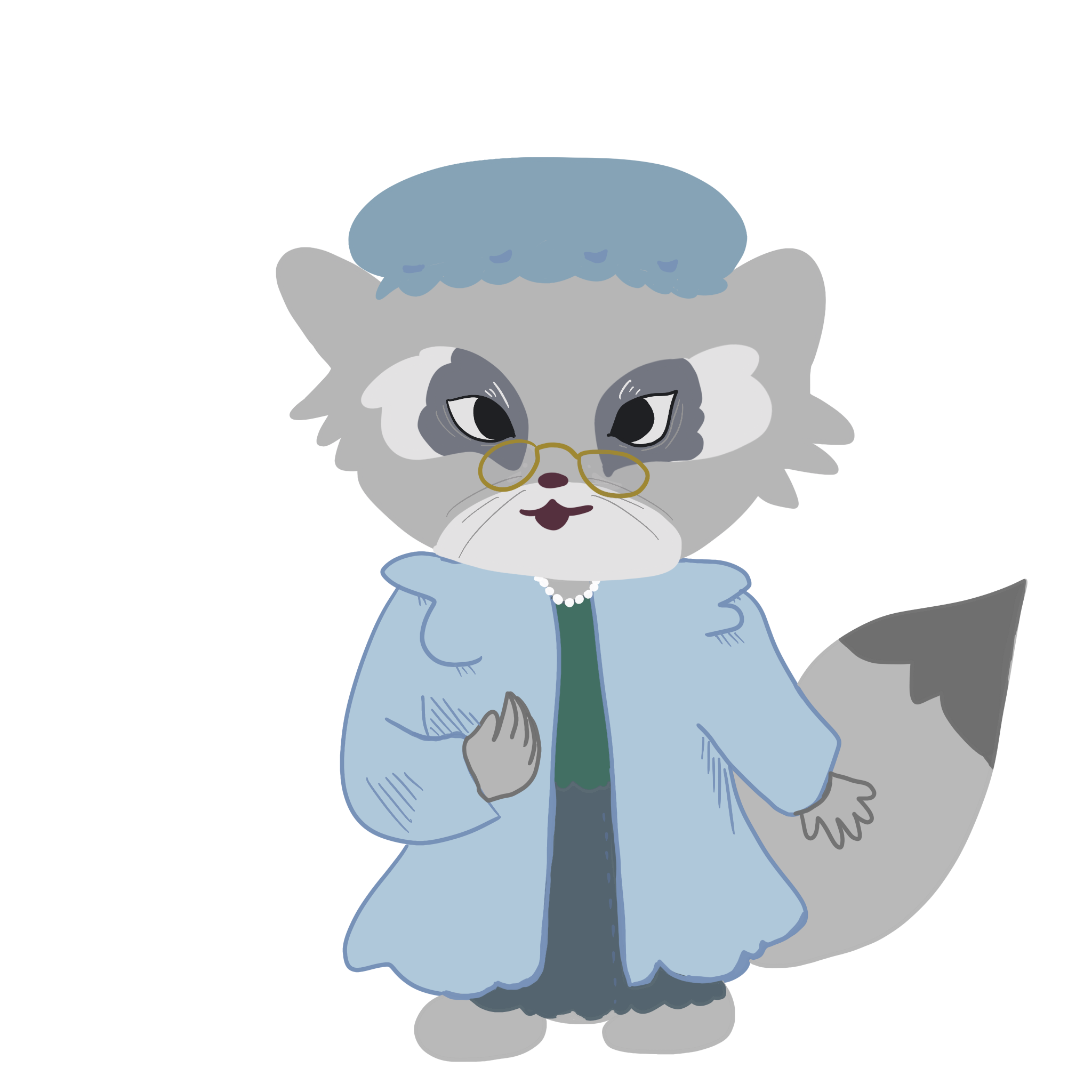
Illustrations of five different raccoons. ILLUSTRATIONS: Maple Sukontasukkul and Kelly Chia / The Peak

Grandma Possum Snout has been around since the ‘80s. She likes to eat whatever her children are eating due to a lifetime of focusing on others’ needs. Perhaps, she should try prioritizing hers once in a while. She loves wearing her comforting blue coat! It has a quilted pattern and she hopes to pass it off to her nephew.

For those who have chosen mostly B’s, you are Star, the athlete:

Illustrations of five different raccoons. ILLUSTRATIONS: Maple Sukontasukkul and Kelly Chia / The Peak

Even Star, a buff and furry raccoon, understands the word “athlete” means little to ordinary students at SFU. She can respect different opinions, and still enjoy bouncing rolling Tim Bits like a basketball. And yet she is that rare phenomenon: a kind, sporty raccoon. 

The always classy person who chose C’s is, of course, Reginald III:

Illustrations of five different raccoons. ILLUSTRATIONS: Maple Sukontasukkul and Kelly Chia / The Peak

Renowned food critic extraordinaire — only eats homemade kimchi and is a humble lover of bulgogi. Reginald is a sommelier of SFU tap water, too. Ask him for his latest rating!

If you’ve chosen mostly D’s, you are Chunky Monkey:

Illustrations of five different raccoons. ILLUSTRATIONS: Maple Sukontasukkul and Kelly Chia / The Peak

Chunky Monkey is a not-so-closeted anime fan with a proud paunch and huge talent for singing. He deserves better. Chunky Monkey currently watches Evangelion, but his girlfriend does not like it. She will, however, join him for a session of Voltron.

If you’ve chosen mostly E’s, you are Lil’ Paw:
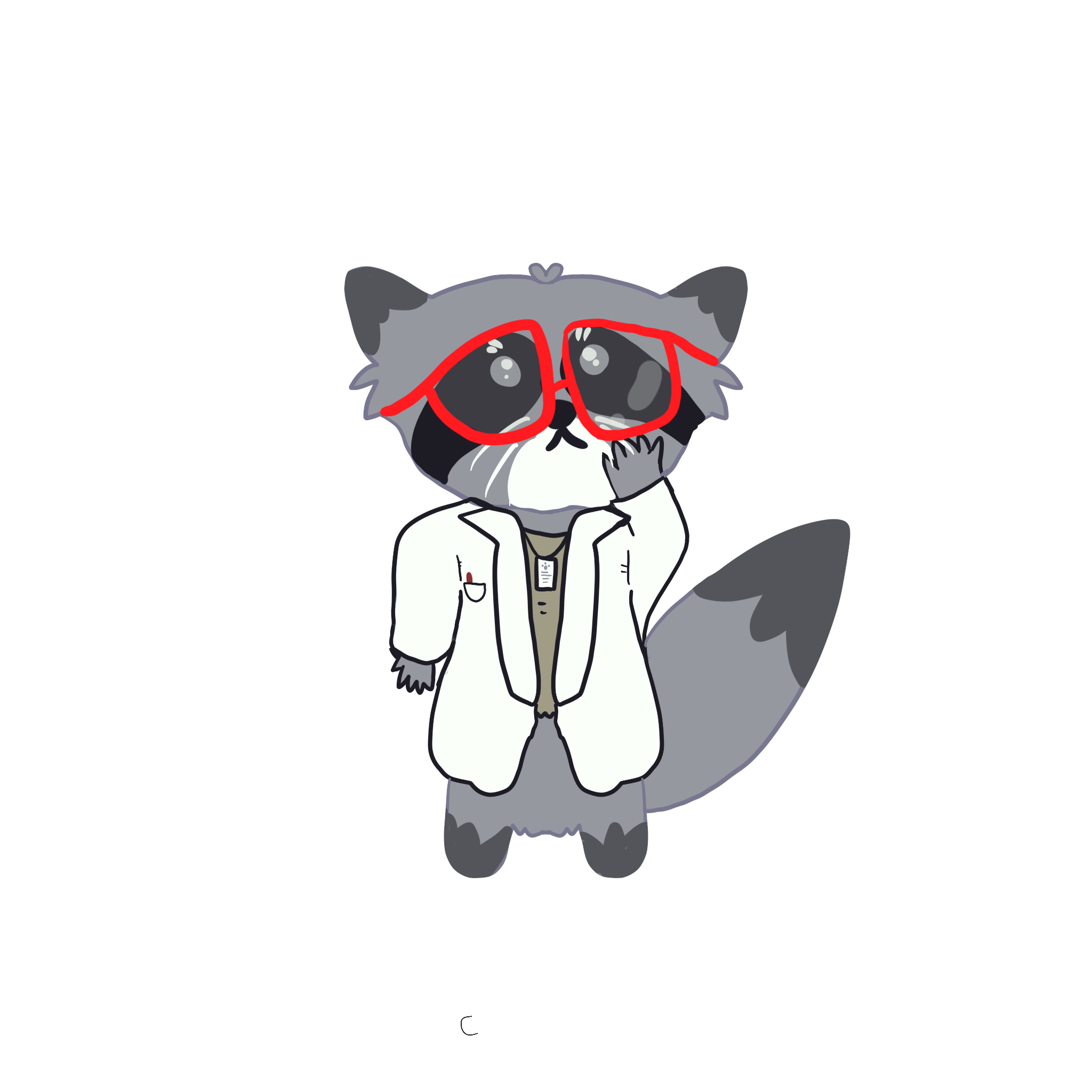
Illustrations of five different raccoons. ILLUSTRATIONS: Maple Sukontasukkul and Kelly Chia / The Peak

Lil’ Paw is the smallest and newest member of the gang. A genius. Be that as it may, there is no denying they are the kit of the litter. Being so cuddly and sweet-faced means only the hardest of hearts will not stop to call him a “cutie.” Their favorite activity is running around the campus having little adventures with their family.


Was this article helpful?
0
0

Leave a Reply

Block title

New immunotherapy treatment provides hope for aggressive cancer

By: Lucaiah Smith-Miodownik, News Writer Surgery, chemotherapy, and radiation therapy are often recognized as the three most common forms of cancer treatment. Sometimes, the latter two approaches become no longer effective when cancers become drug resistant, allowing the cells to further spread. At the University of Calgary, however, promising developments in immunotherapy intervention seek to provide alternative treatment when common therapies are not viable.  Cells continually divide to replenish dying cells, but certain gene mutations can create cancer cells, which divide and spread in an uncontrolled manner. The human body naturally defends itself from cancerous cells, though sometimes they can “hide from the immune system and avoid being destroyed,” according to the Canadian Cancer Society. Immunotherapy seeks to help strengthen the ability to recognize and fight...

Read Next

Block title

New immunotherapy treatment provides hope for aggressive cancer

By: Lucaiah Smith-Miodownik, News Writer Surgery, chemotherapy, and radiation therapy are often recognized as the three most common forms of cancer treatment. Sometimes, the latter two approaches become no longer effective when cancers become drug resistant, allowing the cells to further spread. At the University of Calgary, however, promising developments in immunotherapy intervention seek to provide alternative treatment when common therapies are not viable.  Cells continually divide to replenish dying cells, but certain gene mutations can create cancer cells, which divide and spread in an uncontrolled manner. The human body naturally defends itself from cancerous cells, though sometimes they can “hide from the immune system and avoid being destroyed,” according to the Canadian Cancer Society. Immunotherapy seeks to help strengthen the ability to recognize and fight...

Block title

New immunotherapy treatment provides hope for aggressive cancer

By: Lucaiah Smith-Miodownik, News Writer Surgery, chemotherapy, and radiation therapy are often recognized as the three most common forms of cancer treatment. Sometimes, the latter two approaches become no longer effective when cancers become drug resistant, allowing the cells to further spread. At the University of Calgary, however, promising developments in immunotherapy intervention seek to provide alternative treatment when common therapies are not viable.  Cells continually divide to replenish dying cells, but certain gene mutations can create cancer cells, which divide and spread in an uncontrolled manner. The human body naturally defends itself from cancerous cells, though sometimes they can “hide from the immune system and avoid being destroyed,” according to the Canadian Cancer Society. Immunotherapy seeks to help strengthen the ability to recognize and fight...
