
Go back

Book vs Book: Lost at Sea and Seconds

By: Natasha Tar, Peak Associate


Lost at Sea (2003)
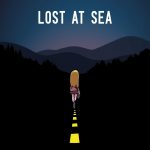
With its heavy doses of cats and angst, Lost at Sea was one of my favourite graphic novels when I was a teenager. The story centres on Raleigh, who apparently has no soul, as she sits through an unintentional road trip with fellow classmates she doesn’t like. Raleigh’s emotional stream of consciousness reflects how I felt in high school, and is expressed well by the simple, haunting art style. O’Malley was obviously not thinking too much about money when he published this first book, as it’s quite experimental and may seem melodramatic to older readers.

Seconds (2014)

      Over a decade later, this hardcover slab seems to have been created by a whole other person. In Seconds, O’Malley honed both his writing and art. Each page is full-colour and the level of detail is so high compared to Lost at Sea that it’s like comparing a quilt to a pillowcase. However, a lot of the deep emotion he evokes in Lost at Sea is forgotten in Seconds. The protagonist here, Katie, also shares her thoughts with the reader, but they seem more self-absorbed and flimsy when compared to Raleigh’s existential musings. Katie is also much older than Raleigh and the book focuses on career and choices, rather than growing up and questioning things. Seconds also provides a solid plot to follow, unlike the randomness of Lost at Sea.

Verdict

     While I love both books, Lost at Sea is the better work. Seconds is beautiful and polished, but it lacks the emotional depth, and doesn’t resonate with me as much Lost at Sea does. I may be less attached to it now that I’m past my teen years, but it remains one of my favourite books.


Was this article helpful?
0
0

Leave a Reply

Block title

SFU professor highlights the danger BC faces from natural disasters

By: Niveja Assalaarachchi, News Writer 2025 was one of the most destructive years on record for natural disasters. Though much of the damage to infrastructure and human lives was seen in the Global South, much of the economic cost was seen in Global North countries like Canada. The Peak interviewed Tim Takaro, a professor emeritus at SFU’s faculty of health sciences, to learn more about how the growing destruction of natural disasters specifically applies locally.  In 2025, BC faced disasters like the flooding of the Fraser Valley and forest fires. Takaro explained that these disasters as a whole had afflicted large segments of the population, especially marginalized communities. For one, he pointed to those with chronic illnesses, as chronic conditions can increase the chances of sickness...

Read Next

Block title

SFU professor highlights the danger BC faces from natural disasters

By: Niveja Assalaarachchi, News Writer 2025 was one of the most destructive years on record for natural disasters. Though much of the damage to infrastructure and human lives was seen in the Global South, much of the economic cost was seen in Global North countries like Canada. The Peak interviewed Tim Takaro, a professor emeritus at SFU’s faculty of health sciences, to learn more about how the growing destruction of natural disasters specifically applies locally.  In 2025, BC faced disasters like the flooding of the Fraser Valley and forest fires. Takaro explained that these disasters as a whole had afflicted large segments of the population, especially marginalized communities. For one, he pointed to those with chronic illnesses, as chronic conditions can increase the chances of sickness...

Block title

SFU professor highlights the danger BC faces from natural disasters

By: Niveja Assalaarachchi, News Writer 2025 was one of the most destructive years on record for natural disasters. Though much of the damage to infrastructure and human lives was seen in the Global South, much of the economic cost was seen in Global North countries like Canada. The Peak interviewed Tim Takaro, a professor emeritus at SFU’s faculty of health sciences, to learn more about how the growing destruction of natural disasters specifically applies locally.  In 2025, BC faced disasters like the flooding of the Fraser Valley and forest fires. Takaro explained that these disasters as a whole had afflicted large segments of the population, especially marginalized communities. For one, he pointed to those with chronic illnesses, as chronic conditions can increase the chances of sickness...
