
trigger warnings
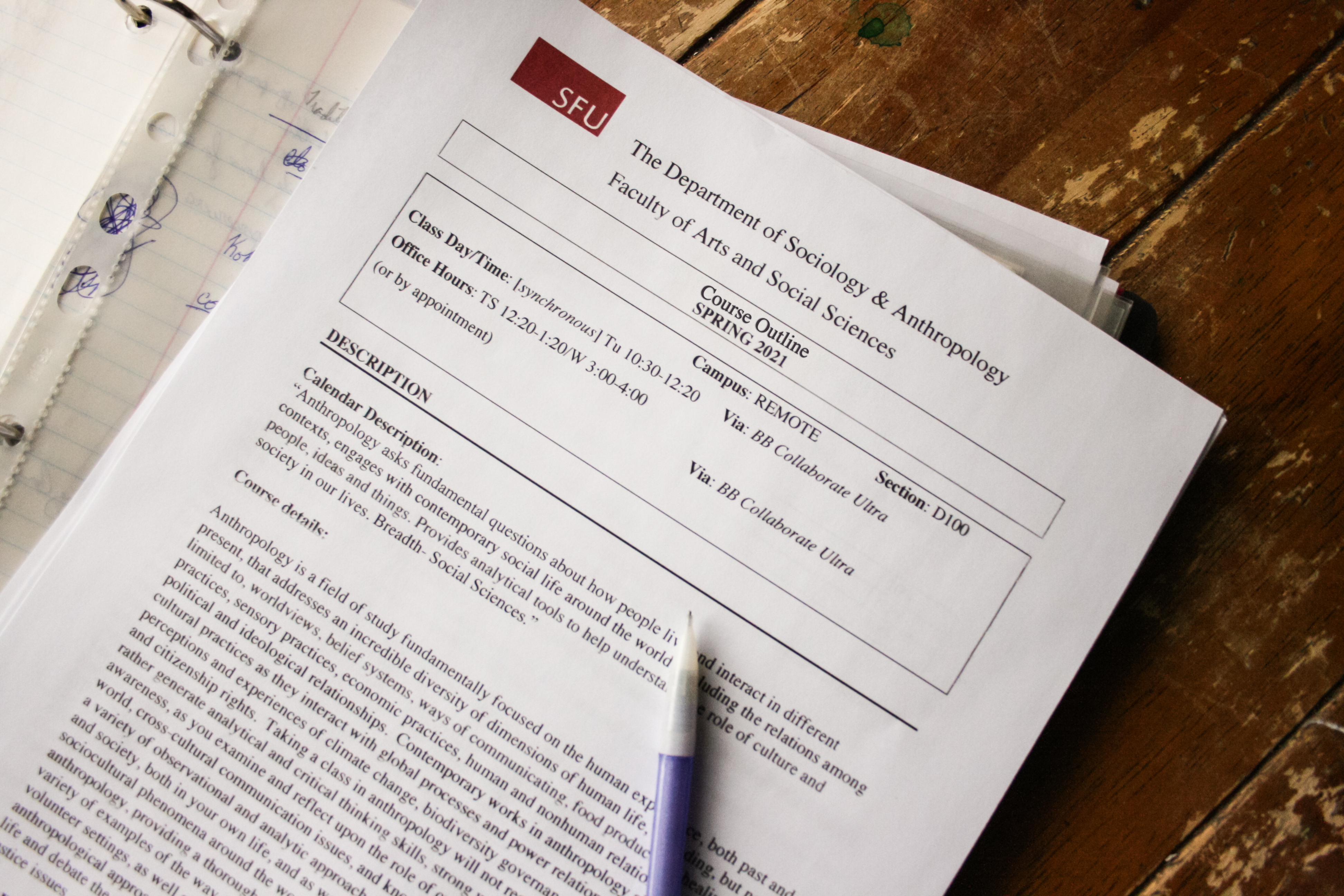
It’s time to start using content warnings for course material
April 5, 2021by Kyla Dowling, Staff Writer Whether it’s the content warning that displays in the left corner of a Netflix screen, or a giant “TW” at the beginning of a TikTok video, content and trigger warnings are being used more frequently. These warnings caution viewers that sensitive content lies ahead, and allows them the option of not engaging with the material or to mentally steel themselves before engaging. So then, why aren’t our professors using trigger warnings when it comes to sensitive course content? Trigger warnings are a controversial topic in academia, with some believing they are akin to censorship, or…
Continue reading

We need to preserve both safe spaces and academic freedom
September 7, 2017Written by Zach Siddiqui, Opinions Editor The right to free speech flirts with human progress the way peanut butter jives with strawberry jelly — they’re the “it couple.” At SFU, we all benefit from free speech; it’s a key component…
Continue reading
Sorry, trigger warnings do not hinder free speech
April 4, 2016[dropcap]T[/dropcap]yler Knoll’s article entitled, “Trigger warnings are not an excuse to censor free speech” could not have gotten it more wrong. Trigger warnings don’t censor or stifle free speech. They’re simply warnings — like online pieces of courtesy to the…
Continue reading


