By: Cam Darting, Peak Associate and C Icart, Humour Editor
Dear Peakie,
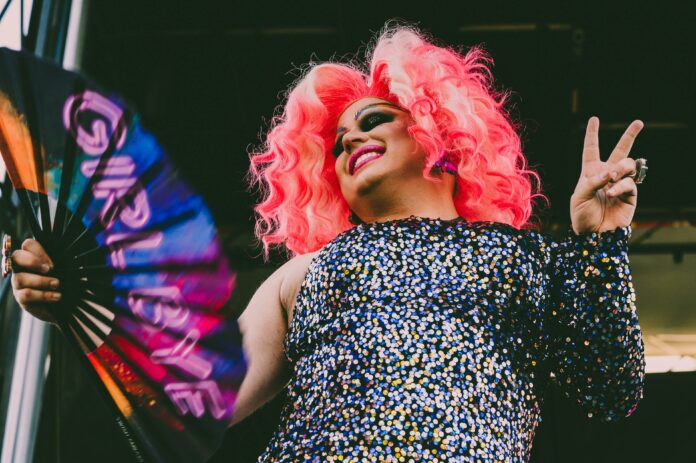
I have given birth to so many children you’d think I was Little John’s wife! No galvanized steel is needed for me, though; I prefer to work on poles. Anyhow, my children continue to spread lies about me! Accusing me of forgetting their names, editing them unfairly on my ever-expanding television franchise where I make them strut for the viewers’ entertainment (mommy-vloggers wish they were me), and even fracking! How do I get my kids to start respecting me?
Sincerely, I Made Them RuGirls, And I Can Unmake Them RuGirls
Dear I Made Them RuGirls, And I Can Unmake Them RuGirls,
You are living the dream life. You are what Kate Plus 8 wishes she was. You, my queen, are the blueprint. Kids are nothing but mere extensions of our bodies, which should be used for our own personal gain. You did not carry all those kids in your womb for nine months just for them to disrespect you like this. SHOW THEM WHO’S BOSS. No! Not by grounding them . . . by buying them what they want!They may not respect you, but I know for a fact they will respect that cash 😉
You better milk them kids, Peakie
Dear Peakie,
Today, I walked down Davie Street with my partner of two weeks, picking out baby names. It was a fantastic chat. We held hands on the rainbow crosswalk as I sipped on an iced matcha and she enjoyed an iced chai. But, as I was fiddling with my 15 rings, it dawned on me that we hadn’t considered the most important thing! What will our children call me? Combining mom and dad into a gender-neutral alternative has proven difficult, mad and dom probably won’t work . . . Any ideas?
Sapphically, Historians Would Call Us Best Friends
Dear Historians Would Call Us Best Friends,
This is a recurring question many 2SLGBTQIA+ individuals have. You see all those white country folks calling their grandparents meemaw, peepaw, juju, etc. Why not do the same? I suggest that your kid call you Your Highness. It creates an automatic sense of respect for you, and it’ll make you feel like royalty! If you don’t like that, try Mighty Ruler or Always Right. TBH, I think this is the least of your worries. You should focus on how to stop wearing those tacky 15 rings.
Get a stylist, Peakie
Dear Peakie,
We are very sad. Someone created this Pride flag with our missile company’s logo on it. Because we care so much about people, we cannot take credit for the image even though it’s nicer than the banner we use when participating in Pride parades. On top of that, people are criticizing the lovely inclusive flag. How do we explain to the haters that it’s 2024 and the gays can engage in war crimes, too?
Sincerely, Slaying In My Rainbow Fighter Jet
Dear Slaying In My Rainbow Fighter Jet,
UGH! Don’t listen to the critics. Of course, military support companies belong at Pride. World War III WILL be 2SLGBTQIA+ inclusive. The queer community is perfect to advertise to. Do people not realize the athleticism it takes for a drag queen to do all those death drops? Or the courage it takes for a lesbian to rock a pixie cut? I’ve had enough. Queers can be murderers too!!! I said it, who cares about intersectionality?Certainly not the queer people these companies are hurting! Start spreading the word because we’re gonna need all the glitter and sparkles we can get if we are funding nuclear weapons.
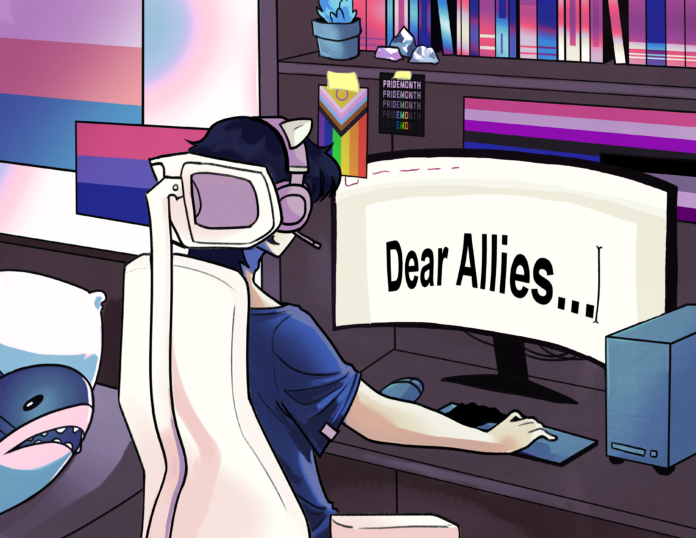
I think it’s time to move to a different city and start anew. Everyone around me is a fake ally. It’s been 4,320 minutes since May turned into June, and nobody has wished me a happy Pride Month. No Skittles, no rainbow flags, and not even a mere “YASS QUEEN.” In times like this, I ask myself, why did I even come out of the closet? OK, to be fair, I never really had to because my wrists have been bent since birth, but still . . .
Here are some ways you can be like Valentina and be an ally this pride season!
First up, give your rainbow friend money. Did you know 2SLGBTQIA+ people generally earn less than their heterosexual counterparts? How devastating is that? Fuck systemic change, the only way to make things better is if YOU, the cishet friend or family member, do something about it. Slide a minimum of $200 to your “special” friend. If you don’t, you’re contributing to the problem and don’t want to see queer people have rights. Sorry, I don’t make up the rules.
Second, buy them a car. But why a car? Easy, to give your rainbow friend freedom. Do you know how suffocating it is to be locked in a closet for most of your life?Well let me tell you, it is not fun. It’s dark, it’s lonely and, for me, the worst part was not being able to wear cunty ass crop tops. This is all trauma a hetero will never understand which is why you need to buy your fruity friend or family member a car.
Thirdly, pay for their septum piercing. Nothing says 2SLGBTQIA+ more than a piercing that makes you look like a cow. It’s a canon event for us rainbowed people. Enough said. Don’t question the gay while it’s his month.
That’s that, folks. Those are the ONLY three ways you can show your support during Pride Month. If you can’t do any of those three things, you’re anti-2SLGBTQIA+ and you want to see the community fail. How terrible is that? You are the one and only problem.
Anyways . . . happy Pride to everyone and I’ll see you all in hell <3 — JK 😉
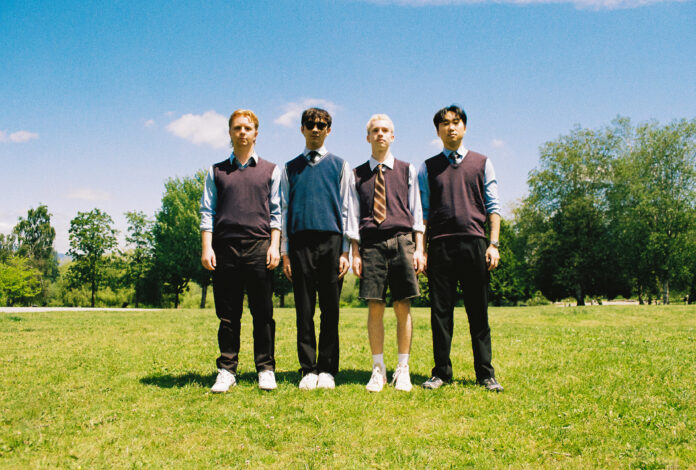
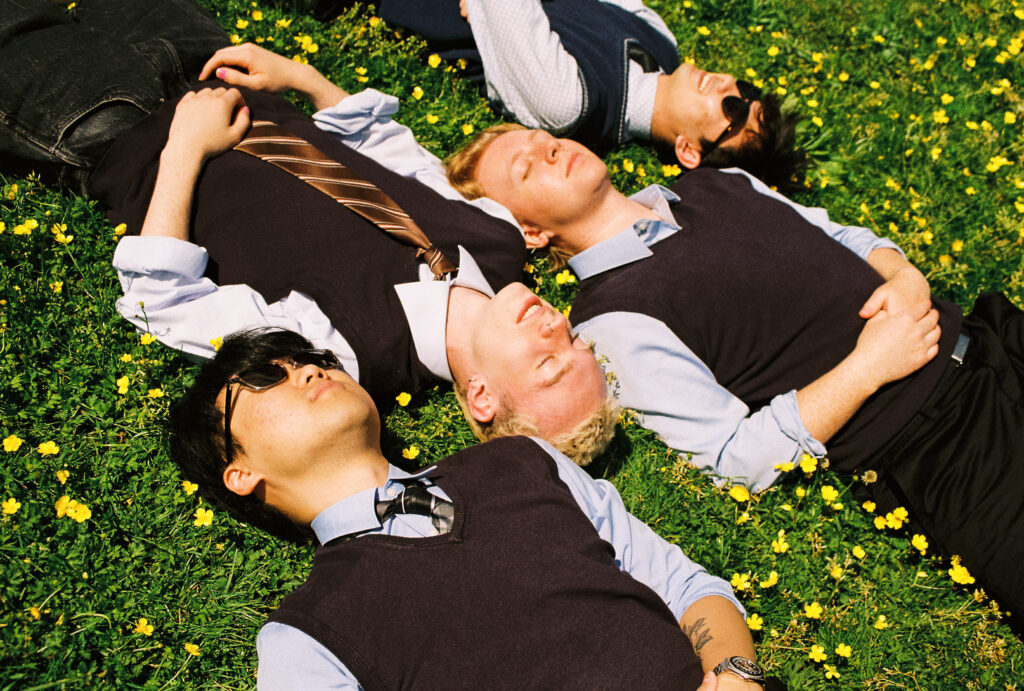
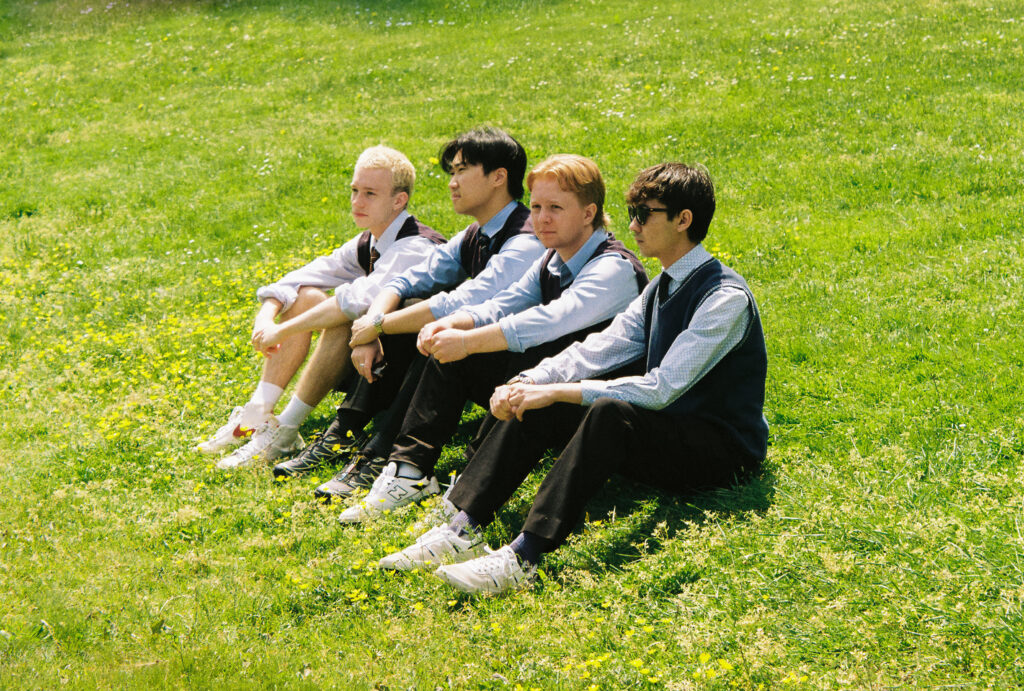
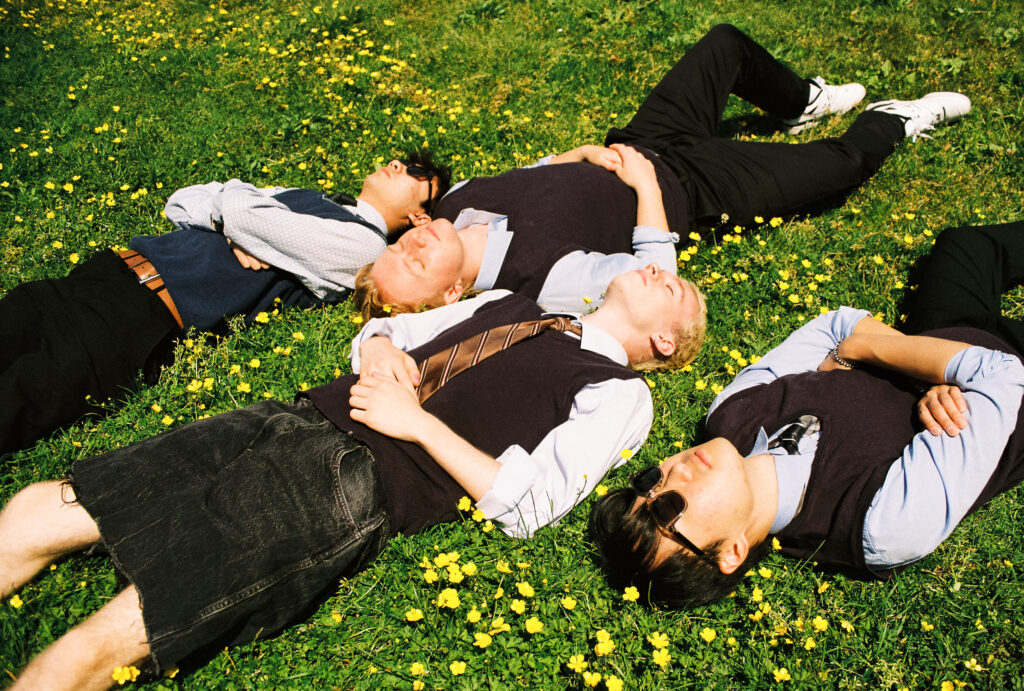
Known around Vancouver as the Peach Pit twin of the alternative-rock scene, Grade Schoolcreates their own sound while still appreciating the bands they’re influenced by. Their latest EP, Be Cool, Grade School!, was released on May 18 and houses a surf-rock, new wave vibe that’s bound to have you bopping to the beat as you wander down to Kits beach. Based in North Vancouver, the band consists of Cody Schroeter (vocals and guitar), Ryan Ng (guitar), Julian Morency (keys), Jack Bunting (bass), and Gaspar Babeanu (drums).
“Me and Ryan met through a friend’s band that we played in,” explained Schroeter, which occurred after a run-in at a Peach Pit concert. Their name alludes to how the rest of the band “met in preschool.” Ng had been “a fan of the band from the start” and played drums prior to joining them. “Everything kind of fell in place because I was a drummer but I wanted to play guitar,” he said.
PHOTO: Gudrun Wai-Gunnarsson / The Peak
As the title of the EP states, the meaning behind the songs relates to experiences the band had growing up, from childhood through to adolescence. The EP’s first track, “Castle Fun Park,” drew influence from Schroeter’s experience as a kid who was too short to go on rides at the PNE. The prominent trumpet featured in this track sets the tone for the EP right off the bat. “It’s the first time we collaborated with another artist,” added Schroeter, as the trumpet was played by Len Plisic of local band Punching Knives.
“I kind of just get a bit too loose with my metaphors,” Schroeter said. Ng added that it’s in their “subconscious” to write light-hearted songs about their childhoods. Their discography hopes to project the atmosphere of a “coming-of-age movie.”
PHOTO: Gudrun Wai-Gunnarsson / The Peak
Much of the musical influence for “Castle Fun Park” came from listening to songs by indie rock band Beach Fossils. “Be Mine” — the EP’s closing track — took inspiration from local indie pop sensations Peach Pit. Ng added that the EP featured “the leftovers” of their previous album while drawing on inspiration from ‘80s new wave band, New Order.
“There’s live drums on every track,” said Schroeter, saying the band recorded all sounds in the EP live. This was a new endeavour for the band as they had previously only used synthetic drum tracks with live elements when possible. They hope that, because of this, the album has more of a “band feel.”
“The writing process was much more organic, too, where we all gathered in a room, and we kind of built on together, as opposed to being much more separate,” Ng said. “We also experimented with more synthesizers.
“We still try to keep that made-at-home kind of lo-fi vibe with it,” said Schroeter. “None of these songs were recorded in a studio.” He laughed, lifting up his laptop to pan his bedroom, denoting what could easily be classified as bedroom rock. The genre has come a long way from the garage band era of the ‘90s, with Grade School moving the ordeal upstairs and keeping the rough-edged, indie sound alive.
PHOTO: Gudrun Wai-Gunnarsson / The Peak
The band is going on a Canadian tour with Black Pontiac, and their excitement is emanated upon the announcement. They look forward to writing “more music as fast as possible,” and having “new inspirations” from the road to tie into new bodies of work.
Follow Grade School on their social media as they document their BC and AB tour (June 26–July 13, with multiple stops in BC).
PHOTO: Courtesy of the National Film Board of Canada
By: Izzy Cheung, Arts & Culture Editor
Content warning: mentions of assimilation, residential schools, and cultural genocide.
Colours bleed into the pages of a black and white newspaper as a low-tone humming surrounds the screen. The steady, heartbeat-like fervor of a drum echoes through the scene. A powerful voice sings a chant-like melody. Sitting at a large wooden desk is a man, his burly shoulders wrapped up in a crisp suit, elation hitting his features as he passes a piece of paper. The form is signed, and in the distance, you can hear an airplane pass over the sky. Suddenly, the beat switches.
The powerful strums of an electric guitar pierce the steady drum beats. A tambourine chatters on in the background. The song has shifted, becoming immersed in a pop-rock beat that has you tapping your foot to the rhythm. With the snap of a finger, this serious, heavy scene has transformed into a lively performance worthy of an award-winning stage. This sudden tone-shifting and musical action is a trademark piece of the puzzle that is Marie Clements’ The Road Forward.
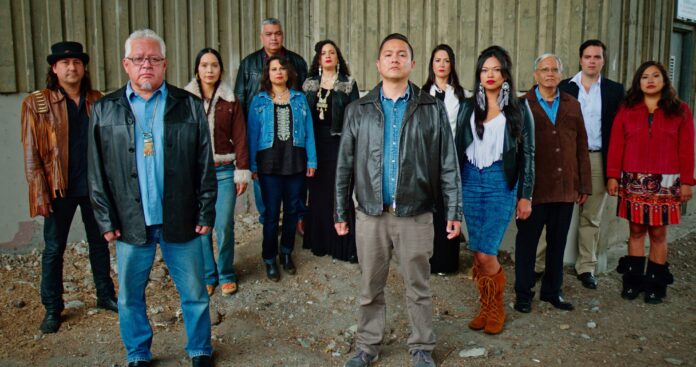
A unique blend of documentary and musical, The Road Forward is an electric guitar-charged, slow-drum settled collection of old and new history behind Indigenous peoples’ fight for rights. It mixes modern-day recounts of various struggles with clippings from old newspapers detailing the same issues at their respective times. Sprinkled between these are performances of original songs with non-specific historical figures dressed up as if they had been transported back in time.
Clements, a Métis and Dene director and filmmaker, came up with the idea for this innovative musical documentary from “writing different lyrics based off of different headlines and stories that hit me,” she said in an interview with CBC. These headlines came from The Native Voice, Canada’s first Indigenous-centred newspaper. This became a defining factor in not only the creation of this documentary-musical-hybrid, but also how it was stylistically formatted.
“At the end of the film, everyone comes together to sing a final song, mixing harmonious voices with roaring chants and thudding drums decorated with the traditional formline art of the Northwest Coast. It’s the perfect ending to such an eye-opening documentary.”
When going through a newspaper, Clements toldVancouver is Awesome, “You’re getting a sense of urgency or a sense of movement or a sense of excitement or anger or curiosity about each story or headline.” That’s something she wanted to mimic for this film’s audience.
Newspapers and upbeat tunes aren’t the only prolific parts about this documentary. There are times when the upbeat tune starts to grow soft — the type of “soft” you associate with a horror movie when things seem too positive to be safe. This occurs in the seemingly cheery song, “Good God, I was a Sinner,” a folk song that discusses Indigenous children being forced into residential schools. As the campfire beat continues, the joyful setting begins to change, slashed through with distorted black and white videos of Indigenous children being forced to assimilate into so-called Canadian culture. The sky grows gray, the wind picks up, and the singers’ voices begin to waver. It’s a spine-chilling scene that serves as a stark reminder of the injustices committed towards not just the Indigenous children of that time, but also those who must face the consequences of these decisions to this day.
The dark, cruel world of black and white shifts when the seashell-stained waters of the West Coast wash up on the shore. A woman’s soft lilt echoes amidst the swirling sound of the shore. Singer Jennifer Kreisberg kneels to touch the water, followed by other members of the cast. As the voice continues to hum, they stand, all walking together as they make their way from nature into the city. Seeing everyone come together, as if all part of one cohesive group, was the most touching moment in the documentary to me. At the end of the film, everyone comes together to sing a final song, mixing harmonious voices with roaring chants and thudding drums decorated with the traditional formline art of the Northwest Coast. It’s the perfect ending to such an eye-opening documentary.
The Road Forward is, at its core, a tricky one to traverse — one that Clements executes masterfully with her musical flair. This documentary may have come out in 2017, but regardless of how far into the future we travel, it’s clear that there must always be a “road forward” for those who have been wronged by the injustices of colonization.
Much of what is now called British Columbia exists on the unceded Coast Salish Territories of the Skwxwú7mesh (Squamish), xʷməθkʷəy̓əm (Musqueam), and səlilwətaɬ (Tsleil-Waututh) Nations. As we observe and celebrate Indigenous History Month in the Lower Mainland, it is important to recognize and use the traditional names of the land we live on, whether they are currently used, or more commonly known by colonial names.
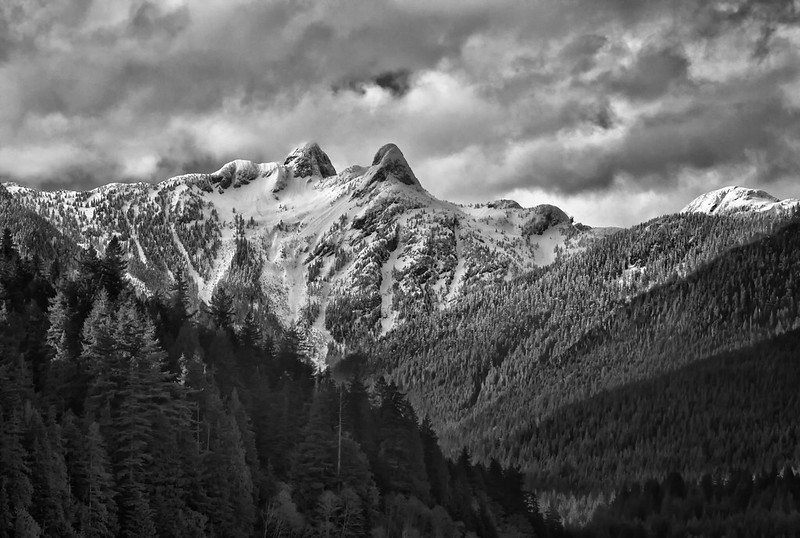
Sch’ich’iyúy (Twin Sisters or Two Sisters)
PHOTO: Jason Mrachina / Flickr
Located on the North Shore mountains at the entrance of səl̓ilw̓ət (the Burrard Inlet), these two peaks were first known in the colonial realm as “The Lions” — which led to the naming of Lions Gate Bridge, and the BC Lions football team. In Sḵwx̱wú7mesh (Squamish) legend told by a late Chief Su-á-pu-luck (Joe Capilano), the peaks were made by the Creator to commemorate peace between the Haida and Sḵwx̱wú7mesh people, after Haida twin brothers married two Sḵwx̱wú7mesh sisters, who were the daughters of the Sḵwx̱wú7mesh chief.
šxʷməθkʷəy̓əmasəm (Musqueamview Street)
This street in Vancouver’s Kitsilano neighbourhood was renamed in 2021 to recognize the lands of the xʷməθkʷəy̓əm (Musqueam) people it runs across. The street was originally named Trutch Street, after the late 19th century Lieutenant Governor of BC Joseph Trutch, who is now known for his racist and discriminatory actions against Indigenous peoples. Petitions were raised in the late 2010s, with the City of Vancouver voting unanimously in 2021 to rename the street later that year. On National Day for Truth and Reconciliation in 2021, xʷməθkʷəy̓əm gifted the city a new name for the street — šxʷməθkʷəy̓əmasəm in the xʷməθkʷəy̓əm hən̓q̓əmin̓əm̓ (Musqueam Halkomelem) language, and Musqueamview Street in English.
sən̓aʔqʷ (Vanier Park)
PHOTO: Taz / Flickr
Located at the entrance to False Creek, sən̓aʔqʷ was the site for a xʷməθkʷəy̓əm (Musqueam) camp prior to the invasion and settlement of European colonizers. The xʷməθkʷəy̓əm people used the area for settlement while hunting or gathering in the surrounding forest, or when fishing in səl̓ilw̓ət (Burrard Inlet), which was very important for the food production of the nation. The settlement was also used when harvesting and processing fish for storage, and was connected to other xʷməθkʷəy̓əm villages along the stal̕əw̓ (Fraser River) via trails that ran across ʔəlqsən (Point Grey).
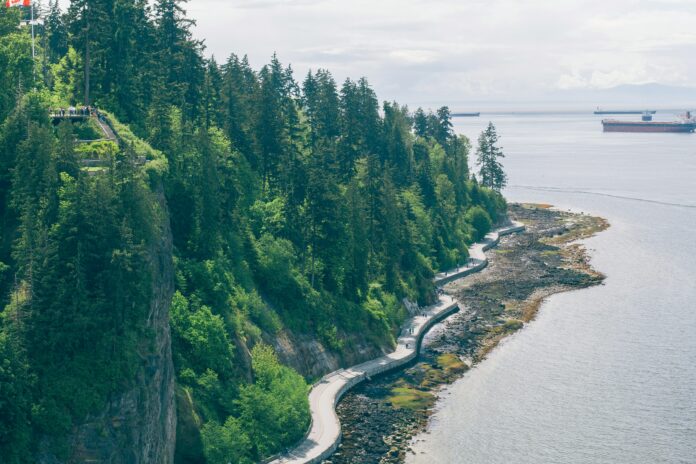
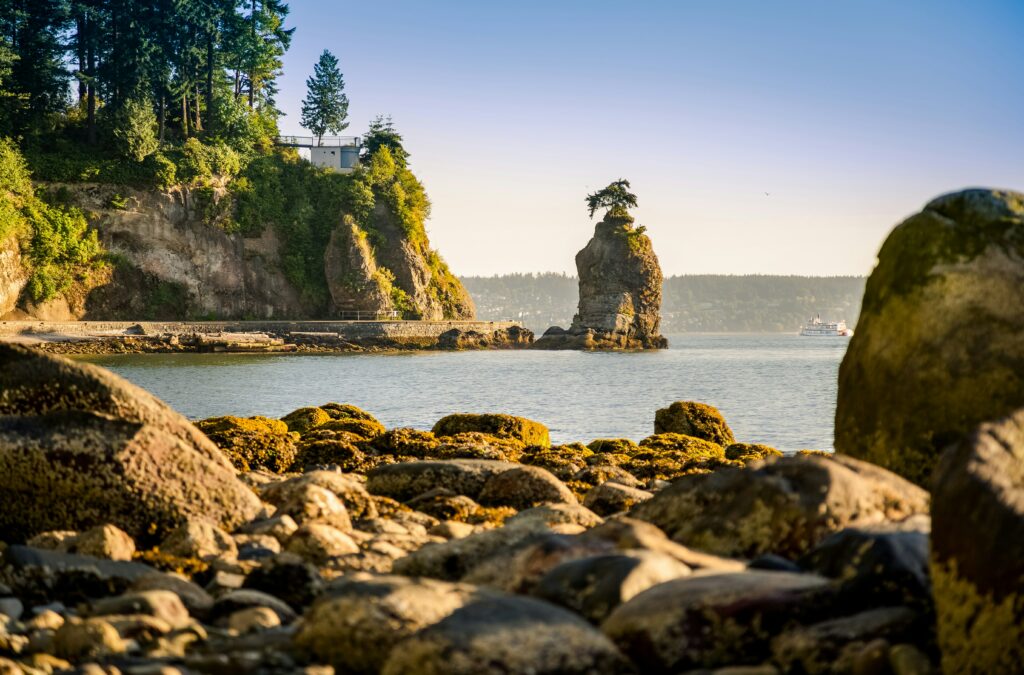
One of the Indigenous landmarks in Stanley Park, sitting between what’s now known as Third Beach and the Lions Gate Bridge, sɬχil̕əx is of cultural importance to xʷməθkʷəy̓əm (Musqueam) people. In xʷməθkʷəy̓əm legend, this site was a transformation site where χe:l̕s (the transformer) “transformed a man to stone for his conduct,” and it stays standing on the coast as a reminder of xʷməθkʷəy̓əm teachings. It is also related to another legend, where “χe:l̕s killed a giant octopus (devilfish) at xʷməθkʷəy̓əm he flung the smallest tentacle and it landed at sɬχil̕əx.” The amount of small octopi living near this coastal landmark is credited to this legend.
“It is important to recognize and use the traditional names of the land we live on, whether they are currently used, or more commonly known by colonial names”
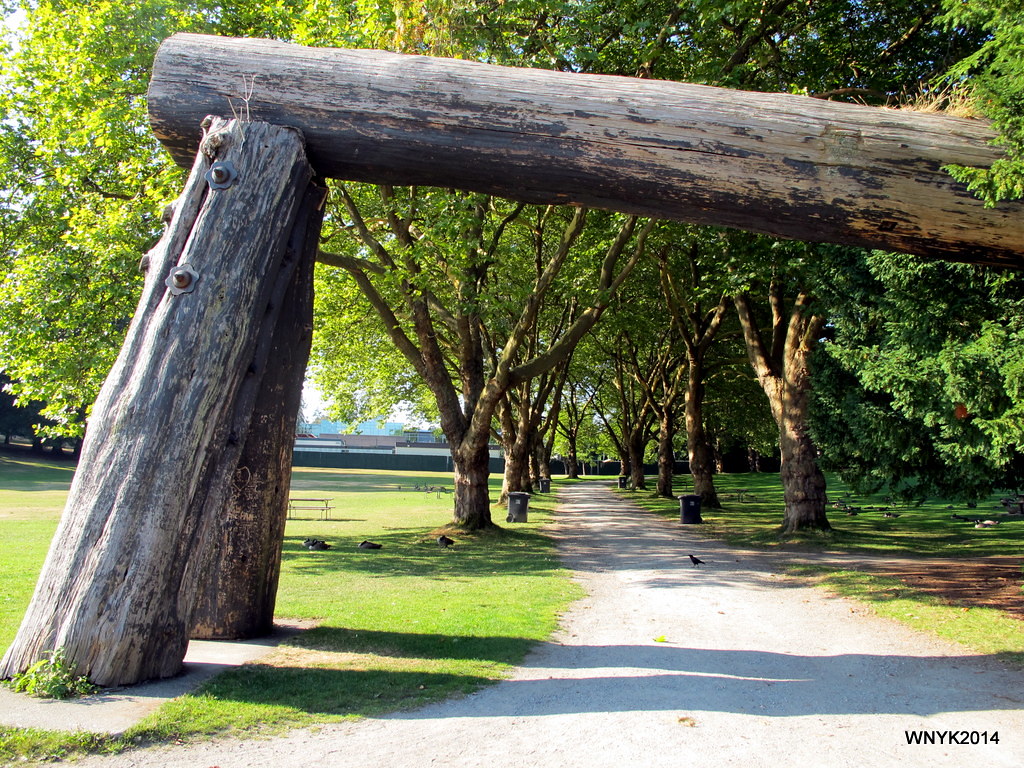
χʷay̓χʷəy̓ (hən̓q̓əmin̓əm̓) / X̱wáy̓x̱way (Sḵwx̱wú7mesh) (Lumberman’s Arch, East Stanley Park)
PHOTO: williamnyk / Flickr
χʷay̓χʷəy̓ was a large village located on the eastern side of Stanley Park, where the Lumberman’s Arch monument, a tribute to BC’s lumber industry, now stands. The site was home to Skwxwú7mesh (Squamish), xʷməθkʷəy̓əm (Musqueam), səlilwətaɬ (Tsleil-Waututh) peoples, with many residents living in multiple longhouses on the peninsula. It was also where xʷməθkʷəy̓əm ancestors “received the sχʷay̓χʷəy̓ mask and teachings; a culturally sensitive hereditary cleansing right.” After British settlers declared Stanley Park lands a military base, the Indigenous inhabitants of χʷay̓χʷəy̓ were systematically pushed off their traditional lands, a process that accelerated when the Stanley Park site was officially declared in 1888. A medical health officer was recorded in the city council meetings, recommending that the buildings be destroyed at X̱wáy̓x̱way because of a smallpox outbreak. The rest of the village was forcibly removed by settler road crews building the original perimeter road, which also disrupted burial sites for their ancestors and belongings.
In 1919, the Art, Historical, and Scientific Association, the precursor to the Museum of Vancouver, proposed to build an “Indian village” near the site where χʷay̓χʷəy̓ had stood. In the early 1920s, the organizations now known as the Museum of Vancouver and the Vancouver Board of Parks and Recreation began importing artefacts like totem poles and canoes from Indigenous peoples on the northwest coast. The idea was to create a village based on traditional Haida construction and art, despite the majority of the nation living hundreds of kilometres away from the park, and the removal of xʷməθkʷəy̓əm and Skwxwú7mesh settlements that had been going on for decades. There have been calls to rename the park to the original village name that it had been known as for centuries, though the name change proposal has yet to be acted upon.
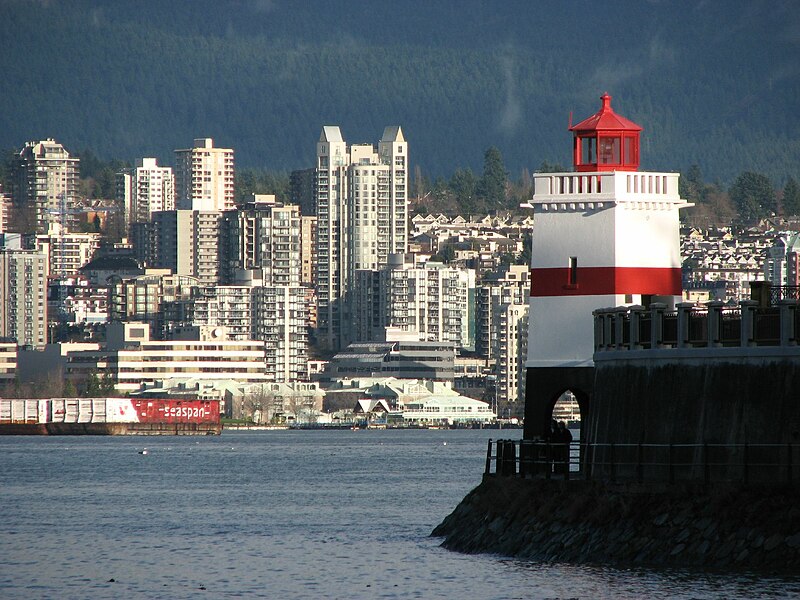
spapəy̓əq (Brockton Point, East Stanley Park)
PHOTO: Andrea Schaffer / Flickr
Located on the eastern side of Stanley Park, spapəy̓əq was the site where the last xʷməθkʷəy̓əm (Musqueam) residents inside the park lived before they too were expelled. Currently, the area is known for the Brockton Point Lighthouse, the Nine O’Clock Gun, and the First Nations Totem Poles, some of which originate from χʷay̓χʷəy̓ (Lumberman’s Arch, East Stanley Park) and Chay-thoos (Prospect Point). Along with χʷay̓χʷəy̓, this site was essential for gathering clams, mussels, and crabs. These resources were lost as the Indigenous people were systematically removed from the park’s boundaries. More recently, in May 2023, the xʷməθkʷəy̓əm, Sḵwx̱wú7mesh (Squamish), and səlilwətaɬ (Tsleil-Waututh) Nations, alongside the Vancouver Board of Parks and Recreation permanently raised flags representing the three nations in this area — first time this has happened in a Vancouver park!
Named after the ship that George Vancouver used to “discover” Turtle Island’s northwest coast, the Canadian navy mainly used the island’s buildings in demobilisation efforts after World War I. It has been recognized in local First Nations legend that the colloquial name came to be from the mass casualties from conflicts on the island, both between nations and settlers, and between nations themselves. It has also been recognized as a burial site, where Indigenous peoples placed the deceased in cedar boxes and hung them among the branches of the island’s trees.
Say-mah-mit (Port Moody)
PHOTO: Northwest / Wikimedia Commons
Say-mah-mit was a large səlilwətaɬ (Tsleil-Waututh) village located at Noon’s Creek in the southeastern corner of the səl̓ilw̓ət (Burrard Inlet). The village was an important settlement until Indigenous people were driven out by European colonial settlers. Middens (artifacts associated with past human occupation) contained many remains of eulachon — a smelt fish that navigates both freshwater and saltwater along the west coast — indicating that they were either processed or consumed on this site en masse.
təməsew̓txʷ Aquatic and Community Centre
Recently opened on June 1, the təməsew̓txʷ Aquatic and Community Centre in New Westminster uses xʷməθkʷəy̓əm hən̓q̓əmin̓əm̓ (Musqueam Halkomelem) in itsname. təməsew̓txʷ means “sea otter house.” Indigenous knowledge keepers spoke to the naming panel about how sea otters historically ventured far up the Fraser River to New Westminster, a city known for being “where the freshwater of the river meets the saltwater of the sea.” This new aquatic and community space was built to replace two aging buildings: the Canada Games Pool, which was closed in 2021 — earlier than expected due to flooding — and the Centennial Community Centre, which was closed last November.
Why is the job market so terrible right now? From no jobs being available to them having too many requirements, it seems like this weird epidemic has no end.
Most of us at SFU are just broke students in need of money. Most of us can’t work more than part-time, and many turn to jobs like serving. But the qualifications needed to become a server? Ridiculous. Why do I need 2–3 years minimum of serving experience to become a server? That’s one year away from a 4-year degree! I’m sorry but it makes no sense. How am I supposed to get experience when experience is a requirement!?
Speaking of chances, the chances of getting a job after graduation seem to be at an all time low right now. What are we supposed to use our degrees for now? At this point, the issue is beyond qualifications and more so about the scarcity of jobs. So many graduates are fighting for the same position, it’s like a depressingly realistic Hunger Games.
I often ask myself if artificial intelligence (AI) can predict the future, and tell us whether or not it will leave humans jobless. I don’t want to ask an AI software this, because I don’t want to give it any ideas. This area of the unknown seems to be a rising issue in many fields today, with it now being very prominent in the advertising field.
From commercials to graphics, AI is increasingly being used to generate advertisements. One example is the hotel booking app Trivago, and its ad that replaced 20 actors with one actor speaking different languages. Instead of hiring different actors for different languages, the company is now using AI to translate their ad campaigns. At first glance, AI may seem like a way for companies to be efficient. However, it poses a threat to those employed in advertising and translation fields. With AI being able to generate content at a quicker pace, workers like voice actors and actors are left in an unstable position.
To compare how AI impacts livelihoods, let’s look at a different period where new technology was introduced across industries. During the industrialization period, it was thought that new inventions would cause unemployment, but this proved to be theopposite. Industrialization led to more job opportunities by providing workers more skills to learn. Some people argue a similar situation could be on the horizon, with AI opening up space for more employment opportunities. However, AI and machines are two very different things. AI can expand without human labour and undergo constant improvement, whereas machines are generally created for a limited use. AI threatens the very jobs it creates.
If they aren’t willing to pay for and work with humans, we shouldn’t be willing to support them.
Because of AI’s flexibility, it can threaten creatives by pulling from datasets that include their work, replicating comparable skills to humans. While AI can’t replace human talent, it can be alluring for repetitive tasks that require speed and efficiency. Quality aside, it can allow corporations to produce more content at a speed that outpaces human labour. AIcanbe a useful tool, but it should be just that — a tool. AI should be used to enhance a product, not create it. For instance, AI has been used to streamline tasks like cancer screening and assistive technology development.
Experts predict that “90% of online content will be AI-generated by 2026.” We need to ask ourselves when what we deem as “innovation” is enough. Technological innovation shouldn’t trump the livelihoods of workers and creators.
When big companies opt for AI-generated voiceovers or models because of cost and efficiency, we as a whole should hold them accountable for their ignorance and greed. If they aren’t willing to pay for and work with humans, we shouldn’t be willing to support them. If companies wish to use AI in the process of advertising, they should be willing to face the consequences if we as a society take a stance against it.
On May 27, a rally was held outside Elizabeth Manor, Surrey, demanding the city stop the property’s planned demoviction, in which over 50 families would be evicted. Demoviction, as in demolition-eviction, is “when a landlord evicts tenants from a building so that it can be demolished and redeveloped into new apartments or condos.” Tenants of Elizabeth Manor who were part of the rally also marched to Surrey City Hall in protest of the loss of affordable housing in the Lower Mainland.
The rally was led by ACORN (Association of Community Organizations for Reform Now), a “community union of low and moderate-income people” fighting for “social and economic justice.” In a press release, ACORN Tenant Leader Arun Mulalka said, “If I got evicted my rent would almost triple, who can afford that with expenses skyrocketing right now? I have a five-year-old daughter who is starting school in September, my whole life is here in this neighbourhood.” For the past five years, Mulalka has lived with his family at Elizabeth Manor, paying $935 for a two-bedroom apartment.
In 2024, Surrey has an average of $2,422 rent for a two-bedroom apartment. Low rental vacancy causes “thousands of tenants” to be “displaced by demovictions” and compete for housing — driving the prices up, according to CBC. Demovictions of affordable housing are happening across BC, without a promise of affordable rentals elsewhere for tenants.
“If my family loses our home, where are we supposed to go?” — Arun Mulaka, ACORN Tenant Leader
In light of the protests, the landlord of Elizabeth Manor has taken back eviction notices given to residents.
According to Surrey Now-Leader, the city claimed it was “premature to have issued eviction notices to remaining tenants” considering the project hasn’t been “presented to Council and the applicant is still going through the permitting process.” ACORN reported that as “the developer is still planning on going to City Hall to get approval to redevelop Elizabeth Manor,” they are “calling on the the City of Surrey and Mayor Brenda Locke to urgently meet with tenants to discuss [their] concerns and ACORN’s proposed solutions to the demoviction crisis.”
ACORN leaders met again on June 10 at Surrey City Hall to request a meeting with Mayor Brenda Locke and the city councillors. They expect their perspective to be considered before Locke and the councillors consider the demoviction application.
By: Yasmin Hassan, Staff Writer, and Petra Chase, Editor-in-Chief
On May 30, the BC government and Blueberry River First Nationsannounced a three-year pilot plan to support Indigenous land restoration and protect Treaty rights. The Gundy High Value 1 Plan will reinforce Indigenous peoples’ involvement in decision-making regarding industrial development on and surrounding the land.
Blueberry River is a self-governing First Nations community made up of “Beaver and Cree cultural groups,” located in Northeastern BC, where “each culture contributes to creating one strong, proud, and determined First Nation.” They are signatories of Treaty 8, which is a historic agreement between settlers and Indigenous peoples across BC, Alberta, and Saskatchewan, and “the Southwest portion of the Northwest territories.” Since it was signed in 1899, it legally requires all activity on these lands to respect “Indigenous way of life,” which includes a “healthy environment upon which [Indigenous] rights depend.”
The new plan comes after BC breached Treaty rights in 2021. The BC Supreme Court sided with Blueberry RiverFirst Nations, who brought the legal challenge to court. The provinical government was found to have permitted industrial over-development such as logging and oil and gas activities, which hindered activities like hunting and fishing.In January 2023, BC and Blueberry River First Nations signed the Blueberry River Implementation Agreement that set up a partnership for taking care of “water, land, and resource stewardship.” The agreement ensures that Blueberry River First Nations members can meaningfully exercise their Treaty 8 rights, while those who rely on resource industry jobs in the region can also have a sense of reliability.
The Gundy plan is one in a series that sets new rules for developers that stress the involvement and protection of Treaty 8 Nations. Specifically, it focuses on “two watershed management basins, Cameron River and Blueberry River” in Fort St. John. It also includes a “robust framework for carrying out new oil and gas development.” The plan will involve regular reviews during its implementation.
“Finding balance to sustain the future lives of our members, Elders, and youth for generations to come is an important factor in reconciliation.” — Judy Desjarlais, Chief of Blueberry River First Nations
Judy Desjarlais, Chief of Blueberry River First Nations stated in the joint announcement, “Finding balance to sustain the future lives of our members, Elders, and youth for generations to come is an important factor in reconciliation.”
The economic and environmental reconciliation representatives for Blueberry River Resources, an independent operation that seeks to “offload a majority of economic and restoration duties from the Blueberry River First Nations administration,”stated, “Through strong industry partnerships, our combined efforts sustain traditional practices, such as hunting, fishing, trapping, guiding, horsemanship, praying, and gathering medicines.”
In a statement to The Peak, the Ministry of Energy, Mines and Low Carbon Innovation said BC is “committed to working with Blueberry River First Nations toward effective and efficient ways to balance the interests of Nations, the province and petroleum and natural gas tenure holders.”
They go on to say that ensuring this plan goes through well is essential for a “sustainable environment, robust cultural values, as well as a vibrant local economy,” which helps not only the individual, but the community as a whole.
The Peak reached out to Blueberry River First Nations for an interview, but they were not available for comment by the publication deadline.
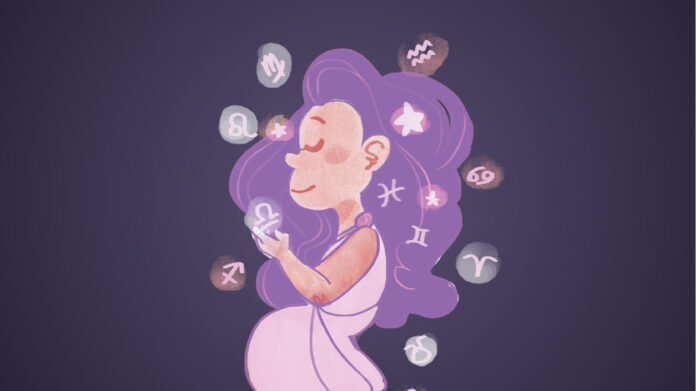
Aries March 21–April 19 Anything but a G-string As an Aries, you’re fun, energetic, and the life of the party. At Pride, you’ll be jumping up and down, dancing, and because of this, we need to ensure the goods are intact. So, DON’T WEAR A G-STRING (especially if you have a penis). You do not want that thing flopping out and about like a fish outta water. YIKES!
Taurus April 20–May 20 You can rock anything As a Taurus, you are graceful and diligent. The heavens trust that you will exude elegance no matter what you wear. OK, actually, the heavens retract that. Wear anything but a fursuit. This summer is going to be so hot, you don’t want to overheat. No meowing and woofing for you this Pride season.
Gemini May 21–June 20 Rainbow face paint This is the perfect chance for you to hide your two-faced personality. You already wear a mask when you talk to people; what’s one more? Make sure to pick the most durable, sweat and water–resistant paint (you’ll need it).
Cancer June 21–July 22 A bedazzled backpack You, my friend, are nurturing, caring, and loving. I know you’re gonna wanna pack everything from food to a first-aid kit because you wanna be prepared. This is why you need to wear a bedazzled backpack. It’s cute, it’s gay, and it’ll fit all your essentials — even that pink vibrator of yours ;).
Leo July 23–August 22 Nothing This suggestion is not for kids or people who are afraid of public indecency charges. But, for the rest of you Leos, what better way to grab people’s attention than wearing nothing? When I say nothing, I mean NOTHING. Those little pubes of yours have got to go. If it’s not looking like Mr. Clean’s head, you’re doing it wrong.
Virgo August 23–September 22 A T-shirt that says “love wins” My favourite prude. As the most conservative of the signs, you get a T-shirt. Boring? Yes. But it’s OK because so is your personality <3
Libra September 23–October 22 Red lace underwear The stars suggest adult Libras strut in lace underwear.As our favourite romantics, we know for sure you’ll use your charming personality to bag yourselves a partner for the night. For added drama, you can wait for the late-night Pride parties to begin before you reveal your little red number.
Scorpio October 23–November 21 Sunglasses Shade, shade, shadeeeeeeee. As the shadiest sign known to man, you better wear some sunglasses for all the reading you’re about to do this Pride. From the outfits to the people showing up, you’re gonna have an opinion, and it might not be the nicest.
Capricorn December 22–January 19 A rainbow flag Chances are, you’re gonna transit to the parade, and you don’t wanna be covered in body glitter and temporary rainbow tattoos. This is why the heavens have given you a rainbow flag to wave. It’s easy to hold and can be quickly tucked away so you don’t get hate crimed! You can blend in with the queers and blend in with the homophobes. You’ll be like Hannah Montana, living a double life.
Aquarius January 20–February 18 BODY GLITTER Sorry, I just got dazzled by how much glitter will be all over your body, Aquarius. It’s perfect for you because you’re prob one of the only signs who can rock this. BTW, when I say body glitter, I mean ONLY body glitter. Aquariuses need to let their nips breathe. NGL, you might get arrested for public indecency, but at least you’ll have Leo to keep you company!
Pisces February 19–March 20 All rainbow fit We all have that one friend who’s overly supportive. That’s you, Pisces. Because of this, you’ll want to show how much you love your 2SLGBTQIA+ friends, which is why you’re given all rainbow to wear. Is it a lot? Yes. Is it tacky? Yes. Is it sooooo Pisces? YES.