Home Blog Page 437

Research Roundup: March 2020

0
SFU researchers are involved in developing a Coronavirus testing kit

SFU researchers have been contributing to the research efforts related to the COVID-19 virus. The researchers mentioned in this piece responded to a funding opportunity announced by the Canadian Institutes of Health Research (CIHR) earlier this year. The opportunity originally provided 47 grants and $52.6 million in total investments. As of March 19, Canada’s Minister of Health, Patty Hajdu, announced a further $25 million allocated to research on the virus (enough for 49 more grants, for a total of 96 grants). This funding is a portion of the Canadian government’s $275 million allocated funds to coronavirus research.

SFU researchers are developing COVID-19 testing kits

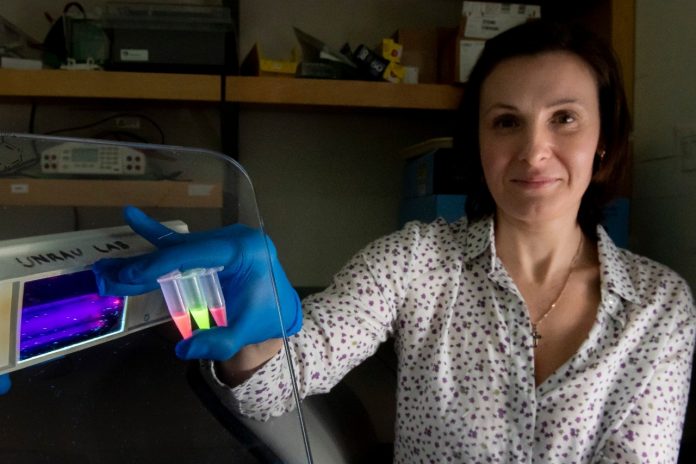
One would not think to thank a “mango” for helping to cure the worldwide pandemic that is ongoing. However, SFU researchers have been using Ribonucleic Acid (RNA) imaging technology, nicknamed Mango for its colour, to aid in the effort of developing testing kits for COVID-19. Dr. Lena Dolgosheina and microbiology/biochemistry professor Peter Unrau head a small group of researchers looking at RNA molecules within a living cell to better detect viruses.

On SFU’s website, Unrau explained, “We are using the Mango system as a catalyst, to allow us to not only extend fundamental research questions but also to detect pathogens like the coronavirus, faster and more efficiently.” 

With their grant from the Canadian government, the research team is developing a testing tool known as “Mango NABSA (nucleic acid sequence-based amplification),” according to SFU News. These tools may be used to test for things such as the coronavirus. 

“Mango technology is state of the art and the development of effective cures for cancer and other diseases demand better imaging methodologies to rapidly learn how cells work in detail,” said Unrau. 

New study examines the impact of COVID-19 on gender

SFU health sciences researcher Julia Smith is leading an international team in researching gender-related effects of COVID-19 and other diseases. Their efforts focus on gaps in preparation and response as it relates to gender around the world. The team is also developing an online Gender Toolkit to encourage consideration of gender issues during policy development and preparation.

According to SFU’s website, the team, which includes members from the United States, Australia, the United Kingdom, and Hong Kong, will provide recommendations for policy makers in the midst of the pandemic. They will examine data on infections and mortalities to assist responses for the public. 

Smith noted, “Our findings will contribute to the global response of COVID-19 through strengthening understanding of how individuals and communities understand and react to the disease.”

“The sex and gendered dynamics of the COVID-19 outbreak so far are anecdotal, but the consequences of sidelining these can limit equitable, effective responses in affected regions, as well as global prevention and preparedness efforts.”
 

SFSS to offer $30,000 emergency bursary fund

0
The SFSS will be offering emergency financial aid to students

According to a post by current Simon Fraser Student Society (SFSS) President Giovanni HoSang on his Facebook page on Wednesday March 25, the SFSS will be distributing an emergency bursary to students who are affected by the COVID-19 pandemic. 

As stated on the post, the Executive Committee of the SFSS, which consists of the president and vice-presidents, passed a motion mandating the Executive Director of the SFSS, Sylvia Ceacero, to distribute $30,000 of emergency funding “through the most effective means, to assist students dealing with emergencies.”

In response to a question on Facebook about where this money was coming from, HoSang responded that the SFSS is in a “healthy financial position,” and linked to the minutes from a Board of Directors meeting from January 8 that had a financial report from the Vice-President Finance. That report states that as of October 31, which is halfway through the fiscal year, the SFSS had a surplus of $164,000.

Further details will be forthcoming, and this post will be updated accordingly.

Changes to undergraduate withdrawal deadlines and grading practices for the Spring 2020 semester

0

Due to the COVID-19 pandemic SFU will be proceeding with an optional pass/fail grading format for the spring 2020 semester. 

Further, SFU has extended the deadline for undergraduate students to withdraw from courses to April 9. This would still have a “W” notation on the students’ record.

At the end of the semester, students will have the choice to either accept the grade given in that class, or opt for a “P” (for pass) instead. All students with a “D” grade or higher are eligible to opt for a ‘P’ instead of the standard letter grade. Students can decide which option they would like to pick for each course individually. 

“P” grades will still count towards total credits earned. For enrollment in future courses, “P” grades will fulfill the minimum grade for a prerequisite to a course.

For students that fail a course in the Spring 2020 semester, SFU has allowed for the grade to not count towards their GPA for the current semester. Jonathan C. Driver, Vice-President Academic and Provost pro tem shared the news with students in an email.

“We recognize that you will need to consider carefully what option you will choose for each course you are currently enrolled in. You may choose a “P” grade for as few or as many courses as you wish,” Driver stated.

“In the next several days we will prepare FAQs and other resources to help guide your decision-making. Please be patient with us while we put these resources together — you can expect an update from us with details early next week, including information about how to access advising regarding your individual circumstances,” he added.

In an email interview with The Peak, SFU student senator Jennifer Chou said, “I feel like it’s a step in the right direction. It shows that SFU is taking students’ concerns seriously and doing everything possible to make everyone’s lives easier. I really appreciate the fact that students are given the option to choose what they feel is best for their specific situation.”

The changes to grading procedures were a source of much discussion on Facebook and other social media channels in the preceding weeks. A petition, signed by over 5,000 students, was created on Change.org by student senator Colin Fowler. It urged SFU to change to the pass/fail format, or to implement a grade freeze. 

Over 5,000 students offered their support for the petition, citing changes brought on by the pandemic to their situations, such as having to consider how to pay their bills or take care of their children, as reasons to sign. However, others felt as if doing so would waste the work they put in to maintain a high GPA, especially for students who plan to attend graduate school’s where acceptance is GPA-based.

On Facebook, SFU student Travis McLellan was one of many students who pushed for the grading change.

“I feel that this allows those who are struggling with [their situations], the ability to mitigate some of the stress associated with maintaining grades, while also allowing those who have worked hard during the semester to maintain or increase their GPA [ . . . ] and be rewarded for their effort,” said McLellan.


Myths and realities of being a camgirl, told by a camgirl

1
Photo: pickpix

If you’re an adult with internet, you’ve seen porn on the internet. If you’re a human with a sex drive (or a pulse on North American internet culture and clinical sense of scientific curiosity), you probably know that the internet offers a dizzying variety of porn that caters to every available medium, orientation, and personal fetish. This endless supply of X-rated material includes thousands of live webcam feeds where performers strip, use sex toys, or masturbate for an audience, seeking payment from viewers who want to see more. This work is generally referred to as camming, and performers are referred to by all sorts of names — from the safe-for-work ‘cam model’ to the more pejorative ‘cam whore.’ I generally refer to myself as a camgirl. In a broad sense, cam performers can also be called sex workers, as a part of the sex industry.

I paid for my first two years’ worth of tuition at SFU by pulling all-nighters as a camgirl — while studying full-time and working a weekend retail job that covered my rent. These days, I work a day job to pay tuition and rent. I use camming as a side hustle that pays for extras like sex toys and taking my friends out to dinner. Camming can be a lot of fun, and I’ve learned a lot about people and sexuality from the nights I’ve spent rolling around in front of my webcam, shaking my ass. 

There are a lot of myths around sex work in general, and people are often afraid to ask questions because of social stigma. There are many kinds of sex work, and I can only speak about the small portion of the industry where I found myself. Here, I’ve collected some of the most frequent myths and misconceptions I’ve encountered with regard to cam workers, and provided some realities based on my experiences.


Myths

  1. Camming is quick, easy money. Making money as a cam model depends on how many people in my chat room are willing to pay, which means every night is a gamble. After building up a reliable set of clients, I can plan private calls with customers, but my income is still dependent on my clients’ interest in seeing me and their own finances. Building up a collection of clients is a process that lasts months, in which creeps and scammers have to be filtered out. In the meantime, I’m at the mercy of the chat room. Some nights it’s a hundred bucks in half an hour, some nights it’s six (unpaid) hours of being asked to pleeeeeease take my shirt off by anonymous viewers with no intention of getting their credit cards out. Camming can be good money, but it’s not easy and it’s not quick.

  2. We do it because we don’t want “real” work. Dismissing sex work as illegitimate is a tradition as old as sex work itself, and it applies to online sex work too. Camming can pay as well as serving tables, but I can’t work a day job and cam in the evenings without juggling two different work schedules. If I get bored or it’s a slow night, I can end my show early, wipe off some lube, and go straight to sleep. Many people imagine that cam work is turning on a camera, getting off, and collecting a pay cheque, but it’s worth keeping in mind that most cam workers perform for hours, engaging with their viewers and planning activities and campaigns to increase interest and tipping. When I was more active as a camgirl, I would begin my shows at 5 p.m. so that viewers all across North America would be going to bed and using their computers while I was on-screen – and I’d stay up until 3 a.m. to cover every time zone. I frequently say “sex work is real work” for two reasons: first, because my work is just as valid as anyone else’s, and second, because many people are truly unaware that camming and performing requires, well, work.

  3. Sex workers are jaded and callous because of the industry. Hollywood portrayals of sex workers tend to generalize all sex workers into jaded, thick-skinned pros and exploited, waifish victims. While camming has taught me a lot about the brutality of anonymous chat rooms and the entitlement of clients who think payment is power, I also discovered a world of kindness, support, and protection amongst sex workers. When I once participated in a three-way private show with a client and a professional online dominatrix, she contacted me privately to give me tips on how to plan my private shows, and told me to triple my rates because I was undercharging my clients. There’s an irreverent sense of humour that pervades conversation between sex workers who market themselves as submissives, and an ironclad camaraderie against abusive clients, scammers, and “bad dates.” On the other hand, camming is a largely independent activity. MyFreeCams, for instance, has a rule against two-person performances as they complicate the payment process. I tend to think of my fellow sex workers as industry friends, not coworkers. Sex work can be lonely due to stigmatization, but sex workers are not heartless or numb — we’re just at work. This leads me to another myth . . .

  4. Sex workers have “dead eyes.” I hear this about camgirls, strippers, and every other type of sex worker. However, I personally feel a lot more dead and listless when I work my retail job than when I’m in front of a camera. If I’m not looking straight at the camera and smiling, it’s because I’m trying to adjust my underwear and I don’t want to make it obvious. When an exotic dancer is staring into space as she turns around the pole, she’s just as likely to be thinking about the fact that she needs to do laundry as any tragic and profound reflection on exploitation.

  5. Cam models are sex experts. Why do people ask me for sex tips after I tell them I take off my clothes in front of a camera? The whole point of camming is that I’m by myself, not with a partner. I can give you advice about what kind of lube can stand up to six-hour action with a silicone toy, and I can help you make your butt look nice on-screen, but in-person work is a whole different arena. Plus, if you want industry secrets, you’ll need to pay up.


Truths

  1. Working independently is risky. As formalized sex work can be outright illegal, semi-criminalized, or heavily regulated, most cam models work independently through sites like MyFreeCams or Chaturbate (though some experienced, established performers host their own websites). These websites take on the risk and stigma surrounding the sex industry, and this does not make them great employers. MyFreeCams takes a whopping 50% of a model’s tips, but it’s also the most popular site. Cam work is self-directed, dependent on tips, and not well-regulated. Your employer doesn’t pay you hourly, so if you don’t snag some viewers who want to pay, you don’t get paid. Camming fits into the realm of precarious, gig-economy labour like driving for Uber or delivering for DoorDash — except people keep their clothes on when delivering Thai food. I made a year’s worth of tuition money in a few months by getting naked on the internet at night, but some nights I got paid 26 cents for four hours of posing and chatting with viewers — which is why my main income has always been from a daytime job.

  2. Speaking of precarious labour: camgirls know when you’re broke. There’s no point trying to hide the fact that you don’t intend on paying for a show or tip, because it’s pretty obvious who in the chat room’s got cash in hand and who’s just visiting. I have no hard feelings against viewers who don’t pay — in a chat room, non-paying users can keep the conversation going and make the experience more engaging for everyone. However, the non-client who pretends they’re just about to tip or pay for a private show is an annoying waste of time. Whining for me to take my shirt off for free is the easiest way to get banned from my chat room for life.

  3. People who pay for sex aren’t creeps. There’s a lot of stigma around people who pay for sex, but anyone on the selling end of the industry will tell you that people’s reasons for paying for sex are highly varied and largely . . . pretty boring. I can’t speak for sex workers in other industries, but as a camgirl I often got paid to chat with clients who were lonely, isolated, or simply too busy to engage in in-person relationships. One of my favourite clients was a military man who was stationed in a remote area where he couldn’t easily meet people. He found it convenient to spend money on a camgirl, but only about half of our private shows were sexual in nature. We would talk for hours about his family back home (who he cared for greatly), his aspirations to move his career forward, and how his life differed from mine in Canada. We had running jokes about Canadian slang, and he once mailed me a sex toy and added a note that said “git r done!” Another customer was a recently divorced man who was very busy rebuilding his life, and wanted to satisfy his kinks without disrupting his daily routine. Of course, we also talked about superhero comics and recommended music to each other. Before I became a camgirl, I had no idea how many people need this kind of companionship in their lives. People combine their loneliness and their sexual desire in all sorts of ways.

  4. People’s kinks are weird . . . but not that weird. People are often curious about what exactly clients pay to see on camera, hoping to hear wild tales of bondage hoods, diapered adult men sucking on pacifiers, or some other “extreme” fetish that doesn’t usually make it to the front page of their favourite porn websites. I think people want to hear that their own fantasies aren’t so weird after all. My experience with kinks and fetishes is constrained by the fact that, at the end of the day, camming is a one-person activity.

  5. Camming puts me in a position of control. People can’t physically do things to me when I cam, and I can’t physically do things to them —  I am being paid to do things to myself, and say things about myself or about my client that will get them off. However, anyone can tell you that distance and difficulty don’t matter when you’re horny. While there’s a huge market for sex workers who are paid to dominate their clients (on cam and in person), I marketed myself as a submissive, letting people tell me what to do. This worked out in my favour, as clients would buy items they wanted to see me try out, and each toy or skimpy outfit would become part of my regular camming collection. A client paid me to try out different butt plugs he had purchased for me, working up to bigger toys. Another client paid me to drink glasses of warm water and time how long I could hold my bladder until I had to pee. Yet another client was really into the sight of saliva and spit, and would have me put a clothespin on my tongue so I was forced to drool while we had a private show. The best part about being a cam model? If someone demands that I do something I won’t do, I can just reach out and shut off the webcam.

Pandemic-appropriate meals inspired by my friend’s #covidmeals

Screenshot via Facebook courtesy of Lauren Wallace

In the sea of social media posts about pandemic-related panic-buying and supply-hoarding, sometimes you see people doing their best to help and uplift one another. That’s what my friend Lauren Wallace, a World Literature alumna, has been doing with #covidmeal. 

Lauren writes on her recipes that: “#covidmeals are [ . . . ] intended to use mainly canned, dried or frozen goods and are meant for cooks with only a basic level of skill.” When we chatted about the hashtag, she emphasized that this project was really about “giving those who don’t normally cook and now have limited supplies an alternative to just eating straight from a can.” 

Lauren’s got two recipes up for the world to see, but plans to keep going and expanding. She accepted that we reprint them here for students to enjoy. Enjoy them along with a few additions: 

Easy rice pilaf 

NEED

-Rice, at least 2 cups

-At least 2 cups of stock (veggie, chicken, in a can, in a tetra pack, from bouillon)

-Oil or butter for the pan (olive oil recommended)


FLEXIBLE

-Some form of protein. I like sausages in my pilaf.

-¼ cup onion

-2 teaspoon minced garlic (I have a jar of preserved garlic I made that I used)

-½ cup frozen veggies (I did frozen peas, but carrots or chopped beans work great, whatever you have around)


SEASONINGS

-Parsley (however much you want I use about 3 tablespoons chopped fresh)

-Cracked pepper, to taste (¼ teaspoon ground if fresh isn’t available)

-¼ cup white wine, for yum.

– If you are using no-sodium stock, add salt. Most stocks are very salty so I left it out of mine.

Steps:

  1. If you’re using weird rice, adjust the water to rice ratio accordingly. I used rice with a 2-to-1 ratio of liquid to rice (2 cups rice, 4 cups liquid).
  2. Add stock into a pot with 2 cups of water, on medium high heat. Let heat-up while you do steps 3 and 4.
  3. Heat olive oil in a pan over medium heat. Add rice when hot and stir, toasting rice. It’ll pop and start to brown (2–4 minutes).
  4. As rice browns, add garlic and stir. Add seasonings.
  5. Pour your liquid over rice or your rice into your liquid, depending on what cooking vessel you can cover. Add wine, cover, turn to low and LEAVE ALONE for 20 minutes (again, if using weird rice, adjust accordingly).
  6. When rice gets to 20 minutes, add frozen vegetables and leave alone for 5 minutes. 

Turn heat off but leave covered for 5 more minutes before fluffing.

  1. Cook your protein. We fried the sausages and then sliced them into bite-sized pieces. We then added them into the rice.
  2. Serve!

Note: This is a great base for anything, and is a good alternative to plain rice.

—Lauren Wallace 


Chickpea and pumpkin (if you have it) curry  

NEED

  • 2 tsp of cooking oil (olive, canola, etc) 
  • 1 ½ cups of coconut milk 
  • 1 ½ cups of chickpeas (or dump in one big can) 

FLEXIBLE

  • Either 1 chopped chili pepper, or add chili powder into the pot to taste 
  • 3 garlic cloves, which could be replaced by garlic powder if need be
  • 1 chopped green onion, cooking onion, shallot, or other onion family member

OPTIONAL EXTRAS 

  • Toss in a crown of broccoli or some kale if you have veggies laying around
  • Lime juice tops this up nicely 
  • ½ cups of pumpkin puree (the original recipe calls for it and most stores stock it even outside of Thanksgiving; if you omit keep an eye on your curry’s texture; you may need to give it longer to thicken up) 

SEASONING

  • 3 tbsp of Thai red curry paste 
  • ½ tsp of cumin 
  • ½ tsp of cinnamon 
  • ¼ tsp of turmeric 
  • 1tsp of ginger 
  1. Heat the olive oil in a pot over medium heat. Brown your onion (3–5 minutes). 
  2. Add ginger, garlic, and chili. Cook for 30 seconds. 
  3. Add cinnamon, cumin, and turmeric with a pinch of salt. Cook for another 30 seconds. 
  4. Stir in Thai red curry paste and cook ( 2–3 minutes). 
  5. Stir in all your canned ingredients. Reduce the heat, throw in any veggies you may have, and cover the pan. Cook for another 10 minutes. 
  6. Serve with rice or bread or on its own. 

Note: This is a hacked version of a recipe from “yup . . . it’s vegan!” that this broke student hacked years ago.

—Gab

One pot/crockpot tuna casserole

NEED:

  • 1 can condensed cream of celery (284 ml)
  • 2 cans tuna (flaked preferably, if solid, flake it apart with a fork) (170 g)

FLEXIBLE INGREDIENTS:

  • Starch — you will want a starch, recommended 2 cups of sturdy dry noodles (egg noodles, rigatoni, farfalle), but this can be poured over rice if needed. 
  • ¼ cup Milk — can substitute for veggie stock or water.
  • 1 248 ml can condensed cream of mushroom soup for flavour (potato also works, this is your preference, I do not recommend cream of chicken for this) 

OPTIONAL EXTRAS 

  • ⅓ cup frozen peas or other small frozen vegetable 
  • ⅓ cup toasted breadcrumbs or crumbled crackers for topping
  • ¼ cup finely diced onion

SEASONINGS 

  • ¼ tsp mustard powder (dijon or hot mustard works too)
  • Lots of fresh ground pepper (or a ¼ tsp of the small ground store bought stuff)
  • I find there is normally enough salt in canned soup to not futz with it
  1. Cook your noods most of the way in salted boiling water, just before they’re al dente unless you like very, very soft noodles. If cooking in one pot instead of a crockpot, do al dente. Strain noods.
  2. Crockpot users, set crockpot to high. Pot users, set your pot on a burner on medium heat.
  3. Add in onion and stir until golden before doing the following in your pot or crockpot:
  4. Combine cream of celery, cream of mushroom and milk. Stir to combine or blend with hand blender (I do this to remove mushroom chunks for my partner who has texture preferences).
  5. Add in mustard powder.
  6. Add in your noods. Stir around. Add in a can of tuna (with or without juice, depends on how fishy you want it).
  7. Add in vegetables, from frozen, stir to combine.
  8. Crack in a lot of pepper, stir again.
  9. Leave to thicken in crockpot for about 1.5 hours. In pot turn to low and cover, stirring occasionally to keep from burning, abouting 20 minutes
  10. Add topping and eaaaat.

—Lauren 

5-ingredient black bean soup 

NEED

  • 3 15 oz cans of black beans
  • 1 lb of salsa (the larger containers you’ll see in grocery stores are good enough!) 

OPTIONAL

  • ½ cup of cilantro, to taste 

SEASONING

  • 2 tsp of ground cumin 
  • 1 tsp of garlic powder (or more to taste)
  1. Dump everything in a pan and let it heat over medium-high until it simmers.
  2. Lower heat to medium-low and give it another 10 minutes, stirring every now and then.
  3. Serve soup as is, or blend it if you prefer a smooth texture. The more cilantro you top this off with, the more joy you get.  

Note: This recipe is from “Gimme Some Oven”

—Gab


Comforting chili 

NEED

  • 1 can of kidney beans 
  • 1 can of whole kernel corn 
  • 1 (28 oz) can of tomatoes 
  • 1 can of black beans 

OPTIONAL

  • 1 cup chopped onion would go a long way here, but don’t discard this recipe just because you don’t have it kicking around the house. 
  • Throw in as many vegetables as you can to beef up this boy: mushrooms, carrots, celery, peppers, etc.
  • You can dress this up with cheese, sour cream, hot sauce, cilantro, etc.  

SEASONING

  • 3 garlic cloves, minced (preserved, fresh, or replaced by 3 tsp of garlic powder) 
  • 1 tbsp ground cumin 
  • 1 ½ tbsp chili powder 
  • 1 ½ tsp dried oregano 
  • 1 tsp of paprika (I usually throw in more because our household is literally full of paprika) 
  • Salt and pepper to taste
  1. If you have fresh veggies involved in your chili (first off, congratulations, then), sauté until soft in your saucepan with a tablespoon of vegetable oil. 
  2. Stir in everything from your cans, including the liquids, and toss in your seasoning. Cover and let everything simmer for 20 minutes. 

—Gab 

Chickpea nuggets 

NEED

  • 1 ½ cups of breadcrumbs (pro-tip: 3 slices of bread left to toast in the oven can crumble down to 1 cup) 
  • ½ cup rolled oats (flour would also work for this recipe if you’re short, but it may be less filling) 
  • 1 15 oz can of garbanzo beans

FLEXIBLE

  • Some sort of dipping sauce for your new nugget children (may I suggest mixing mayo and sriracha if you happen to have both?) 

SEASONING

  • ½ tsp garlic powder
  • ½ tsp onion powder
  • I’d recommend adding a tsp of smoked paprika, and taste-test as you cook to see if you want to kick your nuggets up with additional seasoning, such as cayenne.
  1. Preheat oven to 375°F. 
  2. Turn your rolled oats into a fine powder through a food processor. Set aside your newly created oat flour. 
  3. Drain your beans and save the liquid. Add the beans and ¼ cup of liquid into the food processor with your seasonings and pulse until everything is crumbly. 
  4. Whisk ¼ cup of the liquid from your beans until it gets foamy; add that and your oat flour into the food processor and blend some more. 
  5. Divide the mixture into nuggets, and bake for 15–20 minutes or until they brown. 

Note: This recipe is from Kitchn.

Three-bean salad

NEED

  • 1 can black beans
  • 1 can kidney beans
  • 1 can red beans 

FLEXIBLE

  • You’re going to need some sort of dressing. Mint leaves and a squeeze of lemon juice is a good go-to; olive oil, salt and pepper will do. Balsamic vinegar is another good fallback. 

OPTIONAL

  • Chopped cucumber, green onion, tomatoes, and all your other favourite veggies fit into this salad like a charm. Luckily, the beans are what will really fill you up. 

SEASONING

  • Salt and pepper to taste
  1. Open and drain cans. Rinse and dry your beans in cold water and dry them off.
  2. Mix all your beans together and toss with whatever dressing or vinaigrette you manage to pull off. 

Sesame peanut butter noodles

NEED

  • One packet of ramen noodles (save the flavour packet for later), or 6 oz of another type of noodle
  • 2 tbsp sesame oil 
  • 1 ½ tbsp of peanut butter

FLEXIBLE

  • 2 tbsp of honey; can be replaced with straight sugar or omitted 
  • 1 ½ tbsp of rice vinegar; while non-ideal apple cider vinegar would work
  • 1 garlic clove or 1 tsp of garlic powder

OPTIONAL

  • Green onion or sesame seed to garnish

SEASONING

  • ½ tsp ginger
  1. Cook noodles as per package instructions.
  2. Whisk all your non-noodle ingredient together to make a sauce. Make sure that the peanut butter breaks down completely.
  3. Pour sauce over hot, drained noodles and toss to coat. 

Note: This recipe is originally from The Wholesome Dish 


Resources for food insecure students:

  • COVID-19 Coming Together (Vancouver) is a Facebook community dedicated to connecting people with resources to people who could use a hand, where users can ask for or offer help.
  • Greater Vancouver Food Bank

SFSS election candidate accuses other candidates of breaking campaign rules

0
Photo/ Peak Archives

A candidate running for At-Large Representative in the 2020 SFSS elections publicly accused multiple other candidates of breaking campaign rules. 

In a Facebook post, Geetanjli Sharma accused a number of candidates of running as a slate, or an electoral group with a common platform, which has not been permitted for the 2020 elections. Sharma referred to this slate as both the “purple and yellow slate” and the “progressive slate.” She further accused this group of collecting student contact information for the purpose of campaigning as far back as December 2019. 

Sharma also noted that this campaigning was with the assistance of Giovanni HoSang, the current SFSS President. 

Osob Mohamed, who is the current Health Sciences Representative and candidate for President made a Facebook post in response to the accusations, which included a response from one of the VP Student Services candidates, Matthew Provost. 

In the response, Provost wrote, “I have been diligent around asking the IEC for all interpretations of every rule and to ensure that I do everything to the books as much as possible in relation to this campaign.”

HoSang said in a statement to The Peak, “it is clear who I endorsed during this election, just as it is clear who other Board members endorsed. Providing help to students is not against the rules and is a common occurrence by incumbent Board members and has been seen since forever.” 

It is unfortunate that students who may not have been prepared to run in the SFSS elections try to smear other candidates who were prepared,” HoSang added. 

Mohamed said in an email interview with The Peak, “I have been running my campaign well within the rules set by the IEC. I would also like to note that Geetanjli’s post was made on the last day of voting, which was certainly a campaigning tactic and attempt to smear and sway public opinion of a number of candidates rather than bring[ing] her concerns to IEC.”

Although the voting period ended on March 19, results for the election were delayed, and not announced until March 26. 

In an email to The Peak regarding the delayed election results, the Independent Electoral Commissioner Alicen Lange said that there have been “a number of complaints about the manner in which certain members were campaigning.” 

This story is developing and will be updated as new information becomes available. 

How faculty and students at SFU are responding to the transition to online classes

0

Disclaimer: For the purpose of job security, The Peak has granted anonymity to SFU faculty members who have commented

SFU’s transition to online classes due to the COVID-19 pandemic has affected students and faculty alike. Though much of SFU’s public communications has focused on the effect on students, SFU’s teaching staff are experiencing uncertainty as well. With many students and their accompanying assignments, essays, and emails to respond to and account for, educators are facing the task of reconfiguring their syllabi to fit the constraints of the global pandemic.

The Peak contacted faculty and students at SFU to get a sense of how they’re transitioning their courses online and how that process was going. Students responded to The Peak’s post in the SFU Must Knows for Courses Facebook group on March 21.

One professor responded to let The Peak know that they are unable to give feedback due to the increased duties as a result of this transition. Many others did not respond at all.

According to one SFU professor, the transition to online classes “happened far too slowly,” compared to the dozens of universities that had already done so by the time SFU announced the switch. “It should have been very obvious to SFU [ . . . ] that we needed to be proactive.”

Another professor stated that SFU handled the transition “as well as could be expected.” On the topic of the increased workload related to shifting to online teaching, they stated: “Much of the labour of course delivery is now focused on the basic problem of how we will all make contact and interact, taking away time and energy that could be spent on learning.” 

They added, “Not all students have the same digital access or the same bandwidth, and many see remote/digital meeting alternatives as very thin in comparison [to] the actual, in-person course that they thought they were enrolled in.” 

Several professors stated that they have shifted to Blackboard Collaborate Ultra (a virtual classroom feature on Canvas), Zoom (a video conferencing and webinar app), and pre-recorded lectures.

For others, the shift has simply been students doing the readings and looking over the slides or a professor’s hand-written notes on their own time, which requires more focus than lectures, said SFU student Sharon Lam. 

“I have one class with recorded lectures. I’ve noticed that’s the only class where I can pay attention and process the material,” she added.

Lam continued, “Most of my [professors] aren’t doing video or recorded lectures [ . . . ] I have one class with recorded lectures [and] I’ve noticed that’s the only class where I can pay attention and actually process the material.”

Another SFU student, Rubab Ahluwalia, asked: “Are we here to learn, or simply give exams for courses that we pay for?”

Other changes include one SFU professor creating an optional discussion forum for students to post COVID-19-related memes and content for a one-point bonus to their final grade. In a similarly lighthearted manner, another professor is offering their students a five-minute dance party during the break of their class to keep spirits up. 

In spite of these attempts to rectify the awkward transition, students still have complaints about the impact the shift has had on their learning. 

“The obviously understandable unpreparedness of professors to shift completely online has resulted in the semester seeming slowed,” said SFU student Travis McLellan on Facebook.

Students referenced a lack of motivation and focus for their classes, as well as being overwhelmed by their loss of income due to workplaces shutting down. Furthermore, students with children are facing issues of balancing their child’s home-school education and their own.

While students may have their complaints, many have acknowledged the difficulties that the decision to transition to online courses placed onto faculty as well. 

SFU student Chris Mitchell said, “[Faculty] are trying so hard but how are they supposed to keep focused if [students] cannot. This is a bad time for everyone and it shows.” 

“I do sympathize with professors though because they’ve had to make a transition they weren’t planned on and I imagine they’re also stressed,” added SFU student Brianna Malott.

Similarly, a professor who responded to The Peak’s email inquiry noted that their experience has been easier due to their course load this semester, but admitted: “It’’s harder for my colleagues who teach huge classes, or who teach dance, theatre, visual art, etc.”

In response to The Peak’s interview request, one of the professors wanted to convey a message to students: 

“Please don’t feel like you have to produce your best work as if the pandemic didn’t exist. This isn’t on you,” they said. “If you are in a situation where it’s hard to get work done, reach out to your professors — we try but we don’t always know what it’s like for thousands of different students. Bring your pets to the webcam.”

They reiterated, “Many professors and admins have never done this before. This

will be a wake up call on just how complicated online learning is, and how it does not work for many kinds of people and many kinds of learning.”

Another stated, “This is a great chance for us to find out how adaptable we can be in the face of difficult circumstances, and to learn how to work in fundamentally new ways [ . . . ] Some advice I’d give is to try to manage your schedule the same way as you would in regular classes, and to figure out a place in your home where you can be relatively productive and set aside a few hours each day to get work done from that space.

That same professor added, “I am particularly sad that my most recent in-person class [was] my last opportunity to see my students in person, but that I didn’t know it at the time. Teaching brings me a lot of joy and I regret not being able to say goodbye. It’s been an emotional transition, to say the least.”

SFSS 2020 Board of Directors election results announced

0
Image courtesy of the SFSS

Last week, students voted to elect SFSS Board members, and the results have finally been announced! 

Votes were extremely close in some cases. The Education Representative Emerly Liu has been elected with a difference of four votes. The Health Sciences Representative Nafoni Modi has been elected by a margin of two votes. 

Your 2020–2021 Board of Director members are listed below:

President: Osob Mohamed

VP Student Services: Matthew Provost

VP University Relations: Gabe Liosis

VP Finance: Corbett Gildersleve

VP External Relations: Samad Raza

VP Student Life: Jennifer (Meme Queen) Chou 

At Large Representatives: Balqees Jama and Phum Luckkid

Applied Sciences Representative: Harry Preet Singh

Arts and Social Sciences Representative: Sude Guvendik

Business Representative: Mehtaab Gill

Communication, Arts, and Technology Representative: Haider Masood

Education Representative: Emerly Liu

Environment Representative: Anuki Karunajeewa

Health Sciences Representative: Nafoni Modi

Sciences Representative: WeiChun Kua

The referendum question to increase student fees for the World University Services Canada SFU (WUSC SFU) was passed, meaning students will now pay $5.00 per semester to WUSC SFU, and $2.50 per semester for students taking 3 credits or fewer. This is double what the prior fees were. 

The referendum question to increase student fees for Simon Fraser Public Interest Research Group (SFPIRG) did not pass by a margin of 93 votes; semesterly student fees for SFPIRG will thus not be increased. 

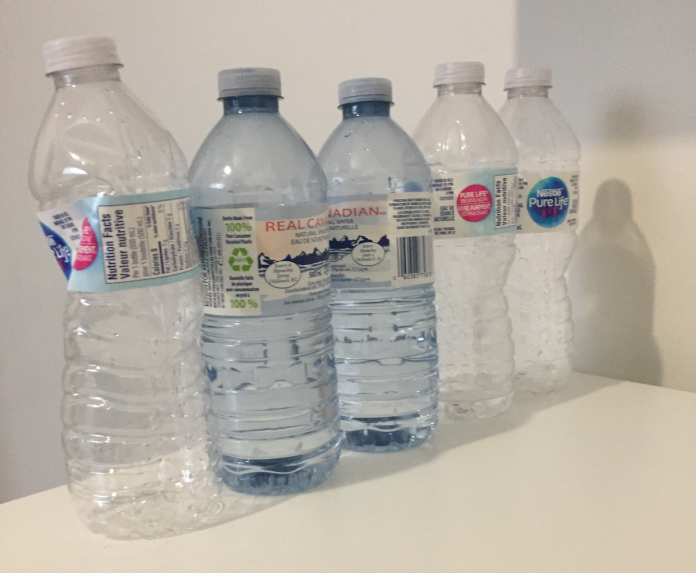
Art Exhibit Reviews Of This Random Person’s Line-Up of Half-Emptied Water Bottles

0

“The diversity in water level between each clear, carefully crinkled bottle reflects the exposure of hidden privilege, the invisible becoming visible through shared, systemically inflicted pain. Like these bottles, the modern individual is filled, packaged en masse, circulated, and sucked dry once more by the hungering consumer. Power in society as a shaper of economics and the human experience transubstantiates through this display.”

 – Malissa Jocey, The Abstraconomist

“This exhibit iconicizes the transition of the site of art from the constructed material to the body. The subject exists in a daily power struggle with the melted microplastics that any parent would warn their sons and daughters about. God bless Medicare and the invention of the MRI.”

 – Brock Bernard, Some Paper Or Another

“Thanks for reading. I hope you enjoy this exhibit as much as I did! Bring a friend — you’ll definitely enjoy snorting together.”

 – Selena Spalk, Seems To Have Wandered Into The Washroom And Accidentally Reviewed The Wrong “Line” 

“The plasticality of the piece perfectly portrays the kenodoxy of the Anthropocene, the HuMan so obsessed with his Image that he Wastes bottle after bottle until he Becomes the Bottle HimSelf. Unfeeling, but pliant, disappearing into the long procession of good men lost to A Pretentious Patriarchy that I totally Am Not A Part Of Because I Love Art And Wear Denim And Jeans With Earth-Toned Blazers.”

 – Ben Curnem, G24/7

“Exceeds expectations; hard-working, insightful, and socially responsible. A pleasure to have in class.”

 – Roger Heidi, Your Grade 8 Report Card

Meet Bryan, the hero who watched your stuff for two minutes

0
Photo: Izat Zubayer / The Peak

In life, it’s hard to find the extraordinary. Some of us go through life without seeing anything that makes us believe in a higher power or that anything that we do really matters. If we are lucky, however, someone so incredible — so out of the ordinary — comes by, and we can’t help but be left in awe at their majesty. 

At SFU, we are blessed enough to have Bryan for that. Bryan, the guy who took two entire minutes to watch a fellow classmate’s “stuff” for two minutes while they got up to use the washroom. 

Bryan was humble enough to sit down with The Peak and walk us through his heroics.

The Peak: First of all, I would like to speak on behalf of the whole student body to thank you for your services. You’re an inspiration. 

Bryan: Oh, thank you. Really, what I did wasn’t that impressive. To be honest, I’m not sure why I’m—

The Peak: Please! Would you mind walking us through the heroics you performed on campus?

Bryan: Well, I had an exam coming up — political science — and there were a lot of terms I had to memorize. My brain was already pudding. Anyway, this girl asked me to watch her stuff.

The Peak: Stacy?

Bryan: Yeah, Stacy. I think. 

The Peak: And what was that like?

Bryan: Boring. Not much there for her to worry about, really. Altogether, her stuff wouldn’t have sold for a transit ticket. But she had to go to the washroom, I guess.

The Peak: Whoa.

Bryan: Yeah.

The Peak: Whoa. 

Bryan: I know. I guess everyone does poop. And I always say, pooping is like dying. When it happens, try as you might, you just can’t take any of it with you. 

The Peak: Ugh. The lived wisdom of a mature student. Now, the whole time you were watching her bag, did you manage to get any studying done?

Bryan: Not really. 

The Peak: So even though you had an important exam coming up — an exam that could very well determine your future — you took time out to help a fellow student? Would that be a fair characterization?

Bryan: Er, I guess. Like I said, my brain was pudding. I couldn’t have done much studying anyway—

The Peak: You really are too humble, Bryan! I suppose humility and heroics do go hand-in-hand!

Bryan: Sure.

The Peak: Before we leave, just one last question, Bryan. This might be a little too personal, so I hope you can forgive the intrusion, but . . . What were you doing before you enrolled at SFU? Where were you, Bryan? We all want to know where you learned all the great qualities you brought with you.

Bryan: Prison.

The Peak:  I beg your pardon?

Bryan: Prison. I was in prison before enrolling here.

The Peak: Whatever for? What could you have possibly done to deserve that?

Bryan: Second-degree murder. Plus or minus some breaking-and-entering charges.

The Peak: Uh . . . that has to be a mistake. A set-up! 

Bryan: I think so too, yeah.

The Peak: Aha! 

Bryan: Y’see, I was breaking into this house to steal their stuff, and no one was supposed to be home. 

The Peak: Oh. Oh no—

Bryan: Then, you know, right when I’m in the middle of pulling the TV off the wall, this guy comes out of the bedroom and I—

The Peak: Unfortunately, this is all the time we have! It was great to have you here with us, Bryan. To our readers out there: be sure of who’s around when you leave your stuff unattended. You never know who could be around.

Bryan: Don’t worry. I’ll be around.