Home Blog Page 182

DoNoHarmBC protests the removal of mandatory masks in healthcare settings

0
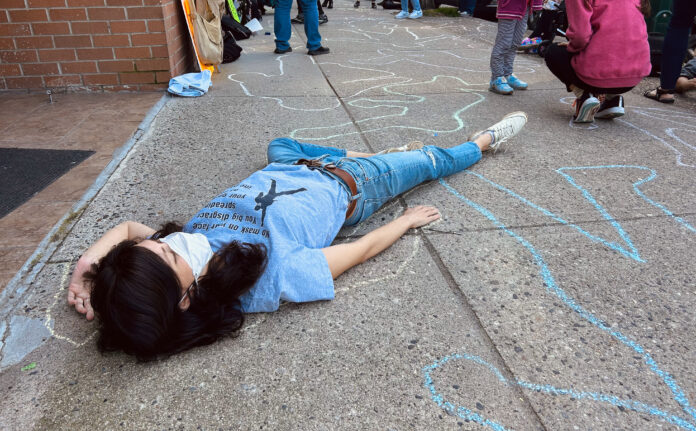
On the pavement in the foreground lies a young protester with shoulder-length brown hair, a blue t-shirt and jeans, and an N95 repirator mask. They lie as if dead, one hand fallen beside their face, surrounded by a chalk body outline. All around them are other chalk body outlines stretching as far as the eye can see. In the corners of image are the feet of standing and crouching protesters.
PHOTO: DoNoHarmBC

By: Michelle Young, Opinions Editor

Content warning: mentions of medical ableism.

On April 28, DoNoHarmBC hosted a non-violent die-in protest in front of health minister Adrian Dix’s office to protest the removal of mandatory masks in healthcare settings. The group’s core demand is to “return universal masking protections to all healthcare settings in BC,” citing the airborne nature of COVID-19. A die-in protest refers to protestors lying on the floor to highlight how people are affected by death from a particular issue. Die-in protests have historically been used to advocate during the AIDS epidemic, anti-war protests, and environmentalist movements

Signs at the protest read: “Vulnerable lives are still worth protecting,” and “Masks save lives.” After lying down, protestors outlined their bodies in chalk and also wrote messages on the sidewalk: “COVID-19 is airborne,” and “Do no harm means don’t infect people.” An estimate of 40–50 people joined the event. All participants were asked to wear high-quality masks and stay home if they had any symptoms or exposure to illness, but were provided with online options to engage with the protest. 

DoNoHarmBC collected online responses to read out at the event to represent those who could not attend. They explained, “Many of the people most impacted wouldn’t be able to attend in-person, due to their health and the COVID-19 risk levels in BC right now. That’s why it was essential for us to welcome remote and online participation — and why our die-in featured body outlines, to represent all the missing people so often hidden from view.” The Peak spoke with two of the organizers for more information about the protest and advocacy work. 

Dr. Karina Zeidler, an organizer who is a family physician and co-founder of Protect Our Province BC said, “One of the most moving moments for me was seeing someone help their partner, with severe long COVID, out of the wheelchair that COVID-19 put them into, and onto the ground so they could draw their outline with chalk.”

Many statements included details of how patients and their loved ones are high-risk and have contracted COVID-19 in healthcare settings. Jay, who had received a major surgery explained, “It caused me unnecessary anxiety and stress to have to worry about catching an airborne virus out of surgery. Staff made comments on my choice to mask and nurses were unmasked in the hospital rooms I recovered in where there was no proper air filtration, despite knowing my medical history and vulnerabilities.” 

Another read: “My name is Sora. I am a 46-year old healthcare worker and was diagnosed with cancer in October 2021. While I was in treatment, my family and I did everything we could to protect me from COVID-19 exposure [ . . . ] Given the dire outcomes for patients who catch COVID-19 in the hospital, I find it difficult to express the depth of betrayal that I would have felt if masks had not still been universally required in healthcare settings in BC at the time of my surgery. I am recovered and back at work now. I always wear an N95 in the hospital because I refuse to be complicit in putting patients at risk.” 

DoNoHarmBC’s press release outlined how COVID-19 can spread through the air, even by those who are vaccinated or do not show symptoms. “All COVID-19 patients (including vaccinated adults and children) are potentially at risk of long-term health damage or death, though some groups are disproportionately affected. These risks multiply with each reinfection,” they explained. They also cited high levels of transmission in BC and ongoing COVID-19 outbreaks in the province. 

Elaine Carol, an activist and organizer, explained, “Throughout the pandemic I’ve struggled to access healthcare.” She added, “To me, removing universal masking in healthcare was the last straw. I saw the announcement, and basically the first thing I did was tweet: Who wants to join me for a protest?

“I got an absolutely massive response from people all across BC. Before I knew it, we had over a dozen people lending their skillsets and resources organizing this — and it’s just taken off from there.” 

The decision to remove mandatory masks in healthcare settings was announced in early April, under the rationale that COVID-19 is not currently overwhelming the healthcare system. Multiple independent reports and BC wastewater data note that COVID-19 cases are increasing. The decision has prompted a statement from BC’s human rights commissioner, among others, who outlined concerns with the new policy — primarily that it “does not uphold a human rights-centred approach to public health.” 

Following the statement, Adrian Dix defended the policy change: “I think that Dr. Henry and her team always act with the most vulnerable in mind.” Carol noted “his response so far has been inadequate.” She explained Dix did not detail “how stripping away key safety measures could possibly benefit rather than endanger us. Nobody we’ve spoken to considers this response appropriate or sufficient — particularly not the vulnerable people Minister Dix and Dr. Henry claim to centre. We intend to let them know that.” 

DoNoHarmBC added, “The momentum is only growing, and we hear everyday from more people who want to be involved. One of my fellow organizers said something that stuck with me: “Much like COVID-19, political courage can be highly contagious.” In the end, so many people don’t have the choice not to care about this. Healthcare isn’t optional. Our safety isn’t optional. This is an issue of life and death and lifelong disability — for ourselves, and for the people we love.” 

You can read DoNoHarm’s collection of first-person stories here. To get involved, follow @DoNoHarmBC on Twitter.
New Music: Täbï Yösha teases debut EP with two sultry singles

0
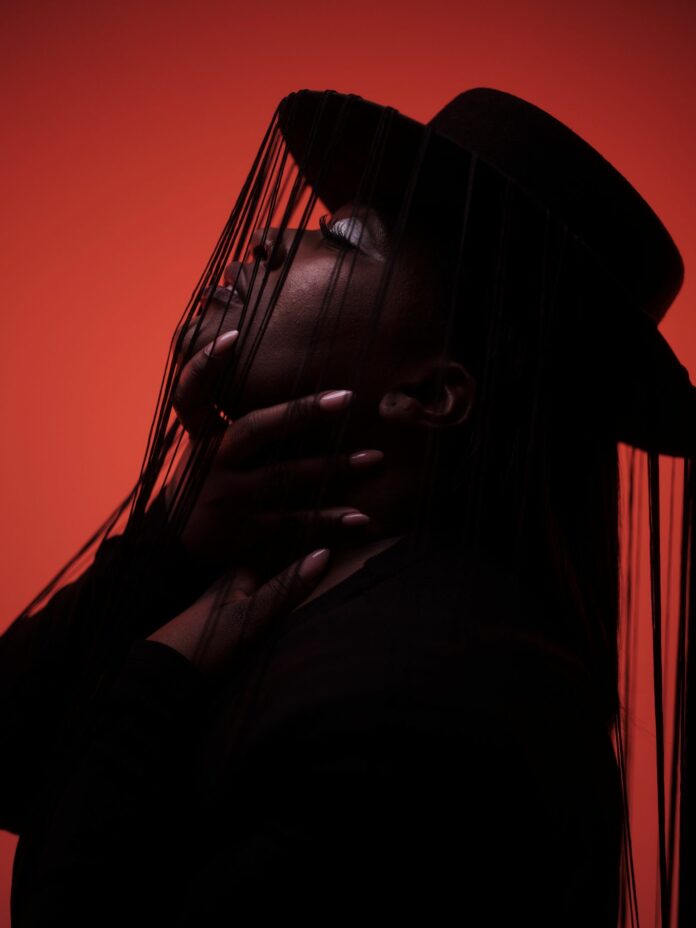
A photo of Yosha from her torso up from the side as she tilts her head back with her eyes closed and her hand on her chin in a sultry pose. She has sparkly blue eyeshadow and long lashes. She is wearing all black with a black hat with fringe falling daintily against her face, in front of a deep-red background.
PHOTO: Maxyme G. Delisle

By: Petra Chase, Arts & Culture Editor

As a trained singer and dancer, Täbï Yösha has long been a go-getter in Quebec’s music scene, collaborating with artists and dipping her toes in many genres. From jazz and classical to hip-hop to electro, her versatility has led to a blossoming career as a solo artist with a hazy neo-soul sound. Her passionate stage presence and memorable vocal flair caught the attention of beatmaker Suiker last fall, who tailored instrumentals for her next big project. 

“Pause” and “Vampire,” two fresh singles with colourful music videos, build anticipation for an exciting EP in the works. It’s no wonder COMPLEX named her one of “20 Canadian artists to watch in 2023.”  

Released on February 2, the upbeat dance single, “Pause,” explores being afraid to fall in love. The song’s disco groove paired with Yösha’s jazzy vocals makes for a smooth and silky sound. The lyrics carry vulnerability with self-assurance: Lyrics like, “You wanted quantity, I wanted quality” demonstrate Yösha’s ability to know her worth. The music video places Yösha where she belongs: on a colour-coated dancefloor.

The release of “Vampire” on March 9 somehow manages to one-up Yösha’s vocal performance in “Pause,” which is a major feat. The francophone track deals with a one-way connection with a fluid and airy delivery that moves slow and heavy like honey. The music video fittingly features Yösha in a dimly-lit red glow. If you love Kali Uchis or Amy Winehouse, you’ll fall in love with the seductive, smoky atmosphere of “Vampire.”

The beauty and genuineness of Yösha’s creative process is demonstrated by the fact that “Pause” was spontaneously written in the studio, and “Vampire” was “written at 6:00 a.m. after a heated discussion.” It shows Yösha wastes no time confronting her thoughts and sentiments in the moment, which is reflected in every note and line.

Follow Yösha on Instagram at @tabi_yosha and keep an eye out for the announcement of her upcoming EP. For more of the best up-and-coming Canadian talent, listen to The Peak’s regularly-updated “Peak Discovery” playlist on our Spotify profile, peaksfu.

In Case You Missed It: Obasan by Joy Kogawa

0
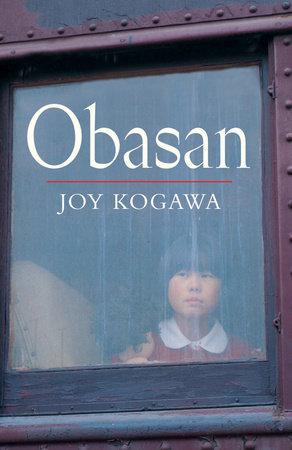
Image of the book cover of Obasan. The title is white in a large serif font with a red line under it and the author’s name written in a smaller font underneath. The photo behind the text is of a Japanese child looking out a train window. She is wearing a red blouse with a round white collar.
PHOTO: Courtesy of Penguin books

By: Izzy Cheung, Staff Writer

Content Warning: Discussions of Japanese internment camps and racism.

As a student who’s taken their fair share of Communication and English courses, I’m no stranger to digging around large bodies of literature in search of deeper meanings. To me, looking for literary metaphors is like looking into a stagnant lake and trying to find fish; most of the time, I only end up seeing myself reflected on the surface. I was writing a brief summary about Joy Kogawa’s Obasan when I had an interesting thought about what this kind of novel means for Asian Heritage Month in Canada. 

It’s important to note I am writing from a Chinese Canadian perspective, and can empathize with similar cultural experiences. However, I understand my experiences will be different from those experienced by Japanese Canadians, as differences in Asian diasporas will impact the ways we encounter life. 

Kogawa is a Japanese Canadian poet and author who was born in 1935 in Vancouver, BC. At the age of six, Kogawa and her family were placed in a Japanese internment camp, and the experiences there informed the narratives she writes about in her novel. The book centres around the struggles of Japanese Canadians during and after their time in the internment camps. Despite being written in 1981, this book still serves as a reminder of the chilling chapters of history Canada has tried to keep hidden — some that should never be forgotten. 

Obasan follows Naomi Nakane, a grade-school teacher whose family was separated by the displacement created by internment camps. After her uncle passes away, Naomi is tasked with taking care of her aunt (obasan in Japanese). Living with obasan opens Naomi’s eyes to the pain caused by internment camps — not just to her obasan, but others in the family, including herself. 

A major plot point in Kogawa’s novel is obasan’s reluctance to discuss her experiences in the internment camp. Her resistance towards topics close to the camps made me consider how many other Japanese Canadians may be living the same way. As I read, Kogawa’s novel became a lake, in which I saw the fish, as well as my reflection. From my experience, a common characteristic in Asian households is a determination to appear as strong as possible on the outside. This often means bottling up any feelings of pain or hurt, mostly because we want to be as little of a burden as possible. 

I considered this in regard to a trope often seen in various media — that of the model minority myth. This stereotype views individuals of Asian descent as being smart, mathematically-inclined, straight-‘A’ students. More often than not, this also includes depictions of Asians, particularly women, as meek and submissive. In short, some attribute Asians as being “self-sufficient” and taking things with “cold detachment.” These people assume such harsh experiences have no emotional effects on our communities. 

While it may seem easy to say stereotypes are based on false characteristics and shouldn’t be taken seriously, it occurred to me that there are some in Asian diasporic communities who were forced to be silent about their experiences as a means of survival. Reading this novel, I wondered how many Japanese elders have refrained from talking about these traumatic experiences because they don’t want to cause trouble for their descendants. 

Kogawa “did not want to be thought of as Japanese” and, like many other Japanese Canadians, attempted to think of herself as “a white person” in order to “forget the painful past.” It wasn’t until she read letters written by another Japanese Canadian woman when Kogawa realized that forgetting can be just as harmful as remembering. 

Through the surface of the lake, as well as obasan’s memories, the purpose of Kogawa’s text became clear — in Kogawa’s words: “Where do any of us come from in this cold country? Oh Canada, whether you admitted it or not, we come from you, we come from you. From the same soil, the slugs and slime and bogs and twigs and roots. We come from the country that plucks its people out like weeds and flings them into the roadside.”

Purchase Obasan online at Massy Books’ website: storestock.massybooks.com.

Tell us your Renaissance order, and we’ll tell you what your Hinge bio should be

0
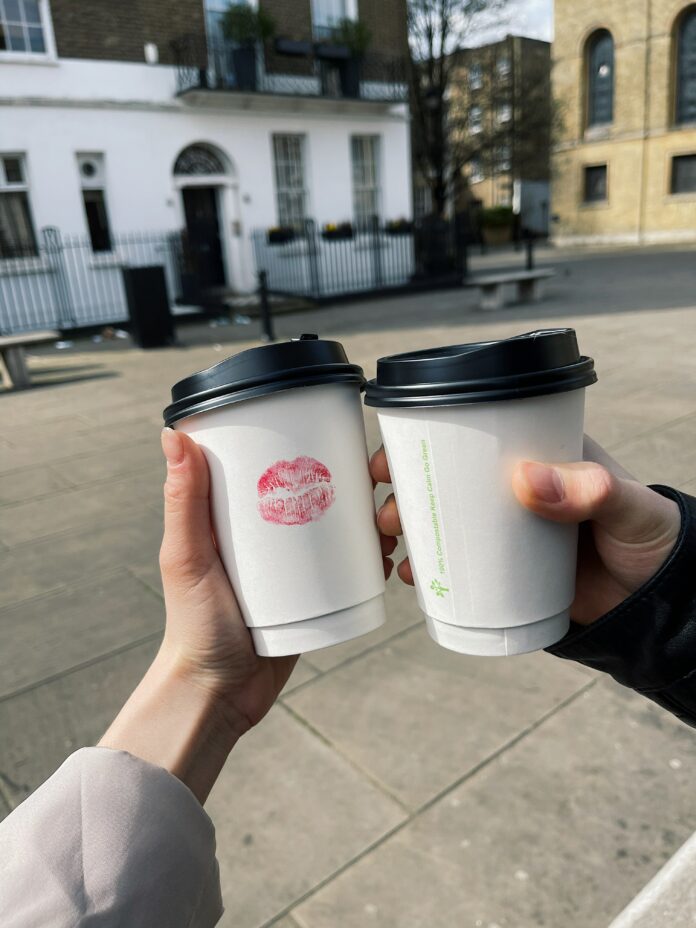
Cropped photo of couple toasting with disposable coffee cups
PHOTO: Yelena Odintsova / Pexels

By: Maya Beninteso, Peak Associate

Large upside-down iced caramel macchiato with white mocha syrup instead of vanilla and the cup lined with caramel drizzle

People would often describe you as a (perpetually sugar-high) kid at heart. You’re always looking for a good time, and your profile immediately gives that impression. Your bio is full of very original flirty lines, your favourite being: “Yes, I will take some coffee with my sugar so long as you give me some, too, wink wink.” 

Profile Highlights:

Occupation: Fun-Haver  
Height: 5’5.5” (yes, the additional half inch is important)
Location: Wanderer <3
Looking for: You know what I’m looking for 😉 

Two truths and a lie

  • I’ve been kicked out of a coffee shop for making too many modifications
  • I accidentally sent the wrong version of my essay to my English TA that included “that’s what she said,” in brackets following Shakespeare quotes that sounded dirty
  • I’ve never been kicked out of an English class

The key to my heart is:

  • Being my karaoke partner (yes, we will be singing Disney duets)

Straight espresso

The first word that comes to mind when anyone views your Hinge profile? Chaotic. You are relentlessly efficient, yet have a mess of a bedroom not even Marie Kondo would dare to touch (you should probably clear your semi-clean clothes from the chair before any Netflix and Chilling). Your profile reads like a business proposal because, let’s be honest, you aren’t down to play the ever-pleasant game of “What are we?”

Profile Highlights:

Occupation: Student, Teaching Assistant  
Height: 6’0” (no, I’m not 5’11”)
Location: WAC Bennett Library
Looking for: My Forever Person

Guess my secret talent:

  • Hypothesizing what questions will be on an upcoming exam
  • Making my bedroom disappear with piles of clothes 
  • Kicking out students that write inappropriate comments on their English essay
  • All of the above 

My dream home must include:

  • A quill pen and ink
  • A grand library 
  • Our marriage certificate, signed 

Audio clip: A clip of my podcast, “Ode to the Google Calendar.” 

Small leaf tea (in your own cup)

Ah, yes, a calming tea for a calm person. Wrong. Don’t be fooled by the choice of beverage; you couldn’t find inner peace if it were pinned on Google Maps. If the internal locus of control had a Hinge profile, it would look identical to yours. You despise the saying “everything happens for a reason,” and take no chances when it comes to finding love (or bringing awareness to climate change). You background check every single one of your matches and think of all the possible ways it could go wrong — not because of personal experience, of course.

Profile Highlights:

Occupation: Volunteer with Climate Action Network Canada
Height: 5’2”
Location: Vancouver, BC
Looking for: Anyone but Randy

I’m obsessed with (in this particular order):

  • Revenge

Randy, if you’re reading this, which I bet you aren’t because you probably think this is “too long,” you better stop changing my streaming service passwords, or else I’ll tell your mom what REALLY happened between us (P.S. your PlayStation 5 is having a fun little bathtime right now). 

  • Sustainabili-tea

I’m weirdly attracted to:

Final Analysis Paper: The Lorax

0
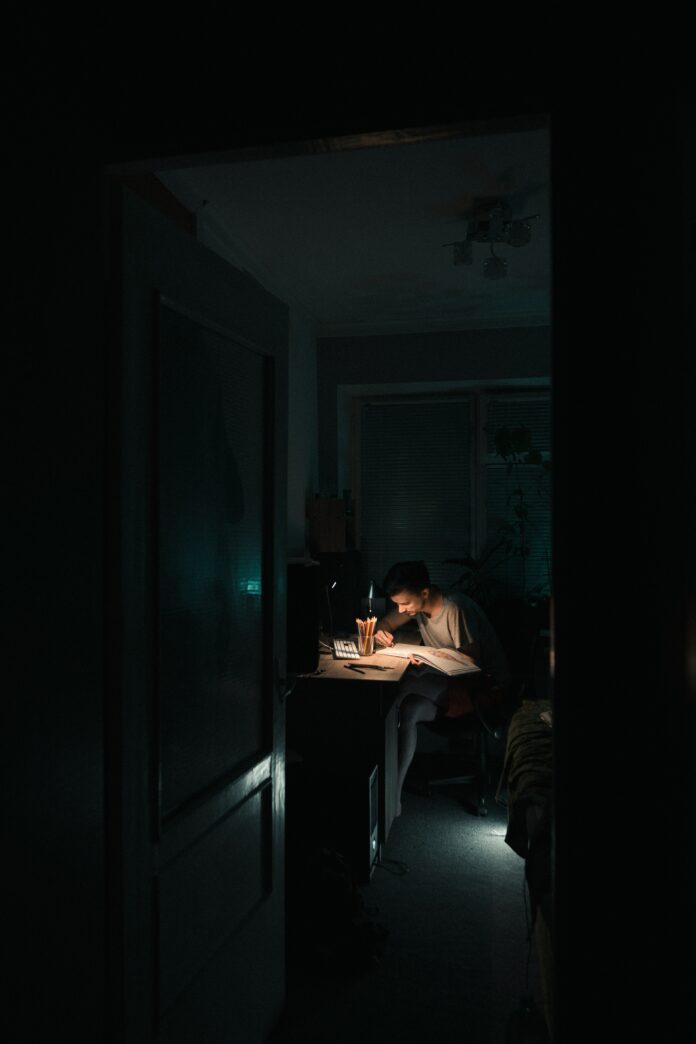
Student studying at a desk late at night
PHOTO: Kulik Stepan / Pexels

By: Gabriel Kitsos, SFU student

Bryan Smith
English 110
15/04/2022
Prof. thomas murphy

Final Analysis Paper: The Lorax

It goes without saying that for my historical literature analysis I have chosen to write about The Lorax. Basically, my thesis is that The Lorax was a massive bummer and the commodity over the people who needed the oxigen (Supply chane). From reading the book I’ve learned a lot about my own life and flaws and never to judge a book by its cover. From watching the movie (start to finish btw) I learned that taylor swift also voice acts. I personally enjoy listen to rap but taylor swift has peaked my interest since reading The lorax. And I may include her in my gym playlist. The book was Originally published: June 23, 1971 which is actually 5 days before Elon Musk’s birthday who once said “I am late to the party but I am a supporter of Bitcoin.”. From using the equation ((birthday year)-(Current year)=(how many years old something is)) which makes the book 43 years old this summer!

At the end of the day the inflation in the book was seriously not good because the commodification of oxygen made it really tough for people. The merriam-webster dictionary defines oxygen as a chemical element that constitutes 21 percent of the Earth’s atmosphere, that is capable of combining with all elements except some noble gases, that is active in physiological processes of almost all known organisms, and that is involved especially in combustion” This is bad because as Dr. Seuss says in the book, “No one can sing who has smog in his throat.Its mostly Gross Domestic Product in this marginal analysis and its a dog ate dog world. In a nutshell this was really bad but its really true, but in conclution I have learned a lot while also growing. All in all I learned there’s no i in “ “TEAM” furthermore, to put it all together this book has shaped me into the man I am today. great book! THANK YOU

 Works Cited

The Lorax
The merriam-webster.com dictionary
Top 7 economics phrases you need to know

P.s I know I didn’t write the proper word count but I really need this W credit so as the saying goes I am willing to scratch your back if you can give me a passing grade.

Questions first-time tattoo getters have

0
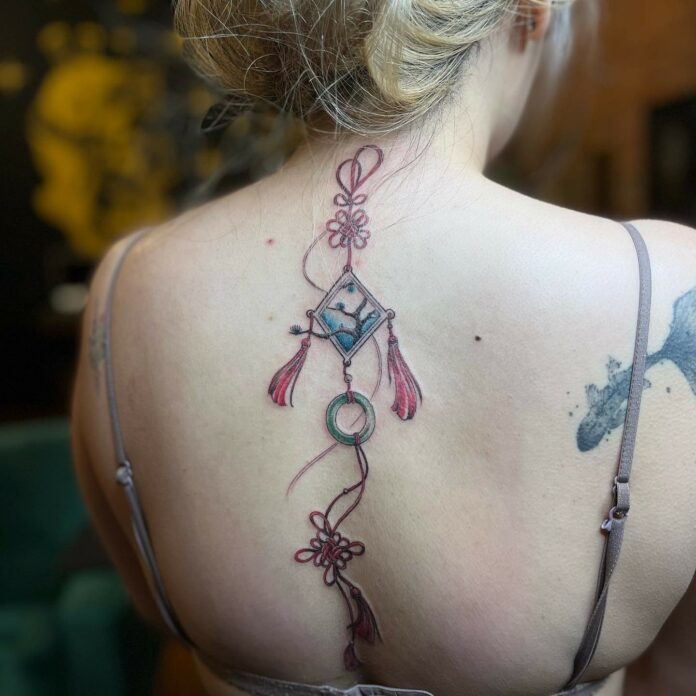
A photo of a coloured tattoo that flows from the back of their neck and down their spine. The tattoo is an East-Asian style charm made up of red string with tassels and beautiful floral knots. The string is tied to a jade ring, small beads, and a miniature framed photo of a tree with a branch emerging out of the photo behind a blue background.
PHOTO: Nhat Truong

By: Isabella Urbani, Staff Writer

I didn’t like my tattoos when I first got them. A week later, I was Googling “tattoo removal near me,” and scouring Reddit to see if other people’s tattoos looked as crooked as I thought mine did. Needless to say, it wasn’t a pleasant experience. I thought I was alone until I found an article about another person hating their tattoo — not hating it for the quality, but hating the reality that tattoos fade. They don’t ever look as they do online or when you first see them in the mirror yourself. 

I knew this before I sat down in the tattoo chair, but I still naïvely assumed my tattoos wouldn’t fade. Nhat Truong, a tattoo artist in Vancouver, is here to tell you that’s not the case. “When you see a tattoo photo online, it’s taken when fresh. Some styles and sizes look great when they just got done but won’t age well over time,” she said. Truong also shared more of the most common concerns people have about their first tattoos. 

Can I get it as small as possible?” 

Your tattoo artist will print out your tattoo in multiple sizes for you to choose from. I spent three hours getting three tattoos (two small and one medium) at my first appointment. Two of those three hours were spent just talking through placement and sizing. I really love the daintiness of fine-line tattoos. Truong said the problem with going smaller is,you need the tattoo to fit well with your body,” and stressed the importance of being open to different sizes. 

My tattoo artist explained to me that the smaller the tattoo is or the details on the tattoo are, the faster it will fade. Since one of my tattoos was just script, the smaller I went, the more indistinguishable it would be over time. Take as much time as you need to come to terms with a size that you like. The decision is up to you, but no matter how much you’re committed to a certain style, be sure to listen to the advice your artist recommends. 

“I’m thinking of getting it on my hand” 

I, too, was in this boat up until the moment I was in the tattoo chair. Finger tattoos have skyrocketed in popularity as of late, and so have people’s interests in getting one. I was wisely advised by my tattoo artist to try another spot for my first tattoo. Traditionally, finger tattoos are done as the finishing touch to an arm sleeve. 

Some other first-time tattoo placement no-nos? Truong says to avoid your neck, sternum, or chest. “I think it’s nice to start with limbs (arm and legs), as it’s easy in terms of pain and skin texture is great,” she said. 

“Should my tattoo face me or others?”

I knew which tattoos I wanted to receive months in advance, and it never once dawned on me whether they should be facing towards me or other people. Truong says it ultimately depends on you and the tattoos. “If it’s a reminder for yourself, by all means, [position it whichever] way you can read [it],” she said. “Most of the time, it’s more natural facing a way that others can read.” I elected to have my two small tattoos on my wrist facing me because they serve as reminders for myself. 

“Why does my tattoo not look straight?”

This is a question I still grapple with, and is why tattoo placement is super important. If you have a bicep tattoo, like myself, it won’t look straight no matter what you do when you turn your arm. So, you’ll have to choose when you want it to look straight. For me, I wanted it to be straight when I laid down so that I could read what the tattoo said. But as a result, when I place my arms by my side, the tattoo is slightly diagonal. When your tattoo artist puts the stencil on you, you’ll have time to look in a mirror to see how it looks. Take the time to ensure you like the way it looks from all angles, but understand that if you’re hung up on it not being 100% straight in certain positions, you’ll never be satisfied.

“How do I take care of my tattoo?” 

Aftercare is a huge factor in extending the longevity of your tattoo! Once your tattoo is complete, your artist will likely wrap it up in something called “second skin,” which has a similar appearance to saran wrap. Leave that on your skin for two to three days. Taking it off is a challenge, and yes, there is a right way to do it. I found that out when the skin around my tattoo looked like a rash. Truong recommends “[pulling] the corner in one direction” while showering to make it a bit easier. Once off, make sure you moisturize your tattoo with fragrance-free lotion after you shower, and don’t forget to apply sunscreen! 

“What does a tattoo feel like?” 

As someone who has tattoos, the best way I can try to explain it is by describing what’s happening: multiple needles are being pierced into your skin. Okay, maybe scratch that. While everyone is different, Truong describes getting a tattoo as “uncomfortable rather than painful.” Some areas like your sternum, ribs, elbows and knees are going to be more uncomfortable than others. Generally, after a few minutes in, you get used to the pain, and believe it or not, forget you’re getting a tattoo until your artist goes over a sensitive spot. Personally, I like to go to sleep!

Follow Truong on Instagram at @nat.thetatt to see more of their Asian-fusion style designs and book an appointment via direct message.

How to spend a summer day in Vancouver

0
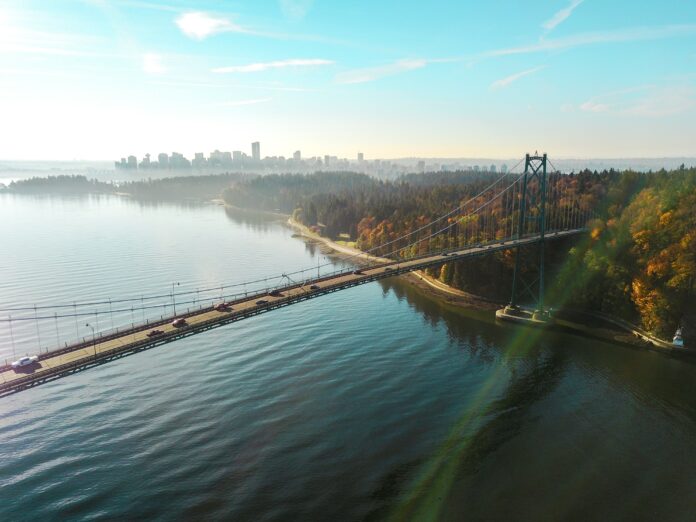
Aerial view of island with Lions Gate Bridge in foreground
PHOTO: Lee Robinson / Unsplash

By: Izzy Cheung, Staff Writer

Cherry blossoms are blooming, the rain is fading, and we can finally leave the house without a thick puffer jacket on. You know what that means — eat, sleep, beach, repeat! While there’s certainly no shortage of activities to partake in every summer in BC, there are many “classic” Lower Mainland activities that you’ve probably already done in previous summers. If you’re looking for a summer bucket list that’s more than just the PNE, Richmond Night Market, and Granville Island, you’ve come to the right place! 

THE MORNING JOLT 

Start your day off right with a jolt of caffeine accompanied by some sweet summer views! From North Vancouver to Coquitlam, there’s a bountiful supply of Cafés where you can sit back and study the beauty of nature before your own eyes. You can enjoy your drink while walking by the scenic shores. Here’s a few places I’d recommend. 

Crema Café Bar in West Vancouver is a great place to get your day started with an oceanside walk. Similarly, Convivial Café and Bakery in Olympic Village will treat you to more than just a coffee and pastry, but the busy energy of a waking city as well. 

Steveston is home to both Rocanini Coffee Roasters and Sanctuary Café, while travelling further south to White Rock will bring you to Finlay’s East Beach Café. Enjoy the beach at all these locations while sipping on an iced latte!

While New Westminster is home to many waterfront coffee shops, Craft Café and Hive Café are two that stand out. In Craft Café you can both get the “best cup of coffee of New West,” and buy art supplies or attend a workshop. Hive Café offers a more traditional experience, but they offer a wide variety of baked goods, sandwiches, and unique beverages, making it a required stop if you’re in the area. 

 BRUNCH WITH A VIEW 

If taking the mornings slow is more your jam, then no worries — we’ve got you covered. These places serve up mouth-watering brunches that range from classics like eggs benedict to a unique brunch charcuterie board (found at Hard Bean). Try these delicious dishes on any of these restaurants’ patios. The combination of nature and good food is sure to make for a great start to your day!

If you find yourself anywhere near Yaletown’s Quayside Marina, be sure to check out the infamous Over Easy Breakfast Co. before taking a stroll around David Lam Park. Continuing west, while walking along the water, will take you to CRAFT Beer Market, located by English Bay

Pier 7 Restaurant + Bar is located within North Vancouver’s Shipyards and is home to a beautiful waterfront balcony as well as some delicious eggs benedict. Moving a little east to Deep Cove, you’ll find Arms Reach Bistro, where you can enjoy brunch before taking a paddle out on the water. 

Heading further into the South Cambie area will bring you to Queen Elizabeth Park, which boasts the highly touted Seasons in the Park. Dining here will treat you to spectacular views of both the city and its natural surroundings. 

On the edges of the Delta area and overlooking part of the Fraser River is RiverHouse Restaurant, Pub & Marina. Be sure to stop by if you’re looking for a casual dining experience with a pretty view of the water.    

Craving the view of the water without the bustle of Downtown Vancouver? West Beach Bar and Grill and Foodish Café in White Rock provide the soft churning of ocean waves with a smaller slice of privacy than the main areas in Vancouver. 

Angelina’s Dutch Corner in New Westminster provides Dutch classics such as Pannekoeken and Dutch-style Omelettes. Psst — they also serve dinner now, so be sure to check out their specialty: fish and chips! 

Finally, if you’re stuck in the Tri-Cities, that being Coquitlam, Port Moody, and Port Coquitlam, be sure to try On and Off Kitchen + Bar in Coquitlam for their wide spread of brunch time favourites. Or, if you’re new to the Port Moody area, check out The Hard Bean Brunch Co. for their fun twists on breakfast classics.  

SUPPORT LOCAL SPORTS 

While the ever-popular Vancouver Canucks are currently hitting the links, there are still a few summer sports that you can check out. Soccer, baseball, and football are all still active right now, with Vancouver’s respective teams all playing sometime this summer. 

With their season having started back in February, the Vancouver Whitecaps will be playing until October, which means there will be plenty of games to check out during the summer. Their Flex Pass lets you buy tickets to three different games for as low as $66, while the average ticket price per game averages around $30. 

Vancouver’s Northwest League baseball team, the Vancouver Canadians, will have games running until the start of September. Tickets for these can range from $20–32, with the option to purchase various Flex Packs that can provide further discounts. If you’re looking for a fun activity that will accommodate a big group, this is the sport for you! 

Coming off a trip to the western final, the BC Lions look to improve upon their previous season and pursue their seventh Grey Cup. Their first home preseason game is expected to be on June 1, which will see them match up against the Calgary Stampeders. The Lions’ regular season starts on the road, with their first game at BC Place to be played on June 17 against the Edmonton Elks

MONTHS OF MUSIC 

Whether hosted at Rogers Arena or the Commodore Ballroom, there’s a plethora of concerts to enjoy this summer. We’ve seen the likes of Jackson Wang and Shania Twain perform in the Lower Mainland recently, and luckily, there’s still plenty heading our way. From Matchbox Twenty to Drake, here’s a brief list of artists coming to Vancouver this summer.   

In May, you can catch Matchbox Twenty on the 16, Kali Uchis on the 23, Luke Combs or Ebi on the 27, and Tove Lo on the 29. 

June boasts a variety of musical genres, such as A Boogie Wit Da Hoodie on June 10 or 11, Seal on the 14, Louis Tomlinson on the 26, Blink-182 on the 27, and Nickelback on the 28. 

Kicking off concerts in July is Charlie Puth on the 3. Snoop Dogg, Wiz Khalifa, Too $hort & More perform on July 7,  Madonna on the 15, and Tears for Fears on the 24. 

Perhaps the busiest summer month for concerts, August is kicked off by Rod Stweart and Cheap Trick, who are in town on August 12. Sam Smith performs on the 22, NF on the 23, Vance Joy on the 25, and Cigarettes After Sex on the 27 and 28. Drake closes out this summer’s list of concerts with a performance on the 28. 

LOTS TO WATCH 

One of the most entertaining ways to enjoy Vancouver’s outdoors is to take it in alongside a movie or performance. The Summer Cinema at Stanley Park will be running again this year at Second Beach, and while their movie schedule is currently to-be-determined, last year’s showings featured the likes of The Lion King, Jurassic Park, and Grease

Want to catch a movie without the hassle of leaving your car? Check out Langley’s Twilight Drive-In for some older classics and retro vibes. Their on-site concession includes movie classics such as popcorn, nachos, hot dogs, and even poutine. 

If live performances are more of your jam, then be sure to check out Theatre Under the Stars, which takes place at the Malkin Bowl in Stanley Park. This year, TUTS is producing The Prom and Matilda, with both musicals expected to run from July 6 to August 26

For my fellow literature aficionados — Bard on the Beach will return for its 34th season, incorporating a Beatles-esque spin on a Shakespearean classic, As You Like It (running from June 8 to September 30). Plays that will also be featured are Julius Caesar (from June 15 to September 24), Henry V (June 28 to August 13), as well as a goblin-inspired showing of Macbeth (August 19 to September 17).    

DOWN BY THE BAY 

The Lower Mainland is a place with ample opportunities to get out by the water, whether that’s by paddleboard, canoe, or hike. 

Kitsilano Beach is always a classic for beach sports and tanning. If you find Kits is too busy, continuing west will lead you to Jericho Beach Park, Locarno Beach, and Spanish Banks.   

West Vancouver’s Lighthouse Park will treat you to a rewarding seaside hike that can be easily-traversed if any of your furry friends want to join. About 20 minutes away is Whytecliff Park, a place where you can take the perfect summer-vibe Instagram pics. 

Iona Beach Regional Park is home to some of the nicest views in the Lower Mainland. Catching the sunset here can be made all-the-more better by shopping the deals at the McArthur Glen Designer Outlet beforehand. 

If you’re looking for a place to enjoy some sweet snacks while out on the water, try visiting Deep Cove and Honey’s Donuts — they’re Kate Winslet’s favourite, too! (Just don’t let her anywhere near your boat . . . we all know how that ended last time). 

Those that live in Port Moody are no strangers to Rocky Point, which provides kayak rental services, a brewers row, and their beloved ice cream shop. Belcarra Regional Park and White Pine Beach are also favourites located near the Port Moody area, especially due to the buses that stop there. All of these places do tend to get busy pretty quickly, so be sure to head up early and claim your spot!  

We need masks in healthcare settings

0
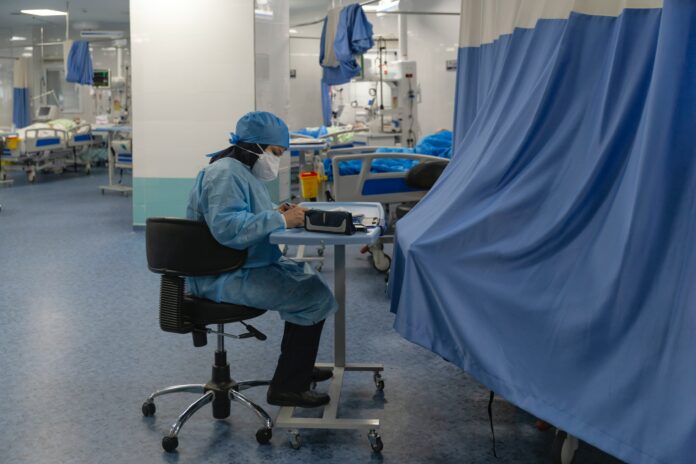
A healthcare provider sitting in a hospital, wearing a head strap N95 mask.
PHOTO: Amir Arabshahi / Unsplash

By: Michelle Young, Opinions Editor

As of April 6, masks are no longer mandatory in healthcare settings. As one of the only settings in BC to have pandemic precautions, the decision is needlessly harmful and irresponsible. It puts those who require access to healthcare settings — like vulnerable patients — at higher risk of contracting COVID-19 and other airborne diseases. Walking into a healthcare facility and potentially contracting COVID-19 shouldn’t be something anyone has to worry about. If masks are to be mandated anywhere, healthcare settings should be the place. 

Following the removal of this basic precaution against airborne illness, COVID-19 outbreaks have already sprung up across the province. This is completely avoidable, and yet with our Provincial Health Officer’s insistence in prematurely removing pandemic precautions — once again, disease is spread needlessly, and will affect those who are vulnerable to COVID-19 the most. 

On March 30, CTV News reported that COVID-19 hospitalizations were at their highest since January. Why, then, a week later, are masks being dropped from healthcare settings? Henry argues we are at a place where COVID-19 is “manageable” to the healthcare system — should we then bring back smoking in all public spaces because the levels of lung cancer are manageable to the healthcare system? No, of course not, because preventive care is key to the health of the population and it would negatively impact those with asthma and other health conditions. 

The hospital is supposed to be a safe setting, with a duty to protect its patients. Hospitals, if anyone was unaware, are full of people who are already being treated for illnesses. Exposing patients to a very infectious disease, when COVID-19 cases are high, is both irresponsible and ethically questionable. Various hospitals have now begun asking patients to stay home if they are experiencing flu-like symptoms. If sick people cannot go to the hospital, or must delay treatment and care, where are they supposed to go? The universal use of masks in healthcare settings would drastically decrease the amount of airborne disease, and it’s an easy preventative measure. 

Our healthcare officials are playing pretend — acting as if they care about the elderly, disabled folks, immunocompromised people, and healthcare workers. They have consistently kept the public uninformed about long-term COVID-19 risks and transmission, and they are shameless in ignoring the voices of those who are most affected. 

Despite an in-person protest, a nation-wide petition with over 27,000 signatures, and a condemnation from BC’s human rights commissioner on the decision — Minister of Health Adrian Dix has the audacity to defend their policies and continue to emphasize the “vaccine-only” approach in BC. It’s clear he isn’t listening. Vaccines alone are also currently insufficient: booster uptake is low, COVID-19 can still be transmitted while vaccinated and asymptomatic, and reinfections continue to harm the health of many even those who were previously healthy. Vaccines themselves are important to reduce the severity of acute COVID-19, but they play a very small role in reducing the long-term effects of COVID-19 on the vascular system

Henry says, “masks may be required in high-risk situations where a patient is vulnerable to infectious diseases.” This completely falls apart at a closer look — what is a high-risk situation? Who is being defined as high-risk? Even under this criteria, masks only might be required. One-way masking isn’t as effective as universal masking, and in many cases, patients cannot wear a mask due to the type of care they’re receiving. 

I need to access healthcare, but getting blood tests and ultrasounds will likely not be considered high-risk settings. How would the technician know if I had chronic illness or disability? They wouldn’t, and even if they did, I likely still wouldn’t qualify as high-risk. Even if I was entirely able-bodied, I shouldn’t be exposed to this disease needlessly. How would they know if I have high-risk family members? They won’t. I can ask people to put on a mask, but this puts me in a situation of potentially upsetting the person who is providing care to me. At the time of publication, I’ll be in surgery — one that I’ve been on the waitlist for for nearly a year — and crossing my fingers that I don’t come out of recovery with a COVID-19 infection. 

Patients shouldn’t need to advocate for themselves, and disabled folks already face high levels of healthcare bias. Now, patients have to worry about acquiring an extremely infectious virus that has the potential to leave them with long-term health consequences? 

Henry has consistently spoken about “wearing masks where and when it makes sense.” Despite COVID-19 cases increasing, and active outbreaks in BC, she has removed the simplest protection against airborne illness. This does not make sense. 

COVID-19 is not new. It has been circulating for years, and we now have the knowledge to easily reduce transmission. It is so simple — and yet our health officials refuse to do the bare minimum to protect our health.

SFU paleobotanist discovers ancient fossils on Burnaby Mountain

0
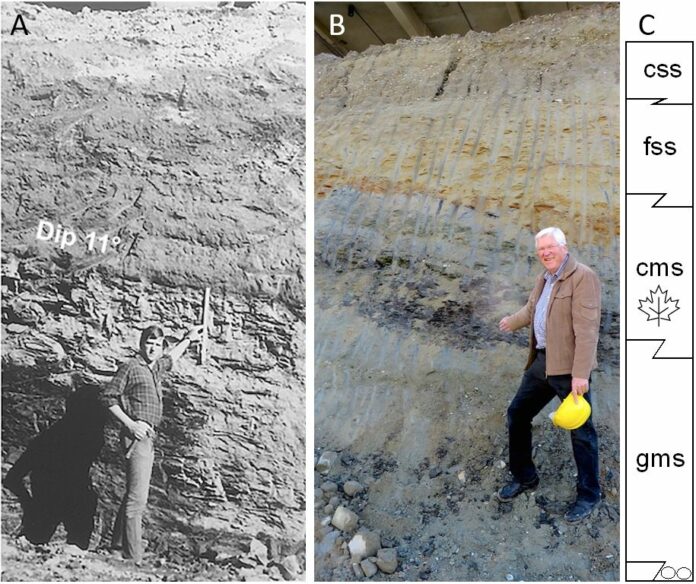
Photographs of Dr. Rolf Mathewes, a paleobotanist at SFU, next to a large wall of rock and sediments
PHOTO: Rolf Mathewes / The Peak

By: Olivia Sherman, News Writer

New research from SFU paleoecologist Dr. Rolf Mathewes reveals evidence for what the geography and plant life on Burnaby Mountain would have looked like over 40-million years ago. When Mathewes was an SFU undergraduate, he discovered ancient plant fossils on Burnaby Mountain with his mentor, Dr. Robert Brooke, whom Mathewes’ most recent paper is dedicated to. 

“At the time we collected them, neither I nor Dr. Brooke [ . . . ] knew what they were. Neither one of us was a paleobotanist. So we collected these things [. . . ] and we boxed them up, and put them away,” Mathewes said in an interview with The Peak. “It’s quite a small collection, because it was only collected over a few days when we were just poking around in 1967.”

Mathewes said the fossils he identified were a part of the late Eocene period, or “one of the longest recent geological periods,” that stretched from 54-million years ago to around 34-million years ago. Because the Eocene was pre-Ice Age, it saw a warm climate, and the plants of the period were adapted to tropical temperatures. “We know palms were actually fairly common in this area during the Eocene [ . . . ] in tropical or subtropical conditions.” 

The main method Mathewes used to conduct research for his most recent paper was comparing known fossils to current plants and environments. “There are a number of publications where people have studied sites, like the Puget Group near and around Seattle [ . . . ]  we had found some close connections between the Puget Group around Seattle and Burnaby Mountain fossils, which wasn’t really known before,” Mathewes explained. “If I find similar fossils, it gives me an idea of where they should fit in the geological time scale. So you do it by association with known fossils and sites that have been better studied, so the ages are almost always an estimate.”

Mathewes is also interested in paleoecology, the science of analyzing historic environments. By looking at environmental conditions of the past, we can predict future conditions. “Plants are the best indicators of climates of the past, because plants are very closely aligned to what the climates are: palm trees are only aligned with tropical conditions, that sort of thing.” 

Mathewes explained that plants can also indicate any disturbances they have faced, like fires or earthquakes. “We’ve used pollen spores on coastlines [ . . . ] on previous big earthquake events here, the big ones, and that can be done by looking at sudden submergences, where vegetation changes from upland shrubs to suddenly being intertidal, indicting that the land had shrunk, or the sea-level had suddenly risen.” 

Mathewes’ is also focused on palynology, or the study of pollen fossils. “That’s my speciality, actually, working with the things you can’t see [ . . . ]  That’s actually the best way to look into the past, because when I’m looking at a slide from 40-million year old rocks at Burnaby Mountain, I’m looking into the past.” 

“There’s a lot to be done with the microfossils, but everybody is focused, of course, on the leaf fossils and there’s always two questions, whenever I show somebody a fossil, the first two questions are always: ‘what is it?’ and ‘how old is it?’ And both of those are not easy to answer.”

SFU researchers join the fight against treatment-resistant bacteria

0
A gloved hand conducting research in a lab setting
PHOTO: Andrew Hays / Unsplash

By: Eden Chipperfield, News Writer

Assistant professor Dr. Amy Lee from SFU’s department of molecular biology and biochemistry is leading a research project to study how superbugs evolve, and their potential effective treatments. Superbugs can be “strains of bacteria that are resistant to several types of antibiotics.” The concern over superbugs is significant due to how viruses evolve and become stronger, thus having further negative effects on humans.

The purpose of the study is “to understand how bacteria develop resistance because that makes the drug ineffective,” according to SFU News. 

The research will study the genes of superbugs using “current sequencing technologies and computation analysis to discover new drug targets,” ultimately fighting the occurring infections, said SFU alumni Venus Lau, another research team member. 

Researchers’ current focus is between treatments against superbugs, like antivirulence and antibiotics, to fight bacterial infections. When antibiotics are taken to fight infections, the bacteria which aid the immune system and human body are also attacked. This can cause more negative than positive outcomes. SFU professor Dr. Patrick Taylor discussed how antivirulence treatments can reduce harmful bacteria by focusing on the effect of antibiotics on the human body. At the same time, patients recover without negative consequences. 

Antivirulence drugs are increasingly being developed as they are in heavy demand. The World Health Organization (WHO) reported over 700,000 deaths that are caused by “drug-resistant diseases,” leading the WHO to name antibiotic resistance to be a global health threat.