Home Blog Page 1169

Weekly List: Ten best study spots on campus

0

Looking for the best spots to study around campus this summer? We’ve narrowed it down to ten of the very best.

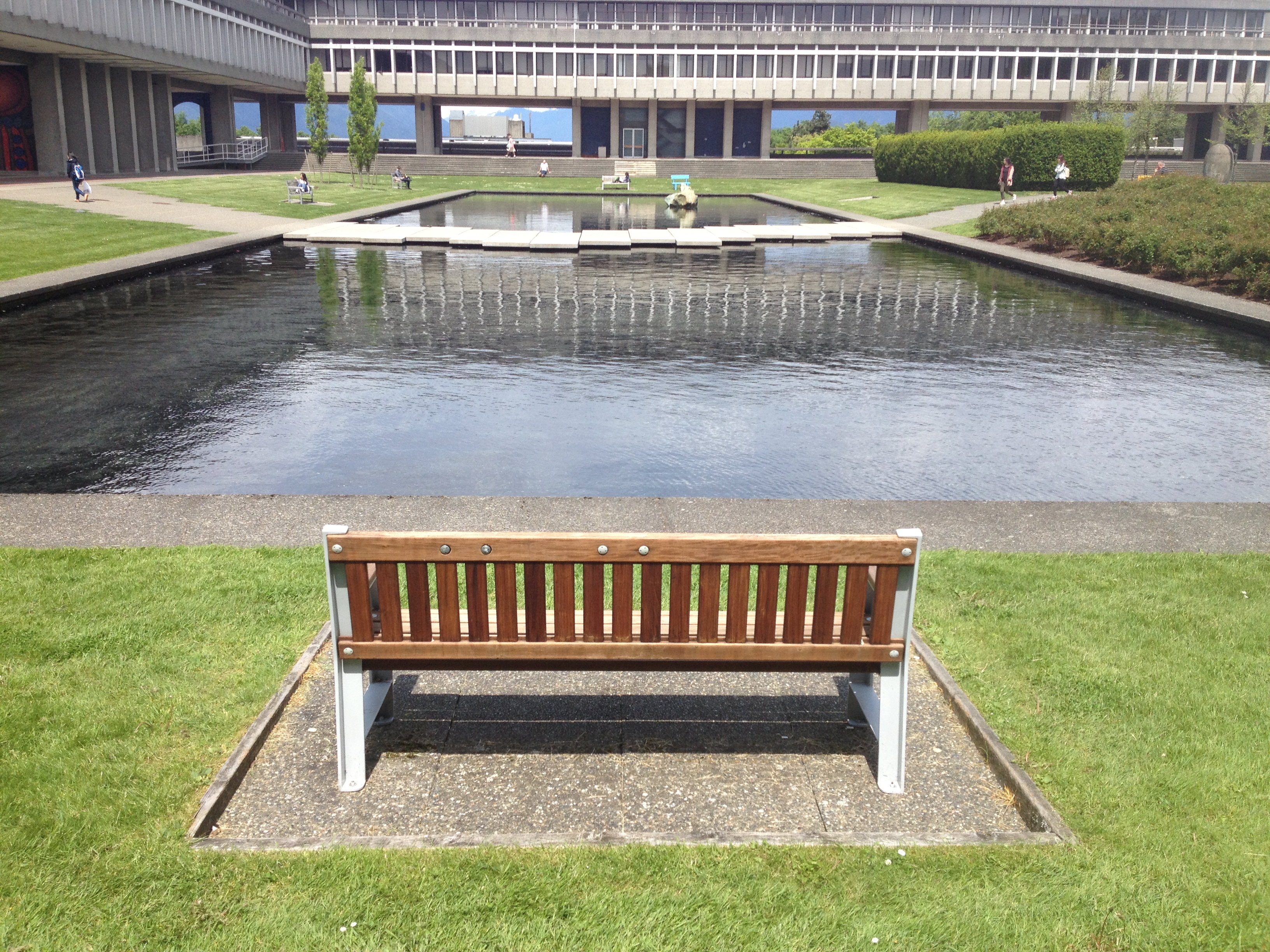
Benches around the AQ pond

IMG_3423

Surrounding the AQ pond are several sturdy benches that are perfect for both studying and impromptu naps between classes in the sunshine. Though students are almost always abuzz in this spot and cornerstone is all around, there is still an element of nature to be enjoyed as you stare into the reflection of the serene pond. See if you can spot the Koi fish who live there.

Quaintness: 4/5

Quietness: 2/5

Access to Caffeine: Nearby

Access to Outlets: None

The grassy knoll by the AQ pond

IMG_3424

Past the pond lies a three-tiered grassy hill. Situated up the stairs from Convo Mall and across the pond, it’s the perfect outdoor spot that doesn’t feel too much like you’re studying in the wilds of the forest.

Quaintness: 3/5

Quietness: 2/5

Access to Caffeine: Nearby

Access to Outlets: None

Down the stairs outside of room 9201

IMG_3440

One of SFU’s best hidden studying spots in nestled outside the door between lecture hall 9201 and the entrance to the Physics and Communications departments. Walking up and down four sets of stairs will lead you to a picture-perfect spot, tailor made for studying and known by a privileged few. Adorable wooden chairs and benches are in full supply, nestled between a circle of trees for maximum comfort.

Quaintness: 5/5

Quietness: 5/5

Access to Caffeine: None

Access to Outlets: None

The roof by the West Mall

IMG_3379

High above Convocation Mall are some of the most deserted study spaces to be found, overlooking the vast SFU campus. The roof doesn’t offer much in the way of amenities, but if you want to study in a secluded area high above the heads of your fellow students, this is a dream come true.

Quaintness: 1/5

Quietness: 4/5

Access to Caffeine: Nearby

Access to Outlets: None

Comfy couches by Renaissance Café

IMG_3430

Renaissance, SFU’s go-to coffee shop, is located in several spots on campus, but none comfier or more suited for studying than the café next to the Education Building in the heart of the AQ. This spot offers drinks, food, and couches — if you’re lucky enough to get a seat. With cute tables and comfortable seating arrangements, it makes a great place to pile your notes between classes alone or with a friend.

Quaintness: 2/5

Quietness: 0/5

Access to Caffeine: Yes

Access to Outlets: Limited

Starbucks

IMG_3387

One of the busiest places to study during the peak times of the day, Starbucks still has much to offer as a study spot for students. With a constant supply of strong coffee just a step away, late hours, lots of power outlets, and a variety of seating arrangements, it’s a great study zone for both studious single students and bigger groups.

Quaintness: 3/5

Quietness: 1/5

Access to Caffeine: Yes

Access to Outlets: Yes

West Mall quiet study zone

IMG_3390

If you’re looking for a silent area to study, try the third floor of West Mall. It offers a variety of studying spots, including large, couches, high chairs, and outdoor picnic tables with stellar views. There’s plenty of power outlets available, and with both Starbucks and Tim Hortons only a few steps away, it’s a perfect spot for a midday cram session.

Quaintness: 1/5

Quietness: 5/5

Access to Caffeine: Nearby

Access to Outlets: Yes

Out the doors beside 9200

IMG_3446

Nestled down the stairs outside the door right before lecture hall 9200 in the AQ is an adorable bench underneath a group of cherry blossom trees. Hidden away and relatively unknown, it’s the perfect spot to study and relax — providing you don’t need an outlet to do so.

Quaintness: 5/5

Quietness: 5/5

Access to Caffeine: None

Access to Outlets: None

Burnaby Mountain Park

IMG_3393

It’s a little out of the way, but if you’ve got the time to travel there, Burnaby Mountain Park can be a great study spot, especially on the picturesque days SFU enjoys every summer. Located down the trails from the residence bus stop, it’s also got a playground and beautiful grassy hills with views overlooking much of Burnaby and Vancouver.

Quaintness: 5/5

Quietness: 3/5

Access to Caffeine: None

Access to Outlets: None

Bennett Library

IMG_3407

If you’re looking for a more conventional place to study, the library is definitely the place to be. Most floors are completely silent, and there’s more study places than anywhere else on campus — though you might be advised to come early around exam time, as it’s usually packed to the brim. Accessible, full of study materials, and with a better Internet connection than most spots on campus, the library is the study spot of choice for most SFU undergrads.

Quaintness: 1/5

Quietness: 5/5

Access to Caffeine: Nearby

Access to Outlets: Yes

Notes from the Board of Governors

0

Concurrent BSc-MSc program in computing science approved

At the most recent board of governors meeting on May 29, the board opted to approve a concurrent bachelor’s-master’s program in the School of Computing Science. A concurrent program will allow students to work on the two degrees simultaneously, since credits from concurrent courses required for both will apply to each degree.

The motion read, “that the University Relations Committee of the Board of Governors, acting under delegated authority, approve the Full Program Proposal for a Concurrent Bachelor’s-Master’s Program in Computing Science in the School of Computing Science within the Faculty of Applied Sciences, effective Fall 2014.”


50th anniversary celebration update

Celebrations for SFU’s 50th anniversary are planned to take place from September 2015 to May 2016. To date, the university has raised $26,268,286 during its fundraising campaign for the event. The celebration will include many smaller initiatives, a ceremony, a “possible founder’s ball on September 9th, a special (re)convocation in October 2015, a strong arts and cultural program, a global week of welcome, and a Burnaby community/lifelong learning festival.”

In a report filed by the committee for information, some of the goals of the 50th anniversary celebrations are outlined as serving to foster a strong sense of community across SFU campuses, to strengthen connections with external partners, and to promote SFU’s vision and reputation as “Canada’s most community-engaged university.”


Green Gala raises environmental awareness

0

WEB-Green Gala-Brattle Theatre-flickr

On the eve of the debut of her new opera, celebrated Canadian author Margaret Atwood had another place to be.

At the Waterfront Fairmont hotel, the Christian environmental organization A Rocha held it’s annual Green Gala event in order to raise funds to support its projects.

A Rocha, which means ‘The rock’ in Portuguese, started as a Christian bird observatory in Portugal, founded in 1983. Since then, the organization has expanded to include environmental projects in 19 countries, one of which is the Brooksdale Environmental Centre located in south Surrey.

Atwood had been linked with the organization for some months; environmentalism was one of the main concepts throughout her book The Year of the Flood. Published in 2009, it detailed a sect called “God’s Gardeners” who had survived an apocalyptic event. They were rooftop gardeners and bee keepers, but they ceased to be fictional when, in February of this year, Atwood met some individuals that were introduced as being “real life God’s Gardeners”.

Appearing as a guest on the Christian talk show Context with Lorna Dueck, Atwood met Leah and Markku Kostamo, leaders in A Rocha Canada. The three traded observations on the inter relationship between humanity and the environment, and ended the episode with some basic steps that could be taken at home to better steward the environment.

At the Green Gala event, Leah Kostamo and Atwood continued their dialogue that had started on Context, with Atwood even going as far as to sing a hymn she had written as part of the God’s Gardeners celebrations.

At the event, The Peak had an opportunity to speak with Rick Faw, VP of programming for A Rocha Canada.

“I think [the Green Gala] is a chance for us to demonstrate that we share common cause with lots of people,” he said while guests filtered into the mingling area at the event.

At the end of the festivities at the Green Gala, Atwood asked the audience to give a pledge to drink only coffee that was made from arabica coffee in order to preserve the forest canopy where the coffee was grown.

Faw also offered a simple principle for people to take home: “Take the townhouse living scenario: we can live in our townhouse, go down the enclosed garage, get in the car, drive to work, get in the underground garage, get out and reverse, and never actually experience the weather.”

He continued, “Society needs to, the way I’d say it, to cultivate wonder and gratitude. Maybe it’s just, ‘I’m going to commit to going outside for five minutes every day.’ What a novel concept? [. . . That] is the kind of pattern of living that can make it easier for us to ignore other aspects of creation.”

Grad Gab

0

Student group leaders and representatives chatted and munched on an impressive selection of snack foods last Thursday, May 29 at the first Graduate Student Society mixer. Organized by GSS executive director Amina Rai, the event was meant to build social and professional connections between student groups at SFU.

“When I started at the GSS in 2013, I noticed that a lot of student groups were working on similar initiatives, but that they were sort of siloed,” said Rai, who expressed her hope that the evening would create opportunities for collaboration.

Attendees included representatives from the SFSS, Build SFU, Out on Campus, the TSSU, Sustainable SFU, SFPIRG, the First Nations Student Association.

“It was interesting to get a sense of how much outstanding student work and leadership there is on campus,” said Sophie Fung, member engagement coordinator at Sustainable SFU.

Katelyn McDougall, GSS professional development coordinator was happy to see that new relationships had formed over the course of the event. “People have similar interests — we’re all trying to enhance student life.”

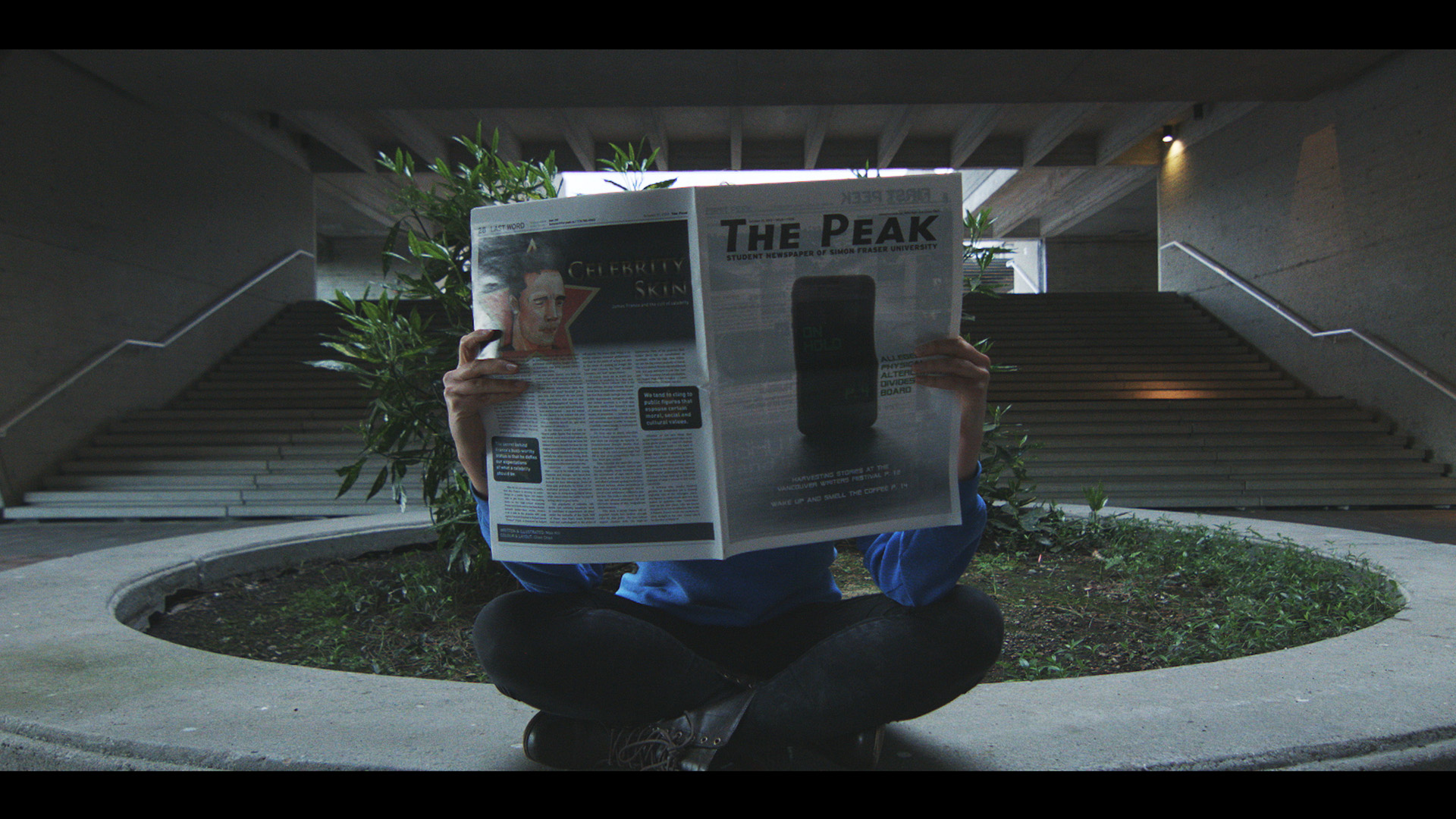
The Peak: SFU’s Campus Newspaper

0

Get involved! The Peak is always looking for writers, multimedia whizzes, graphic designers and more!

Contact [email protected] or [email protected] for inquiries.

Created by Brandon Hillier

Annual koi pond clean-up alarms students

0

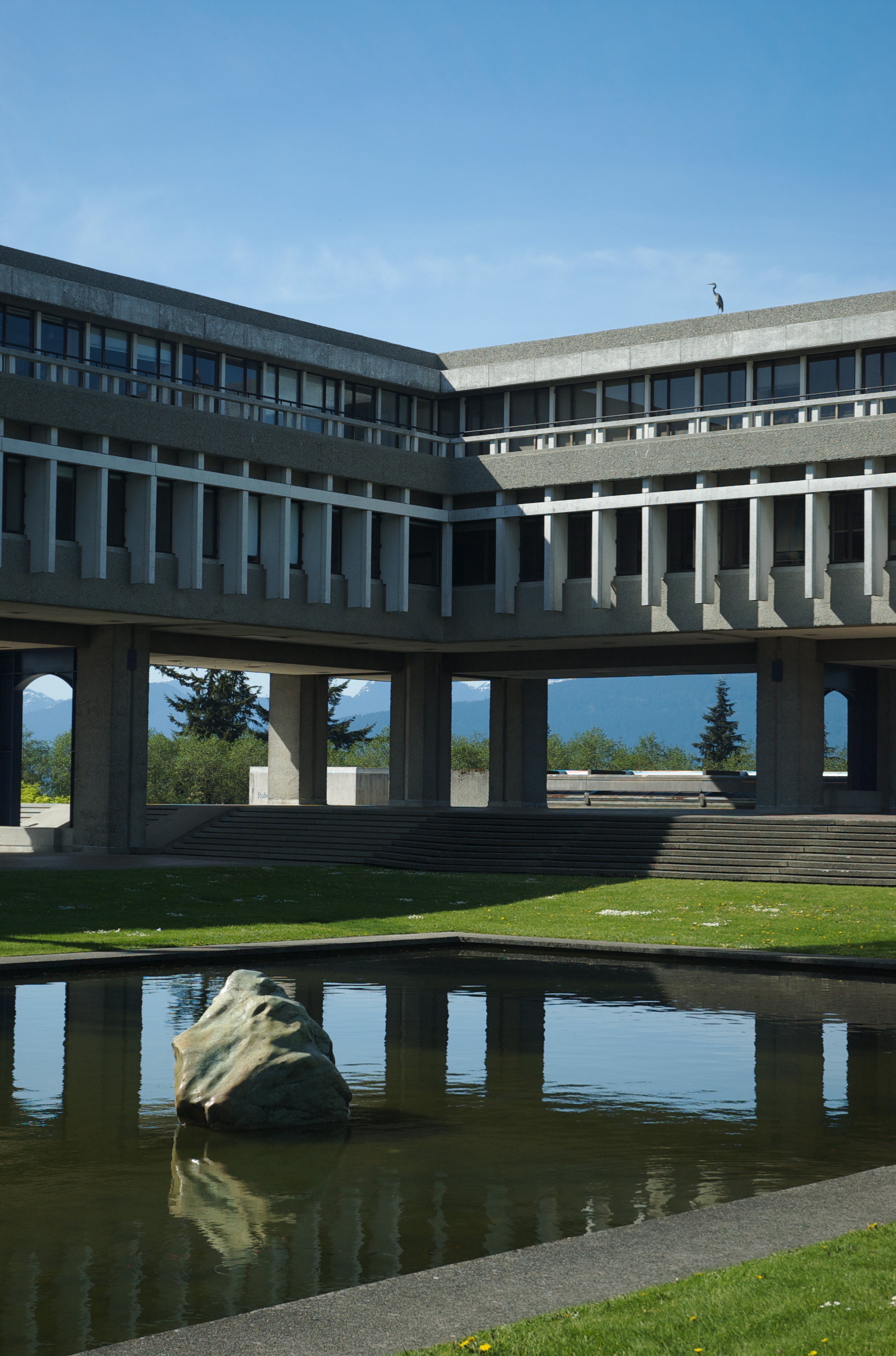
sfu-aq-pond Some students who arrived at SFU’s Burnaby campus were alarmed last week to find the iconic koi pond drained of water and devoid of its fishy friends. The koi pond is a landmark of SFU Burnaby, and is the site of the Engineering Undergraduate Student Society’s annual polar plunge as well as other SFU events. Students can rest easy, however, as the draining and cleaning of the AQ Reflecting Pond is an annual service performed by facilities services in preparation for spring convocation. Wendy House, office coordinator for facilities services, reassured The Peak, saying, “We coordinate the removal and safe keeping of the fish with personnel from Alcan – Animal Care. The fish are returned to the pond once refilling is complete and water testing ensures a suitable environment.”

Political party emerges from leftist fractures

0

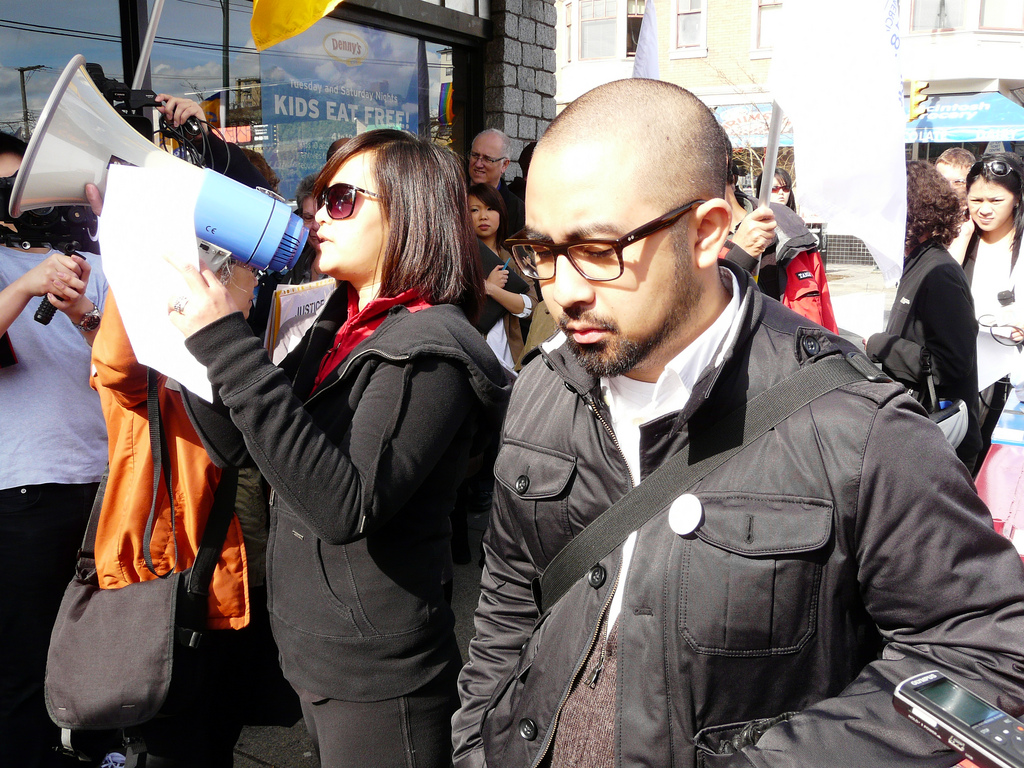
5562362228_dbe7f55340_bOut of the recent fracturing of Vancouver’s left-wing Coalition of Progressive Electors (COPE) party, a new political party has emerged to grapple with other civic parties. Although this change could affect leftist voting preference, SFU city program director, Gordon Price, questions whether it will effectively challenge the current party in power.

The new contender, called OneCity, was announced on May 12 by RJ Aquino — a former COPE city council candidate who has been backed by prominent Vancouver leftists — and aims to reduce the growing inequalities in the city. Aquino previously sat on the Vancouver City Planning Commission and is currently on the board of directors for Collingwood Neighborhood House.

The formation of a new party can be complicated, explained Price. Many difficulties — such as fracturing — exist for a host of reasons within a political party, however, overcoming this problem can be crucial. Price said, “If the party itself does not fracture, they have a real advantage in incumbency.”

Price attributed the fracture within the COPE party, resulting in the creation of OneCity, to “personality-based” issues, as opposed to policy-based. Price noted a few past instances of personality-based fractures: “You can make the case that it happened in 1972 with the [Non-Partisan Association (NPA)], when the team council came in here. It certainly happened in 2000 [. . .] Then, it happened with Larry Campbell. It happened again with the NPA!” Price said.

Even so, fractures do not necessarily represent a prevalent phenomenon — trends show that one party tends to maintain power for at least a couple of decades. Price explained, “The norm since the 1930s has been for the NPA, for one party, to stay in power for very long stretches of time. For the time I was on the council, 15 years, we only had two mayors: Gordon Campbell and Philip Owen.”

He continued, “The voters seem to go for incumbents. It goes up and down a bit. But they’ll stick with what they know unless the party itself fractures. But that tends to coincide with politics.” In other words, slight variations exist in the political power spectrum, but voter consistency reflects a persistent voting trend of citizens individually. People tend to vote one way — unless the political party of the voter appears to fracture, as is happening now.

Price said, “The public doesn’t like the internal fracturing that the personalities [create] within the parties [. . .] So [voters] tend to look for an alternative or are, at least, more open to it.”

Price commented on the general political landscape: “What we have at the moment is a fracturing of the political spectrum, but the party in power seems very much to be solid: [Gregor Robertson is [a] strong mayoral candidate insofar as he is known, [the] party shows no signs of division, [a] great deal of internal discipline, [we] certainly don’t hear of an councillors going after one another.”

He mused, “Will that be enough? We will see.”


Which music festivals should you go to?

0

It’s that time of year again, guys — it’s summer. For most, this means less time spent on work and school, and more time spent soaking up the sun, sipping margaritas and shooting the breeze with friends. You’ve basically got two options: get out there and make memories with friends and family, or have so much fun that you barely remember a thing.

As it turns out, music festivals are the perfect place for both. If you’re having trouble deciding which music festivals to check out this year, fear not! The Peak, as always, has got yo’ back. Here are seven different fests to check out this summer, and what to expect at each one.

CBCMusicFestival

CBC Music Festival
Deer Lake Park, Burnaby, BC
June 14

Headliners: Tegan and Sara, Dan Mangan, Spoon, Hannah Georgas, Chad Vangaalen, and the Arkells

The Stereotypes: Can you say hipster? Oh, don’t get your feathers ruffled if you’re going. Exclaiming that you aren’t a hipster only makes you seem like more of one. Expect plenty of unique clothing choices, glasses that almost certainly aren’t prescription, plenty of bikes, some semi-ironic facial hair, and more than a few pairs of suspenders.

What to Wear: This festival is one of the few out there where most of the fads aren’t gender specific: tilley hats of any and all colours, bow ties, and high socks — the higher, the better. Plenty of patterns! Think Hawaiian, floral, argyle, stripes, polka dots, you name it. Anything and everything necessary to make an outfit louder.

Tips and Tricks: Consider tie-dyeing your blanket for this one. It can be a bit expensive, but it’ll  serve as a constant reminder of the CBC Music Festival spirit. A white sheet, a pack of dye from Michaels, and a whole lot of elastics are all you’ll need. If you want it to come out, well, I’d give yourself at least an hour. One of biggest upsides of a tie-dyed blanket: you can stain it endlessly, and no one will be any the wiser. After all, we all get a little sloshy and spill more than usual when the sun is out and we’re having fun.

Tickets: They’re still on sale, and pretty reasonable, too.

DawsonCityMusicFestival

Dawson City Music Festival
Dawson City, YT
July 18 to 20

Headliners: The Rural Alberta Advantage, Alex Cuba, Nick Ferrio & His Feelings, Cousins, Jaffa Road, and Feeding Frenzy

The Stereotypes: At this festival, you’ll meet the ultimate combination of hippie and hipster (hippie-ster?). For this rare species, anything and everything which is popular is no longer appreciated, and society at large is also on the wrong track — too much machinery, not enough campfires. These forest-dwellers think nature is the only thing that is right and true, and this festival, set in the natural landscape of the Yukon with a wealth of underground Canadian acts, is basically their Woodstock.

What to Wear: Hemp, birks, and thick hiking socks. If the weather gets you down, throw on a waterproof shell and some home-knit sweaters — although, if you’re not prepared to deal with the elements, this might not be the festival for you. Scarves, especially scratchy ones, are also essential.

Tips and Tricks: Knit a sweater! Doesn’t matter if you don’t know your way around a needle and thread — honestly, the more awkward-looking and haphazard, the more indie cred you’re likely to receive. Some food for thought: if you make a container lined with dryer sheets, it releases no smell. Just saying.

Tickets: Still plenty left, and the weekend passes are more affordable than most — that is, if you’re willing to head to the Yukon.

Lollapalooza

Lollapalooza
Grant Park, Chicago, IL
August 1 to 3

Headliners: Skrillex, OutKast, Arctic Monkeys, Kings of Leon, Foster the People, Lorde, and Eminem

The Stereotypes: If you’re a club rat and/or your car’s subwoofer can be felt two blocks over, this is the festival for you. Sure, there’ll be plenty of normal people, but the majority of concertgoers will be diehard bros and all the girls you think of when you hear the song “#SELFIE,” throwing a rowdy party worthy of the festival’s impressive headliners. I know which festival I’m going to.

What to Wear: Here’s your holy trinity for the weekend: bright, tight, and fun. Get your tie-dye and your fake Ray Bans. Whatever you wear, cut out huge arm holes. Make sure to over-accessorise. More is more! Big earrings, bracelets all the way up the arm, rings on every finger, and enough necklaces to give you whiplash.

Tips and Tricks: How to two-tone tie-dye for next to nothing: Get a cheap T-shirt you like, and a bunch of elastics. Take and twist as many chunks of fabric as you can and wrap them in elastics as tightly as possible. Once you’re happy with your lumpy rubber piece of fabric, dump and leave it in a bucket of bleach overnight. In the morning wash it, and tah dah!

Tickets: The only ones left for sale are Platinum Passes, which include meals, air conditioned rooms and access to lounge areas with the artists, all for a whopping $3,600. Unless you’re rolling in it, check out Craigslist.

PembertonMusicFestival

Pemberton Music Festival
Mount Currie, Pemberton, BC
July 18 to 20

Headliners: Deadmau5, Nine Inch Nails, Outkast, Snoop Dogg (or is it Snoop Lion?), Kendrick Lamar, Modest Mouse, Blondie, and Metric

The Stereotypes: Of all the festivals listed here, Pemberton will probably have the widest range of subcultures, especially considering how many people bought tickets before the list of artists was even released. There will be bros, ravers, stoners, folkies, neckbeards, metalheads, hip-hop geeks, crust punks, and everything in between. Rest assured, you’ll find your people.

What to Wear: Pemberton has finally returned after a lengthy four-year hiatus, and the rule of thumb is pretty much anything goes. As little clothing as possible will be common, especially for the ladies. Bikinis, and all that is skintight, will be common. Oversized shirts are optional, and ripped jean shorts are a must. So grab your snapbacks and any clothing with pictures of weed on it, and get ready for a party.

Tips and Tricks: Damage your denim. Seriously, go nuts. Grab your car and run over your jeans. Bang them on the ground, drag them over gravel, cut a dotted line at the knees and tear them apart. Buy a white bikini and customize it, maybe with your favourite artist’s logo — if they notice you wearing it, hey, who knows what’ll happen?

Tickets: The early birds are all sold out, but there’s still plenty of passes left.

PitchforkMusicFestival

Pitchfork Music Festival
Union Park, Chicago, IL
July 18 to 20

Headliners: Beck, Neutral Milk Hotel, Kendrick Lamar, Grimes, St. Vincent, Deafheaven, Real Estate, and Pusha T

The Stereotypes: Less boho than you might expect, the Pitchfork Music Festival is still pretty much synonymous with the type of Williamsburg PBR sippin’ hipsters your mom warned you about. Thankfully, big name hip-hop stars such as Pusha T and Kendrick Lamar might attract a more down to earth crowd — if you’re looking to avoid a parade of ironic mustaches, cheap cigarettes and arguments about which Pavement record is the best one, try your best to blend in with the rap fans.

What to Wear: Non-prescription glasses, as much armpit hair as you can grow, and your most sarcastic expression are all a must at all times. If you’ve got a T-shirt in the back of your closet that’s just a little too small, bring it along. To blend in with the locals, roll up your pant sleeves until you can barely walk, and hold off from shampooing your hair for at least a week before the festival begins. Herbal cigarettes are icing on the cake.

Tips and Tricks: This festival’s all about local, so make sure to bring a little extra cash to spend on craft beer, designer apparel and fair trade cappuccinos. If you’re looking to avoid looks of disdain, resist the urge to hit up a Starbucks or Wal-Mart in between sets. To make a flower crown, just pick around six to ten flowers (daisies work best) and tie them together at the stems. Alternatively, make one in advance by gluing fake flowers to a headband the same colour as your hair.

Tickets: Fairly cheap at 60 bucks per day, although the full weekend passes are already sold out, check out Craigslist.

Squamish

Squamish Valley Music Festival
Logger Sports Grounds, Squamish, BC
August 8 to 10

Headliners: Eminem, Bruno Mars, Arcade Fire, Serena Ryder, Arctic Monkeys, Nas, and The Roots

The Stereotypes: Expect all those who claim they “love rap” but, when asked which rappers they enjoy, can only name Eminem off the top of their heads. You’re also sure to find overly enthusiastic Bruno Mars fans who’ve done enough Internet studying to pretend they like the other artists. Finally, look for plenty of very excited yet clearly underage music fans claiming they are “definitely 20, of course I am, why would you even ask,” while they stumble aimlessly across the grass.

What to Wear: Anything stereotypically summer-y is appropriate. Ladies, throw on a daisy crown and some custom jean shorts, and you’re good to go. Gentlemen, no matter how many gym days you may have missed this past year, just throw on a tank top and something neon coloured.

Tips and Tricks: 
Squamish is a festival which — at least in my experience — the police tend to frequent pretty much as often as the fans. I would suggest doing a little Youtube research in preparation. Specifically, look for a video teaching you how to make any can you want look like a can of Coke. Of course, I’m only suggesting this method to cover cans of Sprite or coconut milk — just what are you implying?

Tickets: Most passes are still available, but a few weekend passes are sold out. Get ‘em while they’re hot!

Watershed

Watershed Festival
Gorge Amphitheatre, George, WA
August 1 to 3

Headliners: Tim Mcgraw, Lady Antebellum, Cassadee Pope, Jake Owen, Kip Moore, and Billy Currington

The Stereotypes: Expect anyone who owns a dog, a pickup truck, and perhaps a tractor. Just hope they don’t actually bring it. This festival is for men who care for a story in their songs, ladies who shake it for Luke (Bryan, that is), and every hick this side of the Rocky Mountains in a cowboy hat. Red solo cups and red necks abound.

What to Wear: Cowgirls, think of painting an American flag on your daisy dukes. Men and women should make sure sure to bring their denim shirts, and as much plaid as possible. A cowboy hat or a bolo tie won’t hurt, either. However, keep your cowboy boots at home, unless you want your feet to be swimming in your own sweat.

Tips and Tricks: Do up your denim shorts with a paint brush and some fabric paint. Don’t forget to cut the sleeves off your plaid shirts to keep cool. Finally, what’s a barn-burnin’ country music party without a red solo cup? Why not make your cup unique by personalizing it with stickers, sharpies, or covering it in glitter. Customizing your cup will make it recognisable and easy to find, especially once drink one turns into drink four turns into drink nine.

Tickets: Sold out. Better get your country-loving keister onto Craigslist! 

Experts investigate ambiguous amphibian future

0

frog-jerryguo

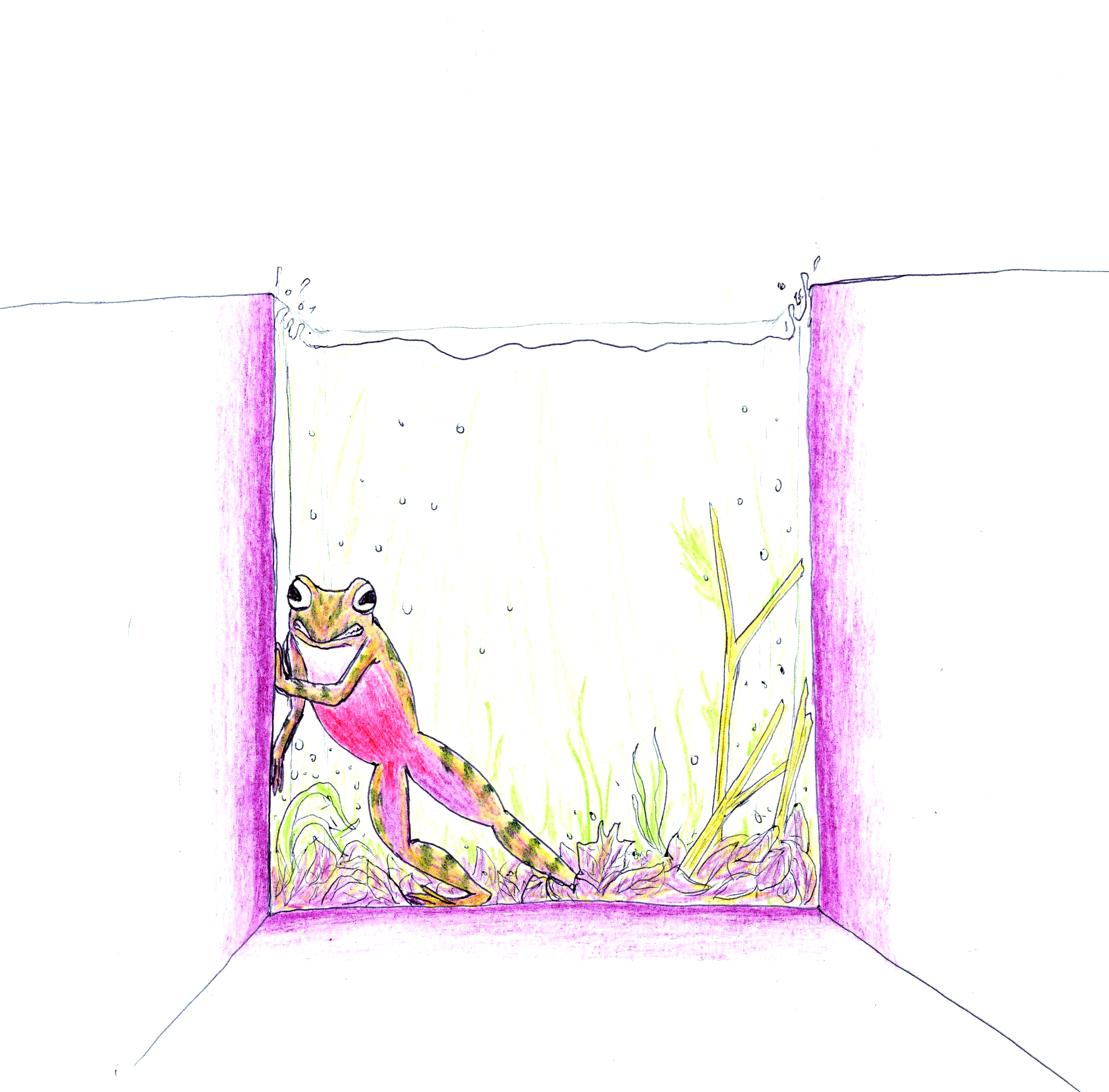
New information warns of increasing survival pressures on amphibian life in the Pacific Northwest as a result of climate change and non-native fish.

SFU researchers Wendy Palen and Maureen Ryan considered the threat climate change poses for these amphibians. Palen, assistant professor of biology and tier two Canada research chair in aquatic conservation, explained, “For natural resource conservation issues, you cannot make the ocean less acidic. You cannot turn down the temperature on something, but in this case it has to do with these different mixes of aquatic habitats.”

According to Palen, “Fish were introduced into these mountainous landscapes and really large lakes. What that means is amphibians and a lot of the native species are restricted to other, more at-risk habitats in the landscape where fish cannot exist.” 

Currently, 95 per cent of lakes in the Pacific Northwest are stocked with non-native fish.

Palen and other researchers from the University of Washington and the University of Notre Dame began their research in US national parks with high elevations, such as Mount Rainier National Park, North Cascades National Park, and Olympic National Park. 

Palen found reason for concern: “We found that stability is likely to change in the future if some large percentage of their habitat disappears because of climate change,” she said.

“Basically, they call it the climate squeeze. If we are squeezed in one direction by fish present and then in the other direction by climate change, then the question is, ‘how much are they going to be left with in the end?’,” Palen explained.

The ponds where most of these amphibians live are going to be 50 to 80 per cent more likely to dry up in the next 50 to 100 years as opposed to present conditions. In essence, “[There] are these shallow ponds and wetlands that you see if you have ever been hiking in these mountainous areas, like a little wet meadow,” Palen said. These may be a site for exploration as fish have difficulty living in them because of the shallow nature of these ponds.

In this climate squeeze, many questions arise about the potential solutions to the problem. “How do we go in and strategically remove fish from these landscapes?” Palen posited.

“Here we might be able to forestall the effects of climate change for these amphibians by removing trout where we think there will be the biggest impact,” she continued. “We can restore some of the large, more resilient habitats and make native wetland ecosystems in the surrounding area more resilient again.”

By removing these fish — which were originally introduced for recreational purposes — Palen hopes to prevent the destruction of amphibian populations.

Bookstore loses half a million dollars

0

After ending the 2013/2014 fiscal year with almost half a million dollars in losses, the SFU Bookstore is looking to new avenues to expand their services while meeting student demand in the technology age.

“We had to eat this burden this year,” said Mikhail Dzuba, manager of the SFU Bookstore. “Here we have a significant year of loss, but at least there is money to absorb that. It’s not like we’re having to make it up next year. Our past year of being successful has allowed us to absorb this as a bump in the road.”

At the end of March, bookstore management discovered that their losses from the year totalled $481,000. This loss resulted from a 10 per cent annual decrease in sales as well as a higher cost of goods as a result of lower prices.

Adding to the financial burden was a year-end shift to a new system of inventory valuation, which will allow management to monitor the financial situation of the bookstore throughout the year rather than discover the inventory’s value at the end of March.

Switching to this new method cost them approximately $171,000, but Dzuba and executive director of ancillary services Mark McLaughlin felt it was worth it. “We made it even worse for ourselves in order to get out of the challenge of never really knowing true information except for once a year,” said Dzuba.

The SFU Bookstore’s situation is not unique in North America, as students turn to more creative solutions such as Amazon, eBooks, and online source textbooks to obtain their course materials. “We’ve gone through the last five years of declining course material and we’re at that apex now where we need to make a change,” said Dzuba. “The crisis is kind of on.”

“We want to embrace the digital world because that’s where we see it going,” explained McLaughlin. “Our mission for the next few years is really to lower the cost of learning materials for students.”

This crisis is manifested in the fact that almost 35 per cent of SFU students surveyed by the bookstore last year said that they do not purchase textbooks at all. Instead, they rely on finding access online or through other means. “Our worry is that [. . .] students aren’t accessing it altogether,” said McLaughlin. “We’ve got to find a way to get learning content to students.”

The bookstore has already attempted to challenge alternative suppliers by reducing prices of used books by 15 per cent, among other things. Dzuba explained, “We did a lot of price matching last year, we did a lot of trying to bring prices down to be equal to what Amazon was, and that cost us business in margins.”

One area in which both Dzuba and McLaughlin see avenues for improvement is custom courseware and textbooks. Said McLaughlin, “We’re looking at much more of that kind of development that allows us to take advantage of some of the most affordable options and blend them together.”

Custom courseware is attractive because it would allow SFU to include discounted — or even free — publications, reducing costs for students. “We see no reason why students should be buying 100 per cent of a book when their professors are only using 50 per cent of the chapters,” said McLaughlin. This option is also desirable from a sustainability standpoint, as course material could be bound on campus instead of shipped from the States.

However, one main challenge of switching to a more customized or online system of material distribution is getting faculty on board. “Faculty wants what is simple,” said Dzuba.

The two are looking to encourage faculty to reuse textbooks or offer the same course material for a number of semesters. “What we’re hoping is that it closes the loop [so] there’s more students who are able to sell their books at buy-back,” explained Dzuba.

Despite the many challenges ahead, both Dzuba and McLaughlin are confident that they will be at the forefront of Canadian universities exploring greater options for course material distribution. Said McLaughlin, “There’s a lot of avenues, a lot of issues, and a lot of solutions.”