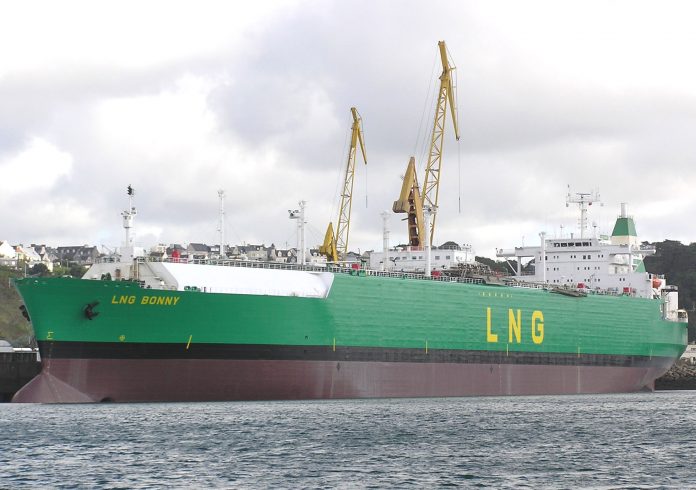
Premier Christy Clark has summoned MLAs for a special summer session to pass through Bill-30, which will in effect approve a deal with Pacific Northwest LNG, a consortium led by Malaysian-owned firm Petronas, to extract and process Liquefied Natural Gas (LNG) in BC before shipping it to Asia.
The environmental repercussions of this project shouldn’t come as a shock to anyone. While LNG has been peddled as a less carbon-emitting alternative to Canada’s notoriously dirty oil sands, these projects are projected to account for 8.5 per cent of BC’s annual carbon emissions. The most galling part of this project, however, is not the environmental cost, but rather its vastly unequal trade-off between environmental damage and economic rewards.
One need only glance at the fine print of Bill-30 to see that this is a terrible deal. The bill ensures a consistent profit margin for Petronas by demanding that all corporate or industry-specific taxes or regulations remain unchanged for the 25 year duration of the deal.
This means BC cannot raise its corporate income tax, its LNG income tax, introduce a carbon tax, or impose more stringent regulations on carbon emissions in the LNG industry without compensating Pacific Northwest LNG for the increase in costs. These compensation costs are estimated to possibly amount to $25 million or more every year.
The province may be swayed against introducing any environmental regulations for the next 25 years.
The consequences of this could be significant. The provincial legislature may be swayed against introducing any sort of environmental regulations in the next 25 years if it is liable to foot LNG’s bill.
This is also a matter of principle, as the carbon-intensive LNG industry should not be immune to the harm it inflicts on the environment. Ironically, if 10 years down the line BC starts to see the spectre of a global climate shift and wants to take drastic action to mitigate its own carbon emissions, the most carbon-intensive industry will be sheltered from accountability.
Furthermore, the province has made it easy for Pacific Northwest LNG to evade current emissions standards. It has introduced an incentive program whereby the province will pay emissions standards non-compliance fees if a company just misses its mark. That could mean taxpayers fork over 50 to 100 per cent of fees, should a company be unable to meet the already lax standards.
And what is all this regulatory lackadaisicalness for? The price of LNG has dropped in conjunction with oil prices (now $10 per unit) and it is unclear if they will ever pop back up to $16 per unit. One need only look at Alberta’s current economic woes to see the foolishness of putting your hopes in revenue based on shaky commodity prices.
Over 25 years, the province would only collect $6.5 billion in taxes and royalties, which accounts for $200 million each year. For perspective, the annual budget is $46 billion and the debt is $43 billion.
The biggest mistake the province is making with Bill-30 is sacrificing future emissions reductions. According to Kathryn Harrison, UBC Political Science Professor, the province’s interest in LNG “will make it virtually impossible for British Columbia to meet its greenhouse gas targets.”
That’s a cost younger generations must bear for decades to come.