By: Jonah Lazar, Staff Writer
Throughout my time at SFU, I’ve had the luxury of taking summers off and the irresponsibility to max out my student loans so that I can backpack. During these summers, I’ve visited a lot of places that taught me a lot of lessons. For those of you who decide to travel during the last few weeks of summer, or who are gearing up for a big trip next year, I figured I’d impart a few do’s and don’ts that I’ve learned during my summers abroad.
Don’t: skimp on hotels, you may end up naked and afraid.
Two years ago, after a few nights sleeping on buses in Italy with my brother, I ended up in Baku, Azerbaijan. Upon arriving at my $10 a night Airbnb, I stripped down and passed out instantly, waking up sometime around 1:00 a.m. disoriented and naked. Upon rolling out of bed, I took a piss, and flushed the toilet to a very strange rattling and choking sound. Before I could even process what was wrong with the toilet, the water heater in the bathroom exploded into a million pieces, steam instantly filling the whole apartment. In a panic, I ran out into the street and slammed the automatically locking apartment door behind me, calling out for help. Standing ass-naked in the middle of downtown Baku, police and onlookers circling the building due to the sound of the explosion, I wondered if I remembered to put my passport and phone on the bedside table of my rapidly-flooding Airbnb.
Do: carry cash, unless you want to get really drunk, really fast.
That same summer, I did a four day-long solo hike across a mountain range in Albania, stopping at hostels in remote villages overnight. Trying to be clever and save my money, I brought half as much cash as I was advised to bring, in order to limit my spending. To my great surprise, I ran out of money on day two. With no cell service and the nearest card reader at the end of the hike, 60 km away, I hiked 30 km to the next village, where my prearranged hostel for the night promised complementary dinner. With a handful of wild strawberries and a drink from a creek as my only sustenance in the past 24 hours, I staggered into the hostel famished, only to find that the complementary dinner was endless vodka refills, a half bowl of soup, and some lettuce.
I threw up the soup and lettuce about three refills later.
Do: be wary of friendly animals — some want to be more than friends.
With a very rational fear of flushing toilets still lingering within me, I went solo traveling to Southeast Asia last summer. On a warm summer afternoon in a seaside cave near Ao Nang, Thailand, I was drifting in and out of a nap, smoking far too much of a joint (so glad it was legal in the country), and sipping lychee juice, when I felt my drink wrenched out of my hand.
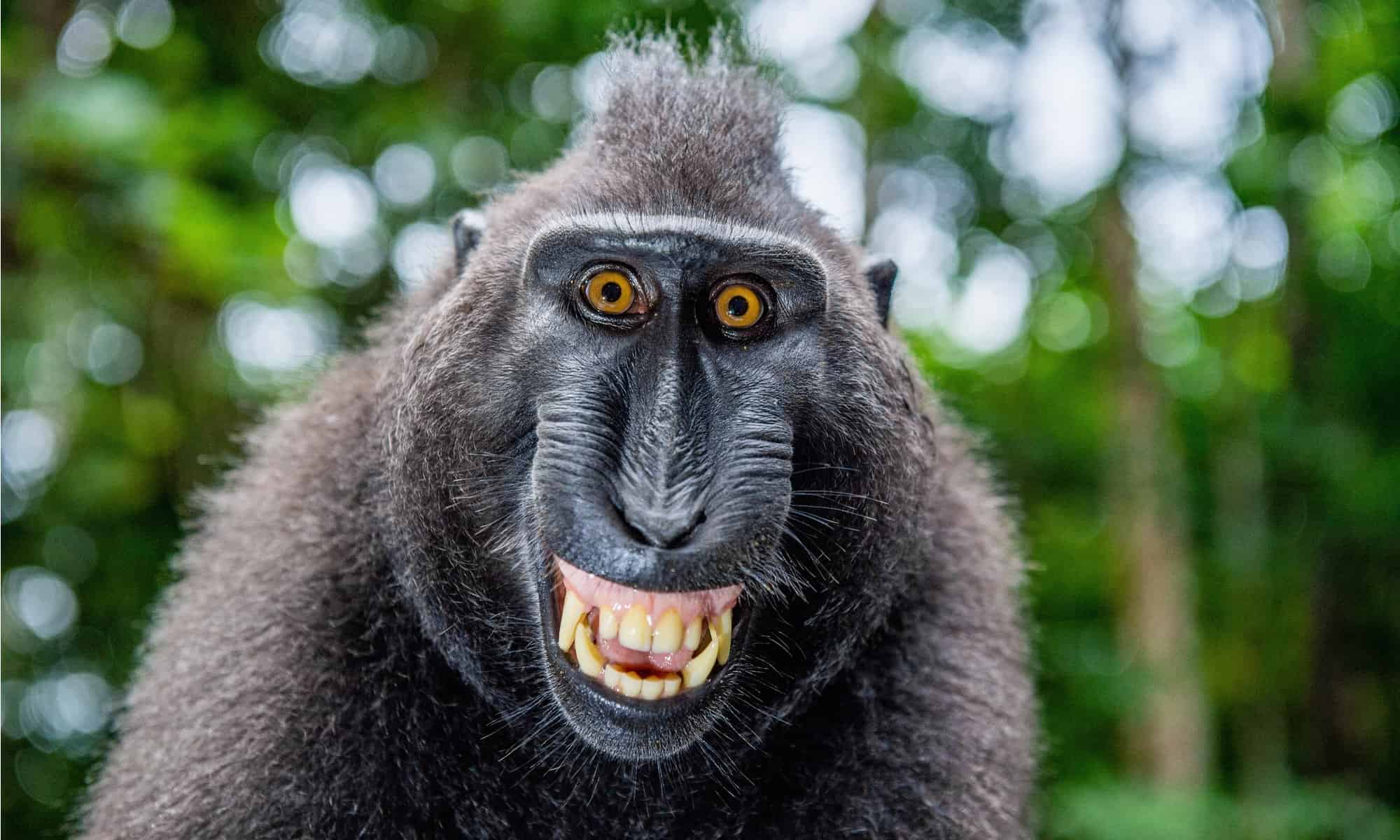
As I turned around in my inebriated haze, I came face to face with a macaque who had stolen not just my lychee juice but my wallet as well, and had jumped up onto a ledge to where we were now eye-to-eye. I inevitably jumped to my feet in panic. As I yelled at him to give me my stuff back, fighting back a full-blown, weed-induced meltdown, I saw the macaque’s little red penis extend like a toy lightsaber, dropping my stolen wallet so that he could stroke it to the excitement of the situation we’d landed ourselves in.
Unfortunately I did not get my lychee juice back. But I did avoid weed for quite a while afterwards.