
Go back

The Peak’s pet contest: grand winners

The real winner is our Features editor, for getting an inbox flooded with pet pictures.

It’s no surprise that universities are welcoming cat and dog therapies on their campus and that dogspotting groups are flourishing on Facebook. Pet ownership has been linked to healthier owners, both physically, mentally, and emotionally. In case you missed October’s puppy therapy, we decided to print you a permanent version. You’re welcome. Thanks to everyone who sent us a picture of their pet!
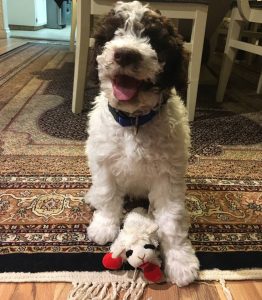
Most liked on Facebook: Charlie

“Charlie is a 5 month old Lagotto Romagnolo, and this is him with his favorite toy, lambchop. Lambchop is no longer with us.. in fact.. most of his toys have not survived. Lagotto Romagnolo’s are Italian dogs (pretty rare in North-America) and they are specially bred to find truffles.”

 

Best dressed: Lala

“I like to steal people’s socks”
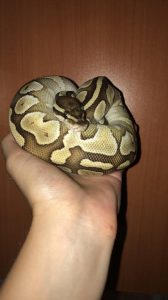
 

Most unique: Artemedes

“ball pythons such as this one curl up in a ball when they are scared.”

 

Peak favourite: Guinness

“He is 13 and has never met a body of water he didn’t like, he’s torn ligaments in both his hind legs so he has to wear his PFD (puppy floatation device) now.”
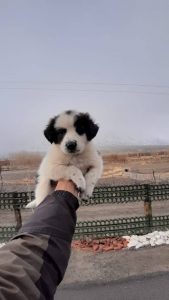
 

Best fun fact: Harlow

“She is a stray dog from the Himalayan region of India. And based on the laws there, Because she is born there she is legally allowed to buy land there.”
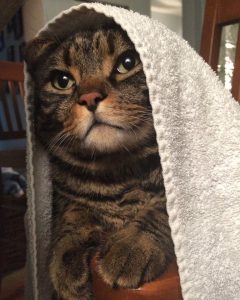
 

Most photogenic pet: Puck

“He is 9 years old, and named after a Shakespearean character. He can sit, stay, shake a paw, sit pretty, etc. when offered treats, and he was adopted off the streets as a kitten!”
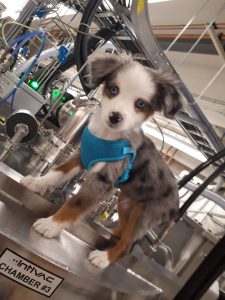
 

Most Memeable pet: Pico

“I love SFU Physics”

At first we thought that not everybody could be a winner, but as it turns out, that’s a lie. Check out our humour section online to find out which award The Peak staff decided to bestow upon your lovely pet.

If your pet is featured on this page, you will receive an email from promotions@the-peak to arrange for your prize to be picked up! If you bring your pet to our office while doing so there is no extra prize, but we will be super happy about it.


Was this article helpful?
0
0

1 COMMENT

Leave a Reply

Block title

The AI gender gap should not be mischaracterized as a skill issue

By: Heidi Kwok, Staff Writer “Raise your hand if you use AI regularly in some capacity.” The atmosphere in the classroom instantly tensed — was this seemingly harmless question actually a trap set out by our professor to weed out the academic non-believers? After what felt like minutes, several hands reluctantly shot up. Alarmingly, most of them were from the students who identified as men. Thankfully, the impromptu questionnaire did not lead to a bunch of failing grades and the lecture went forward as usual.  However, it underscored a more pressing issue with artificial intelligence (AI) use: research shows that men are more likely to adopt generative AI tools such as ChatGPT in professional settings than women. This staggering imbalance contributes to the pre-existent workplace gender...

Read Next

Block title

The AI gender gap should not be mischaracterized as a skill issue

By: Heidi Kwok, Staff Writer “Raise your hand if you use AI regularly in some capacity.” The atmosphere in the classroom instantly tensed — was this seemingly harmless question actually a trap set out by our professor to weed out the academic non-believers? After what felt like minutes, several hands reluctantly shot up. Alarmingly, most of them were from the students who identified as men. Thankfully, the impromptu questionnaire did not lead to a bunch of failing grades and the lecture went forward as usual.  However, it underscored a more pressing issue with artificial intelligence (AI) use: research shows that men are more likely to adopt generative AI tools such as ChatGPT in professional settings than women. This staggering imbalance contributes to the pre-existent workplace gender...

Block title

The AI gender gap should not be mischaracterized as a skill issue

By: Heidi Kwok, Staff Writer “Raise your hand if you use AI regularly in some capacity.” The atmosphere in the classroom instantly tensed — was this seemingly harmless question actually a trap set out by our professor to weed out the academic non-believers? After what felt like minutes, several hands reluctantly shot up. Alarmingly, most of them were from the students who identified as men. Thankfully, the impromptu questionnaire did not lead to a bunch of failing grades and the lecture went forward as usual.  However, it underscored a more pressing issue with artificial intelligence (AI) use: research shows that men are more likely to adopt generative AI tools such as ChatGPT in professional settings than women. This staggering imbalance contributes to the pre-existent workplace gender...
