Go back

The Burning House Challenge

Check out our latest photo challenge!

By: Brendon Adam, Lyz Boyd, Kitty Cheung, Victoria Lopatka, Gabrielle McLaren, Courtney Miller, Harleen Sahota, and Pamela Subia; compiled by Gabrielle McLaren, Features Editor

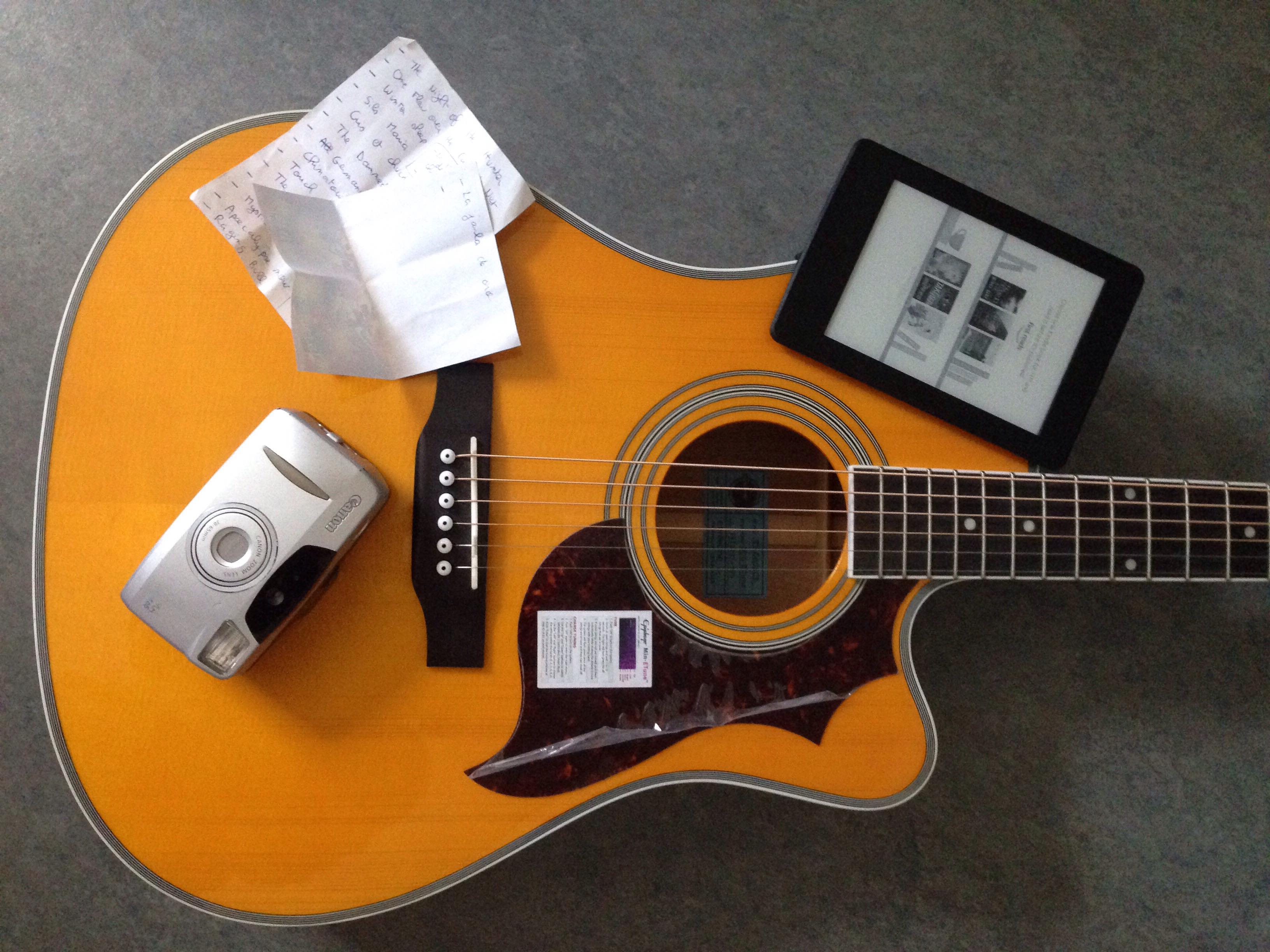
If you were out for a gander on tumblr a while ago, you might have run into the Burning House Challenge. According to the website’s description of the project: “If your house was burning, what would you take with you? It’s a conflict between what’s practical, valuable and sentimental. What you would take reflects your interests, background and priorities.”

A while back, I sent an email out to my contributor list, asking them what they would save. Here are their answers.

Victoria would save this stuff if her house was on fire
Brendon would make sure to save…
What Lyz would save from a fire
Pamela’s picks
Courtney’s saves
Stuff Harleen would rescue
Gabrielle would grab…
Things Kitty wouldn’t leave behind


Was this article helpful?
0
0

Leave a Reply

Block title

The AI gender gap should not be mischaracterized as a skill issue

By: Heidi Kwok, Staff Writer “Raise your hand if you use AI regularly in some capacity.” The atmosphere in the classroom instantly tensed — was this seemingly harmless question actually a trap set out by our professor to weed out the academic non-believers? After what felt like minutes, several hands reluctantly shot up. Alarmingly, most of them were from the students who identified as men. Thankfully, the impromptu questionnaire did not lead to a bunch of failing grades and the lecture went forward as usual.  However, it underscored a more pressing issue with artificial intelligence (AI) use: research shows that men are more likely to adopt generative AI tools such as ChatGPT in professional settings than women. This staggering imbalance contributes to the pre-existent workplace gender...

Read Next

Block title

The AI gender gap should not be mischaracterized as a skill issue

By: Heidi Kwok, Staff Writer “Raise your hand if you use AI regularly in some capacity.” The atmosphere in the classroom instantly tensed — was this seemingly harmless question actually a trap set out by our professor to weed out the academic non-believers? After what felt like minutes, several hands reluctantly shot up. Alarmingly, most of them were from the students who identified as men. Thankfully, the impromptu questionnaire did not lead to a bunch of failing grades and the lecture went forward as usual.  However, it underscored a more pressing issue with artificial intelligence (AI) use: research shows that men are more likely to adopt generative AI tools such as ChatGPT in professional settings than women. This staggering imbalance contributes to the pre-existent workplace gender...

Block title

The AI gender gap should not be mischaracterized as a skill issue

By: Heidi Kwok, Staff Writer “Raise your hand if you use AI regularly in some capacity.” The atmosphere in the classroom instantly tensed — was this seemingly harmless question actually a trap set out by our professor to weed out the academic non-believers? After what felt like minutes, several hands reluctantly shot up. Alarmingly, most of them were from the students who identified as men. Thankfully, the impromptu questionnaire did not lead to a bunch of failing grades and the lecture went forward as usual.  However, it underscored a more pressing issue with artificial intelligence (AI) use: research shows that men are more likely to adopt generative AI tools such as ChatGPT in professional settings than women. This staggering imbalance contributes to the pre-existent workplace gender...