

shellfish
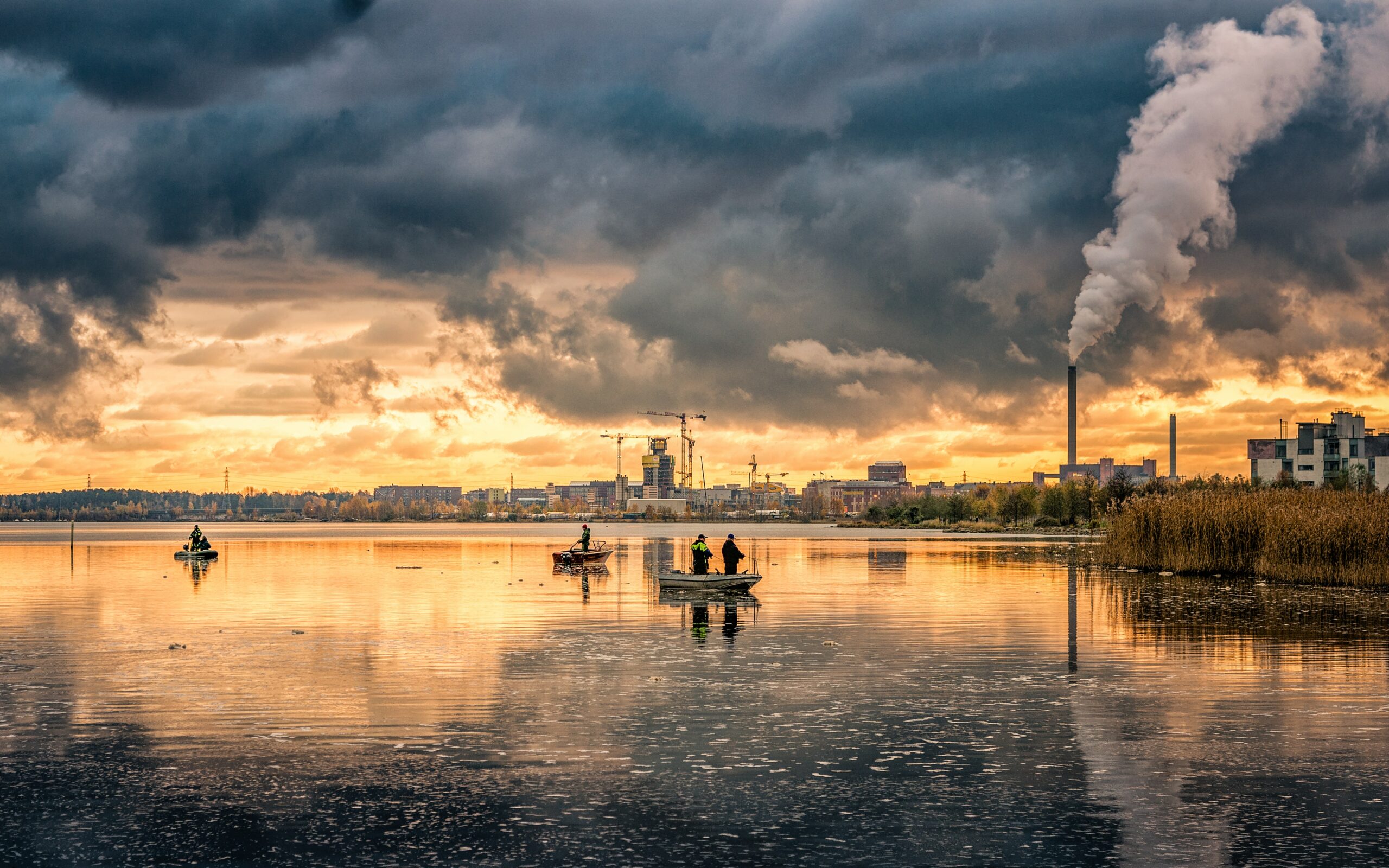
We need to start talking more about ocean acidification
Peak Web March 18, 2022By: Luke Faulks, Staff Writer Oceans are one of the planet’s largest carbon repositories, after forests. Largely thanks to phytoplankton, oceans absorb roughly a quarter of CO2 emissions every year. However, excess emissions caused by the burning of fossil fuels are changing the chemical make-up of the seas. This “ocean acidification” is an issue that’s occurring out of sight and mostly out of the public’s attention. That needs to change. Ocean acidification is a process making oceans more acidic, due to the absorption of CO2 into water. Since 1850, the ocean has become 26% more acidic; a shift so fast and…
Continue reading
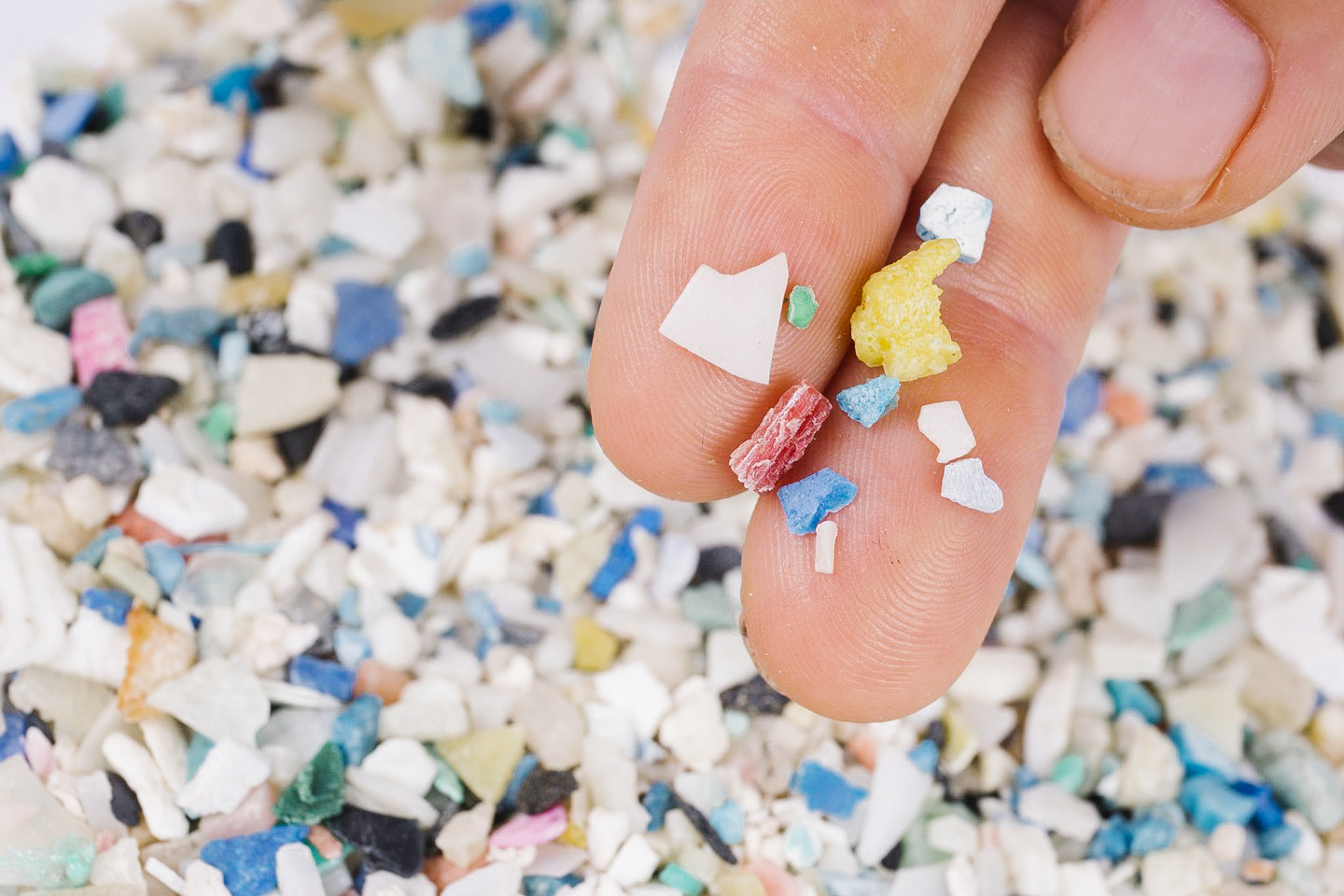
SFU researchers investigate ecological and human health
Peak Web June 13, 2018By: Nathaniel Tok, Peak Associate B.C. coastal waters contain high levels of plastic SFU’s Ecotoxicology Research group has found high levels of microplastic in the waters of the Lambert Channel and the Baynes Sound on the coast of Denman Island.…
Continue reading


