Home Blog Page 4

A look into the SFU School of Medicine’s application process

0
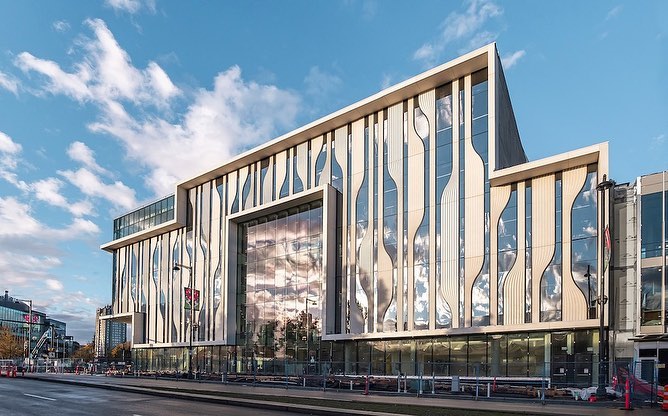
The SFU Surrey engineering building stands tall on a sunny day. It is near the location where the new School of Medicine will be.
PHOTO: Courtesy of @stanleylamrealestate / Instagram

By: Heidi Kwok, Staff Writer

On October 14, the SFU School of Medicine started accepting applications for its inaugural cohort. It will consist of 48 students beginning classes in August 2026. The school will be temporarily situated at the SFU Surrey campus, while a permanent site in Surrey City Centre begins construction in late 2026. 

The SFU School of Medicine is Western Canada’s newest medical school in almost 60 years and was established to help address the growing healthcare crisis and shortage of family doctors in the province. According to a press release from SFU, the school will strengthen primary care training by delivering a curriculum focused on “community-based learning, community partnerships, and team-based, person-centred, and socially accountable practices.” It will also be incorporating “First Nations, Inuit, and Métis knowledge systems and perspectives within its learning environment.”

Currently, the application process for the school’s doctor of medicine program is conducted through two admissions streams: an open stream for general applicants and an Indigenous stream. General requirements stipulate that only citizens or permanent residents with residency in BC or the territories may apply. 

Academic requirements are evaluated based on one of the following three options: an adjusted grade point average (GPA) of 3.83 (on a 4.33 grading scale) based on the “best 60 graded units of the last 90 units” of an applicant’s undergraduate degree; a minimum medical college admission test (MCAT) score of 510 overall; or a combination of both GPA and MCAT results, requiring a minimum of 3.67 GPA and 505 MCAT score.

In the non-academic requirements section, applicants are asked to submit a personal statement, a brief description of community service, a record of paid employment, references, and an optional list of additional languages spoken. After the interview stage, a holistic file review of all applications will then be conducted before a final decision is made.

On the r/premedcanada subreddit, Reddit users’ reactions to the application process were generally positive, with some praising the program’s fairness and flexibility. However, some expressed uncertainty about meeting the full-time course requirement of having to complete 90 units within four academic calendar years, citing co-op and extended studies as a potential barrier. Others criticized the strict requirement of having to obtain a MCAT minimum score of 123 in each section, noting that UBC’s medical program has removed the subsection score requirement from the 2025/26 application cycle onward, now only requiring a total score of 496. 

In a statement to The Peak, SFU wrote that “the admissions criteria were designed following extensive consultation with community partners, and prospective and existing students, and are in line with the latest evidence-based research.” In terms of the three admissions pathways, these “are evidence-based, correlated with success in medical school, and calibrated to acceptance rates in other Canadian medical schools.” SFU also said those who completed co-op, practicum requirements, or faced “other exceptional circumstances” may “request an exception” to the last 90 credits requirement. 

Regarding other critiques, mandatory in-person attendance at the multiple mini interviews was noted as a potential barrier to applicants who must travel south from remote communities. Some comments have likened the equal probability selection process in the initial file review stage to a lottery draw, noting that the vague wording makes it unclear how applicants will be chosen to advance to the interview stage if more than 200 apply.

To this, SFU stated that “the requirement for multiple in-person interviews reflects the fact that practising medicine requires mostly in-person interaction and aligns the admissions assessment process with the reality of being a physician. Financial assistance is available for those who need support for the costs of travel, which will be aligned to the degree of need.”

And, in terms of the “lottery draw,” SFU said “equal probability selection is a fair, evidence-based method and has a long history of success in medical school applications within and outside of Canada. Equal probability selection is only used after several aspects of active selection.”

 

From Southall to SFU, Pragna Patel speaks on solidarity

0
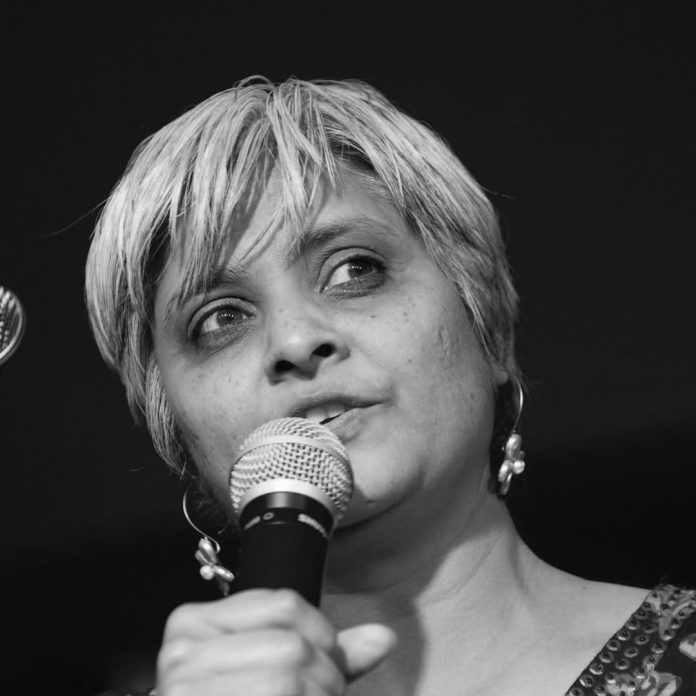
Pragna Patel is speaking into a microphone and looking off into the audience in this black and white headshot. She has short hair and hoop earrings.
PHOTO: Courtesy of @womansplaceuk / Instagram

By: Gurnoor Jhajj, Collective Representative

At SFU’s Harbour Centre, British human rights activist and lawyer Pragna Patel delivered the annual Chinmoy Banerjee Memorial Lecture on identity and far-right politics, reflecting on four decades of activism. “We are, in effect, witnessing the rise of right-wing identity politics,” she said, explaining that authoritarian politics are no longer behind political fringes, but have spread into institutions. She linked this rise in far-right politics to the weakening of feminist and anti-racist solidarity, adding that this division threatens democracy.

Patel co-founded the Southall Black Sisters and Project Resist, both of which advocate for women’s rights and fight discrimination against marginalized women. Political Blackness emerged in the 1970s in the UK as an umbrella term to refer to all racialized individuals. It is under this idea of Blackness that the Southall Black Sisters, a feminist collective made up of mainly South Asian women, was formed. 

Patel reiterated “self-defence is no offence” (the right to act in self-defence) and recalled how this line of anti-racism evolved into feminist slogans, emphasizing solidarity between womens rights and anti-racist groups. However, over time, this shifted into different protests representing different communities, rather than a collective cause.

In her lecture, she talked about how “fascism doesn’t just surface through violence on the streets. It surfaces through the way you relate to each other.” She described working with different families who were drawn to far-right marches, where claims of “saving our women from migrant men” were made. Rather than antagonizing migrant men, her group engaged with them by focusing on “the commonalities of their experiences.”

When an audience member asked about bringing communities together in politics, Patel highlighted the importance of empathy. “Politics is very toxic at the moment. We need to return to the language of empathy and compassion and resilience.”

In an interview with The Peak, Patel reflected on the Kiranjit Ahluwalia case. This career-defining case changed how domestic abuse was seen in law. It redefined how the court understood domestic abuse, recognizing years of abuse as a legitimate defence in cases. “It made it possible in ordinary families, not just in the UK, but in India and elsewhere, to actually talk about the issues raised.” She described feminism, religion, and race as a “multidirectional struggle” and that one must challenge all forms of oppression.

She also spoke on US abortion rights: “Look at the struggles it took by women to get to this situation where abortion was legalized, and then who would have realized that it could be changed overnight.” Turning to India, she expressed concern that rising Hindu nationalism is benefitting wealthy elites while leaving most citizens behind. Patel warned that politics built on hatred “starts with those on the fringes and then it moves in.” 

Her words for young people confronting this resurgence in extremism and online political hate were to “inject morality back into politics,” she said. “If we cannot uplift every single member of our country and give them the dignity and equality they deserve, then we as a country are failing.”

Patel ultimately concluded that while identities can start movements, solidarity keeps them going. “History has shown that community resistance based on need, and the language of universal rights, compassion, resilience, solidarity [ . . . ] is likely to provide the most effective weapon against authoritarianism.”

Indigenous-led restoration project uses beaver dam structures to restore waterways

0
A beaver moves through dark, low water near a dam.
PHOTO: Niklas Hamann / Unsplash

By: Noeka Nimmervoll, Staff Writer

Delaney Hall, wildlife technician at the Okanagan Nation Alliance and member of the Osoyoos Indian Band, is spearheading a project to rebuild beaver dams in the traditional syilx Okanagan Territory. This project, in partnership with the BC Wildlife Federation, restores the wetlands by implementing beaver dam analogues (BDAs) — a human mimicry of beaver dams — with the ultimate goal of restoring the beaver population.

Long considered a nuisance species, beavers are showing their integral role in the ecosystem, as the land has become dry without their presence. Beaver dams slow the flow of water in streams by depositing saplings, branches, twigs, leaves, and mud, increasing the water level in the river and flooding the surrounding wetlands. The Peak spoke to Hall to learn more. 

Around 90% of the Okanagan’s wetlands are dry. “More of our creeks, which used to run all year round, are starting to go dry nowadays,” said Hall.

“We’re looking to restore and enhance these wetlands up in the headwaters and stuff, all for the purpose of returning beavers back into the highlands.”

 — Delaney Hall, wildlife technician at the Okanagan Nation Alliance

Prior to the Hudson Bay Company’s wide trapping of beavers, up to 400 million beavers lived in Canada. “And now they estimate there’s like 6 to 12 million beavers,” shared Hall.

With the implementation of BDAs, water can be distributed through the land again. Wetlands are a crucial source of food for many fish, mammals, and birds through the presence of vegetation, zooplankton, and insect larvae. Additionally, beaver dams and BDAs provide critical spawning habitats for fish by slowing down the water and regulating temperatures. 

So far, the project has led to the building of 17 structures along Coteay Creek’s headwaters. The team has built a combination of BDAs and post-assisted log structures, which is “just a fancy name for a log jam, really, to help encourage meandering of the river,” said Hall. Ultimately, he said, “We hope to do all the waterways within our nation.”

Hall shared the project’s significance to the syilx people, many of whom maintain their food sovereignty traditions. He recalled that, in his teenage years, he began to notice the consistent decline of fish and animals in the area. “A lot of our people don’t go to the grocery store. We still depend on what we get from the land. And when you’re watching it go down every year, it’s tough to see.

“Beavers are a keystone species. Their whole job is to manage water — they manage water for everything on this planet — and all species depend on water to survive. And these beavers create that critical habitat for them.”

Life with type 1 diabetes

0
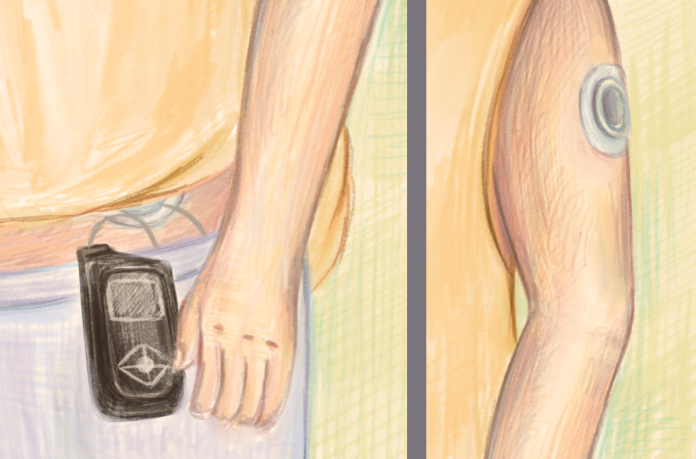
A drawing of a person wearing a yellow sleeveless shirt. On the arm, they are wearing a continuous glucose monitor, a patch on the bicep. On their waistband, a small insulin pump is attached and tubing can be seen going under the shirt.
ILLUSTRATION: Victoria Xi / The Peak

By: Mason Mattu, Section Editor 

In September 2019, I lay in a hospital bed at BC Children’s Hospital. A nurse hovered over me, poking my finger with a device I had never seen before. I winced. What was going on? What was happening to me? I wanted to ask many questions, but my throat was so dry it hurt to speak. The fluorescent lighting, beeping monitors, and hospital staff whispers around me converged into one panicked environment.  

All summer long, I was frequently drinking water and feeling excessively thirsty. Over the course of that summer, I had lost so much weight that I don’t even recognize myself when looking back at photos. Hours before going to the hospital, I had run out of my piano teacher’s house, feeling as if I was about to vomit. That night, my mom, who has experience helping my diabetic uncle, tested my blood sugar with his monitor and saw it was abnormally high.  

That night, I was told I have type 1 diabetes (T1D). I felt as though I was a stranger in my own body. Apparently, my body had decided to fight with my pancreas, destroying cells that make insulin in the process. Insulin is a hormone crucial for managing blood sugar and turning food into energy. 

Suddenly, my life became different than most other 13-year-olds. From giving an insulin shot whenever I ate something, to counting the amount of carbohydrates in a meal to calculate dosages, all the while making sure my blood sugars weren’t high — my family and I were tasked with a full-time job that no one should have to be tasked with. 

For the first few years after my diagnosis, I was afraid to admit I had T1D. I’d prick my finger to test my blood sugar underneath the table. I’d leave class early to give a shot before lunch. 

The comments from others definitely didn’t help. “What’s wrong with you? Why do you have devices on your arm like a cyborg?” some would ask. “Maybe you shouldn’t have eaten so much sugar!” others would say. Did they know T1D isn’t brought on by diet, but is entirely predetermined by my genetics?

Did they know the machines that made me look like a “cyborg” were crucial for my survival? 

The comments didn’t stop when I became an adult. If anything, I noticed the same degrading questions, just posed in a more condescending way. There’s nothing wrong with being curious. I am more than happy to tell others about diabetes as long as they check preconceptions and judgments at the door, and ask questions respectfully.   

It is my hope that by showing you some of the questions I’ve been asked as a type 1 diabetic, you will gain a better understanding of what it’s like to live with this disability

“But you don’t look fat! How come you’re diabetic?” 

A better way of asking: Don’t ask this at all!

This is an incredibly strange observation to make about anyone! Please don’t say this. First of all, there are two types of diabetes: type 1 and type 2. Type 1 diabetes (the one I have) is not brought on by diet at all. Type 2 diabetes, when insulin cells don’t stop completely as they do in type 1, is sometimes linked to lifestyle choices. However, anyone could get type 2, regardless of their weight or lifestyle. Making assumptions about someone’s health feeds into stereotypes and shows that you’re ignorant, not that you’re curious. So, just stop. 

“What are those weird things on your arm and stomach?” 

A better way of asking: How do these devices help you? 

I’m at the pool. Just chillaxing. Why does someone need to comment on my medical devices and point them out? 

I wear two medical devices at all times. The first one is a Dexcom G6, a type of continuous glucose monitor. This device allows me to see what my blood sugar is at all times via an app on my phone — without constant pricking. On my stomach, I wear an insulin pump. This is where I enter my carbs and blood sugar, and press a button to give insulin. It’s connected to my body via a wired tube. 

Does it get annoying wearing these devices all the time? Yes. Sometimes, my pump tube gets caught on a drawer handle and I have to reattach it with a new tubing and cannula set. Sometimes, I wish I could go into a pool without disconnecting a pump and putting a clip over the pump site on my body to protect it from water. But these devices have saved my life

I understand why people would be curious. However, would you ask someone who you just met why they have glasses? Or point out that they have braces? Asking questions is fine, but not when you first meet someone. My medical devices are not an icebreaker; they are something deeply personal to me. I am happy to field questions after we start chatting, but not if it is the first thing you say to me. 

Another reason for not pointing out medical devices right away is due to the comfort levels of different people. Some might outwardly tell you what it is; others may feel shy, nervous, or even angry. Like anything, you should practise sensitivity. Let the person bring it up in casual conversation, or when they bring up that they have T1D. Then, bring your curiosity to the table. 

“Are you counting your calories?” 

A better way of asking: Wow that’s a lot of math! What are you up to?

Imagine this. You’re at a local coffee shop and run into an acquaintance who knows you have T1D. If I’m drinking, let’s say, a mango smoothie, I’m going to have to give insulin for it. Period. No, I’m not counting my calories. No, I’m not starving myself. I’m going online to a nutrition website to count the carbohydrates!

Diabetics have to give insulin shots based on how many carbs are in a drink or meal. The amount of insulin I take is based on my carb ratio (the number of carbohydrates in one gram of insulin). I have to look up the carbohydrate content online, or make an educated guess if none is available. At home, this also means using scales to precisely measure how many carbs I will be consuming so I can give insulin for it.

So, for that mango smoothie, if it has 50 carbs in it, I’ll have to give around 10 units of insulin for it (plus more if my blood sugar is high!). 

“Should you be eating that?”

A better way of asking: How do you manage what you eat? 

I’ve never really liked sugar. I try to eat as few ultra-processed foods as possible. 

I do enjoy the occasional ice cream cone. If you see me eating one, don’t automatically assume I am going to drop dead and turn to ashes. 

Type 1 diabetics can still eat sugared food — it’s just all about the timing and what our blood sugar is. If my blood sugar is at a good level and I’m in the mood for a sweet treat, then I’ll give insulin. 

Living with T1D doesn’t mean eliminating treats; it just means managing them.

“Shouldn’t you be grateful that it’s only diabetes? At least it isn’t (insert another disease here)!” 

A better way of framing: Tell me about your lived experiences. 

This is actually a very common question diabetics get asked, especially when we are first diagnosed. 

Living with any type of chronic illness isn’t easy. Yes, I recognize that being diagnosed with a more debilitating condition is definitely a more gruelling experience for someone. However, comparing disabilities to each other only erases the lived experience of someone living with that disability. For me, asking this question erases the hardships I experience and those of others with disabilities. Comparison is never the way to go when seeking to understand someone. Instead, ask about their lived experiences.

I hope this guide was of use to you and that I didn’t come across as being mean in any way. Some type 1 diabetics are comfortable answering questions — as long as you’re being respectful. However, not everyone has the same boundaries and it is crucial that you learn to respect them. There’s a difference between curiosity and shaming.

Six years after being diagnosed with type 1 diabetes, I still feel uncomfortable with this condition. It is, of course, a full-time job in and of itself. By being respectful when communicating about type 1 with me and others, you are making it clear to us that our voices matter. 

Glorification of colonial history sustains harm on unceded land

0
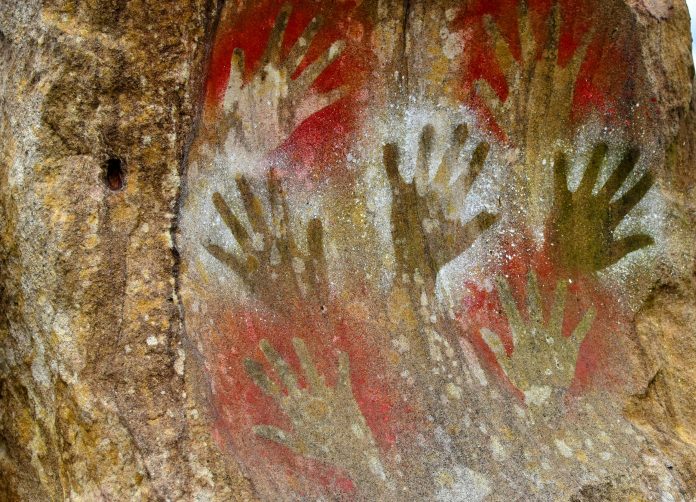
Hands prints on a rock. With splashed colourful outlines that make the hands prints visible against the rock.
PHOTO: Onin / Pexels

By: Heidi Kwok, Staff Writer

Content warning: Mentions of colonialism, genocide, and violence against Indigenous Peoples.

As a non-Canadian settler, my initial impressions of the country, like those of many newcomers, were shaped by misleading narratives of a society that embraces diversity and multiculturalism. Yet, beneath this image lies a darker truth: Canada’s national identity is sustained by a selective memory that celebrates multiculturalism while concealing the historic and ongoing colonial violence against Indigenous Peoples. Now, knowing the truth, the celebration of Canada as an inclusive place feels cruelly ironic given that the state was founded on the displacement and genocide of Indigenous Peoples through the eradication of their language and cultures.

The common yet harmful framing of colonialism as a relic of the past, allows existing colonial institutions and systems to preserve the inhumane child welfare system, justify unauthorized resource projects on Indigenous lands, downplay the Missing and Murdered, Indigenous Women, Girls, and 2SLGBTQI+ people epidemic, and neglect access to safe drinking water. All of which normalizes the ongoing dispossession and prolonged violence against Indigenous Peoples. However, the reality of living on unceded and stolen territories means being surrounded by constant reminders of the colonial violence that made living here possible as an uninvited guest — and yet this violence is subtly romanticized. From anglicized place names and holidays that commemorate problematic figures like John A. Macdonald, the racist architect of the Indian Act and residential schools, to our university’s very namesake, Simon Fraser, an explorer who was credited as the “discoverer” of the Fraser River despite Indigenous presence since time immemorial. 

Canada’s histories are made palatable through the overt glorification of colonialism.

Through selectively curating what histories to remember and celebrate, and what to forget, the state uplifts the brutality of colonization as an indispensable part of the Canadian national identity and heritage.

In doing so, the state diminishes any meaningful and honest attempt towards reconciliation and decolonization. It likewise shows that there’s a willingness to erase Indigenous suffering in exchange for a sanitized history that makes settlers feel less discomfort through stories of denial. It is clear that Canada has revised history to paint a more favourable portrait of itself. By allowing this revised image to take centre stage, these colonial myths continue to silence and undermine Indigenous rights and sovereignty. Which is absolutely unacceptable! 

As such, genuine remembrance must be practiced by settlers. But, what does this really mean? Well, for starters, accountability begins when we question who benefits from the stories we tell about the past. It begins when we recognize our own privilege as settlers and open ourselves to uncomfortable but necessary conversations about decolonization. Genuine remembrance must also extend beyond treating land acknowledgments as a tick-in-the-box to tangible action that reflects our commitment to centring Indigenous perspectives such as consistently supporting Indigenous communities and organizations through contributions or partnerships. Moreover, it requires confronting everyday expressions of colonial glorification by supporting initiatives that preserve and reclaim Indigenous place names, as was done with the renaming of traffic stop signs on Tsawwassen First Nations lands to now say “stop” in hən̓q̓əmin̓əm̓. Further, it requires us to view holidays like Canada Day as a day of self-reflection and learning/unlearning rather than as a celebration. For instance, during the past Canada Day, instead of attending parades or parties, as a settler, I took the time to further my understanding of the past and present impacts of Canada’s colonial policies and the residential school system on Indigenous Peoples today. 


My body is not a project

0
a person doing the warrior yoga pose in their back yard. The person is peaceful while connecting with their body and the environment.
ILLUSTRATION: Cliff Ebora / The Peak

By: Ashima Shukla, Staff Writer 

I’ve spent most of my life running from exercise — only figuratively, of course. When I was little, my mum tried to entice me with different sports: karate, skating, swimming, and even dance. But I always found an escape route. So imagine my surprise when, two years ago, an ADHD diagnosis revealed that the very thing I’ve dodged all my life was exactly what I needed. 

Research shows that exercise boosts neurotransmitters’ activity, like dopamine and norepinephrine, which can enhance focus and executive function. Regular cardiovascular exercise has been found to lower blood pressure, reduce the risk of dementia, improve memory, and fight osteoporosis. In addition, strength training boosts metabolism, reduces the risk of falls and injuries, and improves blood sugar management. Stretching improves posture, enhances blood circulation, relieves stress, and decreases headaches. Suddenly I began to wonder if exercise could be less punishment and more care. 

So after my undergrad, still unmedicated, aimless, and anxious, I found myself signing a gym membership. Somewhere between reps and runs, the treadmill became my therapy chair. Feeling angry? I ran. Overwhelmed? I ran some more. Within a few weeks, my body remembered what my mind loved to forget: presence. Bringing my attention back to my feet, my breath, the controlled motion and repetition, rhythm became my refuge. 

Western culture often treats time and bodies like machinery, meant to be measured, optimized, and monetized. Social media sells the illusion of perfection. Productivity culture demands efficiency. Under the logic of capitalism, even wellness becomes work. This was what I hated about exercise all my life. The impulse to view my body as another thing to fix. That if only I found the right supplements and movement routine, I would finally look and feel beautiful.

But what if movement was a refusal? A way of saying, I am not a project to improve. I am a person who deserves care. What if we reclaimed exercise, viewing it less as performance and more as an experience to enjoy? On the days I find myself ruminating and stressed, care looks like a run. Lately, it’s a walk around the block, noticing the bright red trees and breathing in the sharp autumn air. On the days I spend researching and typing away on my laptop, it looks like laying out the yoga mat and gently stretching away the tension in my back and shoulders. 

“Ashima, remember you have feet,” my therapist often tells me. It’s a silly cue to ground me. A reminder that I have a body, that I am not just a mind lost in itself. And movement, I hate to admit, has become my way to presence. It has become a part of my daily mindfulness practice.

To move, simply because it feels good, is to reclaim our bodies from the systems that want to measure and perfect them. At its best, exercise can be a way home to ourselves. It grounds, regulates, and restores. And in a world that tells us to keep running towards the next achievement, it can remind us to pause. 

I want to keep moving, not to get anywhere but to stay here.

I want to feel the air in my lungs, the ground beneath my feet, the gentle ache of my sore muscles, my racing heartbeat. Every stretch, every dance class, every swim becomes a small act of rebellion, a reclaiming of my body by returning to the present moment. Maybe the most radical thing we can do with our bodies is to simply inhabit them. 

Monday Music: Tropical song for winter blues

0
IMAGE: Pixabay / Pexels

By: Petra Chase, Features Editor

This time of year can be mentally and emotionally difficult. As the days get shorter, darker, and gloomier, the winter blues, or in more severe cases, seasonal affective disorder, are common. One thing that helps me, on top of my vitamin D supplements and forcing myself to get up a little earlier, is my tropical songs playlist. If you’re also looking for a safe place for your imagination to drift, let these selected tracks take you to a warmer, brighter, beachier place.


Song of the Sleeping Forest” by Susumu Yokota

Susumu Yokota was a singular Japanese electronic artist. This song is picked from his 2005 record, Symbol, an extravagant soundscape of classical music samples perfect for fantastical daydreaming. The bouncy tropical melodies mixed with a celestial opera sample make me feel like a mermaid traversing the bottom of the ocean, adorned with pearls as my hair flows through the water. I could be on the Expo Line but mentally, I am surrounded by friendly sea creatures.


White Sandy Beach of Hawaiʻi” by Israel Kamakawiwoʻole

You’ve probably heard the late Kamakawiwoʻole’s renditions of ukulele classics like “Over the Rainbow” and “What a Wonderful World.” His soft voice and gentle strumming feels like a lullaby, transporting you to a peaceful sunrise in your mind’s eye. “White Sandy Beach of Hawaiʻi” is an ode to the native Hawaiian’s land. The lyric “The sound of the ocean soothes my restless soul” is meditative for stressful days.


Coconut Water” by Milk & Bone

The sprinkles of coconut-like castanets in this smooth rhythm always make me feel like I’m on a beach. This Montreal-based pop duo sings about “fruity lipstick,” “Treasure Island in your heart,” and “coconut water.” No matter the season, this song will make you want to be cool, relax, and replenish your electrolytes.


Cool on your Island” by Y Kant Tori Read

I must also share this ‘80s glam rock hidden gem from singer Tori Amos’ stint as Y Kant Tori Read. While this album’s commercial and critical “failure” pushed her to try again and find her authentic sound, there is something camp about “Cool on your Island.” The song uses the metaphor of an island for an emotionally unavailable lover. The synth and tropical percussion are a lush atmosphere to grapple with longing, for fans of Kate Bush and ‘80s rock.


Feeling Like a Plant” by Dominique Fils-Aimé

Taking yet another shift in genre on this playlist, envision yourself undergoing photosynthesis in this neo-soul gem off the Montreal-based artist’s 2023 album Our Roots Run Deep. This song is only an entrancing drum and layered vocal rhythms as Fils-Aimé sings lines like “Let me climb all the way to the sun.” Even when the sun is hiding behind the clouds, that doesn’t mean you can’t access its energy within yourself.

In Boots, portrayals of being gay are nuanced — the way it should be

0
IMAGE: Courtesy of Sony Pictures Television and Act III Productions

By: Mason Mattu, Section Editor 

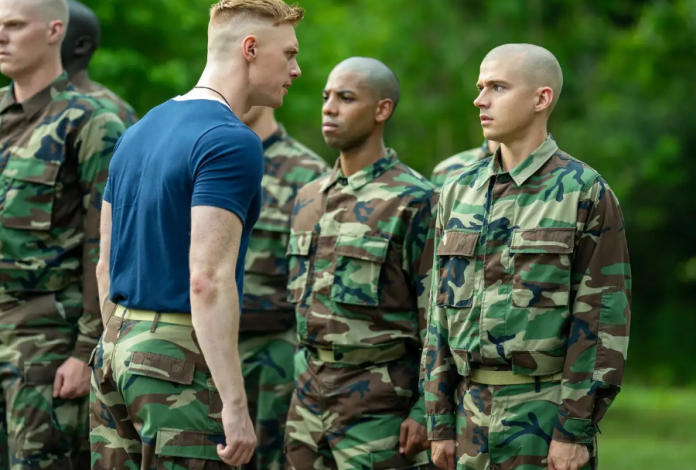
Boots, Netflix’s recently-released gay military dramedy, stars a very talented Miles Heizer (Parenthood) as Cameron Cope, a closeted gay teenager who enlists in the Marines in 1990s South Carolina. The story is based on Greg Cope White’s memoir, The Pink Marine

A central question to this series is whether Cameron should stay or go. Cameron enlists in the military rather impulsively, not realizing that it was illegal to be gay as a Marine. “Living a lie is too high a price,” Cameron’s repressed and fully-out alter ego says to him in the final episode. “The longer that you stay here, the more you’ll betray who you really are — until, one day, you won’t remember who that is . . . and I’ll be gone. What happens to me?” 

Throughout the series, Cameron struggles with whether he should leave bootcamp because of the brotherhood and growth he sees while training alongside others who, despite their buff appearances, are just as lost as he is. One example out of the ensemble cast is the charming Max Parker (Vampire Academy) as Drill Sergeant Sullivan, who carries the weight of his own sexuality while putting on a macho façade and barking orders to his trainees. Meanwhile, Captain Fajardo, played by the talented Ana Ayora (The Big Wedding), struggles with her identity in her own way, being a woman in a very sexist and male-dominated military.  

What I liked about Boots was the fact that it is a departure from stereotypical representation of the gay community on television. The series has only one sex scene, which feels more like a view into Sullivan’s struggle with his own identity than just sex — despite its very photogenic cast. There’s no dramatic “coming out” moment for our main character. His struggle with his identity is not resolved at the end of the show — it remains repressed, messy, and in Cameron’s context, illegal. 

The question of whether Cameron should stay or leave the Corps is not entirely based on his sexuality. If he stays, he loses a chunk of himself. If he leaves, he loses his courage, willpower, and brotherhood with fellow soldiers. This complicated duality is intentional. It is carefully constructed by the show-runners, who evidently would like the audience to view Cameron as a nuanced, gay character. While focusing on Cameron’s experience as a closeted gay soldier, the series also places it within several other broader problems that he faces, including living with a narcissistic mother, coping with death, and the contradictions of masculinity itself. 

Beyond its narrative complexity, Boots is visually stunning. Cinematographers Bruce Francis Cole and Pedro Gómez Millán portray the landscape by drawing attention to the gruelling nature of the bootcamp while also creating a dreamlike green hue. Alongside this, the camera is often focused on the eyes of characters in the centre frame. This helps establish a sense of emotional connection to the deep-rooted thoughts and fears of all the men in the squad. 

Boots perfectly captures one of many potential experiences of being gay, while allowing Cameron to be a multi-dimensional character with something for everyone to relate to. Yes, his alter ego does (very iconically) break into “Fernando” by ABBA. However, the genius of the series shows itself in how it is different from queer representations I’ve seen on television growing up.

Boots presents us with a nuanced picture of being queer and its life dilemmas for those who are balancing their identities and achieving their own aspirations in inherently oppressive settings. 

The Peak’s rating: 5/5 raccoons. It’s a must watch!


50 years of unique idealism: UNIT/PITT’s story

0
IMAGE: Courtesy of Shafira Rezkita Vidyamaharani

By: Ashima Shukla, Staff Writer 

What does it mean for an artist-run centre to survive 50 years? For UNIT/PITT, the answer is a commitment to remaining porous, responsive, and unpretentious. The Peak interviewed their team to learn more. 

Founded in 1975, UNIT/PITT is a non-profit organization that has served as an incubator for arts advocacy in Vancouver. Often willing to subvert what counts as art, executive director Catherine de Montreuil explained UNIT/PITT’s work as lending “institutional and organizational framework” to local and international, emerging and renowned artists. Its associate director Ali Bosley believes it has remained a space for “the weirdos and the misfits,” where those who challenge Vancouver experiment and grow. “There’s been this willingness to adapt, even if it looked like a failure,” Bosley continued. This insistence on imperfect growth, while staying close to the ground, has been key to its survival. 

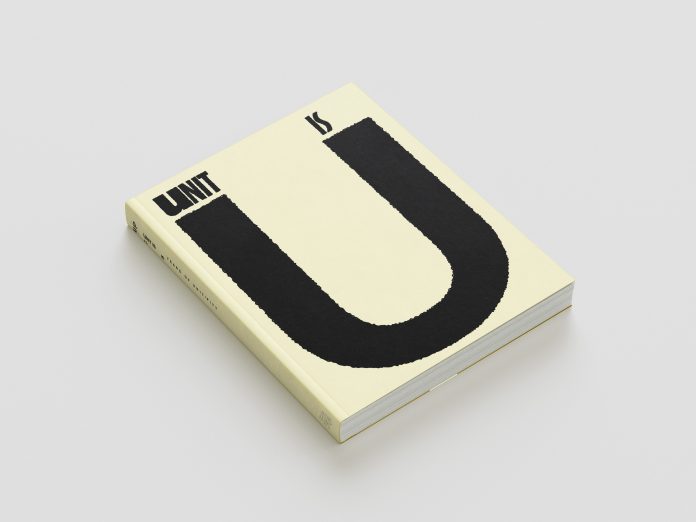
On November 7, it celebrated that legacy of creative resistance with 50: Half a Century of UNIT/PITT and UNIT is U publication launch. This featured “live audio and visual interventions by Kaila Bhullar and Jefferson Alade, reimagining artist david-george extensive audio and video archive of the Pitt of the Past.” Meanwhile, the exhibition, running until February 2026, invites viewers to step back in time and explore their extensive archive, reigniting hope for overcoming today’s crises.

The accompanying 183-page publication, designed by SFU student and graphic designer Shafira Vidyamaharani, complements this unruly history, as a tactile testament of endurance. Lovingly edited by de Montreuil, Bosley, and archives project coordinator Kira Saragih, it asks, what does it mean to archive from the margins? 

Understanding the “importance of leftist organizations carrying leftist archives,” Bosley sees this undertaking with “a sense of responsibility to archive what hasn’t been documented.” As Saragih emphasized, “Archival practices, in their roots, can be quite colonial.” Instead, Unit is U reframes memory as a collective act. The process of unpacking the archives was not limited to sorting through papers, as Saragih elaborated: “Early in the project, I met with a lot of the folks that were involved with UNIT/PITT,” seeing them as “living archives” of the organization’s work and impact. 

The resulting publication is a vibrant collage of essays, timelines, and archival fragments that capture this sprawling and eclectic history. In various forms, the pieces explore Chris Wong’s reflections from HIV/AIDS activism in the 1990s, Dana Claxton’s First Ladies exhibition featuring Indigenous women artists, Jamie Ward’s stories curating music from mariachi bands to the Wrong Wave festivals, Brit Bachmann’s honest reflections on burnout, and more. 

In the next 50 years, Bosley wants to carry forward the unique idealism she sees at the heart of UNIT/PITT’s work. The goal is not simply to preserve history but forge new solidarities. As Saragih claimed, “real art isn’t what is displayed in the room, but the conversations that stem from it.” Bosley echoed this sentiment, calling on young artists to see themselves as part of a lineage. 

As art becomes essential to the collective’s survival, support UNIT/PITT by becoming a member. Visit the exhibit at their new space in Kitsilano, and absorb its rich history of resistance and solidarity.


Need to know, need to go: What’s on in November

0
IMAGE: Ramakanth Chilekampalli / Pexels

By: Rachael Quak, SFU student

The Eastside Culture Crawl

Various locations, Vancouver

Thursday, November 20–Sunday, November 23

Thursday, November 20, and Friday, November 21, 5:00–10:00 p.m.

Saturday, November 22, and Sunday, November 23, 11:00 a.m.–6:00 p.m.

Cost: Most events free

The Crawl returns to Vancouver’s Eastside for its 29th year, boasting over 500 artists. Arts and crafts lovers of all kinds will enjoy getting to visit artists at home in their studios, working in mediums ranging from charcoal to silver, acrylic to film, and so much more. Roam between the studios on the crawl map for an immersive and inspiring experience with local artists!


Birds of a Feather: Winter Wings

Nature House at Stanley Park, Vancouver

Sunday, November 23, 9:30–11:00 a.m.

Cost: Standard $18, reduced price $12 for those with financial barriers

Even in the November cold and gloom, there is still plenty to look forward to this month for birdwatchers and outdoor enthusiasts. In fact, many cold season birds flock to the Greater Vancouver area at this time of year, as part of their migratory patterns, heading south from Alaska. This guided walk around Lost Lagoon in Stanley Park is a great opportunity to unwind, connect with nature, and learn more about these unique seasonal birds “filling our waters, forests, and skies with vibrant feathers and fun calls and quacks.”


Got Craft Holiday Market

Croatian Cultural Centre, Vancouver

Saturday, November 22, and Sunday, November 23, 10:00 a.m.–5:00 p.m.

Cost: $5 entry plus $0.71 in fees

Want to get gifts for your loved ones outside of the inescapable sales season by big retailers? ‘Tis the season to shop local and soak up some festive vibes at Got Craft’s holiday markets this weekend! Featuring 100 vendors, you’ll discover a huge variety of handmade goods, including clothes, skincare, accessories, and sweet treats. Check the market out and be sure to chat with the makers themselves too!


Sam Carter Applied Art + Design Polygon First Nations Art Exhibition

Roundhouse Arts & Recreation Centre, Vancouver

Tuesday, November 18–Tuesday, November 25

Monday to Friday 9:00 a.m.–9:00 p.m., Saturday and Sunday 9:00 a.m.–4:45 p.m.

Wednesday, November 19 and Tuesday, November 25 9:00 a.m.–1:00 p.m. 

Cost: Free

For one week only, this exhibition celebrates the awardees of the Polygon Award in First Nations Art: artists Rebecca Baker-Grenier, Gordon Dick, Kari Morgan, and Lawrence Paul Yuxweluptun Lets’lo:tseltun. They were selected for “their role in preserving traditional practices while embracing contemporary art.” Also being featured are the works of the Sam Carter Award in Art + Design awardees: Tyler James Goin, Russell Hackney, Bettina Mueller Reichl, and Mario Pao. Their works embrace both creativity and functionality in a striking combination, inventing fresh perspectives on how art can fit into our daily routines.