Home Blog Page 1075

Vancouver’s 2014 municipal candidates match wits in lighthearted debate

0
Candidates appealed to the crowd using comedy, rapping skills, and pizza bribes.

Candidates for political office must now be able to freestyle rap, have solid comedic timing, and be able to theatrically toss their hair around to impress a crowd — at least, these are some of the skills that were showcased on Sunday night at SFU’s Last Candidate Standing, in anticipation of the November 15 voting day.

Twenty-seven candidates in Vancouver’s upcoming municipal election used any means necessary to outwit each other and avoid elimination during the event, which was held at the SFU Woodward’s campus.

In a round-robin elimination style debate, which was judged partially by a Panel of Inquisitors and partially by audience approval, groups of three candidates were given 60 seconds to respond to a question posed by either the panel or a member of the crowd. The majestic crash of a giant gong on stage marked the time limit.

Independent mayoral candidate Cherryse Kaiser decided to forgo a    t-shirt entirely

“We want[ed] to change up what is often a tired debate format, and have a bit of fun with it,” said Paola Qualizza, chair of the Vancouver Public Space Network (VPSN), who helped organize the event.

All candidates running for positions as mayor, city councillor, parks board commissioner, or school board trustee were invited to participate. Questions covered topics such as voter turnout, transportation issues, homelessness, cost of real estate, bike paths, and the construction of high-rise buildings in single-family occupancy neighbourhoods.

After a lively debate about whether information about private and corporate campaign donations should be made available to the public, a pizza delivery arrived for Cedar Party’s Nicholas Chernen. Free slices of pizza were handed out to audience members while Chernon got on stage for his next round of debate.

“I want to know who paid for that pizza,” said RJ Aquino, a city council candidate from OneCity, looking severely at Chernen. “I did not get a slice.”

Crowd-swaying tactics did not end there; mayoral candidate Maynard Aubichon won points for the Stop Party by spitting a freestyle rap about his plans for the city, while city council candidate Sid Chow Tan waved a bright yellow Coalition of Progressive Electors (COPE) Party sign that matched his t-shirt. Independent mayoral candidate Cherryse Kaiser decided to forgo a t-shirt entirely, and instead exercised her right to bare her chest in public.

After four gruelling rounds punctuated by laughter, bantering, and the ever-present ringing of the gong, only two candidates remained in the running: Andrea Reimer from Vision Vancouver faced Pete Fry from the Green Party in a final round of debate, beating him by a mere 0.1 margin on the decibel meter that measured the cheering of the crowd.

“I want to know who paid for that pizza   [. . .] I did not get a slice.”

RJ Aquino, OneCity city council candidate

Reimer confided to The Peak that, while the event was fun to participate in, “it was a little terrifying to be up there,” saying, “there’s a lot of pressure to perform, especially since some people can get so theatrical.”

The friendly format of the debate was met with approval by participants, who encouraged students to attend political events.

“It’s a good way to learn about the political process, and figure out how you can make changes in your community,” first-time independent mayoral candidate Ludvik Skalicky said.

Incumbent Green Party city council candidate Adrienne Carr echoed the sentiment, saying that the event was “a good way to engage young people — it’s a little more fun.”


Thoughts On Glass claims SFU’s Next Top Product title

0
Angela Wong and Nicole Ilagen (left) claimed the win over competitors Koran Thukral (far right) and Eric Hedekar (middle right).

Their custom glassware may be clear, but SFU students Angela Wong and Nicole Ilagen are seeing life through rose-coloured glasses after their company, Thoughts On Glass, was declared the winner of SFU’s Next Top Product 2014.

At the competition’s final presentation event held on October 30, the glass-etching duo beat out two other student entrepreneurial teams to earn themselves a $500 initial purchase order for their product from the SFU Bookstore.

As “crafters that are inspired by your thoughts,” Thoughts On Glass works closely with customers to create one-of-a-kind stencils which they use to etch logos and wordmarks onto a variety of glassware, including mason jars and wine glasses.

“All the products were high quality, so we couldn’t use that to differentiate them,” judge Iain Begg told The Peak moments after the panel of judges reached their decision. “[Thoughts On] just had an immediate appeal. It was just so tangible and really nicely packaged together.”

Begg, an executive with over 25 years of experience developing and commercializing software technologies and a representative from one of the event’s sponsors, Venture Connection, was joined on the judging panel by SFU Bookstore manager Mikhail Dzuba and half of last year’s winning team, SFU student Rachel Cheng.

Each team was given five minutes to sell their product before they faced questions from the judges.

Joining Wong and Ilagen in the finals were Koran Thukral, one third of the business team behind Make My Case, a company offering custom SFU-branded cell phone cases, and Eric Hedekar of Grey Rock Acoustic, who produces speakers which offer high fidelity sound.

While Make My Case impressed with the saleability of their phone cases and Hedekar had the room bumping with a demonstration of his speakers, the judges announced after some deliberation that Thoughts On Glass was the winner.

“It’s a little surreal, we just really took the leap for this competition not knowing exactly where it would take us,” Illagen explained, following their win. “It was a risk but we’re really happy that we went for it.”

For Wong and Illagen, this journey has been several years in the making, beginning when the two were classmates in high school.

“We kind of jokingly said that we wanted to start a business together,” Wong said about the origins of Thoughts On. “We both liked crafting and we finally came together and clicked.”

“We definitely want our products in everybody’s hands.”

Nicole Ilagen, Thoughts on Glass co-founder

Although they admitted that they’re aren’t sure how their product will fair at the bookstore, as they’ve never gone retail before, they were confident they could find an audience at SFU.

“We’re targeting the unique, novelty, hand-crafted goods market,” Illagen explained. “People want a sentimental gift, but don’t want to break the bank.”

As for the long term future, the pair see endless possibilities to where Thoughts On could take them.

“We definitely want our products in everybody’s hands,” Illagen said. “It’s drinkware, it’s practical, but we have that sentimental touch.”

While there could only be one winner, the judges were impressed by all of the presenters and the competition in general.

“The quality of the products [is] just stunning for a bunch of students,” Begg explained. “They all really did their homework in terms of looking at this as a larger entrepreneurial business.”

For Dzuba, the event was a huge success for all involved, and he is keen to see SFU’s Next Top Product continue in the future.

“It’s really beneficial to have bookstore read as engaged for the community, that we’re here as the students’ bookstore” he concluded. “[It’s important] that we represent what the community is about [and this event] works both ways for students and ourselves.”

Lumberjacks chop down Clan

0
The Clan were only able to put up three points in the first half.

Last Saturday, the Clan faced the Humboldt State University (HSU) Lumberjacks, the number one defence and second placed offence in the Great Northwest Conference (GNAC). Despite this, SFU had the Lumberjacks’ number last season, winning two matchups 41-27 and 38-17.

This game, however, did not go in the Clan’s favour, with the Lumberjacks’ offence capitalizing on SFU’s early mistakes.

“We’ve just been suffering from slow starts for a lot of this season, that’s something we’ve got to change,” said offensive lineman Felix Gacusana Jr. “We need to start faster.”

DSC_8911

On the first drive of the game, the Lumberjacks picked off an eight-yard pass from quarterback Ryan Stanford, and completed their drive minutes later; Lumberjack running back Nick Ricciardulli — second in the GNAC for rushing yards — ran the ball in for a touchdown.

HSU, desperate for a chance to make the regional championship, attempted a two-point conversion and missed, putting them up by only six points.

DSC_9047

On the next drive Stanford threw another interception, but this time, the Lumberjacks could not capitalize. The Clan would keep the Lumberjacks off the board for the rest of the first quarter.

HSU scored a field goal next, but the Clan made big gains in their responding drive, taking the ball to the goal line, thanks in good part to Stephen Spagnuolo, who had 33 rushing yards on that drive alone.

However, this turned out to be the first of many missed opportunities for the Clan. At the goal line, they could not convert for a touchdown, and found themselves pointless after a 74-yard drive, as Tiernan Docherty missed the 24-yard field goal.

DSC_9048

“We had some good drives, and we had a chance, [but] when we get into a situation of opportunity, it just seems like it’s too big for us,” said head coach Jacques Chapdelaine.

Another turnover for SFU, and a touchdown for HSU would mark the second quarter. The Clan did manage to put a field goal on the board, off of an interception by Joshua Jackai, as the clock went to zero in the first half, sending SFU into halftime down 16-3.

For some of the second half, it looked as if the momentum might swing in the Clan’s favour, as after only allowing a field goal, they scored their first touchdown of the game with 6:32 left in the third quarter.

DSC_8697

The Clan scored two touchdowns on the night — the second in the fourth quarter — however, Humboldt responded immediately to both with touchdowns of their own, negating any possible comeback for the Clan.

After the two seven-pointers, offence was non-existent on either side in the fourth. SFU had one last attempt with Stanford throwing a 21-yarder to Lemar Durant. However, his next pass was intercepted, and neither team could put up a drive of more than 10 yards.The game ended 33-17 in Humboldt’s favour.

DSC_8688

“We just kept shooting ourselves in the foot, we have so much potential to be good, but for some reason we’re just not executing as well as we should be,” said Gasucana. “Today we had glimpses of us reaching our potential but we’ve got to play a complete game.”

One of the positives of the game was Spagnuolo, who ran for 106 yards, including one touchdown.

DSC_8703

Jordan Herdman put up the standout performance of the game, with 27 total tackles, increasing his total to 159 on the season and breaking the current GNAC record of 158 with two games left in the season. For his effort, Herdman was awarded the GNAC defensive player of the week.

The Clan will look to win their remaining games at home; currently sitting at 2-3 in the conference, they will attempt to bring their record to .500 in the conference.

DSC_8788


Honoured at the game:
DSC_9007

The Clan honoured the 1994 SFU football team, including BC Lions star Angus Reid. Seventeen former players attended the halftime ceremony, along with former head coach Chris Beaton, as well as his assistant coaches.

DSC_9004

Halloween: Then vs Now

0

Adults trying to fit into old Halloween costumes from their childhood.

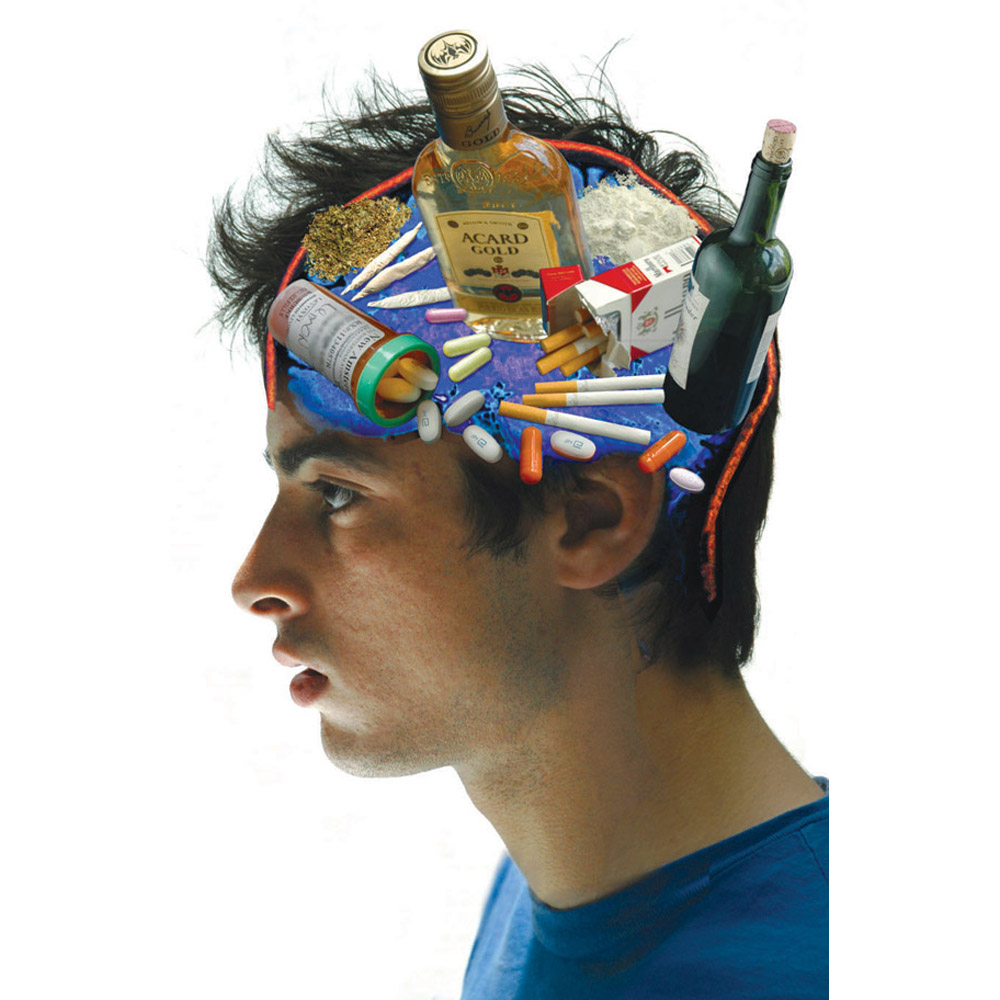
This is your brain on drugs

1

An introduction to drugs

Drug: any chemical substance (excluding food and water) that alters the structure and function of the body. This is quite a broad definition — shampoo, soap, and moisturizer all roughly fit this description. But what we’re usually talking about when we talk about ‘drugs’ are psychoactive drugs. These substances lead to changes in the chemistry of the brain, altering perceptions, mood, thinking, and behaviour.

To know how drugs affect the body, it’s worth learning the difference between pharmacokinetics and pharmacodynamics. Pharmacokinetics is the study of the movement of a drug through the body, which is often dictated by the method of drug intake.

How you administer a drug has a significant impact on the drug’s effect and duration. Routes of administration such as inhalation, intravenous, and insufflation all deliver the drug to the brain very quickly; however, the faster a drug is delivered to the brain, the faster it will be broken down and its effects eliminated. Other routes of administration, such as oral ingestion or transdermal administration (on the skin), will have a slower onset, but the drug’s effect will last longer.

Pharmacodynamics, on the other hand, is the study of what a drug does to the body. In order for a drug to have an effect, it must be able to enter your brain and affect its cells. These cells are called neurons, and you’ve got roughly 100 billion of them. Neurons communicate with each other by secreting chemicals called neurotransmitters — psychoactive drugs alter the activity of these neurotransmitters, leading to changes in perception, behaviour, and mood. This is what we think of as a ‘high.’ Not all drugs affect everyone in the same way, but there are observable patterns for specific drugs.

The most common psychoactive drugs tend to fall into two categories: stimulants and depressants.

Central nervous system stimulants, or simply stimulants, are one classification of psychoactive drugs. Drugs in this category enhance alertness, wakefulness, and increase physical movement.

Caffeine

 caffeineCaffeine is usually ingested orally through coffee, tea, or caffeine pills. If it is taken orally, caffeine is subjected to first-pass metabolism, which means your body breaks down some of the drug before it is able to reach your circulatory system and brain.

At the neuronal level, caffeine blocks adenosine receptors. Adenosine dampens brain activity, and is associated with behavioural effects such as lethargy, fatigue, and decreased locomotion. By inhibiting adenosine from binding to its receptors, caffeine helps you stay aroused and alert. It can also increase the amount of serotonin in the brain, a neurotransmitter associated with elevated mood.

Other behavioural effects of caffeine, in moderate doses, are increased arousal, mood, energy, locomotion, and sociability. Furthermore, caffeine is widely accepted to have some beneficial effects such as decreased risk of cardiovascular disease, diabetes, and certain types of cancer. In higher doses, however, caffeine can lead to feelings of anxiety, panic, and irritability.

Believe or not, you can overdose from caffeine consumption. However, it would take roughly 80–100 cups of coffee, consumed in a relatively short time, to accomplish this.

Like any other drug, if you consume a lot of caffeine, you will develop a tolerance. Withdrawal symptoms will also occur if you are a regular latte sipper and you stop drinking coffee entirely; headache, lethargy, and fatigue are all common.

Cocaine

cocaineCocaine comes from the coca plant native to South America. Recreational use of cocaine is usually administered through insufflation (snorting), or intravenously. Both routes of administration bypass first-pass metabolism, and quickly enter the brain.

When the neurons in your brain send neurotransmitters to communicate with other neurons, some of the remaining neurotransmitters are recycled and return to the neuron that released them; cocaine blocks this mechanism. Since the neurotransmitters that were released cannot go back into the cells that released them, they continue to stimulate adjacent neurons.

Cocaine acts on neurons that secrete dopamine, norepinephrine, and serotonin — all of which contribute to your arousal and mood.

In moderate doses, the behavioural and physiological effects of cocaine include increased energy, heart rate, self-esteem, talkativeness, and feelings of euphoria, but decreased appetite. In high doses, irritability, anxiety, hostility, aggression, and delusions of grandeur are often observed.

High doses of cocaine can often result in tachyarrhythmia (rapid irregular heartbeat), as well elevated blood pressure. Overdose from cocaine can lead to respiratory failure, stroke, heart failure, or cerebral hemorrhaging.

The body breaks down cocaine relatively quickly, and its effects are notoriously short-lived. This leads many individuals to administer additional doses, which can quickly lead to tolerance. Common cocaine withdrawal symptoms include lethargy, hypersomnia, dysphoria, and temporary depression.

Amphetimines

amphetaminesAmphetamine is a synthetic derivative of ephedrine, a stimulant used as a decongestant and appetite suppressant. The route of administration will vary with an amphetamine due to its chemical composition. When most hear the word amphetamine, they may attribute it solely to methamphetamine. However, methamphetamine is only one variation.

Although methamphetamine is usually inhaled through smoking, other forms such as dextroamphetamine and levoamphetamine, which are found in medications such as Adderall or Dexedrine, cannot be vaporized. Despite this, common routes of administration range from oral ingestion, intravenous, insufflation, and inhalation.

Like cocaine, an amphetamine will alter levels of serotonin, norepinephrine, and dopamine in the body’s nerve cells. After it has reached the brain, an amphetamine will enter nerve cells and displace neurotransmitters, forcing them out of the cell. The neurotransmitters then bind to other surrounding nerve cells, increasing levels of serotonin, norepinephrine, and dopamine — thus boosting arousal, locomotion, and mood.

In moderate doses, the behavioural and physiological effects of an amphetamine are similar to cocaine: increased alertness, heart rate, locomotion, talkativeness, restlessness, euphoria, along with a decrease in appetite, are all common effects. In high doses, irritability, anxiety, hostility, and aggression can be expected.

Common causes of death by amphetamine overdose are respiratory failure, cerebral hemorrhaging, circulatory collapse, and kidney failure. Withdrawal symptoms include fatigue, temporary depression, hypersomnia, increased appetite, and decreased movement.

Another classification of drugs are central nervous system depressants, or simply depressants. These drugs decrease wakefulness, alertness, and physical movement.

Alcohol

alcoholEthyl alcohol is usually consumed in the form of beer, wine, or spirits. One very common misconception about alcohol is that different alcoholic beverages will give you different experiences while drunk — in truth, alcohol will do the same thing no matter what beverage it’s in. How much you drink, body composition, stomach contents prior to drinking, tolerance, and other factors will affect blood-alcohol content or ‘drunkenness,’ but whether you drink 40-proof tequila or 40-proof whiskey will not.

Consumed orally, alcohol is subject to first-pass metabolism and is broken down. After entering the brain, alcohol binds to specific receptors on nerve cells called GABA-A receptors. This allows specific ions to enter nerve cells, which decrease the ability of said nerve cells to send messages to adjacent neurons. The result is an overall decrease in brain activity.

In moderate doses, the behavioural and physiological effects of alcohol include decreased alertness, relaxed inhibitions, and some loss of motor coordination. In higher doses, effects include slurred speech, exaggerated emotions, severely impaired motor coordination, and loss of consciousness.

When an individual’s blood-alcohol concentration reaches 0.45, coma or death can occur. Death from alcohol overdose is a result of paralysis of the medulla oblongata, which controls and regulates breathing. At high enough doses, alcohol will inhibit the medulla oblongata entirely, resulting in asphyxiation.

Acute withdrawal symptoms, such as those you might feel after a night of heavy drinking, include an inability to sleep, headache, cold and hot flashes, nausea and vomiting, and a feeling of restlessness. Chronic withdrawal symptoms may include shaking, increased blood pressure and heart rate, seizures, and hallucinations. In the case of some chronic alcoholics, withdrawal can even lead to death.

There are a number of problems associated with chronic alcohol consumption, such as liver damage, coronary heart disease, cancer, stroke, and brain damage. However, despite chronic effects, moderate alcohol use — alongside good nutrition and regular physical activity — is associated with some health benefits such as a decrease in cardiovascular disease.

Heroin

heroinHeroin is a derivative of morphine, and both come from the opium poppy. Interestingly, differences between heroin and morphine are almost nonexistent — heroin is basically morphine with two acetyl groups added to it.

This difference allows heroin to enter your brain more quickly. But once the drug does enter your brain, the acetyl groups are cleaved and the molecular structure becomes identical to morphine. Common routes of administration for heroin are intravenous, insufflation, and inhalation. All of these routes quickly deliver the drug to the brain.

Heroin acts on the brain’s opioid receptors, which are distributed in different areas of the brain. Heroin’s effects on neurons will vary depending on which type of receptor is located in a particular neuron. No matter what, though, heroin always decreases neural communication. This is reflected in its depressive physiological and behavioural outputs.

A moderate dose of heroin will induce euphoria, shallow breathing, pupil constriction, constipation, decreased sex drive, and muscular weakness. At high doses, heroin’s effect on opioid receptors in the medulla oblongata can shut down respiratory function entirely, leading to a likely death.

Some of the withdrawal effects of heroin include dysphoria, irritability, pain, hyperthermia, diarrhea, restlessness, insomnia, and — if you have a penis — spontaneous ejaculation.

Marijuana

marijuanaMarijuana does not fit perfectly into the classification of depressants, as some of the effects of marijuana can include small amounts of stimulation. Hallucinations can even occur at extremely high doses.

Marijuana is most often burned, and its smoke inhaled into the lungs. This route of administration results in the drug contained in the plant, THC, entering the circulatory system very quickly. However, THC in marijuana can also be infused into edibles such as cookies or brownies. If consumed this way, the effect of THC has a slower onset, but the duration of the drug’s effect will be much longer than inhalation.

The psychoactive compound in marijuana, THC, binds to cannabinoid receptors in the central and peripheral nervous system. There, it induces a sequence of actions which inhibit a neuron’s ability to send neurotransmitters to adjacent neurons. As a result, there is a minor decrease in neural communication.

In a moderate dose, some of the effects of THC include euphoria, muscle relaxation, dry mouth, red eyes, increased appetite, and slight impairments in judgement and motor coordination. In higher doses, anxiety, paranoia, and hallucinations can occur.

Unlike many others on this list, THC does not have a significant effect on the brainstem, which controls vital bodily functions, such as respiration and heart rate. This means that respiratory failure, the most common cause of death due to drug overdose, cannot occur as a result of THC consumption.

Debunking drug myths with Dr. Jones

Most of us are familiar with the media image of drug addicts, namely the physical effects of drugs like meth and heroin. But are drugs the sole cause of physical deterioration in their users?

Not according to Dr. Bryan Jones, professor of psychopharmacology at SFU. He notes that “many of our images of the typical drug user and the images of physical deterioration associated with drug use are not actually due to the drugs’ physical effects. [. . .] Conditions like ‘meth-mouth,’ [for instance] in which adult methamphetamine users have decayed teeth and receding gums, are most likely due to lifestyle factors, such as lack of oral hygiene, decreased water intake, poor diet, and decreased sleep.

“People who use meth regularly as prescribed by their physician, such as children with ADHD, do not experience this condition.”

As for drugs as inevitably addictive substances, Dr.  Jones says, “There is no such thing as an inevitable addiction. The most addictive drug we know of is tobacco, and heroin is the most addictive of the illegal substances. However, according to the National Institutes of Health in the USA, about 23 per cent of people who use heroin become addicted to it, while approximately 20 per cent of prescription opiate users may have difficulties in stopping despite pain cessation.

“With methamphetamine, again using American data, less than 10 per cent of people using meth in their lifetime have done so in the last year — hardly the mark of an inevitably addicting drug.”

Dr. Jones also responded to the fear that the legalization of a drug might threaten national health. “While it is certainly possible that legality — or regulation of a drug, like we have with tobacco and alcohol — could increase overall rates of use, there is no evidence that it would increase addiction or deterioration,” he explains. “In fact, the opposite has been seen. Multiple studies have shown that when heroin addicts have been given access to pure heroin by their physicians, their physical health actually improves, as do their employment prospects.

“In countries where drugs have been regulated or decriminalized, rates of use have actually decreased.”


Sobering up after the latest coffee craze

3
After a single use, the pods reach the end of their life and are thrown out, only to sit in landfills.

At times, I find that coffee is the only reason I manage to make it to that 8:30 a.m. class. Every day, people around the world brew themselves a cup to de-stress, or to lift their spirits. This is why we need to wake up to the damage being done by the latest brewing trend: single-serve coffee pods.

In the past few years the big names in the coffee industry — Keurig, Starbucks, Nestle and others — have invested in this new coffee technology. Many of us have seen or used coffee pods at some point, but have never considered what happens to those plastic cups after making ourselves a fresh brew.

Around 95 per cent of all coffee pods are made of composite plastics, meaning they’re not easy to recycle. The amount of pods that are recycled is difficult to measure, but according to microbiologist Thomas Clark, the chances that many pods make it to a depot are slim.

While companies such as Keurig have promised to develop more sustainable options, the amount of waste being produced in the meantime is shocking. According to journalist Murray Carpenter, last year alone Keurig sold enough of these pods to wrap around the equator more than 10 times.

Last year Keurig sold enough coffee-pods to wrap around the equator more than 10 times.

After a single use, the pods reach the end of their life and are thrown out only to sit in landfills. This is especially problematic, as plastic is not biodegradable the same way drip-brew filters are. Plastic photodegrades over time, meaning it breaks down into smaller bits and eventually finds its way into our ecosystems.

In recent years we’ve seen a push to reduce plastic bags as well as disposable coffee cups, yet these inherently wasteful pods have not been criticized nearly to the same extent. In order to work towards a cleaner environment, we must move away from this kind of destructive plastic.

As if the environmental impact isn’t enough, it is also important to note that the plastic used to create the pods is potentially dangerous to our immediate health. While the United States’ Food and Drug Administration greenlighted this product, recent research suggests that even non-BPA plastics can test positive for synthetic estrogenic activity.

Moreover, Keurig could not confirm or deny the presence of polystyrene in their pods — a chemical known to cause damage to the nervous system. This means that our bodies could be absorbing these chemicals without our knowledge.

Sales for coffee pod machines are at an all-time high; Keurig shattered all previous records by raking in an impressive $1.62 billion in gross income last year. Green Mountain Coffee Roasters cites ‘convenience’ as a leading factor in the success of these single-brew coffee pods. But the immediate personal convenience should not outweigh the long-lasting environmental and health impacts of these cups.

A simple solution to this growing issue would be to move away from this coffee fad, and back towards traditional brewing methods such as drip brew machines or French presses. I encourage all of you to think twice before investing in the coffee pod craze.

Banning public displays of affection is not a solution to violence

0
Even if Gung’s solutions to violence are well-intentioned, they are terribly ill-founded.


Burnaby mayoral candidate Sylvia Gung promises to ban all public displays of affection, including the wedding kiss ritual and hand holding, if elected. When I first read of her platform in the Vancouver Sun, I was stunned that such a person would run for mayor, and absolutely terrified that such a person might win the position. As expected, she is undergoing a lot of rapid fire from the media and community.

Gung feels that public displays of affection lead to violence, and can hurt public decorum. In a phone interview with Drex, a radio host on CKNW AM980, she cited an incident where a same-sex couple seen kissing in public was subsequently tailed and severely injured by homophobic bystanders. Her belief is that ‘bedroom behaviour’ is unacceptable on the streets because it encourages blatant sexuality, and leads to rape and assault. Even if Gung’s solutions to these problems of violence are well-intentioned, they are terribly ill-founded.

Her logic criminalizes passionate innocents, and blames them for giving criminals opportunities to take advantage of them. Essentially, she blames the rape victim for the rapist’s actions, which is exactly the kind of mindset that our society is trying to reverse. There are definitely more relevant and effective ways to curb violence.

[Sylvia Gung’s] logic blames passionate innocents for giving criminals opportunities to take advantage of them.

Even if, just for a moment, we hypothesized that her motion had legitimate grounds, how could it be enforced? How many people would be fined or incarcerated for such ‘acts of misdemeanour?’ How much taxpayer money would be wasted on a non-issue, rather than fighting the real criminals? This is an extreme logical fallacy that can only ever be impractical and counterproductive.

As for public decorum, in an interview with National Post, Gung said that people who insist on showing public affection are “bullies” — in other words, they do not care about how uncomfortable their actions make to those around them feel. That, however, is a personal opinion, and while it may be shared by others, it is a personal prejudice that should not infringe upon an entire community’s public behaviour, or a person’s freedom of choice.

I don’t know Gung personally, and so any value judgments I can make about her derive from how the media chooses to portray her. When questioned on her standpoint, it did not appear that she knew what she was talking about. Her ‘logic’ was illogical, her responses did not fully answer the questions posed, and any evidence she provided was merely hearsay or, at best, of isolated incidents in the newspaper with no statistical proof.

Gung may mean well with her ideas to ‘improve’ Burnaby, but at the end of the day, she is not a reliable spokesperson for the city. We need individuals in government who can carry society forward — who can advance it and not regress it. In this day and age, there is no room for Sylvia Gung in Burnaby City Hall.

Why your environmentalism is nauseating

26
Unless you are sporting ‘Adam and Eve’ leaf couture, you cannot say you are unaccustomed to petroleum products.


Recently, I’ve been in the throes of a group project that requires students to address a social issue. At the start of the semester, I groaned inwardly when classmates expressed their interest in an environmental topic. During presentations about environmentally related issues, I resisted the urge to roll my eyes.

Before you peg me as the anti christ of environmentalism, let me tell you that I believe we need to take better care of our environment. In fact, my summer job for the past three years has been picking up garbage and planting greenery.

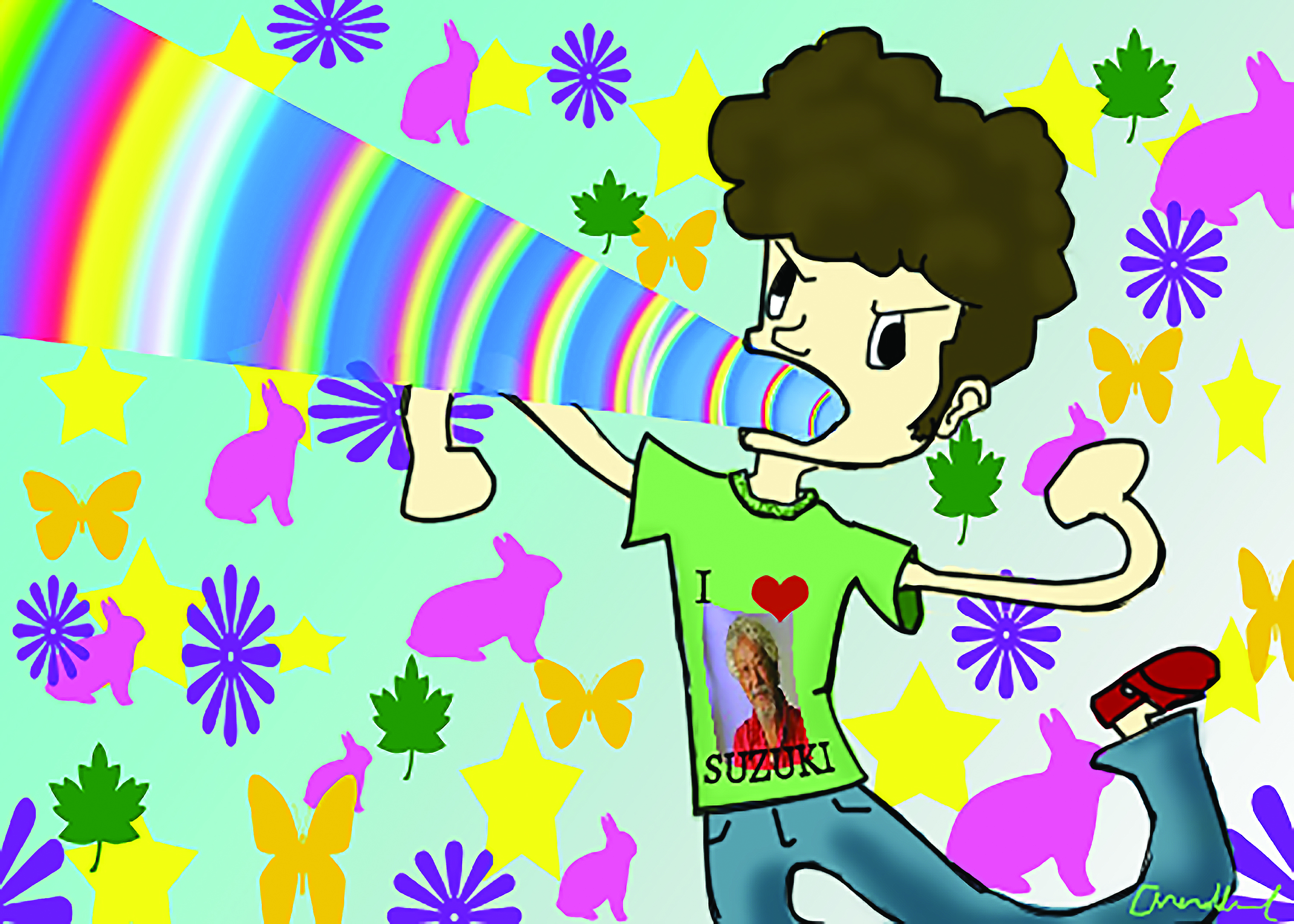
However, the idealistic and utopian ideas that tumble out of my peers’ mouths like rainbow-coloured vomit is appalling. Not only does this show a lack of understanding in terms of how things work realistically, but it is often only substantiated by information gleaned from biased pieces that exclude the full picture and have no accountability for misinformation.

If oil were a person, I am certain some of my fellow students would form a mob, hang him in the Academic Quadrangle and feed his remains to the koi fish in the pond. However, what they neglect to consider is just how many petroleum products touch our lives. Did you wear a sweater today? Oil product. It rains a lot in Vancouver, thank god for umbrellas! Oil product. Did you brush your teeth today with a toothbrush? Oil product.

What students neglect to consider is just how many petroleum products touch our lives.

I’m not advocating that you go out and purchase a foam finger with the words “#1 Oil Sands Fan” printed on the front, but I do think it’s high time that students opened their eyes to reality. Unless you are hiking the mountain to school, sporting ‘Adam and Eve’ leaf couture, you cannot feasibly say that you are accustomed to a lifestyle without petroleum products.

The grim reality is that we currently do not have any other energy sources that can replace and improve on what we get from oil. So no, the oil sands are not in business solely because greedy oil tycoons want to watch the world burn as they soak in bathtubs full of crisp hundred dollar bills; oil is actually something we rely on to maintain the quality of life modern society demands.

In a tutorial, my TA asked if we supported pipelines. I was the sole person to raise my hand in support. My classmates’ eyes burned into me as the TA asked for my reasoning. My answer was simple enough, but a revelation to the dissenting crowd: oil was going to be transported regardless, and I’d rather have it done via the lesser of evils.

A quote from a Forbes article serves as a poignant reminder that “1.5 million gallons of crude oil spilled in a single day last year in Lac-Megantic, Quebec, and 47 people were killed” during a railcar accident a little over a year ago. Plus, let’s not forget that “five out of the 10 largest oil spills in US history were from boats.” Pipelines aren’t perfect, but are you really advocating what’s best for the environment by protesting against them?

When it comes to the environment, enough is enough. Students, of all people, should know that, while ideals are really nice and we all yearn to live in the romantically simplistic world they paint, these notions are just not realistic.

Protesters clash with Kinder Morgan surveyors on Burnaby Mountain

2
SFU professor Stephen Collis (above) is one of the five protesters charged in the injunction.

Protesters continue to clash with Kinder Morgan over a proposed pipeline route that would expand the project through the Burnaby Mountain Conservation Area and Burnaby Mountain Park.

Kinder Morgan has now filed an injunction against five individual protesters, demanding that they allow them access to two testing sites. The company is also suing these individuals for $5.5 million in direct costs and $88 million in lost revenue for Trans Mountain for each month that the project is delayed.

This confrontation follows the National Energy Board’s (NEB) ruling on October 23, which stated that the City of Burnaby cannot stand in the way of Kinder Morgan’s plan to test at sites on Burnaby Mountain. The energy company announced on October 24 that they would resume testing after 48 hours.

In response, protesters worked over the weekend to reinforce two blockades which have been present on both sites for the past month. Stephen Collis, an SFU professor of English and spokesperson for the protesters said on Monday, “We’re going to peacefully and non-violently stand in their way.”

On Wednesday morning at approximately 10:00 a.m., protesters spotted Kinder Morgan crews advancing into the woods towards the first testing site. Protesters, journalists, and film crews rushed to the site where self-proclaimed caretakers were already blocking crews by linking arms.

One young protester pinned himself under a Kinder Morgan jeep, saying oil was destroying the earth and that he would stay under the jeep for “as long it takes.”

Some minutes later, the surveyors left the site. In an e-mail to the Vancouver Observer, Greg Toth, senior project director of the Trans Mountain Expansion Project said, “At some locations, our crews were obstructed and have left for the day.”

The company is also suing these individuals for $5.5 million in direct costs and $88 million in lost revenue

For professsor of molecular biology and biochemistry, Lynne Quarmby, this was a victory for the people. “We put out the call, we let people know that we were going to be here, and it’s just phenomenal the number of people that are still pouring in, so there’s just a tremendous amount of support from the community,” she said.

When asked what she thought the next few days would bring, Quarmby replied, “We expect that they’re going to try to outwait us, but [. . .] I don’t think you can overestimate the commitment of this group of people. We will outwait them.”

The repulsion of Kinder Morgan crews only brought a short reprieve from the pressure, however, as the company filed their injunction on Thursday afternoon.

In the application, the company asks that the court “restrain the defendants’ trespass upon Burnaby Lands, and their wrongful obstruction, impeding, interfering with and prevention of” its field work on the mountain.

In a press release Friday morning, Collis and Quarmby, along with Alan Dutton of  Burnaby Residents Opposing Kinder Morgan Expansion (BROKE), wrote, “The US-based corporation has the audacity to claim residents are ‘trespassing’ in the park. Clearly, Kinder Morgan is using the courts to silence opposition, suppress dissent, and deprive Canadian citizens of their constitutional rights.

“This is Big Oil against the people, in its most raw and offensive form.”

The hearing took place on Friday at 2:00 p.m. at the BC Supreme Court in Vancouver where protesters gathered to oppose the injunction. The case was adjourned until Wednesday November 5, and the hearing is expected to last three days.

Sports Briefs

0

Hockey

SFU hockey travelled to the Ian Stewart Complex in Victoria to face the UVic Vikes, losing 8–3. UVic scored three quick goals in the first period, and despite goals by Taylor Piller and Mike Ball, the Vikes’ lead was too much to overcome. SFU now lies at third in the league with a record of 3–3–0.

Volleyball

Clan volleyball were awarded the Great Northwest Athletic Conference (GNAC) team of the week for their performance last weekend, notching a historic fourth place in the conference, and guaranteeing a winning season for the first time in the NCAA. They were not able to carry the momentum to Thursday night’s match, however, losing in Ellensburg, WA to the Central Washington University Wildcats, by a score of 3–1.

Swimming

The SFU swim teams set new records at the swim meet in Santa Cruz, CA. Eight different Clan swimmers set records: Saveli Yungman, Gabriel Lee, Junior Kiedrzyn, Tim Woinoski, Youn Ho Choi, Nicole Cossey, Alexandria Schofield, and Adrian VanderHelm who broke three records. The men’s team won three duals, only losing to the Division I University of the Pacific, while the women went 4–4. The teams will compete next at the Clan Cup International, held November 21 to 23.

With files from SFU Athletics and SFU Hockey