Home Blog Page 104

Hidden Gems: Dessert spots around the Lower Mainland

0
one of the businesses included in the piece! For reference.
PHOTO: Prerita Garg / The Peak

By: Prerita Garg, SFU Student

Ninja Bubble Tea x Poké 
2972 Glen Drive, Coquitlam 
SundayThursday, 11:00 a.m.10:00 p.m. and FridaySaturday, 11:00 a.m.11:00 p.m.

Ninja Bubble Tea x Poké provides an extensive selection of beverages and lunch options to cater to your cravings. Their customizable bowls offer a variety of options to ensure you can tailor your meal as per your choice, but what makes them most unique is their wide array of bubble tea selections, like their piña colada latte or Irish earl grey milk tea. If you are looking to save, they also have a happy hour offered every day from 9:00 p.m. to closing!

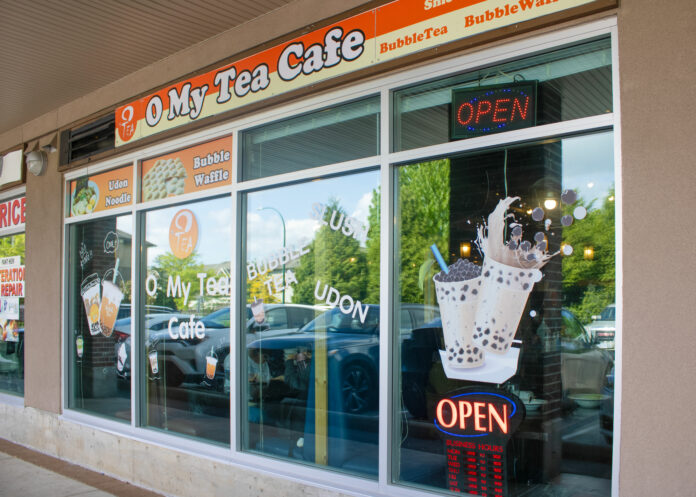
O My Tea Café
6820 188 St., unit 122, Surrey
Sunday–Thursday, 11:30 a.m.–9:00 p.m. and Friday–Saturday, 12:00 p.m.–9:30 p.m.

O My Tea Café is an exceptional place for indulging in a delightful array of offerings including waffles, refreshing smoothies, and the exquisite Korean shaved ice known as Bingsu. Their waffles distinguish themselves by maintaining the perfect balance of a crunchy outside and a pillowy interior. Don’t miss out on their seasonal special offers which invite you to try your own personal-sized hotpot!

Fufú café
1266 W Broadway St., Vancouver
TuesdaySunday, 10:00 a.m.6:00 p.m.

Fufú café is the perfect Japanese restaurant to satisfy all your dessert cravings. With their sweet and savory pancakes, Japanese sandos, pastries, and more, this spot has something for everyone. Their soufflé pancakes are irresistable, featuring a delightful combination of fluffy texture and flavours — you can get them with fruit, caramelized bananas, chocolate, matcha, and many more. This small café has a charming atmosphere, sporting marble tables adorned with tiny plants for you to sit and enjoy your day.

Boba Run 
102 W Hastings St., Vancouver
MondayFriday, 10:00 a.m.6:00 p.m., Saturdays, 10:00 a.m.7:00 p.m., and Sundays, 11:00 a.m.6:00 p.m.

Boba Run stands out as the ultimate destination for affordable and satisfying bubble tea experiences in Vancouver. This establishment goes above and beyond to offer more than just boba — their menu also features indulgent lattes, creamy shakes, and freshly brewed tea. Be sure to try their yin yang milk tea and the Assam black tea, as they are extremely rich in their malty flavours of tea and coffee. Whether you are craving the classic boba or other options, Boba Run serves something for every palate, making it a desirable place to try out. 

Unveiling the festivity of the Sikh Nagar Kirtan in Surrey

0
photo of a sikh procession in Surrrey, BC
PHOTO: Amrit Kamaal, Peak Associate

By: Amrit Kamaal, Peak Associate

As a Surrey civilian, I wanted to shed light on one of the greatest celebrations that Sikhs share with the community, the Vaisakhi Nagar Kirtan parade. This parade takes place annually in the month of April, which is now recognized as Sikh Heritage Month by the BC government. Historically, Vaisakhi was only celebrated as a harvest festival primarily in Punjab and Northern India. However, Vaisakhi is now the most important day for Sikhs, as it marks the establishment of the birth of the Khalsa by the 10th Sikh Guru — Guru Gobind Singh Ji — in 1699. Although April has already passed, I’d like to reflect on the significance of this event to not only the Sikh community, but Surrey itself. 

Nagar Kirtan means the chanting and “singing of Shabads (divine hymns)” from the Sikh Sangat — the congregation — throughout a neighbourhood, town, or suburb. The significance of this parade is to bring ourselves closer to Waheguru (God) by doing Seva (selfless service) through volunteering at stalls and connecting with the community, as well as reciting Gurbani, which refers to the various compositions by the Sikh Gurus. 

The parade started at the Gurdwara Dasmesh Darbar, located in Surrey. It began with a moment of solidarity with Indigenous communities, as they led a welcome song as a sign of respect for the land being used, the unceded traditional territories of the Coast Salish peoples, including the Katzie, Kwantlen and Semiahmoo First Nations. The Nagar Kirtan started when the Panj Pyare (the five beloved ones) walked before the main float of the Sri Guru Granth Sahib Ji, which are the holy scriptures considered so significant to Sikhs that they are respected as the 11th living Guru

My favourite thing about this parade is how most of the Lower Mainland will join in on the festivities alongside us, showing great respect and interest in our cultural and religious traditions.” 

Traditionally, when the Nagar Kirtan route is completed, the parade concludes as soon as the Guru Granth Sahib Ji returns to the Gurdwara. As this is happening, the Ardas (concluding prayer) will begin playing on the loudspeakers and all of the Sadh Sangatcompany of the Holy — will stand up with their hands joined together and heads covered. 

At this year’s parade, I saw a variety of colours in the cultural attire many of us prefer to wear, mostly navy blue and orange, which are known as the colours of Sikhi. From each corner, I could hear the sweet sounds of Kirtan, performed by local Sikh students and on the loudspeaker, as well as Katha — which is verbal preaching of the Gurbani and the historical stories of our background. The Sikh Nagar Kirtan encourages people of all races, religions, and cultural backgrounds to partake in the festivities by enjoying the free food and visiting the stalls of many organizations and performances. This is because Sikhs view all within the community as equal and the imposing of beliefs on others is prohibited. The only expectation is for participants to dress modestly and try to keep their head covered, as a way of showing respect for the holy celebration. 

From childhood, I have very fond memories of checking out the various stalls in the parade with my family. Each time, I would leave with a balloon in my hand and a smile on my face. The Nagar Kirtan holds deep significance to my family. We tend to arrive early and set up our stall outside of our family business, and also spend months in advance collecting chips and juice boxes to distribute to all the attendees. 

My favourite thing about this parade is how most of the Lower Mainland will join in on the festivities alongside us, showing great respect and interest in our cultural and religious traditions. Especially in the past few years, I have seen many of my non-Sikh friends cover their heads with a Rumāl (a Sikh head covering that is a piece of cloth, similar to a bandana), enjoying the free food, and watching talent being displayed from our religion through Gatka (ancient form of martial arts) performances and Pagg (turban) tying stalls. This type of unity is very beautiful to see. Every participant I see has a smile on their face while partaking in one of our most crucial celebrations, even including other cultures to share their traditions with us as well. I hope that after reading this, readers will mark their calendars for the next annual Vaisakhi Nagar Kirtan. 

The phenomenon of fashion trends

0
A small sweatshop filled with workers and fabrics.
PHOTO: Rio Lecatompessy / Unsplash

By: Yasmin Hassan, Staff Writer

We’re all born naked, and the rest is drag” RuPaul

What are fashion trends?
From cultural appropriation to fast fashion, the phenomenon of fashion trends has always been widely disputed. The funny thing about fashion is that its cyclical by nature. One minute, we can’t stand pencil skirts, kitten heels become a dead art, and the semi-ironic heart print vanishes. Then, a few years later, they’re popping all over your socials again. Fashion trends come in the form of fads, real trends, and classic trends, with the main differences between each being duration and influence. Remember Sillybandz or the Livestrong bracelets of the 2000s? Yup, both fads that didn’t last long. Your favourite celebrities perpetuate these trends, and social media has a significant role in inflating them as well, such as bringing “sexy” back; but are they really? I beg to differ!

Controversy with influential brands
If you’re somewhat aware of stuff that circulates online, you’ve probably heard of the controversies of brands like Balenciaga with their questionable design choices. People obviously weren’t thrilled with the fashion house’s campaign, showcasing “kids holding teddy bears in leather bondage gear.” Influential brands release marketing campaigns for their new lines of clothing, with concepts and storylines to accompany them. These fashion concepts — even when problematic — serve as inspiration for other brands, trickling down and expanding its impact and access to a larger audience, creating trends. This points to how controversial matters intertwined with fashion houses’ designs overshadow the brand’s previous creative contributions and leaves a bad taste in people’s mouths (honestly, in this case, its deserved). Another example would be Zara’s widely negatively received ad campaign — the set included rubble, ripped plaster, and mannequins resembling corpses — which critics said resembled the ongoing genocide in Palestine. It doesn’t help that one of Zara’s head designers had made anti-Palestinian comments back in 2021, but wasn’t fired. Controversial fashion trends like these are a strange and upsetting but not uncommon phenomenon. 

Whose culture? 
Moving on, what about cultural appropriation? Multiple cultures have been used and abused by people who don’t care to learn or appreciate the culture itself but rather “cosplay” as a stereotype or characteristic. Stella McCartney used traditional ankara prints, a common type of fabric used throughout Africa, in one of her spring collections, which was shown at Paris Fashion Week 2017. It’s one thing to support creatives and designers who have a stake in the cultural significance of the prints, but it’s completely another thing to slap a design onto a dress and put it on a white woman to strut the runway, as McCartney did. It takes away the power, significance, and history of these prints that so many resonate deeply with. 

While Black people continue to get scrutinized for wearing their hair naturally, while white folks are applauded for being creative and innovative. Cornrows historically served as a symbol of resistance; enslaved people would hide rice seeds in their hair to have a source of food. Identity is another facet of cornrows as they could identify those who originated from the same tribes or regions based on their hair. 

Then there’s Coachella’s infamous adornment, the Indigenous headdress that somehow always seems to find its way onto some white man’s head. Or the popularization of traditional qipaos worn incorrectly? What about the “Chola makeup” trend that seems to never leave the grip of pop culture? These aren’t just “styles” or “aesthetics,” they have a rooted cultural or historical significance, and watering this down for white consumption while systemically discriminating Black, Indigenous, or Latinx folks for presenting themselves the same way is hypocritical to say the least. 

Fashion trends can be a form of creative expression, but can also be potentially extremely harmful when misused and misguided.

Appropriation and appreciation might sound similar, but one of them strips and ignores the cultural and historical roots, further marginalizing them, while the other looks to uplift and empower them and their contributions.

The “Old Money Aesthetic” 
My favourite trend to discuss is the “Old Money” aesthetic. Thanks to social media and the mysterious ways it works, the aesthetic has had its appeal in media and fashion. I’ve never heard of “quiet luxury” or a “Ralph Lauren man” up until recently. Sure, put on a white tennis skirt and a sweater vest; put on those loose khaki dress pants and that silk button-up, the dainty and minimalist gold jewelry, with your “quiet luxury” watch to match. But where do you get that from? You grew up in the suburbs, not a private estate in Monaco. 

I’m all for buying timeless pieces that last a long time both in quality and wearability. But perpetuating the division between “new money,” “old money,” and no money. However, this trend threatens to reinforce class divides and only further promotes an exclusionary attitude that the fashion and beauty industry has always had, creating an unachievable benchmark for “beauty” in an economic period where most people wouldn’t be able to afford high-quality garments at full price. It’s one thing to say something looks “classy,” but the nature of trends and aesthetics use buzzwords and names like “old money” to re-label the desired feeling people want to hear, revolutionizing old styles by slapping a fad name on it. 

Fast fashion is slow to leave
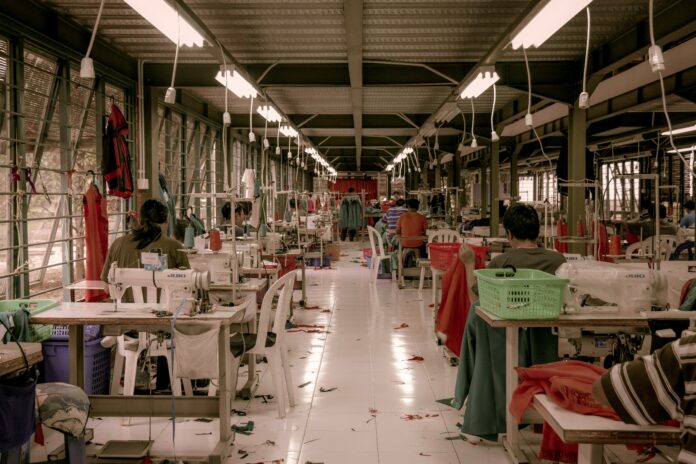
Fast fashion doesn’t slide here, either. The ever-changing turnover of trends and fads is extremely harmful to the environment. Through overproduction, waste, and pollution, this phenomenon of overconsumption through trends only contributes to environmental degradation. Social media influencers and celebrities are responsible for influencing and popularizing trends, both positive and negative. And as much as I’d like to say they have an ethical responsibility for promoting sustainable, culturally respectful brands, and mindful consumption, most people are after a cheque first. Apart from the environment, there are tons of ethical issues concerning labour exploitation in the garment industry. Poor working conditions and downright disrespectfully low wages for garment workers all stem back to the fast fashion industry, struggling to keep up with trends changing. 

So, what now?
Fashion trends can be a form of creative expression, but can also be potentially extremely harmful when misused and misguided. We can put all the blame on influencers and celebs, but at the end of the day, we consume. It is also up to us to have a mindful approach to consumption, remembering to be aware of cultural sensitivity, ethical production, and the sustainability of a brand/garment. On the bright side, there are a few sustainable fashion brands that will last you longer than anything from Forever21 or Shein. Consider doing a bit of research on the brands before buying, take aid in organizations like Good on You which rank fashion brands on sustainability, labour, and other metrics. Also consider following and supporting movements like the Clean Clothes Campaign which advocates for better wages for garment workers, getting them what they rightfully deserve.

Is the grass always greener?
As for what causes the phenomenon of trends and aesthetics, only one question comes to my mind: why do people always want what they can’t or don’t have? Humans are naturally curious and sometimes assume that whatever is out of reach is better, idealizing and romanticizing aspects of life that seem so “foreign” or “exotic” to their minds. While striving for what you don’t have can drive personal innovation and growth, it can also lead you down a path of constant dissatisfaction if individual contentment and gratitude aren’t taken as a factor. 

Wellness influencers should prioritize fact over fad

0
A shelf with vegetables. In focus are green onions and bunches of carrots.
PHOTO: Peter Wendt / Unsplash

By: Olivia Visser, Opinions Editor

Content warning: discussions of diets and eating disorders.

In an effort to improve my health by reducing symptoms like fatigue and digestive discomfort, I recently began paying more attention to my diet. I know I don’t consume as much variety as I should, especially when it comes to protein and vegetables. So, I took to the internet to work on some food lists and meal plans. What I stumbled across was equal parts unsurprising and frustrating; many popular wellness influencers tend to have a very all-or-nothing approach to nutrition. Their advice often excludes those who can’t access certain foods for a variety of reasons, which encourages people to avoid small yet helpful nutritional changes because they worry it’s not enough. 

One of the most concerning ideas perpetuated by wellness influencers is that health is one-size-fits-all. I call them “wellness influencers” because that’s what they’re colloquially referred to online — not because it’s entirely accurate. Most of these people don’t have relevant degrees or expertise, and are instead speaking from personal experience and research. While that’s not wrong in itself, it can open followers up to information that hasn’t been properly evaluated for bias and misinformation

For example, I’ve been seeing a lot of posts about how seed oils (canola, sunflower) are unequivocally unhealthy and should be avoided at all costs. Many claim they’re full of “chemicals” from the production process, and contain high levels of omega-6 fatty acids which may lead to inflammation. As is usually the case with health claims, the truth is not black-and-white. Omega-6 acids are essential for our bodies and have never been proven to cause inflammation in human studies. They’re also a great affordable cooking oil option. It is true that many people are deficient in omega-3 fatty acids due to overconsumption of omega-6 acids. However, this doesn’t mean seed oils are disrupting people’s health. Consuming foods like tofu, fish, and nuts can improve your omega-3 intake. Fortified foods, meaning foods with added vitamins and minerals, are also an option that may be more accessible and affordable to some. 

Health is a process, not a state of being — and it looks different for everyone.

Don’t take broad health-related generalizations at face value — always double-check nutrition advice before following it, ideally from a peer-reviewed source or a doctor. You should also be wary of people who promote specific diets as the best option for “overall health.” Whether it’s veganism, keto, or the Mediterranean diet, nothing can universally reduce health concerns and make everyone feel great. As a vegetarian myself, I know my diet isn’t practical or effective for everyone, as much as I’d like it to be. When it comes to nutrition, research has found that “focusing on food quality” is key. This means integrating fruits and vegetables, whole grains, fats, and protein. Variety is important, but it’s also worth noting that whole foods aren’t cheap. People who flaunt their raw vegan diets on Instagram seem to forget that many people can’t afford fresh produce, or may not have the capacity to prepare it.

You’re not “unhealthy” for relying on processed foods for financial, accessibility, or dietary reasons. Making nutritional decisions within your means is healthy. Eating frozen or canned fruits and vegetables can be just as nutritious as fresh, for instance. Health is a process, not a state of being — and it looks different for everyone. Generalizing foods as being healthy or unhealthy can cause considerable mental harm. Moralizing what we eat can lead to food-related guilt or eating disorders. Healthy eating involves more than just the food you eat, and extends to your relationship with it. Foods aren’t inherently good or bad — enjoying a bowl of ice cream or a bag of chips doesn’t mean your diet is poor. Nutrition is a long-term process, and it’s all about variety and balance. At the end of the day, you’ll likely regret missing out on life’s little enjoyments more than you’ll regret eating a slice of cake at your friend’s birthday party.

If you do find yourself browsing wellness sites or social media pages, steer away from those who make universal claims or tell you to avoid a large number of ingredients altogether. Those worth listening to will acknowledge that health isn’t about being thin, wealthy, or able-bodied. They’ll recognize that moderation, variety, and enjoyment are more important than rigid notions of perfection. These people are not doctors, and if they were, they wouldn’t be spouting half the garbage they do. 

Tenants in BC need better legal protections

0
Vancouver skyline in afternoon light with the Burrard Inlet and skyscrapers in the foreground. In the background are the North Shore mountains with a dusting of snow.
PHOTO: Alejandro Luengo / Unsplash

By: Peter Runn, SFU Student

There’s a saying I’ve heard in Vancouver: “You can’t put a price on those mountains.” But landlords can and do. It costs two full-time minimum wage jobs to afford a bedroom in the Lower Mainland, and rent across BC “increased 30% from 2016 to 2021,” the largest jump of any province in Canada. While BC landlords’ yearly rent increase cap is 3.5% while tenants are living in a space, they can use loopholes to evade it. Rent caps don’t apply when a unit is vacant, so landlords make use of the only “legal” ways to evict contract-abiding tenants. 

Housing is the last thing anyone facing the current affordability crisis should have to worry about — and yet, this is what many of BC’s vulnerable residents are facing. There has been meaningful movement from the BC government to prevent “bad faith” evictions, and more coming to effect this summer. However, more needs to be done to urgently shut lingering loopholes and protect renters. 

One of the most common loopholes used by landlords is saying they or a family member is moving in, which is one of the only remaining ways to evict tenants. They either say this to evict them or have an excuse to coerce them into paying a much higher rent. The only condition is there is a penalty for bad faith evictions: landlords could owe tenants 12 months of their rent money if they’re found to have evicted them in bad faith — for example, lying that they’re going to move into the unit, then renting it out for a higher profit.

I was told by my landlord that if I didn’t agree to a substantially large (and illegal) rent increase, they would move their family member into my unit. While tenants have a right to refuse an illegal rent increase, I had no way to guarantee my landlord wouldn’t evict me if they didn’t get the price they wanted. Applying to file a complaint costs $100 and according to tenancy lawyer Robert Patterson, landlords have been able to evict tenants without “showing up for hearings.” The increase was way beyond my budget, but still slightly better than anything I could probably find in Vancouver’s outrageous rental market. My hands were tied. This brings me to one of the main issues with existing legal protections: they fail to consider the unequal power dynamic between tenant and landlord. 

We are just trying to survive and keep a roof over our heads, which is a basic right that shouldn’t be commodified in the first place.

I’m not saying homeowners can’t legitimately have family members who need a place to stay. As it stands, though, there needs to be measures in place that require accountability for their intentions so they can’t rely on empty threats. Increasing the penalty for bad faith evictions wouldn’t hurt, but Patterson’s recommendation is that there should be a “standard of proof” of a family member moving in before issuing an eviction. This could involve requiring official documentation stating a landlord’s intention for the space, and following up to ensure they’re being honest. Doing so would put more responsibility on the landlord, rather than putting the burden on renters to go through the work of educating themselves on their rights and paying the $100 fee to file a dispute within a 15-day period. 

There is a financial penalty for evicting tenants deceptively. However, it’s not enough to stop it. Threatening the roof over someone’s head gives landlords the upper hand in negotiations, as most people would rather suffer another expense than find themselves at risk of being displaced. As lawyer Phil Dougan points out, “A landlord loses an investment; A tenant loses a home.” 

Enforcing stricter regulations worked to reduce renovictions, which were previously done frequently to tenants when the landlord empties their unit just by saying they’re renovating. The law now requires much more thorough documentation. Yet, the burden of proof often falls on tenants when it comes to ensuring landlords are following through on their claims.

If renters are going to be displaced by no fault of their own other than not having the privilege of owning property, there at least needs to be better protection for vulnerable groups. One meaningful change in this direction that will be implemented this summer is households with babies cannot receive rent hikes. However, things are also especially dire for long-term renters like seniors, who are more likely to become houseless after an eviction. Unstable and unaffordable housing also significantly impacts disabled people, who have fewer housing options to meet their needs.

Landlords try to garner sympathy from their tenants by presenting their requests as something they had no choice in, because property taxes have increased and they have mortgages to pay off. However, it isn’t the responsibility of tenants to pay off your mortgage or property costs. We are just trying to survive and keep a roof over our heads, which is a basic right that shouldn’t be commodified in the first place.

Ultimately, preventing bad faith evictions is one piece in the puzzle of the disaster that is privatized housing. Systemic change is necessary to solve the housing crisis, like investing in more social housing and implementing harsher market restrictions. Ensuring affordable living should be a priority our government urgently addresses on numerous fronts. There are free resources available, like tenants.bc.ca or Housing BC. Vancouver tenants can also get involved with Vancouver Tenants Union, a group that brings tenants together to leverage their collective power to advocate for their rights. Learn more about your rights as a tenant through their accessible resources, available in six languages. 

The Met Gala shows us where celebrity priorities lie

0
Entrance to the Metropolitan Museum of Art. There is a stone staircase leading up to regal pillars and arched doorways. A banner that reads “The Met” is displayed above the main door.
PHOTO: Diane Picchiottino / Unsplash

By: Yashita Dhillon, News Writer

Content warning: mentions of genocide

The Met Gala has always been about flaunting outfits and prestige, but it felt more surface-level than usual this year. As attendees walked the red carpet, protesters gathered outside, trying to draw attention to the ongoing genocide in Palestine

On the same day as the Met Gala, “Israel called on Palestinians to leave eastern Rafah amid increasing global alarm about the consequences of an Israeli ground invasion of the city.” The announcement was brushed under the carpet as celebrities paraded around in expensive attire, posing for photos and doing interviews. Some celebrities who attended the Met Gala, such as Zendaya and Dua Lipa, have notably supported Palestine in the past. Yet, at this year’s event, they were silent

The Met Gala is one of many examples that reminds us why we shouldn’t look up to celebrities as much as we do. For example, influencer Haley Kalil was asked to interview Gala attendees, and posted a video of herself lip-syncing to a TikTok audio clip that included the phrase “let them eat cake.” This is commonly attributed to historic French Queen Marie Antoinette regarding starving peasants, although she likely didn’t say this. Regardless of intention, while Palestinians in occupied territory are starving, it goes to show how little self-awareness some celebrities have when it comes to their privilege. 

In response to this, a “celebrity block-out” movement has circulated on social media. People have decided to block celebrities who have been silent about violence against Palestinians, especially its escalation after the Hamas attacks on October 7, 2023. The goal is to reduce their engagement and the revenue they earn from posts to demonstrate that if you don’t use your platform to call attention to urgent issues, you will lose support. While there isn’t an official block list, Palestinian journalists like Bisan Owda shared a list on their social media, which included Ariana Grande, Taylor Swift, Harry Styles, and many more. 

When celebrities choose silence over activism, they perpetuate the very systems of oppression that need dismantling.

It’s surreal to scroll through social media and see posts about people being killed and losing their homes, only to be followed by photos of celebrities flaunting designer gowns and suits. With all the attention given to these celebrity outfits and interviews, imagine how much awareness or money could be raised for Palestine if any of these figures spoke up. The price for a ticket to the Met Gala in 2024 was $75,000, and tables were at least $350,000. To think these people don’t have the power or resources to make a difference is fooling ourselves. Celebrities influence culture, and those with the most influence can determine the status quo.

Our cultural obsession with celebrities can be harmful. It distracts us from more pressing global issues and encourages a culture of escapism. We need to hold celebrities accountable for their actions and inactions. With the power we give them, it’s not unreasonable to expect them to use their influence for good. When people choose silence over activism, they perpetuate the very systems of oppression that need dismantling. Celebrities are who they are because of their audience’s support, so expecting them to speak up for the right cause — something their audience believes in — is not unreasonable at all. 

The responsibility also lies with us — the public. We must stop treating celebrities as idols and start demanding more from them. Their wealth and influence come from our support, and it’s high time we expect them to use it responsibly. We should call out hypocritical behaviour and turn our support toward those who go beyond performative activism. 

Some argue celebrities shouldn’t speak up about political issues because they aren’t educated and we should be looking to experts to speak on these topics. We need to stop using this as an excuse. It’s not difficult to stand against genocide — something the UN has already determined is taking place. It’s not that we’re looking to celebrities to provide in-depth analysis; we can turn to activists, scholars, and those with lived experience for that. It’s simply a matter of standing against human suffering, which everyone can do. Those who don’t use their platforms to mobilize such a huge population to care about an ongoing tragedy are making a conscious decision.

Social media ads are just one of the many ways celebrities earn money, and are often not their main revenue stream. The social media block-out movement is a great conscious effort that shows we’re starting somewhere. However, we also need to realize that the revenue earned from platforms like streaming services often supersedes the revenue from ads or social media. If we expect celebrities to put their money where their mouths are, maybe we should do the same.

Moose Hide Campaign Day combats violence against Indigenous women and children

0
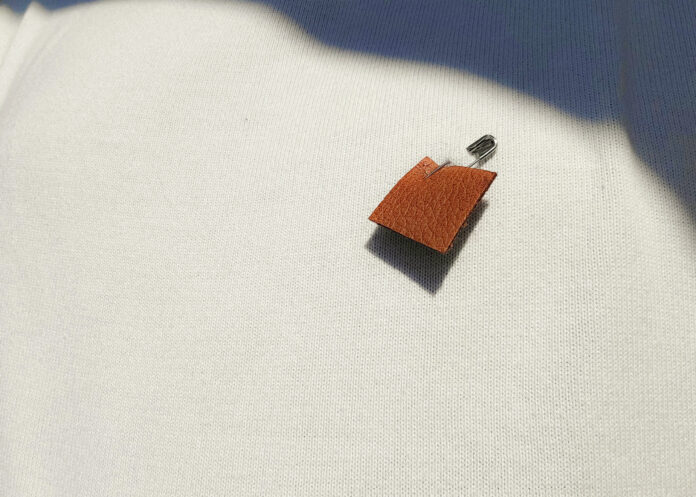
a close-up of a tan moose hide pin on a white shirt
PHOTO: Amirul Anirban / The Peak

By: Hannah Fraser, News Writer

Content warning: references to missing and murdered Indigenous women and girls, and residential schools. 

May 16 was Moose Hide Campaign Day, a day organized by the “BC-born Indigenous-led grassroots movement to engage men and boys in ending violence towards women and children.” Seeing the rise of Indigenous women and children who have faced violence in Canada, the campaign has been working for over 10 years using “Indigenous ceremony and traditional ways of learning and healing” to raise awareness. The Peak corresponded with Omar Karim, national director for post-secondary engagement initiatives, for more information. 

The campaign started in 2011 when founders Paul and Raven Lacerte were hunting moose in the Carrier territory “along the Highway of Tears in Northern BC, where so many women have gone missing or been murdered.” They thought about how to “repurpose the hide for social innovation,” Karim said. The hide represents “a little piece of land medicine” for domestic and gender-based violence. “Wearing the pin signifies your commitment to honour, respect, and protect the women and children in your life and speak out against gender-based and domestic violence,” reads the Moose Hide Campaign website. 

“The first of 25,000 pins were cut by Raven and her sisters,” and the campaign has now created “over five million to six million moose hide pins distributed across this country.” According to the campaign, the hide is sourced from moose hunted for food and ceremony by traditional hunters, or from moose who have already died. “No animals are hunted specifically to supply hides for the Moose Hide Campaign,” the organization said. Synthetic pins are also available.

“We say that it’s an act of reconciliation when you wear the pin,” Omar Karim, national director for post-secondary engagement initiatives

The campaign also focuses on educating “Indigenous and non-Indigenous men and boys” to stand up “against violence towards women and children” by “addressing negative masculinity.”

According to the Assembly of First Nations, Indigenous women and girls are four times more likely to be victims of violence at some point in their lives than non-Indigenous women. Over half of Indigenous women have suffered physical assault at some point in their lives, while 46% have reported sexual harassment or assault. This is due to a number of intersecting factors including systemic racism, misogyny, and the long-term impacts of colonialism, such as intergenerational trauma from residential schools. Indigenous groups like the Moose Hide Campaign are calling to action against the rise of missing and murdered Indigenous women and girls (MMIWG).

“We say that it’s an act of reconciliation when you wear the pin,” said Karim. “We encourage members to fast as a form of sacrifice to honour the people in your lives.”

The “grounding tradition” of hunting the moose for cultural purposes was knowledge passed “from one generation to the other, something the residential school system tried to erase.”

The campaign focuses on educating Indigenous communities, K-12, and post-secondary institutions, asking: “how do we educate and provide educational awareness about the campaign? About sharing love, care, compassion? About creating healthy and respectful relationships?”

“Our hope is that as people go through their next generation of their journey, that they can take that learning, that understanding and then create that change within their communities,” said Karim. 

If you or someone you know is in need of support, visit The National Inquiry into MMIWG  for a toll-free help line, resources, and outreach.

Local banner drop critiques TMX pipeline

0
a series of multicoloured banners draped over a freeway. The banners advocate to stop the TMX pipeline, and activists on top of the bridge cheer
PHOTO: @climate604 / Twitter

By: Kaja Antic, Staff Writer

On Wednesday May 8, grassroots group Climate Convergence Metro Vancouver organized a banner drop in New Westminster. This was to protest the recent Canada Energy Regulator (CER) decision to approve operations for the Trans Mountain Pipeline (TMX) expansion, which has its western terminus at the foot of Burnaby Mountain. The Peak sat down with Alison Bodine, a central organizer for Climate Convergence, to learn more.

“The CER is a government agency. The Trans Mountain Pipeline Corporation that built the pipeline is a Crown Corporation,” Bodine said, meaning a government owned corporation. “As far as oversight, it’s the government giving the government approval.” 

Bodine first got involved with Climate Convergence in 2015, while the news of the TMX expansion project was still fresh. The group works to unite volunteer organizations locally, nationally, and internationally, to build a stronger climate justice coalition overall. “I really believe that we can all make individual changes to impact our lives or the lives of our community. But really, we need to work together and have organizations that can help mobilize masses of people to build a mass movement in defense of Mother Earth.”

The pipeline project — which is now tens of billions of dollars over budget — has been resisted by Indigenous communities and climate activists since its announcement in 2013. 

“It is not safe to operate. They are not prepared for spills. They’re not prepared for fires on Burnaby Mountain,” Bodine said. To combat this, a new fire hall was built on Burnaby Mountain on University Drive. In the case of a fire near the Trans Mountain tank farm, the new location would save time for an emergency response. 

Despite over a decade of protests, the government approved the pipeline’s operation, and in 2020, the Supreme Court of Canada rejected an application from the Squamish Nation, the Coldwater Indian Band, and the Tsleil-Waututh Nation to stop the expansion. Protests against its impending operation continue, Bodine asserted.

“It is not safe to operate. They are not prepared for spills. They’re not prepared for fires on Burnaby Mountain.” — Alison Bodine, Climate Convergence

The Sacred Trust initiative of the Tsleil-Waututh Nation has been advocating against the pipeline since 2011. They say that “the Tsleil-Waututh Nation has a sacred, legal obligation

to protect, defend, and steward the water, land, air, and resources of our territory.” They found in a report that the increased risk of spills, the logistics of spill clean-up, and the effect of the pipeline on cultural activities “does not represent the best use of Tsleil-Waututh territory.”

“We wanted to have this banner drop to demonstrate, first of all, to bring people together to say: ‘this fight, we’re continuing it.’”  She added, “The world can’t handle the greenhouse gas emissions that Canada is facilitating through building this pipeline.”

The pipeline is meant to transfer diluted bitumen from tar sands in Alberta to the Burrard Inlet. Spills of this oil in the US in recent years have been very difficult to clean up due to the varying densities of the substance.

Those against the project argue it’s dangerous to residents of Burnaby Mountain, including SFU. In 2021, The Peak reported on the risk of fires and that the “expansion” of tank farms puts “larger tanks between the already existing ones.” Therefore, “any existing buffer space that was built originally to prevent the spreading of a potential fire from one tank to another will be compromised,” and makes it easier for any potential fires to spread. This is only one aspect of the pipeline, as other concerns centre around danger to wildlife and climate change.

“The top climate scientists in the world tell us [climate action is] urgent, tell us change needs to come quickly. We do have a sense of urgency, and that calls us to the streets,” Bodine said. She also mentioned the recent banner demonstration gained support from drivers passing by, as well as street actions through a postcard campaign, and virtually through their social media pages.

“There’s space in the Climate Justice Movement for everyone from many different backgrounds to participate in. There’s different ways to be involved. Street actions, banner drops, webinars. But now is the time, and we need everyone to get involved in some capacity,” Bodine said. “We know the real solution is that we put the needs of people before those of profit and that we demand that of the government of Canada.”

Gen Z learning Gen Alpha slang to beat “aging like milk” allegations

0
Elderly person with a middle part and a T-shirt that reads “Gen Z.” There’s a text bubble that reads “Back in my day, we didn’t say skibidi.”
ILLUSTRATION: Cliff Ebora / The Peak

By: C Icart, Humour Editor

A local Zoomer (they did not want to be referred to as such, but this is my article and I do what I want) accidentally walked into a middle school while they were looking for affordable housing and climate crisis solutions. This caused them to realize that even though they don’t include the pandemic years (yeah, all four of them) in their age, Gen Alpha does. 

“Oh my God, bestie, the oldest Gen Alphas are turning 14 this year and I suppose this means they can talk now!” exclaimed Zoomer in an interview with The Peak (no, I don’t get paid enough to be asking for my interviewees names). “I can’t afford to have children, so I’m microdosing the experience by babysitting. This invaluable experience has taught me that kids these days are saying literally anything.”

Zoomer was adamant that they are not being “back in my day”-core when they judge Gen Alpha slang. “Our slang is normal. Theirs comes from Ohio???” After taking on Millennials in the generation wars, Zoomer and their peers are setting their sights on the baby Alphas (that’s what I’m calling them; I think it’s got a nice ring to it). 

“I was walking in the park slaying in my Y2K fit when these children yelled ‘What the sigma?!’ at me. I was so confused because I didn’t know anyone still talked about Greek life post #BamaRush.” Zoomer then used their selective memory to claim they were not this annoying when they were younger. 

“The Millennials like to bully me because I’ve made jokes about side parts and the laughing crying emoji and honestly it’s so cringe when the older generation just can’t accept that they’re no longer the new kids on the block. See, what I did there? I translated my point in Millennial-speak.” It was at this point that I realized I had lost control of this interview and that I was hungry and wanted to go home. 

My last attempt at hard-hitting journalism was asking Zoomer what they thought about Gen Alpha picking up the torch from previous generations in erroneously assuming the “new” terms they’re using are Internet slang and not just misused Black English. They gave me a blank stare and I gave them one back. I’m generous like that. Given that they weren’t ready for this conversation, I just gave them more space to dunk on children (because that’s so mature). 

“I don’t have time to look up Skibidi Toilet,” they whined, “I need to wake up early to get to Sephora while the children are still in school, and also to run because I signed up for my quarter-life crisis marathon in the fall.”  

For more information on this riveting story, do not follow us on social media, we are being C-18ed

Carissa Toledo – SFU Student Artists (Artist Spotlight)

0