


By: Noeka Nimmervoll, Staff Writer
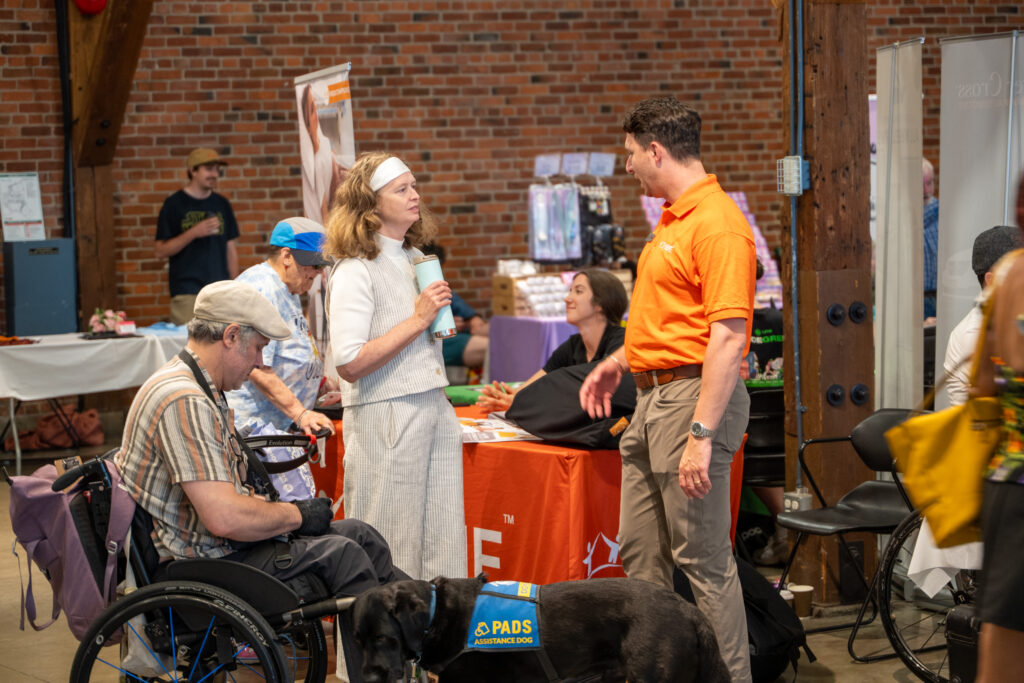
On June 9, ConnecTra Society hosted its 14th annual Abilities Expo at Yaletown’s Roundhouse Community Centre. ConnecTra is a non-profit that links “people living with disabilities to activities, services, resources, and opportunities.” More than 45 vendors and performers shared their resources and knowledge with the community, including people living with disabilities, caregivers, and health professionals. The Peak attended the event and interviewed Emily Chambers, ConnecTra program coordinator, to learn more.
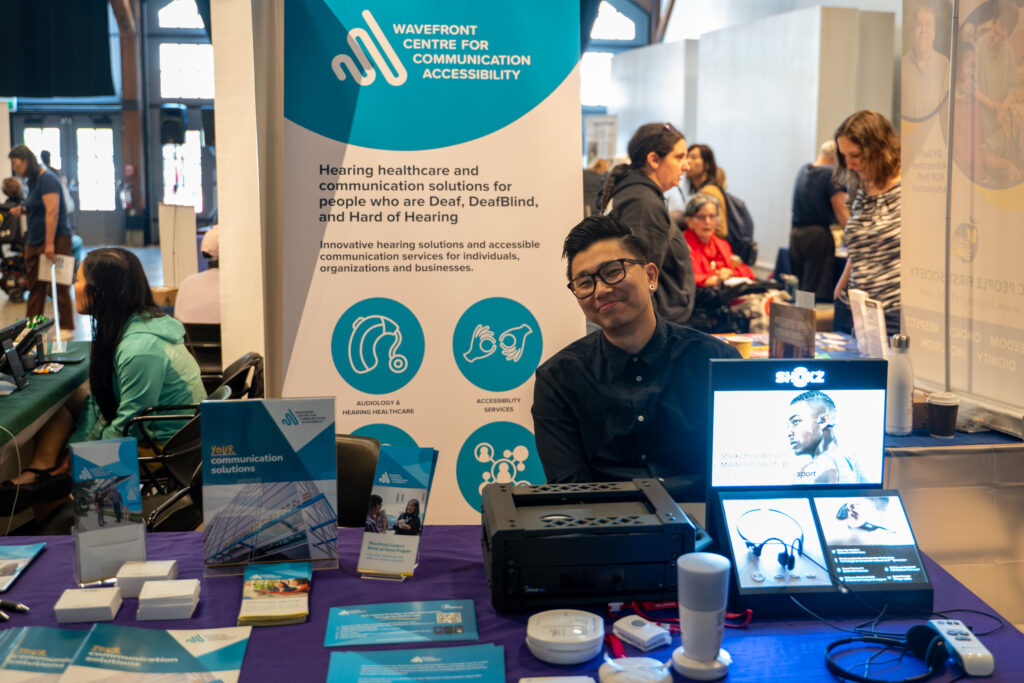
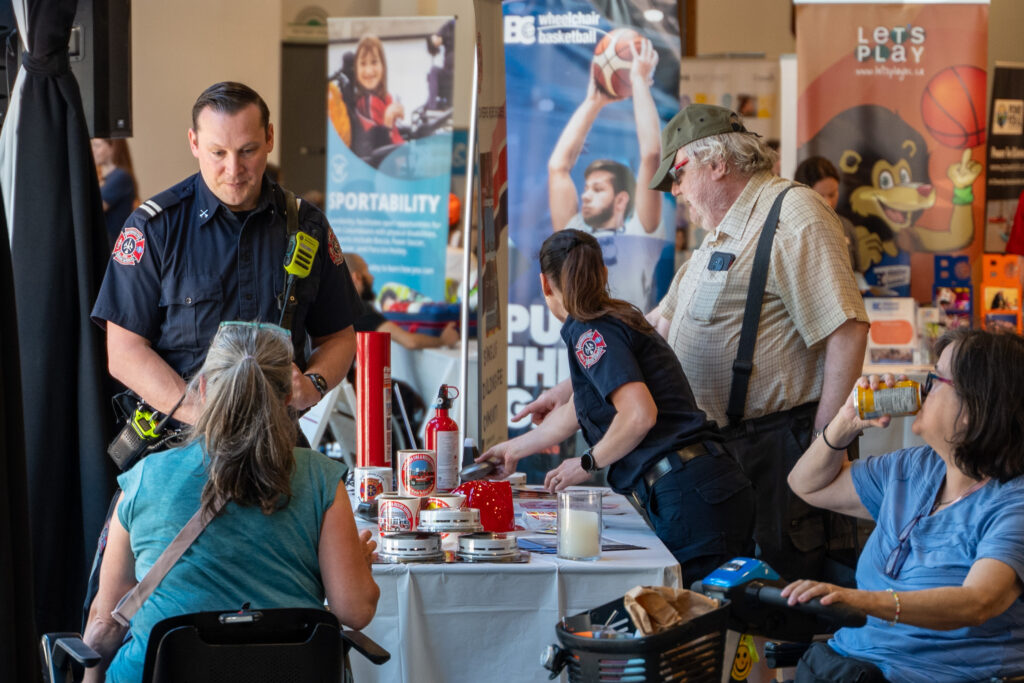
The theme of this year’s expo was “How to Thrive in 2025: Your Wellness, Your Way.” Chambers explained that “wellness looks different for so many people, especially when we’re dealing with a lot of physical disabilities, chronic pain, you kind of have to define that for yourself.” Visitors could expect to interact with organizations with a wide range of focuses, including “outdoor recreation or mental health support.” The expo’s 45 vendors included WorkSafe BC, BC Blind Sports and Recreation Association, and Theatre Terrific Society.
“Wellness looks different for so many people, especially when we’re dealing with a lot of physical disabilities, chronic pain, you kind of have to define that for yourself.” — Emily Chambers, ConnecTra program coordinator
ConnecTra has become more attuned to the needs of the community over time, Chambers said. Every year, they learn from the community to ensure the expo is accessible: “We used to be really catered to people with physical disabilities, and we’ve really branched out in the last three years to be more inclusive of cognitive disabilities, sight impairments, hearing impairments,” she said. Two ASL interpreters were present at both the expo’s keystone presentations, and live captions were displayed on the screen.
First, Simon Paradis and Kara Stanley performed a song-and-story called “I’ve Been Better; I’ve Been Worse.” Paradis performed blues songs about his experiences with chronic pain, while Stanley shared some tools on the complex issue and personal experience of pain. “When we talk about self-care and resilience, often the elephant in the room — the thing we don’t talk about — is pain,” said Stanley in her performance. She explained, “Extreme pain radically jeopardizes a sense of safety or pleasure. And so, focusing on those things, safety and pleasure, this is not a frivolous pursuit. It is not a selfish pursuit. It is critical to the overall health of the nervous system.”
“Extreme pain radically jeopardizes a sense of safety or pleasure. And so focusing on those things, safety and pleasure, this is not a frivolous pursuit. It is not a selfish pursuit. It is critical to the overall health of the nervous system.” — Kara Stanley, expo speaker
Stanley also shared that a key mission for repairing the nervous system is finding ways to “promote that sense of ease or safety, fun, pleasure, and connection, belonging.” Stanley said for her, that’s “engaging with stories and through movement practice,” and “for Simon, that journey has always led him back to music.”
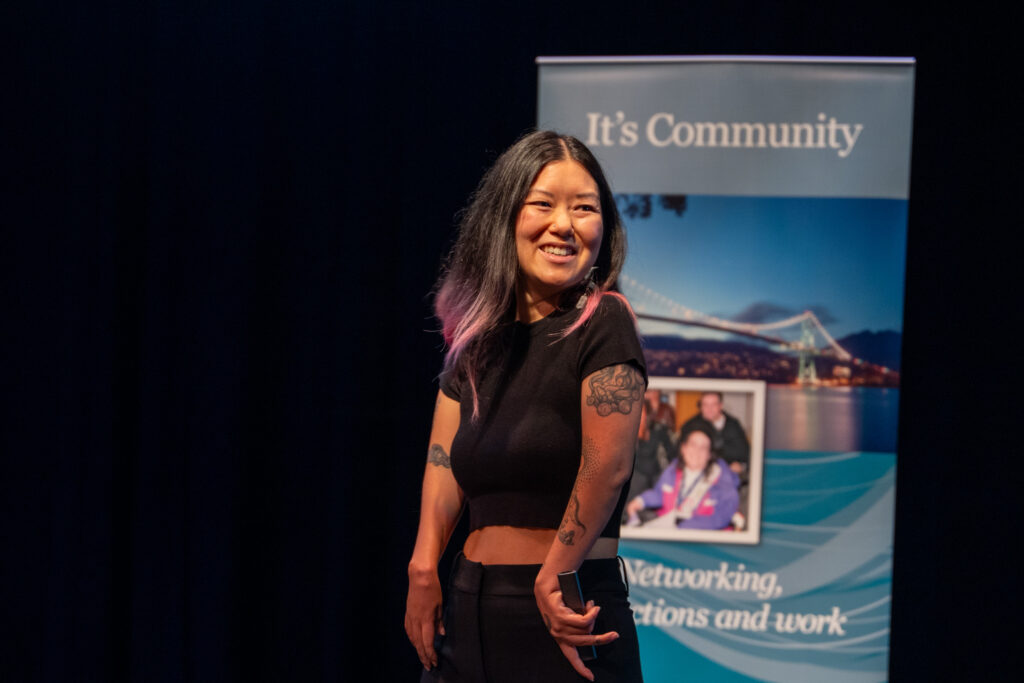
Another presentation featured was a spiritual talk by life coach Chi-ka Harada. “The more you get curious [about your emotions], the better you get to understand yourself, and be able to build a life that aligns with you and your deepest desires,” she said. Harada pushed the audience to “imagine what it feels like to be confident” and embody the person that you imagine, because “they already exist inside of you.”
The expo also featured two interactive activities straight from ConnecTra’s weekly agenda of events: adaptive chair yoga led by Bobbie Seale-Cobiskey and a contemporary improvisation dance class led by All Bodies Dance Project.


