

Compiled by: Kelly Chia, Features Editor
It’s election season for the Simon Fraser Student Society (SFSS)! The Peak has reached out to candidates to ask three questions based on their positions and compiled the results to help you navigate this election period. Voting this year will take place March 17–19 through SFU Mail.
The SFSS is SFU’s student-led society, representing the entire undergraduate population of the university. Headed by 16 Board of Directors, SFSS members are elected every spring by the student body to hold a one-year term. During this term they manage day-to-day society work, manage large-scale finances, execute university-wide campaigns and projects, and advocate for student interests regarding issues such as the U-Pass, student-centric spaces, and food and beverage services.
Please note that these answers have not been edited for spelling, grammar, or clarity, nor do they reflect the positions of The Peak Publications Society. Candidates were given a limit of 50 words per answer; responses that went over 50 words have been cut short.
This article has been divided by candidate positions. This is for the VP External Relations candidates. Click here to read the questionnaires for the President, VP Finance, VP Student Life, VP Student Services, VP University Relations, At-Large Representatives, Faculty Representatives.
VP External Relations
The vice-president external relations is involved in the university’s relations with other post-secondary institutions. The position is responsible for representing SFU at conferences held by external organizations, as well as keeping the Board informed on relevant actions of these organizations. The VP external also leads the Advocacy Committee, which is involved in advocacy initiatives on behalf of students.
Questions:
1. What is your current experience in working with external organizations/societies that enables you to take on this position?
2. What will you do that your predecessor specifically did not do?
3. What initiative or project in this position do you value the most and why?
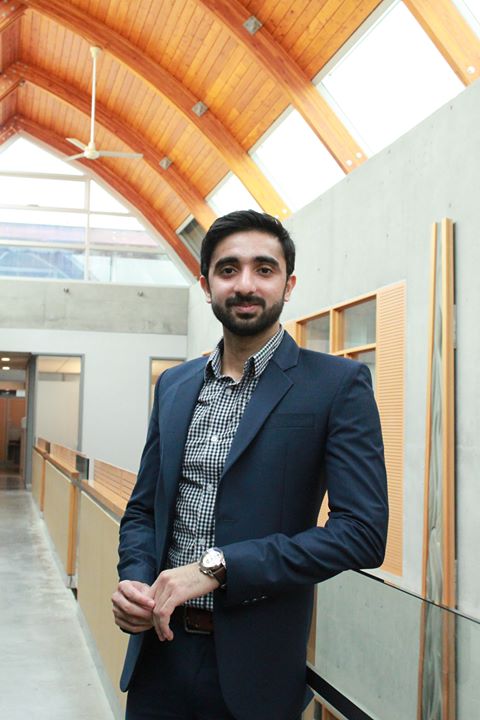
Samad Raza
1. In the past, as the President of RHA I worked with many external parties on improving the rights and freedoms students have under their tenancy agreement, also represented SFU RHA at PACURH conference to build good relationship with other student residence associations in pacific region.
2. I would like to work on making education affordable. With the recent increase in tuition fees for both domestic and international students, it has become extremely difficult for students to afford good education. I will lobby with government to put 2% cap on international tuition fees and increase funding for [over word count.]
3. I would work on resolving MSP issue for international students, as affordable health care is extremely important. Also, would actively lobby with government to increase educational funding for domestic students and support more open educational resources to make education more affordable.

Simran Uppal
1. Over the past few years, I have worked alongside local Members of Parliament and Members of the Legislative Assembly on various projects to serve for the betterment of BC residents. Additionally, I had the opportunity to support and learn about BCFS advocacy campaigns and formally endorse the Knockout Interest Campaign.
2. A project that I would like to initiate that my predecessor didn’t do is lobby the provincial government on having free therapy for people with anxiety and depression, there is precedent for this as it currently exists in Ontario. I believe there needs to be stronger advocacy for mental health.
3. A project I value the most is international student support and tuition regulation by proposing a provincial cap on annual tuition increases and increasing awareness around the challenges faced by international students. By advocating for this, the quality of education and affordability will be more reasonable for university students.



[…] positions. This is for the President candidates. Click here to read the questionnaires for the VP External Relations, VP Finance, VP Student Life, VP Student Services, VP University Relations, At-Large […]
[…] is for the VP Student Services candidates. Click here to read the questionnaires for the President, VP External Relations, VP Finance, VP Student Life, VP University Relations, At-Large Representatives, Faculty […]
[…] for the Faculty Representative candidates. Click here to read the questionnaires for the President, VP External Relations, VP Finance, VP Student Life, VP Student Services, VP University Relations, At-Large […]
[…] This is for the VP Finance candidates. Click here to read the questionnaires for the President, VP External Relations, VP Student Life, VP Student Services, VP University Relations, At-Large Representatives, Faculty […]